
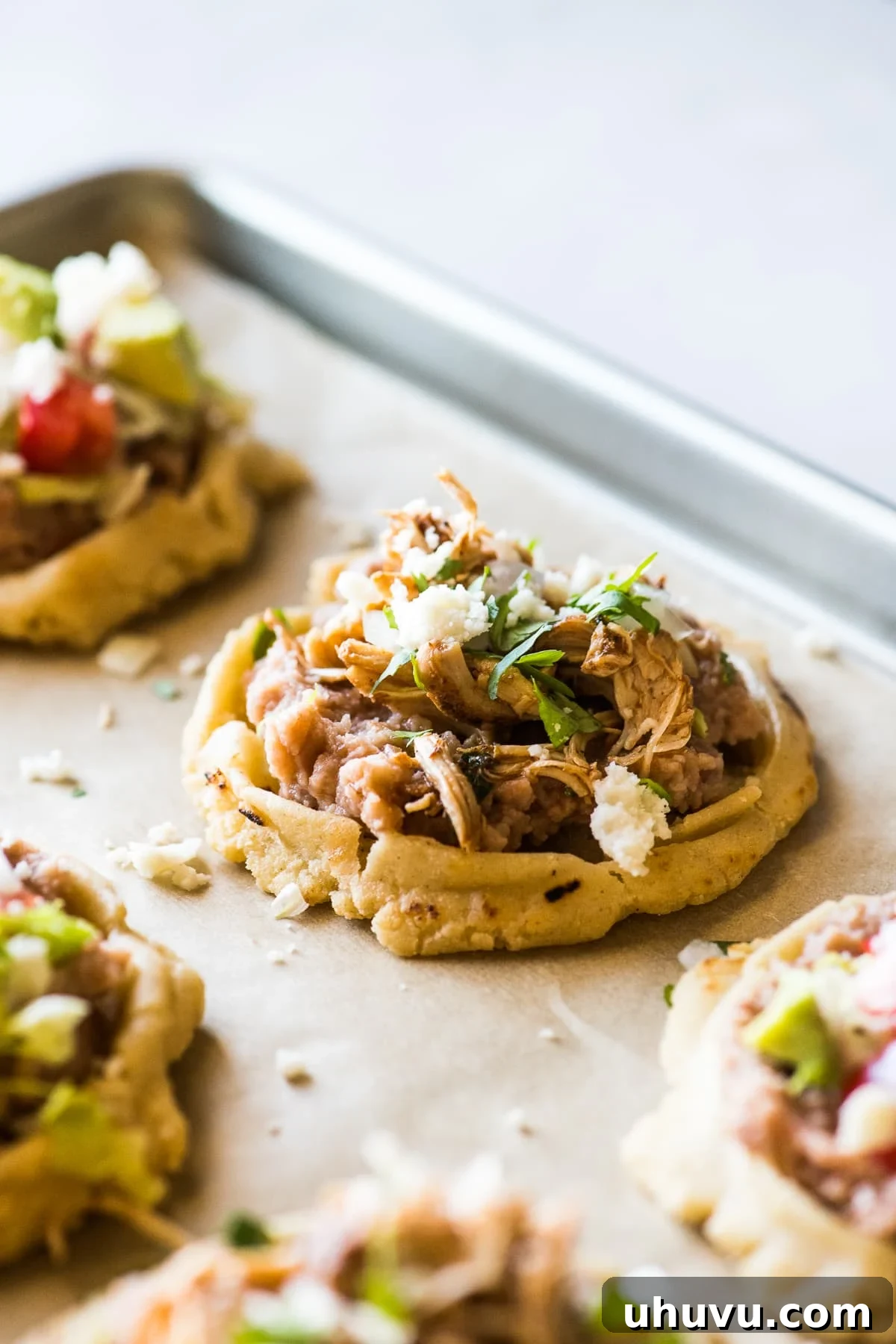
Unlock the secrets to crafting truly authentic and irresistible Mexican sopes right in your own kitchen! These thick, flavorful corn masa cakes are the perfect canvas for all your favorite toppings, from succulent shredded chicken and savory beef to hearty beans, crisp lettuce, crumbly cheese, and vibrant salsa. Made with just a handful of staple ingredients, you’ll be amazed at how quickly you can prepare these delightful antojitos, whether you choose to bake them to a golden crisp or fry them to perfection. Get ready to embark on a culinary journey that brings the rich flavors of Mexico directly to your table.
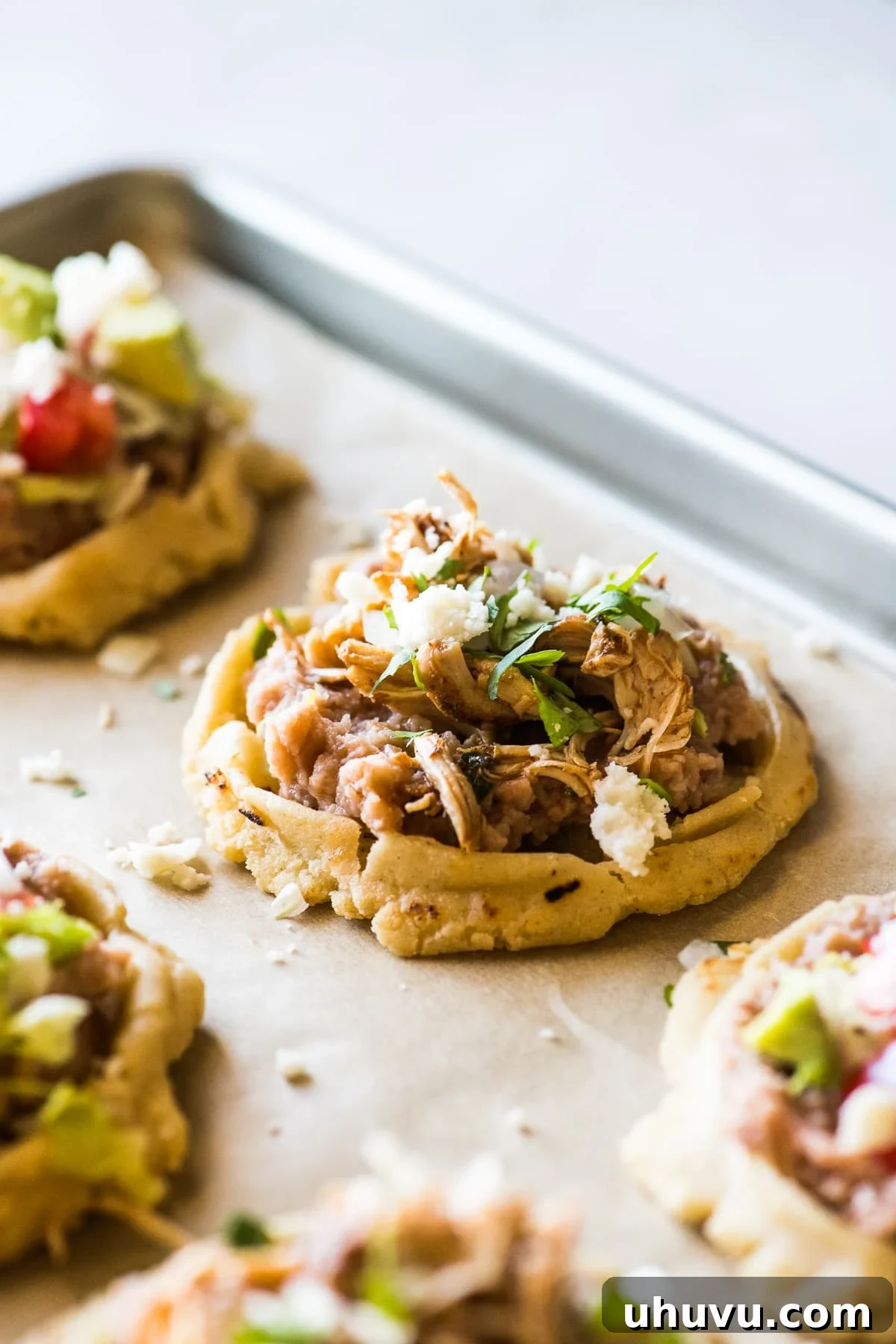
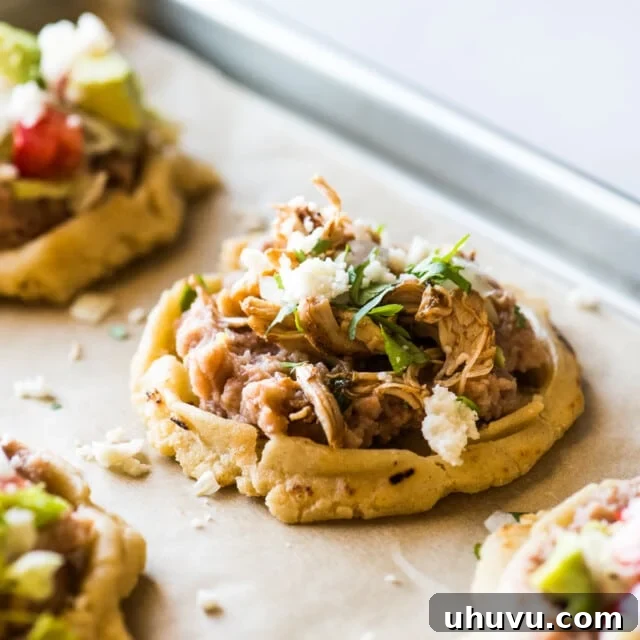
Mexican sopes are a beloved culinary staple, cherished for their incredible versatility and comforting flavor. These small, yet satisfying, corn masa cakes resemble a thick corn tortilla but boast a distinctive raised rim around the edge. This clever design creates a natural “plate” or cup, making them the ideal vessel for an endless array of delicious fillings and garnishes. Imagine piling them high with creamy refried beans, tender carnitas, rich birria, smoky barbacoa, flavorful papas con chorizo, and your favorite authentic Mexican salsas.
The beauty of homemade sopes lies not only in their fresh taste but also in their customizable texture. You have the option to bake them for a lighter, crispier finish or fry them for a more traditional, golden crunch. Once prepared, sopes are incredibly convenient for meal prepping. You can store them in the refrigerator for up to a week, ready to be reheated and topped with whatever ingredients your heart desires for a quick and satisfying meal any day of the week.
What Exactly Are Sopes?
Sopes (pronounced soh-pez) are a traditional Mexican dish consisting of thick, hand-formed corn masa cakes. The dough is typically made from just four simple ingredients: masa harina, water, salt, and a touch of oil. Originating in the central regions of Mexico, sopes serve as edible bases, acting much like small, sturdy plates designed to hold an abundance of savory toppings. These can range from various meats, such as chicken or beef, to fresh vegetables and a wide array of zesty salsas.
Culturally, sopes are categorized as antojitos, a charming Spanish term translating to “little cravings.” Antojitos encompass a variety of beloved Mexican appetizers and snacks, often enjoyed late at night or as popular street food offerings. Other delectable examples of antojitos include vibrant chilaquiles verdes, savory elote (Mexican street corn), and flavorful slow cooker salsa verde chicken tostadas. Sopes share a close resemblance to gorditas, another popular Mexican corn cake made from a similar masa dough. The key distinction lies in their preparation and presentation: while gorditas typically puff up and are stuffed with fillings inside, sopes are designed to be layered with toppings directly on their surface, making their raised rim essential for containing all the deliciousness.
Essential Ingredients for Perfect Sopes
Crafting delicious homemade sopes requires only a few fundamental ingredients, each playing a crucial role in achieving the desired texture and flavor. Here’s a closer look at what you’ll need:
- Masa Harina: This specialized corn flour is the heart and soul of countless authentic Mexican recipes. Unlike regular cornmeal, masa harina is made from dried maize corn that has been cooked and steeped in an alkaline solution (a process called nixtamalization), then finely ground. This unique treatment gives masa harina its distinctive earthy flavor and allows the dough to be pliable and cohesive, essential for forming sopes that hold together. It’s the same base used to make traditional corn tortillas, comforting atole, and festive tamales.
- Oil: A neutral-flavored vegetable oil, such as canola, sunflower, or corn oil, is vital for frying your sopes to achieve that coveted crispy exterior. A small amount of oil can also be incorporated into the dough for added richness and pliability, even if you plan to bake them.
- Salt: A pinch of fine salt is crucial for seasoning the masa dough itself. It enhances the natural sweetness of the corn and balances the overall flavor, ensuring your sopes aren’t bland even before toppings are added.
- Water: Warm water is the binding agent that transforms the dry masa harina into a workable dough. The exact amount can vary slightly depending on the brand of masa harina and humidity, so it’s best to add it gradually until the dough reaches the perfect springy, yet firm, consistency. The simple combination of hot water, oil, masa harina, and salt is all that’s needed to bring this traditional dough to life.
Crafting Homemade Sopes: A Step-by-Step Guide
Making sopes from scratch is a rewarding process that yields incredible flavor and texture. Follow these simple steps to create perfect corn masa cakes:
1. Prepare the Dough: In a spacious mixing bowl, combine the masa harina and salt. Gradually pour in the hot water, mixing with a sturdy spoon or your hands until the liquid is fully absorbed and a shaggy dough begins to form. Continue to knead the dough for about 3 minutes until it comes together as a cohesive, smooth ball. The dough should be firm yet springy to the touch, not crumbly or overly sticky. If it feels too dry and cracks easily, add a tiny bit more water, a teaspoon at a time. If it’s too wet and adheres to your hands, incorporate a sprinkle more masa harina until the ideal consistency is achieved.
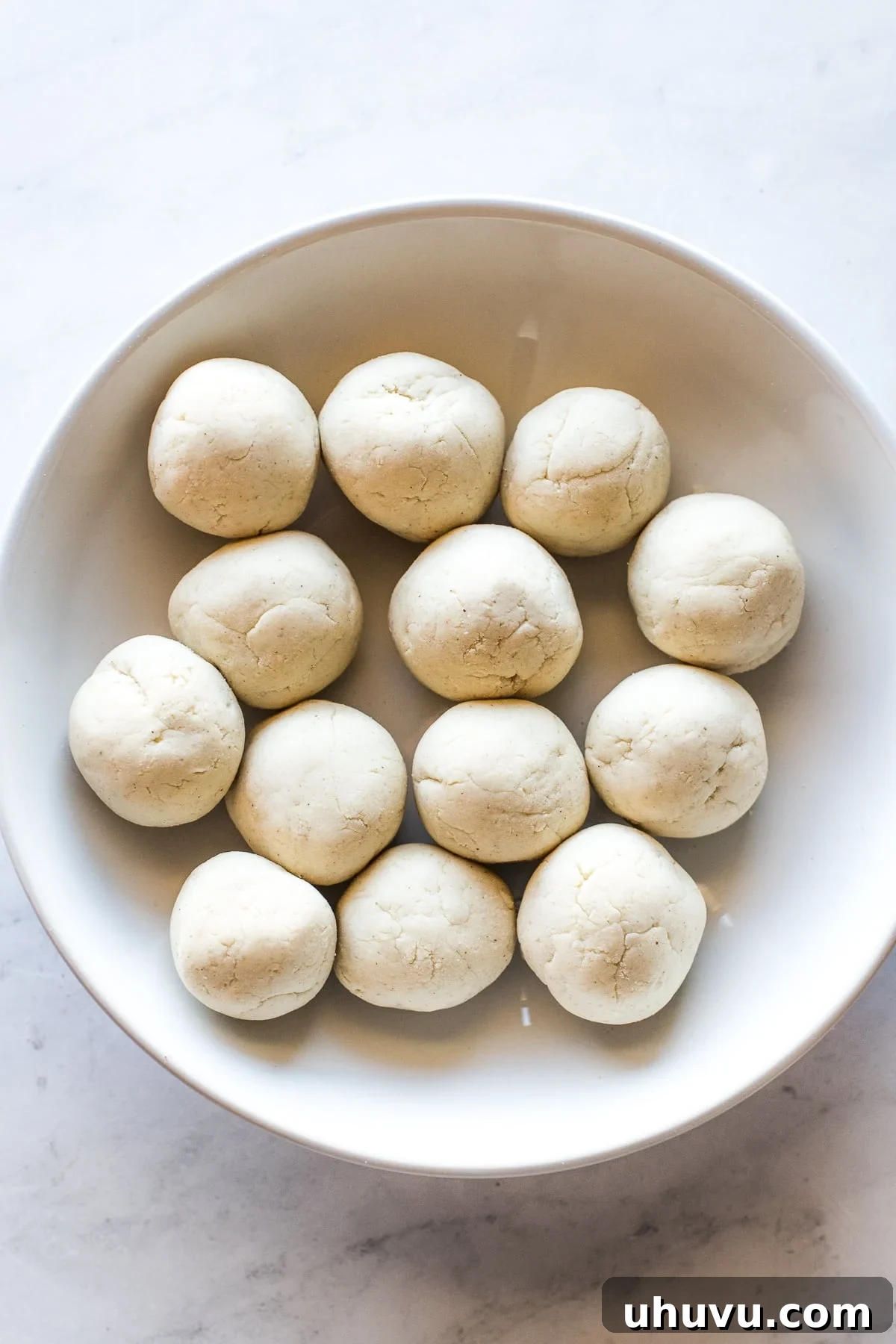
2. Divide and Roll the Dough: Once your masa dough is perfectly kneaded, divide it into 12 equal portions. Roll each portion into a smooth ball using the palms of your hands. Place the rolled dough balls back into the bowl and cover them with a clean, damp cloth or plastic wrap. This is crucial to prevent the dough from drying out while you work through the batches.
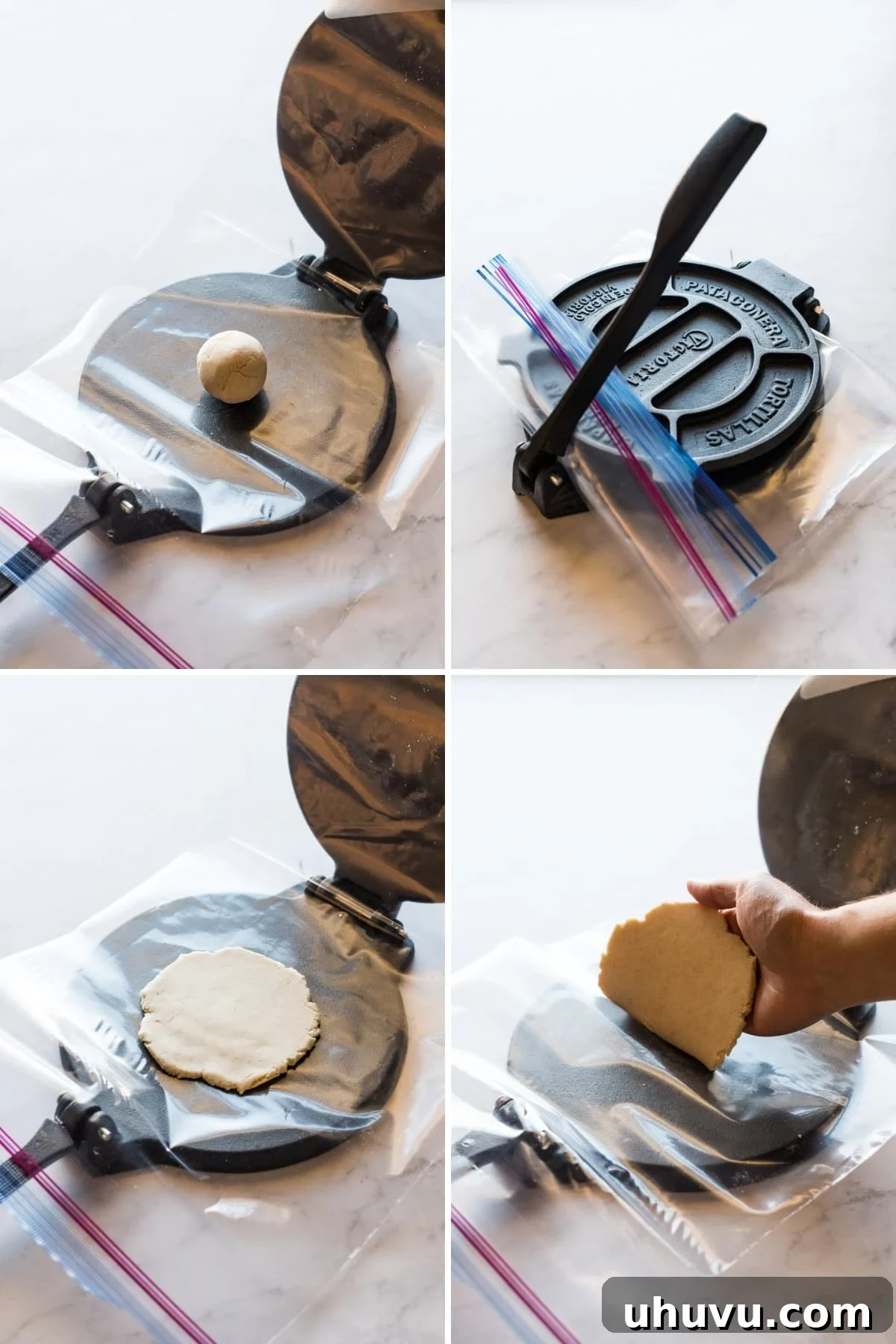
3. Press Each Dough Ball: For best results, prepare your tortilla press. Take a gallon-sized zip-top bag and cut along the seams on both sides to create one large, rectangular piece of plastic. Alternatively, two pieces of parchment paper work just as well. Lay this plastic or parchment paper inside the open tortilla press. Place one dough ball directly in the center, fold the plastic or parchment over it, and gently close the top plate of the press, applying even pressure to flatten the dough into a thick disc. Open the press and carefully peel back the plastic/parchment; the disc should be thicker than a standard corn tortilla, about ¼-inch thick. If it’s too thin, simply re-roll the dough and try again.
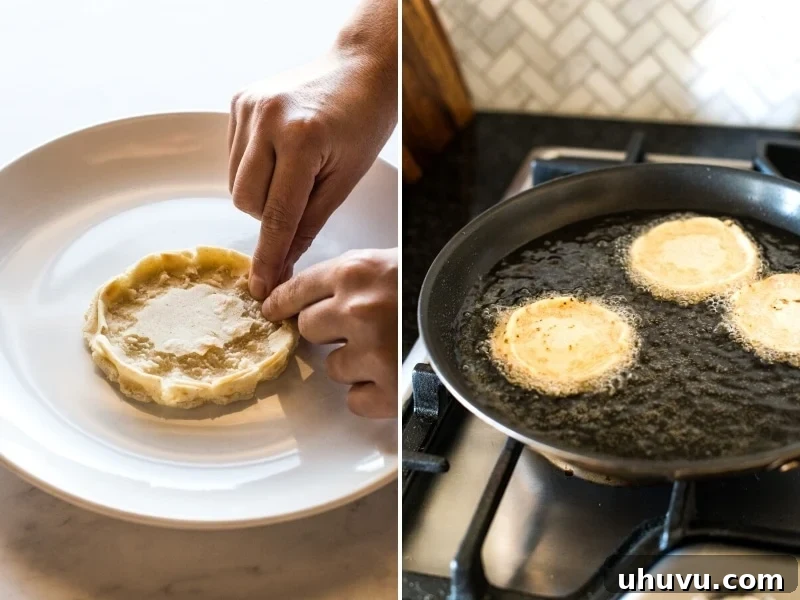
4. Cook and Form the Sopes: Heat a griddle or a heavy-bottomed skillet over medium-high heat. Once hot, place one or two flattened dough discs onto the griddle. Cook each side for approximately 15-20 seconds, just until you see light brown marks and the dough looks slightly cooked, but not fully through like a tortilla. This par-cooking helps the sopes retain their shape. Transfer the par-cooked sopes to a plate and let them cool for about 30 seconds until they are comfortable to handle. While still warm, use your thumb and index finger to gently pinch around the entire edge of each disc, creating the signature raised rim. This rim is essential for holding your delicious toppings.
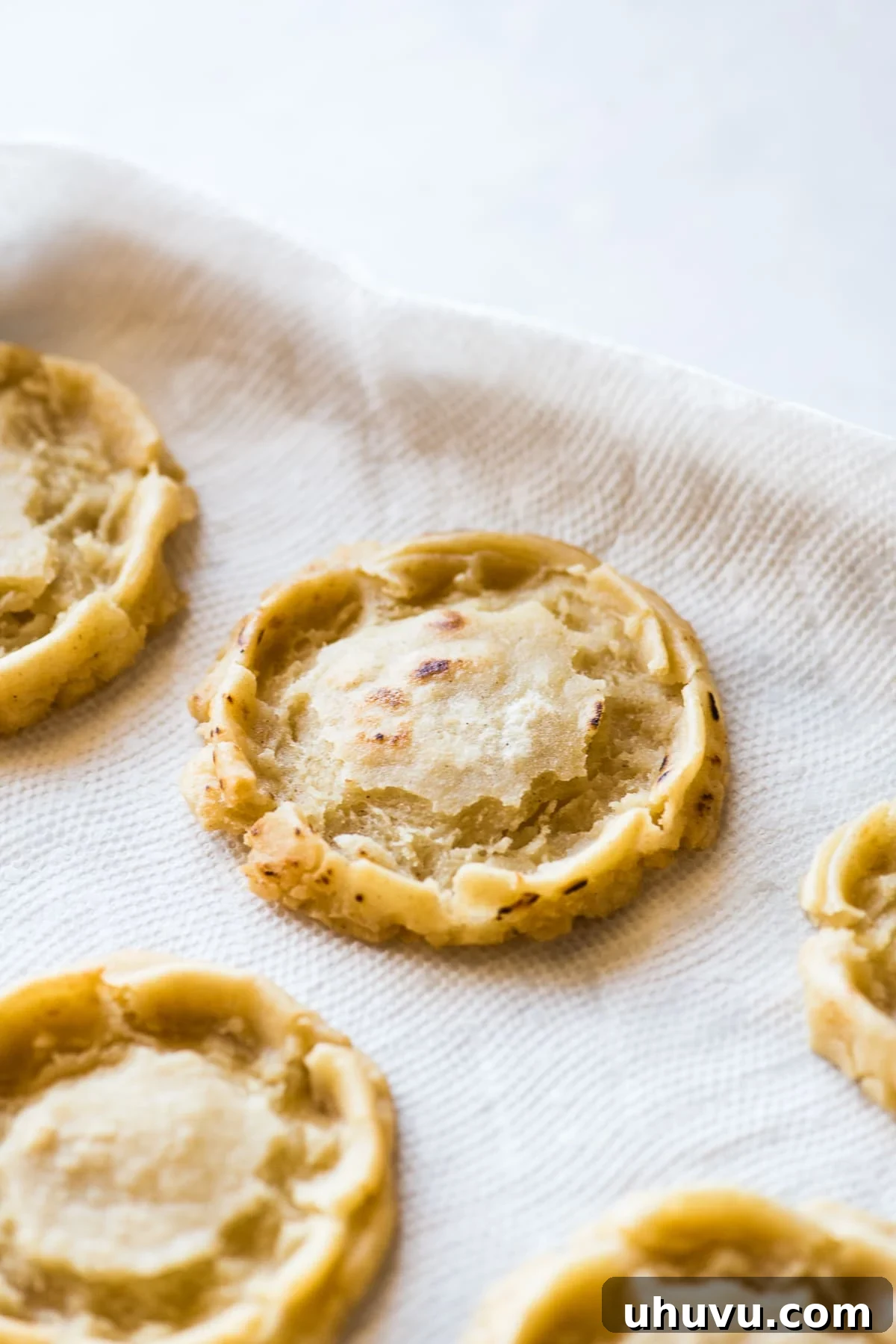
5. Finish Cooking (Bake or Fry): Once all sopes have been formed with their rims, it’s time for the final cooking stage.
- To Fry: Heat 1-2 cups of vegetable oil in a large skillet over medium-high heat. Once the oil is hot (a small piece of dough should sizzle), carefully place 2-3 formed sopes into the oil. Fry for about 2 minutes, flipping frequently, until they turn a beautiful light golden brown and become wonderfully crispy. Transfer the fried sopes to a plate lined with paper towels or a wire rack to drain off any excess oil.
- To Bake: (See detailed instructions below for baking)
All that’s left is to generously load them with your favorite toppings and savor every bite! Find suggested toppings below to inspire your culinary creations.
Expert Recipe Tips for Flawless Sopes
- Dough Thickness is Key: When flattening the masa dough, remember that sopes should be noticeably thicker than a regular corn tortilla. Aim for about ¼-inch thickness. If you accidentally press the dough too thin, don’t worry! Simply gather the dough, re-roll it into a ball, and try again.
- Achieving the Right Dough Consistency: The ideal masa dough should be firm and springy when you touch it, indicating proper hydration. It should not be dry and crumbly, nor should it be overly sticky and wet. If your mixture is too dry, add a tiny splash more warm water (half a teaspoon at a time) and knead until it becomes pliable and holds together well. If it’s too sticky, sprinkle in a bit more masa harina and knead until it reaches the desired firmness.
- Best Practices for Pressing: While plastic wrap might seem convenient, it often tends to stick to the masa dough and the tortilla press, causing frustration. I highly recommend using a gallon-size zip-top bag (cut open on the sides to form a large sheet) or two pieces of parchment paper. These materials prevent sticking, making the pressing process smooth and hassle-free.
- Don’t Overcook on the Griddle: The initial cook on the griddle is just to par-cook the sopes and firm them up so you can form the rim. You’re not trying to cook them all the way through like a tortilla. Light searing marks on both sides are perfect.
- Forming the Rim While Warm: The dough is most pliable and easiest to work with when it’s still warm from the griddle. Don’t let it cool completely before pinching the edges to create the rim, or it may crack.
Can You Bake Sopes for a Healthier Option?
Absolutely! While traditionally fried, sopes can indeed be baked, offering a delicious and often preferred alternative for those looking to reduce oil consumption or achieve a slightly different texture. My family frequently opts for the baked method, and I can personally attest to how wonderfully crispy and satisfying baked sopes can be. Plus, it’s a fantastic way to enjoy this authentic dish with less guilt.
Here’s how to bake your sopes to perfection:
- Prepare the masa dough, flatten each piece, and form the distinctive rim around the edges exactly as you would for frying.
- Preheat your oven to a steady 400ºF (200ºC).
- Arrange the formed sopes onto two large baking sheets, ensuring they are not overcrowded. Lightly spray the tops and bottoms of the sopes with a little cooking oil (this helps achieve a beautiful golden crust).
- Bake for approximately 5-7 minutes, or until the sopes are heated through and have developed a pleasant crispiness. Keep an eye on them, as oven temperatures can vary.
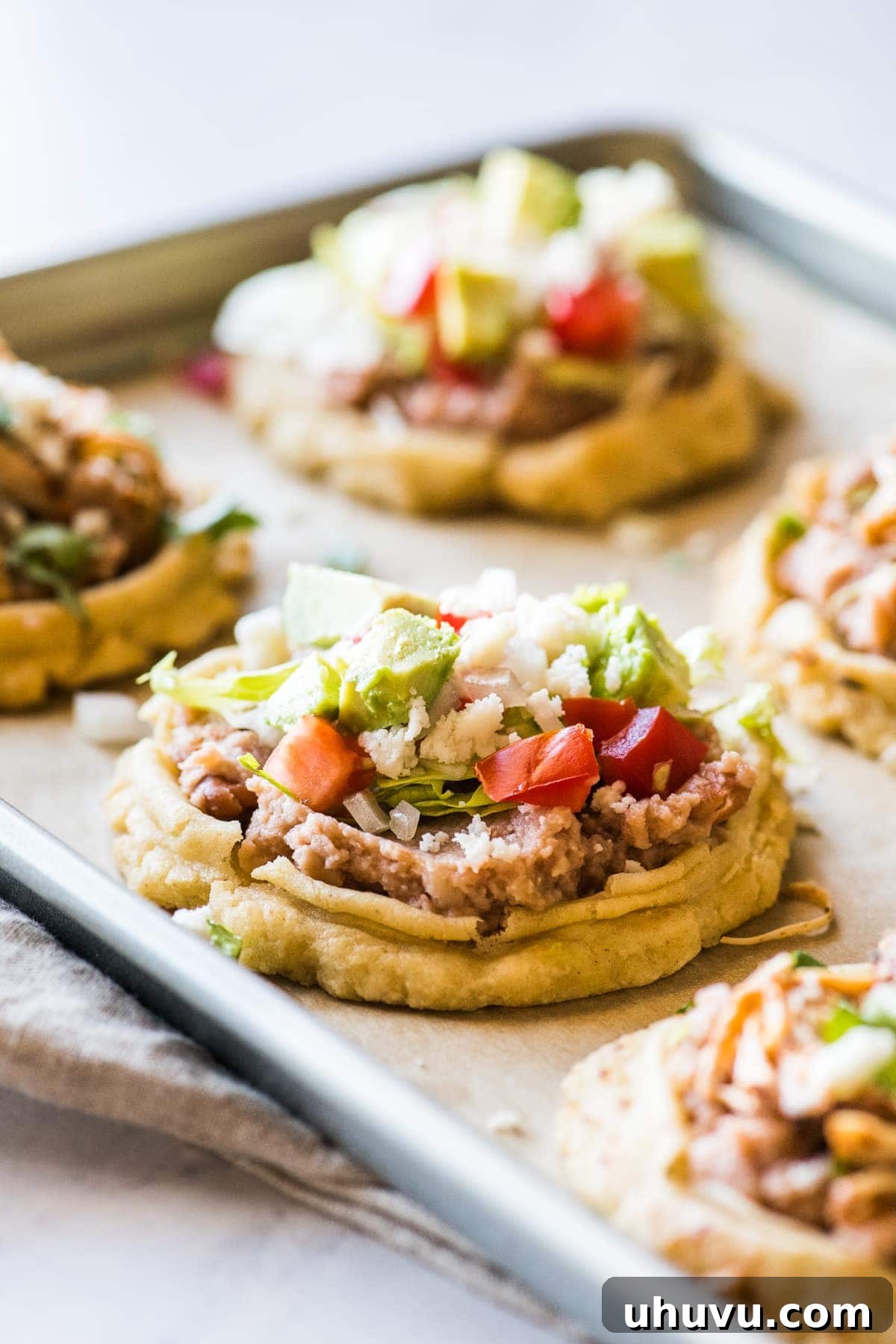
Endless Topping Possibilities for Your Sopes
The true magic of sopes lies in their incredible versatility when it comes to toppings. Think of the warm, crispy masa cake as a blank canvas, ready to be adorned with a symphony of flavors and textures. You can keep things wonderfully simple or create an elaborate feast!
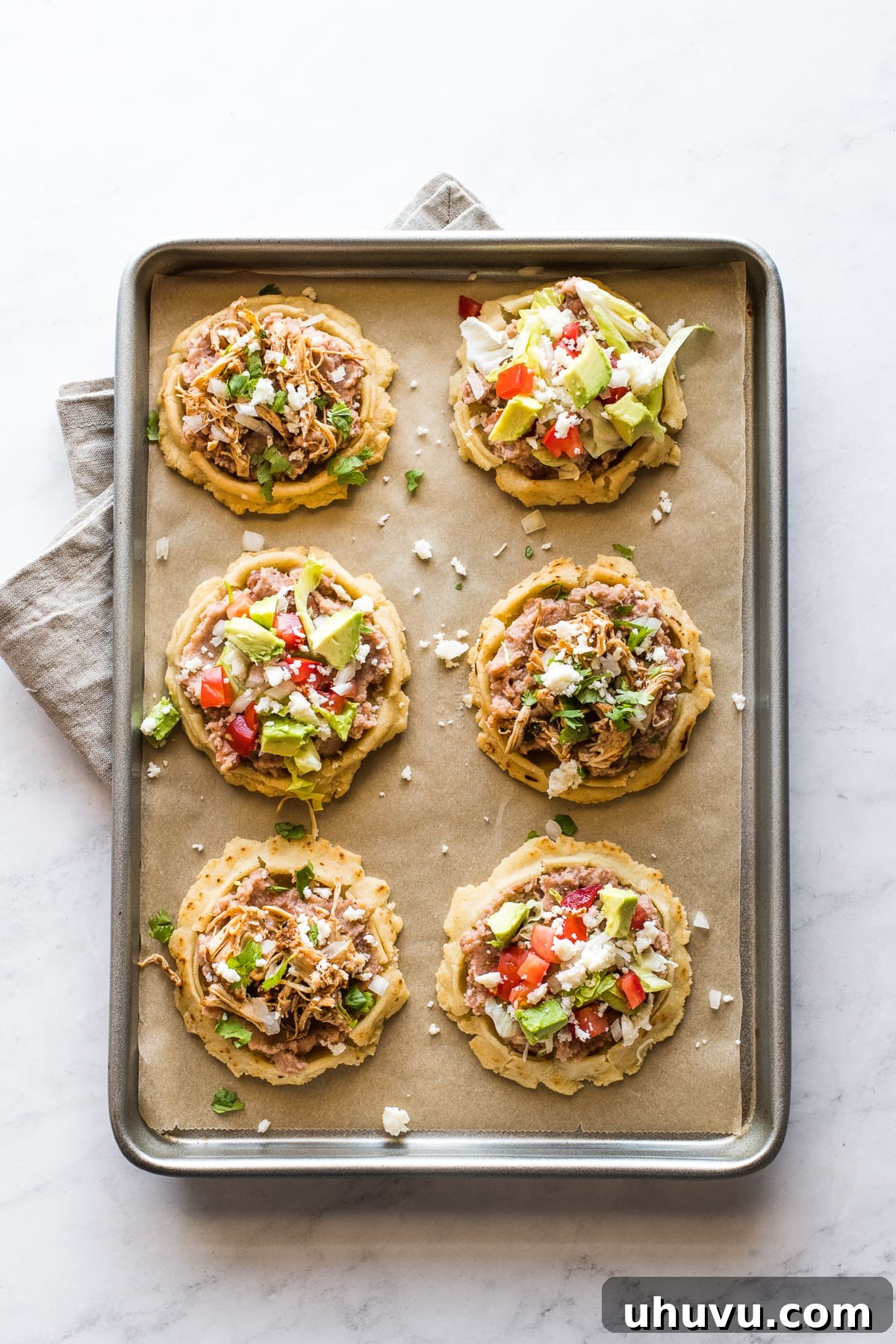
For a classic and satisfying experience, start with a generous helping of creamy refried beans, crumbled queso fresco, and a vibrant salsa. To add protein, consider savory picadillo, tender shredded chicken, rich barbacoa, or perfectly grilled carne asada. Finish with fresh, crisp elements like finely chopped lettuce, thinly sliced cabbage, and a drizzle of spicy chile de arbol salsa. The combinations are truly limitless!
Sopes are also an ingenious way to repurpose any Mexican leftovers you might have tucked away in the fridge. A little leftover stew, some seasoned ground meat, or even extra rice can be transformed into a delectable sope topping. Simply garnish with a sprinkle of fresh cilantro, a handful of finely diced onion, and your favorite hot sauce, then dig in. Consider setting up a “sope bar” for gatherings, allowing everyone to customize their own creations with a variety of meats, cheeses, vegetables, and salsas for a fun and interactive dining experience.
Making Ahead, Storing, and Reheating Sopes
Sopes are a fantastic make-ahead dish, perfect for entertaining or preparing delicious meals in advance. Here’s how to handle them for maximum convenience:
To make ahead of time: You have a couple of options. You can prepare the masa dough up to the point of forming the balls, then wrap it tightly in plastic wrap and store it in the fridge for a few days. When you’re ready to cook, simply let it come to room temperature slightly before proceeding with pressing and cooking. Alternatively, you can fully fry or bake all the sopes, let them cool completely, and then store them. This method makes reheating incredibly quick and easy.
To store: Keep cooked sopes in an airtight container in the refrigerator for up to 1 week. For longer storage, sopes freeze exceptionally well. Place cooled sopes in a single layer on a baking sheet to freeze individually, then transfer them to a freezer-safe bag or container. They can be frozen for up to a month. Remember to leave frozen sopes to thaw overnight in the refrigerator before reheating.
To reheat: For the best results, reheat sopes either by pan-frying them in a lightly oiled skillet or by baking them in a preheated oven (around 350ºF/175ºC) for a few minutes. Heat until they are warmed through and have regained their desired level of crispiness. Avoid microwaving, as this tends to make them soft and chewy rather than crisp.
Frequently Asked Questions About Sopes
Curious about making sopes? Here are some common questions and their answers to help you perfect this delicious Mexican dish:
- Can I use cornmeal instead of masa harina? No, masa harina is essential for sopes. Regular cornmeal will not work as it lacks the nixtamalization process that gives masa dough its unique texture and ability to form a cohesive, pliable dough.
- What is the best oil for frying sopes? A neutral-flavored oil with a high smoke point is best, such as vegetable oil, canola oil, corn oil, or even a light sunflower oil. These oils won’t overpower the delicate flavor of the masa.
- How do I prevent my sopes from falling apart? The key is in the dough consistency and the initial par-cooking. Ensure your masa dough is firm and cohesive, not too dry or too wet. Also, don’t press them too thin, and make sure to cook them briefly on the griddle to set their shape before forming the rim and the final fry/bake.
- Can I make sopes gluten-free? Yes, masa harina is naturally gluten-free, making sopes a wonderful option for those with gluten sensitivities. Always check your masa harina packaging to ensure no cross-contamination has occurred if you have severe allergies.
- What if I don’t have a tortilla press? While a tortilla press makes the job easier, you can still make sopes without one. Place a dough ball between two pieces of plastic wrap or parchment paper and use a flat-bottomed heavy pan, a cutting board, or even your hands to gently press and flatten the dough into discs.
Explore More Authentic Mexican Recipes
If you’ve enjoyed making and savoring these delicious sopes, you’ll love diving into more traditional Mexican cuisine. Expand your culinary repertoire with these other authentic recipes:
- Tlacoyos
- Huaraches Recipe
- Gorditas
- Chile Verde
- Chile Colorado
Mexican Sopes
Isabel Orozco-Moore
10
minutes
20
minutes
30
minutes
12
sopes
Ingredients
-
2
cups
masa harina -
1
teaspoon
fine salt -
1 ½
cups
warm water,
plus more as needed -
1-2
cups
vegetable oil,
for frying -
cooking spray,
for baking (optional)
Instructions
-
In a large bowl, combine the masa harina and salt. Stir in the warm water until a dough begins to form.
-
Using your hands, knead the dough until it fully comes together and all the water is absorbed, about 3 minutes. To ensure optimal consistency, grab a small piece and roll it into a ball, then gently press down on it with a finger. If the edges of the dough crack, it’s too dry; add a little more water. If the dough sticks excessively to your skin, it’s too wet; add a sprinkle more masa harina. Adjust as necessary until the dough is firm and springy.
-
Divide the prepared dough into 12 equal portions, then roll each portion into a smooth ball. Cover them with a clean, damp cloth or plastic wrap to maintain moisture while you work on pressing and forming the sopes.
-
Heat a griddle or a heavy-bottomed skillet over medium-high heat until it’s hot. While the griddle is heating, prepare your tortilla press. Cut the seams off a large resealable plastic bag so it opens into one large rectangular piece of plastic. Alternatively, use two pieces of parchment paper.
-
Lay the plastic or parchment paper on the open tortilla press and place one dough ball on the bottom half. Fold the other side of the plastic or parchment paper over the dough, then gently close and press the upper portion of the tortilla press to flatten it out. Open the tortilla press, carefully peel back the plastic or parchment paper, and transfer the flattened dough to your hand. The disc should be slightly thicker than a typical corn tortilla.
-
Working with 1 or 2 discs at a time, place the dough on the hot griddle and cook for 15 to 20 seconds per side. Both sides should look cooked and have light, seared marks, but you do not want to cook it all the way through like a corn tortilla at this stage.
-
Transfer the par-cooked dough to a plate and let it cool for about 30 seconds, or until it’s cool enough to handle comfortably. While still warm and pliable, use your thumb and index finger to gently pinch the edges around the entire dough disc, creating the signature raised rim of the sope. (Refer to photos in the main article for visual examples)
-
Cover the formed sope with a clean towel to keep it warm and pliable, and repeat the pressing, par-cooking, and rim-forming process until all the sopes have been prepared.
-
To bake: Preheat oven to 400°F (200°C). Transfer the formed sopes to 2 large baking sheets and lightly spray them with cooking spray. Bake for 5-7 minutes, until crispy and heated through.
-
To fry: Heat 1-2 cups of vegetable oil in a large skillet over medium-high heat. Once the oil is hot, fry the formed sopes 2 or 3 at a time, flipping frequently, for about 2 minutes per batch until they turn a light golden brown and become crispy. Transfer the fried sopes to paper towels or a wire rack to drain any excess oil.
-
Serve the sopes immediately with your desired toppings, such as refried beans, cheese, seasoned ground beef, shredded chicken, shredded lettuce, and a variety of salsas, then enjoy!
Video
Notes
Nutrition
Calories: 69 kcal |
Carbohydrates: 14 g |
Protein: 2 g |
Fat: 1 g |
Saturated Fat: 0.1 g |
Polyunsaturated Fat: 0.3 g |
Monounsaturated Fat: 0.2 g |
Sodium: 196 mg |
Potassium: 50 mg |
Fiber: 1 g |
Vitamin A: 41 IU |
Calcium: 27 mg |
Iron: 1 mg
Nutrition information is automatically calculated, so should only be used as an approximation.
Did you make this recipe?
Leave a comment and star rating below!
This post was updated in February 2021 with new photos and slightly modified recipe instructions.