
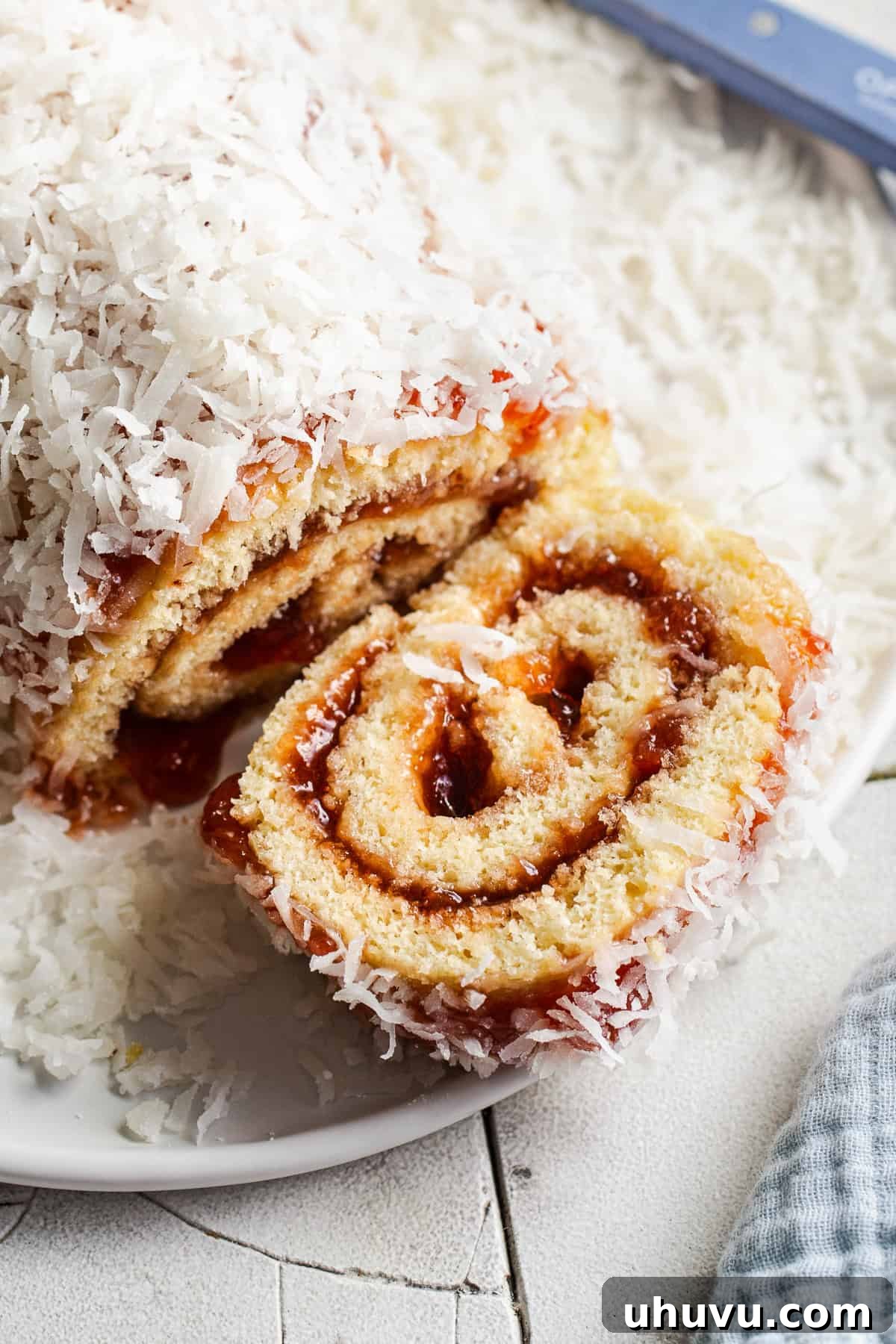
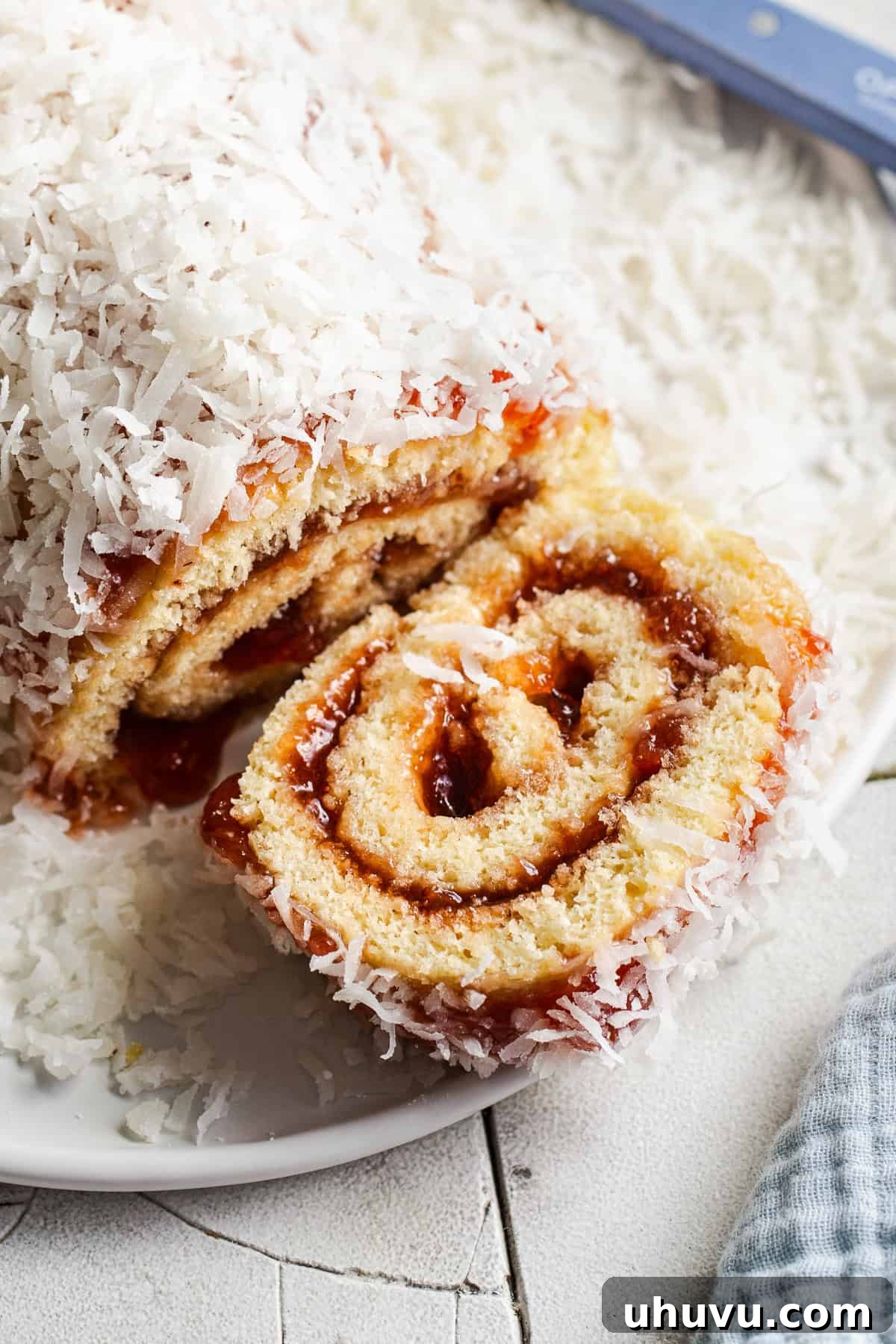
Welcome to the delightful world of Niño Envuelto, a cherished Mexican jelly roll that embodies the vibrant spirit of traditional Mexican bakeries, or panaderías. This light and airy sponge cake, generously filled with sweet strawberry jam and coated in a delicate layer of shredded coconut, is more than just a dessert—it’s a taste of nostalgia. Imagine biting into a cloud-like cake, with the bright burst of strawberry and the tropical hint of coconut. It’s a simple pleasure that’s surprisingly easy to recreate in your own kitchen, bringing the authentic flavors of a Mexican panadería right to your home. Get ready to discover the secrets to crafting this irresistible treat that’s perfect for any occasion.
A Note from Isabel

Growing up, Mexican panaderías were my ultimate happy place. I remember the sense of wonder as I pressed my nose against the glass cases, scanning for something truly special. The Niño Envuelto, with its perfectly rolled cake, vibrant fruity swirl, and inviting coconut exterior, always captivated my attention. It felt like a little gift, an edible treasure waiting to be discovered. The moist texture, the sweet and tangy strawberry, the subtle crunch of coconut—each element contributed to a truly joyful experience.
It always sat proudly alongside other beloved pan dulce classics like the iconic conchas, those charming seashell-shaped sweet breads, the cheerful, bright pink slices of cortadillo, and the delicate, buttery, flaky orejas, reminiscent of French palmiers. These pastries weren’t just food; they were a part of my cultural heritage and childhood memories.
What truly surprised me years later was discovering how incredibly simple it is to bake Niño Envuelto right at home. The magic lies in a straightforward, easy-to-make sponge cake batter and readily available store-bought strawberry jelly or jam. The real secret, however, is in the technique: a super-light sponge cake that must be rolled while it’s still warm. This crucial step allows the cake to set into that perfect, elegant spiral as it cools, preventing any cracks. Master this technique, and you’ll be well on your way to creating bakery-quality Niño Envuelto with ease and confidence.
What Is Niño Envuelto? Understanding This Mexican Sweet Bread
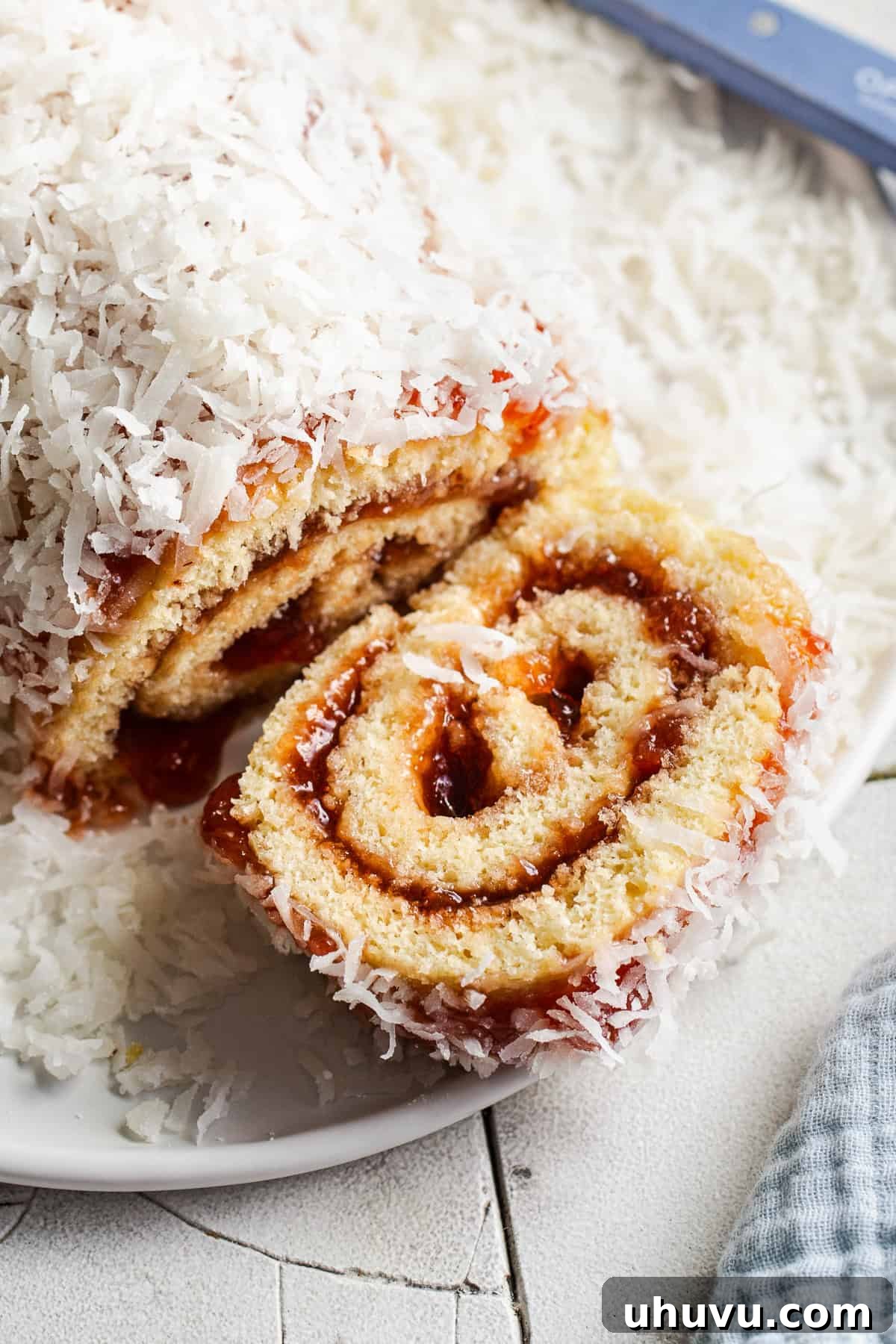
Niño Envuelto, which translates to “wrapped child” or “wrapped boy,” is a delightful and traditional Mexican pan dulce (sweet bread) that closely resembles a Swiss roll or a classic jelly roll. At its heart, it’s a tender, fluffy sponge cake generously spread with a vibrant fruit filling, most traditionally strawberry. The cake is then carefully rolled into a tight spiral, creating a beautiful visual and textural experience. To complete this iconic treat, the entire roll is coated with a thin layer of the same fruit jelly and then adorned with sweetened shredded coconut, adding a tropical flair and pleasant chewiness.
These charming pastries are a staple in almost every Mexican panadería, often displayed prominently in glass cases, beckoning with their colorful fillings and snowy coconut exteriors. While they may look intricate, the process of making Niño Envuelto at home is surprisingly straightforward and incredibly rewarding. It’s a fantastic recipe for bakers of all skill levels, offering a taste of authentic Mexican culture with every bite. Whether enjoyed with a cup of coffee for breakfast, as an afternoon snack, or a light dessert, Niño Envuelto is a timeless favorite.
Essential Ingredients for Your Homemade Niño Envuelto
Creating the perfect Niño Envuelto starts with selecting quality ingredients. Here’s a detailed look at what you’ll need and why each component is vital for achieving that authentic panadería taste and texture:
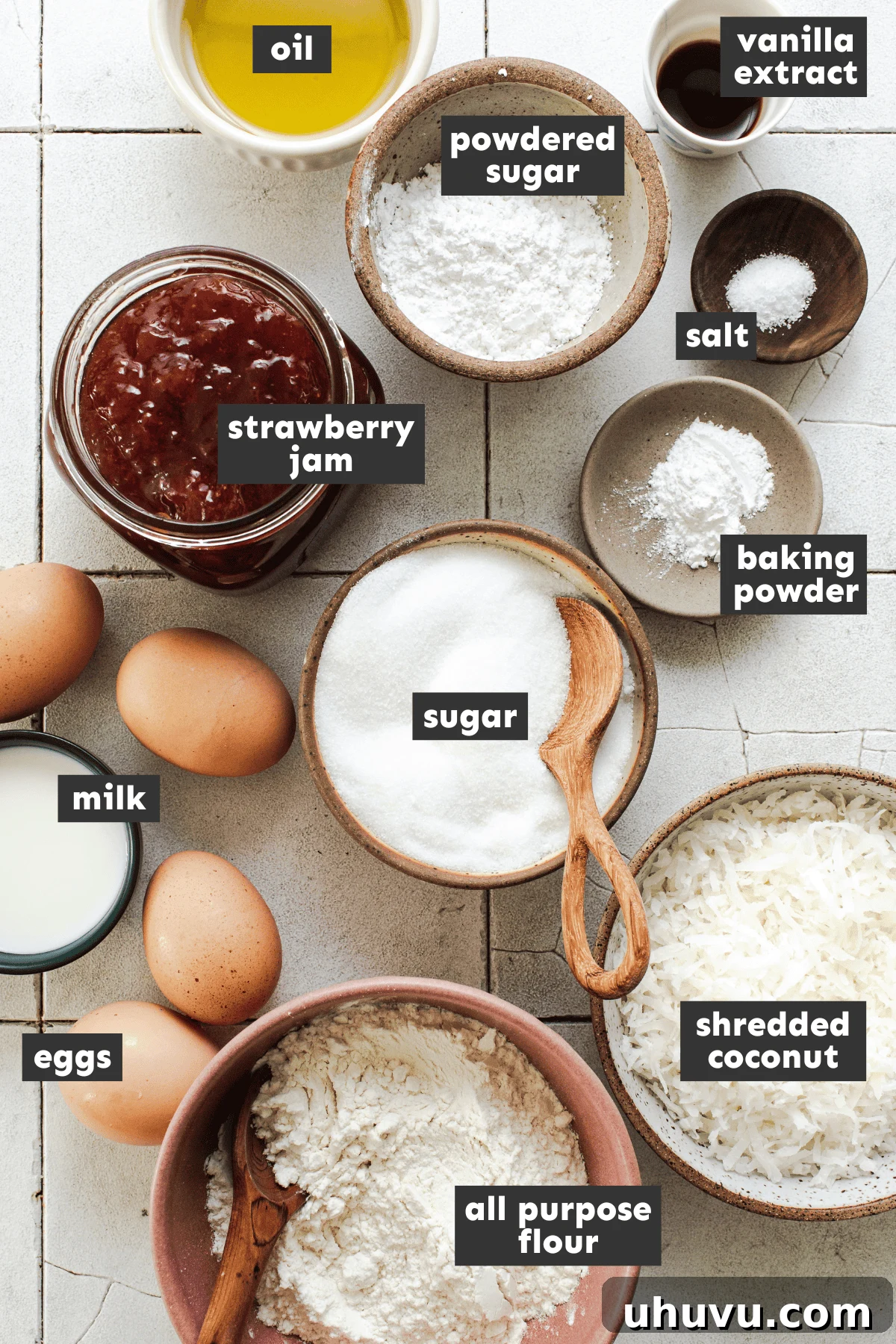
- All-Purpose Flour: This foundational ingredient forms the structure of our tender sponge cake. You’ll only need one cup, which is sufficient to create a light yet sturdy enough base to roll without cracking. While cake flour can make an even softer crumb, all-purpose flour is more accessible and works beautifully for this recipe.
- Baking Powder: As a crucial leavening agent, baking powder ensures our cake rises beautifully and achieves that signature springy, fluffy texture. It reacts with the wet ingredients and heat to create air bubbles, giving the sponge its characteristic lightness.
- Fine Salt: A small amount of fine salt is essential for balancing the sweetness of the cake and the strawberry filling. It enhances all the flavors without making the cake taste salty.
- Large Eggs: You’ll need 4 large eggs, separated into whites and yolks. The yolks contribute richness, moisture, and a subtle yellow hue to the cake, while the whipped egg whites are vital for incorporating air, which is the secret to a truly light and spongy texture. Ensure your eggs are at room temperature, as this helps the whites whip up to maximum volume.
- Granulated Sugar: Sugar sweetens the batter, but it also plays a critical role in stabilizing the whipped egg whites, helping them hold their airy peaks. Divided use ensures both components are properly sweetened and structured.
- Whole Milk: I highly recommend using whole milk for the creamiest texture and richest flavor in your sponge cake. Its fat content contributes significantly to the cake’s tenderness. If whole milk isn’t available, buttermilk can also be used, offering a slight tanginess that complements the sweetness.
- Vegetable Oil: For unparalleled moisture and a soft, flexible crumb, vegetable oil is preferred over melted butter in this recipe. Oil creates a more pliable cake that is less prone to cracking when rolled, making it ideal for jelly rolls. Opt for a neutral-flavored oil like canola or grapeseed.
- Vanilla Extract: High-quality vanilla extract adds a wonderful depth of flavor, enhancing the overall sweetness and aroma of the cake. It’s a classic pairing with strawberry and coconut.
- Strawberry Filling: This is the star of the filling! You have several options here: strawberry fruit spread, jelly, jam, or preserves. Your choice depends entirely on your preference for texture. If you enjoy a smooth, seedless filling, opt for jelly or a fruit spread. For those who love the natural taste and chunks of real fruit, strawberry jam or preserves will be perfect. You’ll need a generous amount, both for the filling and the outer coating.
- Sweetened Shredded Coconut: A traditional and iconic coating for Niño Envuelto, shredded coconut provides delightful texture and a wonderfully sweet, tropical flavor. Make sure to use sweetened shredded coconut for the best taste and a beautiful golden-brown appearance if lightly toasted. It adheres perfectly to the jelly-coated exterior, creating an appealing contrast.
Crafting Your Niño Envuelto: A Step-by-Step Guide
Making a Niño Envuelto is a fun and rewarding process. Follow these steps carefully to achieve a beautiful, delicious, and perfectly rolled cake:
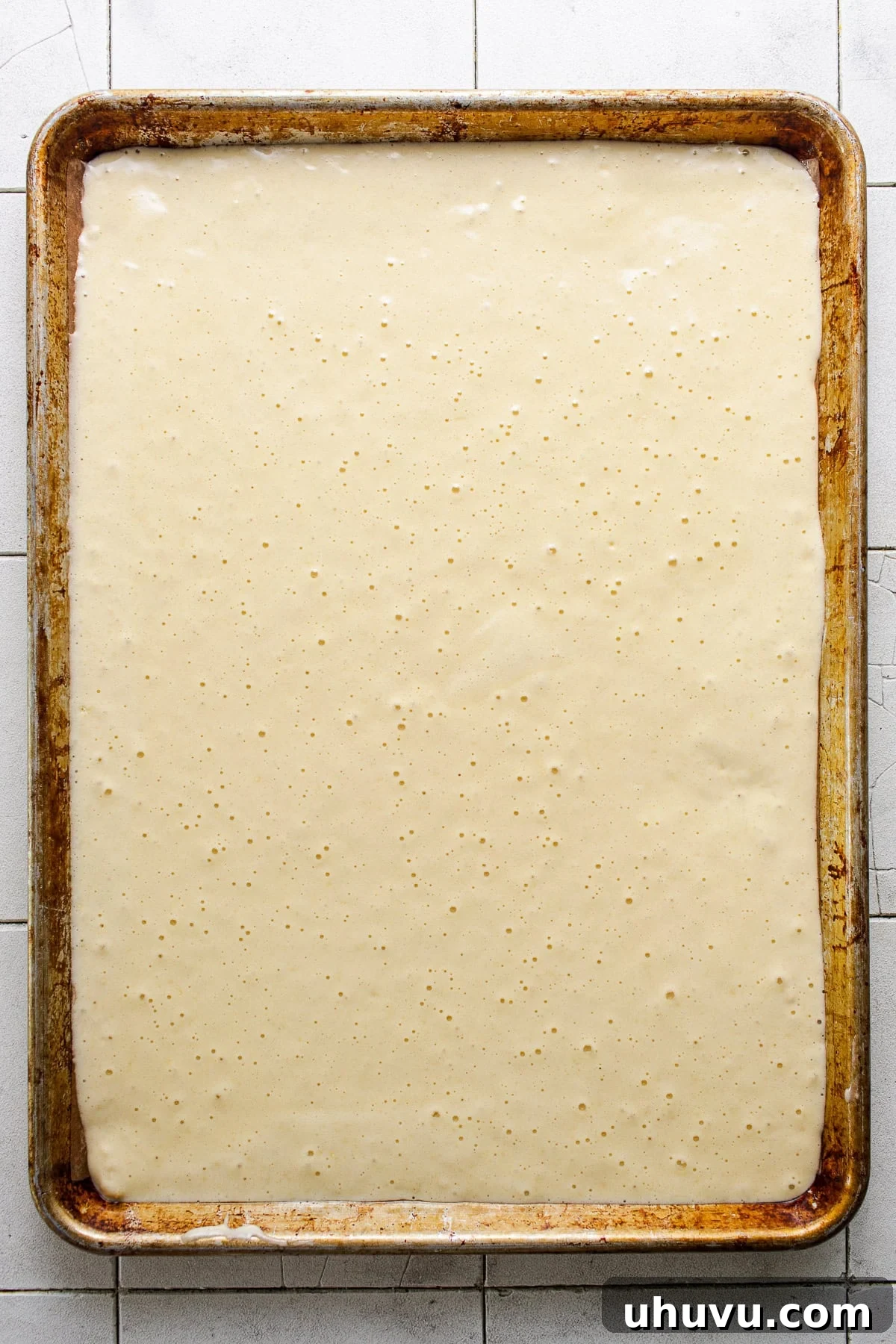
Step 1: Prepare the Sponge Cake Batter. Begin by whipping the egg whites with a portion of the granulated sugar until they form soft, airy peaks. In a separate bowl, combine the egg yolks with the remaining sugar, oil, milk, and vanilla, mixing until light and frothy. Gently fold the whipped egg whites into the yolk mixture, then carefully incorporate the sifted dry ingredients (flour, baking powder, and salt). This gentle folding technique is key to maintaining the airiness of the batter. Spread the prepared batter evenly into a parchment-lined sheet pan, ensuring it covers the entire surface for a consistent bake. Bake until the cake is light golden and springs back when gently pressed.
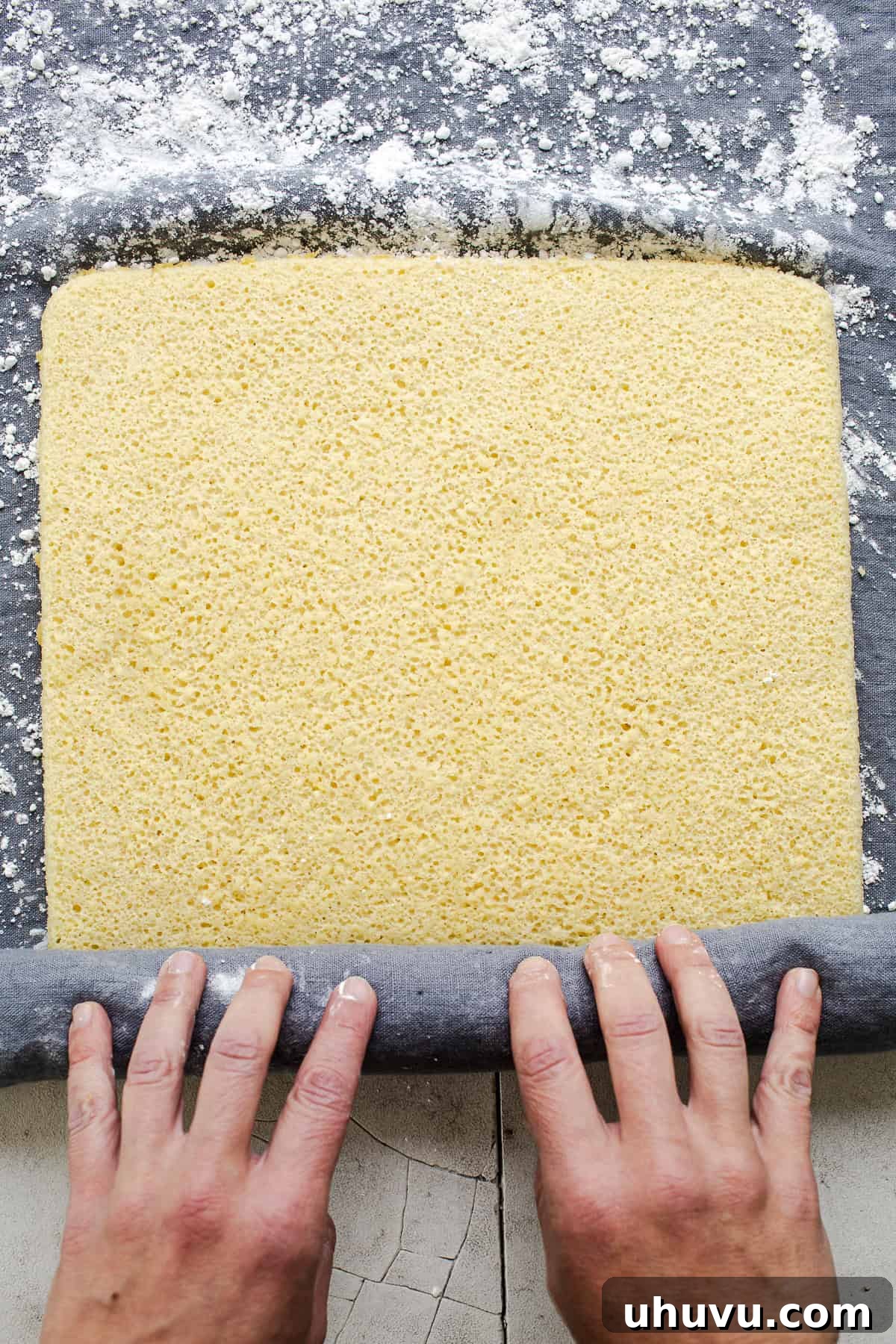
Step 2: Roll the Cake While Warm. This is perhaps the most crucial step for preventing cracks! Immediately after removing the cake from the oven, invert it onto a large piece of parchment paper or a clean kitchen towel that has been generously dusted with powdered sugar. Carefully peel off the parchment paper that was on the bottom of the cake, revealing its delicate surface. While the cake is still very warm and pliable, begin to roll it tightly from one narrow end, using the parchment paper or towel to help guide and support the roll. Let this rolled cake cool completely at room temperature; this allows it to “remember” its spiral shape.
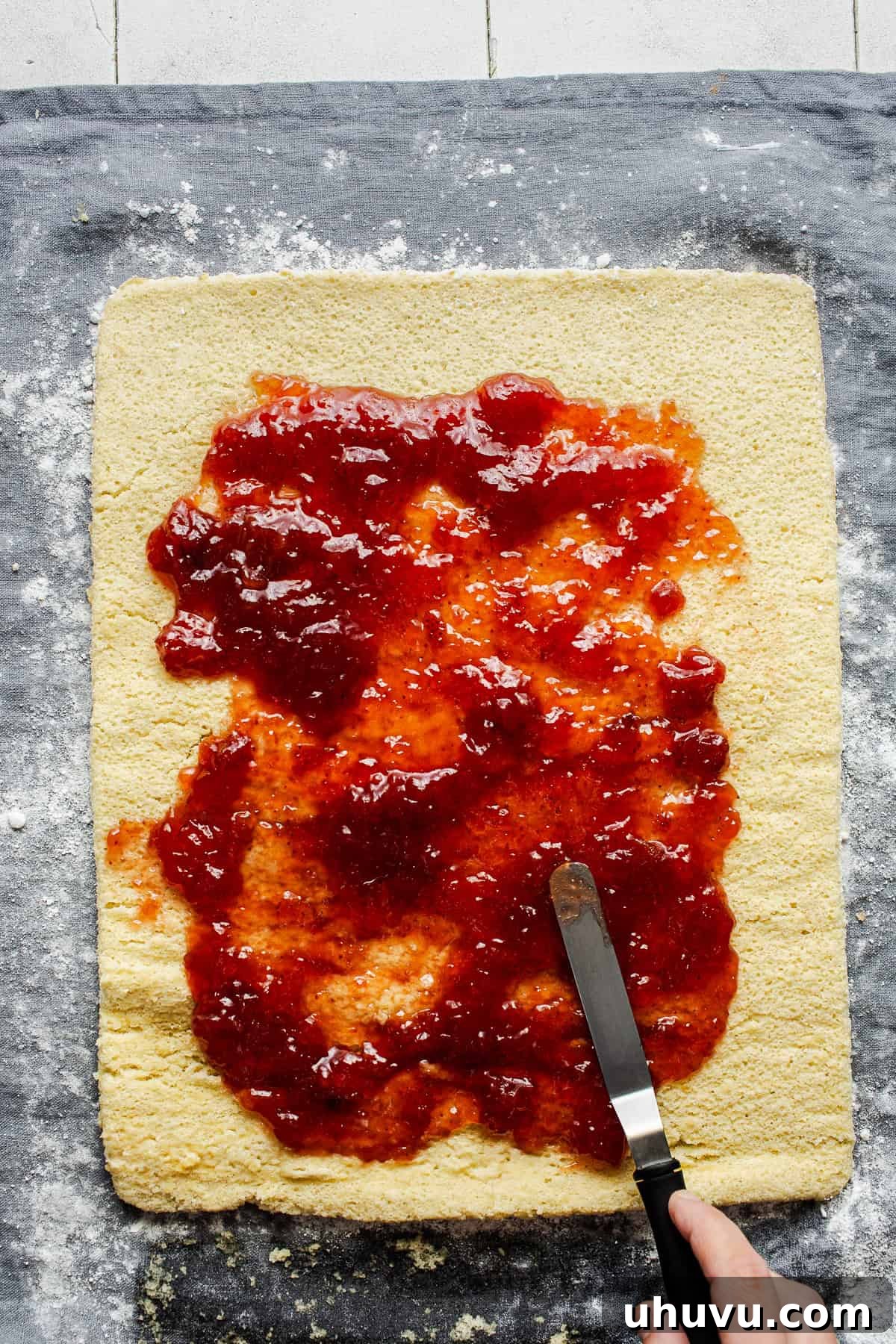
Step 3: Fill and Re-roll with Strawberry Goodness. Once the cake has cooled completely, gently unroll it. Spread a generous and even layer of your chosen strawberry filling (jelly, jam, or preserves) over the entire surface of the cake, leaving a small border around the edges. Take your time to ensure the filling is well distributed. Now, carefully re-roll the cake tightly, this time without the parchment paper or towel, ensuring the spiral remains neat and compact. This second roll secures the delicious filling inside.
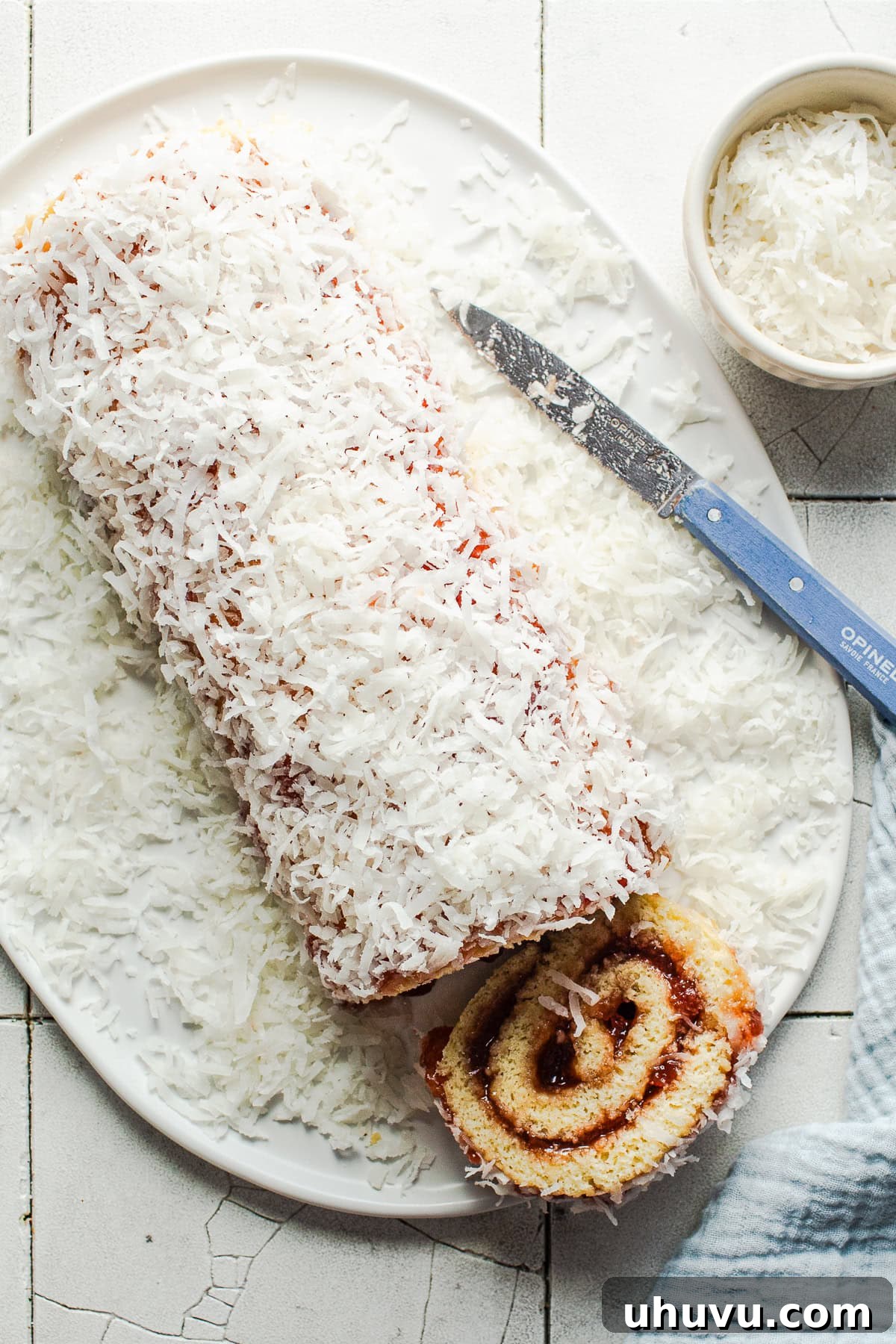
Step 4: Coat with Jelly and Coconut. To give your Niño Envuelto its signature finish, gently warm a small amount of extra strawberry jelly until it’s spreadable. Brush a thin, even layer of this warmed jelly over the entire outside surface of the re-rolled cake. While the jelly is still tacky, liberally press sweetened shredded coconut all over the top and sides of the roll, ensuring it’s completely covered. This creates a beautiful texture and adds another layer of flavor. For a polished look, you may trim a small slice from each end to reveal the perfect spiral. Finally, transfer the coconut-coated roll to a serving plate, slice into desired 1-inch pieces, and serve immediately to enjoy this delightful Mexican sweet bread.
Expert Recipe Tips for a Flawless Niño Envuelto
Achieving a perfect, crack-free, and delicious Niño Envuelto is within reach with these expert tips:
- Roll the cake while it’s hot: This is arguably the most critical step! The sponge cake is at its most pliable and flexible immediately after coming out of the oven. Rolling it while warm prevents it from cracking as it cools and sets its shape. Think of it as training the cake to hold its spiral form. Don’t wait; act quickly!
- Cool at room temperature: Patience is key during the cooling process. Once rolled, allow the cake to cool completely at room temperature, which typically takes about 2 hours. Refrigerating the cake too soon can shock the delicate sponge, causing it to stiffen too quickly and leading to unwanted cracks when you later unroll it for filling.
- Use parchment paper or a thin kitchen towel for rolling: Both parchment paper and a clean, thin kitchen towel work wonderfully for rolling. I personally prefer using a towel as it offers a bit more grip and flexibility, making the initial tight roll feel more secure. However, parchment paper is also excellent and a great choice if you prefer a non-absorbent surface. Whichever you choose, ensure it’s generously dusted with powdered sugar to prevent sticking.
- Don’t overbake the cake: An overbaked sponge cake will be dry and brittle, making it far more susceptible to cracking during the rolling process. Keep a close eye on your oven and bake the cake just until the top springs back lightly when touched, and an inserted toothpick comes out clean. The edges should be barely golden. It’s better to slightly underbake than overbake for a moist, flexible cake roll.
- Ensure ingredients are at room temperature: Especially for the eggs and milk, having them at room temperature allows them to emulsify better, leading to a smoother, more uniform batter and a lighter, airier cake.
- Gently fold the batter: Once the egg whites are whipped, incorporate them into the yolk mixture and then add the dry ingredients with a light, gentle folding motion. Overmixing will deflate the precious air incorporated into the egg whites, resulting in a dense, tough cake.
Exciting Variations to Customize Your Niño Envuelto
While the classic strawberry and coconut Niño Envuelto is undeniably delicious, this versatile recipe lends itself beautifully to creative variations. Feel free to experiment with different flavors and coatings to make it your own unique creation:
- Using Food Coloring for Visual Appeal: Many panaderías add a touch of food coloring to their cake batter to give Niño Envuelto a more vibrant and appealing look. Light pink or soft yellow are the most commonly seen colors, enhancing the festive nature of the treat. Adding a few drops of gel food coloring is completely optional, but it can certainly elevate the visual presentation, especially for celebrations. If you choose to add color, incorporate it with the wet ingredients (oil, milk, and vanilla extract) in the batter.
- Explore Different Fruit Flavors: Strawberry is traditional, but don’t limit yourself! The beauty of a jelly roll is its adaptability. Feel free to use your favorite fruit spreads, jellies, jams, or preserves. Imagine a Niño Envuelto filled with sweet blueberry, tangy blackberry, a medley of mixed berries, bright pineapple, or even a zesty orange marmalade. Each fruit will bring its own unique character to the cake, offering a delightful twist on the classic.
- Choose Your Preferred Filling Texture: Jelly, Jam, or Preserves: Your choice of fruit filling can significantly impact the final texture of your Niño Envuelto.
- Jelly or a smooth fruit spread will give you a very uniform, silky filling with minimal to no chunks of fruit. This is perfect for those who prefer a consistently smooth bite.
- Jam will offer a slightly thicker consistency with small, soft pieces of fruit distributed throughout.
- Preserves, on the other hand, typically feature larger, more distinct pieces of fruit, providing a more natural fruit flavor and a delightful textural contrast within the soft sponge. I often lean towards preserves for a more robust fruit experience.
- Alternative Coatings: While shredded coconut is classic, consider other coatings for a different touch. Finely chopped nuts (like pecans or almonds), a dusting of cocoa powder, or even a drizzle of white chocolate can add new dimensions of flavor and elegance.
- Citrus Zest Infusion: For an extra layer of brightness, you can add a teaspoon of fresh lemon or orange zest to your cake batter. This pairs wonderfully with most fruit fillings and adds a subtle aromatic lift.
Frequently Asked Questions About Niño Envuelto
While both Niño Envuelto and a classic cake or Swiss roll involve a thin sponge cake rolled with a filling, the main distinctions lie in their traditional fillings and coatings. Cake rolls often feature lighter, creamy fillings like whipped cream, buttercream, or chocolate ganache, and are typically covered in ganache or powdered sugar. Niño Envuelto, on the other hand, is a specific type of Mexican pan dulce that is almost always filled with a fruit jelly or jam (most commonly strawberry) and then coated with more fruit jelly and a generous layer of shredded coconut, giving it a distinct tropical flavor and texture.
Cake cracking is a common issue, usually caused by two main factors: overbaking or cooling the cake too quickly. The key to a crack-free roll is ensuring the cake remains moist and pliable. Always roll the cake immediately after it comes out of the oven, while it’s still warm and flexible. An overbaked cake will be dry and brittle, making it prone to breaking. Also, resist the urge to refrigerate the cake while it’s in its initial rolled cooling stage, as rapid temperature changes can also cause cracking. Allow it to cool slowly and completely at room temperature.
If your Niño Envuelto sponge cake turned out dense instead of fluffy, it’s most likely due to overmixing the batter, especially after incorporating the whipped egg whites and dry ingredients. The whipped egg whites are crucial for providing the cake’s airy structure. When you overmix, you deflate these delicate air bubbles, resulting in a heavier, tougher cake. Always fold the ingredients gently using a rubber spatula, just until combined, to retain as much air as possible.
Absolutely! Niño Envuelto can be made ahead. Once it’s fully assembled and coated, you can store it tightly wrapped at room temperature for up to 3 days, or in the refrigerator for up to a week. For longer storage, it freezes beautifully for up to a month. Thaw in the refrigerator overnight before serving. Making it in advance can actually allow the flavors to meld and the cake to become even more moist.
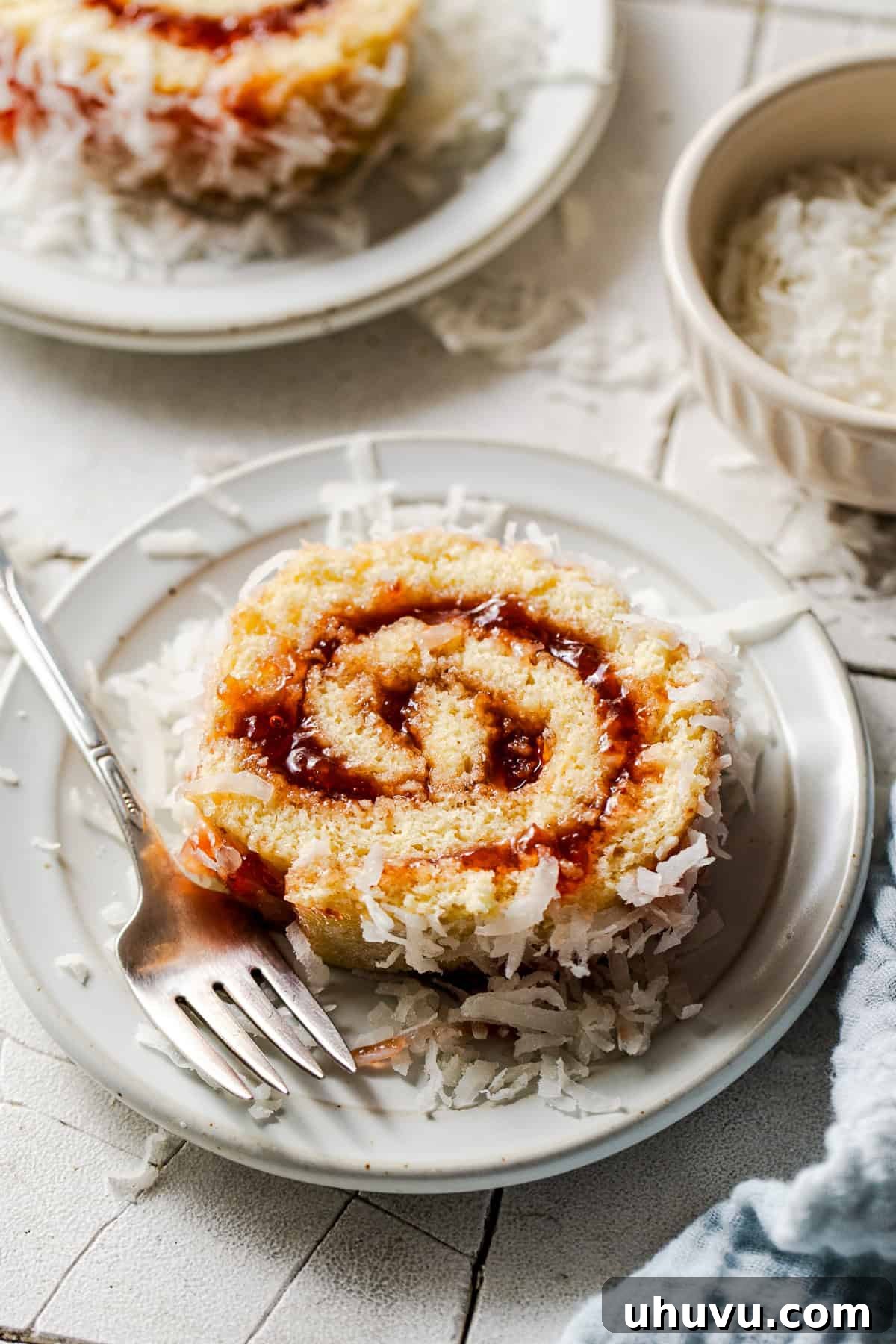
Niño Envuelto is best served sliced into 1-inch thick pieces, showcasing its beautiful spiral. It’s wonderful on its own, but also pairs perfectly with a cup of Mexican coffee, hot chocolate, or even a glass of milk. For an extra treat, you could serve it with a dollop of whipped cream or a scoop of vanilla ice cream, though it’s rich and flavorful enough to stand alone as a delightful dessert or snack.
Explore More Delightful Pan Dulce Recipes
If you loved making and tasting this Niño Envuelto, you’ll surely enjoy exploring other traditional Mexican sweet breads and desserts:
- Mexican Donuts (Donas): Classic, fluffy, and often coated in cinnamon sugar.
- Pan de Muerto: A beautiful and aromatic sweet bread traditionally baked for Día de los Muertos.
- Tres Leches Cake: A rich, moist sponge cake soaked in three kinds of milk.
- Chocoflan: The impossible cake, a magical dessert with layers of chocolate cake and creamy flan.
Print Recipe
Niño Envuelto (Mexican Jelly Roll)
(Please note: This is a placeholder. Actual email functionality would require JavaScript.)
You can manually copy and paste the recipe to your email or print it for later use.
Ingredients
- Cooking spray, oil, or butter, for greasing
- 1 cup all-purpose flour
- 1 teaspoon baking powder
- ¼ teaspoon fine salt
- 4 large eggs, room temperature, whites and yolks separated
- ¾ cup granulated sugar, divided
- ¼ cup vegetable oil (canola or grapeseed are great)
- ¼ cup whole milk
- 1 ½ teaspoons vanilla extract
- Powdered sugar, for dusting
- 2-2 ½ cups strawberry jelly, jam, spread, or preserves
- 2 cups sweetened shredded coconut
Instructions
-
Preheat your oven to 350℉ (175°C). Grease a 12×16-inch baking sheet with cooking spray, oil, or butter, then line it completely with parchment paper, ensuring it lies flat and smooth. Grease the parchment paper as well to prevent sticking, and set the pan aside.
-
In a medium bowl, sift together the all-purpose flour, baking powder, and fine salt. Sifting helps to aerate the dry ingredients and prevent lumps, ensuring a smooth cake batter.
-
In a separate clean medium bowl, using a hand mixer or stand mixer, whip the egg whites with ¼ cup of the granulated sugar on medium speed. Continue beating until the mixture forms soft, glossy peaks, which should take approximately 4-5 minutes. Transfer these whipped egg whites into a separate bowl and gently set aside.
-
In a large bowl, mix together the egg yolks and the remaining ½ cup of granulated sugar until they are just combined and creamy. Stir in the vegetable oil, whole milk, and vanilla extract. Beat on medium speed for a few minutes until the mixture appears light in color and slightly frothy, indicating it’s well emulsified.
-
Gently fold in half of the whipped egg white mixture into the egg yolk mixture. Mix on low speed for about a minute, just until barely combined. Repeat this step with the remaining egg whites, folding them in carefully to maintain their volume.
-
Add the sifted flour mixture to the egg mixture, about ⅓ cup at a time. Using a rubber spatula, gently fold the dry ingredients into the wet ingredients until a smooth cake batter forms. Be careful not to overmix, as this will deflate the air and result in a dense cake.
-
Pour the delicate batter onto the prepared baking sheet. Using an offset spatula or the back of a spoon, gently spread the batter into an even layer, ensuring it covers the entire baking sheet. Bake for 7-10 minutes, or until the cake springs back when lightly pressed in the center and a toothpick inserted comes out clean. It’s crucial not to overbake, as a dry cake will crack easily.
-
While the cake is baking, prepare your rolling surface. Lay a large piece of parchment paper (larger than the cake) or a clean, thin kitchen towel flat on your counter. Generously dust this surface with powdered sugar to prevent the warm cake from sticking.
-
As soon as the cake comes out of the oven, quickly run a knife around the edges of the pan to loosen it. Immediately invert the hot cake onto your prepared, powdered sugar-dusted parchment paper or kitchen towel. Carefully and slowly peel off and discard the parchment paper that was originally on the bottom of the cake.
-
Starting from one of the narrow ends, carefully but tightly roll the warm cake along with the parchment paper or towel. Be gentle to avoid tearing the delicate cake. Once rolled, let the cake cool completely at room temperature, rolled up in the parchment paper or towel, for about 2 hours. This step allows the cake to “remember” its rolled shape.
-
Once the cake is thoroughly cooled, slowly and gently unroll it. Evenly spread 1 ½ – 2 cups of your chosen strawberry jelly, jam, or preserves over the entire surface of the cake, leaving a small border around the edges. Carefully roll the cake back up tightly, this time without the parchment paper or towel, ensuring a neat spiral.
-
To finish, spread the remaining strawberry jelly (about ½ cup) over the top and sides of the entire Niño Envuelto roll. Immediately sprinkle the outside generously with sweetened shredded coconut, pressing it gently to ensure it adheres fully and covers the cake beautifully.
-
Optional: For a cleaner, more uniform appearance, you may carefully trim a ½-inch slice from both ends of the roll using a sharp, serrated knife. This reveals the perfect, vibrant spiral inside.
-
Transfer the finished Niño Envuelto to a serving tray. Slice it into 1-inch thick pieces using a serrated knife and serve immediately to enjoy its fresh flavors and tender texture.
Notes
- Storage: To keep your Niño Envuelto fresh and moist, store it tightly covered at room temperature for up to 3 days. If you need to keep it longer, it can be stored in the refrigerator for up to 1 week. For extended preservation, wrap it securely and freeze for up to 1 month. Thaw in the refrigerator before serving.
- Adding Food Coloring to the Batter: Many of the jelly rolls you find in traditional Mexican panaderías often feature a subtle hint of food coloring in the cake batter. This is primarily to make them look more vibrant, festive, and attractive on display. Light pink or a delicate yellow are the most common colors used. If you wish to replicate this, you can add a few drops of gel food coloring to your batter during Step 4, when you mix in the oil, milk, and vanilla extract. This is entirely optional but adds a charming visual touch.
- Making Ahead: This recipe is fantastic for making ahead of time. You can bake and roll the cake, then store it wrapped at room temperature overnight. Fill and decorate it the next day just before serving. This can help manage your time, especially if preparing for an event.
Nutrition
Nutrition information is automatically calculated, so should only be used as an approximation.
Photography by Ashley McLaughlin.