
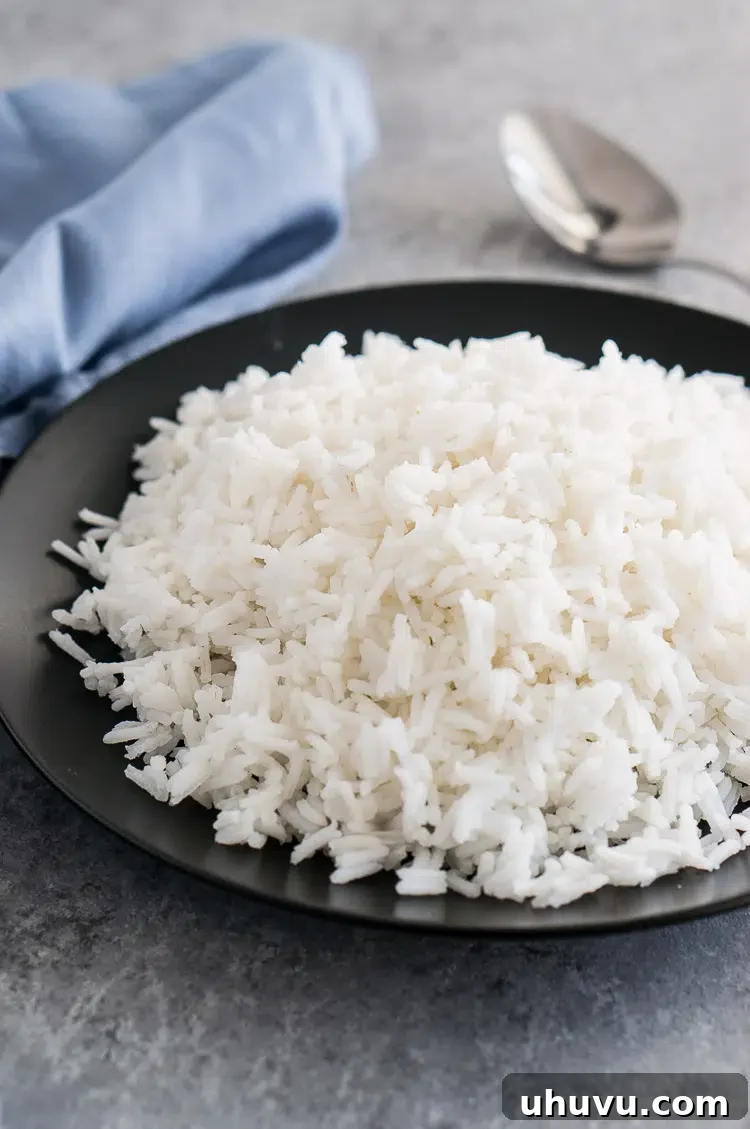
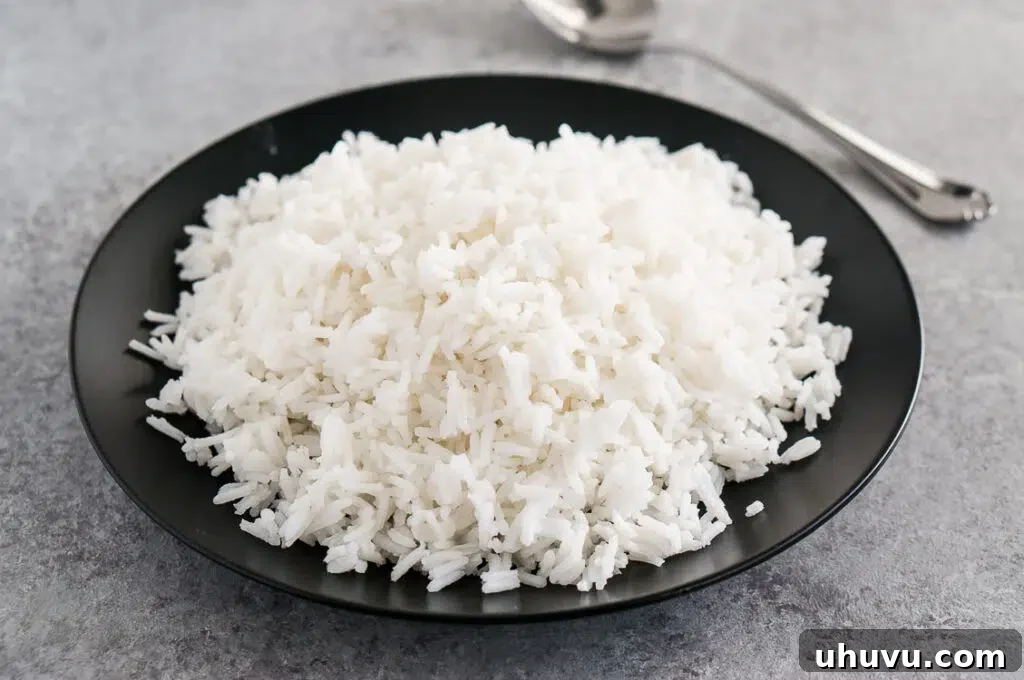
Unlock the secret to cooking perfectly fluffy and soft rice every single time. Bid farewell to frustrating sticky messes, mushy grains, or disappointingly undercooked batches. With this comprehensive guide, you’re just a few steps away from mastering a kitchen staple that complements countless meals.
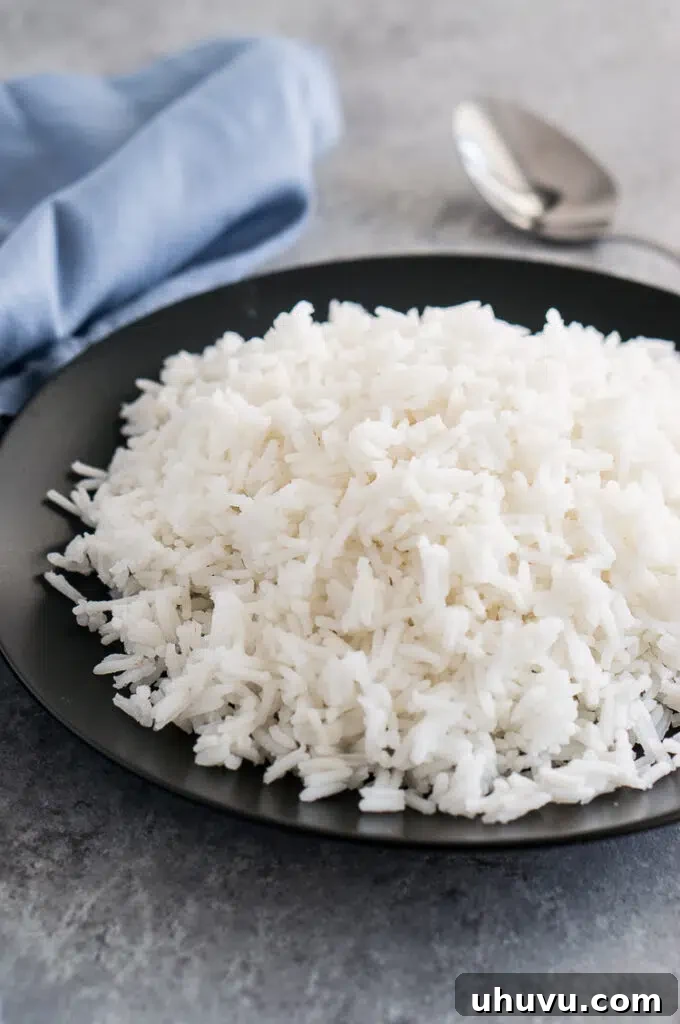
Mastering Perfect Rice: The Ultimate Stovetop Method
For years, cooking rice felt like a culinary gamble. I often found myself wrestling with unevenly cooked grains – sometimes sticky and mushy, other times hard and stuck to the bottom of the pan. If this sounds familiar, you’re certainly not alone. Many home cooks struggle to achieve that ideal fluffy texture.
After more than a decade of experimenting and perfecting my technique, I’ve developed a truly foolproof method that guarantees delicious, fluffy rice without fail. This guide eliminates the guesswork, providing clear, step-by-step instructions for the best stovetop cooked rice you’ll ever make. The simplicity and reliability of this method are truly remarkable:
- Consistently Foolproof: This stovetop rice recipe offers crystal-clear, step-by-step guidance and invaluable tips, ensuring flawless results whether you’re a beginner or an experienced cook.
- Remarkably Simple: Forget about specialized equipment like rice cookers. This straightforward tutorial proves that cooking perfect rice can be incredibly easy, using just basic kitchen tools.
- Ideal for Meal Prep & Freezing: Prepare a generous batch of this perfect rice ahead of time to simplify your weeknight meals. It’s an excellent foundation for quick lunches and dinners, and cooked rice freezes beautifully for months, preserving its delightful texture after thawing and reheating.
Once you master this essential technique, be sure to explore my other popular rice recipes, including Instant Pot White Rice, Instant Pot Brown Rice, Instant Pot Spanish Rice, and the vibrant Cilantro Lime Rice, to further expand your rice repertoire.
Essential Ingredients for Perfect Rice
Creating delicious, fluffy rice requires only a few basic ingredients. Quality matters, even for something as simple as rice, so choose wisely!
For a full ingredients list with precise measurements, please refer to the detailed recipe card below.
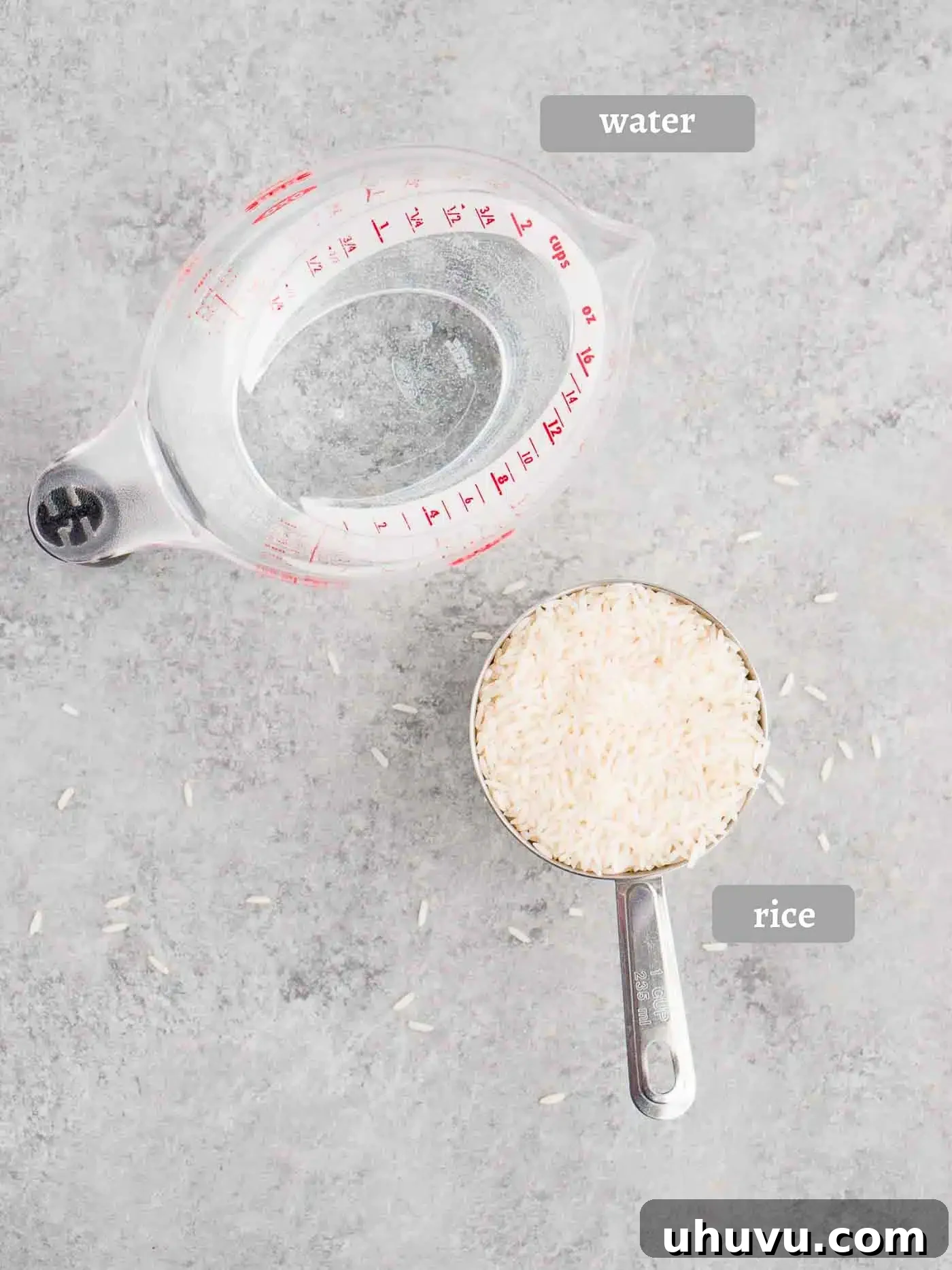
- Long Grain White Rice: This recipe focuses on long-grain white rice due to its excellent fluffy texture when cooked correctly. For other varieties, such as brown, wild, or sushi rice, be sure to consult the specific rice-to-water ratio guidelines provided further down.
- Water or Broth: While plain water is perfectly adequate for cooking rice, I often elevate the flavor profile by using vegetable or chicken broth. This simple switch infuses the rice with a richer taste, making it an even more satisfying side dish.
- Salt (Optional): A pinch of salt enhances the natural flavor of the rice, making it more palatable.
Step-by-Step: How To Cook White Rice On The Stove
Follow these precise steps to achieve perfectly cooked white rice on your stovetop every single time. Pay close attention to covering the pot and resisting the urge to peek!
NELI’S KITCHEN PRO TIPS
Expert Tips For Cooking The Best White Rice
Achieving consistently perfect rice is a combination of the right technique and a few key insights. These tips, honed over years of cooking, will elevate your rice game from good to absolutely exceptional:
- Always Rinse the Rice. This is perhaps the most crucial step for achieving fluffy, separate grains. Rinsing the rice in a fine-mesh strainer under cold running water removes excess surface starch. This starchy dust, if left on the grains, can cause them to become sticky and gummy when cooked. Continue rinsing until the water running off the rice is completely clear.
- Employ the Correct Water to Rice Ratio. The single biggest game-changer for consistently perfect rice is mastering the correct water-to-rice ratio. For most white long-grain rice, a 1:1½ ratio (one cup of rice to one and a half cups of water) is ideal. However, different types of rice vary in their starch content and absorbency, requiring slightly different ratios. Brown and wild rice, for example, need more water and longer cooking times due to their outer bran layer. Sushi rice often requires a little less water to achieve its characteristic texture. Always refer to our detailed ratio guide below for specific rice types.
- Begin with Cold Water and Bring to a Boil. While some recipes suggest adding rice to already boiling water, I’ve found that this approach often results in harder, crunchier grains and an extended cooking time. For truly soft and fluffy rice, it’s best to combine the rice with cold water in the pot and then bring it gradually to a boil. This allows the rice to hydrate more evenly as the temperature rises.
- Utilize a Tight-Fitting Lid. The success of this stovetop method heavily relies on steam. A tight-fitting lid is absolutely essential to trap all the steam and moisture within the pot during the simmering phase. Any escape of steam will lead to undercooked, dry rice. If your lid isn’t perfectly snug, you can place a piece of aluminum foil over the pot before putting the lid on to create a tighter seal.
- Cook the Rice on Low Heat. Once the water has come to a boil, immediately reduce the heat to its lowest setting. This gentle simmering ensures that the rice cooks evenly without scorching or sticking to the bottom of the pan. Cooking on low allows the grains to slowly absorb the water, resulting in a perfectly cooked, tender, and fluffy texture without being overcooked or undercooked.
- Resist the Urge to Uncover or Stir During Cooking. This rule cannot be stressed enough! Once the rice begins to simmer, do not lift the lid or stir the rice at any point during the cooking process. Opening the lid releases the trapped steam, which is the primary cooking agent for the rice. Stirring disrupts the delicate cooking environment and can break the fragile grains. Patience is key here; trust the process and let the steam do its work undisturbed.
- Allow the Rice to Rest, Covered, for at Least 5 Minutes. After the 15-minute simmering time, turn off the heat and move the saucepan off the burner, but keep it covered. Let the rice rest for an additional 5-10 minutes. This crucial resting period allows the grains to steam further, redistribute moisture, and firm up slightly. If you attempt to fluff the rice immediately after cooking, while it’s still very hot and moist, the grains are more likely to break apart and become mushy.
- Gently Fluff the Rice with a Fork. Once the resting period is complete, remove the lid and gently fluff the rice using a fork. Avoid using a spoon, which can mash the grains. A fork effectively separates the individual grains, creating that desirable airy, fluffy texture. Once fluffed, you can keep it covered until you are ready to serve to maintain warmth and moisture.
- Enhance Flavor with Salt, Butter, or Broth. While perfectly cooked rice is delicious on its own, a simple addition can elevate its flavor significantly. A pinch of salt is highly recommended to bring out the rice’s natural taste. For added richness, stir in a tablespoon of butter after fluffing. Alternatively, consider cooking the rice in vegetable or chicken broth instead of water, as mentioned earlier, for a savory depth of flavor that pairs wonderfully with many dishes.
The Optimal Rice to Water Ratio for Different Types
My culinary journey to perfect rice truly transformed once I grasped the importance of the correct water-to-rice ratio. It’s the foundation of consistent results. While a general guideline exists, different rice varieties demand specific hydration levels to achieve their optimal texture. This understanding moved rice cooking from a challenge to an intuitive process.
As a general rule for most white rice, I adhere to a 1 to 1½ rice to water ratio (meaning for every cup of dry rice, you’ll use 1½ cups of water). However, the specific type of rice you’re cooking will necessitate slight adjustments:
- Long-Grain White Rice, Basmati Rice, or Jasmine Rice: These popular varieties typically require 1 cup of rice to 1½ cups of water. Their lower starch content and longer grain structure benefit from this standard ratio, resulting in separate, fluffy grains.
- Sushi Rice: Known for its sticky, slightly chewy texture, sushi rice needs less water than long-grain varieties. Use 1 cup of sushi rice to 1¼ cups of water. This ensures it’s pliable enough for rolling without being mushy.
- Brown Rice: With its fibrous bran layer intact, brown rice requires significantly more water and a longer cooking time. The recommended ratio is 1 cup of brown rice to 2½ cups of water. Expect cooking times to be around 40-45 minutes.
- Wild Rice: Technically a grass seed rather than a true rice, wild rice has a robust, nutty flavor and a chewy texture. It demands the most water and the longest cooking time. Use 1 cup of wild rice to 3 cups of water. Cooking can take up to 45-60 minutes.
Remember, these are general guidelines. If you prefer a firmer, drier rice, you can reduce the water by a few tablespoons and slightly decrease the cooking time. For a softer texture, add a tiny bit more water. Always check the package instructions for specific varieties, especially for brown and wild rice, as cooking times can vary. Consistency in measurement is paramount for success.
Delicious Serving Suggestions
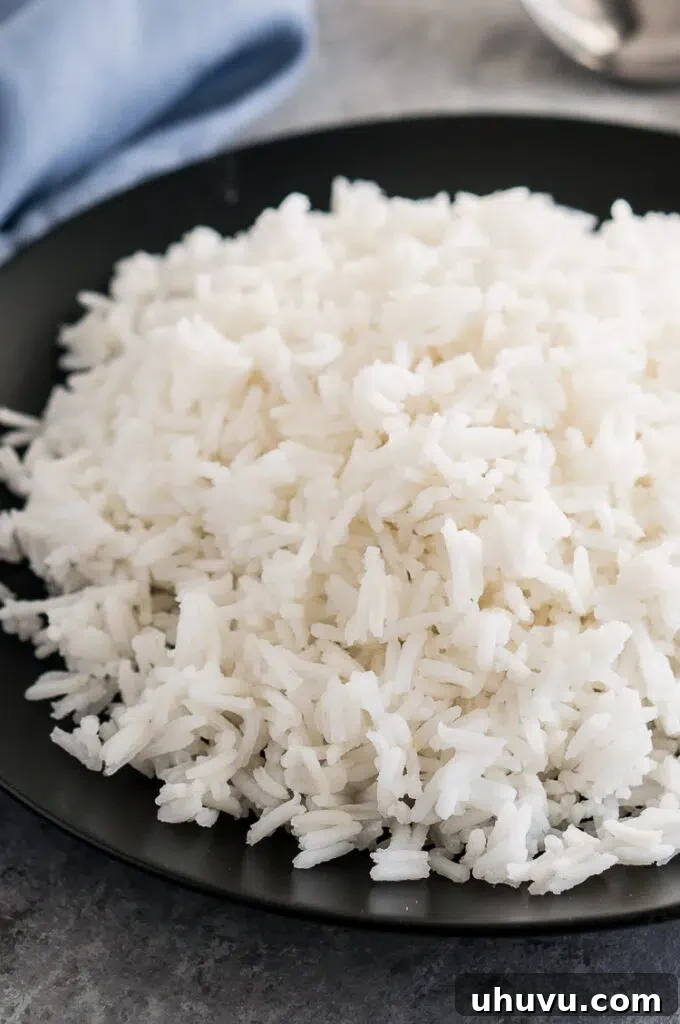
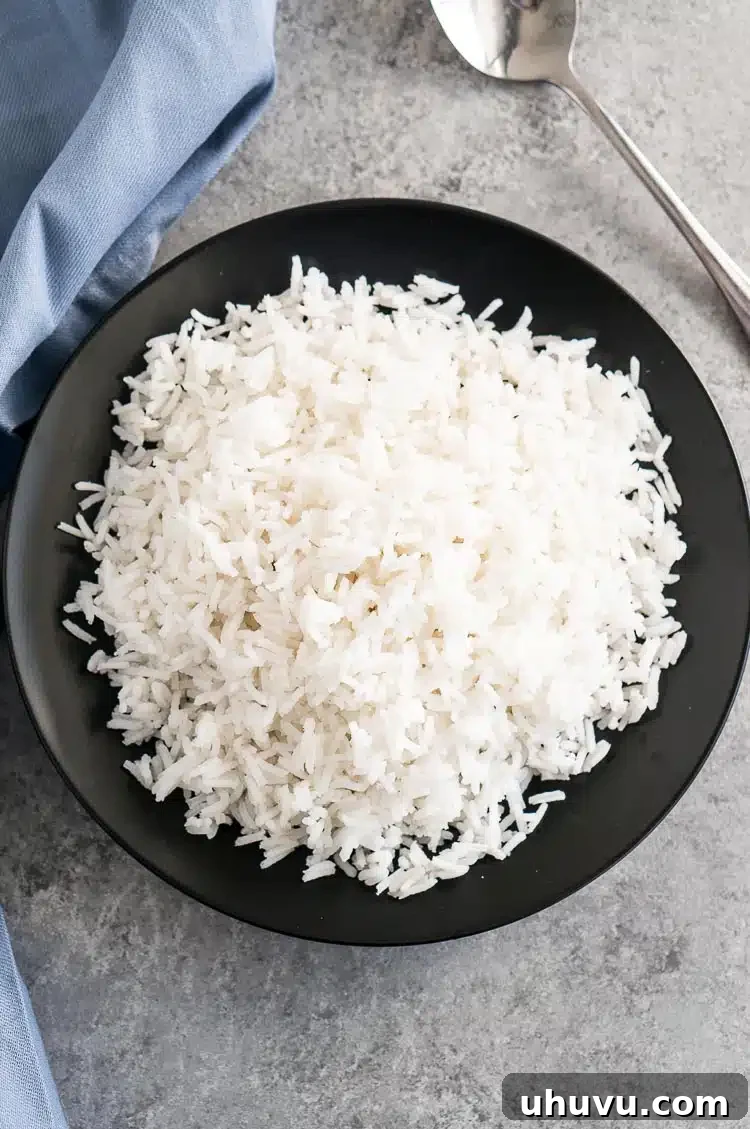
Rice holds a special place in my family’s heart and on our dinner table. Its incredible versatility means it never gets boring, appearing as a comforting side or a foundational component of a main dish almost every week! The beauty of plain rice is its ability to adapt to a myriad of flavors and cuisines. To enhance its taste, I often infuse the cooking liquid with aromatic spices like fragrant dill, warm cumin, or vibrant turmeric, depending on the meal I’m preparing. Cooking it with chicken or vegetable broth, as mentioned, is another fantastic way to build a deeper flavor profile from the start.
For a creamy, subtly sweet twist that pairs exceptionally well with rich stews and curries, I sometimes substitute part of the water with coconut milk to create a delightful coconut rice. This makes an incredible accompaniment to my favorite Instant Pot Chicken Tikka Masala. But the possibilities don’t stop there!
I absolutely love serving this perfectly cooked rice with a variety of main courses such as this easy Mahi Mahi recipe, savory Instant Pot Honey Sesame Chicken, vibrant Thai Basil Chicken, or flaky Baked Cod. It also forms the essential base for hearty dishes like my delicious Chicken Fried Rice. The options are truly endless, making perfect rice an indispensable part of any home cook’s repertoire.
Storing & Reheating Cooked Rice
One of the many reasons I adore cooking rice is its meal prep potential. Whipping up a large batch on the weekends saves an incredible amount of time during busy weekdays. Having perfectly cooked rice ready to go is a game-changer for quick, healthy meals. Plus, cooked rice freezes exceptionally well, ensuring I always have a portion on hand whenever the craving strikes or time is short. Here’s how to properly store and reheat your rice to maintain its quality and ensure food safety:
FRIDGE: For immediate use, cooked rice can be stored in an airtight container in the refrigerator. Ensure it cools down quickly before storing to prevent bacterial growth. It will stay fresh and delicious for about 4-6 days.
FREEZER: Cooked rice freezes beautifully without significant loss of texture. To freeze, allow the rice to cool completely, then portion it into freezer-safe zip-top bags or airtight containers. Remove as much air as possible before sealing. Frozen rice can be stored for up to 6 months, making it a fantastic staple for long-term meal planning.
REHEAT: Reheating rice properly helps retain its moisture and texture. To reheat on the stovetop, place the desired amount of rice in a pan. Add a few tablespoons of water (about 1-2 tablespoons per cup of rice) to help rehydrate the grains. Use a fork to gently break up any large clumps of rice. Cover the pan with a lid and warm the rice over low heat, stirring occasionally, until it is thoroughly heated through and fluffy once more. You can also reheat in the microwave by adding a splash of water and covering loosely before heating in short bursts, stirring between each.
More Culinary Tutorials From Our Kitchen
If you’ve enjoyed mastering the art of perfect white rice with this guide, you’ll love exploring our other essential cooking tutorials designed to boost your kitchen confidence and skills:
- How to Cook Quinoa
- How to Cook Pasta Perfectly
- How to Peel Tomatoes
- How to Mince Ginger
- Perfect Hard Boiled Eggs
- How To Cut Garlic
If you found this tutorial helpful or enjoyed any other recipe on my blog, please consider leaving a ⭐ star rating and share your experience in the 📝 comments section below. Your feedback is greatly appreciated, and thanks for visiting!
Pin this now to find it later
Pin It
Average rating: 5 out of 5 stars from 15 votes
☝ Tap stars to rate
How To Make Fluffy Rice
By: Neli Howard
Learn how to cook rice perfectly every time so it’s fluffy and soft. Say goodbye to sticky, mushy, undercooked or overcooked rice.
Prep Time: 5 minutes
Cook Time: 15 minutes
Total Time: 20 minutes
Servings: 3 cups
Rate Recipe
Print Recipe
Ingredients
- 1 cup long-grain white rice, rinsed
- 1½ cups water (or vegetable/chicken broth for added flavor)
- ½ teaspoon salt, optional
Instructions
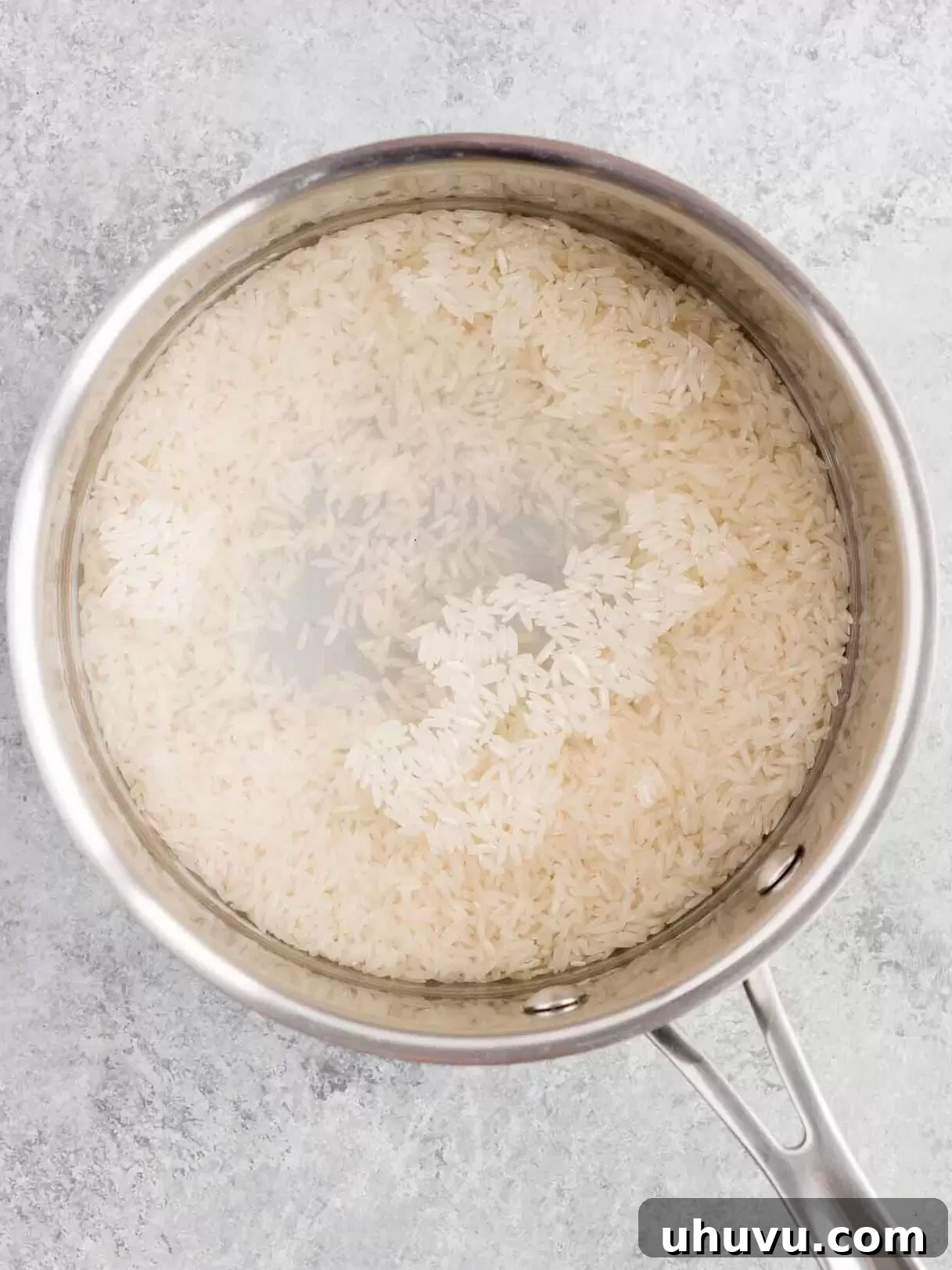
- Boil. Add the rinsed rice, 1½ cups water (or broth), and salt (if using) to a medium saucepan on the stove. Cover the pot with a tight-fitting lid and bring the mixture to a rolling boil over high heat.
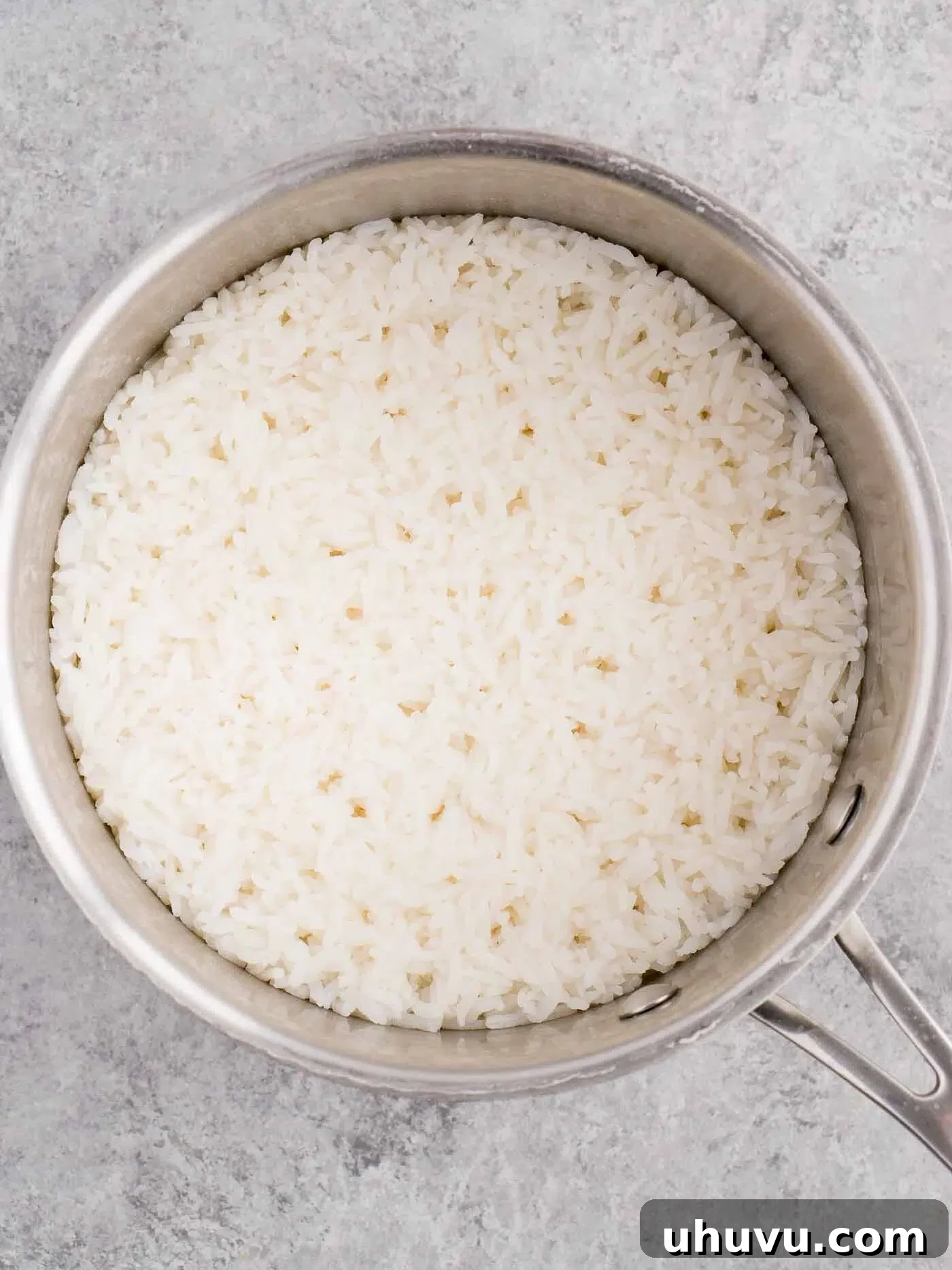
- Simmer. Once the water is boiling vigorously, give the rice one quick, gentle stir. Immediately reduce the heat to its lowest setting. Keep the pot tightly covered with the lid and let the rice simmer undisturbed for about 15 minutes. It is critical not to lift the lid during this time to retain all the steam.
- Rest. After 15 minutes, remove the pan from the heat, but do not uncover it. Allow the rice to rest, still covered, for approximately 5-10 minutes. This resting period allows the grains to firm up and absorb any remaining moisture, ensuring a perfectly fluffy texture.
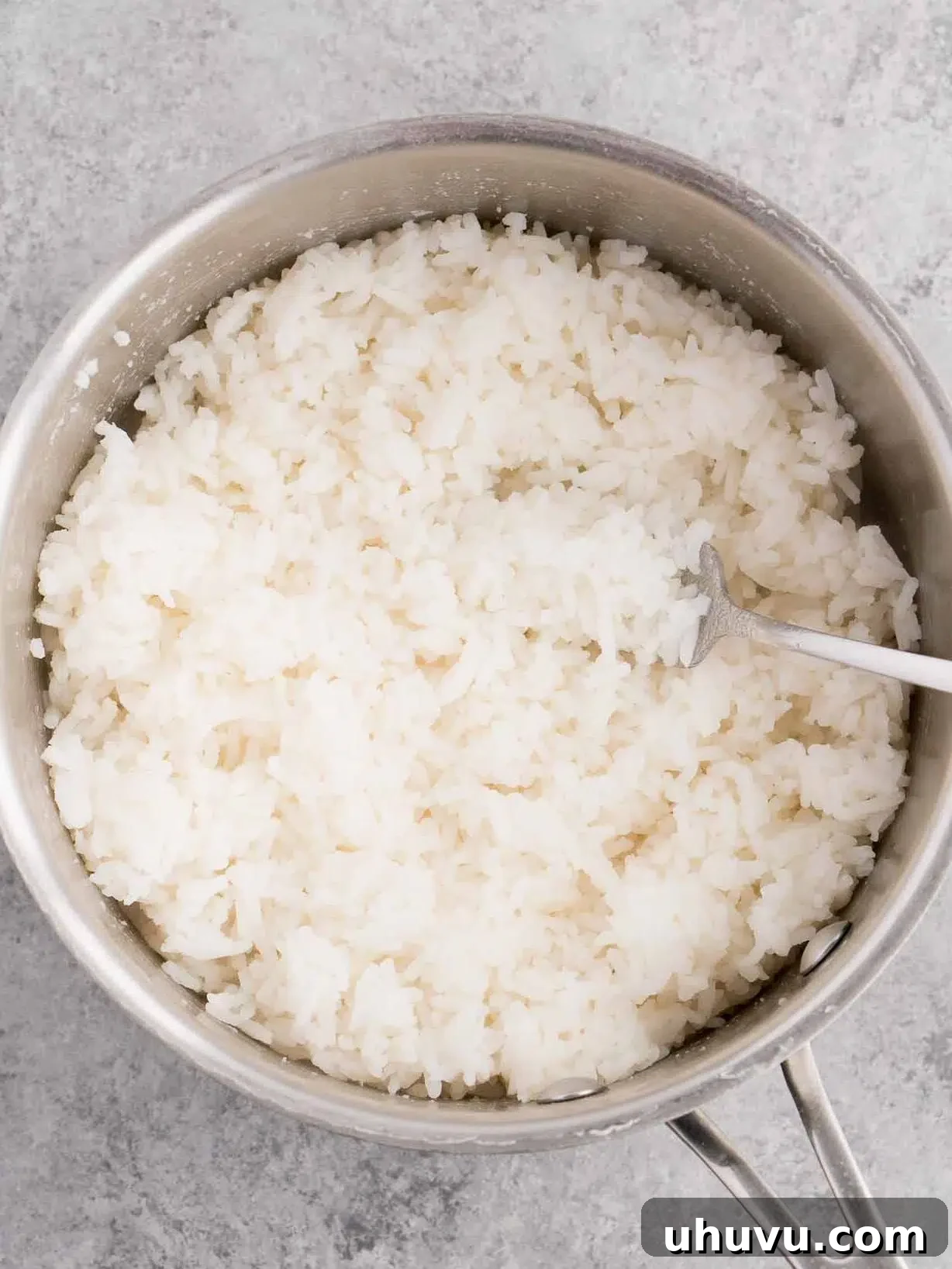
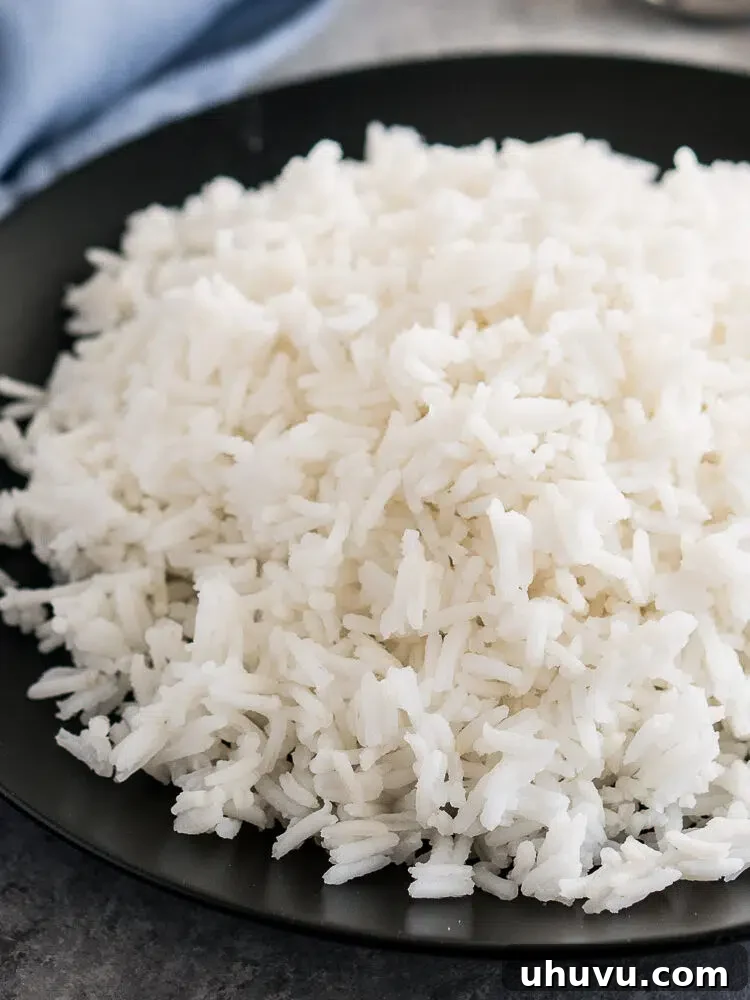
- Fluff. Finally, remove the lid and gently fluff the cooked rice with a fork. This separates the grains and gives the rice its characteristic airy texture. Serve immediately while warm, or chill to store for later use.
Notes
- Rinse the rice. Rinsing rice in a fine-mesh strainer removes dusty starch that can lead to sticky or gummy grains. Rinse until the water runs clear.
- Use the correct water to rice ratio. Generally, use a 1:1½ rice to water ratio for long-grain white rice. Other rice types like brown or wild rice require more water, while sushi rice needs a little less. Refer to the ‘Optimal Rice to Water Ratio’ section above for specific guidelines.
- Add rice to cold water and bring to boil. Starting rice in cold water and gradually bringing it to a boil results in softer, fluffier grains compared to adding it directly to boiling water.
- Use a tight-fitted lid. A secure lid prevents steam and moisture from escaping during simmering, which is crucial for proper rice cooking.
- Cook the rice on low heat. Simmering rice on low heat ensures even cooking, preventing undercooked or overcooked grains and minimizing sticking to the bottom of the pan.
- Don’t uncover or stir the rice during cooking. Once simmering, resist the urge to peek or stir. Disrupting the steam will prevent the rice from cooking correctly.
- Let the rice rest covered for at least 5 minutes. Resting off the heat allows the grains to firm up and absorb residual moisture, preventing them from becoming mushy when fluffed.
- Fluff the rice with a fork. After resting, gently fluff the rice with a fork to separate the grains without squishing them. Keep it covered until ready to serve.
- Add a pinch of salt and butter, or cook in broth. For enhanced flavor, incorporate a pinch of salt, a tablespoon of butter, or cook the rice directly in broth instead of water. This is optional but highly recommended for delicious results!
Nutrition
Calories: 225kcal |
Carbohydrates: 49g |
Protein: 4g |
Fat: 0.4g |
Saturated Fat: 0.1g |
Polyunsaturated Fat: 0.1g |
Monounsaturated Fat: 0.1g |
Sodium: 397mg |
Potassium: 71mg |
Fiber: 1g |
Sugar: 0.1g |
Calcium: 21mg |
Iron: 0.5mg
Nutrition Disclaimer: Nutritional values are estimates and may vary with ingredients, brands, and portion sizes. For accuracy, use your preferred nutrition calculator.