
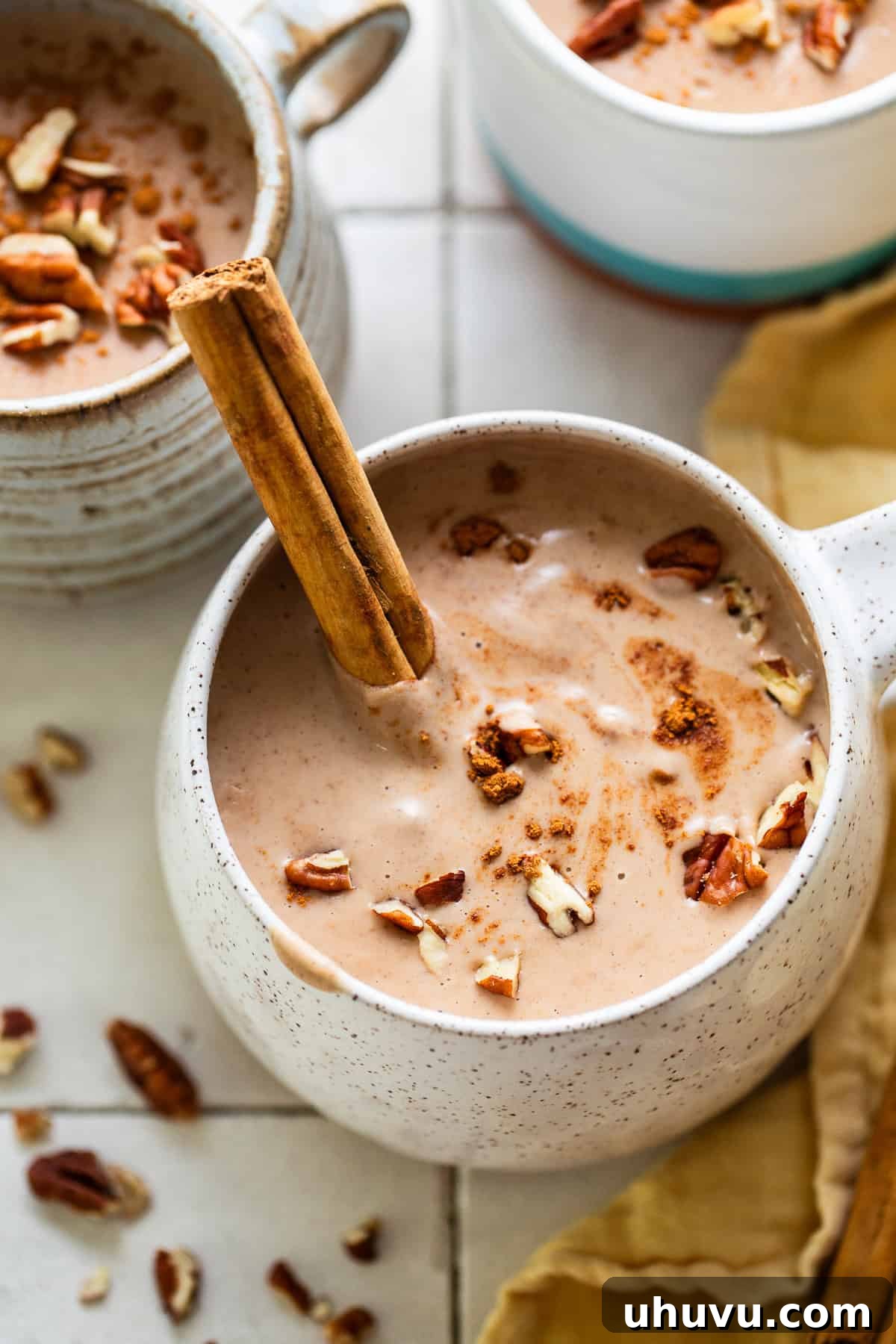
Atole de Nuez: A Velvety Mexican Pecan Drink for Cozy Comfort
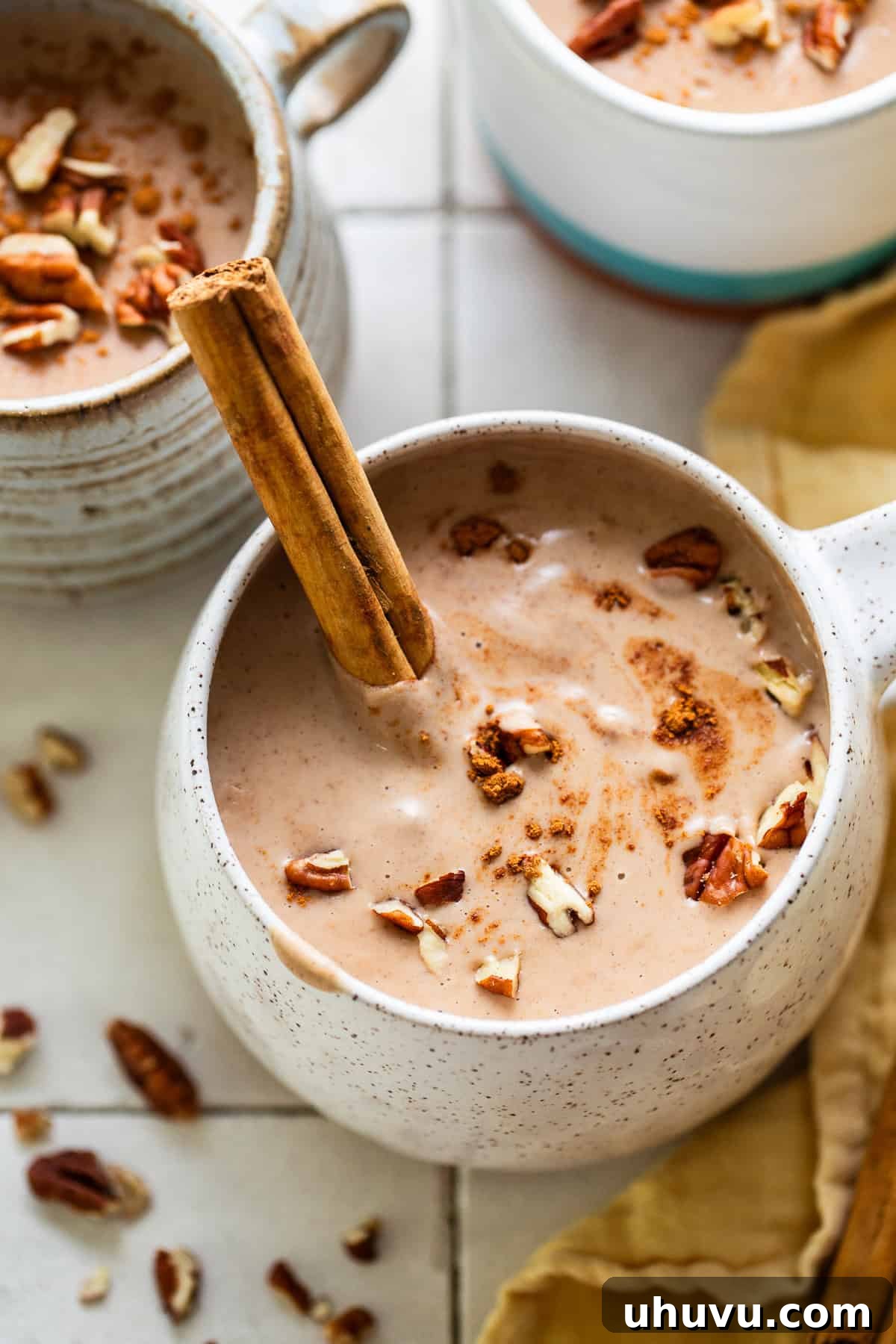
Dive into the rich, comforting embrace of Atole de Nuez, a cherished traditional Mexican beverage. This delightful drink is meticulously crafted from toasted pecans, warm cinnamon, rustic piloncillo, creamy milk, and a touch of cornstarch, creating a thick, lusciously smooth consistency that’s pure bliss. Perfect for warding off the chill, enjoy this warm treat on its own as a soothing elixir, or elevate your experience by pairing it with your favorite pan dulce for a truly authentic Mexican delight.
For those who appreciate the cozy warmth of drinks like Atole de Nuez during colder months, be sure to explore more traditional Mexican beverages. Try my Champurrado for a chocolatey indulgence, the sweet and simple Atole de Galletas María, or the unique savory-sweet notes of Atole de Elote. Each offers a distinct taste of Mexico’s rich culinary heritage.
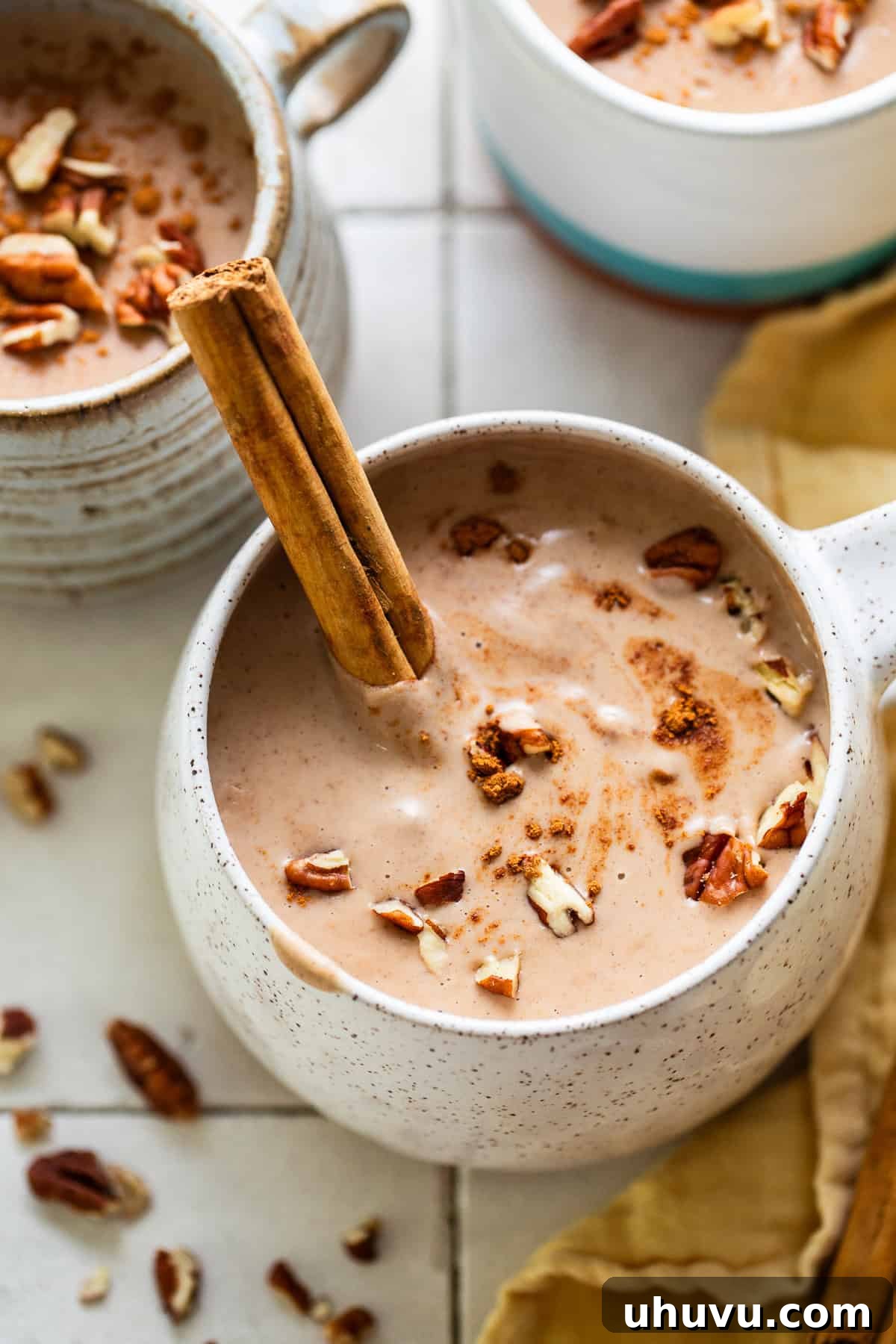
Why You’ll Adore This Atole de Nuez Recipe
Atole is a staple in Mexican culture, particularly during the colder seasons, offering an exciting fusion of beverage and dessert. With countless variations ranging from fruity and vibrant to rich and chocolatey, each atole offers a unique experience. However, this particular Atole de Nuez holds a special place, and here’s why I believe you’ll fall in love with it:
- Irresistibly Nutty Flavor: The secret lies in toasting the pecans. This crucial step not only fills your kitchen with an intoxicating, heavenly aroma but also deepens their flavor profile, infusing the atole with a wonderfully light, yet pronounced nutty essence that is truly unforgettable.
- Warm & Velvety Comfort: There’s something profoundly comforting about a warm, thick drink on a chilly day. Atole de Nuez delivers this sensation perfectly. Its creamy, thickened texture combined with the warm, aromatic spices and toasted pecans creates a cozy embrace in every sip, making it the ultimate cold-weather companion.
- A Versatile Mexican Delight: Whether you’re seeking a unique breakfast drink, a satisfying afternoon pick-me-up, or a delightful dessert beverage, Atole de Nuez fits the bill. Its gentle sweetness and nourishing ingredients make it a versatile choice for any occasion, especially during festive gatherings or quiet evenings at home.
- Simple & Rewarding to Make: Despite its sophisticated flavor, Atole de Nuez is surprisingly straightforward to prepare. The process is enjoyable, and the reward of sipping this homemade, authentic Mexican treat is immensely satisfying, making it a perfect recipe for both novice and experienced cooks alike.
What Is Atole de Nuez? Unpacking This Mexican Delight
At its heart, Atole is a traditional hot beverage of Mesoamerican origin, often thickened with masa harina (corn dough flour), cornstarch, or oat flour. It predates the Spanish conquest and has been a vital part of Mexican cuisine for centuries, offering both sustenance and warmth. While it is technically a drink, its luscious, sweet, and often thick consistency often blurs the lines, allowing it to be savored as a comforting dessert as well.
Atole de Nuez, literally translating to “Pecan Atole,” is a sweet and profoundly nutty variation that celebrates the rich flavor of toasted pecans. This particular recipe highlights warm and inviting flavors derived from the nutty essence of pecans, the deep caramel notes of piloncillo (unrefined brown sugar), and the subtle, sweet spice of Ceylon cinnamon (often referred to as Mexican cinnamon). Thickened gracefully with cornstarch, it transforms into an effortlessly delicious and uniquely Mexican drink, making it an ideal choice for the crisp air of fall and the festive chill of winter months. It’s more than just a drink; it’s a comforting ritual, a taste of heritage, and a sweet escape in a mug.
Essential Ingredients for the Perfect Atole de Nuez
Crafting an exceptional Atole de Nuez begins with selecting the right ingredients. Each component plays a vital role in achieving that perfect balance of creamy texture, rich sweetness, and distinct nutty flavor. Here’s a closer look at the key elements and why they’re so important:
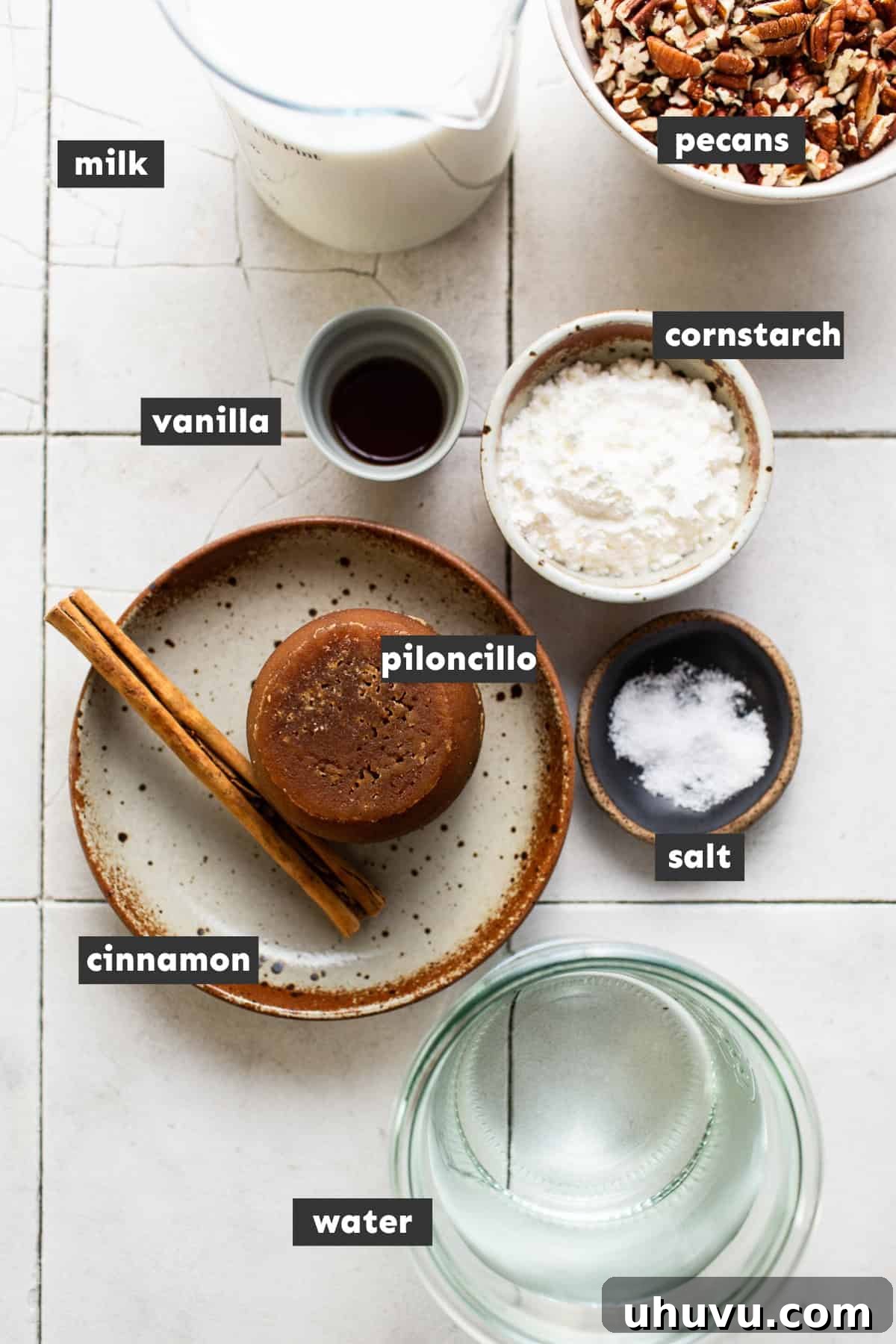
- Chopped Pecans: The star of the show! Toasted pecans are absolutely essential for unlocking their full, deep nutty flavor and aromatic oils. Toasting them briefly enhances their natural sweetness and gives the atole a more complex, satisfying taste. While pecans are traditional, you can experiment with other nuts like walnuts or almonds, or even a delightful combination, for a unique twist.
- Whole Milk: This is crucial for achieving the atole’s signature rich, velvety, and creamy consistency. The fat content in whole milk contributes significantly to the luxurious mouthfeel. If you prefer, you can use 2% or nonfat milk, evaporated milk for an even richer taste, or your favorite dairy-free milk alternative (almond, cashew, or oat milk work wonderfully) for a dairy-free version.
- Water: Used initially to dissolve the piloncillo and steep the cinnamon stick, allowing their flavors to fully infuse before combining with the milk and pecan mixture.
- Piloncillo: Also known as panela, this unrefined whole cane sugar is a game-changer. Unlike granulated sugar, piloncillo imparts complex notes of caramel, subtle smokiness, and even a hint of rum-like warmth, adding incredible depth to the atole. You can typically find it in cone or block form in most Mexican grocery stores or conveniently online. If unavailable, dark brown sugar is an acceptable substitute.
- Cinnamon: For an authentic Mexican flavor, Ceylon cinnamon (often called Mexican cinnamon) is highly recommended. It’s known for its smoother, lighter, and mildly sweeter profile compared to the more common Cassia cinnamon found in U.S. grocery stores. Its delicate aroma perfectly complements the pecans and piloncillo without overpowering them. However, if you can’t find Ceylon cinnamon, standard cinnamon sticks (Cassia) will still yield a delicious result. Find Ceylon cinnamon in Mexican grocery stores or online.
- Cornstarch: This is the thickening agent that gives atole its characteristic dense, creamy texture. While some traditional recipes use masa harina, which adds a subtle sweet corn flavor, cornstarch is preferred in this recipe to allow the pure, delicious pecan flavor to truly shine through without competition.
- Vanilla Extract: A splash of vanilla extract adds an extra layer of warmth and sweetness, beautifully complementing the caramel notes of piloncillo and the toasted pecans. Use a good quality pure vanilla extract for the best flavor.
- Kosher Salt: Just a tiny pinch of kosher salt is vital. It doesn’t make the drink salty but rather acts as a flavor enhancer, balancing out the sweetness and bringing forward the nuanced notes of the pecans and piloncillo.
Step-by-Step: Crafting Your Homemade Atole de Nuez
Making Atole de Nuez is a delightful culinary journey. Follow these clear steps to create a wonderfully rich and comforting Mexican beverage right in your own kitchen.
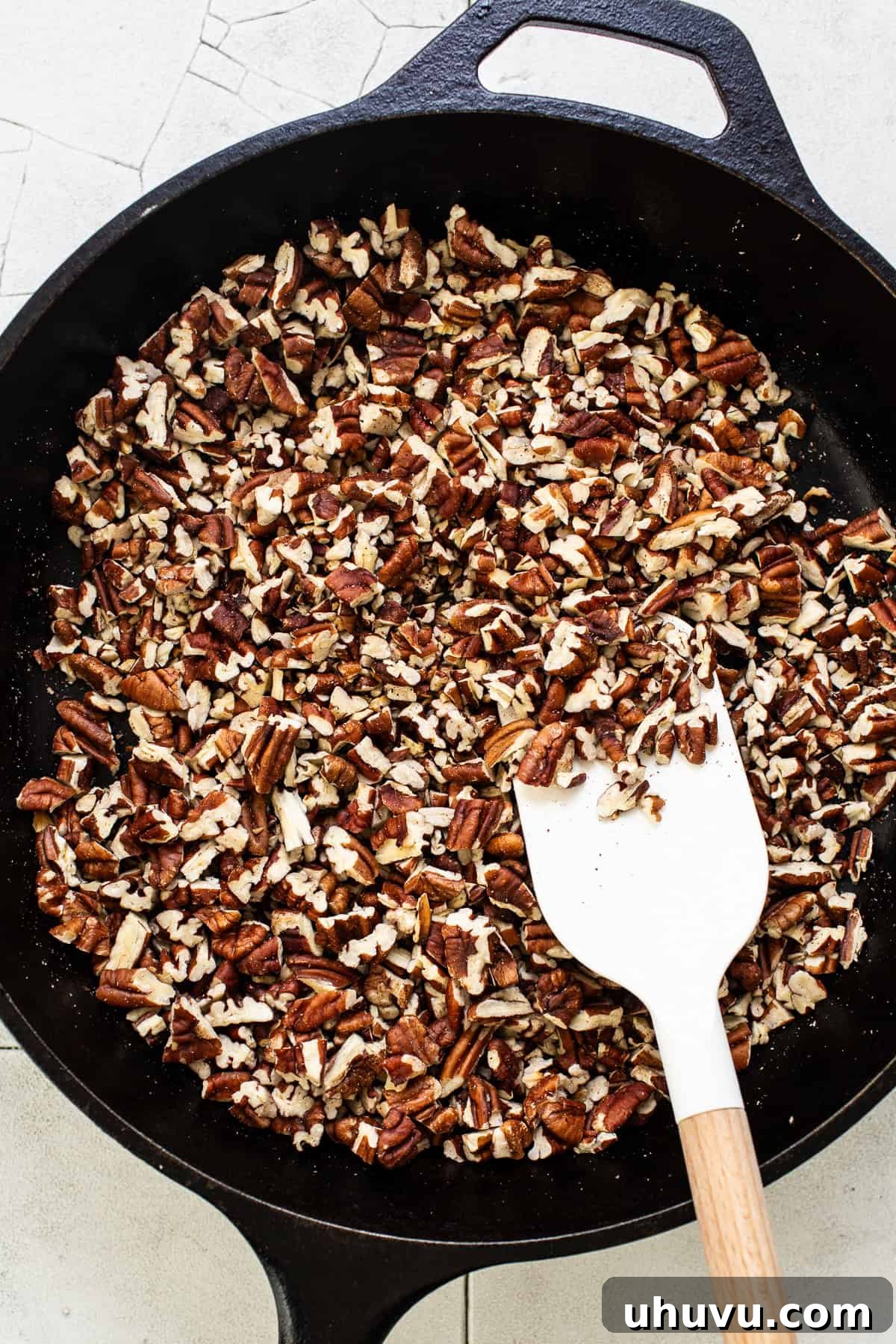
Step 1: Toast the Pecans. Begin by heating a medium skillet over medium heat. Add your chopped pecans to the dry skillet. Toast them for 1-2 minutes, stirring constantly to prevent burning, until they become wonderfully fragrant and lightly golden. This step significantly deepens their flavor.
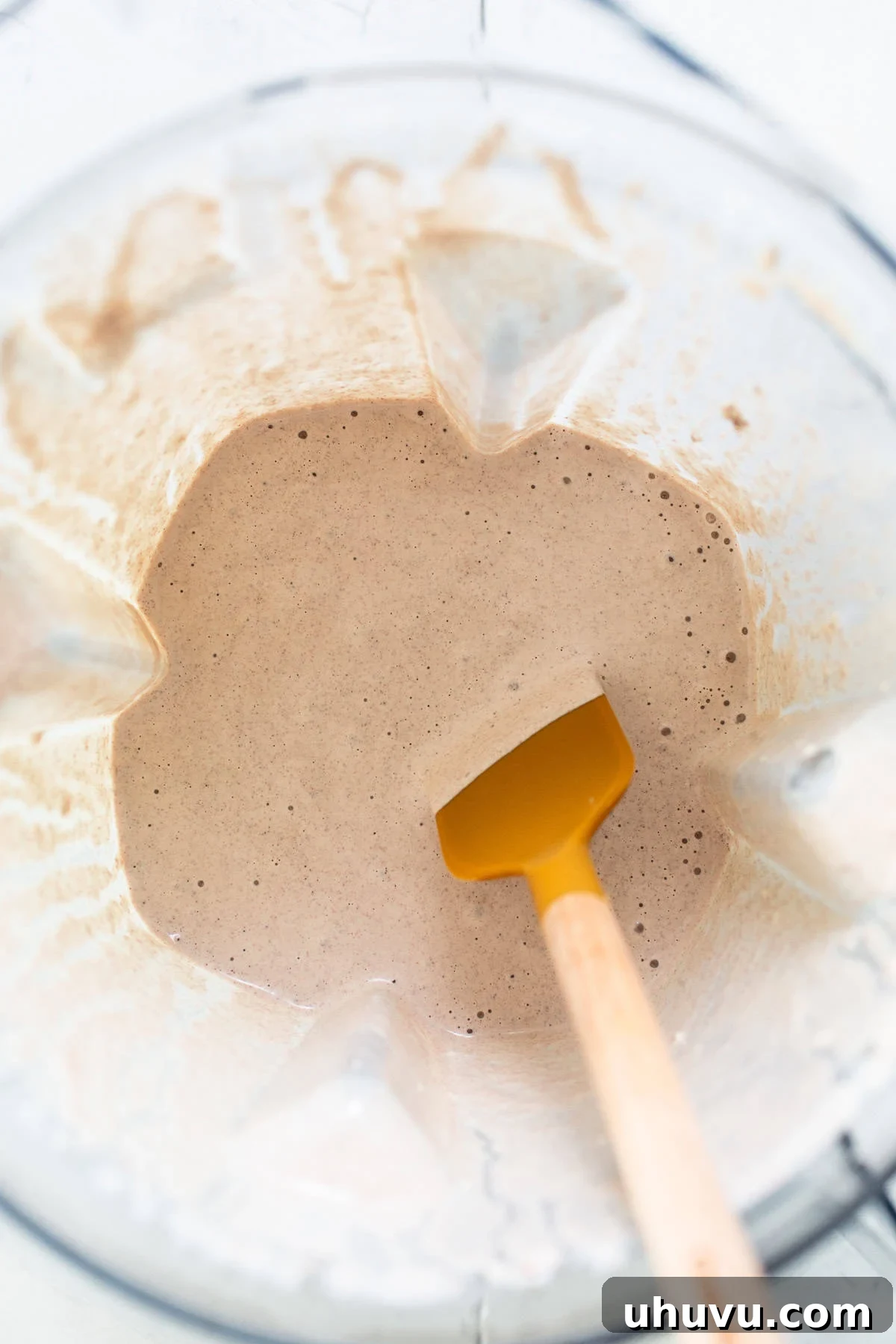
Step 2: Blend the Pecan Mixture. Carefully transfer the toasted pecans to a blender. Add 2 cups of the whole milk, the vanilla extract, and the kosher salt. Blend the mixture until it is completely smooth and creamy. Set this blended pecan mixture aside for later.
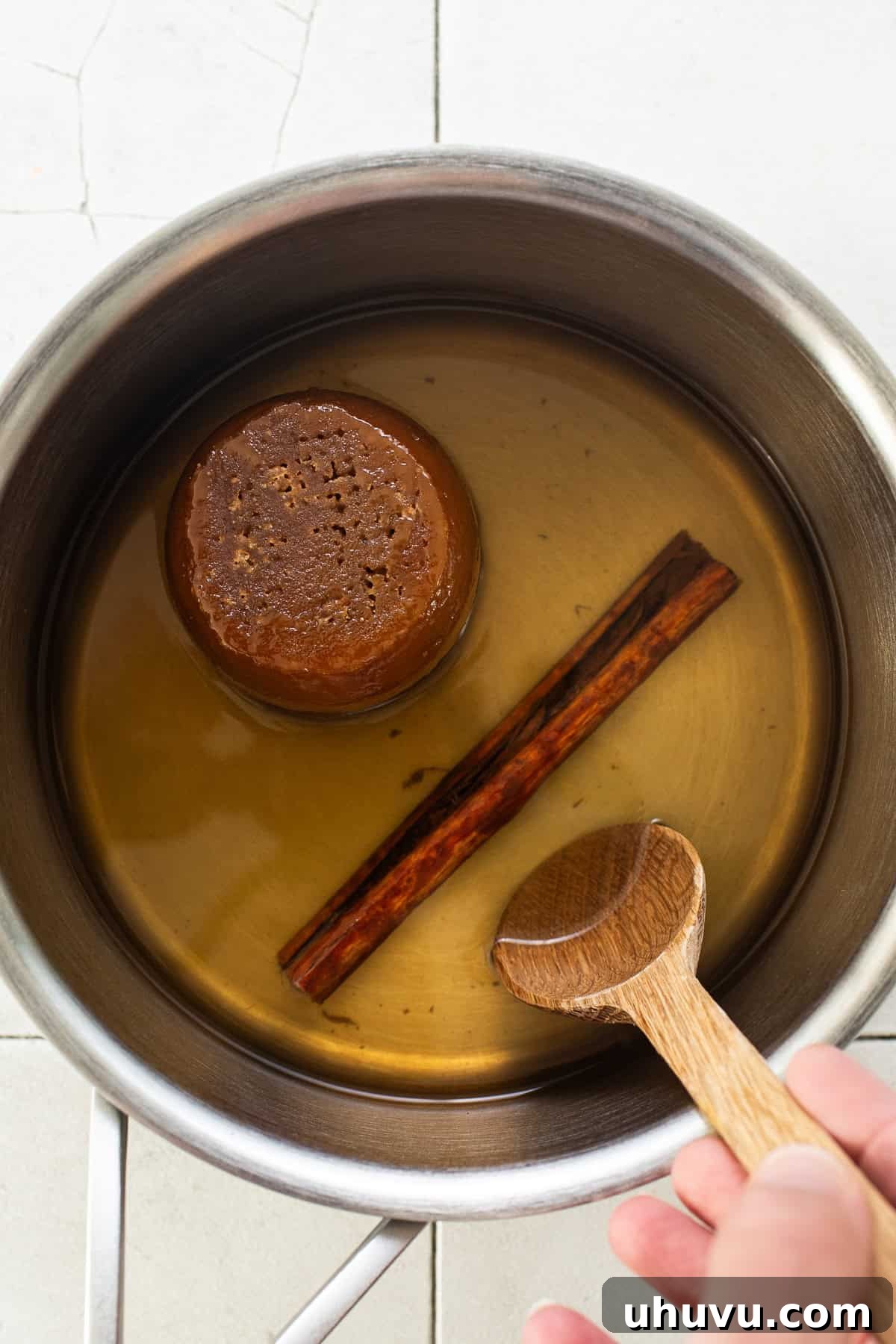
Step 3: Simmer Piloncillo and Cinnamon. In a medium pot or saucepan, combine the water, the cinnamon stick, and the piloncillo. Place the pot over medium-low heat and bring the mixture to a gentle simmer. Stir occasionally until the piloncillo is fully dissolved, infusing the water with its deep caramel notes. Once dissolved, remove and discard the cinnamon stick.
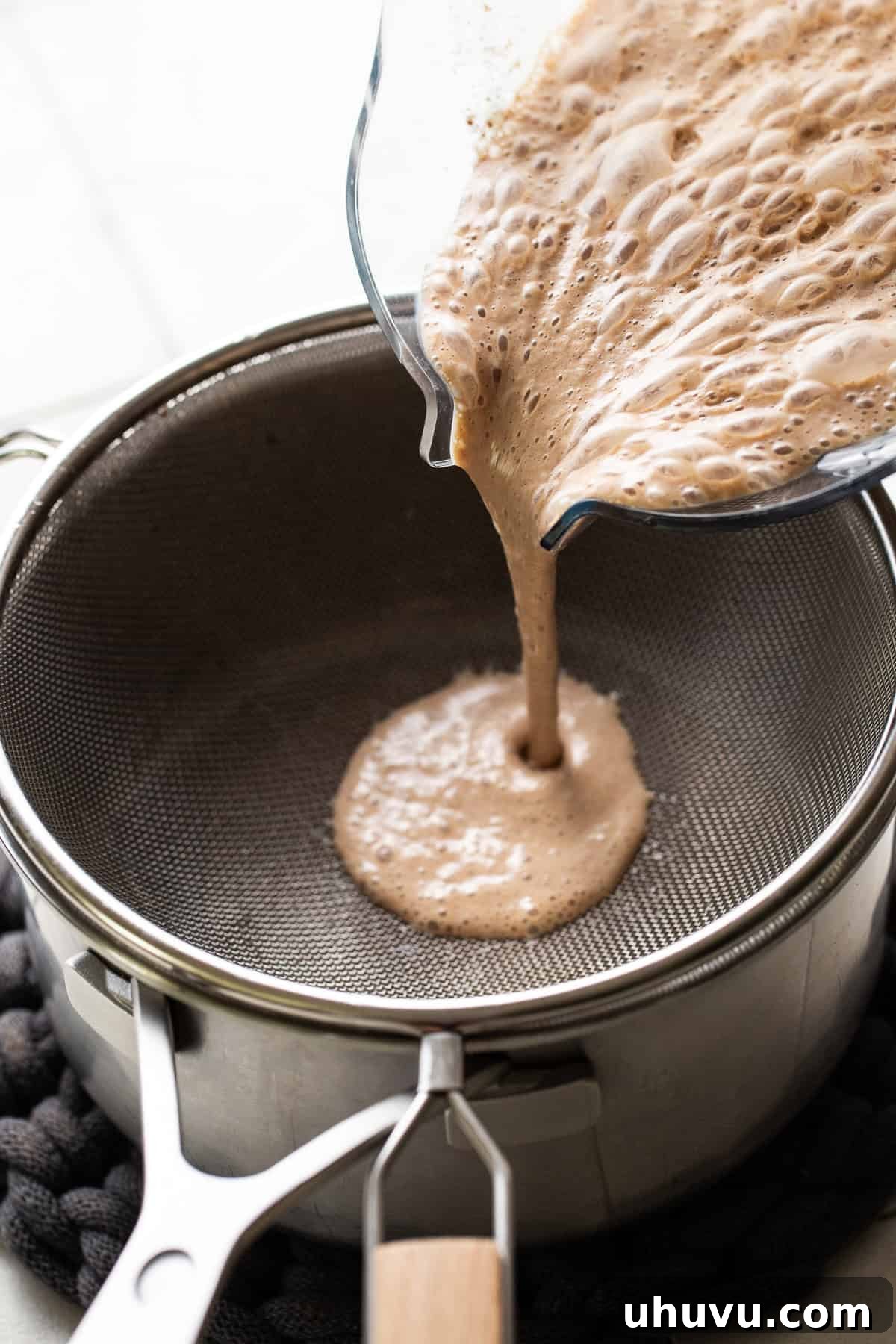
Step 4: Strain and Thicken the Atole. Carefully strain the blended pecan mixture through a fine-mesh strainer directly into the pot with the piloncillo-cinnamon liquid. Discard any solids left in the strainer. Stir in 1 cup of the remaining milk. Bring the mixture to a gentle simmer and cook for about 5 minutes, stirring continuously to prevent scorching. To make the cornstarch slurry, whisk together the cornstarch with the last 1 cup of milk in a separate small bowl until completely smooth. Slowly pour this slurry into the simmering pot while continuously whisking. Continue to simmer and whisk for an additional 10-15 minutes, or until the atole has thickened to your desired consistency and coats the back of a spoon.
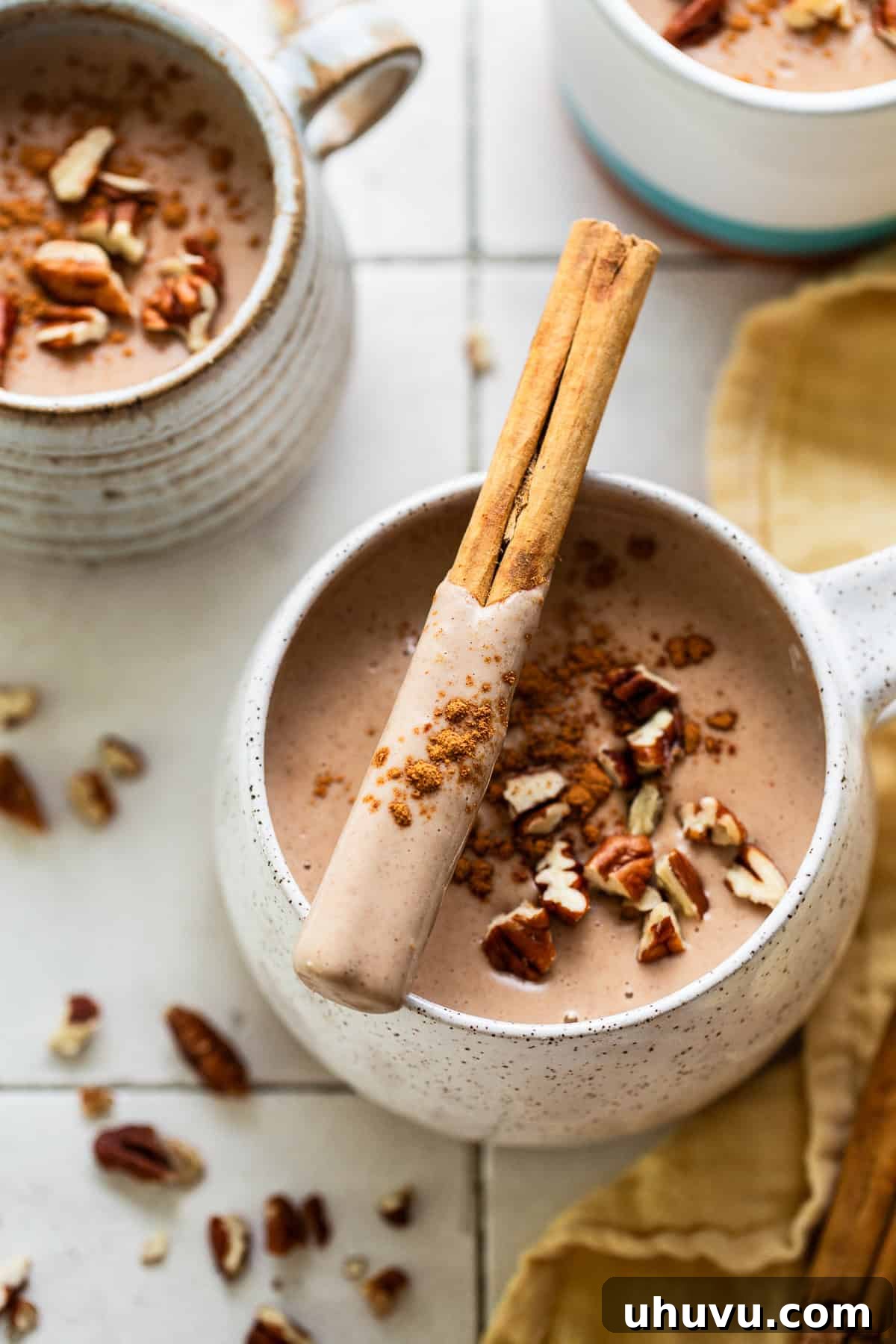
Step 5: Serve and Garnish. Serve your homemade Atole de Nuez immediately in mugs. For an extra touch of warmth and flavor, dust each serving with a sprinkle of ground cinnamon and garnish with a few chopped pecans. Enjoy the comforting warmth and rich nutty flavor!
Expert Tips & Creative Variations
Achieving the perfect Atole de Nuez is simple with these expert tips and suggestions for delightful variations:
- Adjusting Consistency: Atole de Nuez naturally thickens as it cools. If your atole becomes too thick for your liking, don’t worry! Simply whisk in a splash of warm milk or water until it reaches your preferred creamy consistency. For a thicker atole, you can simmer it a bit longer or add a tiny bit more cornstarch slurry (mixed with a small amount of cold milk first).
- Piloncillo Substitutes: If piloncillo is hard to find, you can substitute it with 1 cup of dark brown sugar. While the flavor will be slightly different, it will still provide a wonderful depth of sweetness. Adjust to taste.
- Making it Dairy-Free: This recipe is incredibly adaptable for dietary preferences. You can easily replace the whole milk with your favorite milk alternative. For an enhanced nutty flavor that complements the pecans, consider using almond milk or cashew milk. If you’re aiming for a super creamy and indulgent taste, oat milk is an excellent choice.
- Flavor Boosters: For an even deeper pecan flavor, consider adding a tiny amount of pecan extract (if available) along with the vanilla. A very small pinch of nutmeg or allspice can also add another layer of warm spice complexity, especially if you enjoy a more festive taste.
- Preventing Lumps: When adding the cornstarch slurry, always make sure to whisk it thoroughly with cold milk first until there are no lumps. Then, pour it into the simmering atole slowly while continuously whisking. This ensures a smooth, silky texture without any grainy bits.
Serving Suggestions: Pairing Your Atole de Nuez
Atole de Nuez is more than just a drink; it’s a cultural experience, traditionally savored during the cooler fall and winter months as a warm, nourishing, and sweet beverage. Its rich flavors make it incredibly versatile for pairing.
It’s most famously served alongside a variety of traditional Mexican pan dulce (sweet breads) for a complete and utterly satisfying treat. Imagine dipping sweet, soft pastries into your creamy atole. Excellent pairings include iconic items like fluffy Conchas, charming gingerbread pig cookies known as Marranitos, the vibrant and sweet Cortadillo (Mexican pink cake), or freshly baked Donas (Mexican donuts).
Beyond daily enjoyment, Atole de Nuez shines brightly during the festive Christmas season in Mexico. It’s a popular beverage to offer during holiday gatherings, often served alongside other beloved Mexican holiday classics. Picture it complementing hearty red Pork Tamales or tender Chicken Tamales, a steaming bowl of flavorful Pozole Rojo, or my family’s legendary sweet and savory Empanadas. Its warm, sweet notes provide a perfect balance to these savory dishes, making every meal a celebration.
Storing and Reheating Your Atole
Atole de Nuez is best enjoyed fresh and warm, but it can be stored and reheated for later enjoyment. Proper storage ensures its delicious flavors remain intact.
- To Store: Allow the Atole de Nuez to cool completely to room temperature before transferring it to an airtight container. Refrigerate for up to 3 days. Be aware that the atole will thicken considerably as it cools in the refrigerator due to the cornstarch.
- To Reheat: When you’re ready to enjoy your leftover atole, first add a splash of milk or water to help loosen its thickened consistency. Give it a good stir to incorporate the liquid. You can then reheat it gently on the stovetop over medium-low heat, stirring frequently, until it reaches your desired warmth and consistency. Alternatively, reheat it in the microwave in short intervals, stirring well between each, until hot. Continue to add more liquid (milk or water) as needed until the thickness is to your liking, ensuring it regains its smooth, drinkable texture.
Frequently Asked Questions (FAQs) About Atole de Nuez
Here are some common questions about making and enjoying Atole de Nuez:
Can I make Atole de Nuez ahead of time?
Yes, you can make Atole de Nuez a day or two in advance. Store it in an airtight container in the refrigerator. Remember that it will thicken significantly when chilled, so you’ll need to add a splash of milk or water and whisk it well while reheating to restore its creamy consistency.
What other nuts can I use if I don’t have pecans?
While pecans give Atole de Nuez its signature flavor, you can certainly experiment with other nuts. Walnuts or almonds are excellent substitutes that will still provide a rich, nutty profile. For a unique twist, you could even use a combination of different nuts. Ensure they are toasted to enhance their flavor.
Is Atole de Nuez typically very thick?
Atole is known for its thick, creamy consistency, which sets it apart from a typical hot beverage and often makes it feel more like a liquid dessert. The thickness can be adjusted to your preference by adding more or less cornstarch, or by adjusting the amount of liquid when reheating.
Why is toasting the pecans important?
Toasting the pecans is a crucial step that intensifies their flavor and brings out their natural oils, resulting in a much deeper, richer, and more aromatic taste in the final atole. Skipping this step would result in a less pronounced pecan flavor.
More Authentic Mexican Recipes to Explore
If you enjoyed this warming Atole de Nuez, you might also love these other traditional Mexican beverages and dishes:
- Ponche: A festive Mexican fruit punch, perfect for holiday gatherings.
- Rompope: A creamy, spiced Mexican eggnog, often enjoyed during celebrations.
- Champurrado: A rich, thick Mexican hot chocolate, another beloved atole variation.
If you tried this Atole de Nuez Recipe or any other recipe on Isabel Eats, don’t forget to rate the recipe and let me know how it went in the comments below! I love hearing about your experience making it!
Print Recipe
Atole de Nuez
Isabel Orozco-Moore
Atole de Nuez is a traditional Mexican drink made from toasted pecans, cinnamon, piloncillo, and milk. Creamy, thick, and wonderfully comforting for cold weather!
10 minutes
15 minutes
25 minutes
6 servings
Ingredients
- 2 cups chopped pecans, plus more for garnish
- 4 cups whole milk, divided
- 1 teaspoon vanilla extract
- ½ teaspoon kosher salt
- 2 cups water
- 1 cinnamon stick (Ceylon cinnamon preferred)
- 8 ounces piloncillo
- 4 tablespoons cornstarch
Instructions
- Heat a medium skillet over medium heat. Add the pecans and toast for 1-2 minutes, stirring often, until fragrant and lightly toasted.
- Transfer them to a blender and add in 2 cups of the milk, the vanilla extract, and salt. Blend until smooth and set aside.
- Add the water, cinnamon stick, and piloncillo into a medium pot or saucepan and bring to a simmer over medium-low heat. Bring to a simmer, stirring occasionally, until the piloncillo is fully dissolved. Discard the cinnamon stick.
- Strain the blended pecan mixture through a fine mesh strainer into the same pot, and discard any solids. Stir in 1 cup of the remaining milk. Bring to a gentle simmer and cook for 5 minutes, stirring continuously.
- Make a cornstarch slurry by whisking together the cornstarch with the remaining 1 cup of milk until fully combined. Slowly pour it into the pot while whisking.
- Return to a gentle simmer and whisk for 10-15 minutes, or until the mixture has thickened and coats the back of a spoon.
- Serve immediately in mugs with a dusting of ground cinnamon and garnish with chopped pecans.
Notes
- Piloncillo: You can substitute 1 cup of dark brown sugar instead of the piloncillo.
- Milk: Using whole milk adds a creamy texture and flavor, but you can make this dairy-free by using almond or oat milk.
- Cinnamon: I recommend using Ceylon cinnamon as that is what’s used in Mexican cuisine, but you can use whichever cinnamon sticks you can find.
Nutrition
| Calories: 516kcal
| Carbohydrates: 55g
| Protein: 9g
| Fat: 31g
| Saturated Fat: 5g
| Polyunsaturated Fat: 8g
| Monounsaturated Fat: 16g
| Cholesterol: 20mg
| Sodium: 271mg
| Potassium: 447mg
| Fiber: 4g
| Sugar: 46g
| Vitamin A: 286IU
| Vitamin C: 0.4mg
| Calcium: 265mg
| Iron: 1mg
Nutrition information is automatically calculated, so should only be used as an approximation.
Photography by Ashley McLaughlin.