
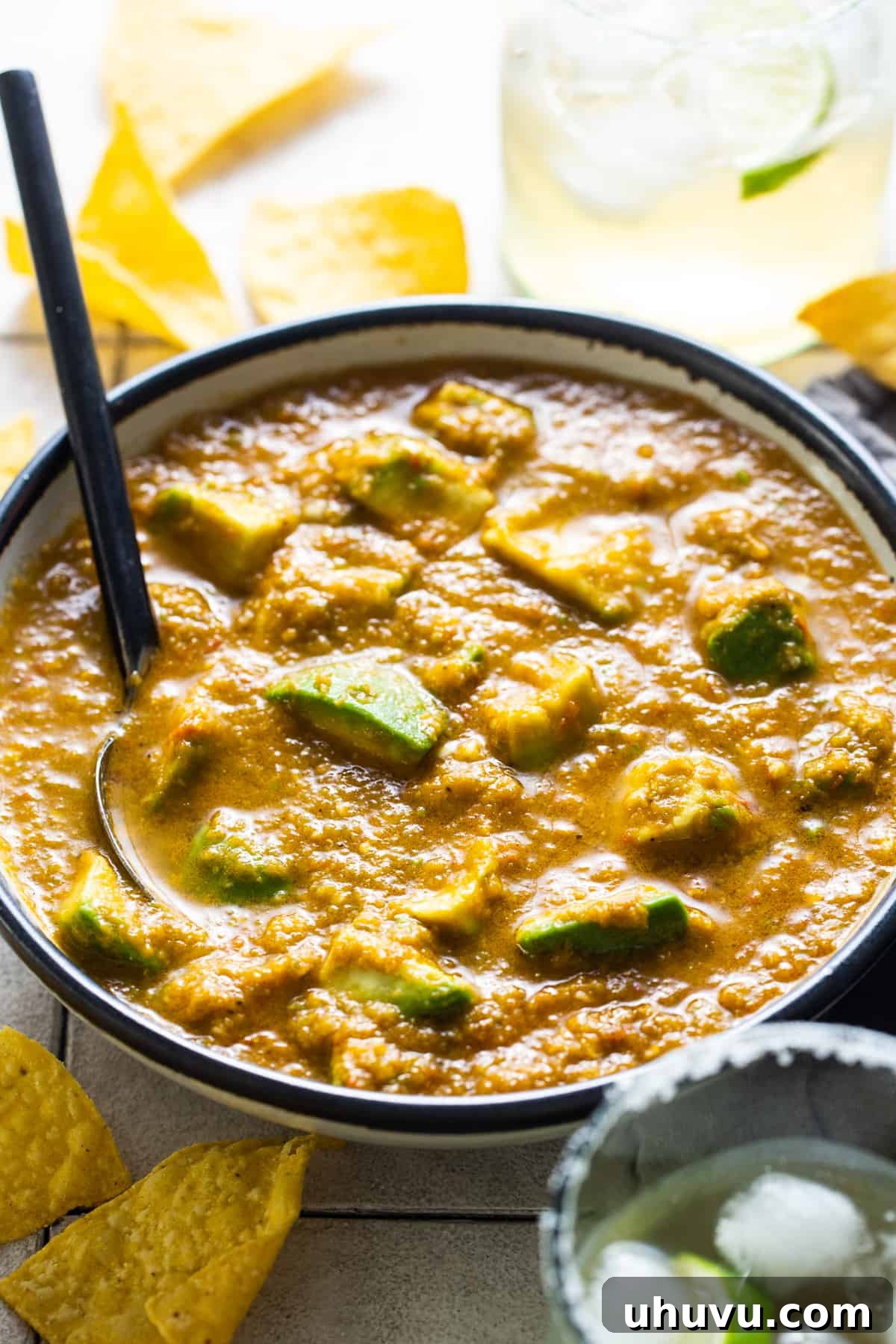
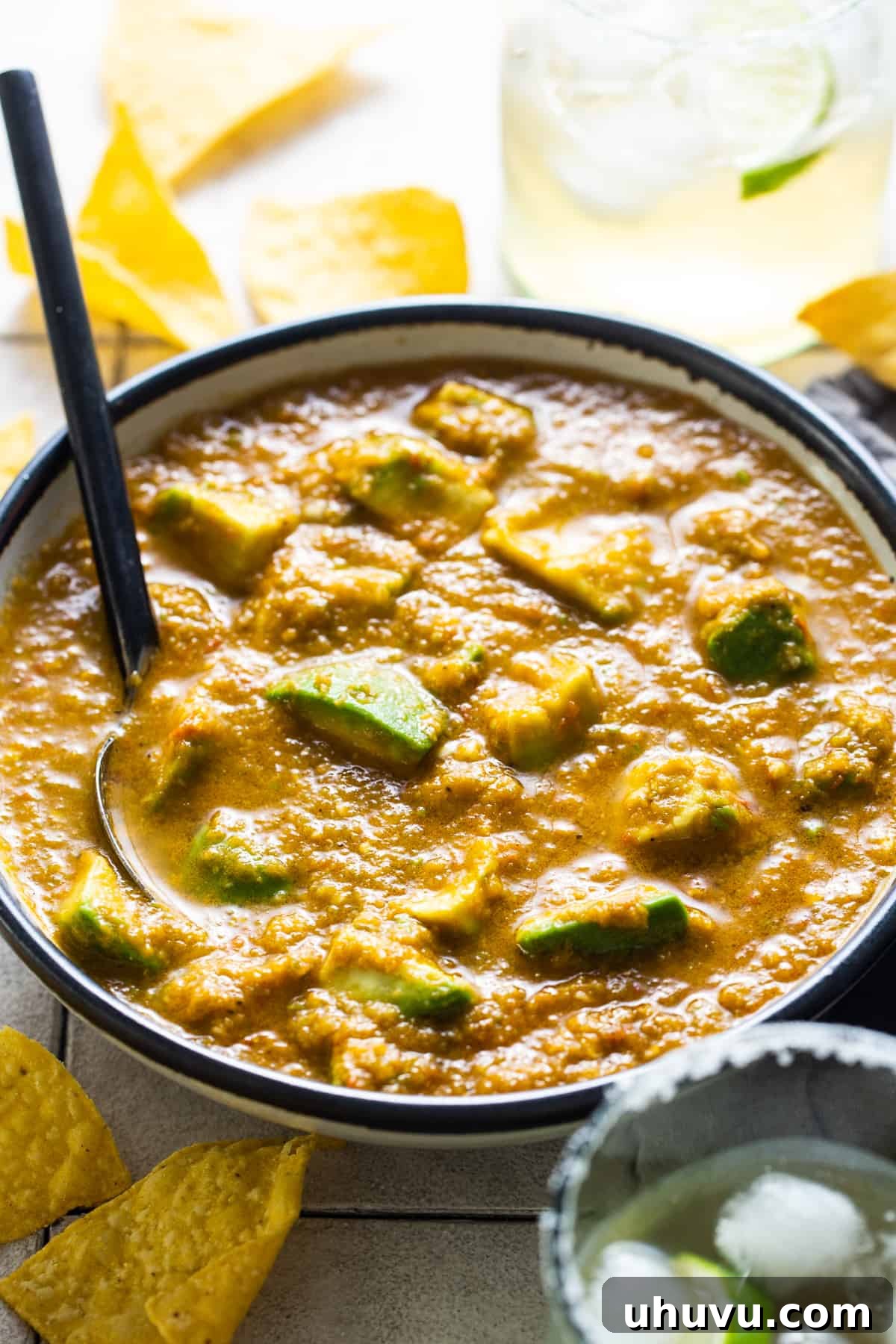
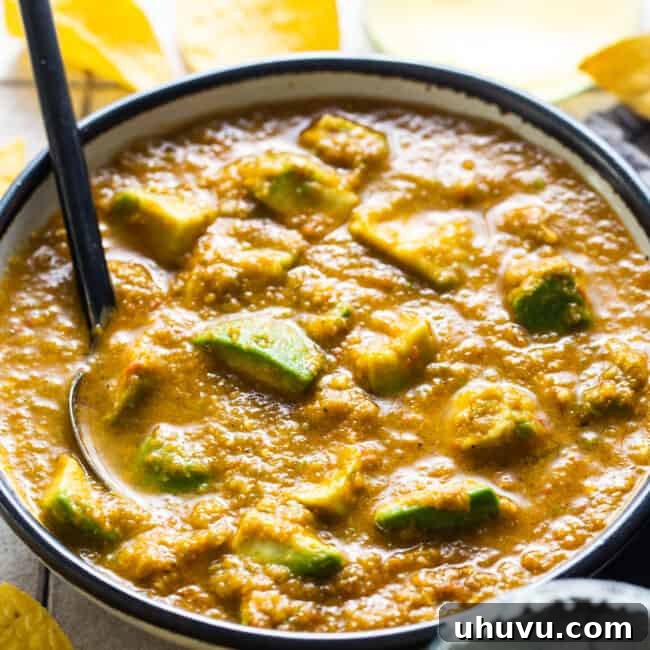
Welcome to the ultimate guide for crafting the most vibrant, flavorful, and incredibly versatile Salsa Mexicana, featuring a delightful creamy twist with fresh avocado. This isn’t just any salsa; it’s a culinary masterpiece that captures the essence of authentic Mexican flavors right in your kitchen. Made from a harmonious blend of lightly pan-fried jalapeños, ripe Roma tomatoes, aromatic onion, and pungent garlic, this cooked salsa develops a depth of flavor that raw salsas simply can’t match. Before serving, it’s gently folded with diced avocado, transforming it into a luxurious, spicy, and creamy delight that pairs perfectly with salty tortilla chips, tacos, grilled meats, and so much more. Get ready to elevate your meals with this must-have homemade salsa recipe!
Why This Salsa Mexicana Recipe Will Become Your Favorite
I wholeheartedly believe this will become your absolute favorite salsa recipe. Period. The inspiration for this particular rendition comes from my sister, whose salsa-making skills are truly exceptional. Her method forms the backbone of this recipe, and I’m thrilled to share it with you. Here are just a few reasons why this Salsa Mexicana stands out and why you’ll fall in love with it:
- Uncomplicated Yet Profoundly Delicious: Unlike many salsas that overload on various green chiles, this recipe thoughtfully focuses on jalapeños as the sole green chile. This intentional simplicity creates a perfect canvas, allowing the rich, earthy notes of avocado, the sweet tang of tomatoes, the sharp bite of onion, and the pungent warmth of garlic to truly shine. Each ingredient contributes distinctively, creating a balanced and memorable flavor profile that’s both robust and refreshingly clear.
- Unmatched Versatility for Every Dish: This isn’t just a dip; it’s a culinary chameleon! While it’s utterly irresistible on its own with a pile of crispy homemade tortilla chips, its potential extends far beyond snacking. Imagine it generously drizzled over sizzling tacos, complementing hearty carne asada, or adding a vibrant kick to simple Mexican rice. It also makes an incredible topping for scrambled eggs, quesadillas, enchiladas, or even grilled chicken and fish. Its creamy texture and spicy kick enhance virtually any savory dish.
- Delightful Served Warm or Chilled: A unique aspect of this salsa is the cooking process. After blending, the ingredients are lightly pan-fried in a touch of oil. This crucial step deepens and melds the flavors in a way that raw salsas simply cannot achieve. My personal preference is to enjoy it warm, fresh off the stove, where the aromas are most potent and the flavors are at their peak. However, it’s equally exquisite when chilled, offering a refreshing counterpoint on a warm day. The versatility in serving temperature adds another layer of appeal to this remarkable recipe.
Understanding Salsa Mexicana: A Culinary Gem
Salsa Mexicana, often celebrated as a cornerstone of Mexican cuisine, is a cooked salsa that distinguishes itself from its raw counterpart, Pico de Gallo (also known as Salsa Fresca). While both share similar core ingredients like tomatoes, onions, and chilies, Salsa Mexicana undergoes a cooking process that fundamentally transforms its character. This particular recipe elevates the traditional concept by blending fresh jalapeños, ripe Roma tomatoes, savory onions, and fragrant garlic into a smooth base, which is then lightly pan-fried to intensify and fuse the flavors.
What sets this version apart and truly makes it “Mexicana” in spirit and flavor is the incorporation of freshly diced avocado right before serving. This addition introduces a luxurious creaminess and a delicate, buttery texture that beautifully balances the salsa’s spicy heat and bright acidity. It’s this unique combination of cooked depth and fresh, creamy elements that makes it so utterly addictive.
This delicious, spicy, and incredibly versatile salsa serves as more than just a dip. It works wonders as a vibrant sauce over tacos, adds a burst of flavor to crispy flautas, complements the richness of carne asada, and even transforms a simple plate of rice. Of course, it’s also perfect on its own with some crunchy tortilla chips, making it an indispensable part of any Mexican-inspired meal or gathering.
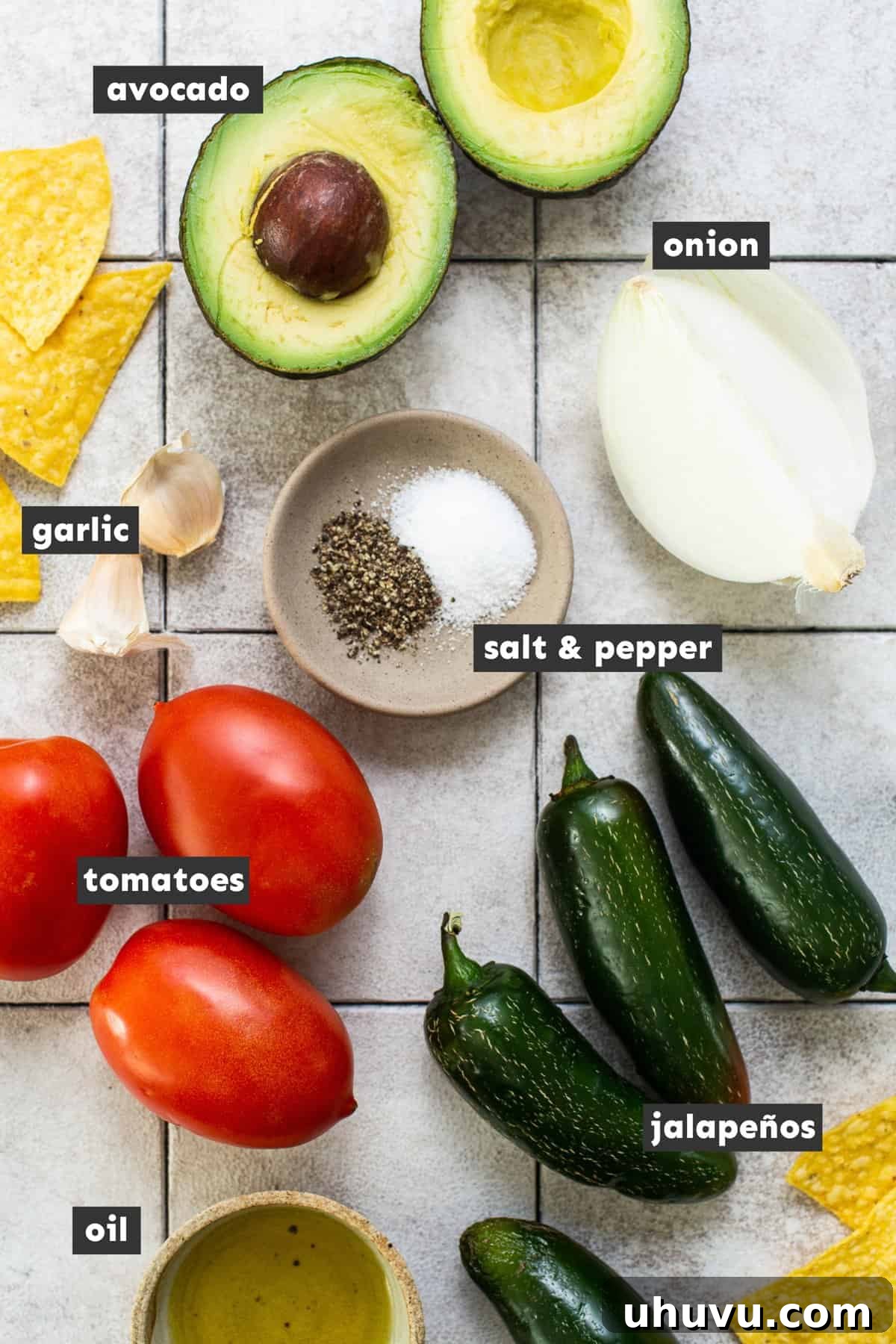
Key Ingredients for the Perfect Salsa Mexicana
The beauty of this Salsa Mexicana lies in the simplicity and freshness of its core ingredients. Each component plays a vital role in building the layered flavors and textures that make this salsa truly exceptional.
- Jalapeños: These fresh green chiles are the primary source of heat in this recipe. Their vibrant, slightly grassy flavor adds a crucial layer of complexity. You have full control over the spice level: for a milder salsa, simply remove and discard the seeds and white membranes (the veins), as these contain most of the capsaicin. For a medium to hot spice, leave some or all of them in.
- Roma Tomatoes: Known for their firm flesh and relatively low water content, Roma tomatoes are ideal for salsa. They contribute essential liquid to achieve the desired consistency when blended, and their balanced sweet-acidic profile pairs beautifully with the robust heat of the jalapeños, forming a delicious and tangy base for the salsa.
- White Onion: A classic and indispensable ingredient in most salsa recipes, white onion provides a sharp, tangy, and subtly sweet umami flavor. When blended and cooked, its intensity mellows, rounding out the foundational flavors and adding a wonderful depth that’s both familiar and essential to authentic Mexican cuisine.
- Garlic: As a self-proclaimed garlic enthusiast, I believe there’s rarely “too much” garlic. In this recipe, it infuses the salsa with its characteristic pungent and earthy aroma, enhancing the overall savory profile. The specified amount offers a reserved yet impactful flavor, but feel free to add an extra clove or two if you adore garlic as much as I do!
- Kosher Salt and Freshly Ground Black Pepper: Proper seasoning is paramount for any outstanding dish, and this salsa is no exception. With fresh and relatively basic ingredients, salt is crucial for bringing out and amplifying their natural flavors. Black pepper adds a subtle, earthy undertone. Be sure to taste as you go and adjust the salt level; it truly makes a significant difference in the final taste.
- Avocado: The real star that elevates this Salsa Mexicana to extraordinary status! Avocado brings a lush, creamy texture and a rich, buttery flavor that is simply divine. By dicing it and stirring it in just before serving, rather than blending it with the other ingredients, you retain its distinct texture, adding an interesting and satisfying mouthfeel that I am a tremendous fan of. This method also helps prevent the avocado from browning prematurely.
- Olive Oil: A small amount of olive oil is used for lightly pan-frying the blended salsa. This step is critical for deepening the flavors, allowing them to meld together beautifully and creating a more complex, satisfying taste profile than a raw salsa.
How to Prepare the Best Salsa Mexicana: A Step-by-Step Guide
Crafting this delightful Salsa Mexicana is surprisingly simple, yet the steps are crucial for developing its signature deep flavors and creamy texture. Follow these instructions carefully to achieve the perfect homemade salsa:
Step 1: Blend the Base Ingredients
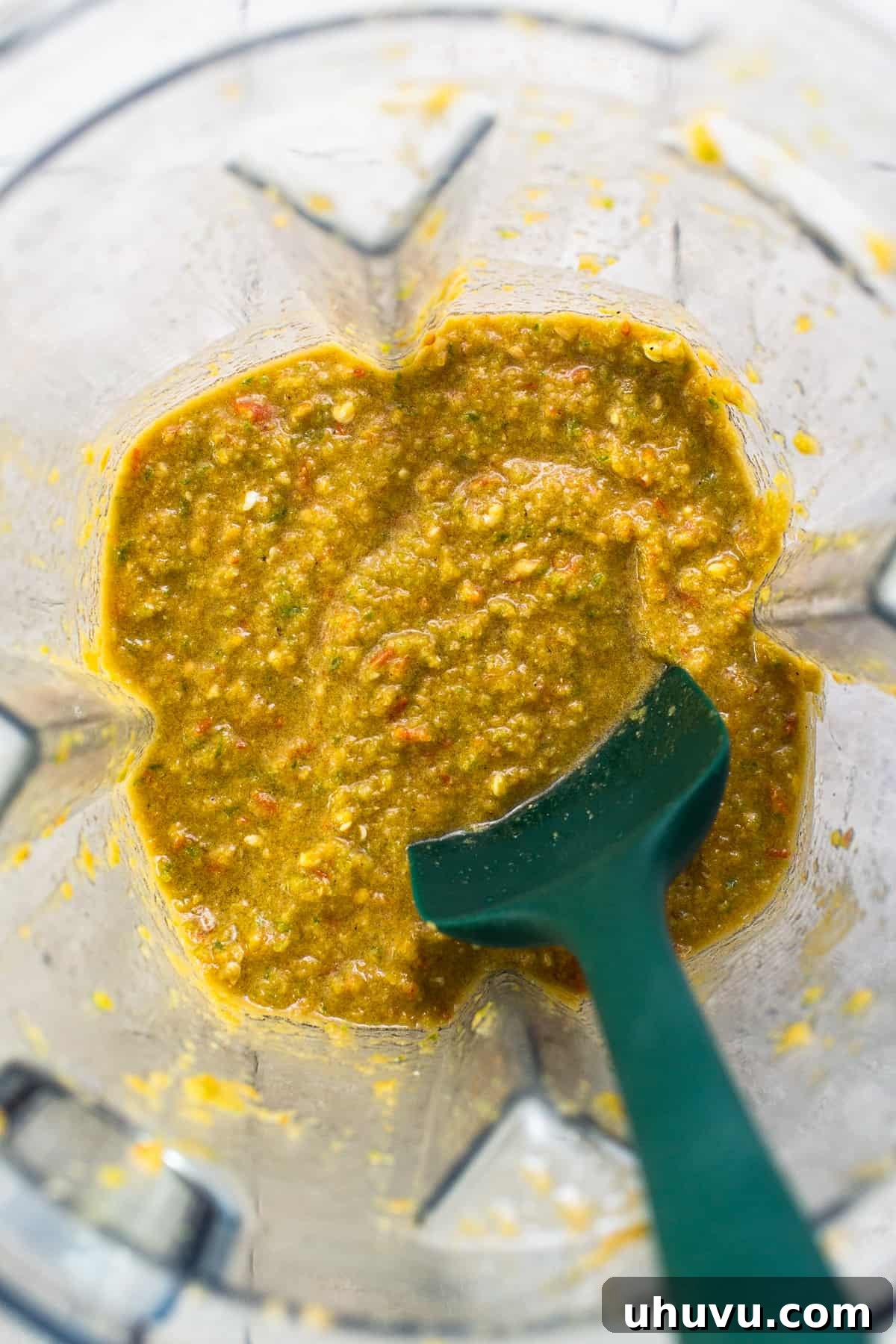
Begin by combining your stemmed jalapeños (adjusting seeds for desired spice level), Roma tomatoes, quartered white onion, garlic cloves, kosher salt, and freshly ground black pepper in a blender. Secure the lid and blend until the mixture is smooth. For a slightly chunkier salsa, you can pulse it a few times until your desired consistency is reached, but traditionally, this salsa has a smoother base. Ensure there are no large pieces remaining.
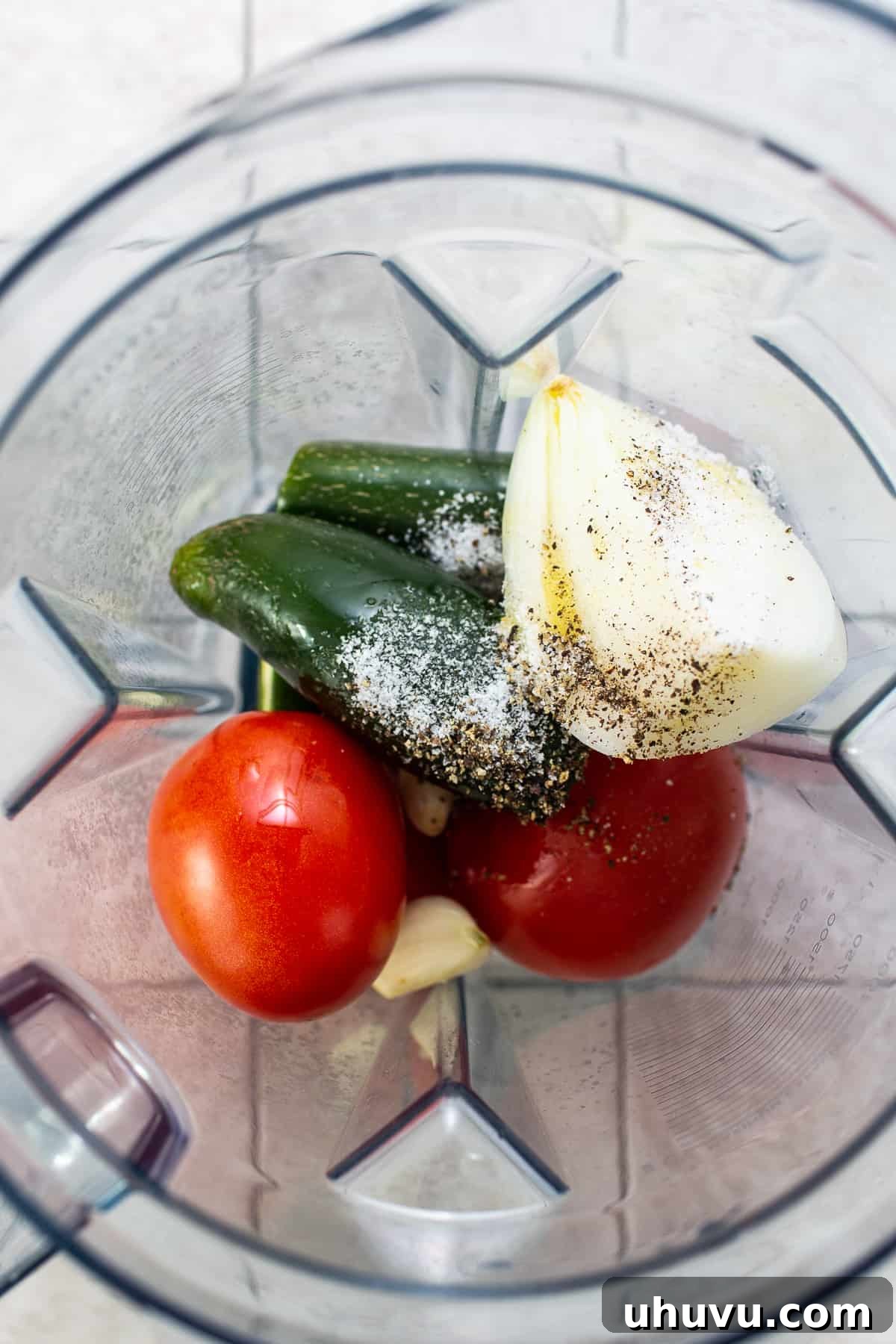
Step 2: Cook the Salsa to Deepen Flavors
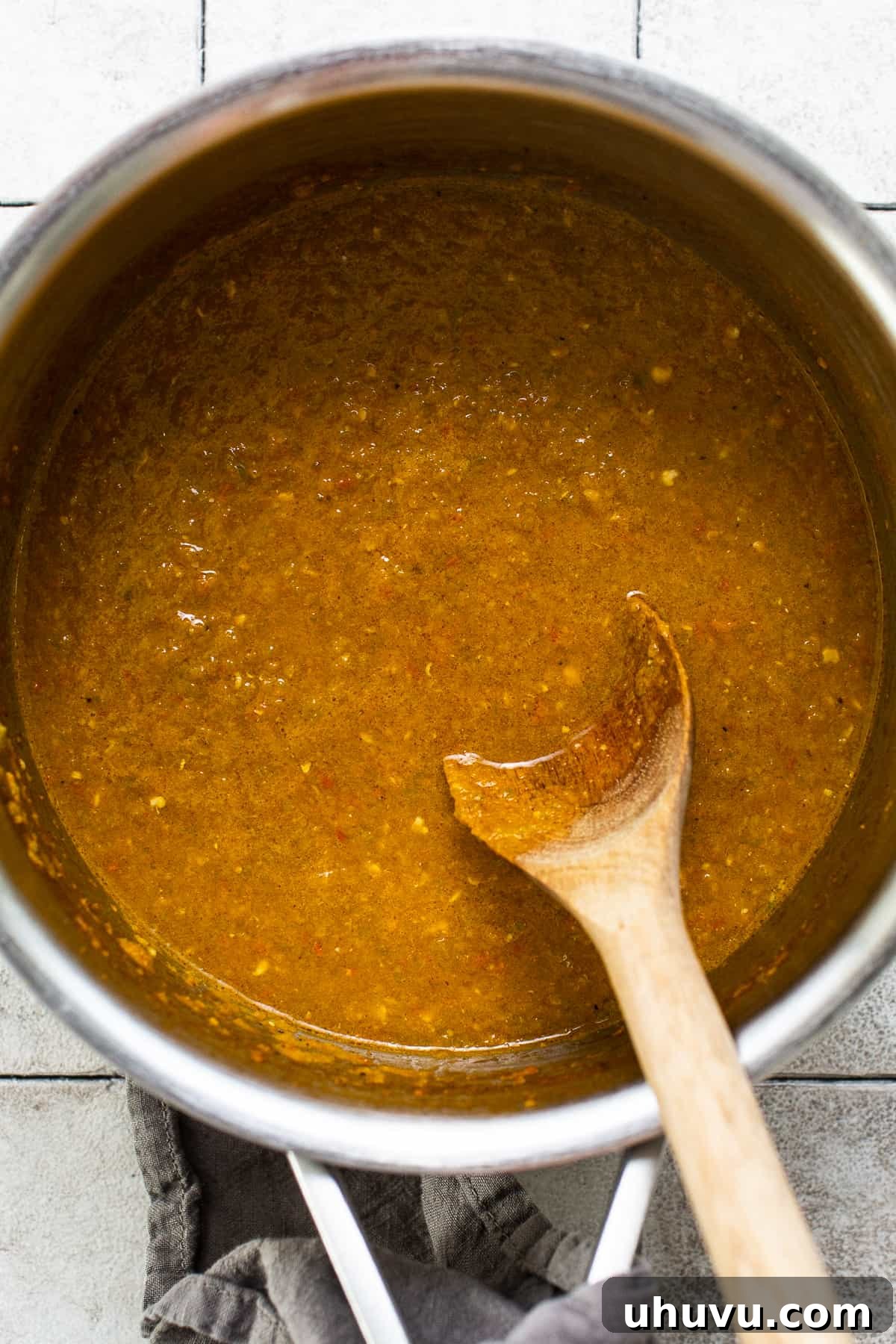
In a small saucepan, heat the olive oil over medium-high heat. Once the oil is shimmering, carefully pour the blended salsa mixture into the hot oil. Be cautious as the mixture may sputter. Stir occasionally and allow the salsa to cook for about 5 minutes. This crucial pan-frying step caramelizes the natural sugars, deepens the colors, and melds all the flavors together beautifully, creating a more complex and rich taste profile. You’ll notice the color slightly darkening and the aroma becoming more intense.
Step 3: Cool and Prepare for Serving
Once cooked, transfer the warm salsa to a serving bowl. Allow it to cool down slightly if you prefer it warm, or for a chilled version, cover the bowl and refrigerate for at least 10 minutes (or longer for a colder salsa). This brief cooling period allows the flavors to settle and further develop.
Step 4: Incorporate the Avocado and Serve
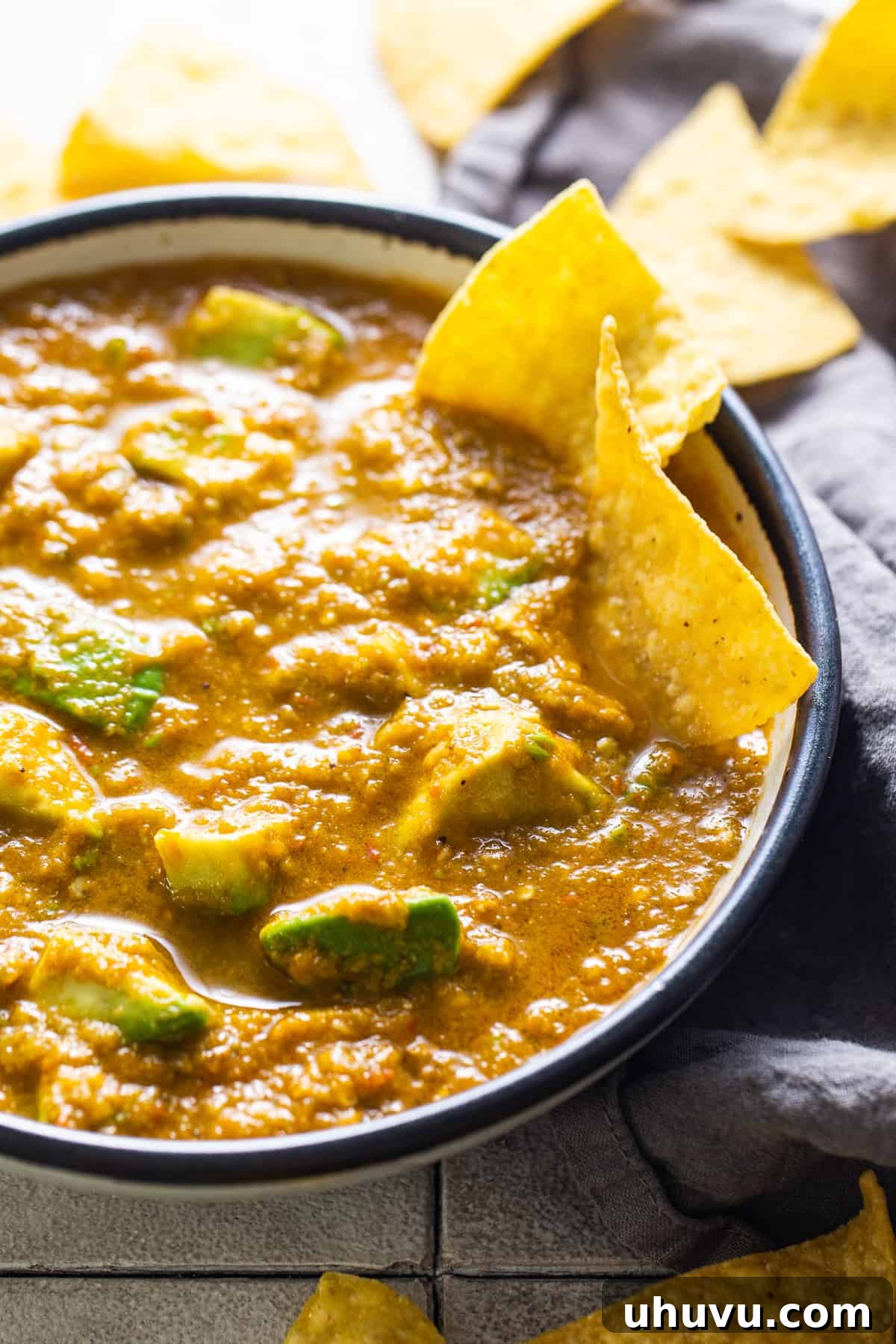
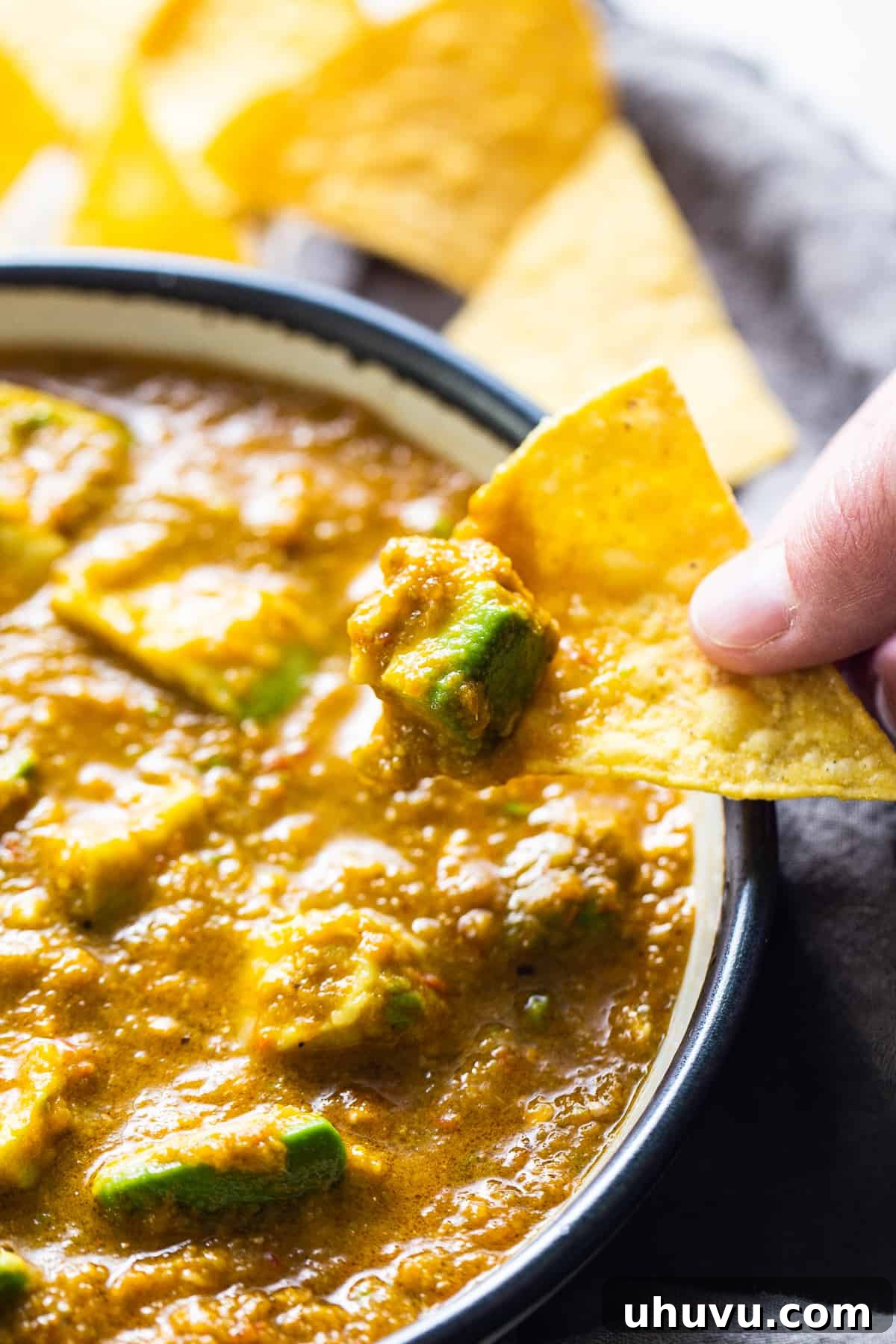
Just before you are ready to serve, gently stir in the freshly diced avocado. This ensures the avocado retains its beautiful green color and firm texture, preventing it from browning. Serve your incredible Salsa Mexicana immediately with your favorite tortilla chips, tacos, or as a vibrant accompaniment to any Mexican-inspired dish. Enjoy the delightful blend of spicy, tangy, and creamy flavors!
Essential Tips for Perfect Salsa Mexicana
- Adjusting Spice Levels: This recipe, as written, typically results in a medium to hot spice level due to the jalapeños. If you prefer a milder salsa, a simple yet effective tip is to carefully remove and discard the seeds and white veins (also known as the pith or membranes) from the jalapeños before blending. These parts contain the highest concentration of capsaicin, the compound responsible for the heat. For an even spicier kick, you can add a small amount of serrano pepper along with the jalapeños, or leave all the seeds in.
- Taste as You Go: Seasoning is paramount! Since the ingredients are fresh and relatively simple, the right amount of salt can dramatically enhance the overall flavor. Start with the recommended amount, then taste the salsa after blending and again after cooking. Adjust the salt and pepper as needed to suit your palate. A well-seasoned salsa truly stands out.
- Achieving the Right Consistency: While the recipe calls for blending until smooth, you can control the final texture. For a rustic, chunkier salsa, pulse the blender a few times instead of continuous blending. For a restaurant-style velvety smooth texture, blend for a longer duration until no visible pieces remain.
- Preventing Avocado Browning: Avocado tends to oxidize and turn brown quickly when exposed to air. To keep your diced avocado vibrant and green, always add it to the salsa just before serving. If you’re making the salsa ahead of time, store the base salsa without the avocado, and dice and stir in the avocado right before you plan to eat. A squeeze of lime juice over the diced avocado before adding it can also help slow down the browning process.
- Quality of Ingredients: The fresher your ingredients, the better your salsa will taste. Choose firm, ripe Roma tomatoes, crisp onions, fresh garlic, and vibrant green jalapeños and avocados.
Recommended Kitchen Tools for Salsa Success
Having the right tools can make all the difference in preparing this Salsa Mexicana efficiently and effectively:
- Blender: A powerful and reliable blender is essential for achieving the perfect smooth consistency for the salsa base. My family makes this salsa weekly, and a sturdy blender is our go-to for consistent results every time.
- Small Blender (Bullet-Style): If you’re planning to make smaller batches or individual servings, a compact bullet-style blender is incredibly convenient. Plus, you can often store the salsa directly in the blending container, minimizing cleanup.
- Glass Jars with Lids for Sauces and Condiments: For easy storage and to keep your salsa fresh, high-quality airtight glass jars are invaluable. We always have several of these in our fridge, filled with various homemade sauces and salsas, including this one.
- Small Saucepan: A good quality small saucepan is needed for the pan-frying step, which is crucial for developing the deep, rich flavors of this cooked salsa.
- Sharp Knife and Cutting Board: Essential for prepping your fresh vegetables, especially for deseeding jalapeños and dicing the avocado precisely.
Storing and Reheating Your Homemade Salsa Mexicana
Proper storage ensures your delicious Salsa Mexicana stays fresh and flavorful for days. Store any leftover salsa in an airtight container in the refrigerator for up to one week. If you’ve already added avocado, it’s best to consume the salsa within 2-3 days, as the avocado will begin to brown and soften. To minimize browning, you can press a piece of plastic wrap directly onto the surface of the salsa before sealing the container.
If you prefer your salsa warm, gently reheat it on the stovetop over low heat, stirring occasionally until warmed through. Avoid high heat, which can diminish the fresh flavors and alter the texture of the avocado if already added. This salsa also freezes well without the avocado; simply thaw in the refrigerator and stir in fresh diced avocado before serving.
Discover More Irresistible Salsa Recipes
If you’ve enjoyed this Salsa Mexicana, you’ll love exploring other vibrant and flavorful salsa recipes to complement your meals:
- Salsa Verde: A tangy and bright green salsa made with tomatillos.
- Salsa Macha: A rich, nutty, and spicy oil-based chili crunch.
- Roasted Tomato Salsa: Deep, smoky flavors from roasted tomatoes and chiles.
- Pico de Gallo: The classic fresh, uncooked salsa.
- Fresh Salsa: Another fantastic uncooked option, bursting with raw flavors.
Pin
Salsa Mexicana
Ingredients
- 4 jalapeños, stemmed
- 3 Roma tomatoes
- ¼ large white onion
- 2 cloves garlic
- 1 teaspoon kosher salt, plus more as needed
- ¼ teaspoon freshly ground black pepper
- 1 ½ tablespoons olive oil
- 1 avocado, diced
Instructions
- Add the jalapeños, tomatoes, onion, garlic, salt, and black pepper into a blender and blend until smooth.
- Heat the oil in a small saucepan over medium-high heat. Carefully stir in the blended salsa and cook for 5 minutes, stirring occasionally.
- Transfer to a serving bowl and let it cool down slightly, or cover and chill in the refrigerator for 10 minutes.
- Stir in the diced avocado right before serving.
Video
Notes
- This salsa is a medium or hot spice level. If you prefer a mild spice level, remove and discard the seeds and veins of the jalapeños.
- Seasoning is crucial in this salsa. The ingredients are fresh and relatively basic; be sure to taste as you go, and ensure you have the proper salt level, as it makes a big difference.
Nutrition
Nutrition information is automatically calculated, so should only be used as an approximation.