
Delve into the vibrant world of tamarind, a versatile fruit celebrated globally for its distinctive sweet and sour profile. From the bustling streets of Mexico to the aromatic kitchens of Southeast Asia, this culinary gem adds an unparalleled depth of flavor to countless dishes and beverages. Join us on a journey to explore everything about this remarkable ingredient, from its origins and diverse forms to its myriad uses and impressive health benefits.
What Exactly Is Tamarind? A Deep Dive into This Tropical Fruit
Tamarind, scientifically known as Tamarindus indica, is a fascinating tropical fruit that originates from Africa but has become a staple in cuisines across Asia, Latin America, and the Caribbean. It grows in unique, elongated pods on large, elegant trees, which themselves are often called tamarind trees.
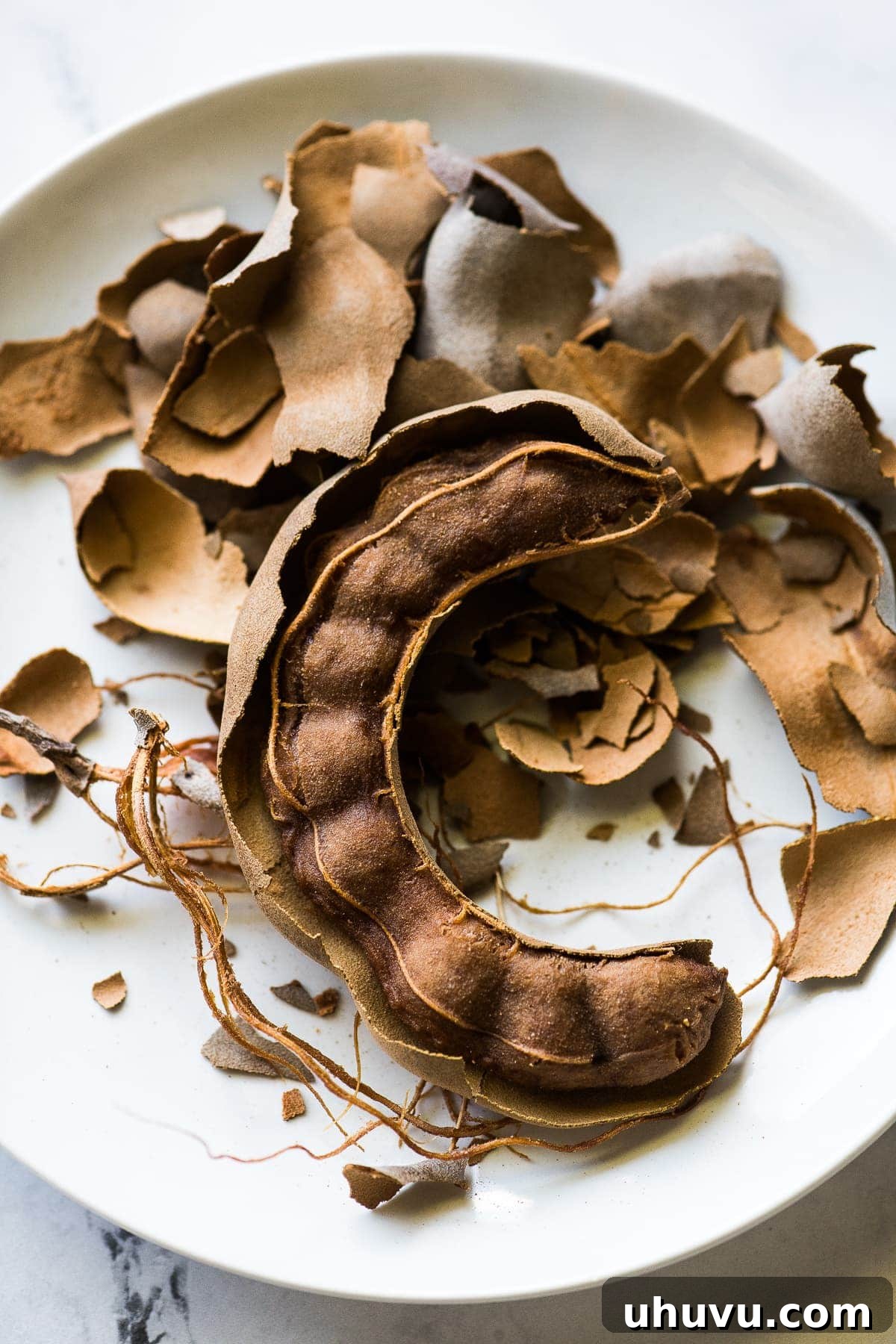
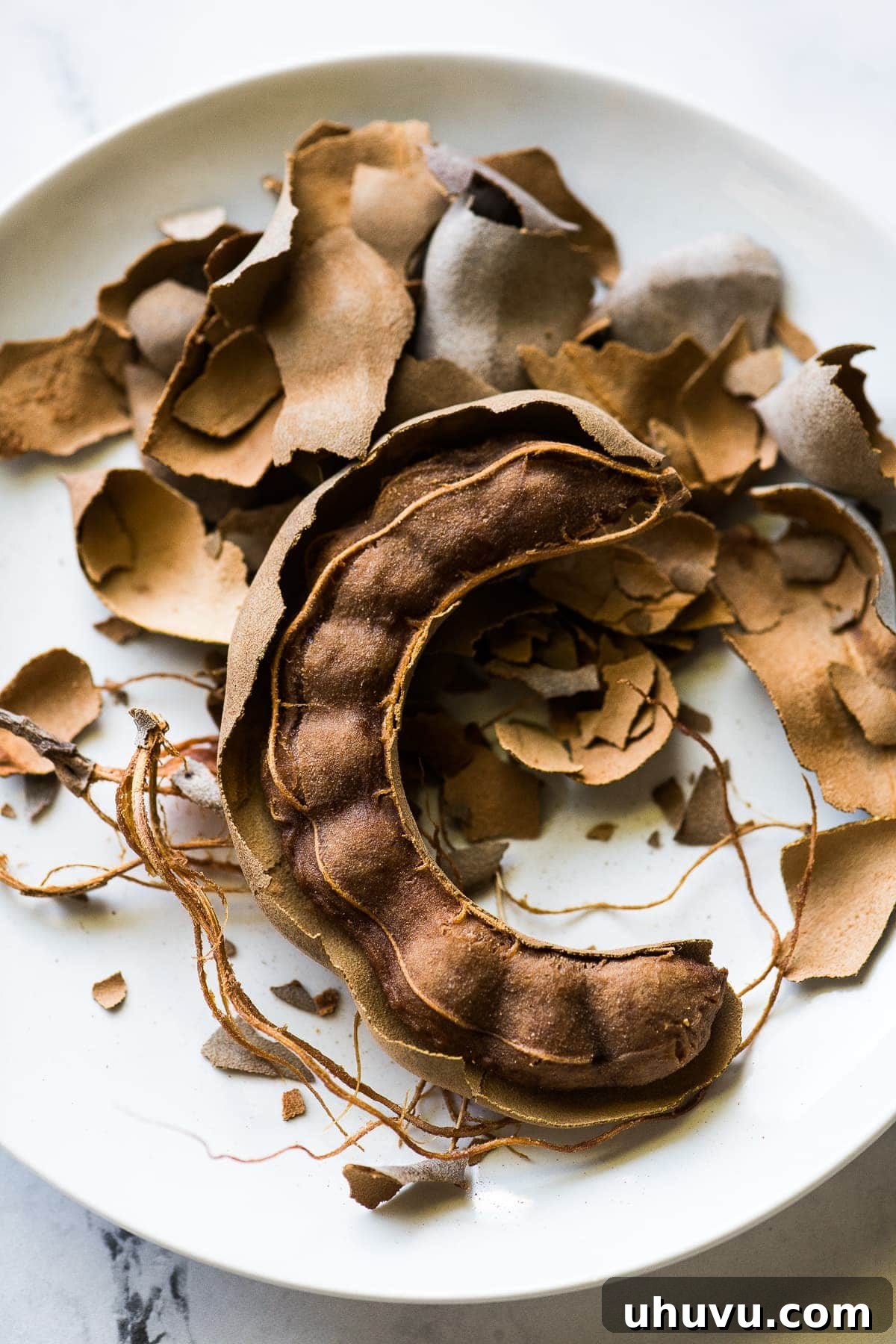
Belonging to the legume family, its pods bear a resemblance to large, smooth, brown pea pods or raw peanuts. Inside these brittle shells lies the treasure: a dark, sticky, fibrous pulp that encases several large, shiny seeds. This pulp is the edible part of the fruit, highly prized for its unique flavor.
Historically, tamarind has been cultivated for centuries. Its journey from Africa to India, and then further eastward to Southeast Asia and westward to the New World, highlights its adaptability and the universal appeal of its taste. It thrives in warm, tropical climates, making it a sustainable and culturally significant crop in many regions.
Unpacking the Distinctive Flavor Profile of Tamarind
The flavor of tamarind is truly one-of-a-kind, often described as a complex interplay of sweet, sour, tangy, and tart notes. This spectrum of taste is heavily influenced by the fruit’s ripeness. Younger, less ripe tamarind tends to be more intensely sour and tart, whereas fully ripened pods develop a richer sweetness, akin to dates or dried figs, while still retaining a pleasant tang.
The primary compound responsible for tamarind’s characteristic tartness is tartaric acid, which is present in higher concentrations in unripe fruits. As the fruit matures, natural sugars develop, balancing this acidity. When used in cooking, tamarind’s flavor can be further modulated: ingredients like coconut milk or sugar can mellow its sour edge, while vinegars or citrus can amplify its tartness, creating a more pronounced zest.
Despite its sour bite, tamarind is incredibly versatile, finding its way into both savory main courses and delightful desserts. This duality is what makes it such a captivating ingredient, capable of adding a bright, acidic counterpoint to rich dishes or a refreshing tang to sweet treats.
Where to Find and How to Store Tamarind: A Buyer’s Guide
Tamarind is available in various forms, making it accessible for any culinary application. Understanding these options will help you select the best product for your needs:
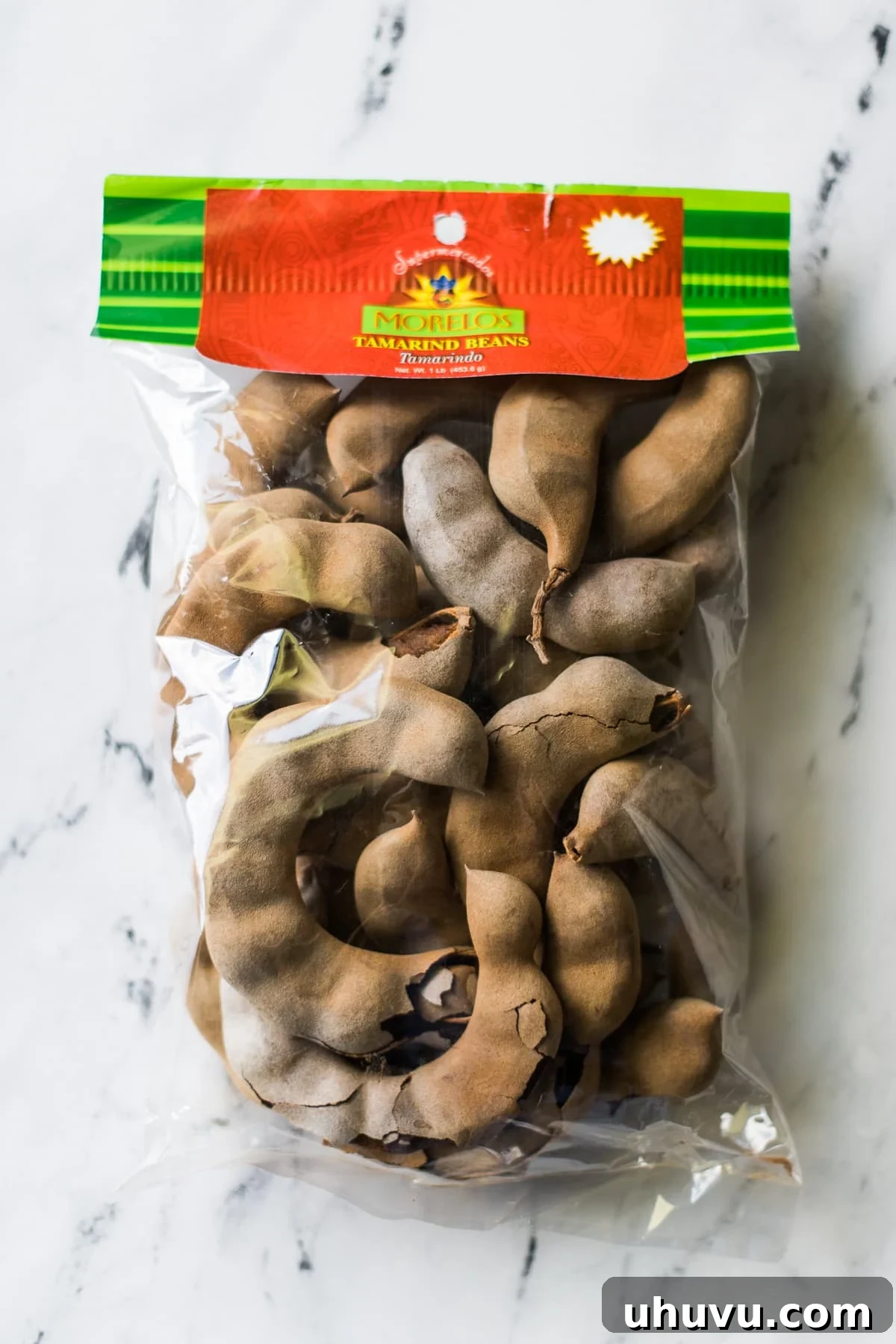
- Whole Pods: This is the most natural form, often found in large bags at Asian, Mexican, or international markets. Preparing them involves cracking open the brittle shell, removing the fibers and seeds, and extracting the sticky pulp. Whole pods offer the freshest flavor but require the most preparation. Store them in a cool, dry place for several weeks, or refrigerate for extended freshness.
- Tamarind Paste (or Pulp): This is a popular and convenient option. It’s made by steeping whole tamarind pulp in hot water, then straining it to remove seeds and coarse fibers, resulting in a thick, smooth paste. It’s ready to use in cooking and offers a good balance of flavor and convenience. Store in the refrigerator for several months.
- Tamarind Concentrate: Similar to paste but much more intense in flavor and often a bit more liquid in texture. A little goes a long way with concentrate, making it ideal for dishes where a strong tamarind punch is desired. It’s excellent for marinades, sauces, and drinks. Refrigerate after opening.
- Pressed Blocks: These are compact blocks of deseeded, compressed tamarind pulp, sometimes with a few fibers remaining. They are often used to make candies or can be softened in hot water and strained to create a paste for cooking. They offer a long shelf life when stored in a cool, dry pantry.
- Frozen Pulp: Often available in blocks or pouches, frozen tamarind pulp has a slightly milder taste than fresh or processed forms. It’s convenient and can be thawed and diluted for use in drinks or blended into dishes. Keep frozen until ready to use.
- Sweetened Tamarind Syrup: This form is typically used in beverages and cocktails. It’s a ready-to-use liquid that provides a sweet and tangy base for drinks, often requiring no further sweetening. Store in the refrigerator once opened.
When purchasing whole pods, look for plump, firm pods without mold or damage. For pastes and concentrates, check the ingredient list to ensure no artificial additives, if preferred. Proper storage is key to maintaining the unique flavor of this incredible fruit.

Culinary Journey: Diverse Uses for Tamarind Around the World
Tamarind’s adaptability makes it a global culinary superstar, enhancing everything from refreshing drinks to complex savory dishes and delightful sweets. Its ability to balance flavors is unparalleled.
Mexican Cuisine: A Sweet and Sour Tradition
In Mexico, tamarind is an indispensable ingredient. One of its most iconic uses is in Agua de Tamarindo, a popular agua fresca (fresh water drink). This thirst-quenching beverage is a harmonious blend of sweet and tart, often compared to an earthy lemonade. It’s prepared by simmering peeled tamarind pods, extracting the pulp, blending it with water and sugar, and then straining to achieve a smooth, refreshing drink. Along with horchata and agua de jamaica, it’s a quintessential Mexican refreshment.
Beyond beverages, tamarind paste is a foundational ingredient in many beloved Mexican candies. These treats often combine the sweet-tart tamarind with chili powder and sugar, offering an explosion of flavors that are both spicy and refreshing. It’s also utilized in savory applications like marinades for tacos al pastor or as a key component in complex moles and sauces.
Southeast Asian Delights: The Backbone of Flavor
Tamarind is a cornerstone of Southeast Asian cooking, providing the essential sour notes in many regional dishes. In Thai cuisine, it’s indispensable for Pad Thai, lending that distinctive sweet-sour balance. Vietnamese cooking incorporates it into sour soups (canh chua) and dipping sauces. In Indonesia and the Philippines, tamarind paste or pulp is vital for dishes like sinigang (a sour soup) and asam pedas (a spicy and sour fish stew), adding depth and tang that brightens rich flavors.
Indian & Middle Eastern Spices and Stews
Indian cuisine heavily relies on tamarind for its chutneys, curries (such as sambar and rasam), and various sauces. It provides a unique sourness that can’t be replicated, making it crucial for regional specialties. It’s also used to prepare traditional cooling drinks. In the Middle East, tamarind juice is a popular beverage, especially during Ramadan, and the pulp is used to tenderize meats and add complexity to savory meat stews.
Caribbean & Global Influences
The Caribbean islands embrace tamarind in their drinks, sauces, and glazes. The famous Brazilian cocktail, caipirinha, sometimes gets a tropical twist with tamarind paste. Surprisingly, tamarind is also a key ingredient in the universally recognized Worcestershire sauce, contributing to its signature tangy depth. Its versatility extends to modern mixology, where it’s found in innovative cocktails, imparting an exotic twist to classics like whiskey sours and gin and tonics.
Sweet Treats and Beyond
From homemade barbecue sauces and marinades for steak or chicken, to glazes for roasted vegetables, tamarind lends itself to a vast array of savory applications. But its role in desserts should not be overlooked. Beyond Mexican candies, it can be used to create sorbets, jams, and even unique pastry fillings, where its tartness cuts through richness beautifully.
Preparing Tamarind from Whole Pods: A Simple Guide
If you’ve purchased whole tamarind pods, transforming them into usable pulp is a straightforward process:
- Shell and De-string: Break open the brittle outer shell of the pods and peel it away. You’ll also notice thin, fibrous strings running along the length of the pulp; remove these as well.
- Soak: Place the exposed pulp (which still contains seeds) into a bowl. Cover it with hot water (not boiling, just hot enough to soften) and let it soak for about 15-30 minutes. The pulp will soften and become pliable.
- Extract the Pulp: Once softened, use your hands or a sturdy spoon to mash and squeeze the pulp in the water. This will help separate the pulp from the seeds and remaining fibers. Continue until the water becomes thick and cloudy with tamarind essence.
- Strain: Pour the mixture through a fine-mesh sieve or colander, pressing down on the solids to extract as much liquid and pulp as possible. Discard the seeds and coarse fibers left in the sieve.
- Store: The resulting thick liquid is your fresh tamarind pulp/paste, ready for use. It can be stored in an airtight container in the refrigerator for up to a week, or frozen for several months.
The Surprising Benefits and Uses of Tamarind Seeds
While the pulp is the star, the seeds of the tamarind fruit also hold value and are edible. They are less commonly used but offer interesting culinary and nutritional possibilities.
Roasted tamarind seeds are a popular snack in certain parts of the Caribbean and Asia, offering a nutty flavor and a satisfying crunch. In India, ground-up tamarind seeds are sometimes used by bakers to add a unique flavor and texture to cakes and other baked goods. Beyond culinary applications, tamarind seeds are being explored for their industrial potential, including as a source of gum for thickening agents and even in water purification processes.
Health Benefits of Tamarind: More Than Just a Flavor Enhancer
Beyond its culinary prowess, tamarind also boasts an impressive nutritional profile, contributing to several health benefits:
- Rich in Antioxidants: Tamarind contains powerful antioxidants, including polyphenols and flavonoids, which help combat free radicals in the body, protecting cells from oxidative damage.
- Digestive Health: It is an excellent source of dietary fiber, aiding in digestion, promoting regularity, and preventing constipation. Historically, tamarind has been used as a natural laxative.
- Essential Minerals: The fruit is a good source of vital minerals such as magnesium, potassium, iron, and calcium, all crucial for various bodily functions including bone health, nerve function, and red blood cell formation.
- Vitamins: Tamarind provides a decent amount of B vitamins (B1, B2, B3, B5, B6) and Vitamin C, which support energy metabolism, nerve health, and immune function.
- Anti-Inflammatory Properties: Some studies suggest that compounds in tamarind may possess anti-inflammatory properties, potentially helping to reduce inflammation in the body.
- Heart Health: Its fiber content can help lower cholesterol levels, and its potassium content contributes to maintaining healthy blood pressure, both factors in promoting cardiovascular health.
Incorporating tamarind into your diet can be a delicious way to boost your nutrient intake and support overall well-being. However, moderation is key, especially given its naturally high sugar content in some forms.
Conclusion: Embrace the Tangy World of Tamarind
From its humble origins to its current status as a global culinary darling, tamarind offers a world of flavor waiting to be explored. Whether you’re making a refreshing Mexican agua fresca, a complex Indian curry, or a zesty Thai stir-fry, the unique sweet and sour notes of tamarind can elevate your dishes to new heights. With its rich history, diverse forms, impressive health benefits, and unparalleled versatility, tamarind is more than just a fruit – it’s an experience. So, next time you’re looking to add a touch of exotic flair and vibrant flavor to your cooking, reach for this incredible ingredient and unleash its culinary magic.