
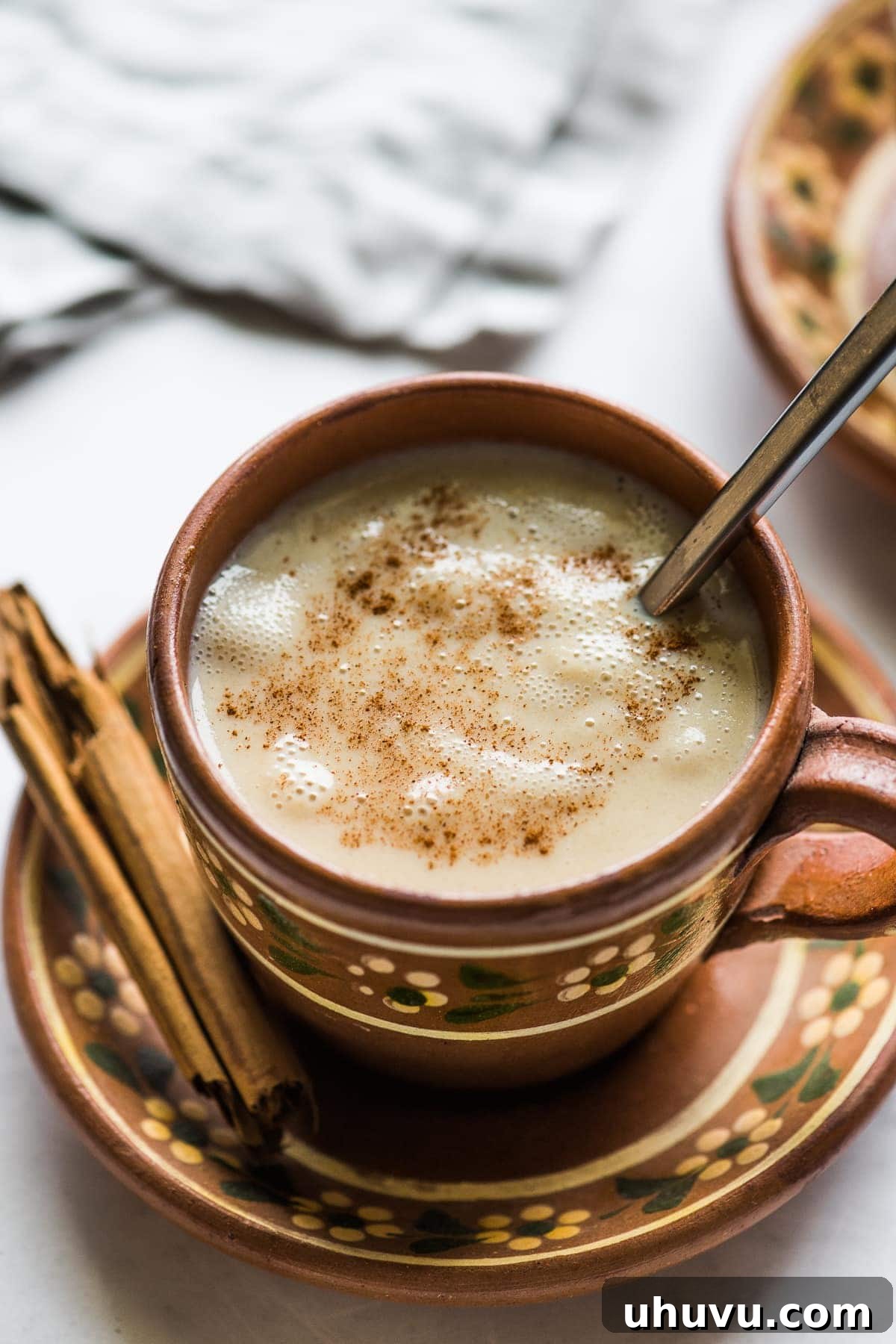
There’s an undeniable magic in a warm, comforting mug, especially when it’s filled with the rich, velvety goodness of **Mexican Atole**. This cherished traditional drink, crafted with simple yet profound ingredients like **masa harina**, **piloncillo**, fragrant **cinnamon**, and a hint of **vanilla**, is a beacon of warmth and a symbol of hospitality, particularly during the chilly winter months and festive holiday seasons. It’s more than just a beverage; it’s a taste of Mexican heritage, a comforting embrace that nourishes both body and soul.
If you’re captivated by the authentic flavors of classic atole, we invite you to explore its delightful variations. Discover the rich chocolate notes of champurrado, the sweet corn essence of atole de elote, and the playful charm of atole de galletas Marías, each offering a unique twist on this beloved staple.
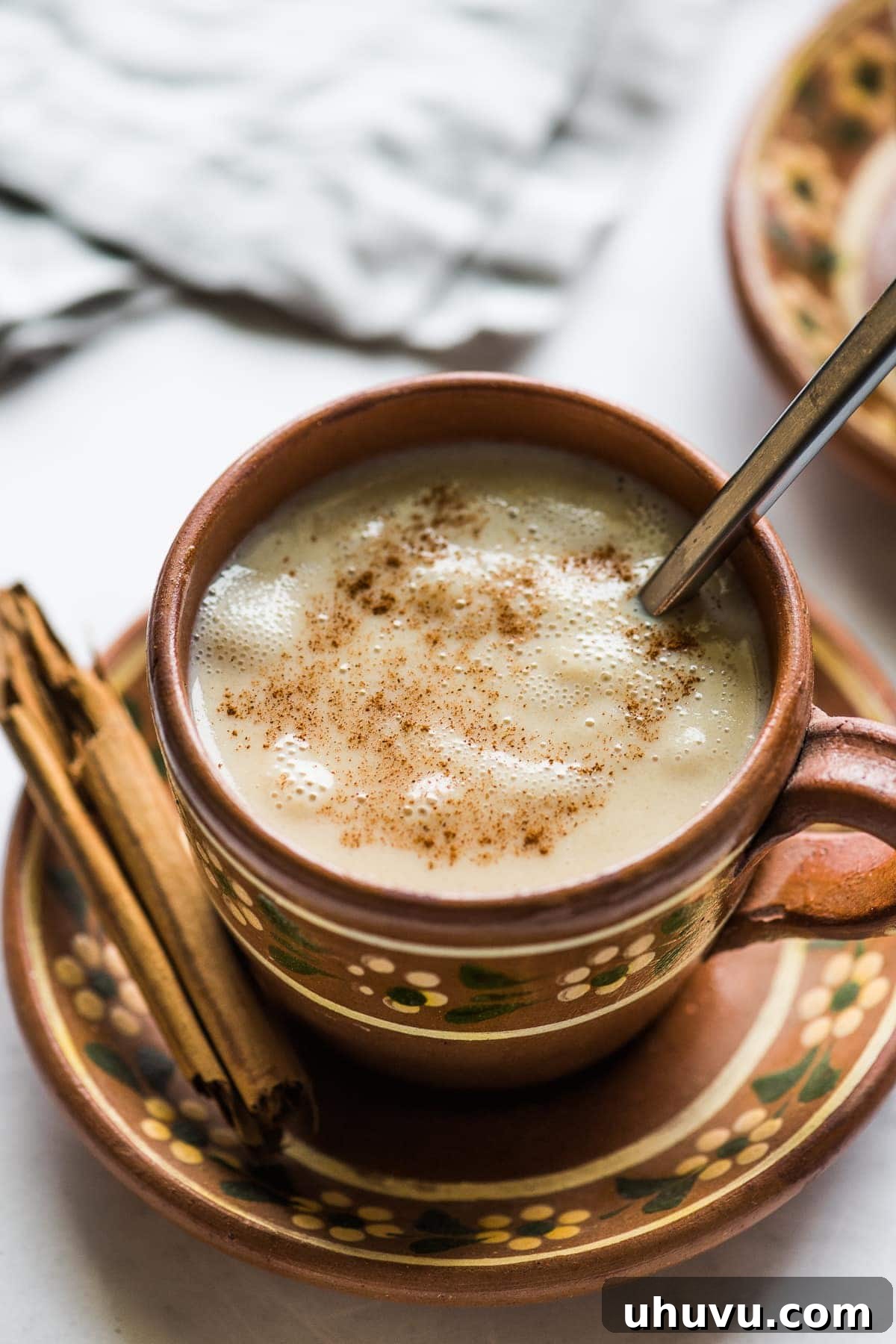
Imagine a crisp morning or a cool evening, with a steaming cup of **Mexican Atole** in hand, perhaps accompanied by a freshly baked concha (Mexican sweet bread). That’s a moment of pure bliss. Bursting with the warm, inviting aromas of **vanilla** and **cinnamon**, this wonderfully thick and creamy drink, primarily made with finely ground **masa harina** (corn flour), promises to envelop you in warmth, invigorate your senses, and prepare you for whatever the day or night may hold. It’s a versatile beverage, equally cherished by children and adults alike, making it a perfect family-friendly treat.
For those embarking on a brisk winter walk or simply needing sustained comfort, consider filling a thermos with a generous batch of homemade **atole**. Its substantial, nourishing qualities will keep you feeling cozy and satisfied for hours, whether you’re out exploring or simply enjoying a quiet moment at home. The simplicity of its preparation belies the depth of flavor and comfort it delivers, making it an essential part of Mexican culinary traditions, especially when the temperatures drop.
What is Atole? A Glimpse into Mexico’s Soul-Warming Beverage
**Atole** (pronounced ah-toh-leh) is a quintessential **traditional Mexican drink** that stands as a testament to the country’s rich culinary heritage. At its heart, atole is a thick, hot beverage whose distinctive texture comes from **masa harina**, the same versatile corn flour used to create authentic corn tortillas. Beyond its thickening agent, atole is lovingly sweetened with **piloncillo** (unrefined cane sugar), infused with the fragrant warmth of **cinnamon**, and brightened by the subtle floral notes of **vanilla**. This harmonious blend of ingredients results in a drink that is not just delicious but deeply comforting, making it a beloved companion during Mexico’s chilly seasons.
The history of atole stretches back centuries, with its origins rooted in pre-Hispanic Mesoamerican cultures. Initially, it was a more humble concoction, often made with just water and masa to provide sustenance and warmth. Over time, as culinary traditions evolved and new ingredients were introduced, the recipe transformed. The addition of milk, a post-conquest innovation, enhanced its creamy texture and rich flavor, elevating it to the luxurious drink we know and love today. This evolution underscores atole’s adaptability and enduring appeal within Mexican gastronomy.
Atole holds a special place in Mexican cultural celebrations, often making an appearance during significant festive periods. It’s a staple at events like **Day of the Dead (Día de Muertos)**, where it’s offered to honor ancestors; during the **Las Posadas** festivities leading up to Christmas; on **Noche Buena (Christmas Eve)** and **Navidad (Christmas Day)** itself; and to ring in the **New Year’s Eve** and **New Year’s Day**. Its presence at these gatherings speaks volumes about its role as a communal, celebratory drink that brings people together in warmth and good cheer. Its versatility means it can be enjoyed as a hearty breakfast, a satisfying snack, or a delightful dessert. Pairing a steaming mug of atole with some sweet tamales, for example, creates a truly fulfilling and authentic Mexican culinary experience.
Atole vs. Champurrado: Unraveling the Delicious Distinction
While both **Atole** and **Champurrado** are beloved **traditional Mexican hot drinks** that offer immense comfort and warmth, they possess a key difference that sets them apart. Think of champurrado as the rich, decadent chocolate cousin of atole. Fundamentally, champurrado shares nearly all the same core ingredients as atole – **masa harina** for thickening, **piloncillo** for sweetness, **cinnamon** for spice, and **vanilla** for depth. However, what truly distinguishes champurrado is the luscious addition of **melted chocolate**, typically Mexican chocolate, which introduces a profound cocoa flavor and an even richer hue.
This chocolate addition transforms the flavor profile considerably. While classic atole offers a more subtle, sweet corn and spice experience, champurrado provides a robust and complex chocolatey indulgence. It’s often the preferred choice when a craving for something extra sweet strikes, or when seeking a more sophisticated alternative to conventional hot chocolate. Both drinks are thick, creamy, and wonderfully satisfying, but champurrado truly caters to those who desire the unmistakable allure of chocolate in their warm beverage. Understanding this distinction allows you to choose the perfect traditional Mexican drink to suit your mood and palate.
Essential Atole Ingredients: Crafting Comfort from Scratch
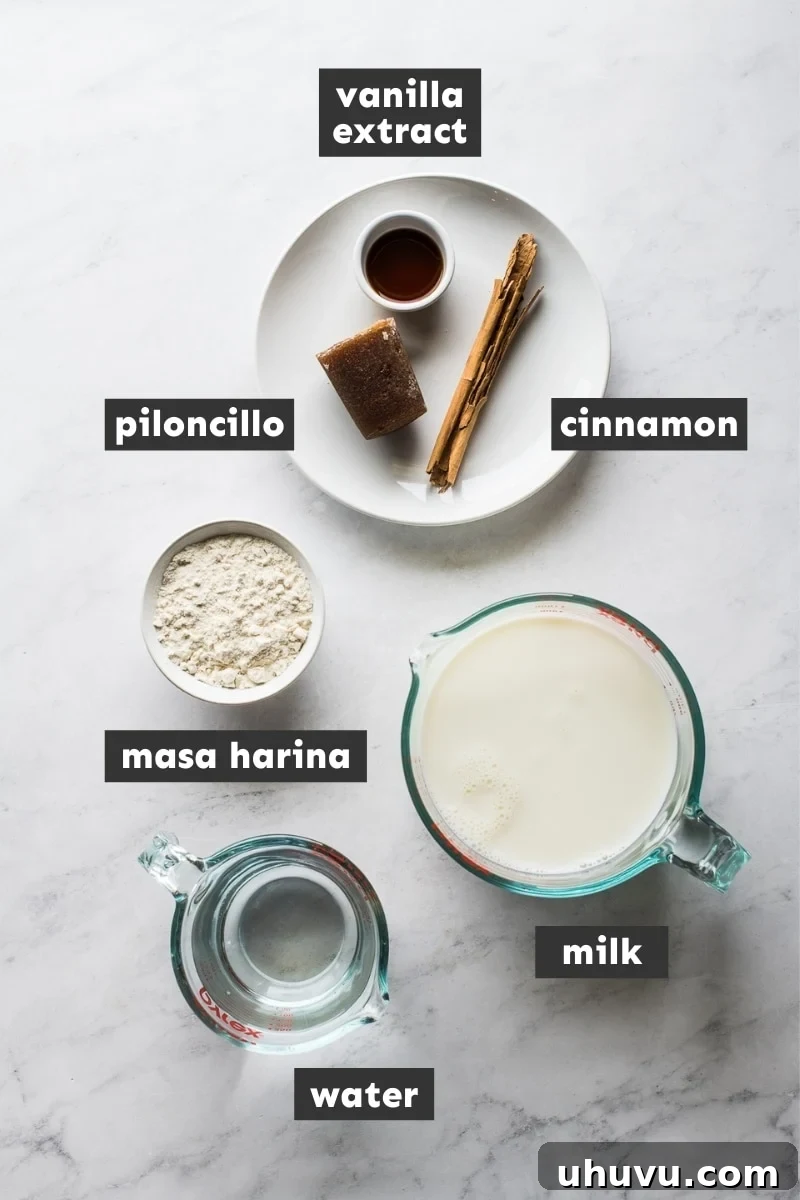
Creating an authentic and delicious **Mexican Atole** relies on a select group of high-quality ingredients, each playing a crucial role in achieving its signature thick, creamy texture and comforting flavor. Here’s a closer look at what you’ll need:
- Milk: The foundation of atole’s luscious creaminess. While 2% milk can be used, **whole milk** is highly recommended. Its higher fat content contributes significantly to a richer flavor and a noticeably thicker, more velvety texture, enhancing the overall indulgence of the drink.
- Piloncillo: This unrefined, cone-shaped brown sugar is a hallmark of Mexican confectionery and beverages. Piloncillo imparts a unique, deep **caramel-like and molasses-rich sweetness** that cannot be fully replicated by regular brown sugar. It dissolves slowly, infusing the atole with layers of complex sweetness. Look for it in the international aisle of larger grocery stores or, more reliably, in Hispanic specialty markets. If unavailable, dark brown sugar can be a substitute (see tips below).
- Cinnamon Stick: The warmth and aromatic spice of cinnamon are indispensable for atole. For the most **authentic and nuanced flavor**, seek out **Mexican cinnamon** (often labeled Ceylon cinnamon). It’s softer, more brittle, and boasts a delicate, sweet, and floral aroma compared to the stronger, spicier Cassia cinnamon typically found in most supermarkets. You can often find large bunches of Mexican cinnamon sticks in Hispanic grocery stores. If Mexican cinnamon is elusive, Ceylon cinnamon sticks from the regular spice aisle are a good alternative.
- Masa Harina: This is the defining ingredient that gives atole its characteristic thickness and subtle corn flavor. **Masa harina** is a special corn flour made from dried maize kernels that have undergone a traditional process called nixtamalization – soaking and cooking in an alkaline solution (usually lime water), then grinding. This process unlocks nutrients and vastly improves flavor and texture. It’s a **Mexican staple** for making corn tortillas, sopes, and tamales. You can typically find masa harina in major grocery stores (the Maseca brand is widely available and reliable). For a wider selection or specialty varieties, visit your local Hispanic specialty store.
- Water: Crucial for blending with the masa harina to create a smooth slurry. This slurry is what effectively thickens the atole, contributing to its comforting, substantial texture. Using warm water helps prevent lumps when whisking the masa.
- Flavor Enhancers:
- Vanilla Extract: A touch of **vanilla extract** rounds out the flavors, adding a fragrant sweetness and depth that harmonizes beautifully with the cinnamon and piloncillo. Use good quality pure vanilla extract for the best results.
- Salt: A small **pinch of salt** is vital. It doesn’t make the drink salty but rather acts as a flavor amplifier, balancing the sweetness and making all the other delicious notes truly sing.
How to Make Mexican Atole: A Step-by-Step Guide to Cozy Perfection
Crafting a batch of homemade **Mexican Atole** is a rewarding experience, yielding a drink that is both comforting and deeply satisfying. Follow these steps to create your own warm mug of tradition:
- Infuse the Milk Base:
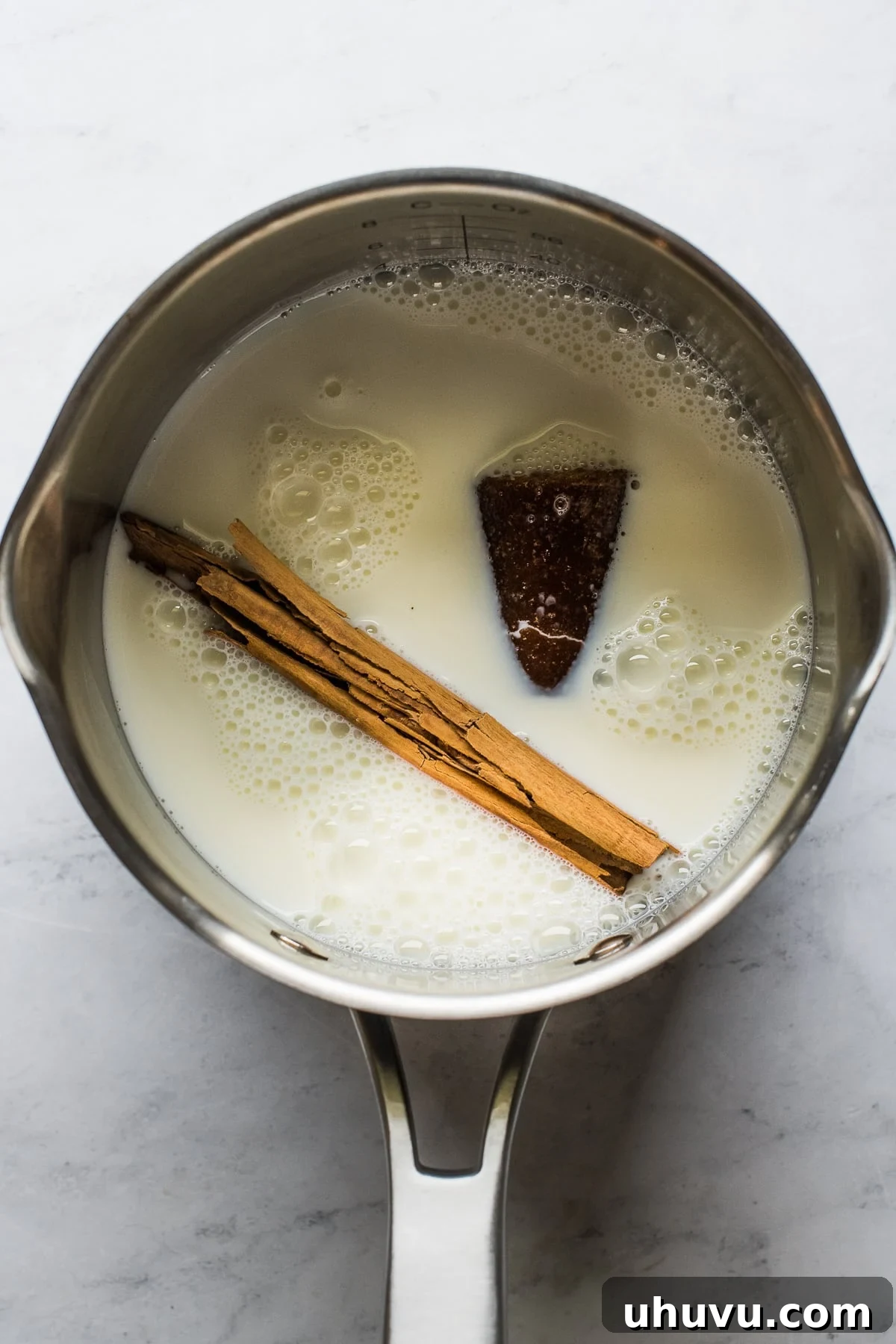
Begin by combining the milk, **piloncillo**, and **cinnamon stick** in a medium-sized saucepan or pot. Place the saucepan over low to medium heat on your stovetop. Your goal here is to gently warm the mixture until the piloncillo has completely melted and dissolved into the milk. This process allows the cinnamon to infuse its warm aroma and flavor into the base. It’s crucial to **stir the mixture frequently** to prevent the milk from scorching and the piloncillo from sticking to the bottom of the pan, which can easily burn and impart an unpleasant flavor. Keep a close eye on it until you see no more piloncillo solids.

- Remove the Cinnamon:
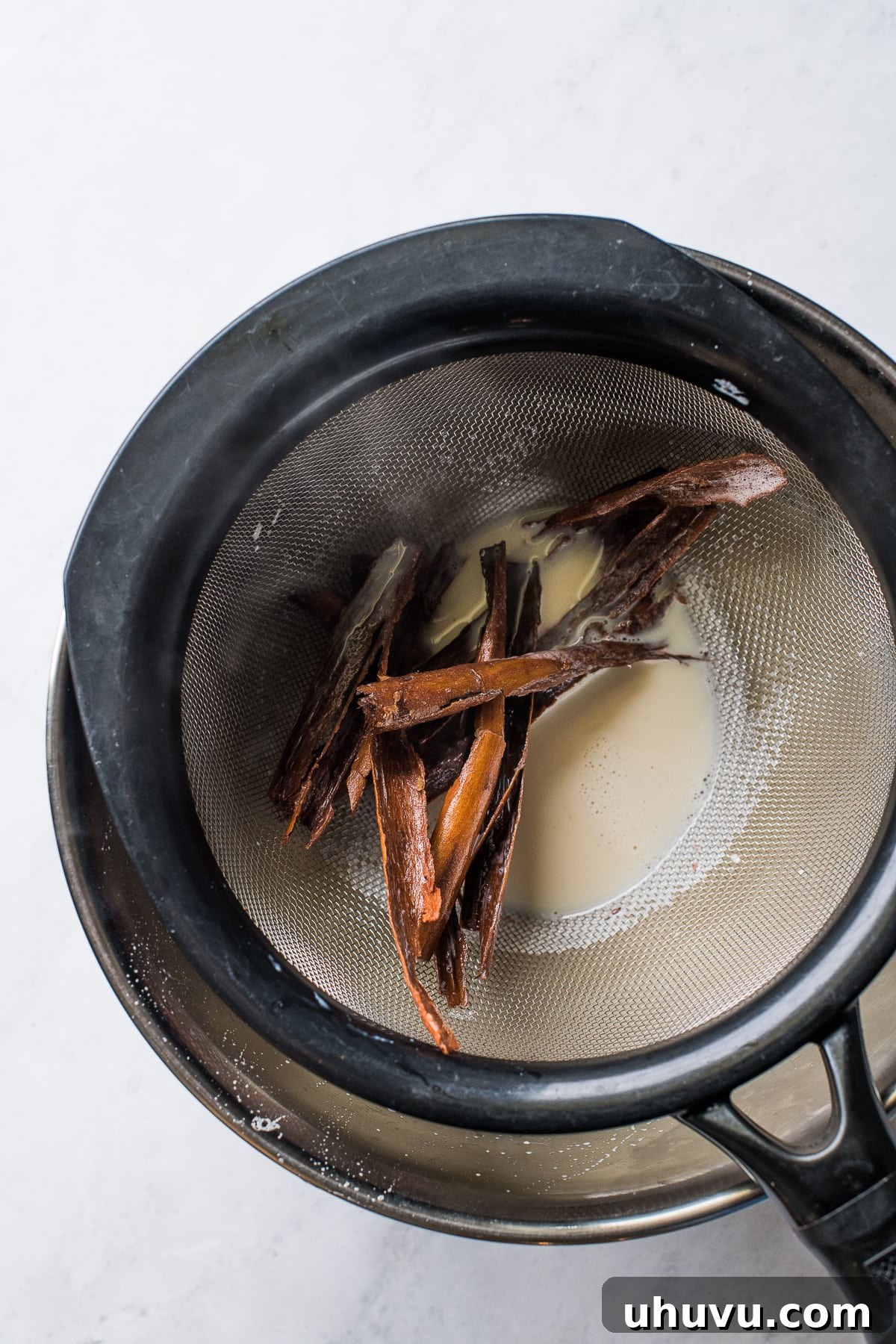
Once the piloncillo has fully dissolved and the cinnamon has had ample time to infuse its flavor, carefully remove and discard the cinnamon stick. **Mexican cinnamon** (and Ceylon cinnamon) tends to be more delicate and fragile than the more common Cassia variety, so it’s normal for it to break into smaller pieces during the simmering process. If the stick has broken apart, it’s a good idea to **pour the milk mixture through a fine-mesh strainer** into another clean pot or back into the same pot (after cleaning it quickly) to ensure you remove any small, gritty pieces of cinnamon, leaving behind a smooth base.
- Prepare the Masa Harina Slurry:
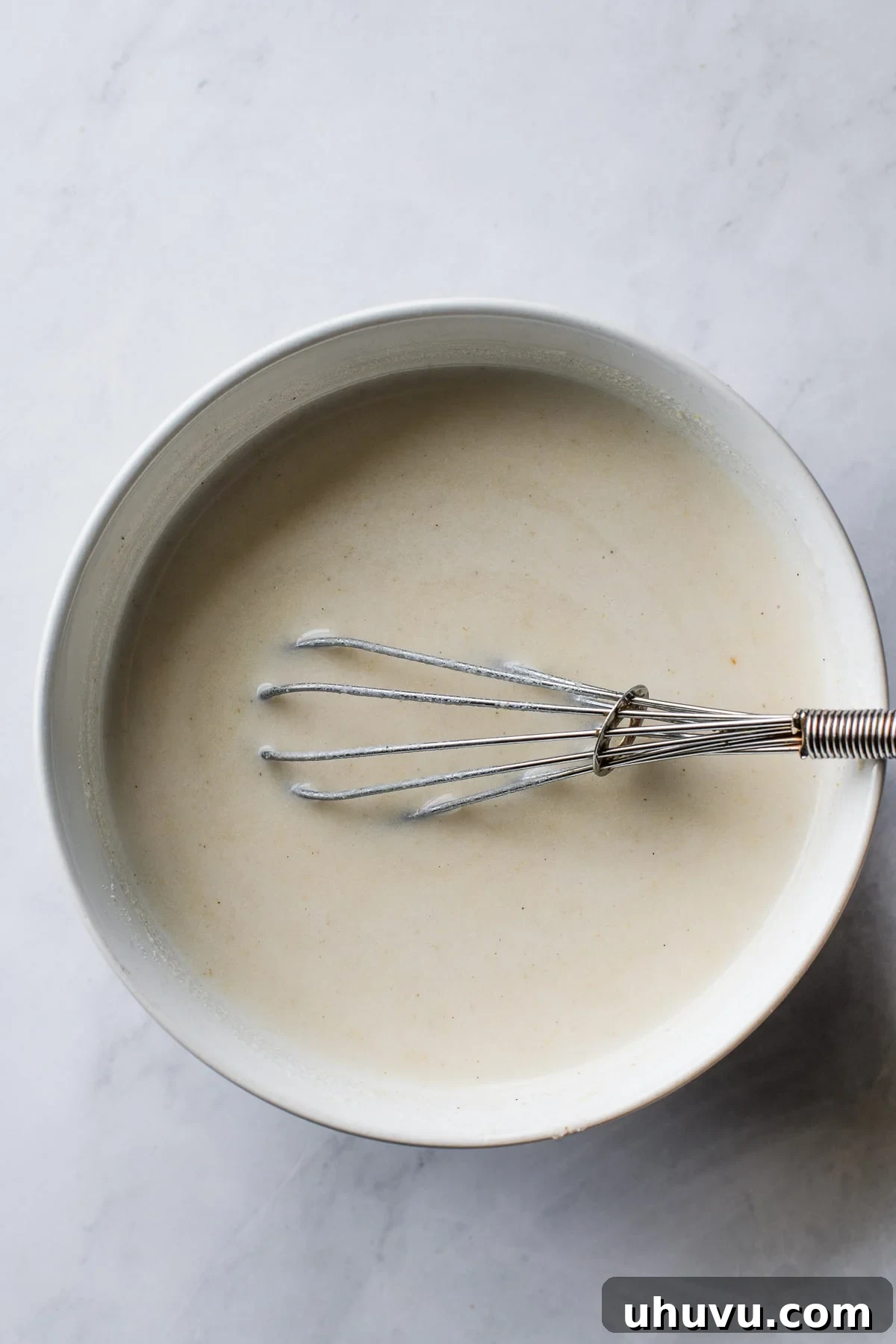
In a separate, small bowl, combine the **masa harina** with the warm water. This step is critical for preventing lumps in your final atole. Using a whisk, thoroughly combine the masa harina and water until the mixture is completely smooth and free of any lumps. This slurry is the magic element that will thicken your atole and contribute its characteristic, yet subtle, sweet corn flavor. A well-whisked slurry is the secret to a smooth, velvety drink.
- Combine and Flavor:
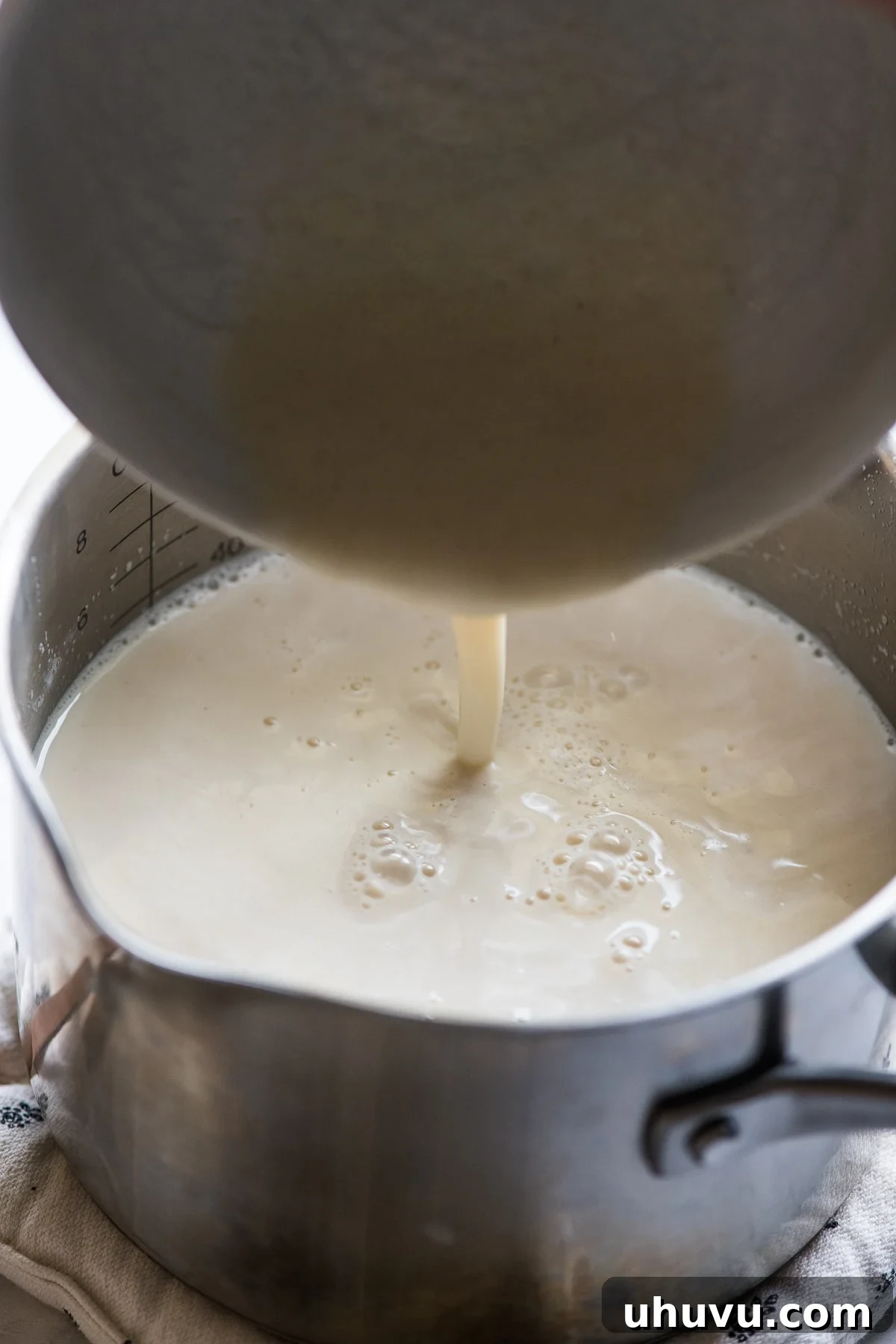
Carefully pour the smooth masa harina mixture into the saucepan containing the warm milk base. At this point, also add the **vanilla extract** and the **pinch of salt**. Use your whisk to vigorously combine all the ingredients until everything is well integrated and the mixture starts to look uniform. The vanilla and salt will now begin to meld with the existing flavors, deepening the complexity of your atole.
- Simmer to Perfection:
Bring the entire mixture in the saucepan up to a gentle simmer. Once it begins to bubble slightly, reduce the heat to low. Now, the key to a perfect atole is patience and consistent attention. Continue to **whisk the mixture frequently** as it gently cooks for approximately **25-30 minutes**. During this simmering period, the masa harina will gradually thicken the liquid, transforming it into the creamy, velvety consistency you desire. Frequent whisking is essential to prevent lumps from forming and to ensure a smooth texture throughout.
- Check for Readiness and Serve:
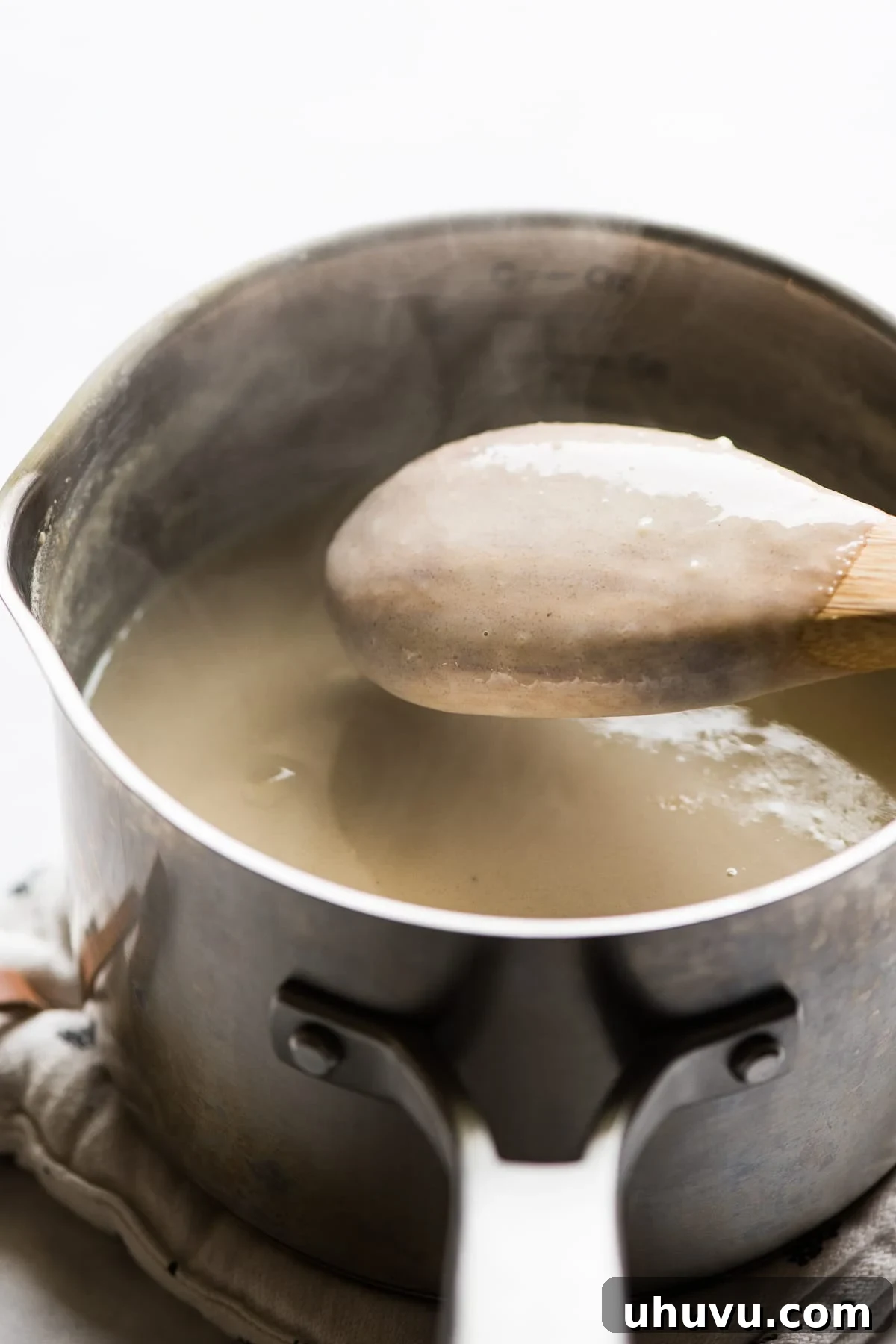
You’ll know your atole is ready when it has achieved a creamy, smooth, and velvety texture. A reliable test is to dip the back of a wooden spoon into the atole; if it’s thick enough to **coat the back of the spoon** without too much running off, it’s perfect. If the atole still feels a little grainy or isn’t as smooth as you’d like, continue whisking gently for a few more minutes. Once it reaches the desired consistency, carefully pour the hot atole into mugs. For an extra touch of flavor and aesthetic appeal, garnish each serving with a light dusting of **ground cinnamon**. Enjoy your homemade, soul-warming **Mexican Atole**!
Tips, Tricks, and Substitutions for Perfect Atole
Mastering the art of making delicious **Mexican Atole** is simple with a few key tips and an understanding of potential substitutions. Here’s how to ensure a perfect, creamy batch every time:
- Gentle Heat is Key: Always heat your milk mixture over **low to medium heat**. High heat can cause the milk to scald or burn on the bottom of the saucepan, imparting an unpleasant flavor and potentially curdling. Patience with temperature will reward you with a smooth, delicious base.
- Whisk, Whisk, Whisk!: The secret to a truly smooth and velvety atole lies in **frequent and vigorous whisking**. Whisking prevents the masa harina from clumping and sticking to the bottom, ensuring an even, lump-free consistency. If, after cooking, the atole feels a little grainy, don’t despair! Continue whisking for a few more minutes over low heat; it often smooths out beautifully.
- Make it Vegan/Dairy-Free: It’s incredibly easy to adapt this traditional recipe for **vegan** or **dairy-free** diets. Simply replace the dairy milk with your favorite creamy plant-based milk. **Almond milk, oat milk, or pea milk** are excellent choices, as they provide a richness and texture that closely mimic whole milk, ensuring your atole remains wonderfully creamy.
- Piloncillo Substitutions: If **piloncillo** is difficult to find in your area, you can substitute it with **dark brown sugar**. As a general guideline, use about **1/2 cup of dark brown sugar** for every 4 ounces of piloncillo. Keep in mind that dark brown sugar will offer a similar molasses flavor, but piloncillo provides a unique depth that is hard to fully replicate. Adjust to taste as needed.
- Flavor Variations: Don’t be afraid to experiment with other flavors! A slice of **orange peel**, a few **star anise pods**, or even a small piece of **ginger** can be simmered with the milk and cinnamon stick to infuse additional aromatic notes. Just remember to strain them out before adding the masa harina slurry.
- Troubleshooting – Too Thick/Thin:
- If your atole is too thick: Whisk in a splash more milk (dairy or plant-based) or water, a tablespoon at a time, until it reaches your desired consistency.
- If your atole is too thin: Mix an additional tablespoon of masa harina with 2-3 tablespoons of warm water to create a new slurry. Whisk this into the atole and continue to simmer over low heat, stirring frequently, until it thickens further.
Storing and Reheating Your Mexican Atole
One of the great qualities of **Mexican Atole** is that it stores and reheats beautifully, allowing you to enjoy its comforting warmth for days after preparation. Here’s how to best store and reheat your delicious drink:
- Storing: To maintain its freshness, allow the finished atole to cool completely to room temperature before storing. Once cooled, transfer it to an airtight container and keep it in the refrigerator. Properly stored, your atole will remain delicious for up to **2 days**. It’s important to note that the longer atole sits in the fridge, the thicker it will become due to the masa harina continuing to absorb liquid and set.
- Reheating: When you’re ready to enjoy your atole again, you’ll likely find it has thickened considerably in the refrigerator. To restore it to its original creamy consistency, first, add a splash of **milk** (dairy or plant-based) or **water** to the cold atole. Give it a good stir to start breaking up the thickened mass. You can then reheat it either in the microwave or on the stovetop:
- Microwave: Heat in 30-60 second intervals, stirring well after each interval, until hot and smooth.
- Stovetop: Heat over low to medium-low heat, stirring frequently, until it’s hot and creamy again.
Continue to add more liquid, a little at a time, and stir until the thickness is perfectly to your liking. Reheating gently and stirring consistently will ensure your atole returns to its wonderfully smooth and drinkable state.
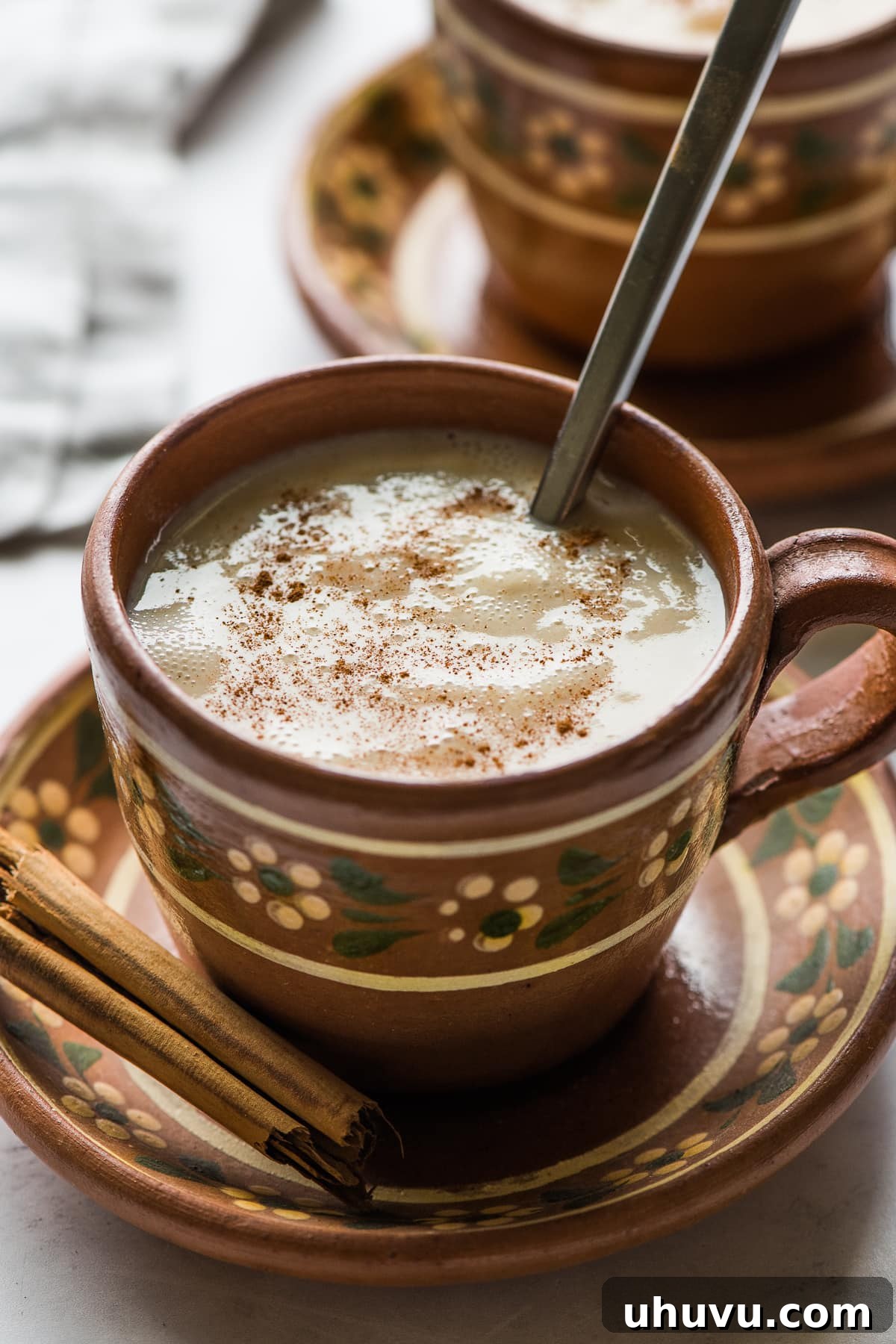
Explore More Authentic Mexican Drink Recipes
The world of **Mexican beverages** is vibrant and diverse, offering a wealth of flavors beyond atole. If you’ve enjoyed this traditional drink, we encourage you to broaden your culinary horizons with these other delightful recipes:
- Champurrado: The rich, chocolatey counterpart to atole, perfect for chocolate lovers.
- Café de Olla: A fragrant spiced coffee, traditionally brewed in a clay pot.
- Atole de Nuez: A nutty variation of atole, featuring the comforting flavor of pecans.
- Mexican Hot Chocolate: A classic rich hot chocolate, often spiced with cinnamon.
- Mexican Ponche: A warm, fruity holiday punch, brimming with seasonal flavors.
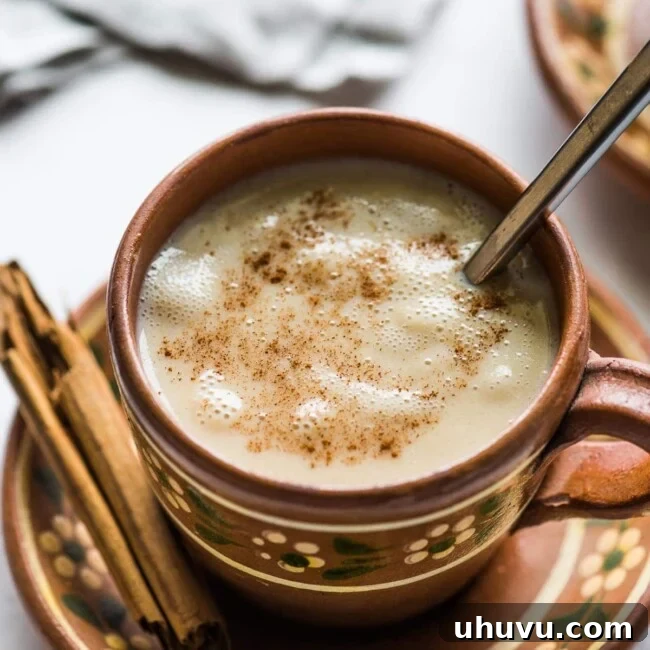
Mexican Atole Recipe
By: Isabel Orozco-Moore
Keep warm with a mug of thick and creamy Mexican Atole! This traditional drink is made with masa harina, piloncillo, cinnamon, and vanilla.
Cook: 35 minutes
Total: 40 minutes
Servings: 6 servings
Ingredients
- 4 cups milk
- 4 ounces piloncillo, plus more to taste
- 1 cinnamon stick
- 1 ½ cups warm water
- ½ cup masa harina
- 2 teaspoons vanilla extract
- 1 pinch salt
- Ground cinnamon, for garnish
Instructions
- Add the milk, piloncillo, and cinnamon stick to a medium saucepan or pot. Warm over low-medium heat until the piloncillo has completely dissolved. Stir frequently to make sure the milk and piloncillo don’t stick to the bottom of the saucepan.
- Remove and discard the cinnamon stick, using a strainer if it has broken into pieces.
- In a small bowl, add the warm water and masa harina. Whisk together until smooth.
- Add the masa harina mixture, vanilla extract, and salt to the saucepan. Whisk to combine.
- Bring to a simmer, reduce heat to low, and continue to cook, stirring frequently, for 25-30 minutes until thick, creamy, velvety, and smooth. The atole should be thick enough to coat the back of a spoon.
- Serve and garnish with a touch of ground cinnamon.
Notes
- Don’t have piloncillo? You can use 1/2 cup of dark brown sugar instead.
- Milk: Using whole milk is best since it provides a thicker and creamier texture and flavor, but you can use 2% as well if you prefer. You can also use almond milk to make this drink dairy-free.
- Temperature: Make sure to heat the milk mixture over low-medium heat to ensure that the milk doesn’t burn.
- Don’t forget to whisk! Make sure to whisk vigorously throughout the whole process to help get the drink as smooth and velvety as possible. The atole should not be grainy. If it’s still a little grainy, continue whisking for a few minutes until it becomes smooth.
Nutrition
| Serving | Calories | Carbohydrates | Protein | Fat | Saturated Fat | Cholesterol | Sodium | Potassium | Fiber | Sugar | Vitamin A | Vitamin C | Calcium | Iron |
|---|---|---|---|---|---|---|---|---|---|---|---|---|---|---|
| 1 serving | 188kcal | 33g | 6g | 3g | 2g | 13mg | 86mg | 270mg | 1g | 26g | 181IU | 1mg | 223mg | 1mg |
Nutrition information is automatically calculated, so should only be used as an approximation.
Did you make this recipe?
Leave a comment and star rating below!