
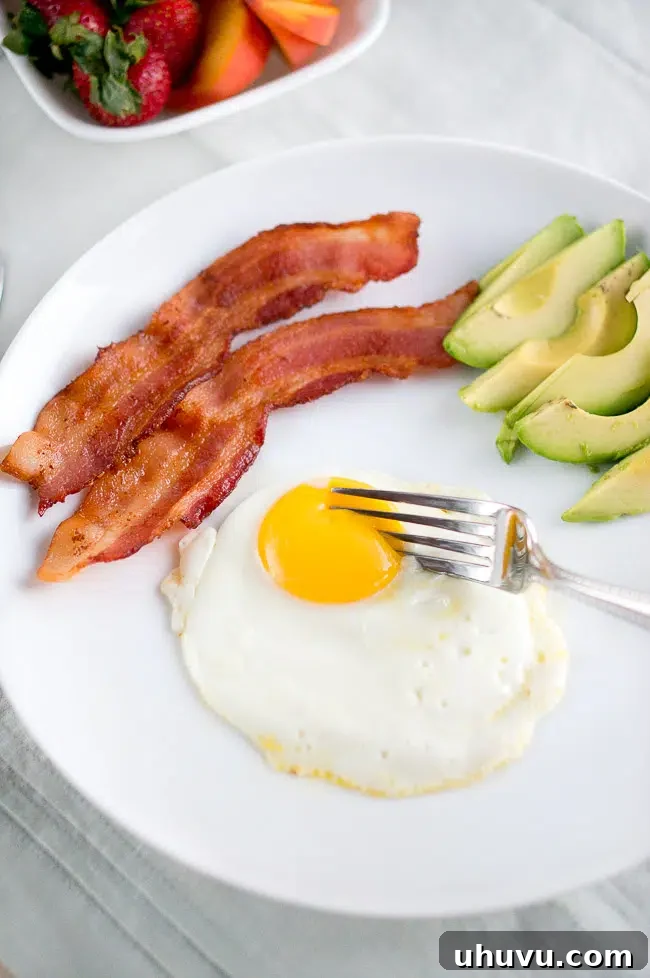
Embark on a culinary journey to master the art of the perfect fried egg, specifically the revered sunny side up. This comprehensive guide will equip you with the best tips and tricks to achieve an egg with a flawless, tender white and a vibrant, irresistibly runny yolk – all without the need for flipping. Ideal for kickstarting your day, elevating a brunch spread, or adding a protein boost to your main meals, a perfectly fried egg is a simple yet profoundly satisfying delight.
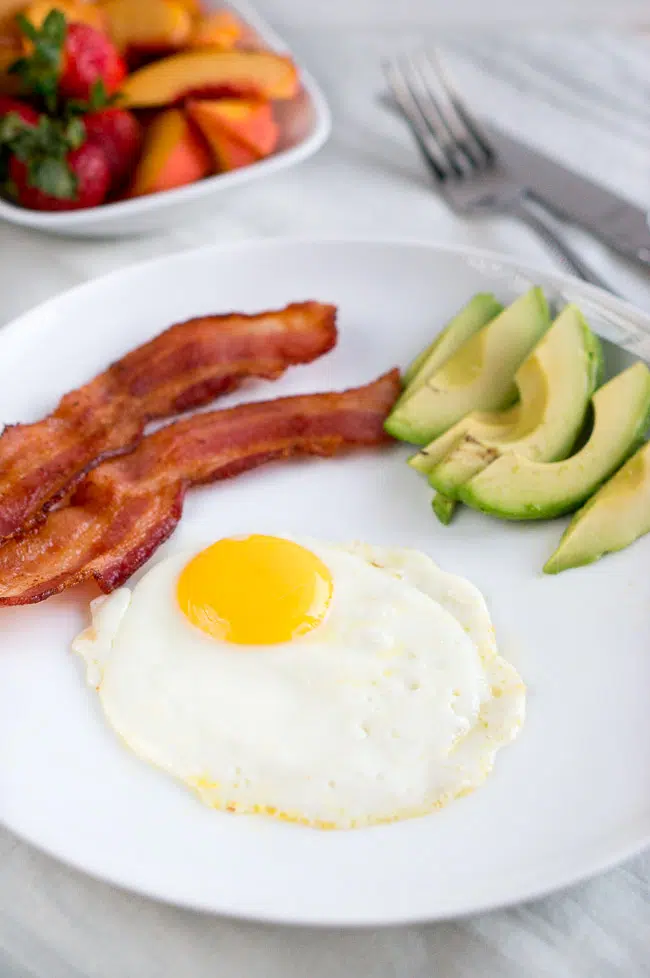
Many home cooks approach the task of frying an egg with casual confidence, believing it to be one of the simplest kitchen endeavors. While seemingly straightforward, achieving consistent perfection – specifically a perfect fried egg, sunny side up, without any flipping – is an art form that eludes many. If you’ve ever been let down by a tough, rubbery egg white or a tragically hard, chalky yolk, you’re in the right place. This guide is dedicated to demystifying the process, ensuring every egg you fry is a triumph.
Once you’ve mastered the sunny side up, why not explore other egg preparations? Be sure to check out my techniques for how to make fluffy scrambled eggs and how to make perfect hard-boiled eggs.
What Exactly Is The Perfect Fried Egg?
The definition of a “perfect fried egg” is surprisingly personal and diverse. Some culinary enthusiasts swear by very crispy egg whites with lacey, browned edges, while others prefer a more uniformly set, tender white. The yolk is another point of contention: some desire a gloriously runny yolk that oozes across the plate, serving as a natural sauce, while others lean towards a slightly firmer, custardy texture that still holds some give. This variety highlights that there’s no single “right” way, but rather a preferred outcome based on individual taste.
In this guide, my aim for the perfect fried egg is a precisely set egg white – tender throughout, perhaps with just a hint of crispiness at the very edges for textural contrast, but never tough or chewy. Crucially, it must feature a perfectly soft and wonderfully runny egg yolk. My ideal yolk is not excessively liquid, but rather a rich, golden, and velvety consistency that gently flows when pierced. However, because preferences vary, I’ve included additional tips below on how to adjust the cooking method to achieve crispier whites or more set yolks, should that be your preference.
Is There A “Right” Way To Fry An Egg? The Culinary Debate
Frying an egg seems like such a fundamental cooking skill that one might assume there’s little to discuss. Indeed, for many, it’s among the first dishes learned in the kitchen – quick, easy, and satisfying. Yet, delve into the world of gastronomy, and you’ll find countless articles and tutorials, each proposing its own definitive method for the “perfect” fried egg. It turns out that this seemingly simple task is subject to significant debate and nuanced techniques.
Historically, even renowned chefs have held strong opinions. Fernand Point, often considered the father of modern French cuisine, famously judged a chef’s skill by their ability to fry an egg flawlessly. This speaks volumes about the subtle complexities involved in what appears to be a basic preparation. Over the years, I’ve refined my own approach to the perfect sunny side up egg. My method is a blend of traditional wisdom and practical efficiency, designed to consistently deliver a delicious result without unnecessary complication. It’s a technique that’s quick enough for a busy morning and guaranteed to hit the spot every time.
The Simple Technique for the Perfect Fried Egg (Sunny Side Up)
Achieving a beautiful sunny side up egg with a creamy yolk and set white doesn’t require flipping. The secret lies in indirect heat and gentle steaming. Here’s the core technique:
- Medium Heat is Key: Begin by heating your pan over medium heat. This allows the fat to heat evenly without burning, ensuring a gradual cooking process for the egg white.
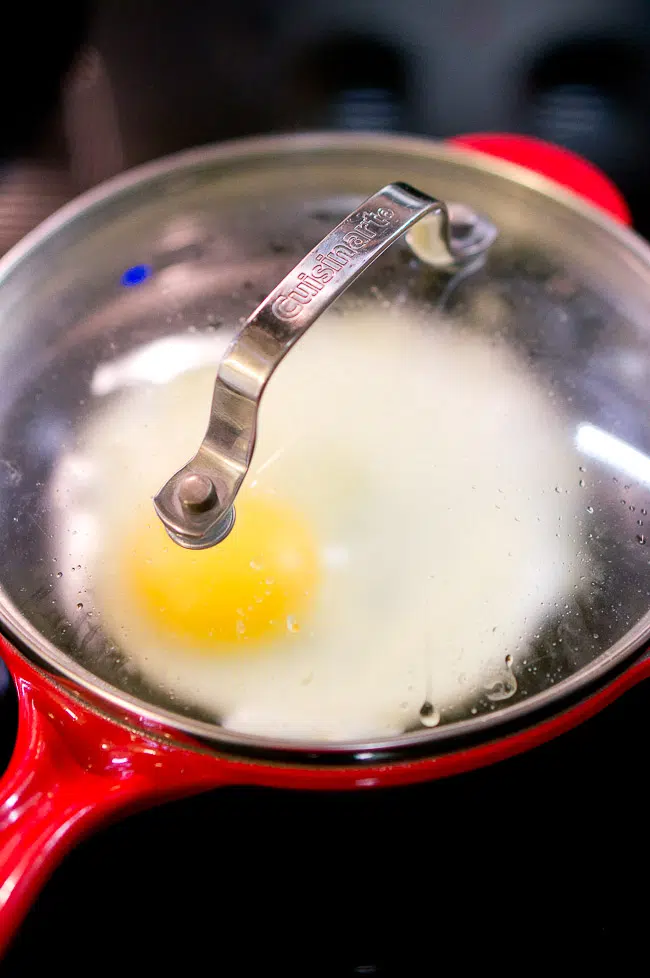
- Cover with a Lid: This is the game-changer. Covering the pan creates a miniature oven, gently steaming the top of the egg white while the bottom cooks, ensuring even setting without a crispy, burnt base.
- Cook for 2-3 Minutes: Timing is crucial. Depending on your stove, pan, and desired yolk consistency, 2 to 3 minutes is typically sufficient for a tender white and a soft, runny yolk.
What are your go-to methods for preparing eggs, and what delicious accompaniments do you pair them with beyond the classic bacon?
Ingredients You Will Need for Your Perfect Fried Egg
While the list of ingredients is short, their quality and preparation significantly impact the final result of your perfect fried egg.
- Egg: The star of the show. Always opt for fresh eggs; they have firmer whites that hold their shape better and more vibrant yolks. Crucially, let your egg come to room temperature before cracking. Cold eggs can cause the whites to cook unevenly, or require longer cooking, potentially overcooking the yolk. If possible, choose free-range or organic eggs for superior flavor and nutritional value.
- Olive Oil: My preferred fat for frying eggs due to its mild flavor and ability to heat quickly. Extra virgin olive oil imparts a lovely subtle taste. You can also use other mild-flavored oils with a medium-high smoke point like coconut oil, avocado oil, or sunflower seed oil. The right fat ensures the egg doesn’t stick and contributes to a beautiful texture.
- Salt and Freshly Ground Black Pepper (Optional, but Recommended): A pinch of salt enhances the natural flavors of the egg, and a grind of pepper adds a touch of aromatic spice. Season just after the egg is plated for best results.
How To Make The Perfect Fried Egg (Sunny Side Up)
Follow these simple steps for a consistently perfect result:
- Prep Your Egg and Pan: Begin by taking your egg out of the fridge approximately 10-15 minutes before cooking to allow it to reach room temperature. Heat about 1 tablespoon of olive oil in a non-stick skillet or a well-seasoned cast iron skillet over medium heat. You want the oil shimmering but not smoking.
- Gently Crack and Cook: Carefully crack the egg directly into the heated skillet. For cleaner edges and to avoid shell fragments, you can crack the egg into a small bowl first, then gently slide it into the pan. Immediately cover the pan with a lid.
- The Gentle Steam: Let the egg cook for approximately 2 to 3 minutes. The lid will trap steam, which cooks the top of the egg white and gently warms the yolk without flipping. This process ensures a tender, fully set white and a beautiful, perfectly runny yolk.
- Serve Immediately: Once the egg white is fully set and opaque (no translucent bits remaining), remove the skillet from the heat. Carefully slide the perfect fried egg onto your plate and serve right away. Season with salt and pepper to taste.
Pro Tips for Frying Success: From Neli’s Kitchen
Here are some essential tips to ensure your fried egg turns out perfectly every time:
- Room Temperature Eggs are a Must: As mentioned, starting with an egg straight from the fridge can lead to uneven cooking. The cold yolk will take longer to warm up, often resulting in an overcooked white by the time the yolk reaches your desired consistency. Room temperature eggs cook more uniformly.
- Freshness Matters: Fresh eggs are superior for frying. They have thicker whites that stay compact around the yolk, leading to a neater, more appealing fried egg. To test for freshness, gently place an egg in a bowl of cold water. A very fresh egg will sink to the bottom and lay on its side. As it ages, it will stand upright, and an old egg will float. Use the freshest eggs for frying and older ones for baking or hard-boiling.
- Choose the Right Oil: A mild-flavored oil with a moderate to high smoking point is ideal. Olive oil is excellent, but avocado oil, sunflower seed oil, or even a small amount of butter (for flavor) can work beautifully. Avoid oils with very low smoke points, as they can burn and impart an unpleasant taste.
- Don’t Overcrowd the Pan: If frying multiple eggs, give each egg enough space in the skillet to cook properly without merging. Cook in batches if necessary.
- The Lid is Your Best Friend: For sunny side up eggs, the lid creates a steamy environment that gently cooks the top of the white, ensuring it sets evenly without needing to flip the egg. This technique helps achieve that tender, fully cooked white with a perfectly runny yolk.
- Season at the End: Salt can draw moisture out of the egg if added too early, potentially affecting texture. Season your fried egg just before serving for the best flavor.
Fried Egg Recipe Variations: Tailor to Your Taste
While my preference is for a tender white and runny yolk, you can easily adjust the technique to suit your desired egg texture:
- Crispy Egg Whites & Runny Egg Yolk: If you crave those irresistible crispy, lacey edges, cook your egg over medium-high heat (rather than medium) and leave it uncovered. Cook for approximately 1.5 to 2 minutes, or until the edges become golden brown and crispy, but the yolk remains beautifully runny.
- Slightly Crispy Whites & Set Egg Yolk: For a firmer yolk that’s still moist, and whites with a bit more texture, cook your egg over medium-high heat, but keep it covered. Extend the cooking time to about 2.5 to 3 minutes, or until the yolk reaches your preferred level of firmness, with the whites exhibiting a slight crispiness at the edges.
- Over Easy/Medium/Hard: To achieve these, you would traditionally flip the egg. However, you can achieve a similar effect by extending the covered cooking time for sunny side up (e.g., 3-4 minutes for over easy, 4-5 minutes for over medium) and observing the yolk’s firmness, though it won’t be browned on top.
What Do You Serve With Fried Eggs? Endless Possibilities
Fried eggs are incredibly versatile and can elevate any meal. They make for a fantastic quick and easy breakfast, but their appeal extends far beyond the morning hours:
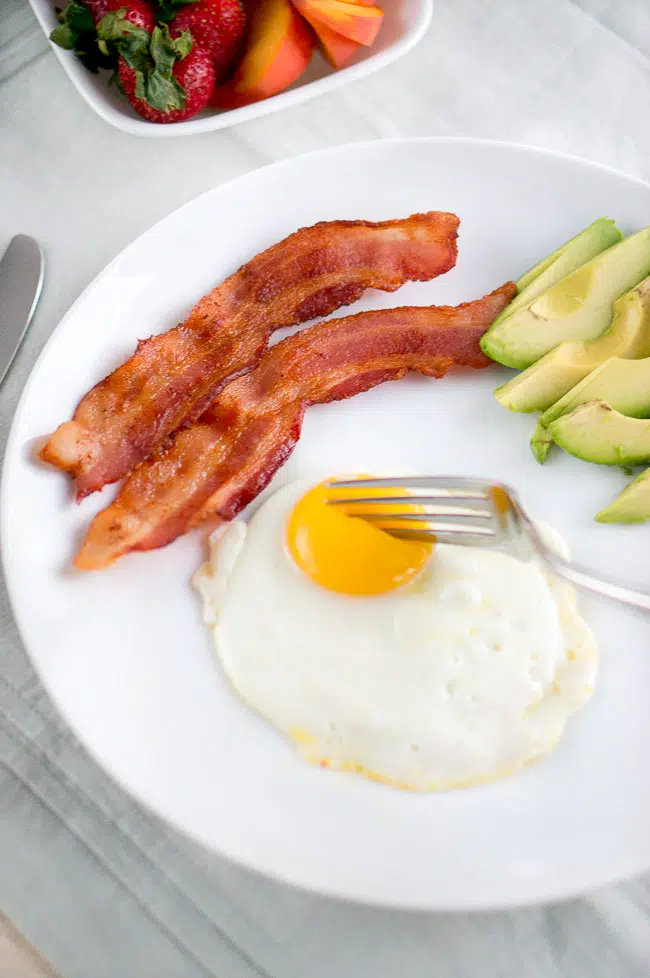
- Classic Breakfast & Brunch: Pair them with a couple of crispy bacon strips, fresh sliced avocado, roasted potatoes, or a side of toast for dipping into that glorious yolk. They’re also superb nestled in a breakfast muffin or sandwich.
- Savory Enhancements: Serve a fried egg atop savory waffles, a stack of pancakes, or even a bowl of creamy grits.
- Lunch & Dinner Boost: Don’t limit fried eggs to breakfast. They are a wonderful addition to a main meal. Try them with a side of sweet potato fries and a protein like grilled Mediterranean chicken kebabs. They’re also excellent on top of avocado toast, a green salad, leftover rice, or even a burger!
- Global Inspirations: Incorporate fried eggs into dishes like Bibimbap (Korean mixed rice), Huevos Rancheros (Mexican breakfast), or Nasi Goreng (Indonesian fried rice) for an authentic touch.
Can You Make Fried Eggs Ahead of Time? Storage and Reheating Tips
Fried eggs, especially sunny side up with a runny yolk, are unequivocally best enjoyed immediately after cooking. The delicate balance of a tender white and flowing yolk is at its peak freshness. However, if you happen to cook more than you need, you can store them. Allow them to cool completely before transferring them to an airtight container and storing in the refrigerator for up to 2-3 days.
To reheat already cooked fried eggs, a microwave is generally the quickest and most effective method without altering the texture too much, though the yolk will likely set further. Heat in short bursts (15-30 seconds) until warmed through. You can also reheat them gently in a skillet over very low heat, adding a tiny splash of water and covering the pan to create steam, which helps prevent overcooking and turning them rubbery. Be mindful not to cook them for too long, as the yolk will firm up and the whites can become chewy.
The Nutritional Powerhouse: Why Eggs Are Great for You
Beyond their delicious taste and incredible versatility, eggs are a nutritional powerhouse. They are an excellent source of high-quality protein, providing all nine essential amino acids necessary for muscle repair, growth, and overall bodily function. Each egg also contains a significant amount of vitamins and minerals, including Vitamin D, Vitamin B12, selenium, and choline. Choline, in particular, is vital for brain health, memory, and nerve function.
Despite past misconceptions about cholesterol, modern science confirms that for most healthy individuals, dietary cholesterol from eggs has minimal impact on blood cholesterol levels. Eggs can be a valuable part of a balanced diet, contributing to satiety, supporting weight management, and providing essential nutrients that contribute to overall well-being. So, enjoy your perfect fried egg not just for its taste, but for its impressive health benefits too!
Common Mistakes to Avoid for Fried Egg Success
Even with simple dishes like fried eggs, there are common pitfalls that can derail your efforts. Being aware of these can help you avoid disappointment:
- Cold Pan, Cold Oil: Starting with a cold pan and adding oil, then cracking an egg, won’t yield the best results. The pan and oil need to be preheated to the correct temperature to ensure the egg cooks evenly and doesn’t stick.
- Too High Heat: While crispy edges are desirable for some, excessively high heat can quickly burn the whites, leaving them tough and unappetizing, while the yolk may still be cold or undercooked. Medium heat is your safe zone for consistent results.
- Cracking Directly into a Hot Pan: This can lead to shell fragments in your egg and an uncontrolled spread of the white. Cracking into a small bowl first allows for easy removal of any shell bits and gives you more control when gently sliding the egg into the pan.
- Flipping a Sunny Side Up Egg: The entire point of sunny side up is to have an untouched, vibrant yolk. Flipping it would defeat the purpose and create an “over easy” or “over medium” egg instead. Rely on the lid to cook the top of the white.
- Not Using Enough Fat: A small amount of fat is crucial not just for flavor, but to prevent sticking. Don’t skimp on the oil or butter, but don’t drown the egg either.
More Delicious Egg Recipes to Try
If you’ve enjoyed mastering the perfect fried egg, consider exploring these other fantastic egg-centric recipes:
- Sweet Potato, Sausage and Egg Breakfast Casserole
- Quick and Easy Breakfast Egg Muffins
- Classic Deviled Eggs
- Instant Pot Hard Boiled Eggs
If you found this Perfect Fried Egg recipe helpful or enjoyed any other recipe on my blog, please consider leaving a star rating and let me know how it went in the comments below. Your feedback is greatly appreciated! Thanks for visiting!
Pin this now to find it later!
Pin It
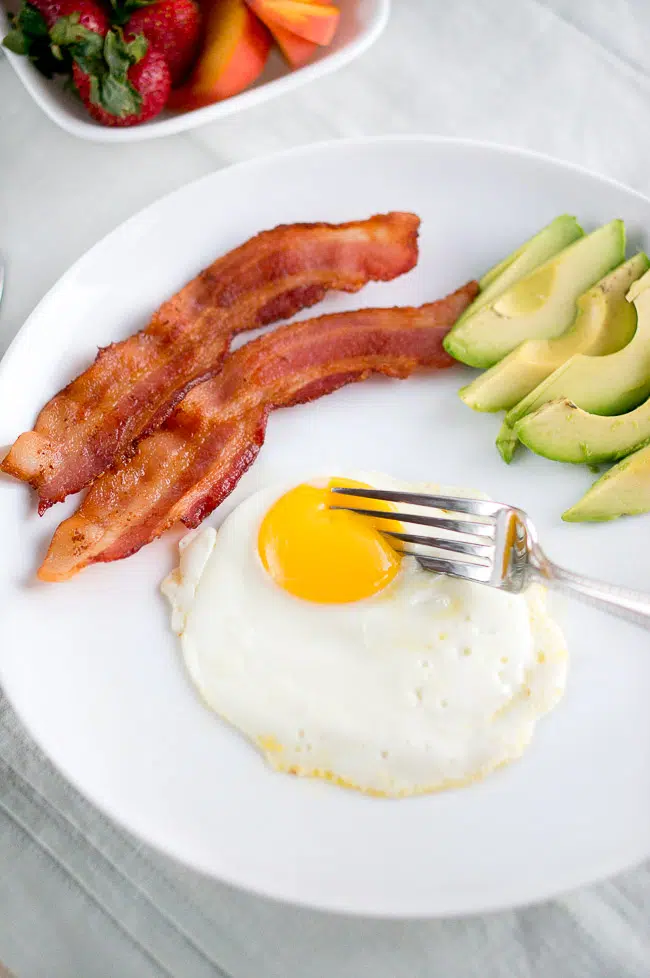
Perfect Fried Egg
By: Neli Howard
Discover the secret to making a perfect fried egg – sunny side up. Perfectly set egg white & lovely and gorgeously soft & runny yolk.
Ingredients
- 1 fresh egg, at room temperature
- 1 Tablespoon extra virgin olive oil
- Salt and freshly ground black pepper (to taste, optional)
Instructions
- As ever, if you keep your eggs in the fridge, then you should let them come to room temperature before cooking – if you start with a cold egg, then you’re more likely to end up overcooking the yolk trying to get the white to set. Very fresh eggs are best for frying.
- Heat olive oil in a cast iron skillet (or non-stick skillet) over medium heat. When the oil is hot and shimmering, carefully add an egg to the skillet. For a cleaner presentation, you may crack the egg into a small bowl first, then gently slide it into the pan.
- Immediately cover the skillet with a lid and let the egg cook for 2 to 3 minutes. This technique steams the top of the egg white, speeding up the process and resulting in a perfectly cooked egg – a soft, but firm white, and a gorgeously soft & runny yolk.
- Once the white is completely set and opaque, remove the skillet from heat and carefully slide the perfectly fried egg onto your serving plate. Season immediately with salt and freshly ground black pepper to taste. Serve immediately and enjoy!
Notes
- Use room temperature eggs. If your eggs are cold, the yolks can become overcooked by the time the whites are set.
- Use fresh eggs. You can check if your eggs are fresh by placing them in a bowl of water. Fresh eggs will sink and lie flat, while older eggs will stand upright or float, indicating they’ve passed their prime.
- Use a mild-flavored oil with a high smoking point. While olive oil is my favorite, avocado oil and sunflower seed oil are excellent alternatives that will also work well. Butter can also be used for added flavor.
Nutrition
Calories: 186kcal |
Protein: 5g |
Fat: 18g |
Saturated Fat: 3g |
Cholesterol: 163mg |
Sodium: 62mg |
Potassium: 60mg |
Vitamin A: 240IU |
Calcium: 25mg |
Iron: 0.8mg
Nutrition Disclaimer: Nutritional values are estimates and may vary with ingredients, brands, and portion sizes. For accuracy, use your preferred nutrition calculator.