

Embark on a culinary journey to create the quintessential Denver Omelet, a timeless classic renowned for its vibrant flavors and satisfying textures. This isn’t just any breakfast; it’s a delightful medley of savory ham, crisp bell peppers, sweet onions, and melted cheese, all encased in a fluffy egg embrace. Perfect for a swift morning meal, a leisurely brunch, or even a wholesome dinner, this recipe promises a delicious and healthy experience that comes together in mere minutes on your stovetop.

The Irresistible Denver Omelet: A Breakfast Legend
Omelets are a consistent favorite in my kitchen, especially for breakfast. They are inherently quick, incredibly easy to prepare, and perfectly suited for stovetop cooking. Among the myriad variations, the Denver Omelet holds a special place as one of my absolute favorites. Its hallmark is a generous filling of perfectly cooked vegetables, diced ham, and a melty cascade of cheese, offering a taste experience that is both rich and comforting.
This classic “Western Omelet,” as it’s often called, is a fantastic way to elevate your morning routine or create a memorable brunch spread. Imagine pairing its hearty goodness with a refreshing mimosa for a touch of elegance or alongside a bowl of homemade granola for a balanced meal. It’s also surprisingly adaptable, making it a great option for any time of day when you crave something satisfying and flavorful.
For those eager to explore more delightful breakfast and brunch creations, don’t miss my popular Egg Muffins or the comforting Sweet Potato and Sausage Breakfast Casserole. If you’re seeking something filling yet wonderfully simple to whip up, my simple toast with egg and cheese is an excellent choice.
Why This Denver Omelet Recipe Deserves a Spot in Your Culinary Repertoire
- Lightning Fast Preparation: In today’s fast-paced world, time is a luxury. This Denver Omelet is designed for efficiency, ready to be enjoyed in under 15 minutes. It’s the perfect solution for busy mornings when you need a nutritious meal without the lengthy commitment.
- Effortless Skillet Cooking: Forget complicated cooking methods or multiple pots and pans. This entire recipe comes to life on your stovetop in a single skillet, ensuring that cleanup is as much of a breeze as the cooking itself. Less time scrubbing means more time savoring!
- Power-Packed with Protein: Fuel your day right! Each serving of this omelet is loaded with nearly 30 grams of high-quality protein. This makes it an ideal meal for sustained energy, keeping you feeling full and focused throughout your morning and beyond.
- Remarkably Low Carb & Keto-Friendly: For those following a low-carb or ketogenic diet, finding exciting breakfast options can sometimes be a challenge. This Denver Omelet fits perfectly into these dietary plans, offering a flavorful and satisfying meal without the excess carbohydrates. It’s a testament to how delicious healthy eating can be.
- Infinitely Versatile: One of the greatest joys of cooking is customization. This Denver Omelet serves as a fantastic base for endless variations. Whether you’re looking to use up ingredients in your fridge or simply want to experiment with new flavor combinations, this recipe is incredibly adaptable to your preferences.
- A Taste of Nostalgia: For many, the Denver Omelet evokes a sense of comfort and classic diner charm. This recipe brings that beloved taste directly to your home kitchen, allowing you to enjoy a nostalgic favorite with the freshness of homemade ingredients.

Key Ingredients for Your Perfect Denver Omelet
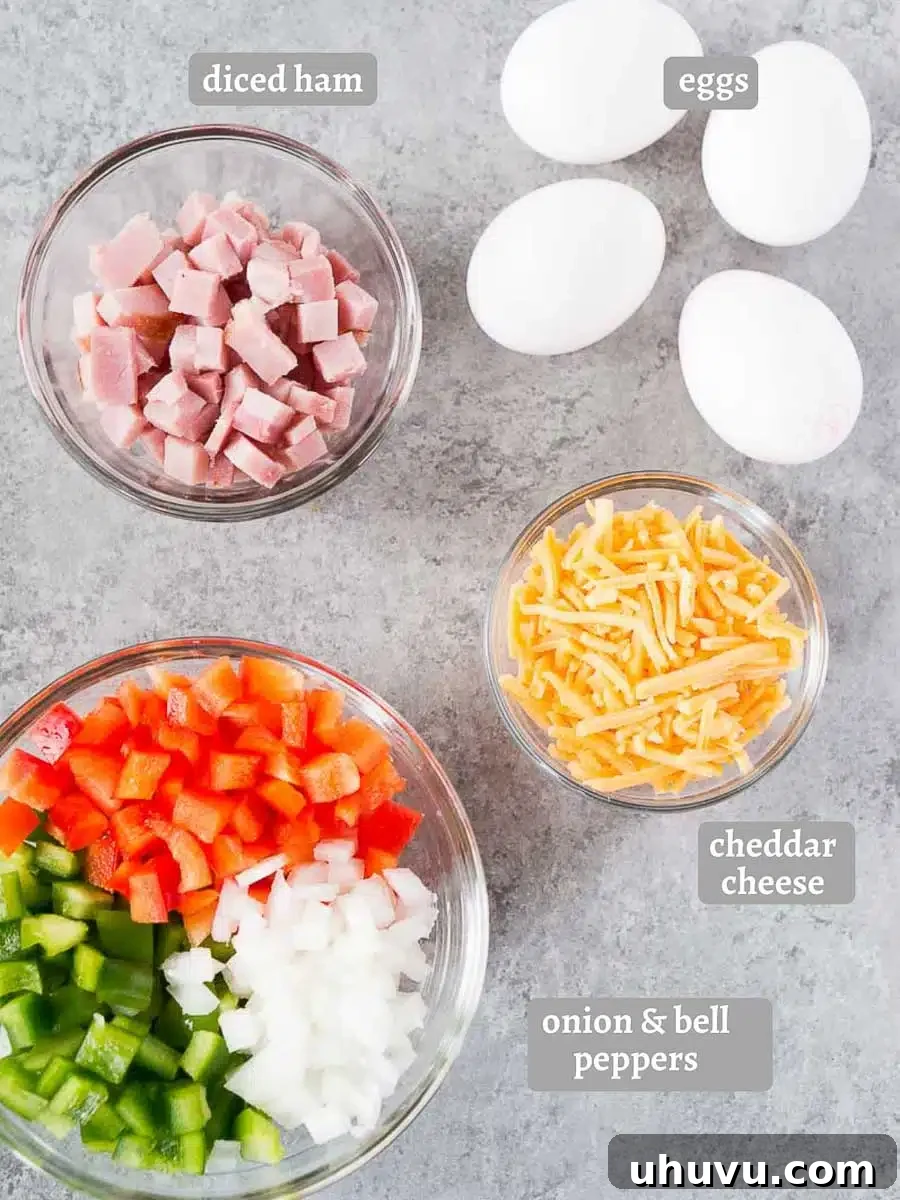
Crafting an exceptional Denver omelet begins with selecting fresh, high-quality ingredients. Each component plays a crucial role in delivering the characteristic flavor and texture of this beloved dish.
- Oil and Butter: A combination of olive oil and butter is used for cooking. The oil provides a higher smoke point, preventing scorching, while the butter adds a rich, unmistakable flavor to both the vegetables and the eggs. While olive oil is my preferred choice, feel free to substitute with coconut oil or any neutral vegetable oil. For the butter, unsalted is often best to control sodium, but salted works too.
- Fresh Vegetables: The stars of the filling are finely diced onion and colorful bell pepper. I love using a mix of green and red bell peppers for both visual appeal and a broader spectrum of sweet and slightly savory notes. Ensure they are finely diced for even cooking and distribution within the omelet.
- Diced Ham: A cornerstone of the Denver Omelet, diced ham provides a salty, savory counterpoint to the vegetables and eggs. Leftover holiday ham works wonderfully, or you can pick up pre-diced ham for convenience. Look for good quality, lean ham for the best flavor and texture.
- Farm-Fresh Eggs: The foundation of any great omelet! Always opt for the freshest eggs you can find. Organic, free-range, or pasture-raised eggs often boast richer yolks and superior flavor, contributing to a more vibrant and delicious omelet. Freshness also impacts the texture and fluffiness.
- Melted Cheese: My go-to is shredded cheddar cheese, known for its excellent melting properties and sharp flavor. For the ultimate creamy melt, I highly recommend grating your own cheese from a block. Pre-shredded cheeses often contain anti-caking agents that can hinder smooth melting, leading to a less desirable texture.
Crafting Your Classic Denver Omelet: A Step-by-Step Guide
Follow these simple instructions to create a perfectly cooked, flavorful Denver Omelet that will impress every time. The key is to work efficiently and keep an eye on your heat to avoid overcooking.
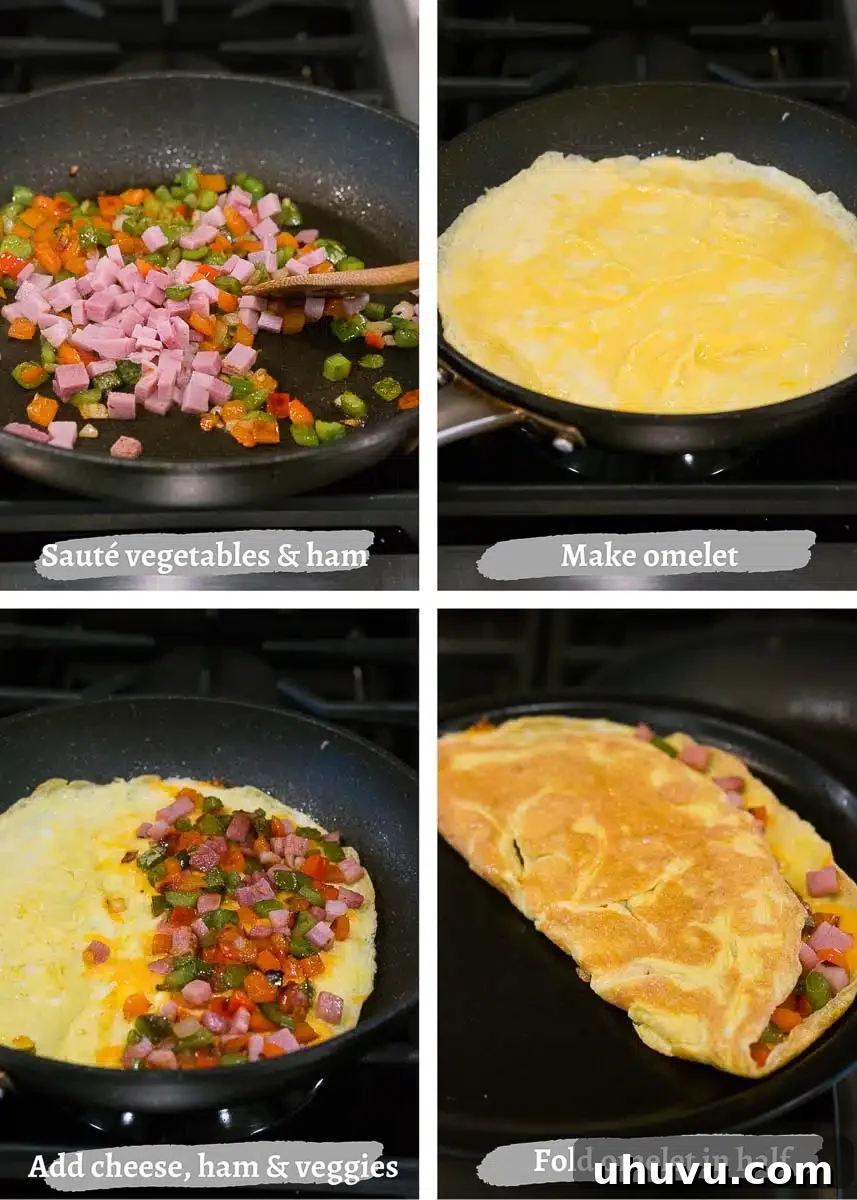
- Step 1: Sauté the Fillings. Begin by heating 1 tablespoon of olive oil in a small 8-inch non-stick skillet over medium heat. Once the oil is shimmering, add the finely diced onion and bell peppers. Cook these vibrant vegetables for about 2 minutes, stirring occasionally, until they start to soften and their edges show a hint of browning. This caramelization brings out their natural sweetness. Next, introduce the diced ham to the skillet and continue to cook for another 1-2 minutes, allowing it to warm through and release its savory aroma. Once cooked, transfer the vegetable and ham mixture to a plate, cover it loosely with foil or another plate to keep it warm, and set aside.
- Step 2: Cook the First Omelet. Return the skillet to medium-low heat and add 1 tablespoon of butter, allowing it to melt and coat the pan. Pour half of the whisked egg mixture into the heated skillet, tilting the pan gently to ensure an even layer. Immediately cover the pan with a lid. Cooking with the lid on helps steam the top of the omelet, ensuring the eggs set uniformly without the need for flipping. Cook for approximately 2-3 minutes, or until the eggs are set and no longer runny. Be vigilant to prevent burning the bottom.
- Step 3: Assemble and Fold. Once the first omelet is set, sprinkle ¼ cup of shredded cheddar cheese over one half of the omelet. Turn off the burner but leave the skillet on the warm stovetop for a moment, allowing the residual heat to gently melt the cheese to a gooey perfection. Spoon half of your warm vegetable and ham mixture onto the cheesy half of the omelet. Using a spatula, carefully fold the plain half of the omelet over the filled side, creating a beautiful half-moon shape. Gently slide the completed Denver Omelet onto a serving plate.
- Step 4: Repeat for the Second Omelet. Repeat the entire procedure from Step 2 with the remaining half of the egg mixture, cheese, and vegetable-ham filling. You’ll be enjoying two perfectly crafted Denver Omelets in no time! Serve immediately for the best experience.
EXPERT TIPS FOR OMELET PERFECTION
Neli’s Kitchen Secrets for the Best Denver Omelet
- Verify Egg Freshness: The quality of your eggs significantly impacts your omelet. To check if eggs are fresh, gently place them in a bowl of cold water. Fresh eggs will sink to the bottom and lay on their side. Older eggs might stand on end, and very old eggs will float (these should be discarded). Using fresh eggs ensures a better texture and flavor for your omelet.
- Choose the Right Skillet Size: The size of your skillet is crucial for an ideal omelet shape and thickness. For a perfectly sized two-egg omelet, an 8-inch non-stick skillet is ideal. If you’re using three eggs for a slightly larger omelet, opt for a 9-inch or 10-inch skillet to allow the egg to spread evenly without becoming too thick or thin.
- Master the Heat Setting: Avoid high heat when cooking eggs. Medium-low heat is your best friend for omelets. Too high a heat can quickly burn the butter and make the eggs tough and rubbery on the outside before they are fully cooked through, leading to an uneven texture. Low and slow is the way to go for fluffy, tender eggs.
- Utilize a Lid for Even Cooking: A simple trick for a perfectly cooked omelet is to use a lid. Covering the pan after pouring in the eggs traps steam, which helps cook the top of the omelet evenly. This eliminates the need to flip the omelet, reducing the risk of tearing and ensuring a smooth, beautifully set surface.
- Don’t Overcrowd the Pan: When sautéing your vegetables and ham, ensure your skillet isn’t overcrowded. Overcrowding can steam the ingredients rather than sauté them, preventing that desirable browning and flavor development. If necessary, cook the fillings in two batches.
- Freshly Grate Your Cheese: While pre-shredded cheese is convenient, it often contains starches to prevent clumping. For the best melt and creamiest texture in your omelet, always opt for freshly grated cheese from a block. It melts more smoothly and incorporates better into the eggs.
Exciting Recipe Variations to Customize Your Omelet
While the classic Denver Omelet is undeniably delicious on its own, its inherent simplicity makes it a fantastic canvas for culinary creativity. Don’t hesitate to experiment with the fillings to suit your taste preferences or to utilize ingredients you already have on hand. Here are several ideas to inspire your next omelet masterpiece:
- Vegetable Swaps & Additions:
- Mushrooms: Sautéed sliced mushrooms add an earthy depth.
- Spinach: Wilted fresh spinach or thawed frozen spinach (squeezed dry) is a healthy and flavorful addition.
- Jalapeños: For a spicy kick, add finely diced fresh or pickled jalapeños.
- Tomatoes: Diced fresh tomatoes, especially cherry tomatoes, can add a burst of juiciness. Cook them briefly with the other vegetables.
- Asparagus: Blanched and chopped asparagus spears are a wonderful seasonal addition.
- Zucchini: Grated or finely diced zucchini, squeezed of excess moisture, adds a subtle flavor and moisture.
- Protein Alternatives:
- Bacon: Crispy crumbled bacon bits are a classic and delicious substitute for ham.
- Sausage: Cooked and crumbled breakfast sausage (pork or turkey) provides a rich, savory flavor.
- Turkey: Diced cooked turkey breast offers a leaner protein option.
- Smoked Salmon: For a more gourmet twist, add flaked smoked salmon after the omelet is cooked and folded.
- Cheese Enhancements:
- Swiss Cheese: Offers a nutty, slightly sweet flavor and excellent melt.
- Monterey Jack: A mild, creamy cheese that melts beautifully.
- Pepper Jack: For those who like a little heat, pepper jack adds a subtle spice.
- Feta Cheese: Crumbled feta adds a salty, tangy Mediterranean flair.
- Goat Cheese: A creamy, tangy goat cheese can elevate the flavor profile.
- Herb Infusions:
- Fresh chives, parsley, cilantro, or dill, finely chopped and mixed into the eggs or sprinkled over the finished omelet, can add a burst of freshness and aroma.
- Dairy-Free Option:
- Easily adapt this recipe to be dairy-free by swapping the butter for additional olive oil, coconut oil, or a dairy-free butter alternative. Choose a plant-based cheese substitute that melts well, or simply enjoy it without cheese for a lighter, dairy-free version.
- Healthier Twist:
- For a lighter, lower-calorie option, use only egg whites for your omelet. The flavor will be slightly different, but it will still be packed with protein.

Elevate Your Meal: Inspired Serving Suggestions
The Denver Omelet is hearty and complete enough to be enjoyed entirely on its own, offering a fulfilling meal with minimal fuss. However, if you’re hosting a leisurely brunch, preparing a more substantial breakfast, or simply desire a more rounded meal, it pairs beautifully with a variety of sides. Here are some ideas to complement your delicious omelet:
- Classic Breakfast Sides:
- Crispy Hash Browns: The perfect crunchy counterpoint to a fluffy omelet.
- Roasted Potatoes: Simple, savory, and always a crowd-pleaser.
- Crispy Bacon: A few strips of perfectly cooked bacon offer an extra layer of savory indulgence.
- Breakfast Sausage: Links or patties, cooked until golden brown, are another excellent protein addition.
- Fresh & Light Additions:
- Simple Side Salad: A light green salad with a vinaigrette dressing provides a refreshing contrast and helps balance the richness of the omelet.
- Fresh Fruit Salad: A colorful medley of seasonal fruits (berries, melon, citrus) adds natural sweetness and vital nutrients.
- Sliced Avocado: Creamy avocado slices offer healthy fats and a smooth texture.
- Beverage Pairings:
- Freshly Squeezed Orange Juice: A classic breakfast pairing.
- Coffee or Tea: Your preferred hot beverage is always a welcome addition.
- Mimosa: For a special brunch, a sparkling mimosa adds a festive touch.
- Bread Companions:
- Toast: A slice of whole-wheat or sourdough toast is perfect for soaking up any delicious juices.
- English Muffins: Toasted English muffins with butter or jam are a delightful addition.
Common Questions About the Denver Omelet
While a Denver Omelet is truly best enjoyed fresh off the skillet for optimal texture and flavor, you can certainly prepare components in advance to save time. The cooked vegetable and ham mixture can be made the day before, stored in an airtight container in the refrigerator, and then gently reheated just before assembling your omelets. The eggs, however, are best whisked and cooked right before serving. Leftover omelets will be safe to eat the next day, but the eggs may become slightly rubbery in texture upon reheating. To reheat, warm gently in a non-stick skillet over low heat or in the microwave for short bursts.
Absolutely nothing! The terms “Denver Omelet” and “Western Omelet” are used interchangeably to describe the exact same classic American breakfast dish. Both refer to an omelet filled with ham, bell peppers, and onions, often with cheese. The origin of the name “Denver” is a bit debated, with some theories pointing to Denver, Colorado, as its birthplace, while others suggest it evolved from a “Western sandwich” made by cowboys.
Yes, you certainly can! Using only egg whites will result in a lighter, lower-calorie, and lower-cholesterol omelet that is still packed with protein. Keep in mind that egg whites cook a bit differently and might produce a slightly less rich flavor and a firmer texture compared to whole eggs. Adjust your cooking time slightly, as egg whites may set faster. The amount of egg white needed will typically be about double the volume of whole eggs to achieve a similar omelet size.
To ensure a non-stick omelet, several factors are important. First, always use a good quality non-stick skillet. Second, ensure your skillet is properly heated to medium-low before adding the butter and eggs. Third, generously grease the pan with butter or oil; don’t skimp. Fourth, ensure the eggs are poured into a hot, but not smoking, pan. Lastly, avoid overcrowding the pan; cook one or two-egg omelets at a time, depending on your skillet size.
The most common and easiest way to fold a Denver Omelet is simply in half. Once your eggs are mostly set and your fillings and cheese are on one half, use a spatula to gently lift the unfilled side and fold it over the filled side. For a slightly more advanced technique, you can push the cooked edges towards the center, creating soft curds, then roll or fold the omelet in thirds as it cooks, but for this classic, a simple half-fold is perfect and less prone to tearing.

Explore More Easy Breakfast Recipes
If you’ve enjoyed mastering this classic Denver Omelet, you’re in for a treat! Our kitchen is brimming with more simple, delicious, and wholesome breakfast recipes designed to kickstart your day with flavor and nutrition. Discover new favorites to add to your morning rotation:
- Avocado Toast: A trendy and healthy classic, perfect for a quick and satisfying meal.
- Turkey and Sweet Potato Frittata: A hearty and customizable baked egg dish, great for meal prep.
- How To Poach an Egg Perfectly: Master the art of poaching for elegant eggs every time.
- Scrambled Eggs: Fluffy, creamy, and undeniably comforting – learn the secrets to the best scrambled eggs.
- Perfect Fried Eggs: Achieve that ideal runny yolk and crispy edge with our foolproof guide.
- Cranberry Smoothie Bowl: A refreshing, vibrant, and nutrient-packed start to your day.

Denver Omelet
Neli Howard
5 minutes
10 minutes
15 minutes
2 omelets
Ingredients
- 1 Tablespoon olive oil
- ¼ cup onion, finely diced
- 1 bell pepper, diced (I used half green & half red bell pepper)
- 4 oz ham, diced
- 4 eggs, whisked
- 1 Tablespoon butter
- ⅓ cup shredded cheddar cheese
Instructions
-
Heat olive oil in a small 8” skillet over medium heat. Add diced onion and bell peppers. Cook over medium heat for 2 minutes or until vegetables start browning on edges. Add ham and cook for another 1-2 minutes. Transfer vegetables & ham to a plate, cover, and keep warm.
-
Heat 1 tablespoon of butter in the skillet over medium-low heat. Add half the whisked eggs to the pan. Cover the pan and cook making omelet until the eggs set, approximately 2-3 minutes. Make sure it does not burn. Add 1/4 cup cheese to one half of the omelet, turn off the burner, and allow the cheese to melt. Add half the veggies & ham mixture and using a spatula, fold the omelet in half, bringing one side over the other. Transfer to a plate.
-
Repeat the procedure with the rest of the egg mixture, cheese, veggies, and ham.
Notes
- Make sure that your eggs are fresh. You can check by placing them in a bowl of water – if they sink to the bottom they are fresh and good to use.
- Use 8″ skillet for 2 egg omelet, or 9 – 10″ skillet for 3 egg omelet.
- Don’t have your skillet on too high a heat or the butter can burn.
- Cook the omelet with the lid on. This will help the top of the eggs to cook so you don’t have to flip it.
Nutrition
Carbohydrates: 6g |
Protein: 29g |
Fat: 37g |
Saturated Fat: 15g |
Cholesterol: 397mg |
Sodium: 968mg |
Potassium: 457mg |
Fiber: 2g |
Sugar: 4g |
Vitamin A: 2702IU |
Vitamin C: 77mg |
Calcium: 185mg |
Iron: 2mg
Nutrition Disclaimer: Nutritional values are estimates and may vary with ingredients, brands, and portion sizes. For accuracy, use your preferred nutrition calculator.