
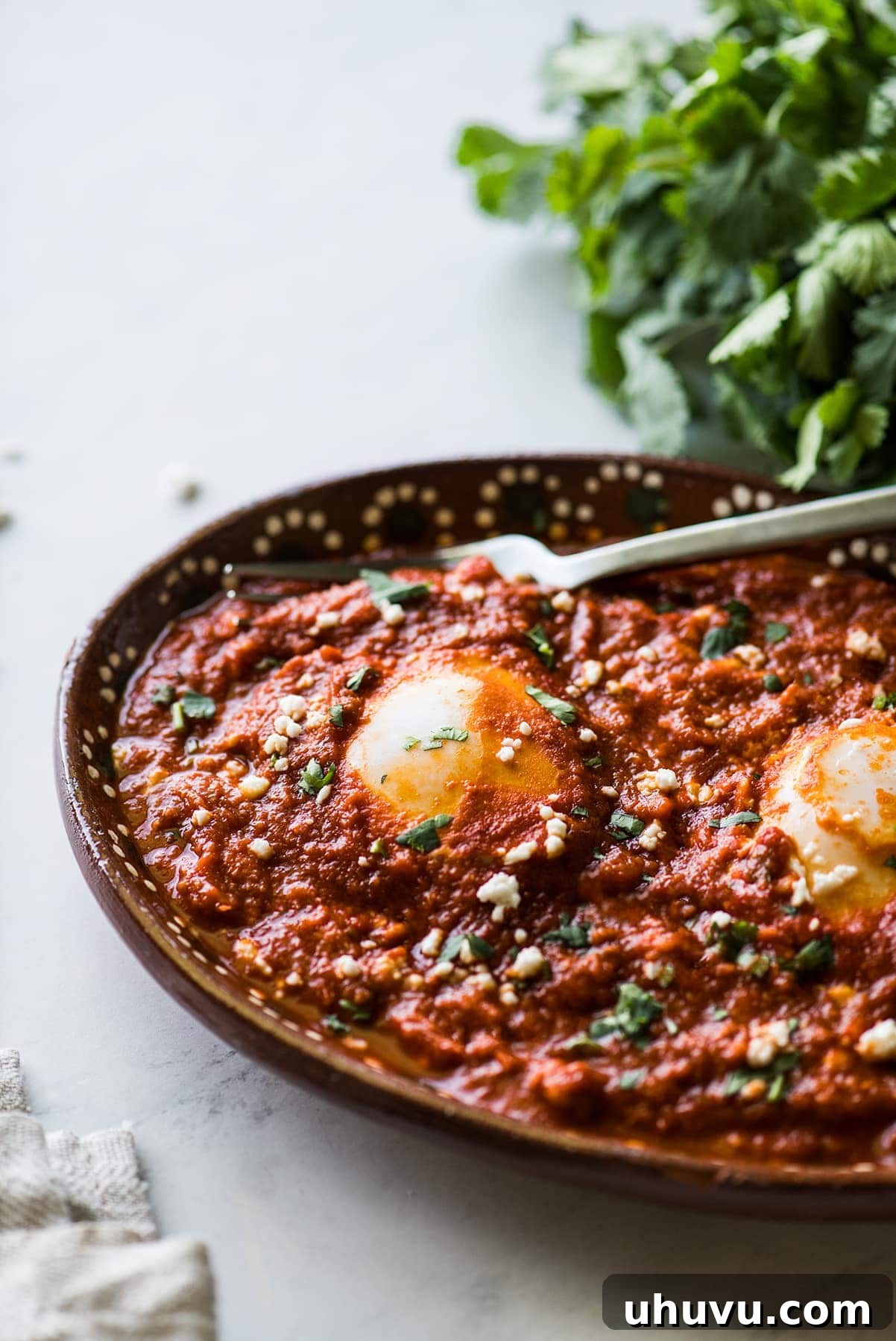
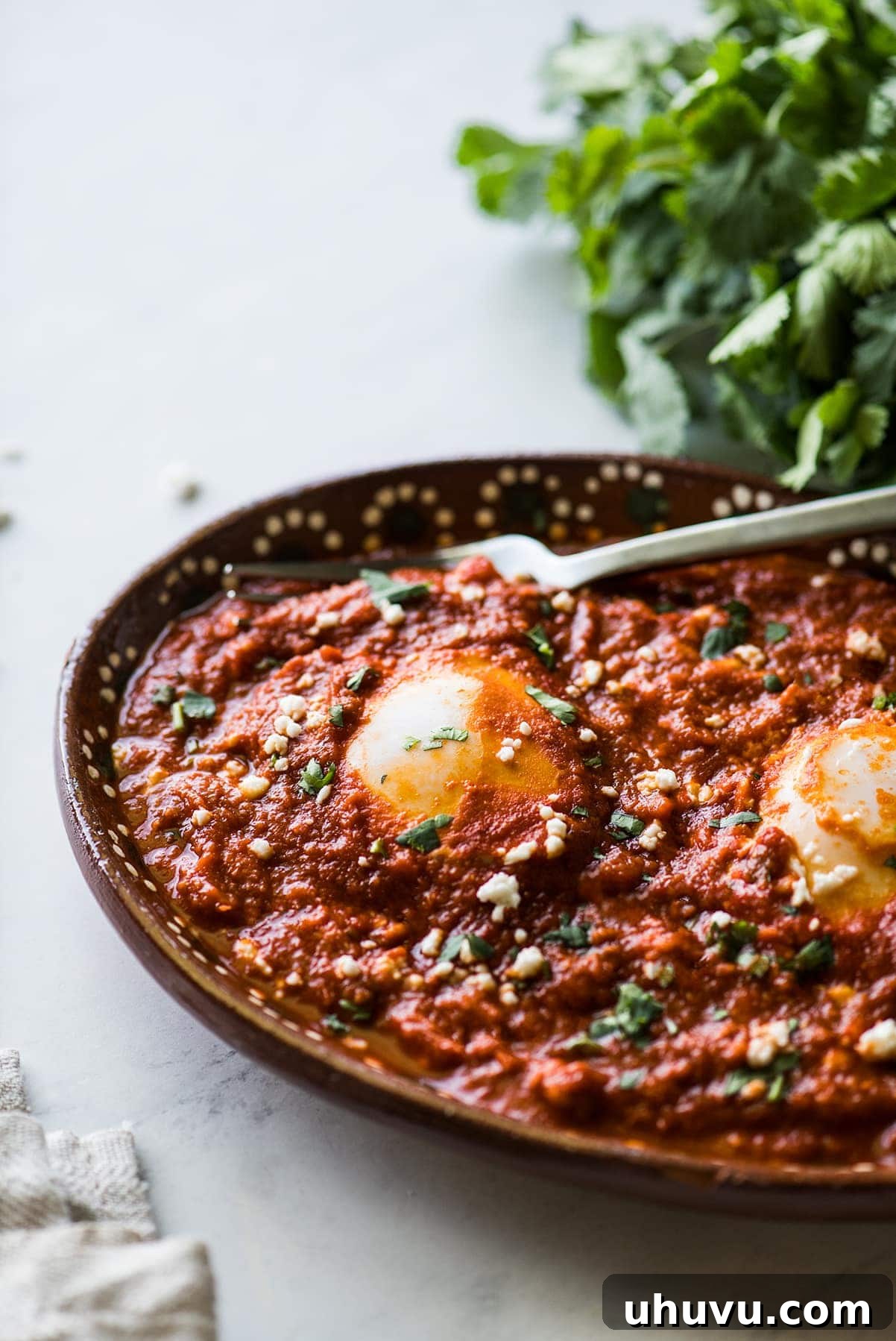
Welcome to the vibrant world of Mexican cuisine, where simple ingredients transform into extraordinary flavors. Today, we’re diving into a beloved classic that offers both comfort and a burst of taste: Huevos Ahogados. Often translated as “Drowned Eggs,” this traditional Mexican breakfast and brunch recipe features perfectly poached eggs simmering gently in a rich, flavorful salsa. It’s a dish that not only nourishes the body but also warms the soul, making it an ideal start to any day.
This post is proudly sponsored by Pete and Gerry’s Organic Eggs. All opinions expressed here are my own, reflecting my genuine love for quality ingredients.
Huevos Ahogados holds a special place in my heart, quickly becoming one of my all-time favorite ways to enjoy eggs. There’s something undeniably satisfying about breaking into a tender egg yolk, allowing its richness to mingle with a beautifully crafted salsa. While I’ve always been a fan of topping my eggs with a generous spoonful of salsa, this dish takes it a step further, truly immersing the eggs in a bath of delicious, savory warmth.
And no, I certainly didn’t invent this ingenious method! This culinary masterpiece is a testament to the rich gastronomic history of Mexico, a classic enjoyed for generations. Every family and every chef brings their unique touch to Huevos Ahogados, perfecting their salsa and egg preparation. I’m excited to share my interpretation, a recipe that promises to bring authentic Mexican flavors right to your kitchen.
What Exactly Are Huevos Ahogados?
At its core, Huevos Ahogados is an incredibly flavorful and relatively simple Mexican breakfast. The name “Drowned Eggs” perfectly describes the dish: eggs that are delicately poached directly within a simmering, aromatic salsa. Unlike traditional poached eggs cooked in water, these eggs absorb the vibrant flavors of the sauce, resulting in a deeper, more integrated taste experience.
The foundation of this dish is always a robust, tomato-based salsa. However, its character can vary widely depending on the region and personal preference. The choice of chile peppers plays a crucial role in defining the salsa’s heat and complexity. Some versions might feature the bright, fresh kick of jalapeños, while others, like this recipe, utilize dried chiles such as the mild guajillo for its earthy depth and the fiery chile de arbol for an optional spicy edge. This versatility allows for endless customization, ensuring there’s a version of Huevos Ahogados for every palate.
Essential Ingredients for Authentic Huevos Ahogados
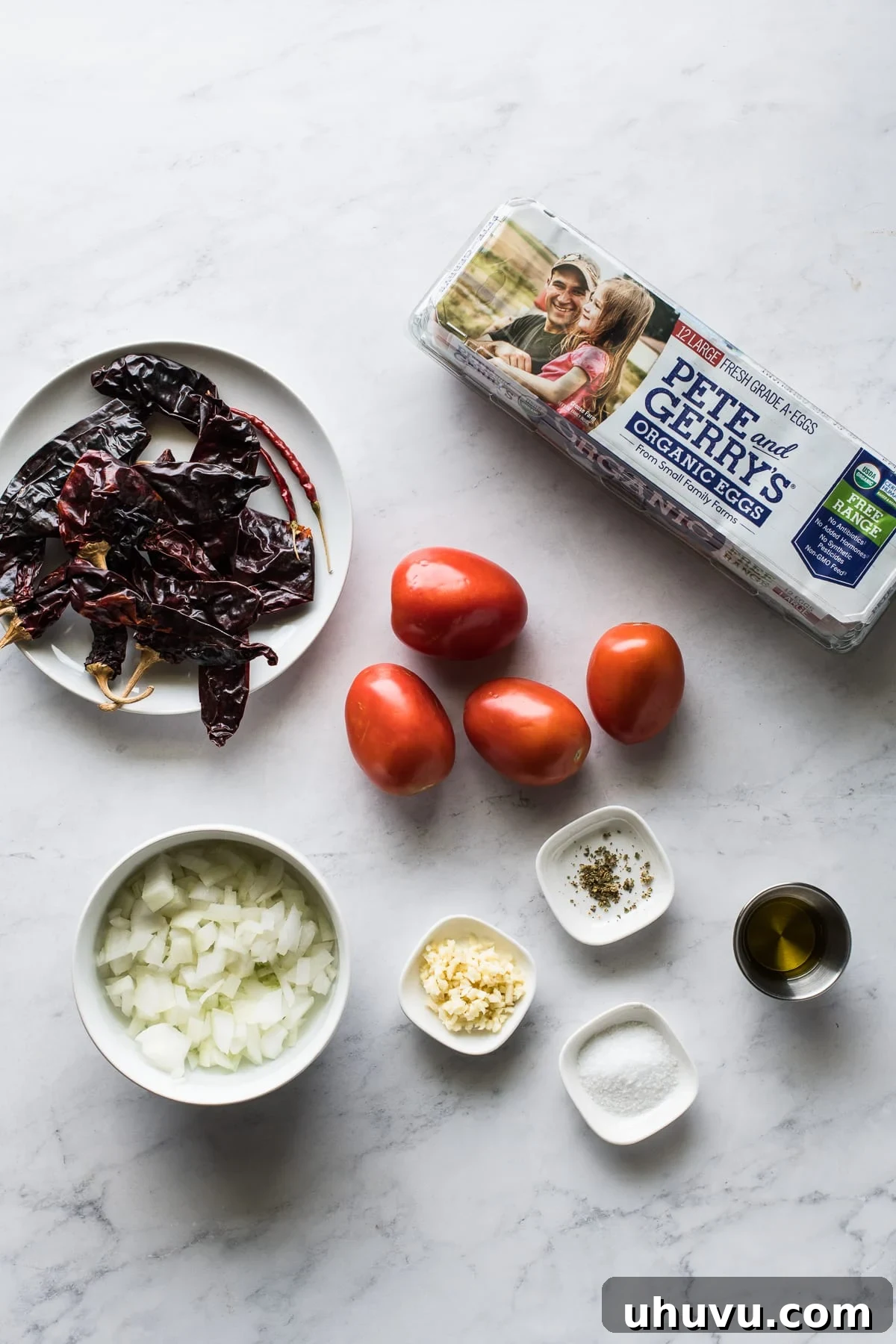
Crafting exceptional Huevos Ahogados begins with selecting a few key, high-quality ingredients. Each component plays a vital role in building the layered flavors that define this beloved dish. Before you begin your culinary adventure, ensure you have the following on hand:
Eggs: The Heart of the Dish
Given that eggs are the undisputed star of Huevos Ahogados, investing in premium quality eggs is paramount. The difference in flavor, texture, and even the vibrant color of the yolk from high-quality eggs will elevate your dish significantly. I consistently reach for Pete and Gerry’s Organic Eggs. Their commitment to ethical farming practices is truly commendable: they are USDA Certified Organic, ensuring no harmful pesticides or antibiotics. They are also free-range and Certified Humane, meaning their hens enjoy ample outdoor space and are treated with the utmost care. Sourced from over 50 small family farms across the country, Pete and Gerry’s maintains strict, third-party standards for both humane animal treatment and environmental sustainability. This dedication translates directly into eggs that are not only delicious but also produced with integrity.
Dried Chile Peppers: The Soul of the Salsa
The distinct flavor profile of your salsa hinges on your choice of dried chiles. This recipe calls for a dynamic duo:
- Guajillo Peppers: These are the workhorses of the salsa, providing a rich, fruity, and slightly smoky flavor without overpowering heat. Guajillos are wonderfully mild, focusing on adding a deep, complex dimension to every bite, making the sauce incredibly savory and satisfying. Their presence is essential for that authentic Mexican taste. Learn more about guajillo chile peppers.
- Chile de Arbol Peppers (Optional for Heat): If you desire a noticeable kick, chile de arbol peppers are your go-to. These small, slender chiles pack a punch. I find that adding just 1-4 of these (2 for a perfect medium spice) provides a delightful warmth that complements the guajillos without being overwhelming. Adjust the quantity to suit your heat preference. Learn more about chile de arbol peppers.
Fresh Aromatics: The Foundation of Flavor
No authentic Mexican salsa is complete without a robust base of fresh aromatics. These classic ingredients build the savory depth that makes the salsa truly irresistible:
- Tomatoes: Roma tomatoes are typically preferred for their meaty texture and lower water content, which contribute to a thicker, richer salsa. They provide the essential sweetness and tanginess.
- Onions: Both white or yellow onions work beautifully. When sautéed, they offer a sweet, pungent base that mellows and integrates into the salsa’s overall flavor profile.
- Garlic: Fresh garlic cloves are indispensable, infusing the salsa with their signature aromatic punch.
Other Essential Seasonings: Don’t forget a touch of kosher salt to enhance all the flavors and dried Mexican oregano for its earthy, slightly citrusy notes that are characteristic of traditional Mexican cooking.
Crafting Your Perfect Huevos Ahogados: A Step-by-Step Guide
Preparing Huevos Ahogados is a delightful process that transforms simple ingredients into a gourmet breakfast. Follow these detailed steps to create a rich, flavorful salsa and perfectly poached eggs:
Step 1: Toast and Rehydrate the Chiles and Tomatoes
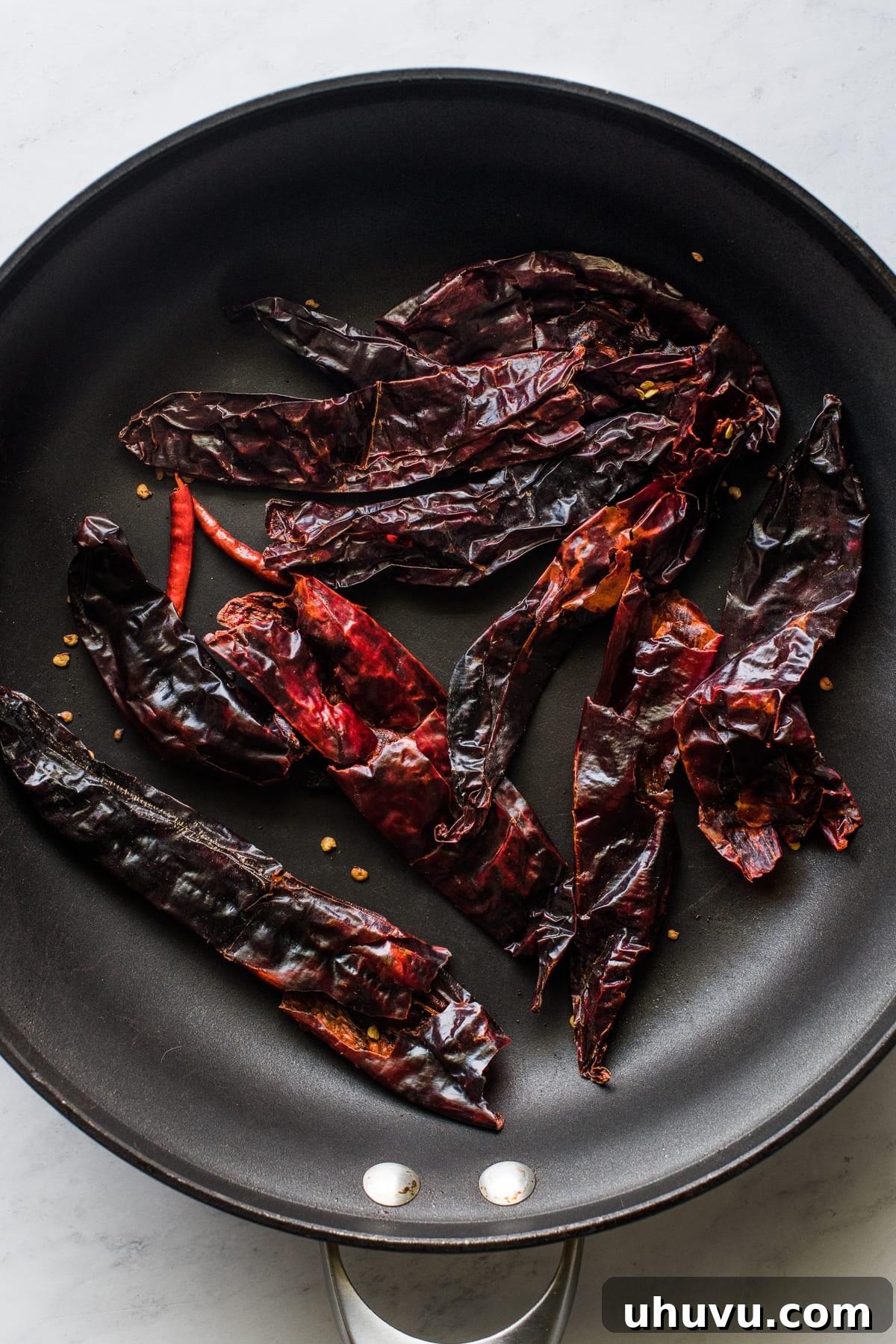
Begin by filling a small pot about three-quarters full with water and bringing it to a rolling boil over medium-high heat. While the water is heating, grab a large skillet and place it over medium-high heat. Add your dried guajillo and chile de arbol peppers (if using) to the dry skillet. Toast them for about 1 minute, flipping occasionally, until they become incredibly fragrant. This crucial step deepens their flavor. Be vigilant, as chiles can burn quickly, which would impart an unpleasant bitter taste. As soon as you detect that warm, aromatic chile scent, remove them from the heat and transfer them to a plate or bowl to prevent further cooking.
Once the pot of water is boiling, carefully add the toasted dried chiles and the Roma tomatoes. Cover the pot, reduce the heat to medium, and allow them to simmer for 5 minutes. This gentle boil helps to soften the tomatoes and begin the rehydration process for the chiles. After 5 minutes, remove the pot from the heat but keep it covered, letting the peppers and tomatoes soak and soften for an additional 10 minutes. This ensures the chiles are fully rehydrated and pliable, ready for blending into a silky-smooth salsa.
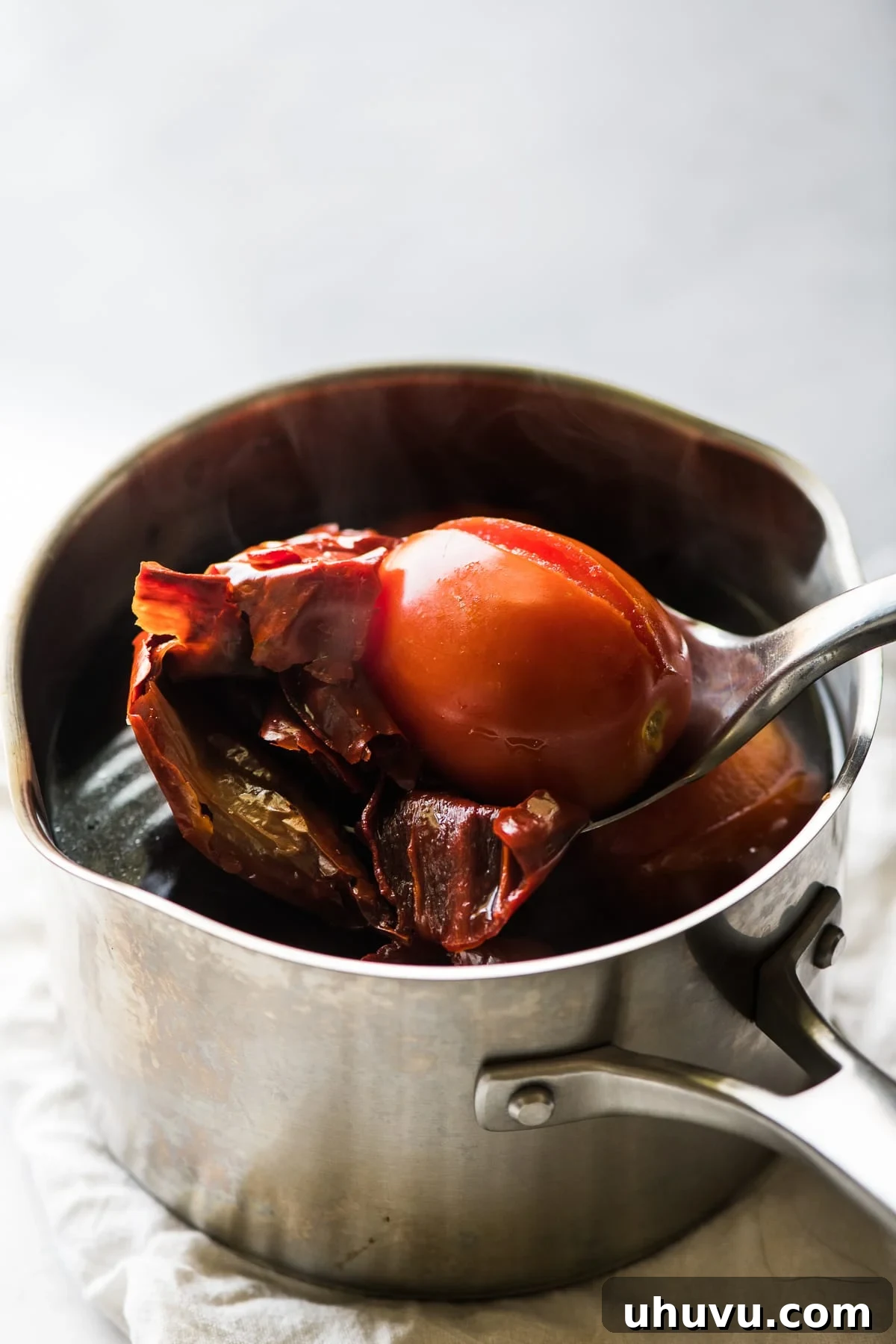
Step 2: Sauté the Aromatics
While your chiles and tomatoes are soaking, return to the same skillet you used for toasting the chiles. Add 2 tablespoons of olive oil and heat it over medium-high heat. Add the diced onions and minced garlic. Sauté them for 3-5 minutes, stirring frequently, until the onions become translucent and beautifully fragrant. This step extracts their sweet, savory essences, forming a robust aromatic base for your salsa.
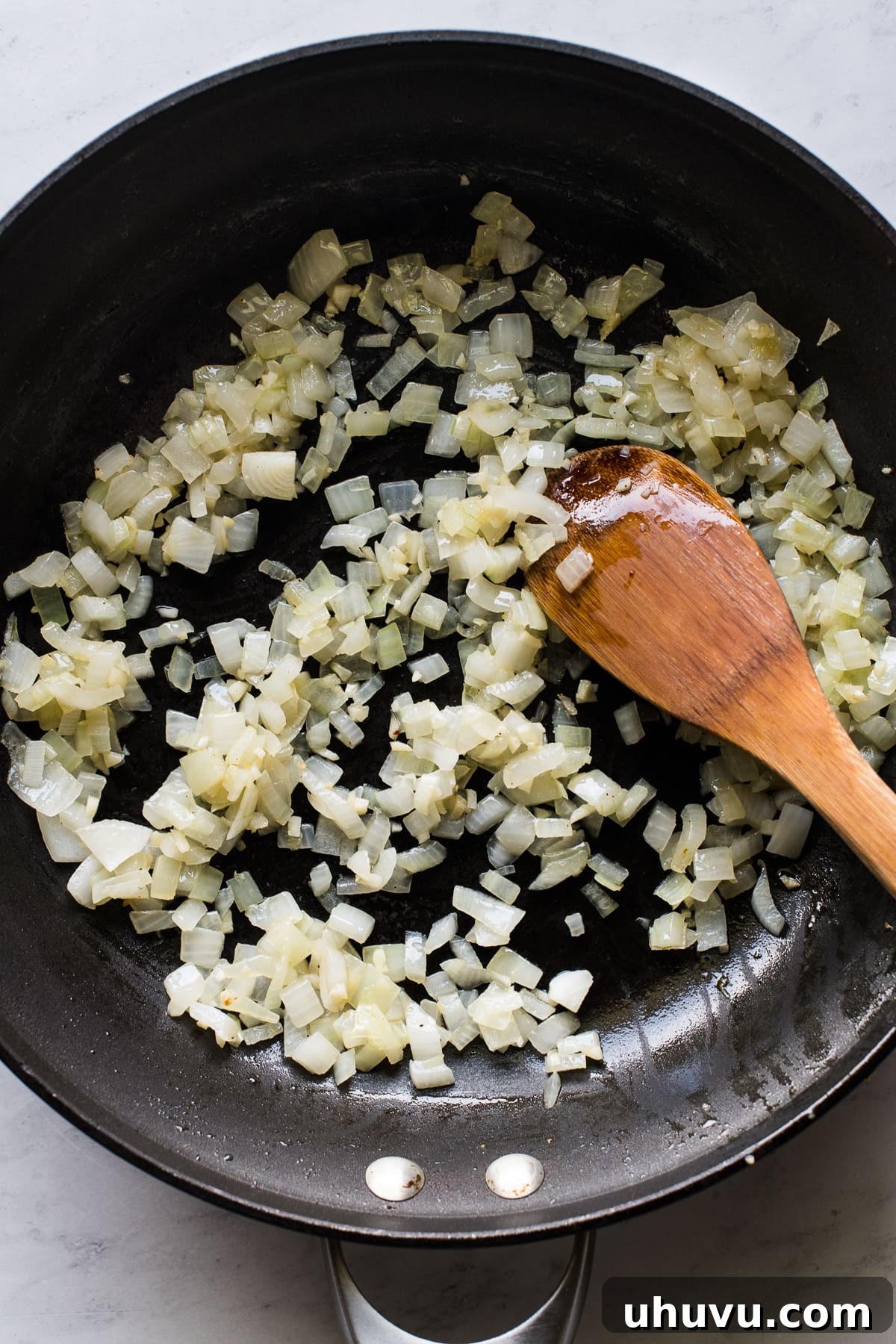
Step 3: Blend the Salsa to Perfection
Carefully transfer the sautéed onions and garlic into a large blender. By this point, your chiles and tomatoes should be perfectly softened. Using a slotted spoon, add them to the same blender, reserving a small amount of the soaking liquid from the pot (about ½ cup) in case you need to adjust the salsa’s consistency later. Add ½ tablespoon of kosher salt and ¼ teaspoon of dried Mexican oregano to the blender. Blend everything for a full 3 minutes, or until the salsa is completely smooth and creamy. A powerful blender will achieve the best texture; if yours struggles, blend in batches or add a tablespoon of the reserved chile soaking liquid at a time to help it along.
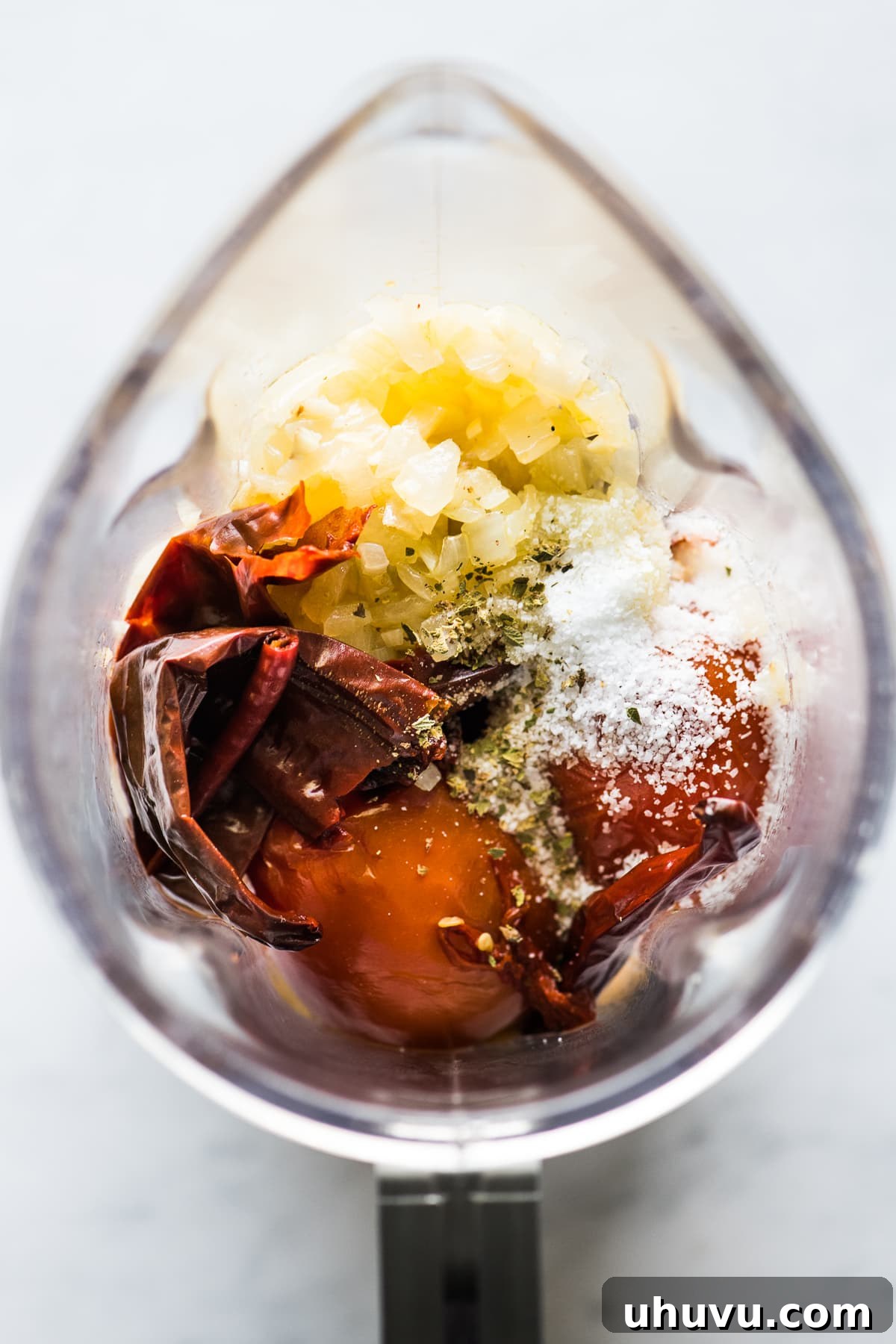
Step 4: Simmer the Salsa
Return the same medium skillet to medium-high heat. Carefully pour the blended salsa back into the skillet. Be cautious, as the salsa may splatter when it hits the hot pan. Stir continuously for about 1 minute. This step, known as “frying the salsa,” deepens its flavor and color, allowing the ingredients to meld beautifully. Once the salsa starts to gently bubble, reduce the heat to low, preparing for the eggs.
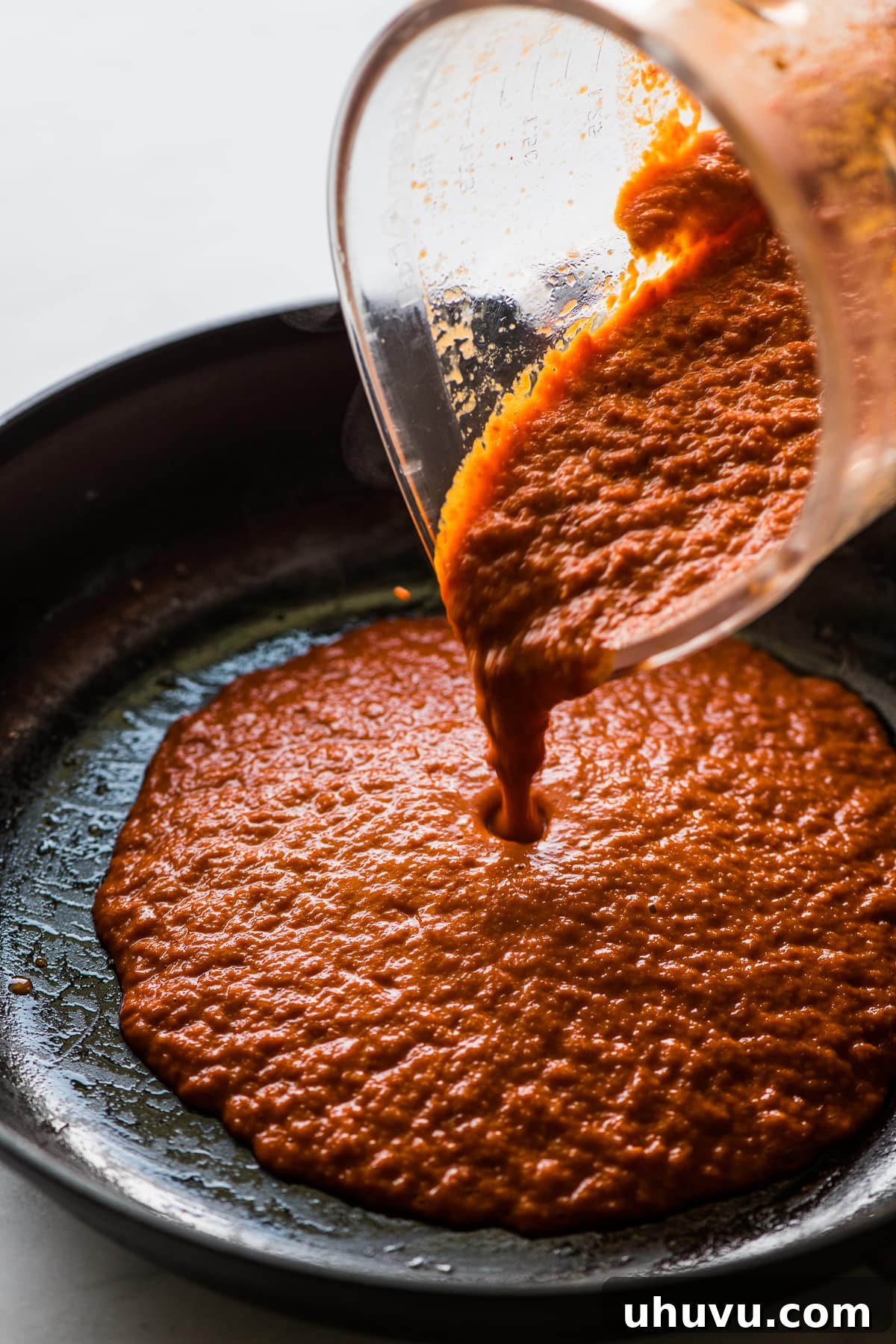
Step 5: Poach the Eggs
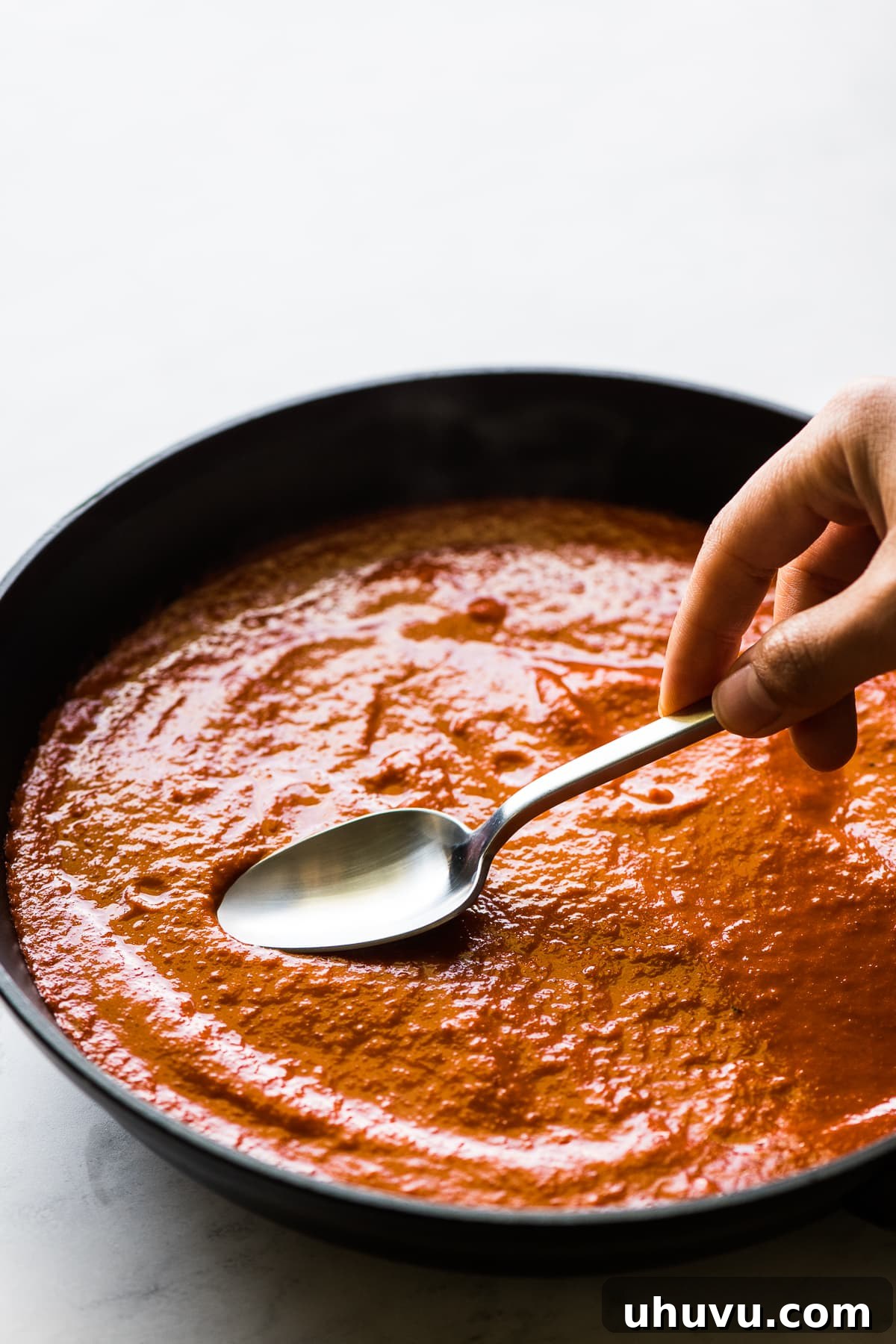
With the salsa simmering gently on low heat, use the back of a large spoon to create 4 small wells in the salsa. These depressions will cradle your eggs and help them maintain their shape as they poach.
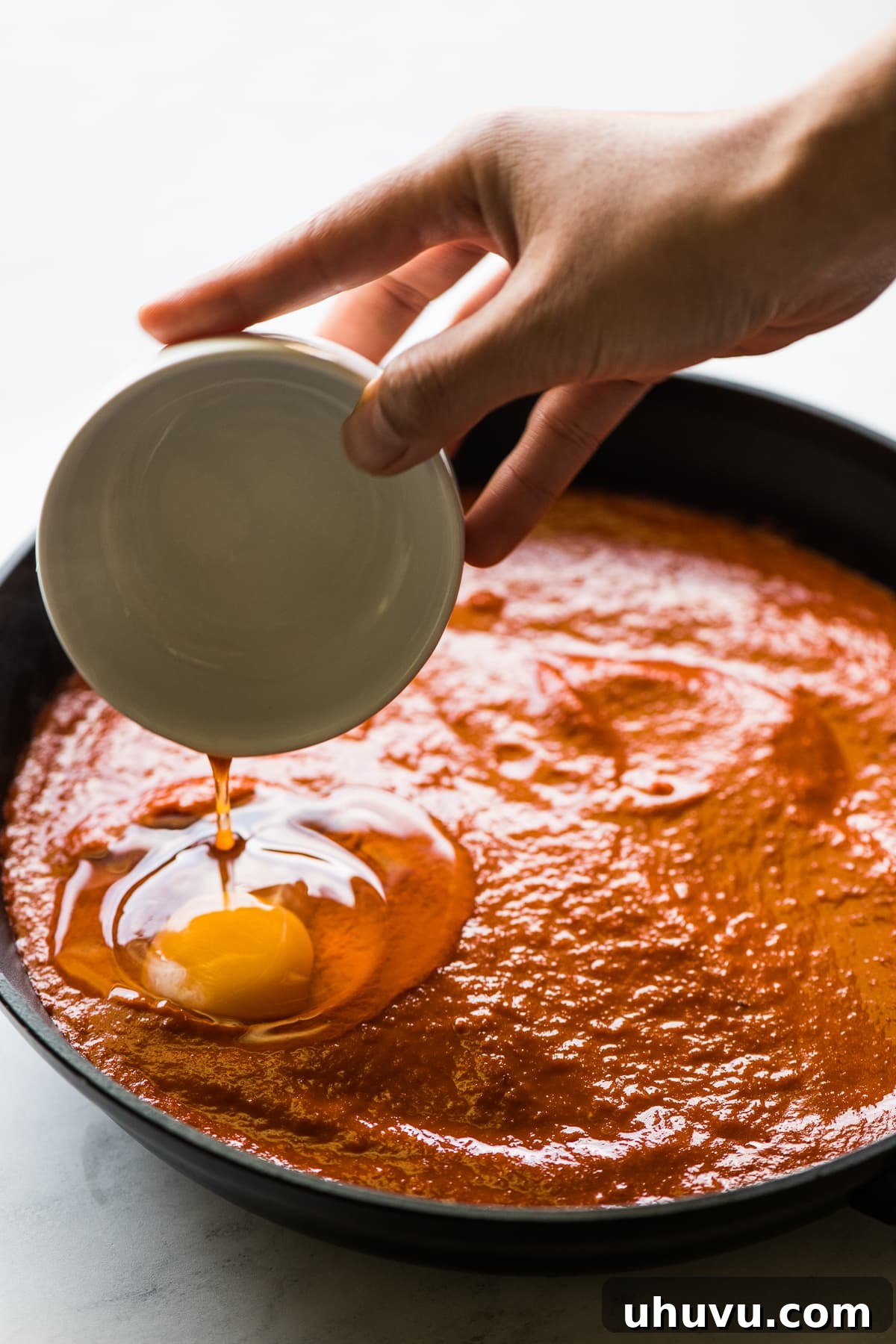
Now, it’s time to add the eggs. To prevent the yolks from breaking, a helpful trick is to crack each egg individually into a small ramekin or bowl first, then gently slide it into one of the prepared wells in the salsa. If you’re confident in your egg-cracking abilities, you can carefully crack each egg directly into a well. Don’t worry if some of the egg white spreads a little; it’s perfectly normal and will cook beautifully.
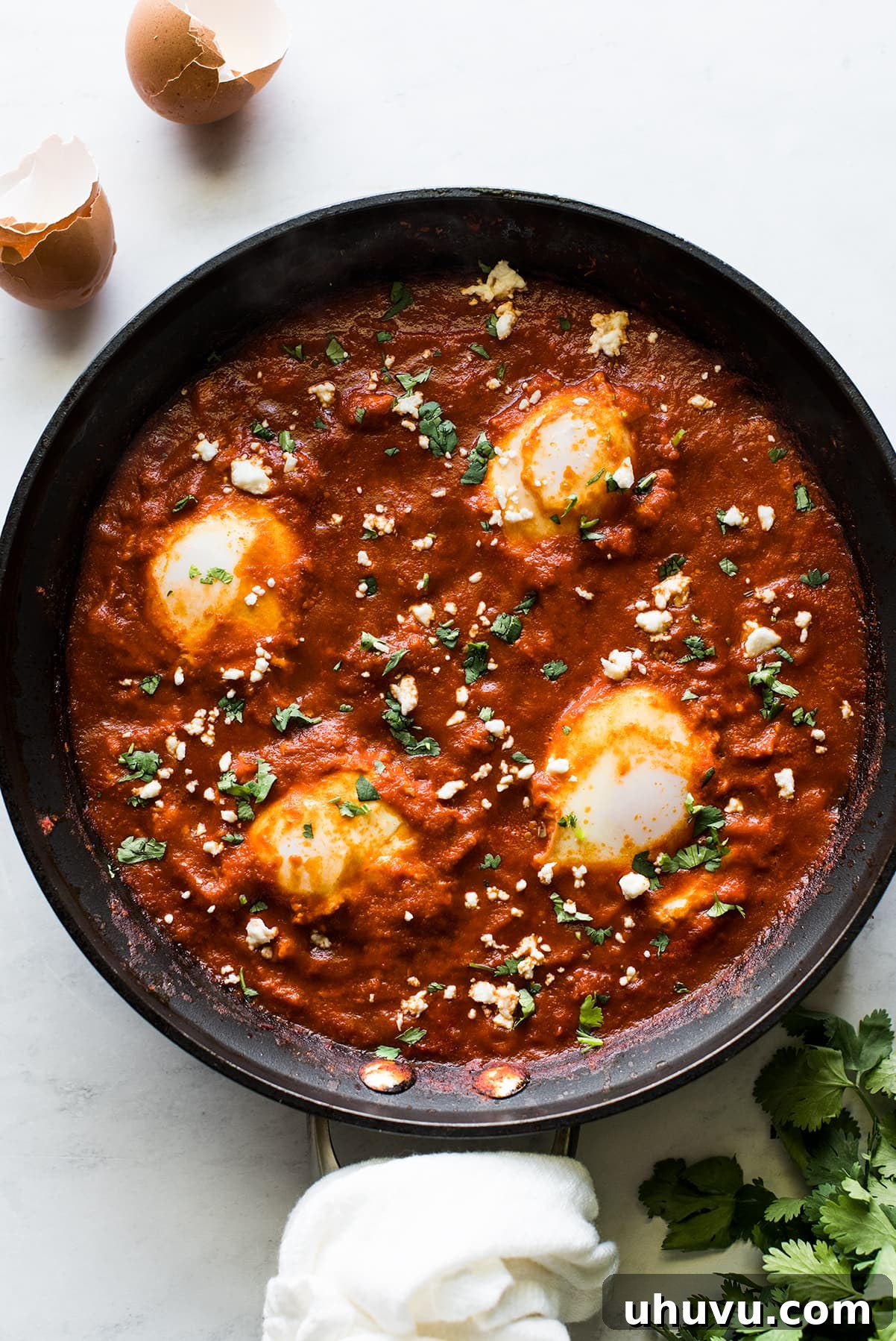
Cover the skillet and cook the eggs for 7-10 minutes. The cooking time will depend on your desired yolk consistency: 7 minutes for a runny yolk, and closer to 10 minutes for a firmer, jammy yolk. Keep an eye on them, as they will continue to cook slightly after removal from heat.
Step 6: Garnish and Serve
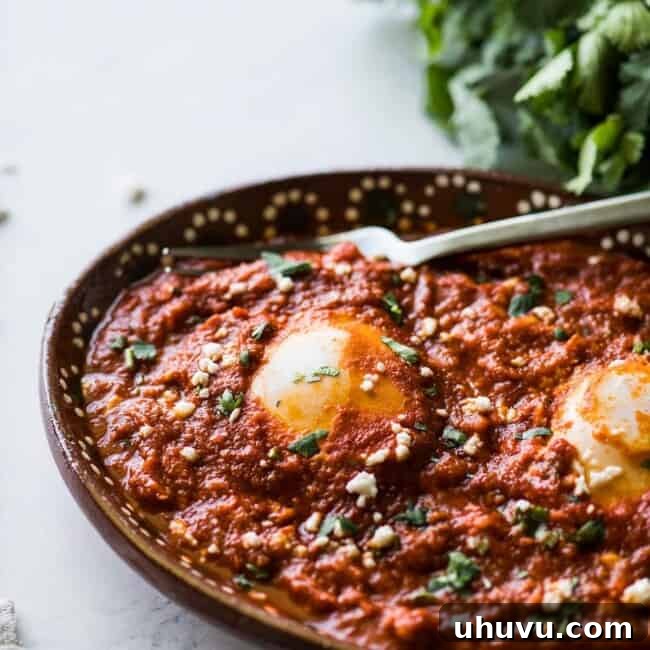
Once the eggs are cooked to your liking, remove the skillet from the heat. Garnish generously with freshly chopped cilantro and crumbled queso fresco (fresh Mexican cheese) for a pop of color and an added layer of flavor. Huevos Ahogados are best enjoyed immediately, straight from the skillet. My absolute favorite way to savor this dish is with warm homemade flour tortillas, perfect for scooping up every last bit of that delectable salsa and egg. Alternatively, serve them with a crusty loaf of bread, toasted sourdough, or even alongside a side of refried beans or rice for a more substantial meal. Enjoy the comforting warmth and vibrant flavors!
Expert Tips and Delightful Substitutions
Making Huevos Ahogados is a joy, and with these tips, you can ensure a perfect outcome every time. Don’t hesitate to experiment and make this recipe truly your own:
- Control the Spice Level: If you prefer a milder salsa, simply omit the chile de arbol peppers entirely. The guajillo peppers are inherently very mild and contribute depth rather than heat. For more spice, gradually add extra chile de arbol peppers, tasting as you go until you reach your desired level of heat. Remember, you can always add more, but it’s harder to take it away!
- The Forgiving Salsa: This salsa base is incredibly versatile and forgiving. After blending, give it a taste. If it lacks a bit of zing, a squeeze of lime juice can brighten it up. If it’s too spicy, adding another Roma tomato (or even a tablespoon of tomato paste) to the blender and re-blending can help balance the heat. A little pinch of sugar can also mellow out excessive spiciness.
- Achieving Perfect Poached Eggs: For truly beautiful poached eggs, crack each egg into a separate small bowl or ramekin before gently sliding it into the salsa. This helps maintain the integrity of the yolk. Ensure the salsa is at a gentle simmer, not a rolling boil, which could break the eggs apart. Covering the skillet is key, as it creates steam that cooks the top of the egg whites evenly.
- Serving Suggestions Beyond Tortillas: While warm tortillas are classic, feel free to get creative. Serve Huevos Ahogados with toasted bolillo rolls, crusty artisan bread, or even over a bed of fluffy rice or quinoa for a complete meal. For an extra touch, consider topping with sliced avocado, a dollop of Mexican crema, or a sprinkle of crumbled cotija cheese.
- Make-Ahead Salsa: The salsa can be prepared a day or two in advance and stored in an airtight container in the refrigerator. This makes morning prep incredibly quick and easy. Simply reheat the salsa gently before adding the eggs.
- Leftovers and Reheating: Huevos Ahogados are truly best eaten immediately when the yolks are still perfectly runny and the salsa is piping hot. However, if you do have leftovers, store them in an airtight container in the fridge for up to 4 days. When reheating, use the microwave in short intervals (30 seconds at a time) or gently warm in a covered skillet over low heat. Be careful not to overcook the eggs, which can make the yolks rubbery.
- Ingredient Substitutions:
- Tomatoes: If Roma tomatoes aren’t available, canned whole peeled tomatoes (drained) can be used, though fresh is always preferred.
- Onions: Red onions can be used for a slightly sharper flavor.
- Mexican Oregano: While Mexican oregano has a distinct flavor, in a pinch, regular oregano can be used, though the flavor profile will be slightly different.
- Queso Fresco: Feta cheese or a mild goat cheese can offer a similar crumbly texture and salty tang if queso fresco is unavailable.
More Irresistible Mexican Recipes to Explore
If you’ve enjoyed the authentic flavors of Huevos Ahogados, you’re sure to love these other Mexican culinary delights. Expand your repertoire with these incredible dishes:
- Chilaquiles Verdes
- Beef Enchiladas
- Tortas Ahogadas
Pin
Rating: 5 from 2 votes
Huevos Ahogados
By: Isabel Orozco-Moore
Huevos Ahogados is an easy Mexican recipe that features gently poached eggs in a simmering salsa made from tomatoes and guajillo peppers.
Cook: 30 minutes
Total: 40 minutes
Servings: 2 Servings
Ingredients
- 10 guajillo chiles, stems and seeds removed (about 2 ounces)
- 2 árbol chiles, stems removed, (optional*)
- 4 Roma tomatoes (about 13 ounces)
- 1/2 large onion, diced
- 3 cloves garlic, minced
- 2 tablespoons olive oil
- 1/2 tablespoon kosher salt plus more to taste
- 1/4 teaspoon dried Mexican oregano
- 4 Pete and Gerry’s Organic Eggs
- Chopped cilantro for garnish
- Queso fresco, for garnish
Instructions
- Fill a small pot with water until about 3/4 full. Bring to a boil over medium-high heat. While water is coming to a boil, heat a large skillet over medium-high heat.
- Add guajillo and arbol chiles to the skillet and toast, flipping occasionally, until fragrant and lightly toasted, about 1 minute. Transfer toasted chiles to a plate or bowl to rest until the pot of water is boiling.
- Add toasted chiles to the pot of boiling water along with the roma tomatoes. Cover, lower heat to medium and simmer for 5 minutes.
- Remove pot from heat and let it sit for 10 minutes to soften and rehydrate the dried chiles. While the chiles and tomatoes are soaking, heat olive oil in the same skillet over medium-high heat.
- Add onions and garlic. Saute for 3-5 minutes until onions become translucent and have softened.
- Transfer sauteed onions and garlic to a large blender. Then using a slotted spoon, add the soaked chiles and tomatoes as well. Add salt, oregano, and blend for 3 minutes, until completely smooth.
- Carefully add blended sauce back to the same skillet (it may splatter, so be careful!) and cook for 1 minute over medium heat, stirring often.
- Lower the heat to low. Use your large spoon to make 4 small wells in the sauce and crack an egg into each well.
- Cover and cook for 7-10 minutes, or until the eggs are done to your liking.
- Garnish with chopped cilantro, queso fresco, and serve with warm flour tortillas or crusty bread.
Notes
- Adding chile de arbol peppers is optional. Only add them if you want to make the sauce a little spicy, or leave them out completely if you want the sauce very mild.
- Huevos ahogados are best eaten immediately. If you do have leftovers, store them in an airtight container in the fridge for up to 4 days. You can reheat them in the microwave in intervals of 30 seconds to make sure the eggs don’t get rubbery.
Nutrition
Nutrition information is automatically calculated, so should only be used as an approximation.