
Piloncillo: Unveiling Mexico’s Ancient Unrefined Sweetener and Culinary Secret
Step into the rich culinary world of Mexico, and you’ll quickly encounter a foundational ingredient that sweetens countless dishes and drinks: Piloncillo. Far more than just sugar, piloncillo is a staple deeply woven into the fabric of Mexican cooking and baking, offering a distinctive depth of flavor that sets it apart. Often described as having an earthy, caramel-like taste, it provides a rustic sweetness that can transform your favorite recipes, baked goods, and an array of sweet treats. This comprehensive guide will explore everything you need to know about piloncillo, from its fascinating history and traditional production methods to practical tips on how to use it in your kitchen and where to find it. Prepare to discover the unique charm of this unrefined cane sugar and learn how to incorporate its rich, complex notes into your culinary creations.
What Exactly is Piloncillo? A Deep Dive into Mexico’s Rustic Sugar
At its core, piloncillo is an unrefined whole cane sugar, a pure and natural sweetener predominantly found in Mexico and other Latin American countries. Its presence in Mexican cuisine dates back at least 500 years, making it not just an ingredient, but a historical and cultural artifact. Unlike highly processed sugars, piloncillo retains much of its original molasses content, which is key to its distinctive character. This unrefined nature is what imparts its signature earthy, robust, and deeply caramel-like flavor, often evoking notes of molasses and toasted sugar.
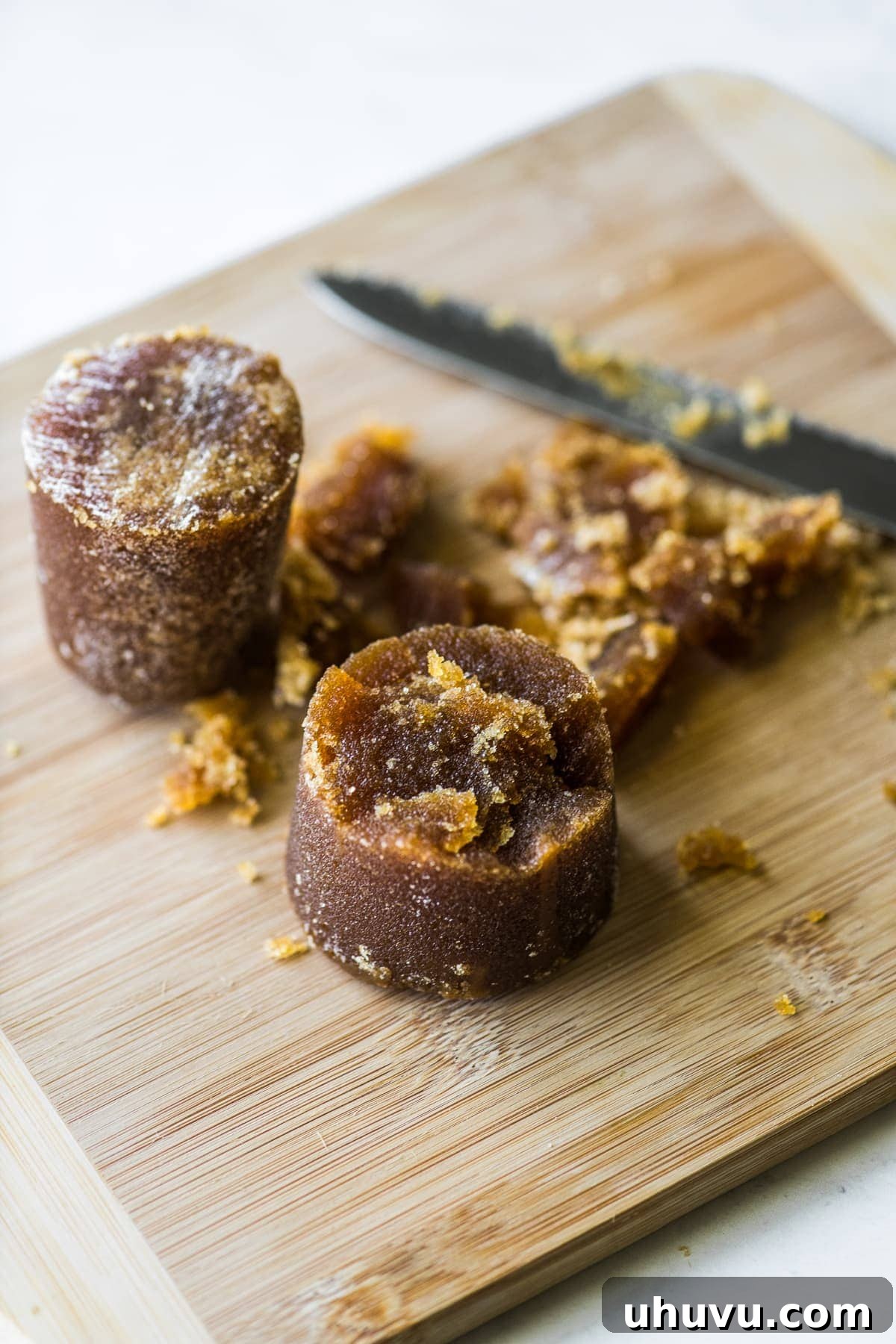
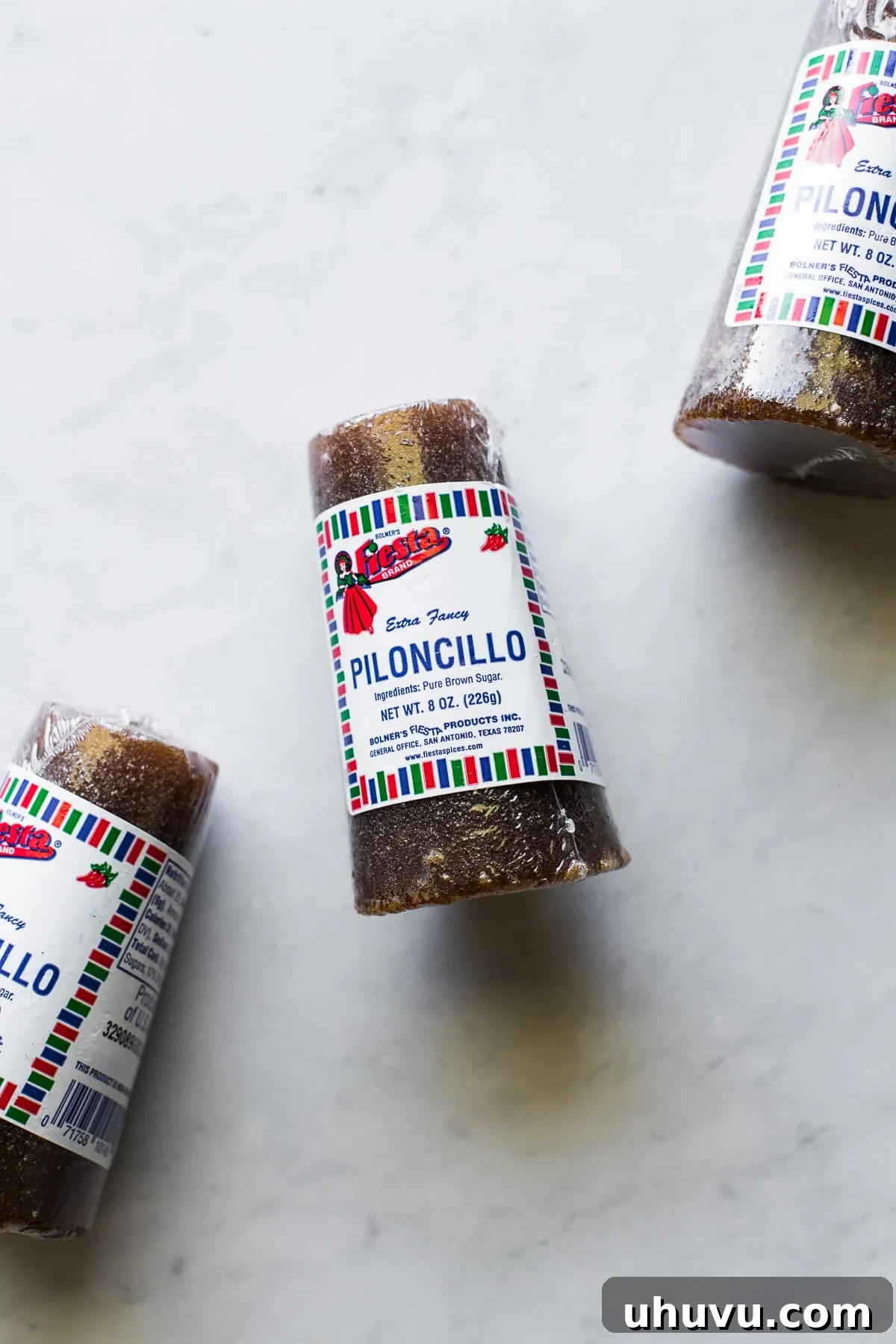
Many culinary enthusiasts describe piloncillo’s taste as a more intense and nuanced version of traditional brown sugar, with a rustic sweetness that adds complexity rather than just simple sweetness. It’s a flavor profile that can vary slightly depending on the region and specific sugar cane used, but consistently offers a rich, comforting warmth. You’ll typically find piloncillo pressed into solid forms, most commonly small blocks, traditional cones (its namesake, meaning “little loaf”), or compact loaves. These convenient shapes make it easy to store and transport, and it remains an incredibly inexpensive ingredient, making it accessible for everyday cooking.
Its natural golden-brown hue and firm texture are immediate indicators of its unprocessed state, signaling a sweetener that is pure sugar cane essence. The simple, traditional methods used in its production ensure that piloncillo delivers a flavor experience that industrial sugars simply cannot replicate, embodying the true spirit of traditional Mexican gastronomy.
Piloncillo vs. Brown Sugar: Understanding the Key Differences
While piloncillo is frequently referred to as “Mexican brown sugar” due to its similar appearance and sweet, molasses-tinged flavor, it is crucial to understand that it is fundamentally different from the brown sugar commonly found on supermarket shelves. This distinction lies primarily in their production methods and inherent composition, which profoundly impacts their flavor, texture, and culinary applications.
Standard brown sugar, whether light or dark, is typically produced by refining white sugar and then reintroducing a small amount of molasses back into it. This process gives it its characteristic moist texture and subtle caramel notes. Piloncillo, on the other hand, is unprocessed cane sugar. It is made directly from the evaporated juice of sugar cane, meaning it naturally retains all its molasses and minerals from the very beginning. This crucial difference ensures that piloncillo’s golden-brown color and rich, complex flavor are entirely natural, without any re-fortification.
The resulting flavor profile of piloncillo is often more intense, rustic, and complex than brown sugar, offering a deeper caramel and earthy undertone. Its texture is also significantly firmer, sold in solid blocks or cones, unlike the soft, granulated form of brown sugar. Like brown sugar, piloncillo can be found in two general varieties, reflecting the natural variations in sugar cane and processing:
- Blanco: A lighter piloncillo, often with a slightly milder, more delicate caramel flavor.
- Oscuro: A darker piloncillo, boasting a more robust, pronounced molasses and earthy flavor profile.
These natural variations provide cooks with options to tailor the intensity of sweetness and flavor to their specific recipes. When substituting piloncillo for brown sugar, it’s important to consider its greater intensity and solid form, which might require slight adjustments in measurement or preparation.
The Traditional Craft: How Piloncillo is Made
The creation of piloncillo is a testament to traditional, artisanal methods that have remained largely unchanged for centuries, reflecting a simpler, more natural approach to sweetening. The process begins with the careful harvesting of mature sugar cane stalks, which are then crushed to extract their sweet, raw juice. This initial step is critical, as the quality of the sugar cane directly influences the final flavor of the piloncillo.
Once collected, the sugar cane juice undergoes a crucial transformation: it is slowly boiled over heat, typically in large vats. This boiling process serves to evaporate the water content from the juice, gradually concentrating it into a thick, viscous syrup. This syrup is remarkably similar in consistency and richness to molasses, a clear indicator of its unrefined nature. As the syrup thickens and reaches the desired concentration, it develops its characteristic deep golden-brown hue and intoxicating aroma.
Finally, this concentrated syrup is carefully poured into molds, where it is left to cool and solidify. The most traditional and iconic shape is the “little loaf,” which is what the word piloncillo literally means. These molds vary in size and shape, with cones being a particularly common form found in the U.S. and other markets. Once completely dried and hardened, the piloncillo retains its solid form, preserving all the natural goodness and complex flavors of the sugar cane. This simple, yet time-honored method ensures that piloncillo is a pure product, free from additives, preservatives, or extensive refining processes, truly capturing the essence of the sugar cane.
Piloncillo by Another Name: Panela, Rapadura, and More
The world of unrefined cane sugar is vast and diverse, with many cultures producing similar products under different names. In essence, piloncillo is part of a larger family of sweeteners, and understanding these connections can help broaden your culinary horizons. One of the most common aliases for piloncillo is panela, a term widely used across Central and Latin America. Indeed, if you encounter panela in countries like Colombia, Ecuador, or parts of Central America, you are essentially looking at the same delicious product as Mexican piloncillo.
Beyond panela, this unrefined sweetener goes by numerous other names depending on the specific region. In Brazil, it’s known as rapadura; in Peru, chancaca; in Venezuela, papelón; and in Bolivia, raspadura. Each name reflects local linguistic traditions, but the core product – solidified, unrefined sugar cane juice – remains consistent. This global prevalence underscores the ancient and widespread tradition of making sugar directly from cane juice, bypassing industrial refining processes. While the manufacturing methods might have slight regional variations, such as the type of cane or the specific boiling duration, the essence of the product is universal: a rich, earthy, and naturally sweet block of pure cane sugar.
Panela, and thus piloncillo, can also be found in various forms beyond the traditional solid blocks and cones. While solid forms are most common, some regions produce it in liquid form, often as a syrup, or even granulated, resembling a coarse brown sugar. These variations offer versatility for different culinary uses, though the solid blocks and cones remain the most iconic and widely recognized form of this beloved sweetener.
Unleashing the Flavor: How to Use Piloncillo in Your Kitchen
Piloncillo is celebrated for its incredible versatility in the kitchen, serving not only as a primary sweetener but also as a distinct flavor enhancer, almost a spice in its own right. Its unique composition, retaining all the natural molasses, means it melts very easily when heated, making it exceptionally simple to incorporate into a wide array of beverages, baked goods, and savory dishes. This ease of dissolution ensures that its rich, complex flavor is evenly distributed throughout your culinary creations.
At home, piloncillo can be used as a superior alternative to white or brown sugar in virtually any recipe. However, its true magic shines in traditional Mexican recipes where its earthy, caramel notes are integral to the dish’s authenticity. It’s an indispensable ingredient in beloved beverages like:
- Mexican ponche: A warm, spiced fruit punch perfect for holidays.
- Café de olla: Traditional Mexican spiced coffee, often brewed with cinnamon.
- Atole: A thick, warm beverage made from masa (corn dough), sweetened with piloncillo.
- Champurrado: A chocolate-based atole, rich and comforting.
Beyond drinks, piloncillo lends its deep sweetness to iconic Mexican desserts such as:
- Capirotada (Mexican bread pudding): A Lenten staple, where piloncillo syrup is key.
- Flan: The classic caramel custard, elevated by piloncillo’s nuanced sweetness.
It also works wonderfully in homemade ice creams, cookies, and other baked goods, imparting a depth of flavor that refined sugars simply cannot match. In Mexico, piloncillo is frequently blended with aromatic spices like star anise or a hint of cayenne pepper, or skillfully mixed into Mexican chocolate, creating a symphony of sweet and spicy notes. Commercially, its unique profile makes it a favorite in candy-making, artisanal soft drinks, and specialty baking, showcasing its broad appeal and distinctive character across various food industries.
Mastering the Cone: Techniques for Breaking Down Piloncillo
Given that piloncillo is traditionally sold in very solid, hard cones or blocks, preparing it for use can sometimes present a small challenge. It’s essential to break it down into smaller, manageable pieces before you can fully incorporate its rich flavor into your recipes. The method you choose will largely depend on the desired texture and the specific application.
Here are a few effective ways to break down a piloncillo cone, ranging from coarse chunks to super-fine sugar:
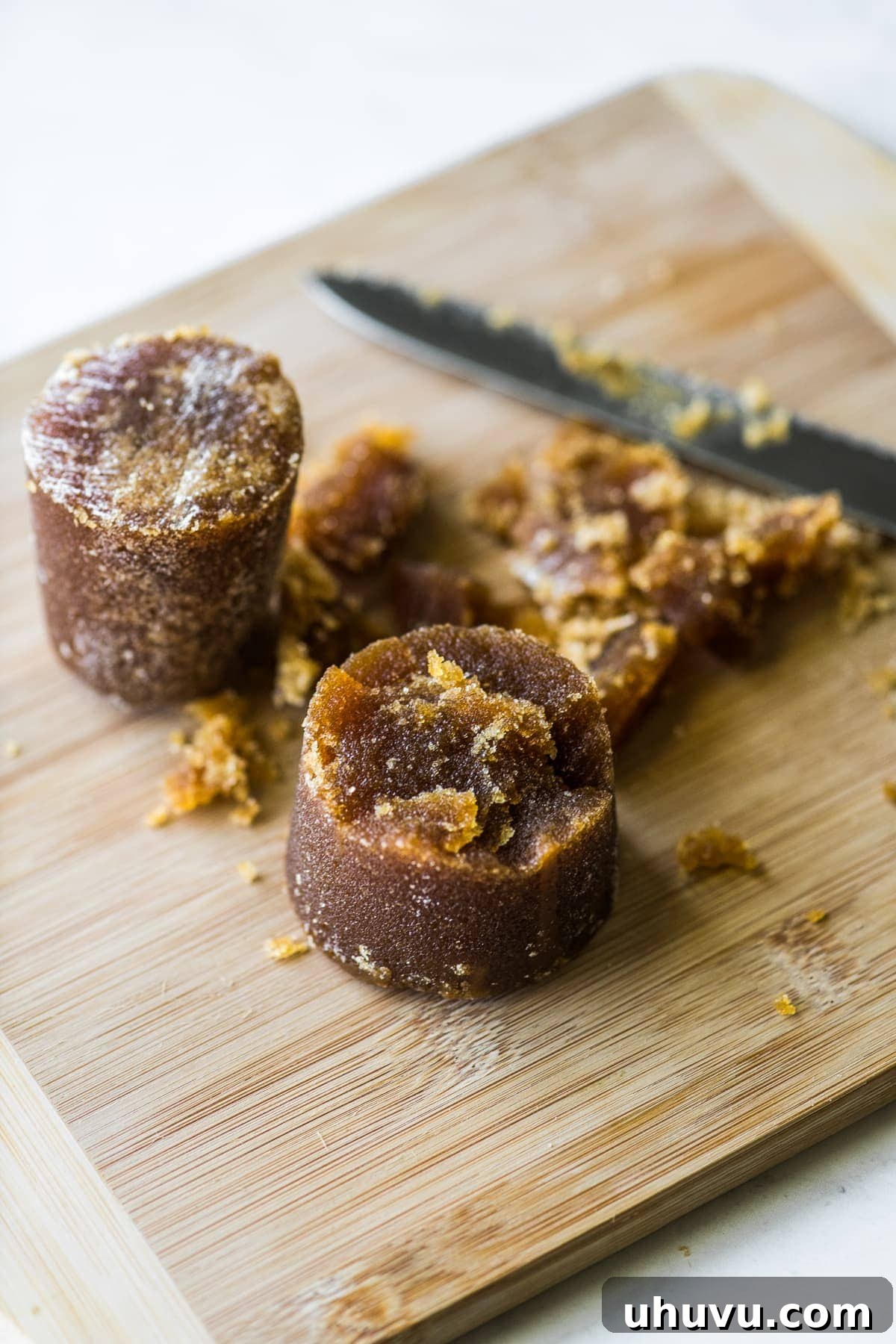
- Using a sturdy knife: For larger chunks or slivers, a sharp, heavy-duty knife is your best friend. Place the piloncillo on a stable cutting board and carefully slice or chop it into the desired pieces. This method is ideal for adding piloncillo directly to hot beverages like coffee, hot chocolate, or ponche, where it will slowly dissolve and infuse the drink with its robust flavor. Always exercise caution and use a secure grip when working with a knife.
- Employing a large cheese grater: If you need piloncillo with a texture similar to regular brown sugar for baking or dry mixes, a large cheese grater is an excellent tool. Grating the piloncillo quickly breaks it down into fine shreds, making it easy to measure and incorporate into recipes where rapid dissolution is desired.
- Opting for a microplane grater: For the finest possible piloncillo, perhaps for dusting desserts or creating a sugar that dissolves almost instantly, a microplane grater is your go-to. This tool yields a super-fine sugar, perfect for delicate applications or when you want the piloncillo to melt seamlessly into a sauce or batter.
Alternatively, a clever trick involves using your microwave: Lightly heat the piloncillo cone in the microwave for approximately 10-15 seconds. This brief warming will slightly soften the sugar, making it much easier to break off pieces by hand or with minimal effort using a knife or grater. Be careful not to overheat it, as it can melt too much. This method can save time and effort, especially when preparing larger quantities. Whichever method you choose, breaking down piloncillo allows you to unlock its full potential and seamlessly integrate its unique flavor into your culinary creations.
The Health Perspective: Piloncillo’s Nutritional Aspects
While piloncillo is undoubtedly a sugar and should be consumed in moderation like any sweetener, it does offer a subtle difference from highly refined white sugars. Because it is unrefined and minimally processed, piloncillo retains some of the trace minerals and vitamins naturally present in the sugar cane, such as iron, calcium, potassium, and magnesium. These amounts are generally small and should not be considered a primary source of nutrients, but they do contribute to its unique flavor profile and can be seen as a minor benefit over empty-calorie refined sugars.
The “less processed” aspect means it hasn’t been stripped of its molasses, which is where much of its unique taste and a small portion of these micronutrients reside. This gives piloncillo a slightly more complex nutritional fingerprint compared to crystalline white sugar. For those seeking alternatives to highly processed ingredients, piloncillo represents a more natural and traditional choice, aligning with a preference for whole, minimally altered foods. However, it remains a calorie-dense sweetener primarily composed of sucrose, so mindful consumption is always recommended, especially for individuals managing blood sugar levels.
Storage
Storing piloncillo is remarkably simple, thanks to its low moisture content and dense, solid form. To maintain its quality and ensure it lasts as long as possible, simply store piloncillo in a cool, dry place. An airtight container is recommended to protect it from humidity and potential pests, though its hardness makes it quite resilient. When stored properly, piloncillo has an impressive shelf life, easily remaining fresh and ready for use for at least 1 year, and often much longer. Its stability makes it an excellent pantry staple for any enthusiast of Mexican cuisine, always on hand to add authentic sweetness.
Exploring More Mexican Culinary Delights
If you’ve enjoyed learning about the unique world of piloncillo, we invite you to continue your culinary journey through Mexico with these other fascinating articles:
- The Best Mexican Candy
- All About Epazote
- Oaxaca Cheese 101
Embrace the Richness of Piloncillo
Piloncillo is more than just a sweetener; it’s a taste of Mexican heritage and a testament to the beauty of unrefined ingredients. Its unique caramel and earthy notes provide a depth of flavor that is truly unparalleled, transforming everyday dishes into extraordinary culinary experiences. Whether you’re a seasoned chef or an adventurous home cook, experimenting with piloncillo will open up a world of authentic flavors and enrich your understanding of traditional Mexican cuisine. So grab a cone, break it down, and let the rustic sweetness of piloncillo inspire your next delicious creation!