
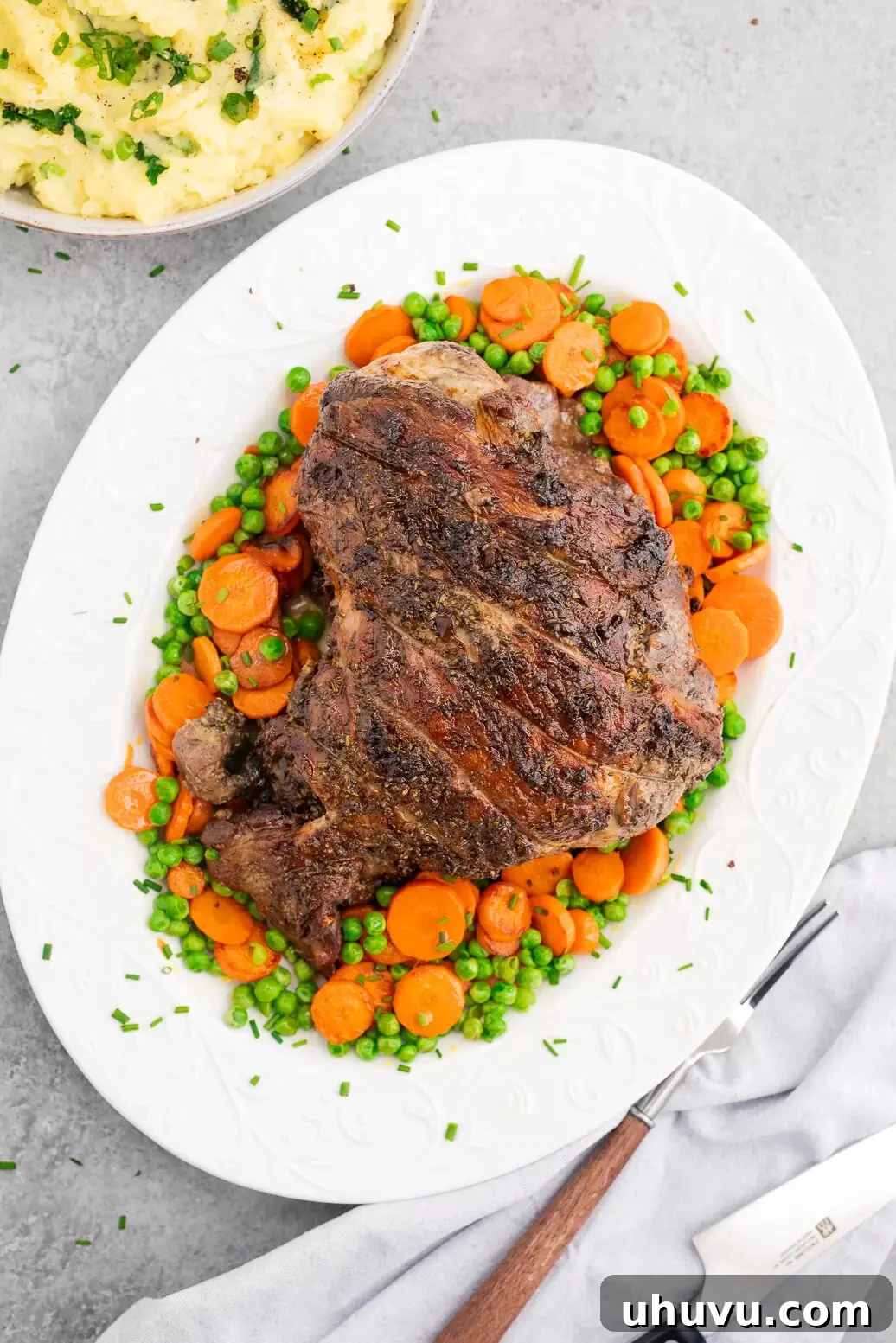
Imagine a centerpiece that exudes elegance, a dish that’s both deeply flavorful and surprisingly simple to prepare. This herb roasted leg of lamb recipe promises just that: a consistently tender and juicy roast, adorned with a fragrant garlic, rosemary, and thyme rub. Our method, starting with a quick high-heat sear followed by a gentle lower-temperature finish, guarantees an irresistible crispy crust and perfectly succulent lamb within—an ideal choice for Easter feasts, holiday gatherings, or any occasion deserving of a truly impressive meal.
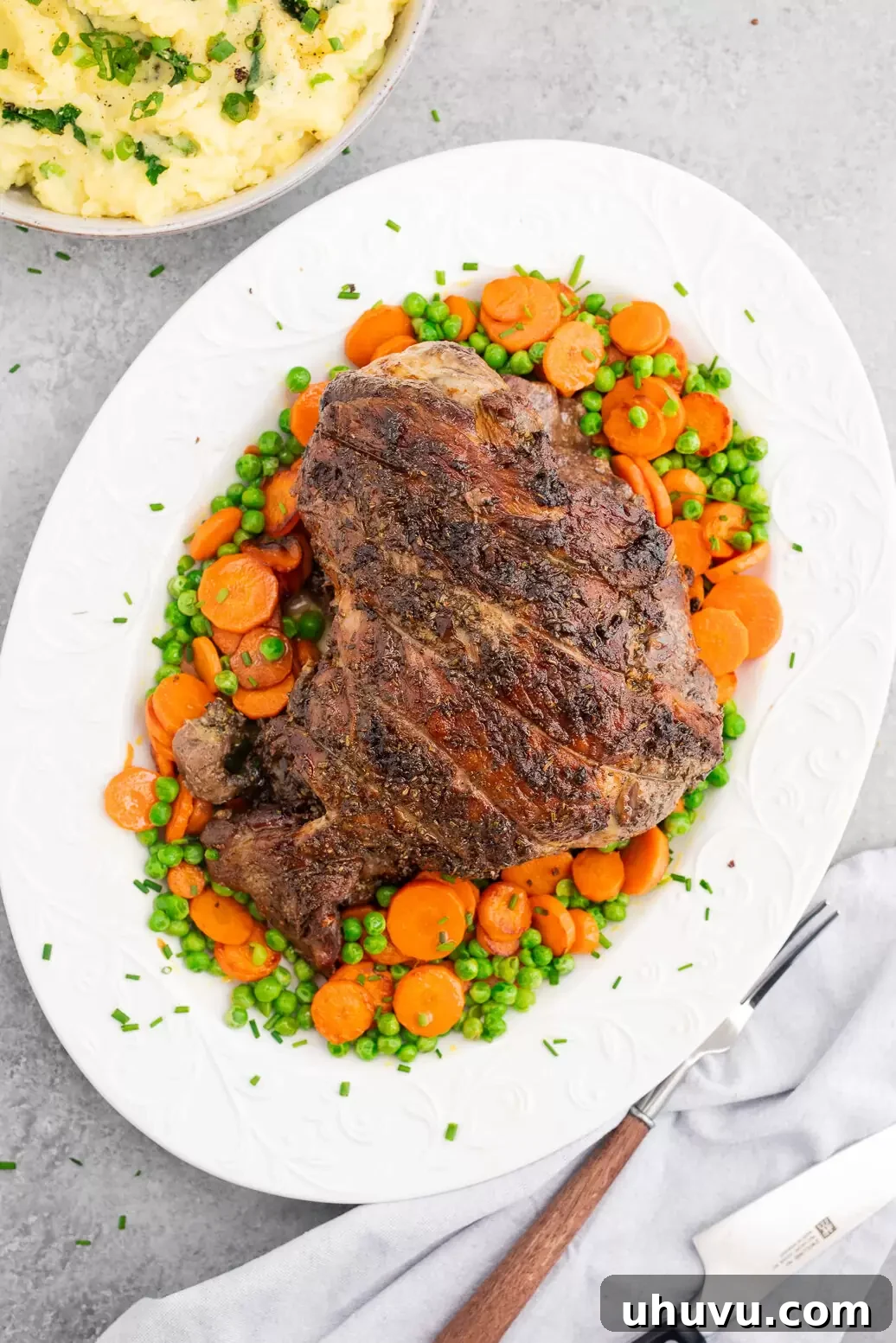
My Go-To Herb Roasted Leg of Lamb Recipe: Effortless Elegance for Any Occasion
If the thought of cooking lamb has ever seemed daunting, prepare to have your perceptions transformed. This recipe simplifies the process, making it accessible for even novice cooks, while consistently delivering results that taste like they came from a gourmet kitchen.
Over countless culinary experiments, I’ve explored various lamb preparation methods—from prolonged slow roasting to extensive overnight marinating, and everything in between. My journey has revealed a fundamental truth: lamb’s inherent rich flavor is best celebrated, not overshadowed. It truly shines when paired with classic, complementary ingredients like fresh rosemary and thyme, generous amounts of aromatic garlic, and high-quality olive oil. These simple elements enhance the lamb’s natural deliciousness without complicating the process.
The roasting technique employed here is key to its success: beginning the lamb at a higher oven temperature to develop a beautiful, browned crust, then reducing the heat to gently finish cooking the interior. This two-stage approach locks in moisture, ensuring every slice is incredibly tender and bursting with flavor.
While a perfectly roasted leg of lamb might appear to be a dish reserved for grand occasions, its preparation is surprisingly straightforward and entirely achievable in your home kitchen. For those tackling lamb for the very first time, have no fear—I will meticulously guide you through my proven simple technique and invaluable tips. By following these steps, you’ll gain the confidence to prepare this family-favorite roast lamb recipe with ease, delighting everyone at your table.
Selecting the Perfect Lamb Leg: Boneless vs. Bone-In
Choosing between a boneless and bone-in leg of lamb is a common consideration, each offering distinct advantages. For this specific herb roasted leg of lamb recipe, I lean towards boneless for its consistent cooking and ease of carving, but it’s helpful to understand the differences.
Boneless Leg of Lamb
- Easier to Slice and Serve: Without a bone, carving becomes a breeze, yielding uniform slices perfect for presentation.
- More Even Cooking: When properly tied with kitchen twine, a boneless roast maintains a consistent shape, promoting even heat distribution and cooking.
- Great for Beginner Cooks: The simplified carving and predictable cooking make it an excellent choice for those new to roasting lamb.
Bone-In Leg of Lamb
- Slightly Richer Flavor: The bone imparts additional flavor and moisture to the meat during roasting, resulting in a deeper, more robust taste.
- Longer Cooking Time: The bone acts as an insulator, requiring a longer cooking duration compared to its boneless counterpart.
- More Difficult to Carve: Navigating around the bone can be challenging, often requiring more skill and resulting in less uniform slices.
Ultimately, for this tender and juicy herb roasted leg of lamb recipe, a boneless leg of lamb is my preferred choice. Its ability to roast evenly and slice cleanly into neat servings contributes to a more stress-free cooking experience and a beautifully presented final dish.
Ingredients Notes: The Essence of Flavor for Your Lamb Roast
This herb roasted leg of lamb recipe relies on a carefully selected blend of simple ingredients designed to enhance the lamb’s natural flavors, not overpower them. A few fresh herbs and common pantry staples are all you need to create a truly memorable roast.
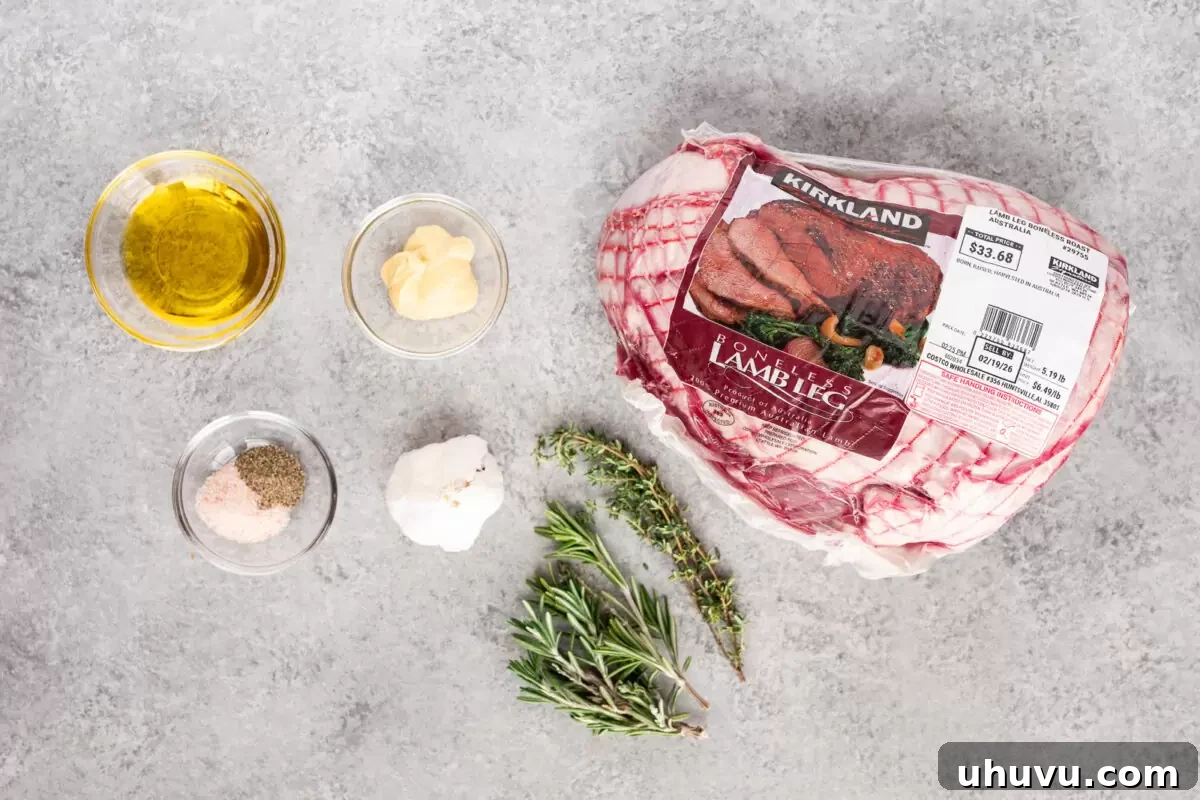
- Boneless Leg of Lamb: As discussed, a boneless roast cooks more evenly and is significantly easier to carve. Tying it with kitchen twine is crucial to help it maintain a uniform shape throughout the roasting process, ensuring consistent doneness.
- The Herb Garlic Rub: This simple yet powerful paste is the heart of our flavor. It consists of:
- Garlic: Freshly minced garlic provides a pungent, aromatic foundation that deeply infuses the lamb with robust flavor.
- Olive Oil: Acts as a binder for the rub, helping it spread evenly over the lamb and promoting a beautiful browning and crispy crust.
- Dijon Mustard: A secret weapon! Dijon adds a subtle tang and a slight acidity that cuts through the richness of the lamb. Crucially, it also acts as an emulsifier, helping the herb mixture adhere perfectly to the meat.
- Rosemary + Thyme: These two fresh herbs are classic companions to lamb. Their woody, fragrant notes complement the rich, earthy taste of the meat flawlessly, creating that iconic roasted lamb aroma and taste.
- Salt and Black Pepper: Essential for seasoning, bringing out all the other flavors and ensuring the lamb is perfectly seasoned throughout.
How to Make Herb Roasted Leg of Lamb: A Step-by-Step Guide
Creating this flavorful and tender herb roasted leg of lamb is a surprisingly straightforward process. I’m sharing the precise steps and techniques I use to guarantee your lamb turns out succulent, juicy, and packed with flavor every single time.
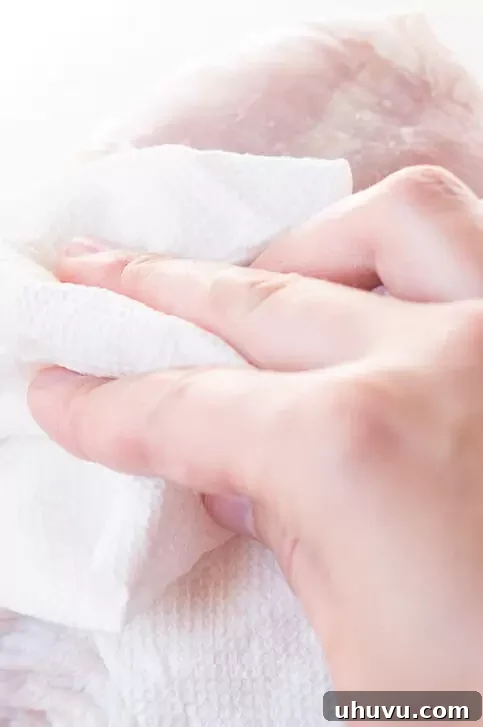
Step 1. Preheat the Oven & Prep the Lamb
Begin by preheating your oven to a robust 475°F (245°C). While the oven heats, thoroughly pat the leg of lamb dry with paper towels. This crucial step removes surface moisture, which is essential for achieving a superior, beautifully browned crust during roasting.
Step 2. Create the Aromatic Garlic Herb Rub
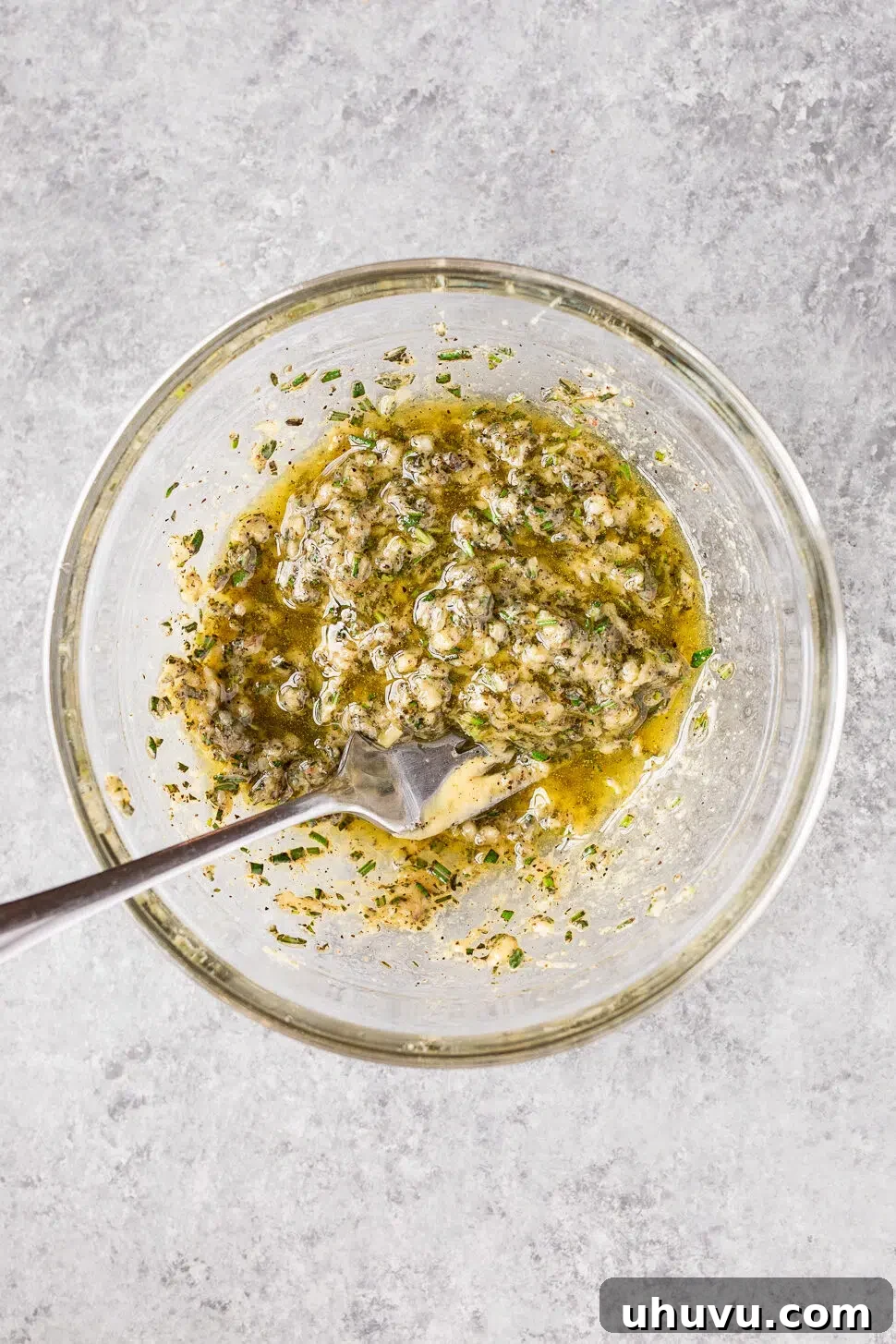
In a small bowl, combine the minced garlic, olive oil, Dijon mustard, finely chopped fresh rosemary, fresh thyme, salt, and freshly ground black pepper. Stir these ingredients thoroughly until they form a thick, cohesive herb paste. This vibrant rub will be the foundation of your lamb’s incredible flavor.
Step 3. Generously Coat the Lamb
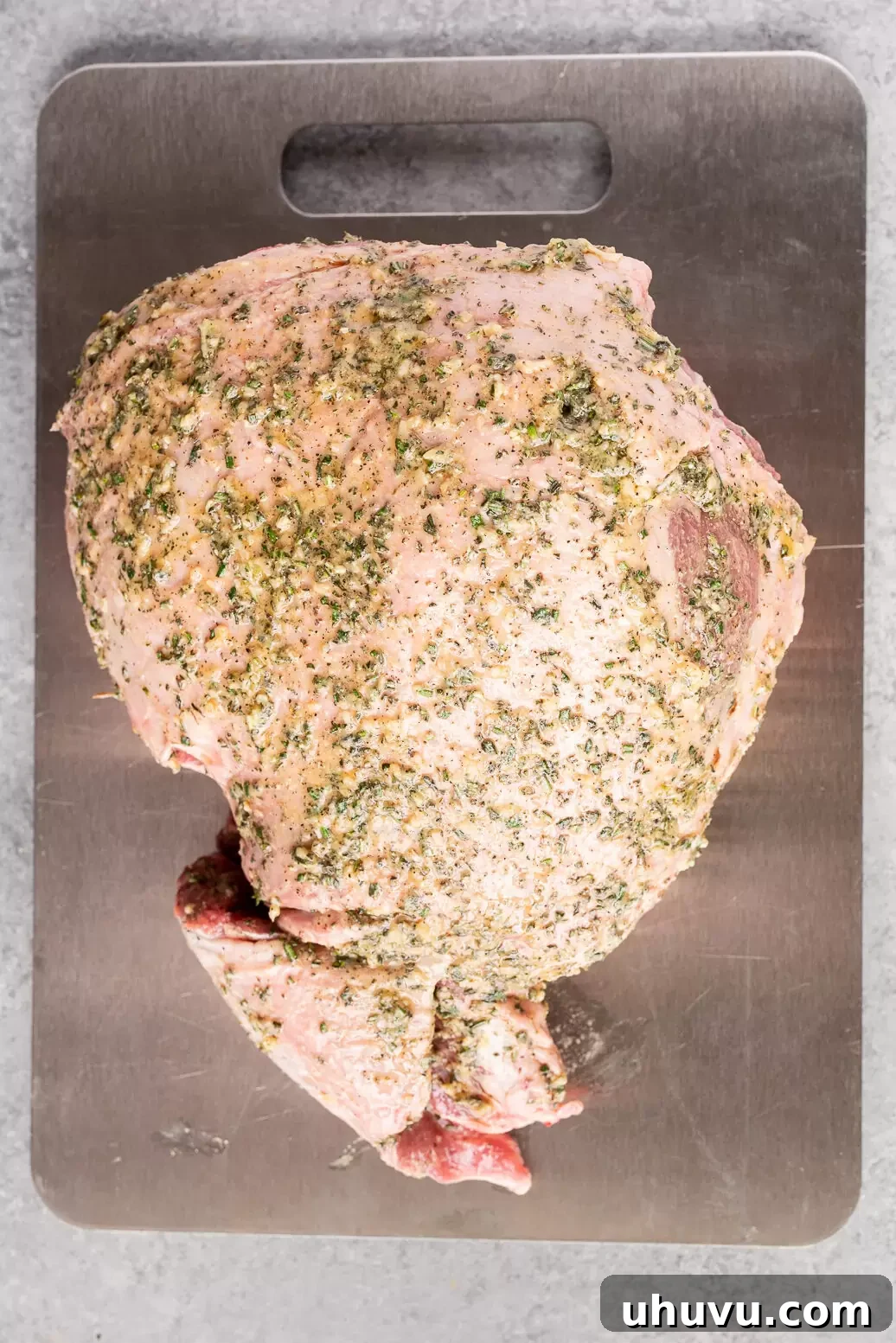
Take the aromatic herb mixture and generously rub it over the entire leg of lamb, ensuring all sides are thoroughly coated. Gently press the herbs into the meat, allowing them to adhere well. This ensures a rich, flavorful crust develops during the roasting process.
Step 4. Truss the Lamb for Even Cooking
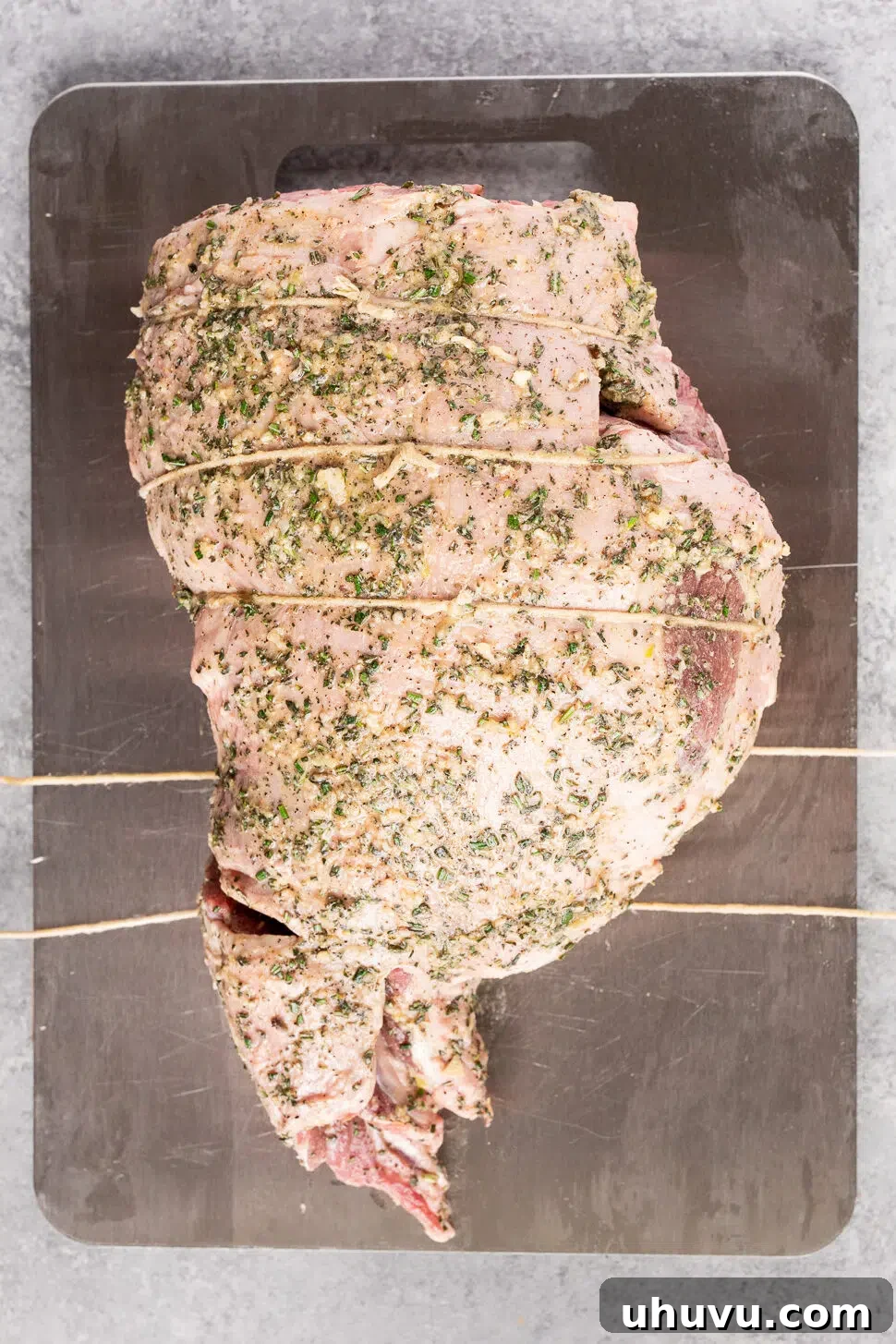
If your lamb leg is not already tied, truss it with kitchen twine. Lay several pieces of twine on a cutting board, spaced a few inches apart. Place the herb-coated lamb on top, then tie each piece snugly around the roast. This essential step helps the lamb maintain a uniform shape, promoting even cooking and resulting in beautifully neat slices.
Step 5. Roast to Perfection
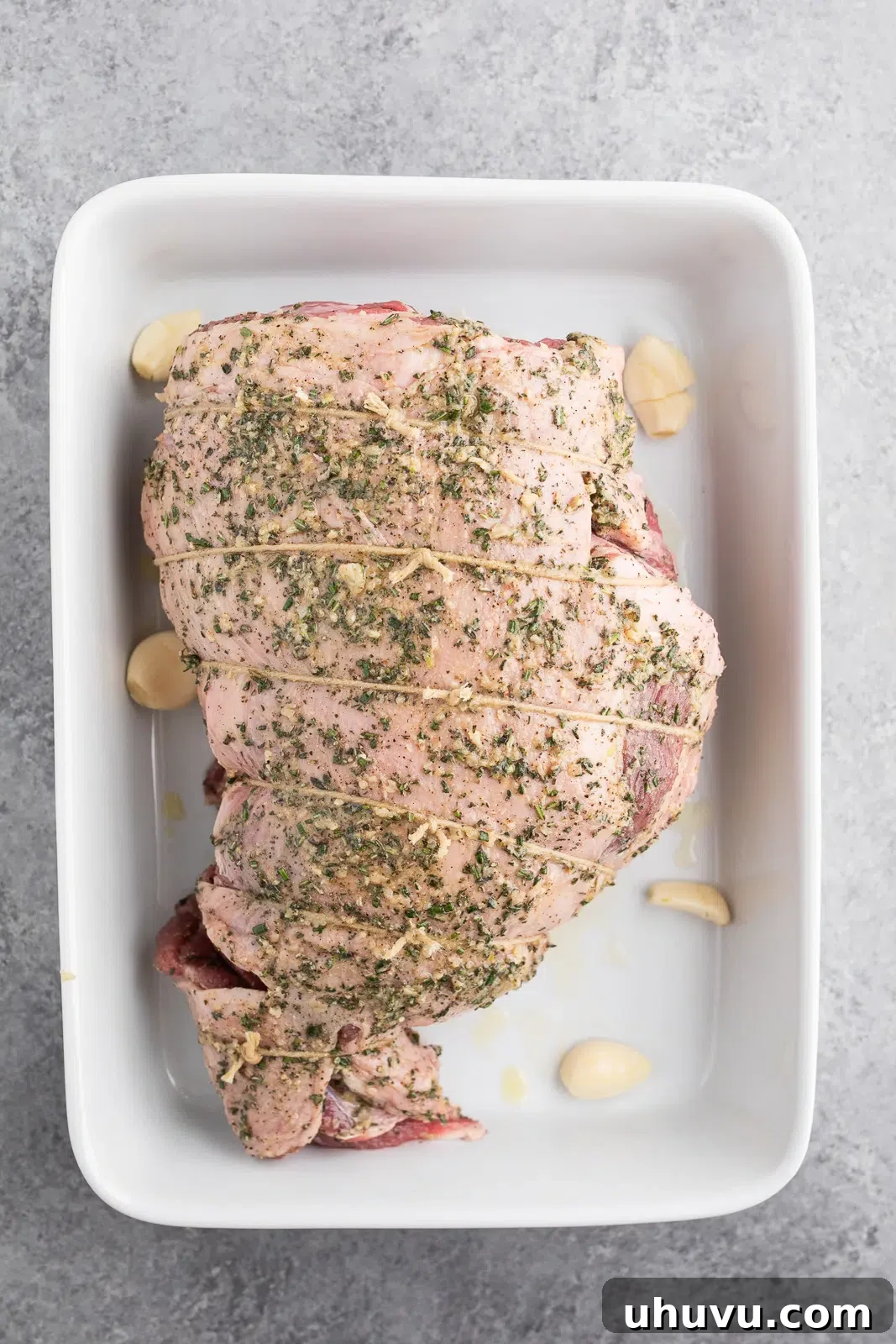
Place the prepared lamb in a roasting pan. Begin roasting at the high temperature of 475°F (245°C) for 10 minutes. This initial burst of high heat is vital for developing that desired flavorful crust. After 10 minutes, reduce the oven temperature to 375°F (190°C) and continue roasting for approximately 70 minutes, or until the lamb reaches your preferred level of doneness. Use a reliable meat thermometer to guide you:
- Medium: 145–150°F (63-66°C)
- Well Done: approximately 160°F (71°C)
Tip: For the most accurate results and consistently tender lamb, always use an instant-read meat thermometer to check the internal temperature.
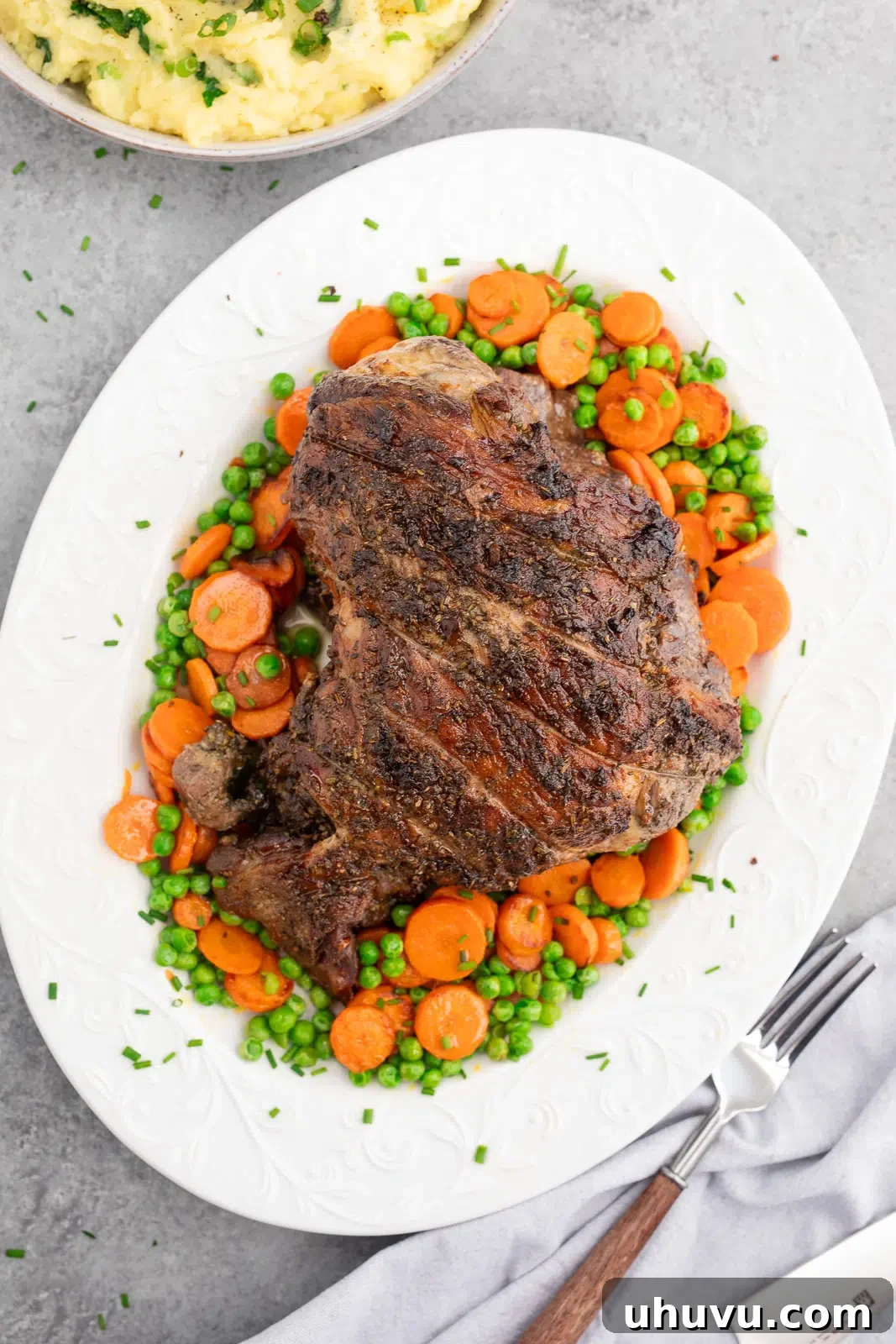
Step 6. Rest, Slice, and Serve
Once the lamb reaches its desired internal temperature, carefully remove it from the oven. Tent it loosely with foil and allow it to rest for a minimum of 10 minutes before slicing. This resting period is critical; it allows the muscle fibers to relax and the internal juices to redistribute throughout the meat, ensuring every slice remains incredibly tender and juicy. After resting, remove the twine, slice against the grain, and serve immediately, perhaps with a drizzle of the flavorful pan juices.
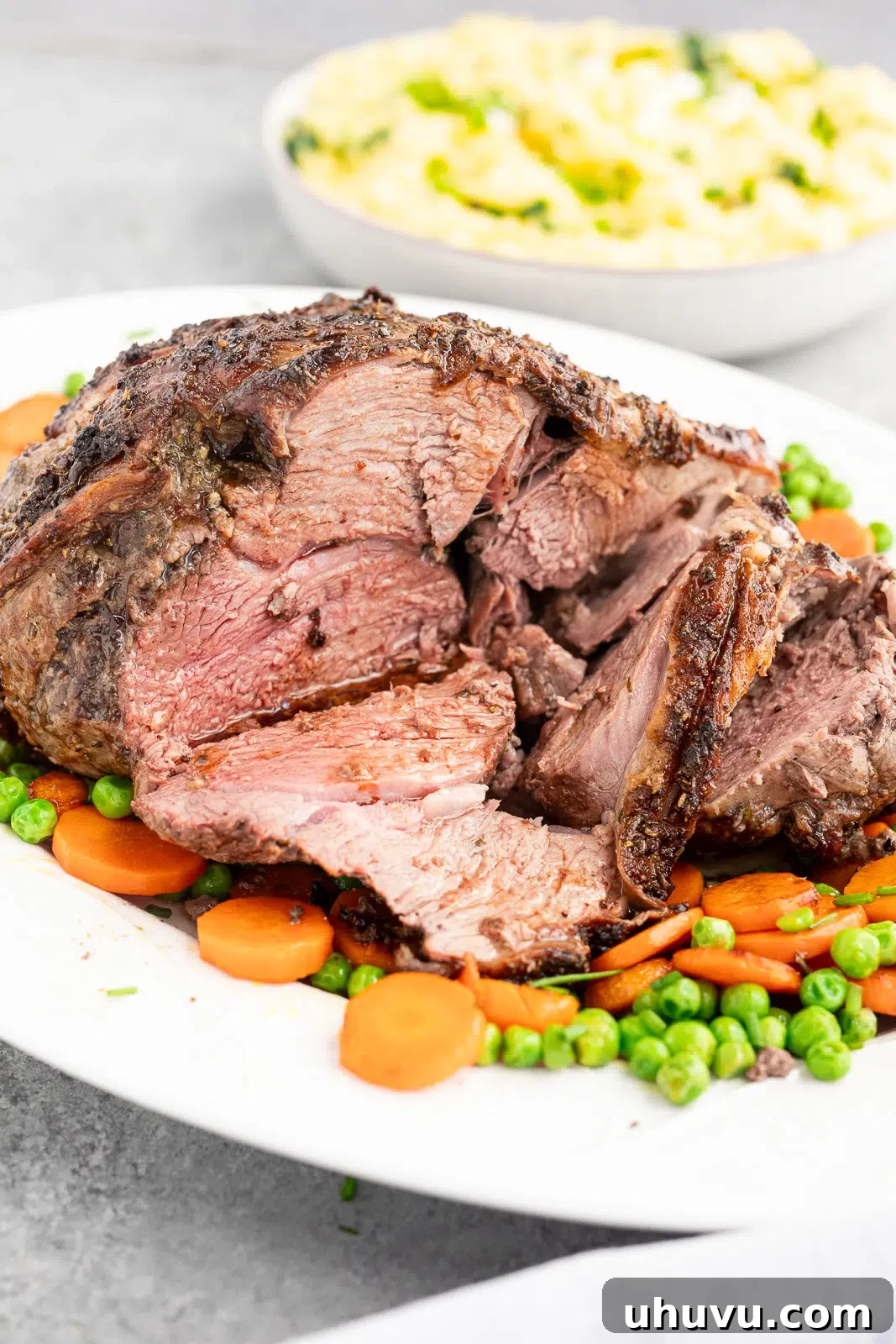
EXPERT TIPS FOR LAMB ROAST SUCCESS
Top Tips for Perfect Roasted Leg of Lamb Every Time
After years of perfecting this herb roasted lamb recipe, I’ve gathered these indispensable tips that consistently make the most significant difference in achieving a truly exceptional roast:
- Embrace the Meat Thermometer: This is your best friend in the kitchen. The only reliable way to know when your roasted leg of lamb is perfectly done is by checking its internal temperature with an instant-read thermometer. I typically aim for an internal temperature of 140–150°F (60-66°C) for a beautiful medium doneness.
- The Power of High-Heat Searing: Don’t skip the initial high-heat roast at 475°F (245°C) for the first 10 minutes. This critical step creates a wonderfully browned crust and significantly deepens the flavor profile of the lamb. My tests showed that roasting entirely at a lower temperature simply doesn’t yield the same rich depth of flavor or appealing color.
- Pat Your Lamb Dry, Thoroughly: Surface moisture is the enemy of browning. Ensuring the lamb is completely dry before applying the rub helps the seasoning adhere better and allows the meat to caramelize properly, forming that delicious crust.
- Fresh Herbs Make a Difference: While dried herbs can be used in a pinch (use about one-third the amount), fresh rosemary and thyme truly elevate the flavor of this herb roasted leg of lamb. Their vibrant, aromatic oils infuse the meat with an unparalleled freshness.
- Trussing is Not Optional (for boneless): Tying the lamb with kitchen twine isn’t just for aesthetics. It ensures the roast cooks more evenly by compacting any loose areas and helps it maintain a neat, cylindrical shape, which is invaluable for clean slicing.
- Know When to Tent with Foil: If you notice the lamb browning too rapidly on the exterior before it reaches the desired internal temperature, loosely tenting it with aluminum foil will prevent over-browning while allowing the inside to finish cooking.
- The Golden Rule: Let It Rest: Patience is a virtue when it comes to roasted meats. Allowing the lamb to rest for at least 10 minutes after removing it from the oven is non-negotiable. This allows the juices, which have been forced to the center during cooking, to redistribute throughout the entire roast, resulting in incredibly tender and juicy meat.
- Slice Against the Grain: For maximum tenderness, always slice the lamb against the grain of the meat fibers. This shortens those fibers, making each bite more tender and enjoyable.
- Utilize Those Flavorful Pan Juices: Don’t let the delicious drippings go to waste! Spoon the concentrated pan juices over your sliced lamb before serving for an extra layer of flavor and to keep the meat moist.
How Long to Roast Leg of Lamb: Your Quick Guide to Doneness
Understanding roasting times is key to perfectly cooked lamb. In my experience, the exact duration can vary based on factors like the lamb’s precise size and thickness, as well as your preferred level of doneness. For this succulent roasted leg of lamb recipe, I employ a highly effective two-stage roasting process: starting with 475°F (245°C) for 10 minutes to create that gorgeous, flavorful crust, then reducing the oven temperature to a gentler 375°F (190°C) to finish cooking evenly.
After that initial high-heat sear, a general guideline is to plan for approximately 15–18 minutes per pound until the lamb reaches the correct internal temperature. For example, a typical 5-pound boneless leg of lamb usually requires about 60–75 minutes of total roasting time in my oven, depending on its specific shape and thickness. I personally prefer cooking lamb to a medium doneness, which ensures it remains wonderfully tender, juicy, and beautifully pink in the center.
Here’s a detailed internal temperature guide to help you achieve your desired doneness when roasting a boneless leg of lamb:
| Doneness | Internal Temperature | Approx. Time at 375°F (190°C) |
|---|---|---|
| Medium-Rare | 135–140°F (57-60°C) | 50–65 minutes |
| Medium | 140–150°F (60-66°C) | 60–75 minutes |
| Medium-Well | 150–155°F (66-68°C) | 70–85 minutes |
| Well Done | 160°F (71°C) | 80–95 minutes |
It’s crucial to remember that while time estimates are helpful, I always, always rely on an instant-read meat thermometer rather than time alone. Ovens can vary significantly, and checking the internal temperature is the only foolproof way to guarantee your lamb turns out perfectly tender and juicy, avoiding the disappointment of an overcooked roast.
If you enjoyed this recipe or any other recipe on my blog, please leave a ⭐ star rating and let me know how it went in the 📝 comments below.
Pin this now to find it later
Pin It
Roasted Leg of Lamb Recipe Card
☝ Scroll down to the comments section to rate this recipe
Roasted Leg of Lamb
By: Neli Howard
This herb roasted leg of lamb is seasoned with garlic, rosemary, and thyme and roasted until tender and juicy—perfect for Easter or holiday dinners.
Prep Time: 15 minutes
Cook Time: 1 hour
Total Time: 1 hour 15 minutes
Servings: 8
Print Recipe
Ingredients
- 1 boneless leg of lamb, about 5 lbs (2.25 kg)
- 3 cloves garlic, minced
- 3 tablespoons olive oil
- 1 tablespoon Dijon mustard
- 1 tablespoon finely chopped fresh rosemary
- 1 tablespoon finely chopped fresh thyme
- 1 tablespoon salt
- 1 teaspoon ground black pepper
Instructions
- Preheat and prepare the lamb: Preheat your oven to 475°F (245°C). Pat the leg of lamb dry with paper towels and place it in a roasting pan or baking dish.
- Make the herb mixture: In a small bowl, combine the garlic, olive oil, Dijon mustard, rosemary, thyme, salt, and black pepper. Stir until well mixed to form a paste.
- Season the lamb: Rub the herb mixture evenly over the entire leg of lamb, coating all sides thoroughly.
- Truss the lamb: Lay 4–5 pieces of kitchen twine on a cutting board, spaced a few inches apart. Place the seasoned lamb on top of the twine, then tie each piece snugly around the lamb. This helps the meat hold its shape and cook more evenly.
- Roast the lamb: Place the lamb in the oven and roast at 475°F (245°C) for 10 minutes to develop a nice crust. Then reduce the oven temperature to 375°F (190°C) and continue roasting for about 70 minutes or until the lamb reaches your desired doneness: Medium: 145–150°F (63-66°C) internal temperature, Well Done: about 160°F (71°C). (Roasting usually takes 50–90 minutes total, depending on the exact size and preferred doneness.)
- Rest and serve: Remove the lamb from the oven and let it rest for 10 minutes before slicing. Transfer to a serving platter, cut the twine, and serve with your favorite side dishes like sautéed carrots and peas.
Notes
- Let the lamb sit at room temperature for 45–60 minutes before roasting so it cooks more evenly.
- Use an instant-read thermometer to check doneness, inserting it into the thickest part of the lamb. I usually remove the lamb at 140–150°F (60-66°C) for medium doneness.
- Roast at 475°F (245°C) for 10 minutes, then reduce the oven to 375°F (190°C) and cook about 15–18 minutes per pound.
- Tent loosely with foil if the lamb starts browning too quickly before it reaches the correct internal temperature.
Internal Temperature Guide for Roasted Leg of Lamb
| Doneness | Internal Temperature |
|---|---|
| Medium-Rare | 135–140°F (57-60°C) |
| Medium | 140–150°F (60-66°C) |
| Medium-Well | 150–155°F (66-68°C) |
| Well Done | 160°F (71°C) |
Tip: Remove the lamb from the oven about 5°F (3°C) before your target temperature, as it will continue cooking slightly while resting (this is called carryover cooking).
Nutrition
Nutrition Disclaimer: Nutritional values are estimates and may vary with ingredients, brands, and portion sizes. For accuracy, use your preferred nutrition calculator.
- Calories: 280 kcal
- Carbohydrates: 1g
- Protein: 37g
- Fat: 13g
- Saturated Fat: 4g
- Polyunsaturated Fat: 1g
- Monounsaturated Fat: 7g
- Cholesterol: 114mg
- Sodium: 1004mg
- Potassium: 534mg
- Fiber: 0.3g
- Sugar: 0.04g
- Vitamin A: 52 IU
- Vitamin C: 2mg
- Calcium: 20mg
- Iron: 4mg
Like this recipe? Rate and comment below!
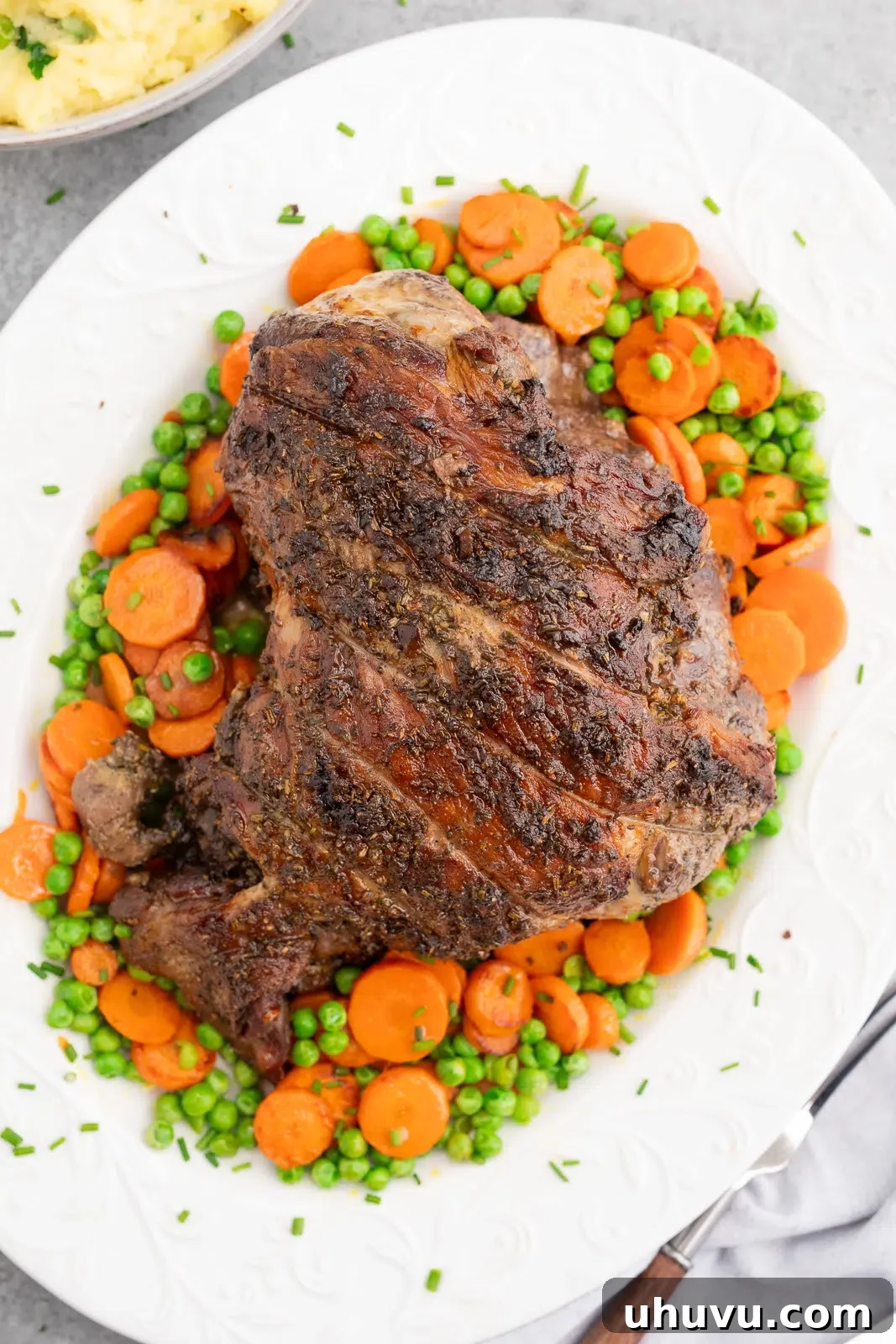
Serving Suggestions for Your Herb Roasted Lamb Roast
One of the many reasons I adore this herb roasted leg of lamb recipe is its incredible versatility when it comes to side dishes. Its robust yet balanced flavor profile pairs beautifully with a wide array of accompaniments, allowing you to tailor your meal to any occasion or preference.
Some of my absolute favorite combinations include:
- Potatoes: Whether it’s crispy roasted garlic potatoes, creamy classic mashed potatoes, or elegant scalloped potatoes, potatoes are a quintessential pairing that absorb the lamb’s rich juices.
- Fresh Green Vegetables: Complement the richness of the lamb with vibrant greens. Try sautéed peas and carrots, crisp roasted asparagus, classic sautéed green beans, or sophisticated green beans Almondine.
- Grains and Salads: For a lighter touch, lemon herb couscous offers a refreshing contrast. A simple Mediterranean salad with fresh ingredients and a zesty vinaigrette provides a welcome counterpoint to the lamb’s richness.
- Flavorful Sauces: Elevate your lamb with a complementary sauce. A bright, fresh herb sauce like basil pesto or a zesty chimichurri can cut through the richness and add an extra layer of complexity. Alternatively, a cool and creamy tzatziki sauce provides a delightful tangy balance that is simply perfect with roasted lamb.
For special occasions and holidays, I often serve this roast with a medley of these options, ensuring there’s something to please every palate and create a truly memorable dining experience.
Storing and Reheating Your Roasted Lamb
Leftover roasted leg of lamb is a treat, and proper storage and reheating ensure it remains delicious and tender for future enjoyment.
- Refrigerator: Store any leftover roasted lamb slices in an airtight container in the refrigerator for up to 3–4 days. This prevents drying out and maintains freshness.
- Freezer: For longer storage, sliced lamb freezes exceptionally well. Wrap individual slices or smaller portions tightly in plastic wrap, then place them in a freezer-safe bag or container. It can be stored in the freezer for up to 3 months without significant loss of quality. Label with the date to keep track.
- Reheating Tip: To gently reheat roasted lamb without drying it out, I recommend using a skillet over medium-low heat with a splash of broth, water, or even a little leftover pan juice. Cover the skillet and heat just until warmed through. You can also reheat it in a low oven (around 250-275°F or 120-135°C), again, covered with foil and with a little liquid, until it’s just warm to the touch. Avoid high heat or prolonged reheating, as this can make the lamb tough.