
Epazote: Unlocking the Authentic Flavors of Mexican Cuisine
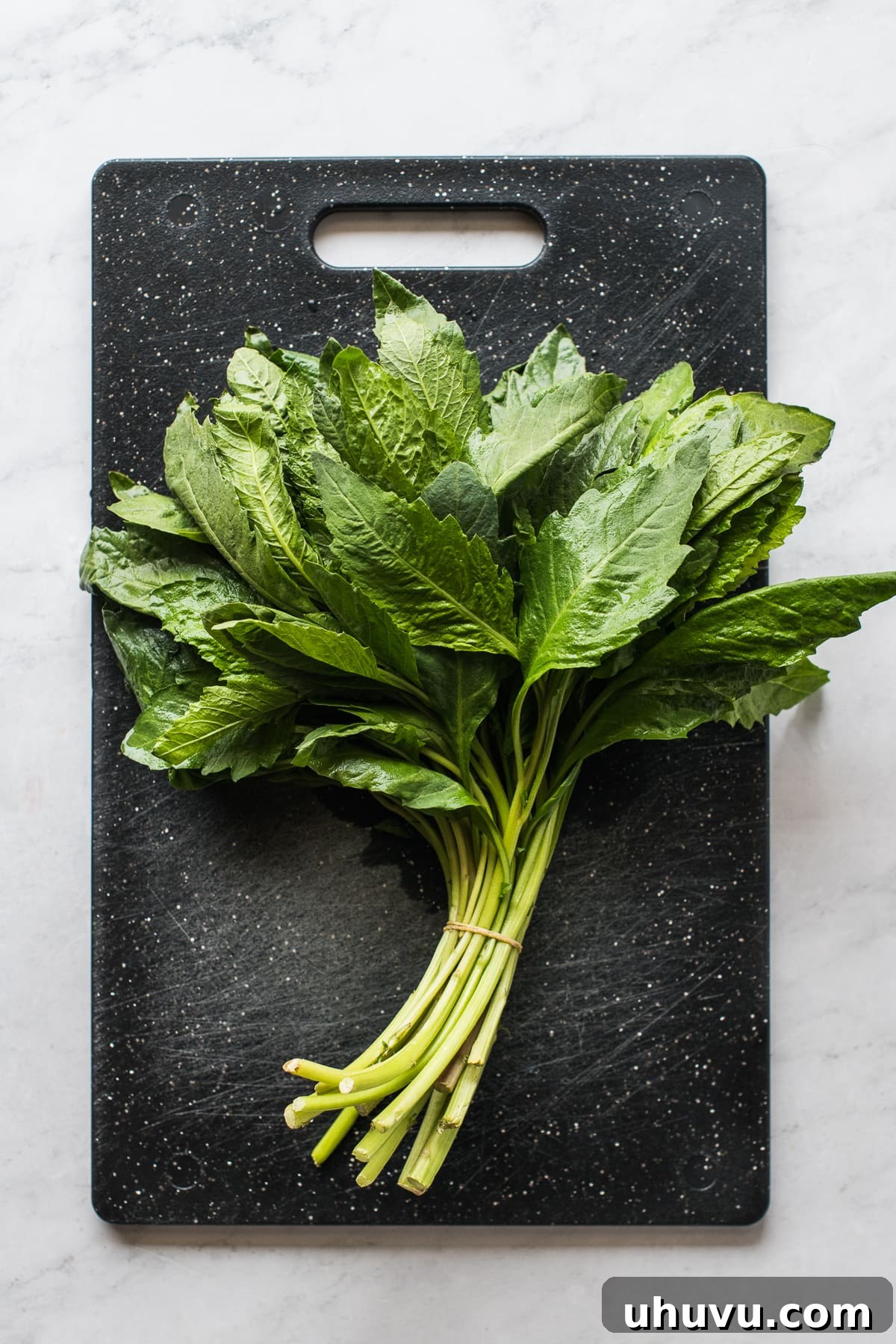
Epazote, an aromatic herb deeply rooted in Mexican culinary traditions, is much more than just a seasoning. Known for its distinct, pungent aroma and unique flavor profile, this leafy green is an indispensable ingredient in a vast array of authentic Mexican dishes. From comforting bean stews to savory tamales and vibrant soups, epazote adds an unmistakable layer of freshness and complexity, transforming everyday meals into culinary masterpieces. Dive into the world of epazote and discover why this versatile herb is a secret weapon for home cooks and professional chefs alike, offering both exquisite taste and surprising health benefits.
What Exactly is Epazote?
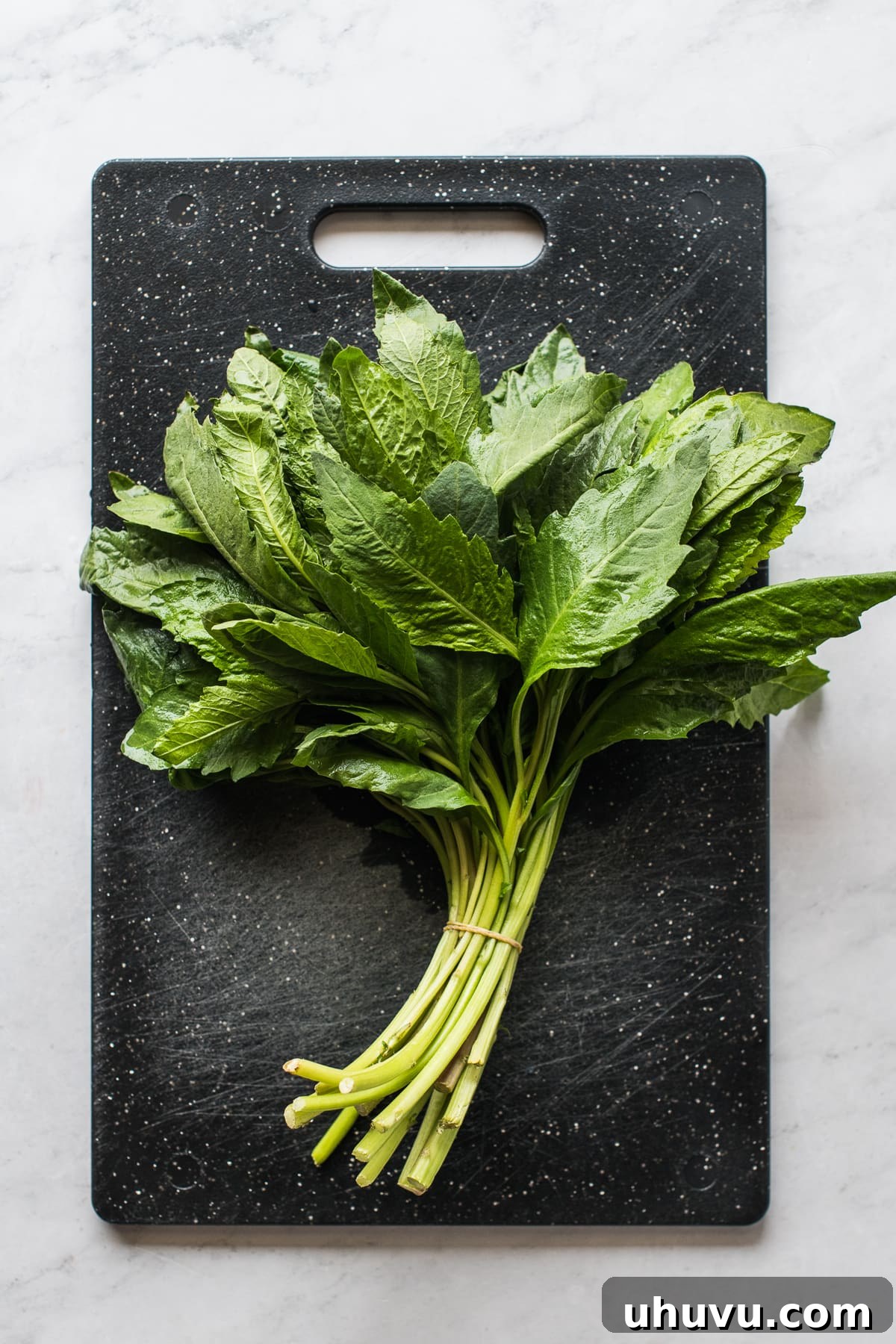
Epazote (pronounced eh-pah-ZOH-teh), scientifically known as Dysphania ambrosioides (formerly Chenopodium ambrosioides), is a robust, leafy herb native to Central and South America. It thrives in warm climates and has been a staple in Mexican cooking for centuries, particularly in the central and southern regions of Mexico where its flavor is deeply cherished. Its name itself offers a clue to its distinctive character, originating from the Nahuatl language, a combination of Aztec words that roughly translate to “skunk sweat,” referring to its potent and often polarizing aroma before cooking. Despite its initial intensity, epazote is celebrated for the depth it brings to traditional dishes, proving that its unique qualities are integral to its culinary appeal.
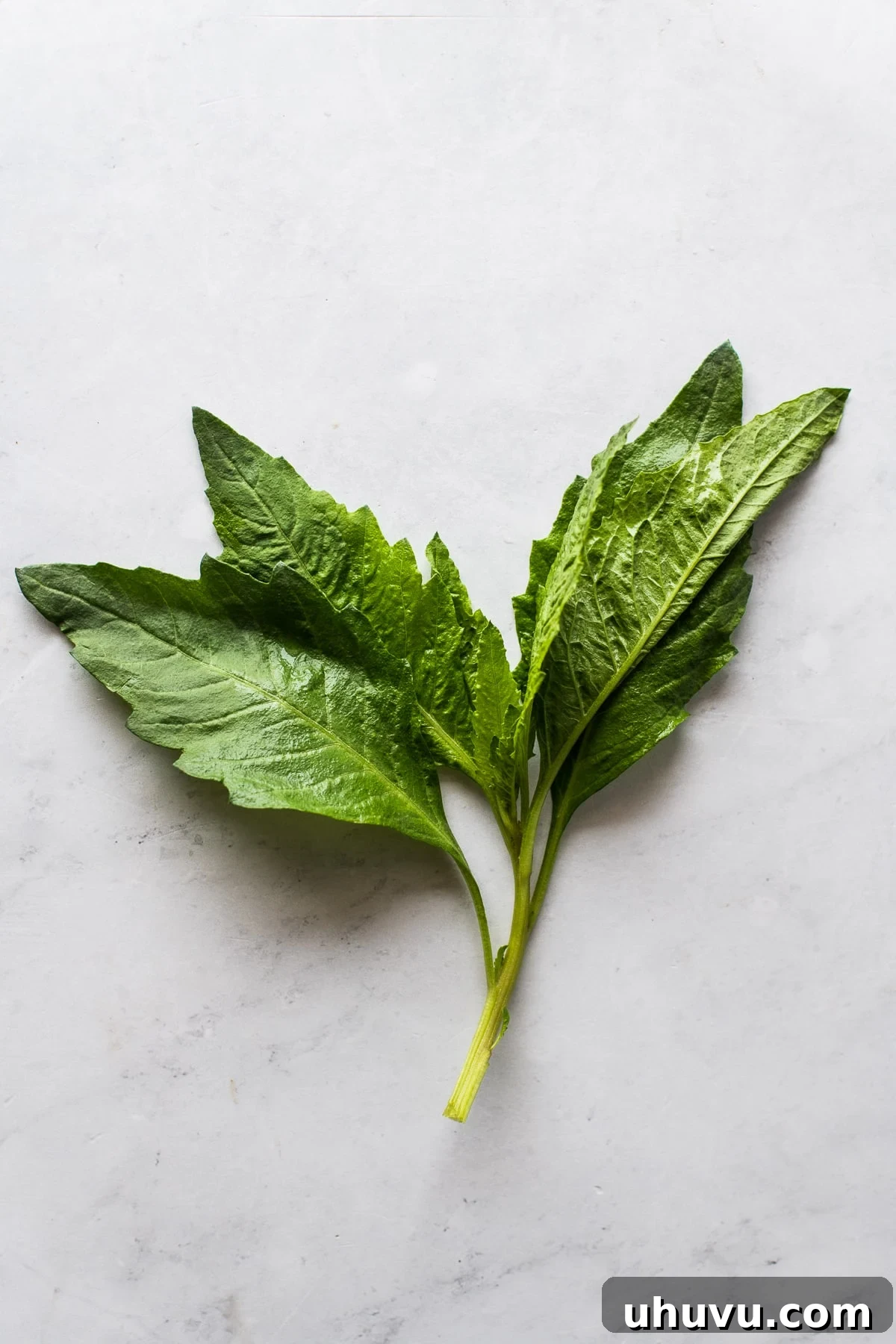
This tall, bushy plant typically features long, slender leaves with jagged edges and a vibrant green hue. It grows wild in many parts of Mexico and Latin America, often considered a weed in some areas due to its prolific growth. However, its value in the kitchen far outweighs any perceived nuisance. Unlike more delicate herbs, epazote boasts a sturdy texture that holds up well during cooking, slowly releasing its complex flavors as it simmers. Its historical use dates back to ancient Mesoamerican civilizations, where it was not only appreciated for its culinary contributions but also revered for its significant medicinal properties, especially as a digestive aid and antiparasitic.
The Distinctive Flavor Profile of Epazote
When you first encounter epazote, either fresh or dried, its aroma can be quite striking. Raw, it presents a very distinct and complex bouquet, often described with notes of anise, mint, camphor, eucalyptus, and even a hint of petroleum or turpentine. This strong, somewhat medicinal scent can be off-putting to some, leading to its “skunky” moniker. However, it is crucial not to judge this herb solely by its raw fragrance. The true magic of epazote unfolds when it is cooked, undergoing a remarkable transformation that mellows its sharper edges and unveils a delicate, fresh, and deeply earthy flavor.
Once incorporated into a simmering pot of beans, a hearty stew, or a fragrant soup, the pungent initial aroma softens dramatically. It develops a sophisticated flavor that is subtly herbaceous, with undertones of citrus, pepper, and oregano, complemented by a unique earthiness. This cooked flavor is difficult to replicate with other herbs, as it possesses a particular savory depth that enhances and harmonizes with other ingredients without overpowering them. Epazote’s ability to cut through the richness of heavy dishes and add a bright, fresh finish is what makes it an irreplaceable component in many authentic Mexican recipes, providing a taste that is both ancient and invigorating.
Culinary Applications: Cooking with Epazote
Epazote is a cornerstone of Mexican gastronomy, primarily valued for its role in adding a delicate, fresh layer of flavor and aroma to dishes. Traditionally, it is added towards the end of the cooking process to preserve its vibrant notes, though it can also be simmered longer for a more integrated, earthy essence. Its versatility shines in a wide range of recipes, elevating simple ingredients to new heights of flavor. It’s truly a finishing touch that defines authenticity in countless Mexican kitchens.
- Bean Dishes: Epazote is famously paired with beans, particularly black and pinto beans. It not only imparts an incredible depth of flavor but also serves a practical purpose by helping to mitigate the gas and bloating often associated with bean consumption. This makes it a digestive ally as much as a flavor enhancer. Discover its magic in Instant Pot Black Beans and Instant Pot Pinto Beans.
- Soups and Stews: From rich broths to hearty stews, epazote contributes a unique herbal backbone. It’s an essential ingredient in many traditional Mexican soups, such as the vibrant Chicken Pozole Verde, where its freshness balances the robust flavors of the meat and chilies.
- Tamales and Quesadillas: Small amounts of chopped epazote leaves are frequently folded into the masa for tamales or sprinkled over cheese in quesadillas, especially those filled with squash blossoms or mushrooms, adding an unexpected burst of flavor that distinguishes these regional specialties. Try it in savory Chicken Tamales.
- Seafood Dishes: In certain coastal regions, epazote is used with fish and seafood, particularly in broths or marinades, where its peppery-citrus notes complement the delicate flavors of the ocean.
- Other Specialties: Beyond these, epazote finds its way into various regional specialties, including certain mole sauces, scrambled eggs, and even traditional corn-based dishes, always lending its signature character.
When cooking with epazote, a little often goes a long way. For fresh leaves, a sprig or two is usually sufficient for a pot of beans or soup. If using dried epazote, remember that its flavor is more concentrated, so use about half the amount you would of fresh, or even less, and adjust to your taste. Always taste as you go to achieve the perfect balance of this distinct and potent herb.
Beyond the Kitchen: Medicinal Benefits of Epazote
While celebrated for its culinary prowess, epazote also holds a significant place in traditional medicine, particularly for its digestive benefits. For centuries, indigenous cultures across Mesoamerica have recognized and utilized its therapeutic properties, passing down knowledge of its healing potential through generations. It’s not just a flavorful addition to your meal; it’s also a powerful natural remedy, especially when paired with ingredients like beans.
A Natural Digestive Aid
One of epazote’s most well-known medicinal uses is its role as a carminative, meaning it helps to reduce gas and bloating. This is precisely why it’s so frequently added to bean dishes. By easing digestive discomfort, epazote makes typically heavy, gas-inducing foods much more digestible and enjoyable. Its compounds are believed to help break down complex carbohydrates in beans, preventing the formation of excessive gas in the intestines. For those who find beans challenging to digest, incorporating epazote can make a noticeable difference, transforming them into a more gut-friendly meal.
Traditional Uses and Precautions
Beyond its carminative effects, epazote has been traditionally used to treat a variety of ailments. It is historically recognized as an effective anthelmintic or antiparasitic, used to expel intestinal worms. Additionally, it has been employed as an anti-inflammatory, for respiratory conditions like asthma and coughs, and even for menstrual pain. For these purposes, it is often prepared as a tea by steeping fresh or dried leaves in hot water, creating a potent infusion.
However, it is crucial to note that while epazote offers numerous traditional medicinal benefits, it should be consumed in moderation. In very large quantities, the herb contains certain compounds that can be toxic. Culinary use, typically involving a few sprigs or a small amount of dried herb in a large dish, is generally considered safe. For any medicinal application beyond typical culinary amounts, it is always recommended to consult with a healthcare professional or a qualified herbalist to ensure safe and appropriate usage.
Sourcing, Storing, and Preserving Epazote
To truly appreciate the fresh, vibrant flavor of epazote, proper sourcing and storage are key. Knowing where to find this unique herb and how to keep it fresh will ensure that you always have it on hand to elevate your Mexican cooking. Whether you’re a seasoned chef or a curious home cook, these tips will help you make the most of your epazote.
Where to Find This Unique Herb
Fresh epazote can be a bit elusive depending on your location, but it’s becoming more widely available. Your best bet for finding fresh sprigs is often in Mexican or Latin American grocery stores, specialty produce markets, or even larger, well-stocked supermarkets in areas with a significant Hispanic population. Farmer’s markets during the warmer months can also be a surprising source. Look for vibrant green leaves without wilting or yellowing, indicating freshness. If fresh epazote is not accessible in your area, don’t despair! Dried epazote is a convenient alternative and can often be found online or in the spice section of Mexican grocery stores. While its flavor is more concentrated and slightly different from fresh, it still imparts that authentic taste.
Optimal Storage Techniques for Freshness
Preserving the freshness of epazote is essential to maintaining its distinctive flavor. There are a couple of highly effective methods to store fresh epazote and prolong its shelf life:
- Damp Paper Towel Method: Gently wrap the epazote leaves in a slightly damp paper towel. Place this bundle inside a plastic bag (a resealable plastic bag works perfectly) and store it in the crisper drawer of your refrigerator. This method helps maintain humidity and prevents the leaves from drying out, keeping them fresh for up to a week.
- Glass of Water Method: Treat epazote much like you would a bunch of fresh flowers or other delicate herbs like cilantro. Trim the very ends of the stems and place the sprigs upright in a glass with about an inch of water at the bottom. You can then cover the top loosely with a plastic bag or simply place the glass directly into the refrigerator. This allows the herb to continue drawing water, staying vibrant and fresh for several days, sometimes even longer than a week.
Freezing for Longevity
For longer-term storage, freezing epazote is an excellent option. You can either chop the fresh leaves and freeze them in a single layer on a baking sheet before transferring them to an airtight freezer bag, or you can blend them with a little olive oil and freeze the mixture in ice cube trays. Once frozen, transfer the cubes to a freezer bag. Frozen epazote can retain its flavor for several months, making it readily available whenever inspiration strikes for an authentic Mexican dish. While freezing may alter the texture slightly, the flavor remains largely intact, making it perfect for cooked applications like beans, soups, and stews.
Navigating Epazote Substitutions
Epazote possesses a truly unique and complex flavor profile that makes it notoriously difficult to substitute effectively. Its blend of mint, anise, citrus, and earthy notes, coupled with its ability to reduce gas in beans, means there isn’t a single herb that can perfectly replicate its contribution to a dish. When authenticity is paramount, it’s often better to seek out true epazote or, if unavailable, consider omitting it and adjusting other seasonings rather than using an ill-suited substitute.
The Challenge of Replication
The main challenge in finding an epazote substitute lies in its dual role: both flavor enhancement and digestive aid. No other herb simultaneously offers its distinct savory-fresh taste and its carminative properties in the same measure. Attempting to replicate its flavor often requires a combination of several herbs, and even then, the result will only be an approximation, lacking the nuanced depth that epazote naturally provides. Therefore, while alternatives exist, they should be approached with the understanding that they are compromises rather than perfect matches.
Cilantro: The Closest, Yet Imperfect, Alternative
If you absolutely must use a substitute, fresh cilantro is often recommended as the “next best” option, primarily because it also provides a fresh, green, herbaceous note that is common in Mexican cuisine. However, it’s crucial to understand that cilantro’s flavor is distinctly different from epazote. Cilantro offers bright, citrusy, and peppery notes that lack the unique earthy, almost petrol-like undertones of raw epazote, and certainly doesn’t develop the same mellow, complex flavor when cooked. It also doesn’t share epazote’s carminative properties, so if you’re using it for beans, its digestive benefits won’t be replicated.
Other Creative Approaches (with caveats)
Some culinary experts suggest a combination of herbs to try and mimic epazote’s complexity, though this is truly an adventurous route:
- Mexican Oregano + Mint: A small pinch of dried Mexican oregano combined with a tiny amount of fresh mint might offer a hint of the herbaceousness and freshness, but without the anise or earthy tones.
- Fennel Seed + Oregano: For a more anise-like quality, a tiny pinch of crushed fennel seeds can be used alongside a bit of oregano. This will lean heavily on the licorice notes and will not fully capture the fresh, green aspect of epazote.
- Dill Weed: In very rare cases, some might suggest a touch of fresh dill for a slightly anisy, herbaceous freshness, but this is a significant departure from epazote’s true character.
Ultimately, the best advice when epazote is unavailable is to embrace its absence and allow the other flavors of your dish to shine, rather than forcing a substitute that might detract from the overall authenticity. If you truly crave that unmistakable epazote flavor, a dedicated search for the real thing, whether fresh or dried, will always be the most rewarding path.
Cultivating Your Own Epazote
For enthusiasts of authentic Mexican cuisine, growing epazote at home offers the ultimate solution to its availability challenges. Not only does it provide a constant supply of fresh, potent leaves, but it also allows you to enjoy the herb at its peak flavor and potency. Epazote is generally an easy plant to grow, thriving in various conditions, making it a rewarding addition to any herb garden, whether indoors or out.
Why Grow It?
The primary benefit of growing your own epazote is having direct access to fresh sprigs whenever your recipes call for them. Fresh epazote has a brighter, more nuanced flavor compared to its dried counterpart, truly bringing your dishes to life. Furthermore, growing herbs at home can be a cost-effective alternative to purchasing them, especially if you use them frequently. It also gives you complete control over the growing process, ensuring your herb is free from pesticides and chemicals, offering peace of mind along with delicious flavor.
Planting and Care Tips
Epazote can be grown from seeds or small starter plants. It prefers full sun (at least 6-8 hours a day) but can tolerate partial shade, especially in very hot climates. While it’s not particularly fussy about soil, it thrives in well-draining soil with a pH between 6.0 and 8.0. You can start seeds indoors about 4-6 weeks before the last frost date or sow them directly outdoors once the danger of frost has passed and the soil has warmed. Space plants about 12-18 inches apart, as they can grow quite bushy.
Once established, epazote is relatively low-maintenance. It requires moderate watering; allow the soil to dry out slightly between waterings to prevent root rot. It generally doesn’t need heavy fertilization. In some regions, epazote can be quite vigorous and even self-seed aggressively, so be mindful of its spread. If you live in a warm climate, consider growing it in a container to manage its growth and prevent it from taking over your garden.
Harvesting and Managing Growth
You can begin harvesting epazote leaves once the plant is well-established and has several sets of leaves, usually a few weeks after planting. Simply snip off individual leaves or small sprigs as needed. Regular harvesting encourages bushier growth and prevents the plant from going to seed too quickly. If you want to dry epazote for later use, harvest larger quantities just before the plant begins to flower, as this is when the flavor is most concentrated. Hang bunches upside down in a cool, dry, well-ventilated area until brittle, then crumble and store in an airtight container.
Frequently Asked Questions About Epazote
Is Epazote Safe to Eat?
Yes, epazote is generally safe to eat when used in culinary amounts. It has been a staple in Mexican cooking for centuries without adverse effects. However, like many potent herbs, it contains compounds that can be toxic in very large, concentrated doses. For this reason, it’s advised to use it in moderation, typically a few sprigs for a pot of beans or soup, rather than consuming excessively large quantities. Pregnant women or individuals with kidney conditions should consult a doctor before consuming epazote for medicinal purposes or in larger-than-culinary amounts.
Can You Eat Epazote Raw?
While epazote is often added at the end of cooking or allowed to simmer for a short period, it can be consumed raw, though this is less common. Its raw flavor is much more pungent and intense, with strong notes of camphor and petroleum that some find overwhelming. When used raw, it is typically in small quantities, finely chopped and sprinkled into dishes like salsas or specific types of quesadillas, where its sharp freshness provides a unique bite. However, most traditional recipes call for it to be cooked, allowing its flavor to mellow and develop.
What’s the Difference Between Fresh and Dried Epazote?
The primary difference between fresh and dried epazote lies in their flavor intensity and nuance. Fresh epazote offers a vibrant, herbaceous, and more complex flavor with a pronounced freshness that brightens dishes. Its aroma is also more potent raw, transforming delicately when cooked. Dried epazote, on the other hand, has a more concentrated, earthy flavor with less of the fresh, aromatic top notes. It can still provide that authentic epazote taste but generally requires a smaller quantity than fresh. Dried epazote is also more readily available outside of regions where the fresh herb is common, making it a convenient alternative for many cooks.
Explore More Authentic Mexican Recipes
Now that you’re well-acquainted with the wonders of epazote, it’s time to put your knowledge into practice! This incredible herb is the key to unlocking truly authentic Mexican flavors in your kitchen. Whether you’re making a simple pot of beans or venturing into more complex stews, epazote will undoubtedly elevate your culinary creations. Here are some more delicious Mexican recipes, many of which would be beautifully enhanced by the addition of epazote, or simply offer more traditional dishes to expand your repertoire:
- How to Cook Canned Black Beans: Perfect your basic bean recipe with or without epazote for a flavorful staple.
- How to Cook Canned Pinto Beans: A hearty and comforting side, ideal for incorporating fresh epazote.
- Mexican Chicken Tortilla Soup: A warming classic that could benefit from a hint of epazote’s herbaceous notes.
- Carne con Papas: A savory beef and potato stew that pairs wonderfully with a fresh herb finish.
- Instant Pot Black Beans: Quicker than stovetop, and just as delicious with epazote.
- Instant Pot Pinto Beans: Another quick and easy bean recipe that’s perfect for epazote.
Experiment with this captivating herb and discover how its unique character can transform your home cooking. Happy cooking!