
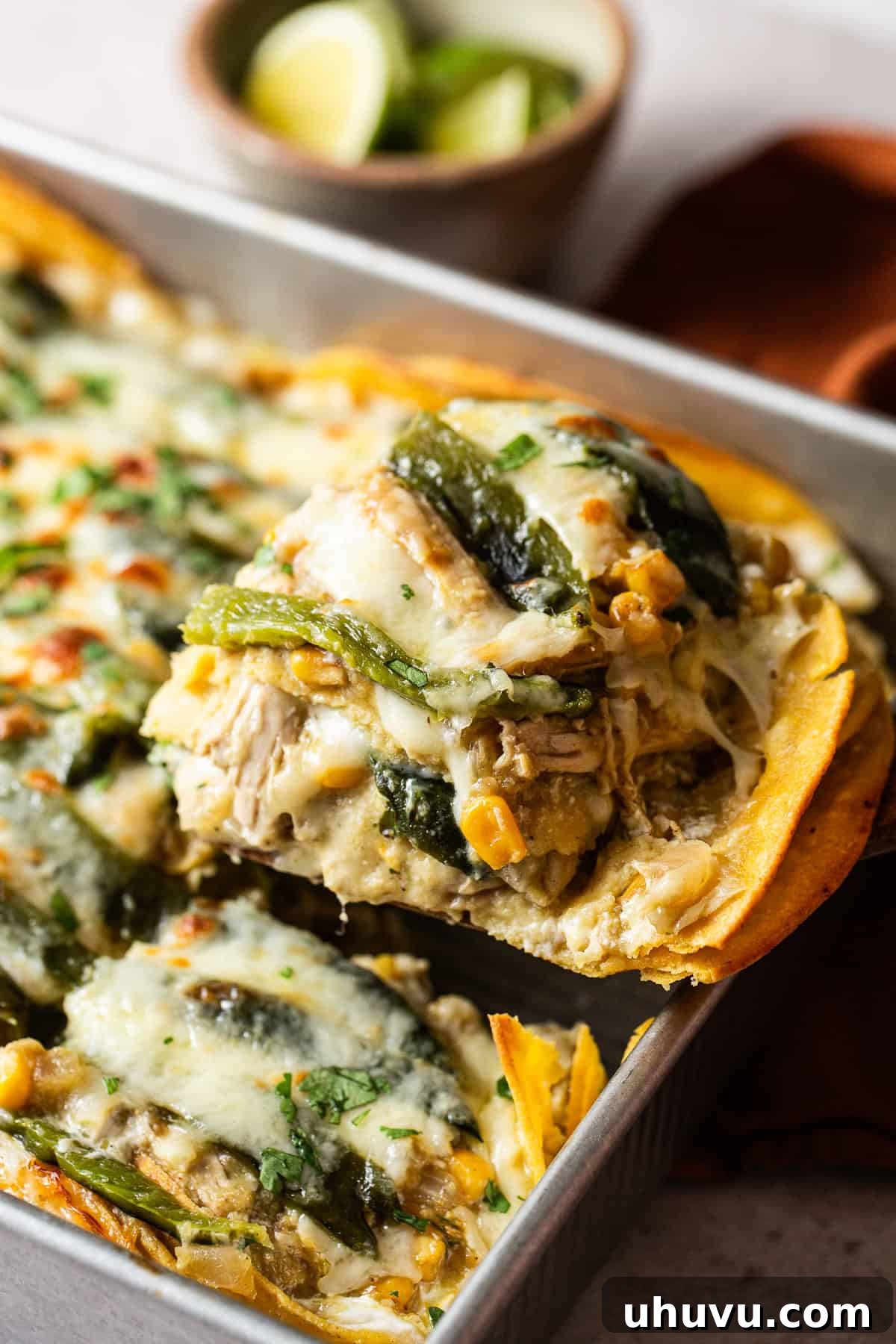
Pastel Azteca: Your Guide to the Ultimate Mexican Layered Casserole
Pastel Azteca, often hailed as the “Mexican lasagna,” is a heartwarming and incredibly flavorful dish that beautifully showcases the rich culinary traditions of Mexico. This homey casserole features delicate layers of corn tortillas, drenched in vibrant salsa verde, generously spread with creamy Mexican crema, and filled with a savory blend of shredded chicken, sweet corn, and smoky roasted poblano peppers. A luxurious, melty three-cheese blend crowns each layer, creating an irresistible, comforting meal perfect for any occasion.
If you’re a fan of authentic Mexican flavors and hearty comfort food, then Pastel Azteca is a must-try. Its complex yet harmonious tastes make it a standout dish, ideal for family dinners, potlucks, or simply a cozy night in. For those who appreciate traditional Mexican recipes, you might also enjoy exploring the robust flavors of chile colorado, the creamy indulgence of rajas con crema, and the intense zest of salsa macha.
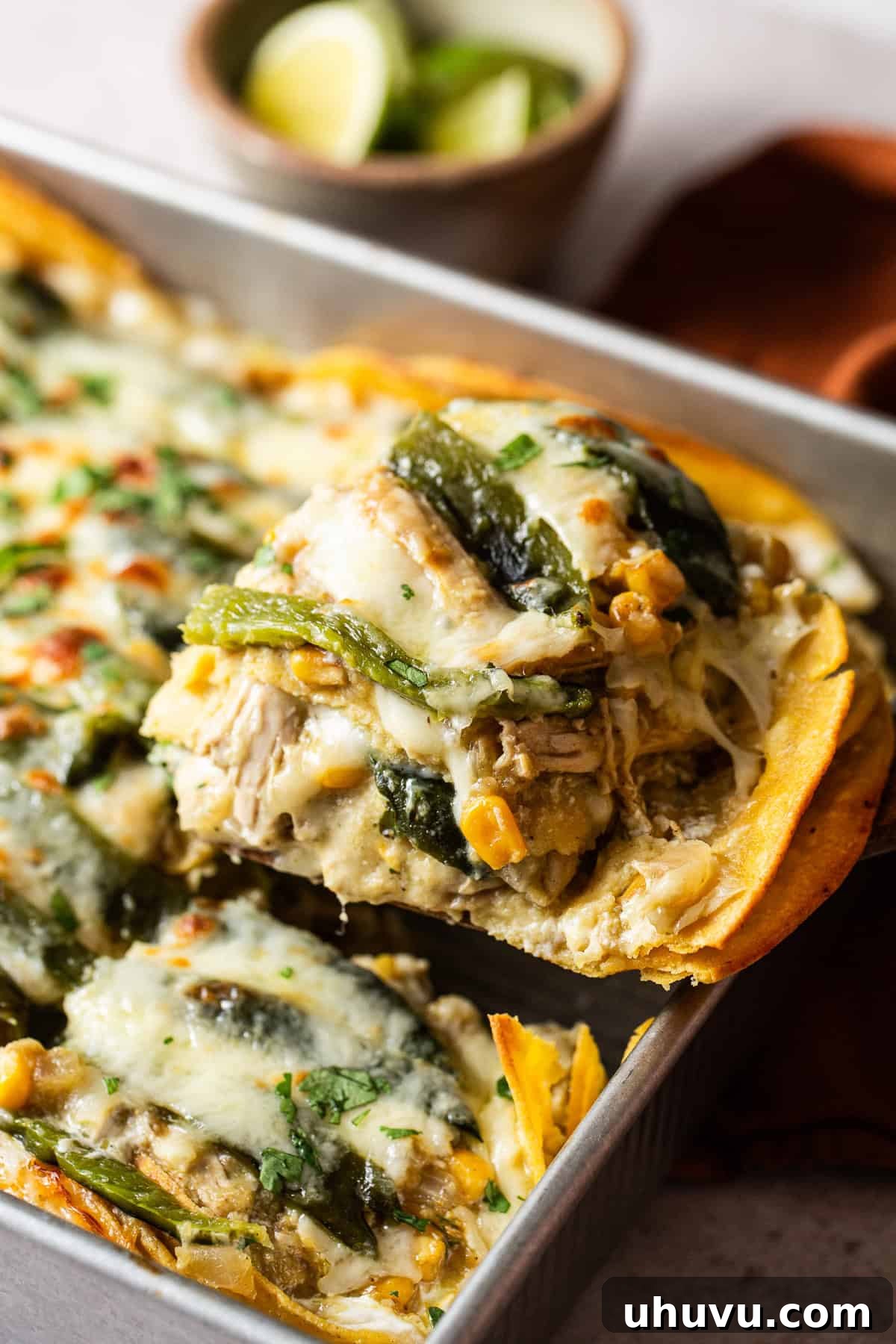
My love for classic lasagna and hearty casseroles naturally led me to discover Pastel Azteca. The idea of a similar layered dish infused with authentic Mexican ingredients instantly captivated me. After several rounds of meticulous recipe testing, I am thrilled to share this rich and deeply satisfying version. It’s a dish that truly embodies the spirit of Mexican comfort food, designed to impress at any gathering or elevate a simple weekend meal.
While this recipe involves several distinct components, the effort is undeniably rewarding. Here’s why this Pastel Azteca recipe will quickly become a cherished favorite:
- Authentic Mexican Flavors: Every bite bursts with the genuine taste of Mexico, thanks to a carefully selected combination of fresh salsa verde, earthy corn tortillas, tangy Mexican crema, and the subtle smokiness of roasted poblanos. These elements combine to create a deeply satisfying and complex flavor profile that is both rustic and refined.
- Generous Leftovers: This robust casserole is incredibly filling, making it ideal for feeding a crowd or providing delicious meals throughout the week. Its layered nature means it often tastes even better the next day, making it a fantastic option for meal prepping and ensuring you have wholesome, ready-to-eat Mexican goodness on hand.
- Customizable Comfort: The beauty of Pastel Azteca lies in its versatility. You can easily adapt the protein, spice level, and cheese blend to suit your family’s preferences, making it a truly adaptable dish that caters to everyone. It’s comfort food that can be uniquely yours.
What Is Pastel Azteca? Unraveling the Layers of Mexican History and Flavor
The name “Pastel Azteca” literally translates to “Aztec cake,” a charming moniker for this savory layered dish. Depending on the region of Mexico, you might also hear it referred to as Budín Azteca, Pastel Indio, Pastel de Tortillas, or Torta Moctezuma. While the name might change, the essence of the dish remains consistent: a celebration of layered Mexican ingredients.
This beloved homestyle recipe boasts numerous regional variations, but all share a common foundation: corn tortillas, typically softened or lightly fried, layered with either red or green salsa, tender roasted chiles, a medley of vegetables, a protein (most commonly chicken), and a generous amount of bubbling, melted cheese.
Pastel Azteca bears a strong resemblance to what many might call a Mexican lasagna or Mexican casserole, particularly in its layered structure and comforting nature. However, a key distinction lies in its ingredient profile. Unlike Tex-Mex casseroles, which often incorporate flavors and ingredients adapted for a broader American palate (such as ground beef, cheddar cheese, and specific spice blends), Pastel Azteca leans into more traditional, nuanced Mexican components. If you’re specifically craving Tex-Mex, my taco casserole recipe is an excellent choice. But for an authentic Mexican experience, Pastel Azteca is unparalleled.
My particular rendition of Pastel Azteca elevates the experience with layers of corn tortillas, each lightly fried to achieve a perfect texture and then briefly dipped in a homemade, zesty salsa verde. These layers cradle a succulent shredded chicken and corn filling, strips of fire-roasted poblano peppers (known as rajas), and a generous mix of two types of shredded cheese, ensuring an incredibly creamy and satisfying result.
Essential Ingredients for Your Perfect Pastel Azteca
Crafting an exceptional Pastel Azteca begins with selecting high-quality ingredients. Each component plays a vital role in building the dish’s distinct flavor and texture. Here’s a closer look at what you’ll need and why each element is crucial:
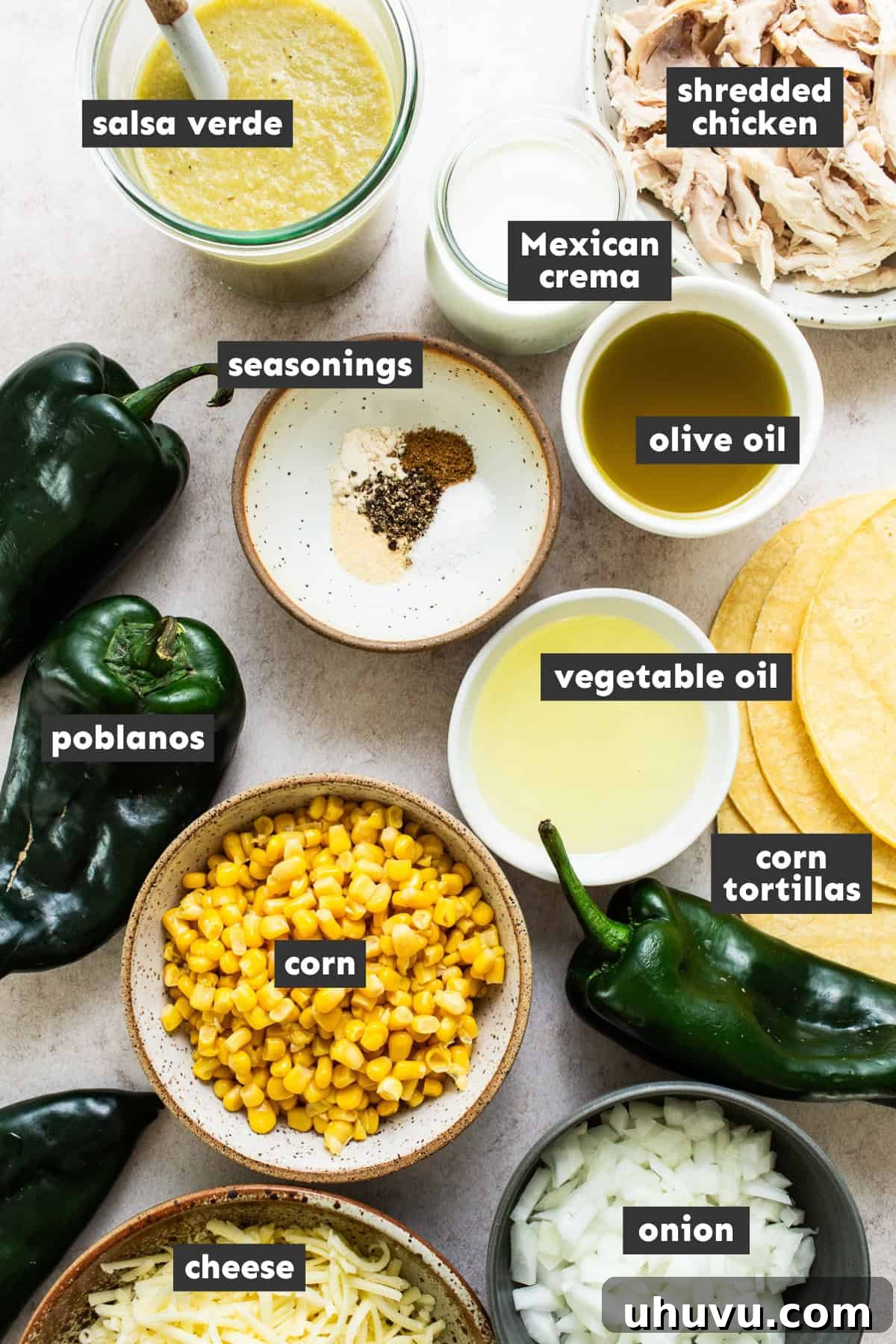
- Salsa Verde: The soul of this dish often lies in its salsa, and for Pastel Azteca, a vibrant salsa verde is paramount. While store-bought options can save time, I highly recommend preparing your own. Commercial varieties tend to be overly acidic and sour, lacking the depth of homemade. My recommended salsa verde features sautéed tomatillos, jalapeños, onions, and garlic, blended with vegetable broth, a touch of salt, and fresh lime juice. This combination yields a tangy, citrusy, and subtly sweet salsa with a delightful complexity that perfectly complements the other rich layers. Its bright flavor cuts through the richness of the cheese and crema, creating balance.
- Shredded Chicken: Juicy, tender shredded chicken provides a hearty protein base and infuses the casserole with a comforting, savory flavor. You can easily prepare your own shredded chicken from scratch, or, for a convenient shortcut, opt for a store-bought rotisserie chicken. This saves significant time without compromising on taste. Be sure to shred it finely so it blends seamlessly into the filling.
- Whole Kernel Corn: Corn introduces a welcome burst of natural sweetness and a pleasant textural contrast to the soft tortillas and creamy elements. If corn is in season, using 3-4 ears of fresh corn cut from the cob will elevate the flavor significantly. Otherwise, good quality canned or frozen whole kernel corn works perfectly well.
- Poblano Peppers: Roasted poblano peppers are a non-negotiable ingredient for their earthy, slightly smoky, and mildly spicy flavor. They add a depth that is characteristic of authentic Mexican cuisine. If you’re new to roasting poblanos, refer to my comprehensive guide on how to roast poblano peppers to achieve that perfect charred skin and tender interior. Their unique flavor profile distinguishes Pastel Azteca from other casseroles.
- Corn Tortillas: The foundation of Pastel Azteca, sturdy and high-quality corn tortillas are absolutely key. They need to hold up to the layers of moisture without becoming mushy. Seek out thicker tortillas from your local Mexican grocery store or tortilleria, as they offer a stronger corn flavor and better structural integrity compared to thinner, mass-produced brands. If these aren’t available, use the best quality you can find; the light frying step will greatly improve their texture.
- Mexican Crema: Mexican crema is essential for adding a luxurious layer of creaminess and a subtle tang that enriches the entire dish. Its slightly thinner consistency and milder flavor compared to American sour cream make it ideal. If Mexican crema isn’t readily available in your area, consider making your own with my Mexican crema recipe. Alternatively, good quality sour cream can be used as a substitute, though it might be a bit thicker and tangier.
- Shredded Cheese: A medley of melting cheeses creates that signature bubbly, gooey topping and binds the layers together. I prefer a mix of Monterey Jack and queso quesadilla for their excellent melt and mild, creamy flavor. Other fantastic options include Chihuahua or Oaxaca cheese, both known for their superior melting properties and authentic Mexican taste. For the best melt and an impressive “cheese pull,” always buy blocks of cheese and shred them yourself, as pre-shredded varieties often contain anti-caking agents that can hinder a smooth melt.
- Seasonings: With so many distinct flavors layering up, simple yet effective seasonings are all you need. Kosher salt, freshly ground black pepper, cumin, garlic powder, and onion powder enhance the natural tastes of the chicken and corn filling without overpowering the other components.
- Frying Oil: Lightly frying the corn tortillas is a crucial step that makes a significant difference in both flavor and the structural integrity of the layers. It helps prevent the tortillas from becoming soggy in the casserole. Use a neutral-flavored oil with a high smoke point, such as canola oil, avocado oil, or your preferred vegetable oil.
Crafting Your Pastel Azteca: A Step-by-Step Guide to Mexican Perfection
Making Pastel Azteca is a labor of love, but each step builds incredible flavor, culminating in a truly spectacular dish. Follow these instructions carefully to ensure a delicious and authentic experience.
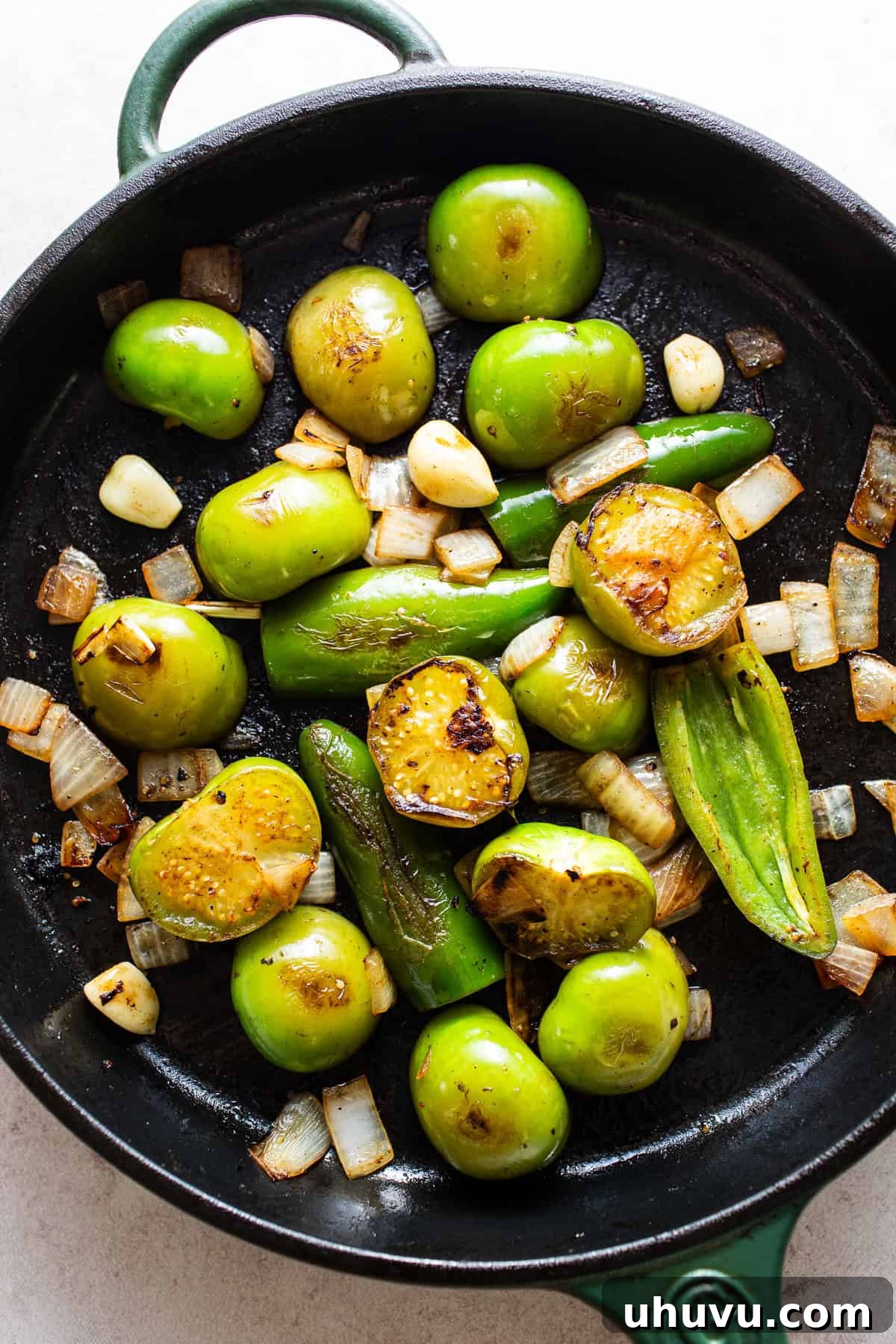
1. Prepare the Salsa Verde
In a large sauté pan, heat 1 tablespoon of olive oil over medium-high heat. Add the tomatillos (husked, rinsed, and halved), roughly chopped yellow onion, stemmed and halved jalapeños, and garlic cloves. Sauté for about 10 minutes, stirring occasionally. You’ll know they are ready when the tomatillos soften, developing a lovely yellow-green hue with caramelized brown spots, and the onions and garlic become fragrant and translucent. Transfer all the cooked vegetables to a blender, add the vegetable broth, lime juice, and kosher salt. Blend until the mixture is completely smooth and set aside. This vibrant salsa will be the heart of your casserole.
2. Make the Chicken and Corn Filling
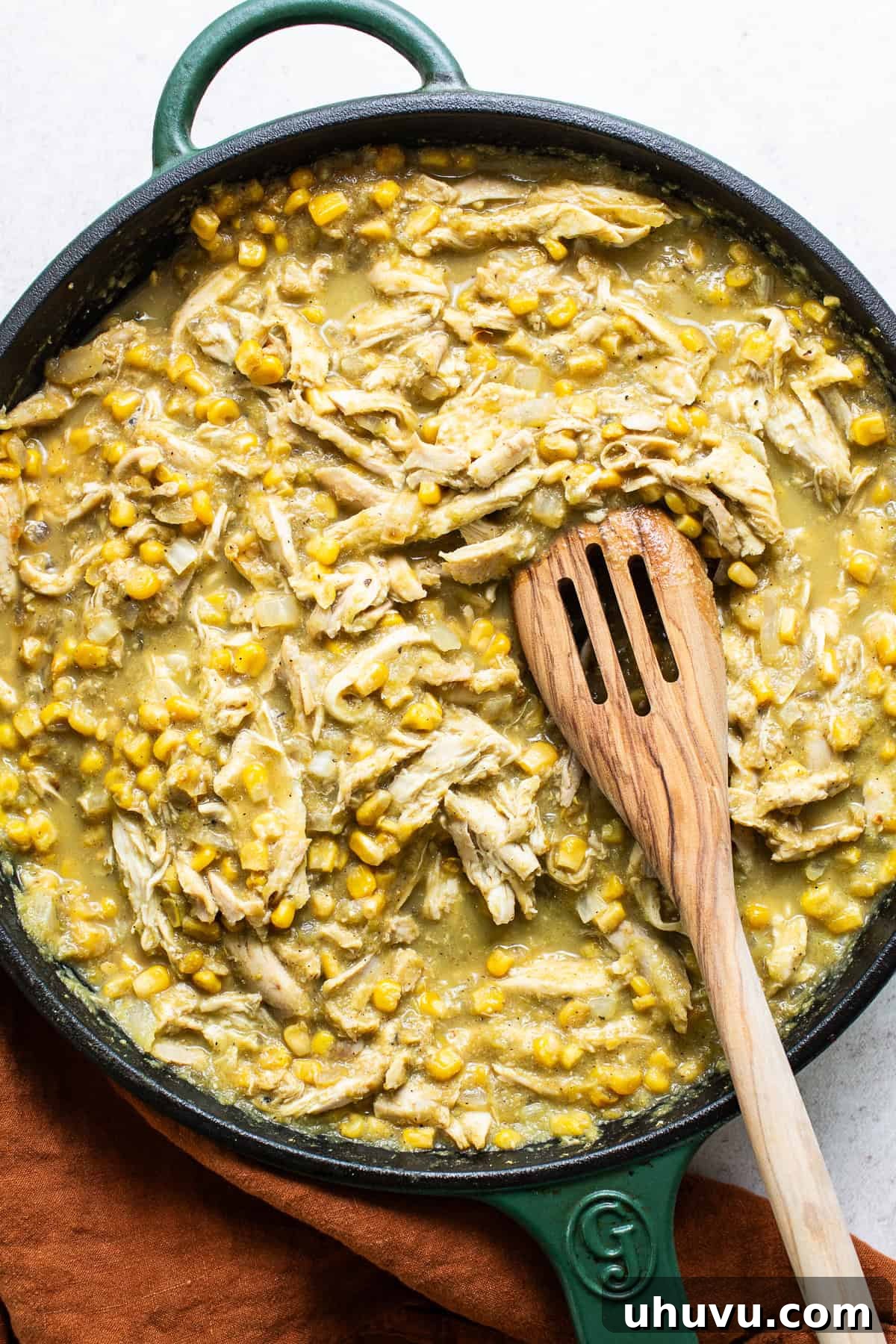
Using the same sauté pan (no need to clean it thoroughly), heat 1 tablespoon of olive oil over medium-high heat. Add the whole kernel corn (drained if canned), diced yellow onion, kosher salt, garlic powder, onion powder, ground cumin, and freshly ground black pepper. Cook for about 5 minutes, stirring until the onions are tender and translucent. Remove the pan from the heat. Stir in the shredded chicken and about 1/2 cup of your prepared salsa verde, mixing well to combine. This ensures the chicken and corn are thoroughly coated and infused with flavor. Set this flavorful filling aside to cool slightly.
3. Roast the Poblano Peppers
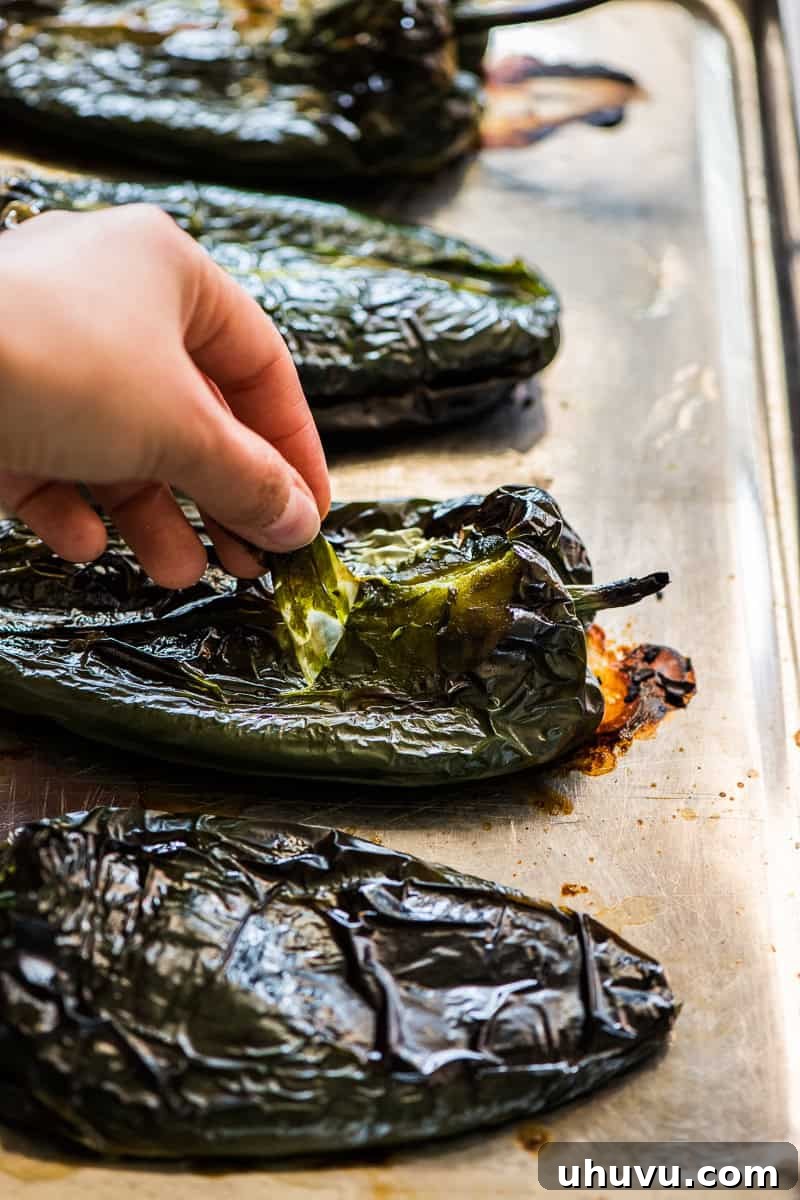
While your chicken mixture cools, prepare your poblano peppers. Arrange them on a baking sheet and broil them directly under the broiler. Cook for approximately 5 minutes per side, or until the skin is completely blackened and charred. This charring process is crucial for flavor and easy peeling. Once charred, immediately cover the baking sheet tightly with aluminum foil or transfer the peppers to a sealed plastic bag. Allow them to steam for about 5-10 minutes; this traps the heat and softens the skin, making it much easier to peel. Carefully peel off the charred skin using a butter knife or your hands, removing as much as possible. Discard the stems and seeds, then slice the roasted poblanos into thin strips (rajas). Set them aside.
4. Prepare the Tortillas
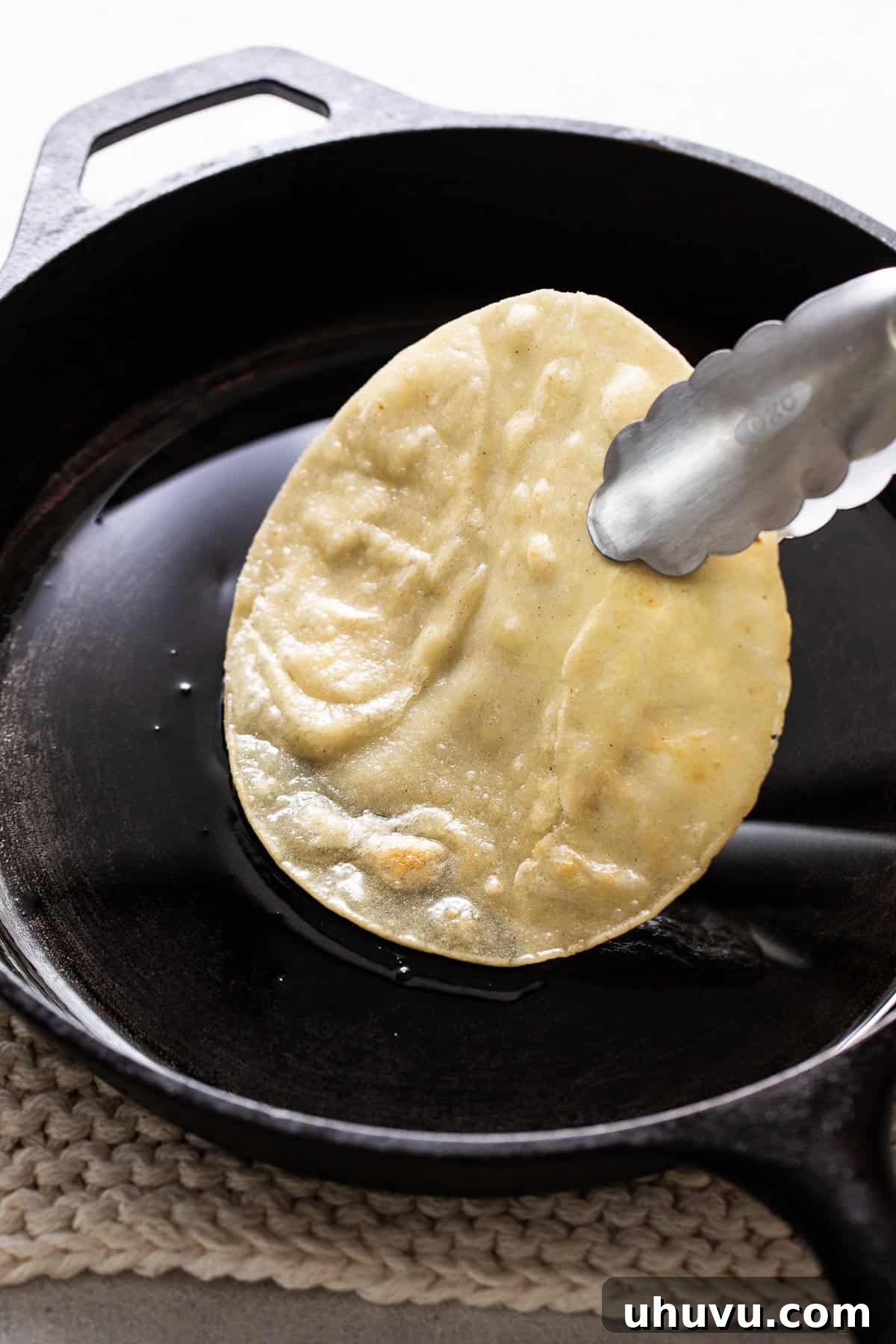
Preheat your oven to 350°F (175°C). In a medium skillet, heat the remaining ⅓ cup of frying oil over medium-high heat. Working one tortilla at a time, lightly fry each corn tortilla for 10-15 seconds per side. The goal is to soften them and develop a little crispness, not to make them crunchy like chips. Gently shake off any excess oil back into the pan using tongs, then transfer the fried tortillas to a plate or baking sheet lined with paper towels to absorb any remaining grease. Repeat this process with all the remaining tortillas. This step is vital for the structure and texture of the casserole.
5. Assemble the Pastel Azteca
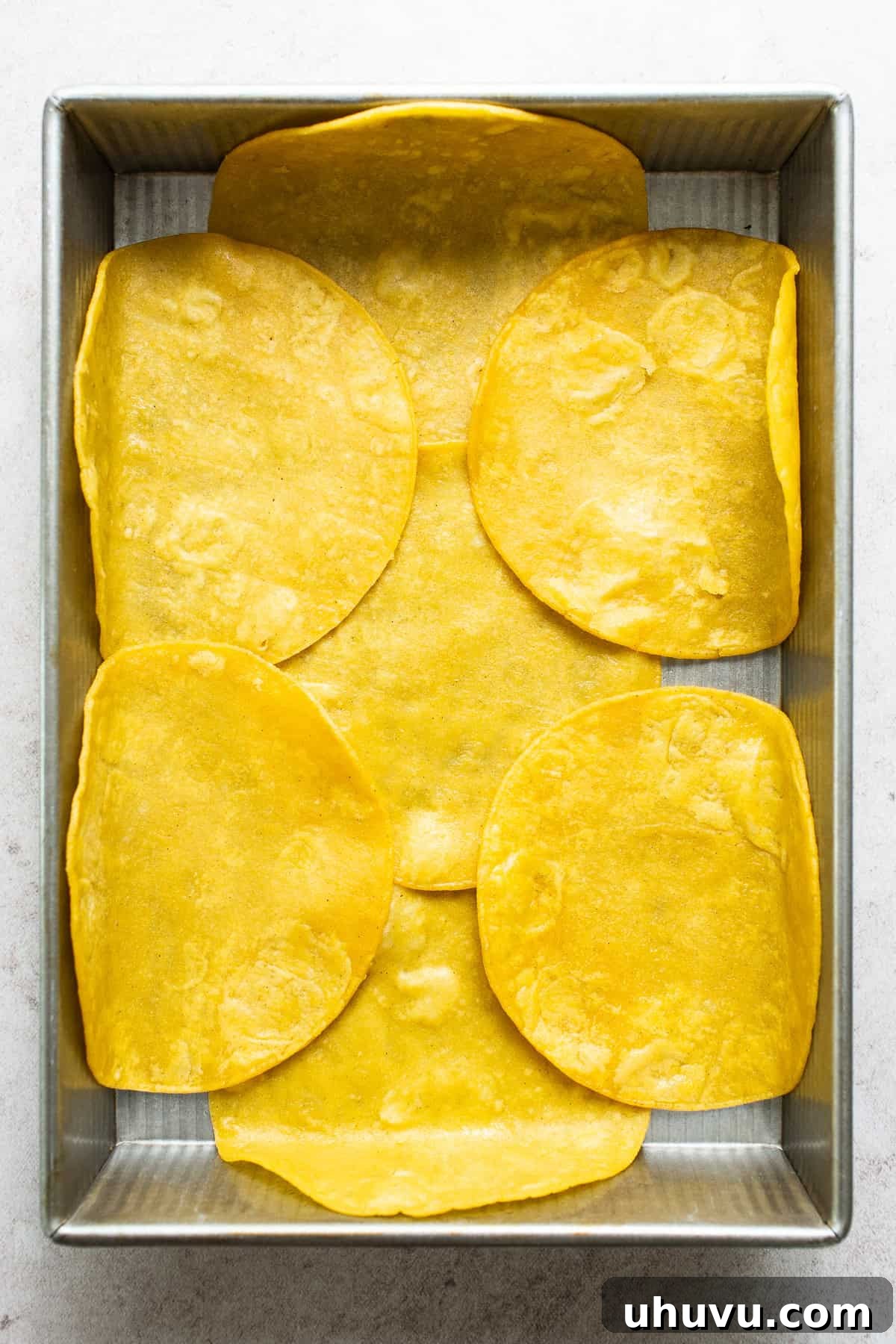
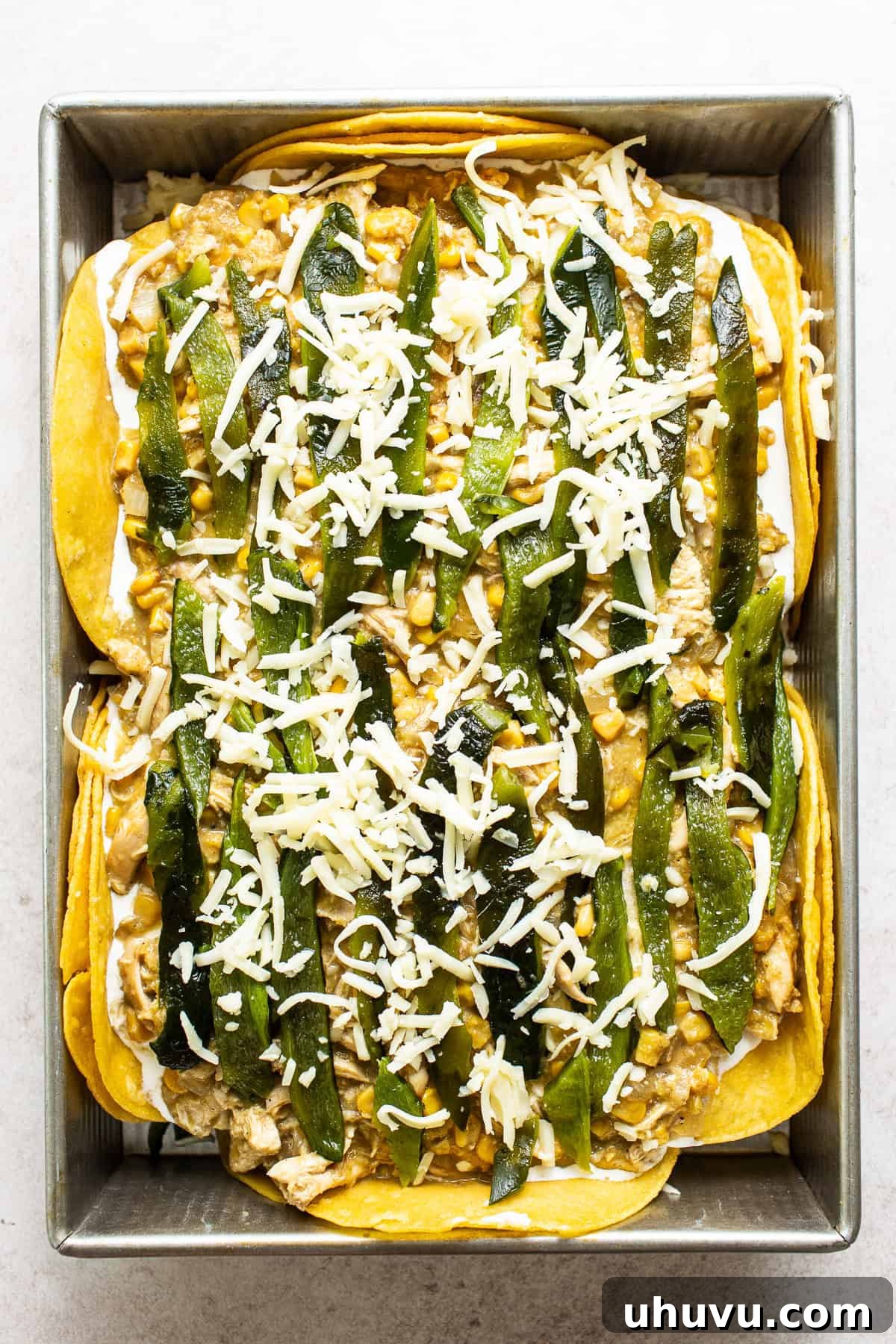
In a large bowl, combine the shredded quesadilla cheese and Monterey Jack cheese. Now, it’s time to assemble your casserole in a 9×13-inch baking dish. Begin by arranging a layer of lightly fried corn tortillas on the bottom. Typically, this involves placing three tortillas down the middle in a single layer without overlapping, and then two additional tortillas on each long end, with half of each overlapping the middle tortillas and the other half folding up along the edge of the baking dish. This technique helps create a sturdy base and sides. Spread ¼ cup of Mexican crema evenly over the tortillas. Next, add about a third of the chicken and corn mixture, spreading it to the edges. Follow with a third of the roasted poblano strips, and then a generous layer of about a third of the shredded cheese mixture. Repeat this entire layering process for two more additional layers, ensuring each layer is evenly distributed.
6. Bake to Golden Perfection
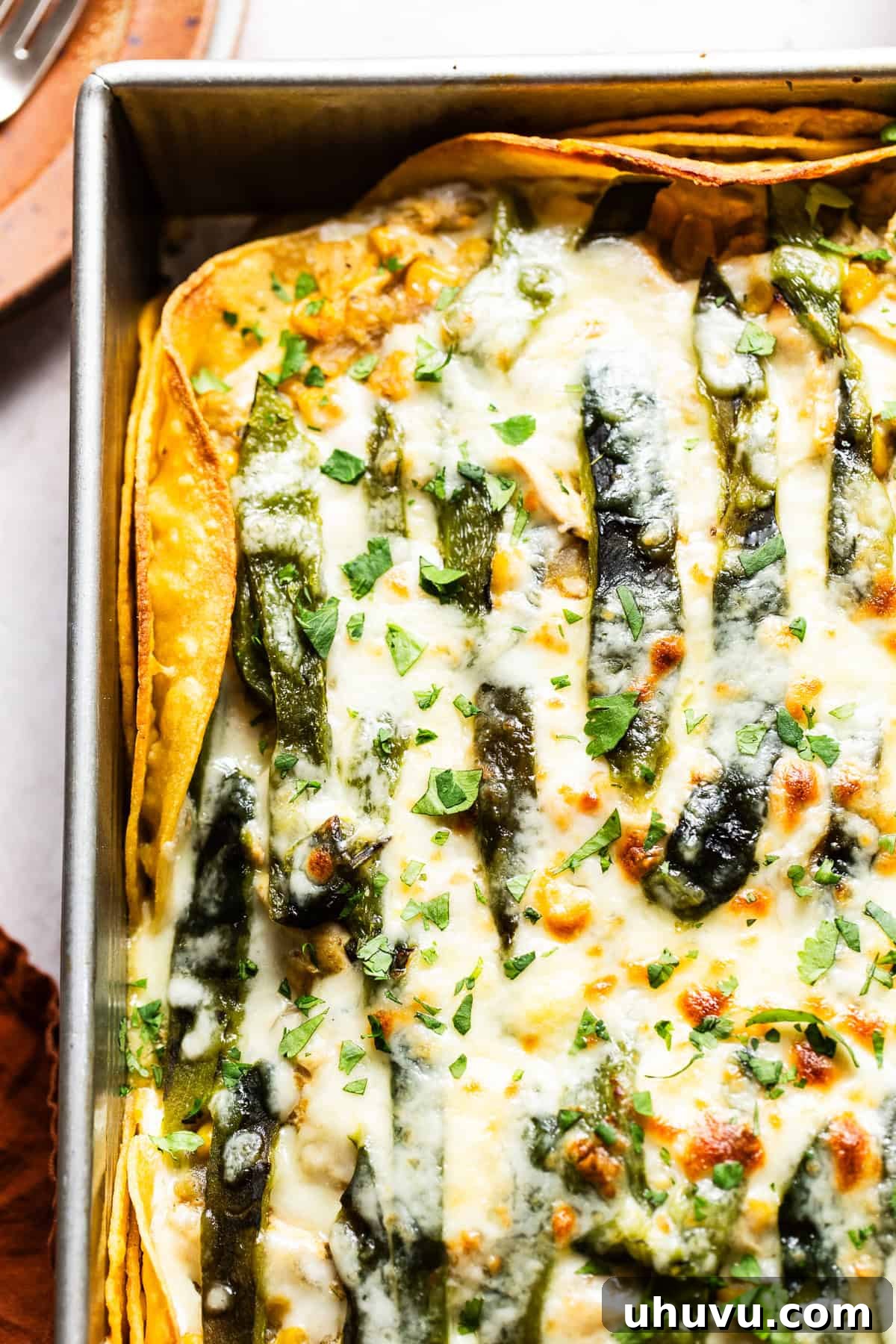
Place the assembled Pastel Azteca on the center rack of your preheated oven. Bake for 20-25 minutes, or until the cheese is beautifully melted and bubbling at the edges. For an extra golden-brown, slightly crispy cheese topping, turn on the broiler for 1-2 minutes. Keep a close eye on it during this stage to prevent burning. Once baked, remove the casserole from the oven and let it cool on the counter for at least 10 minutes before slicing and serving. This resting period allows the layers to set, making it easier to cut and ensuring it holds its shape beautifully.
Expert Recipe Tips for Pastel Azteca Success
To ensure your Pastel Azteca is nothing short of spectacular, consider these helpful tips and variations:
- Strategic Prep Ahead: This recipe, while straightforward, involves multiple components. To streamline your cooking, prepare the salsa verde, chicken and corn filling, and roasted poblanos ahead of time. Store them in airtight containers in the refrigerator until you’re ready to assemble and bake. If baking from chilled components, remember that your casserole will likely require an additional 10-15 minutes of baking time to heat through evenly.
- Experiment with Salsas: While salsa verde offers a bright, tangy profile, you can easily swap it for a rich red salsa (salsa roja) if you prefer. My authentic enchilada sauce would make an excellent alternative, lending a deeper, spicier flavor to the dish.
- Protein Versatility: The shredded chicken is delicious, but feel free to customize your protein. Ground beef, savory chorizo, or tender barbacoa are all fantastic filling options. For a delightful vegetarian version, simply omit the meat and consider adding extra vegetables like sautéed mushrooms, zucchini, or black beans for added substance.
- Choose Quality Tortillas: As the structural backbone of the casserole, the quality of your corn tortillas truly matters. Opt for thicker, sturdier tortillas, ideally from a Mexican market or tortilleria, as they boast a richer maize flavor and are less prone to becoming soggy. If only thinner options are available, ensure they are lightly fried to firm them up before layering.
- Adjust the Spice Level: Poblano peppers offer a mild heat, but if you prefer an even milder flavor, you can substitute them with Anaheim peppers. For absolutely no heat, thinly sliced bell peppers (red, yellow, or orange) work wonderfully, adding sweetness and color.
- Cheese Choices: Any good melting Mexican cheese will work beautifully. Beyond Monterey Jack and quesadilla cheese, consider using Chihuahua cheese or quesillo (Oaxaca cheese) for their authentic flavor and excellent melt. For a Tex-Mex twist, Colby Jack or even mozzarella can be used.
- Perfect Assembly: When layering, don’t be afraid to overlap the tortillas slightly. This creates a stronger base and ensures every piece gets a good amount of filling. Pressing down gently on each layer helps compact the casserole, making it easier to slice later.
Serving Suggestions for a Complete Mexican Feast
Pastel Azteca is a wonderfully robust dish, packed with protein, cheese, and vegetables, making it a complete meal on its own. However, if you’re hosting a larger gathering or simply wish to create an expansive Mexican dinner, it pairs beautifully with a variety of traditional sides that complement its rich flavors.
- Ensalada de Nopales (Cactus Salad): The bright, tangy, and refreshing notes of a nopal cactus salad provide a fantastic counterpoint to the creamy richness of the casserole.
- Arroz Verde (Green Rice): A side of aromatic green rice, often flavored with cilantro and poblano, adds another layer of authentic Mexican flavor and a vibrant splash of color to your plate.
- Agua de Piña (Pineapple Agua Fresca): A cool, sweet, and refreshing pineapple agua fresca is the perfect beverage to cleanse the palate and provide a hydrating balance to your meal.
- Agua de Fresa (Strawberry Agua Fresca): Similarly, a homemade strawberry agua fresca offers a sweet, fruity, and light option that is always a crowd-pleaser and complements the savory flavors of Pastel Azteca beautifully.
Storing, Freezing, and Reheating Your Pastel Azteca
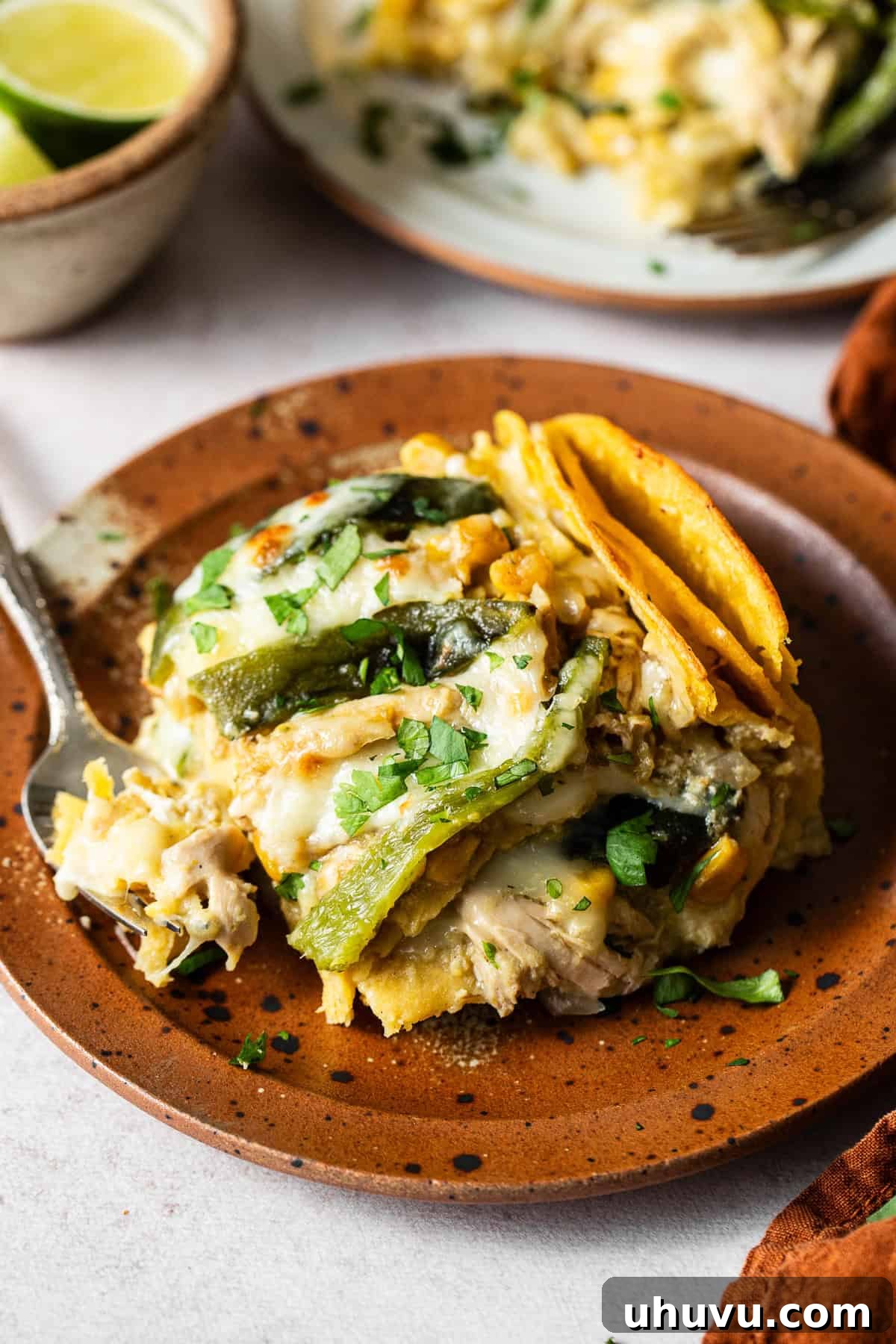
Pastel Azteca is not only delicious freshly baked but also makes for fantastic leftovers. Proper storage ensures you can enjoy its comforting flavors for days to come.
- To Store: Once cooled, transfer any leftover Pastel Azteca to an airtight container. It will keep well in the refrigerator for up to 1 week.
- To Freeze: For longer storage, Pastel Azteca freezes beautifully. Place individual portions or the entire cooled casserole in a freezer-safe container or wrap it tightly in aluminum foil and then plastic wrap. It can be frozen for up to 3 months. Thaw overnight in the refrigerator before reheating.
- To Reheat: For individual portions, microwave in 30-second intervals until warmed through. For a larger portion or the entire casserole, reheat in a preheated oven at 350°F (175°C), covered with foil, until hot in the center, typically 20-30 minutes, or longer if reheating from frozen (after thawing). Uncover for the last 5-10 minutes to crisp up the cheese.
More Delicious Mexican Recipes to Explore
If you loved the authentic flavors of Pastel Azteca, you’re sure to enjoy these other Mexican culinary delights:
- Chile Relleno Casserole
- Enchilada Meatballs
If you tried this Pastel Azteca Recipe or any other recipe on my site, don’t forget to rate the recipe and let me know how it went in the comments below! I love hearing about your experience making it!
Nutrition Information
Serving: 1 serving | Calories: 612kcal | Carbohydrates: 47g | Protein: 28g | Fat: 36g | Saturated Fat: 10g | Polyunsaturated Fat: 4g | Monounsaturated Fat: 14g | Cholesterol: 86mg | Sodium: 1150mg | Potassium: 666mg | Fiber: 7g | Sugar: 7g | Vitamin A: 975IU | Vitamin C: 86mg | Calcium: 369mg | Iron: 2mg
Nutrition information is automatically calculated, so should only be used as an approximation.
Photography by Ashley McLaughlin.