
Serrano Peppers: Your Ultimate Guide to Heat, Flavor, and Mexican Cuisine
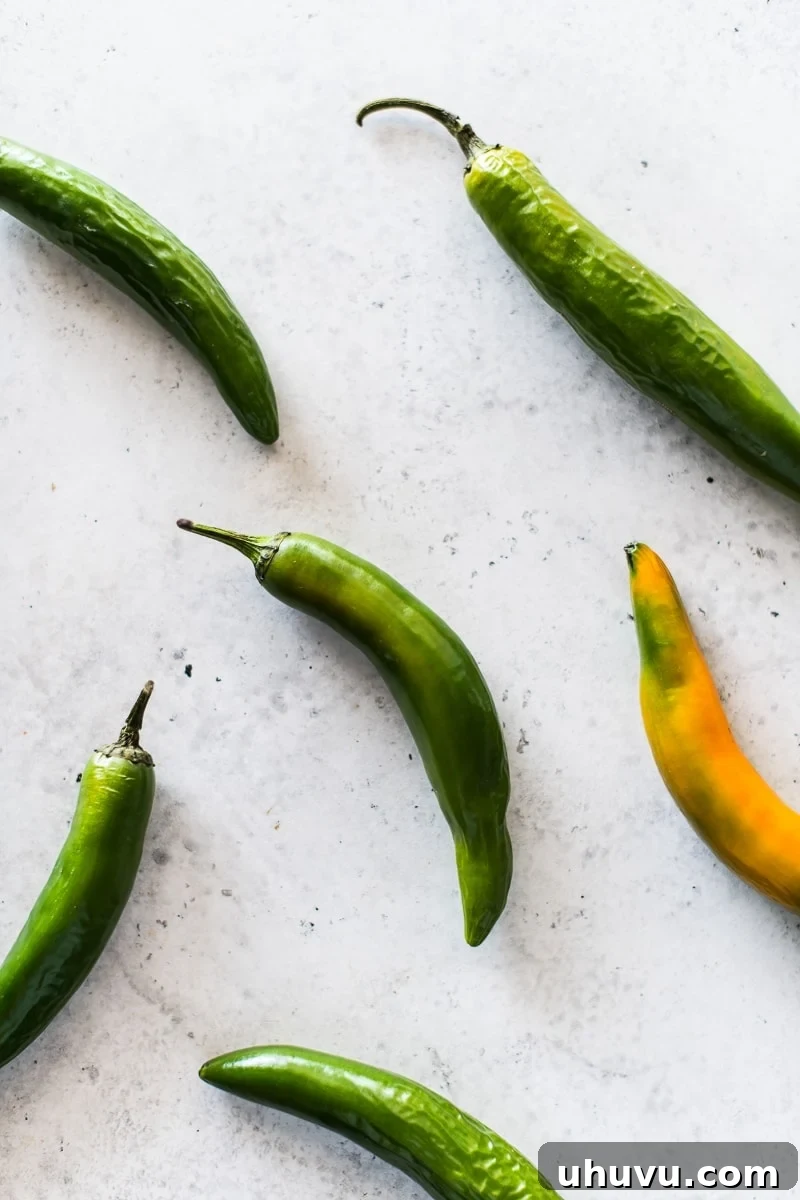
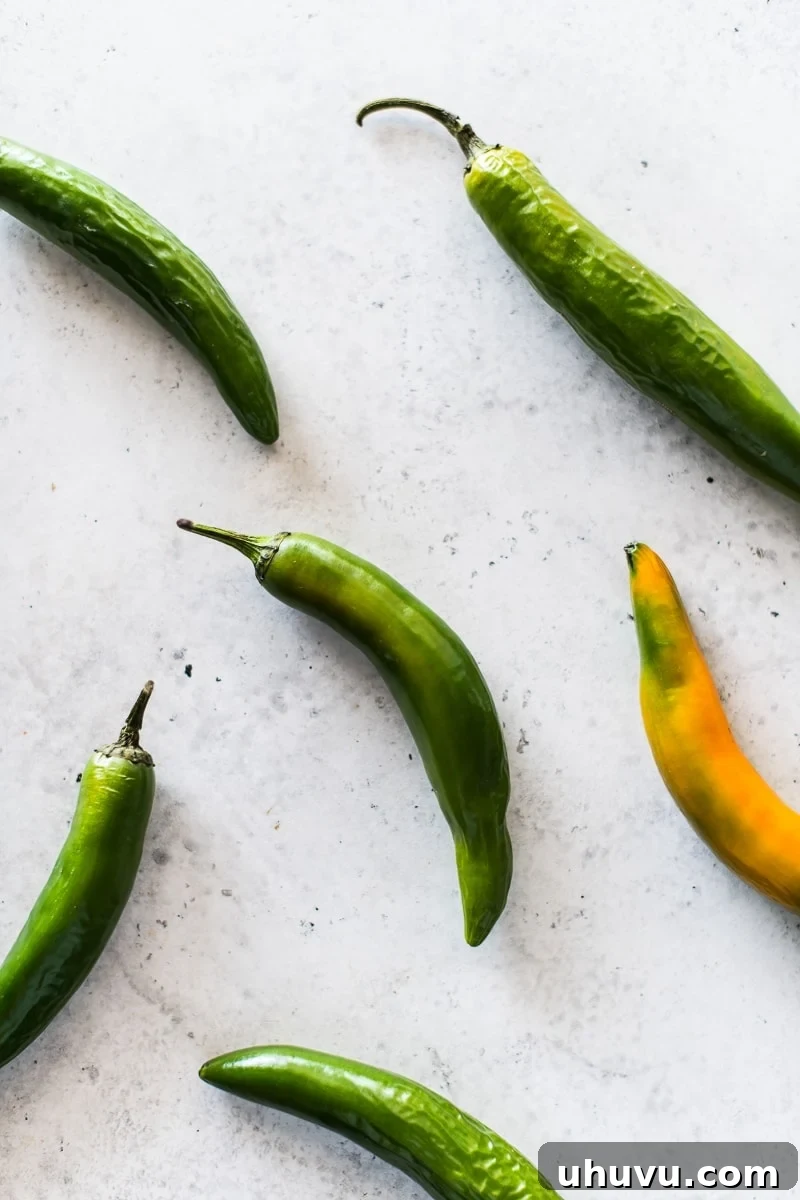
Serrano peppers are renowned for their vibrant flavor and exhilarating heat, making them a true cornerstone of authentic Mexican cuisine. Often celebrated by chili enthusiasts, these small yet mighty peppers deliver a distinctive kick that elevates countless dishes, from salsas and guacamole to robust stews. If you’re looking to explore a pepper that offers a more pronounced spice than a jalapeño without reaching the extreme intensity of a habanero, the serrano is your perfect companion. This comprehensive guide will delve into everything you need to know about serrano peppers, from their fiery characteristics and culinary applications to essential handling tips and their impressive health benefits. Get ready to embrace the dynamic world of this incredible chili!
The Fiery Truth: How Hot are Serrano Peppers on the Scoville Scale?
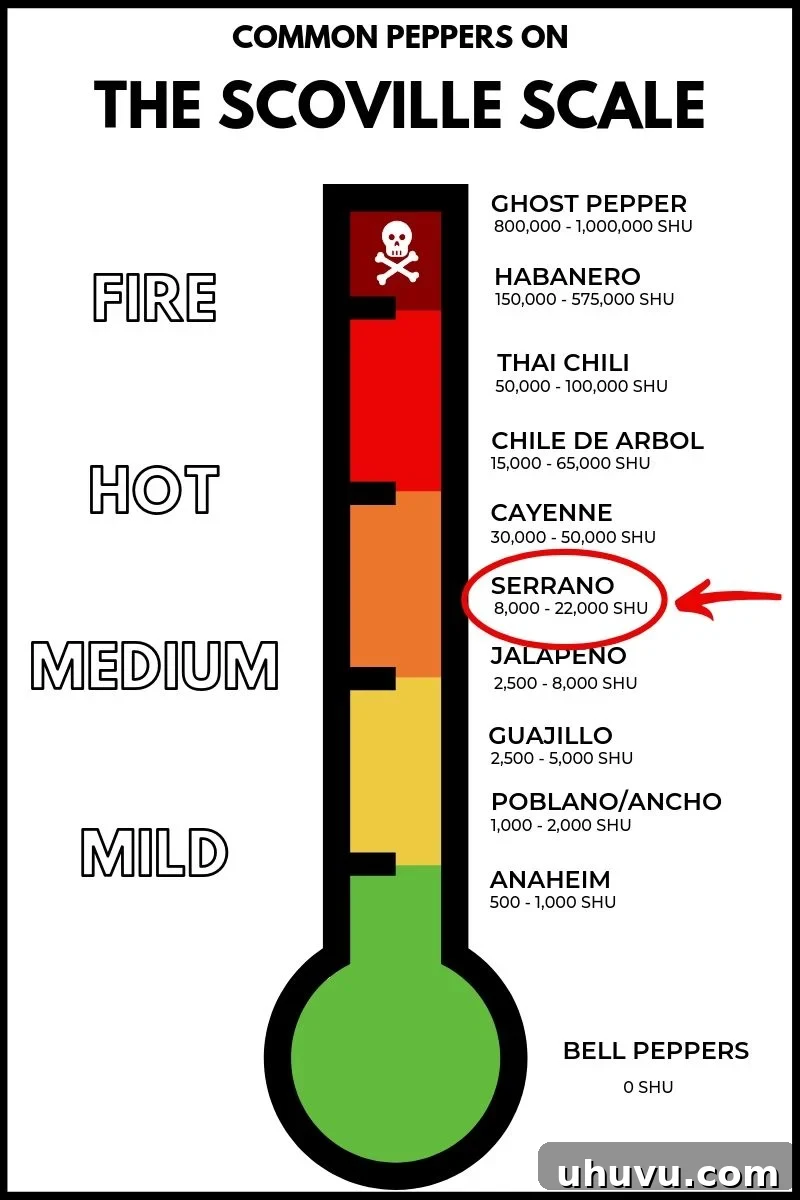
Understanding the heat level of any chili pepper is paramount for both culinary mastery and personal enjoyment. Serrano peppers consistently rank higher on the Scoville Heat Unit (SHU) scale than their more common cousin, the jalapeño, yet they sit comfortably below the scorching intensity of a habanero. They offer a delightful burst of heat that is potent enough to be noticed, yet balanced enough to allow the pepper’s bright, fresh, and slightly grassy flavor notes to shine through.
On the widely recognized Scoville Scale, serrano peppers typically fall within an impressive range of 8,000 to 22,000 SHU. To put this into perspective, a mild bell pepper registers a comfortable zero SHU, signifying no heat. A popular jalapeño, by contrast, usually hovers around 2,500 to 8,000 SHU. This means a serrano can be anywhere from slightly hotter to significantly spicier, often three times as hot, as a jalapeño. This makes them an ideal choice for those seeking an elevated level of piquancy and a more intense culinary experience in their dishes.
A helpful culinary rule of thumb, particularly relevant for serrano peppers, is: the smaller the pepper, the spicier it tends to be. This phenomenon is attributed to the concentration of capsaicin, the active chemical compound responsible for the heat sensation in chili peppers. In smaller fruits, this potent compound is often more densely packed, resulting in a more intense burst of spiciness per bite. Serranos, with their petite and slender profile, perfectly embody this characteristic, delivering a concentrated punch of heat that belies their size.
Serrano vs. Jalapeño: A Detailed Comparison for Spicy Enthusiasts
The serrano pepper is often compared to the jalapeño, and for very good reason. Both are foundational to Mexican cooking, share similar appearances, and possess a fresh, green flavor profile. However, their differences, particularly in heat and subtle nuances, make them distinct culinary assets. While jalapeños are arguably the most recognizable chili in many parts of the world and readily available in almost all grocery stores, serrano peppers, though incredibly common in Mexico, might require a bit more searching in some regions of the U.S. and other countries, though their popularity is growing rapidly.
Visual and Textural Distinctions Between Serrano and Jalapeño
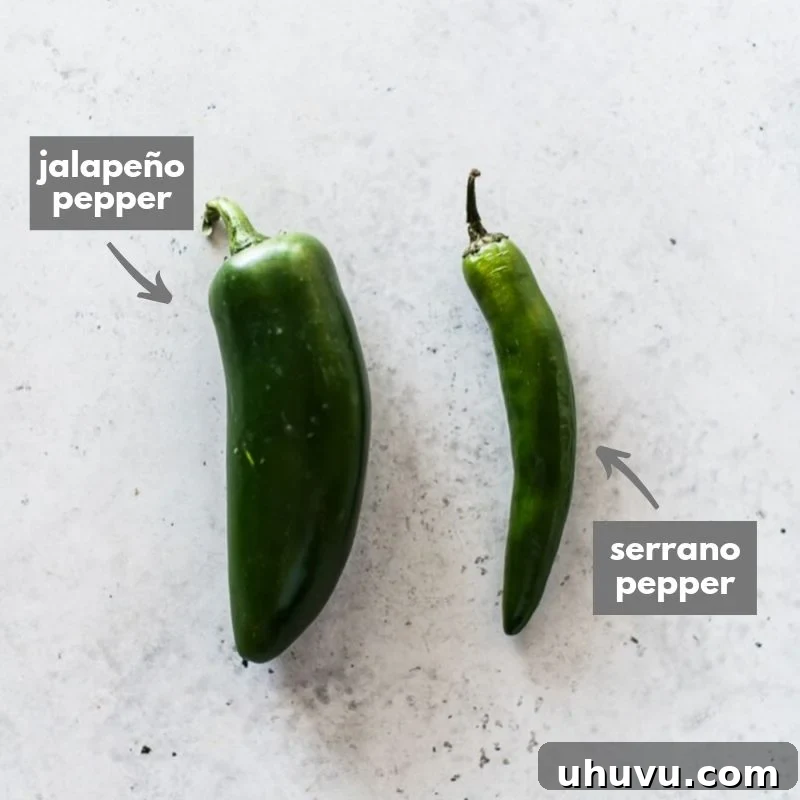
At first glance, serranos and jalapeños can appear quite similar. Both typically exhibit a vibrant dark green color when fresh and are long, relatively skinny peppers that gracefully taper to a point at the end. They are often purchased in their green, unripe state, offering a crisp texture. However, upon closer inspection, key differences emerge. Serrano peppers are generally thinner and slightly shorter than the average jalapeño, usually measuring between 1 to 4 inches in length. Jalapeños, by contrast, tend to be stouter and can grow up to 5 inches long. The skin of a serrano is also notably thinner and more delicate than that of a jalapeño, contributing to its crisp texture when raw and making it less suitable for applications that require thick, robust walls, such as stuffing.
Flavor Profile and Heat Level Comparison: Serrano vs. Jalapeño
Flavor-wise, both peppers offer a remarkably fresh, bright, and somewhat grassy undertone. If you’ve enjoyed the clean, green taste of a jalapeño, you’ll find the underlying flavor notes of a serrano pepper quite familiar and appealing. Where they truly diverge, however, is in their heat. Serrano peppers are significantly hotter, capable of reaching up to three times the spiciness of a typical jalapeño. This makes them an ideal choice for those who appreciate the fresh taste of a jalapeño but yearn for a more pronounced, exciting, and immediate heat sensation. If your palate seeks the familiar freshness of a jalapeño coupled with a substantial increase in heat, serrano peppers are undoubtedly the answer to your culinary quest and a perfect upgrade for your recipes.
While a jalapeño can serve as a decent substitute for a serrano if absolutely necessary, be prepared to adjust quantities significantly to compensate for the difference in heat. You may need to use several jalapeños to achieve the heat of one serrano. Conversely, if you’re substituting serranos for jalapeños, use them sparingly and taste as you go to avoid overwhelming your dish with an unexpected level of spice.
Purchasing, Storing, and Handling Serrano Peppers Safely
To fully enjoy the fresh flavor and potent heat of serrano peppers, knowing how to select, store, and prepare them safely is key. Their delicate nature and capsaicin content require a little attention to detail to ensure optimal results and a pleasant cooking experience.
Selecting the Best Fresh Serrano Peppers
When purchasing serrano peppers, always look for those that are firm to the touch, with a smooth, unblemished skin. The color should be a vibrant, deep green, indicating freshness. Avoid any peppers that appear soft, wrinkled, or have dark spots or punctures, as these are signs of spoilage. While most commonly found green, ripe serranos can turn red, orange, or yellow. These riper peppers tend to be slightly sweeter and often a bit hotter, but green serranos are usually preferred for their characteristic fresh flavor in many traditional Mexican dishes.
Optimal Storage for Maximizing Freshness
Proper storage can significantly extend the life and preserve the quality of your serrano peppers. To keep them fresh for up to 2-3 weeks, store them unwashed in a plastic bag or an airtight container in the crisper drawer of your refrigerator. Washing them before storage can introduce unwanted moisture, which accelerates spoilage. For longer preservation, serrano peppers can also be frozen. Simply wash and dry them thoroughly, then place them in a single layer on a baking sheet to freeze individually before transferring them to a freezer-safe bag. This method prevents them from clumping together and allows you to use them as needed in future recipes, often without needing to thaw them completely first.
Essential Handling Tips for Spicy Chiles
Working with chili peppers, especially those with a considerable heat level like serranos, requires a degree of caution. Capsaicin can cause irritation upon contact with sensitive skin and mucous membranes. Therefore, it’s crucial to follow these safety guidelines:
- Use Gloves for Protection: If you have sensitive skin, cuts, or open wounds on your hands, always wear disposable gloves (latex or nitrile) when handling serrano peppers. This significantly reduces the risk of skin irritation and the transfer of capsaicin.
- Avoid Contact with Eyes and Face: No matter how careful you are, capsaicin residue can easily transfer from your hands. Always avoid touching your eyes, nose, or mouth while handling peppers. This is crucial to prevent painful burning sensations. Wash your hands thoroughly with soap and water immediately after preparation, even if you wore gloves, as residue can sometimes seep through.
- Rinse and Trim Properly: Before incorporating them into any recipe, rinse the serrano peppers well under cool running water to remove any dirt or surface contaminants. Then, carefully slice off the stem end using a sharp knife.
- Adjusting the Heat: Removing Seeds and Veins: The majority of a chili pepper’s heat resides in its internal white membranes (placenta) and, to a lesser extent, its seeds. If you wish to temper the spiciness of a serrano pepper, you can remove these components. Simply slice the pepper in half lengthwise and carefully scrape out the white membranes and seeds with a small spoon. Keep in mind, however, that the seeds are perfectly edible and contribute to the pepper’s overall heat profile, so this step is entirely optional based on your desired heat preference.
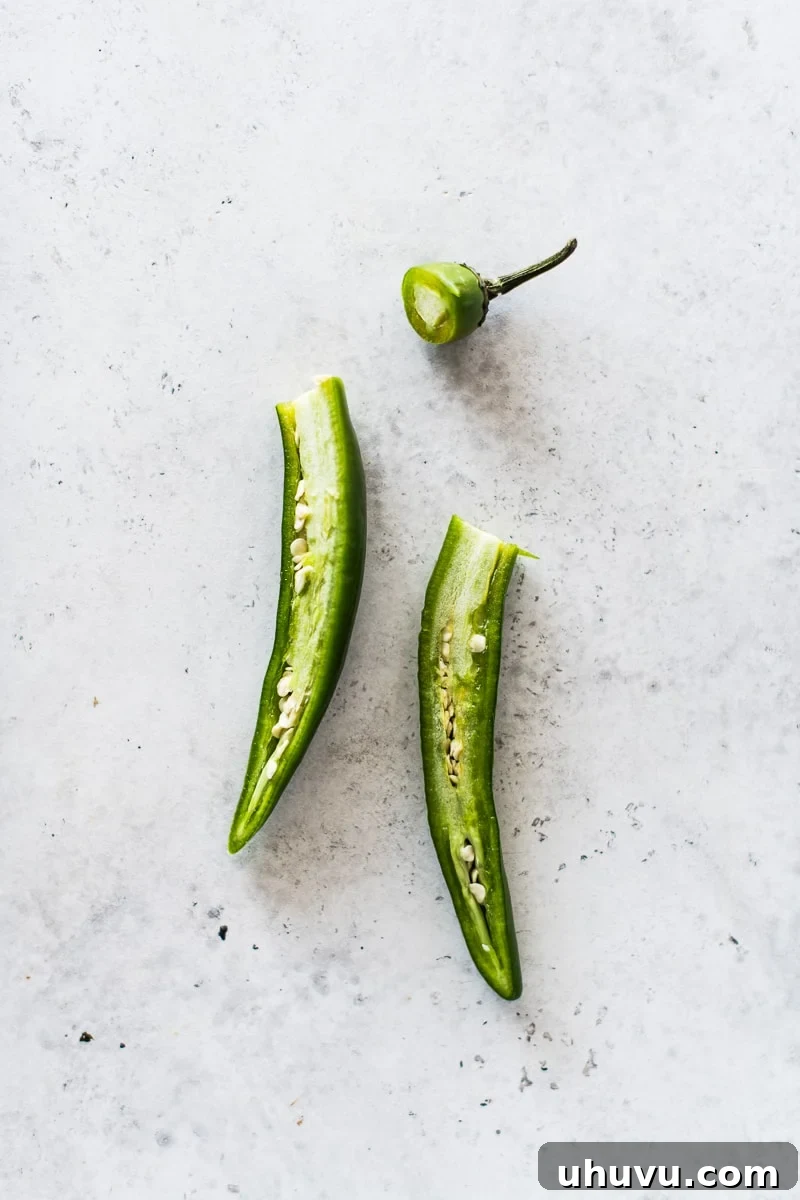
One of the beauties and conveniences of serrano peppers is their thin skin, which means they do not need to be peeled before use. This saves valuable preparation time and allows you to enjoy the full textural integrity of the pepper in your dishes. While most commonly used fresh, serranos can also be dried, although it’s less common than with some other varieties due to their relatively fleshy walls. When dried, they might be referred to by names such as “balin,” “tipico,” or “largo” in certain regional markets, signifying their origin or specific drying process.
Versatile Cooking Methods for Serrano Peppers: Unlocking Their Flavor Potential
Serrano peppers are incredibly versatile and can be enjoyed in various forms, each method enhancing different aspects of their distinct heat and fresh flavor. From raw applications to smoky depths, their culinary potential is vast and exciting, making them a chef’s favorite ingredient.
Raw and Fresh Applications: The Uncooked Brilliance
The crisp texture and bright, pungent flavor of fresh, raw serrano peppers make them an unparalleled addition to countless fresh preparations. When finely minced or thinly sliced, they distribute their potent heat and vibrant taste evenly, providing a refreshing kick that cuts beautifully through rich flavors. They are indispensable in classic Mexican staples such as:
- Salsas: Providing that quintessential fresh heat that brightens tomatoes, onions, and cilantro.
- Pico de Gallo: Giving this fresh condiment its characteristic spicy punch, perfect for tacos, nachos, and grilled meats.
- Guacamole: A touch of finely chopped serrano pepper is essential for authentic guacamole, providing a delightful spicy contrast to the creamy avocado, enhancing its richness without overpowering it.
- Salads: Added directly for a spicy crunch and a burst of fresh flavor.
- Garnishes: A sprinkle of minced serrano can add an immediate visual appeal and a burst of heat to any finished dish.
How to Roast Serrano Peppers for Enhanced Smoky Flavor
Roasting serrano peppers is a popular and transformative technique that significantly deepens their flavor profile, adding a wonderful smoky dimension and slightly mellowing their raw intensity, all while preserving their characteristic heat. This method is surprisingly simple and unlocks a new level of culinary complexity:
- Prepare the Peppers: Start by thoroughly rinsing the serrano peppers under cool water. Pat them dry, then lightly rub each pepper with a small amount of olive oil. This step helps the skin blister evenly and contributes to the overall flavor development.
- Choose Your Roasting Method: You have several excellent options for roasting:
- Broiler: Place them on a baking sheet a few inches from the heat source in your oven.
- Open Flame: Using long tongs, carefully hold them directly over an open flame on a gas stove burner.
- Hot Grill: Lay them on a hot grill, turning occasionally.
- Roast Until Charred: Cook the peppers, turning them frequently, until their skins are visibly blistered, blackened, and charred in various spots. The flesh beneath should soften considerably. This process typically takes 5-10 minutes, depending on your chosen method and the intensity of the heat.
- Cool and Process (Optional Peeling): Once roasted, you can either use them as is for a rustic texture, or, for a smoother consistency in sauces or purees, place the hot peppers in a sealed plastic bag or a covered bowl for 10-15 minutes. The steam trapped inside will loosen the charred skin, making it easier to peel if desired, though peeling is not strictly necessary for serranos as their skin is thin and edible.
Roasted serranos are fantastic when incorporated into rich sauces, blended into creamy purees, or simply chopped and added to dishes for a complex, smoky heat that enhances almost any savory creation.
Other Cooked Applications: Beyond Roasting
Beyond roasting, serrano peppers demonstrate their versatility in various other cooked forms. They can be expertly sautéed with onions and garlic to form an excellent flavor base for many Mexican stews, soups, and traditional sauces. Grilling imparts a smoky flavor profile similar to roasting but with distinct char marks and a tender-crisp texture. Furthermore, pickling serranos creates a delightful tangy, spicy condiment that is perfect for adding a zesty kick to sandwiches, tacos, tortas, or as a vibrant side dish to grilled meats.
Delicious Recipes Featuring Serrano Peppers: Elevate Your Culinary Creations
Serrano peppers are incredibly versatile and can infuse a myriad of dishes with their distinctive heat and fresh, bright flavor. They are particularly indispensable in Mexican cuisine, where their robust kick is highly prized and woven into the fabric of traditional cooking. Here are some of our favorite applications and recipes that truly showcase the magic and versatility of serrano peppers, inspiring you to experiment in your own kitchen:
- Chiles Toreados: A classic Mexican appetizer where whole serrano peppers are blistered and charred in a hot pan or on a griddle until tender and smoky, often seasoned with a squeeze of lime juice and a dash of soy sauce. They are simple to prepare, incredibly addictive, and perfect as a fiery side dish or topping.
- Fresh Homemade Salsa: The backbone of any good, vibrant salsa, finely minced serrano peppers provide the quintessential fresh heat that brilliantly cuts through and brightens the flavors of ripe tomatoes, crisp onions, and fragrant cilantro.
- Pico de Gallo: Similar to salsa but with a coarser chop and typically served fresh, serranos are crucial for giving this beloved condiment its characteristic spicy punch, perfectly complementing tacos, nachos, huevos rancheros, and grilled meats.
- Guacamole: A touch of finely chopped serrano pepper is an absolute essential for authentic, flavorful guacamole, providing a delightful spicy contrast to the creamy avocado, enhancing its richness without overpowering its delicate notes.
- Black Bean and Corn Salsa: Serranos add a lively and zesty kick to this colorful and hearty salsa, marrying beautifully with the natural sweetness of corn, the earthiness of black beans, and the freshness of other vegetables.
- Easy Salsa Verde: Whether made with raw or roasted tomatillos, serrano peppers are a key ingredient for achieving the vibrant green color and tangy heat that defines this beloved and versatile green sauce, ideal for enchiladas, chilaquiles, or as a condiment.
- Marinades and Rubs: Finely diced or pureed serranos can be expertly added to marinades for meats, poultry, or fish, infusing them with a deep, penetrating heat and complex flavor before cooking, resulting in more tender and flavorful dishes.
- Infused Oils: Slicing serranos and gently steeping them in hot olive oil creates a wonderfully spicy infused oil, perfect for drizzling over pizzas, pasta, roasted vegetables, or as a flavorful base for sautéing.
- Stir-fries and Curries: Their robust heat and fresh flavor make them an excellent addition to various Asian-inspired stir-fries and curries, where they can stand up to and complement other strong flavors like ginger, garlic, and soy sauce.
Beyond the Heat: Impressive Health Benefits of Serrano Peppers
While serrano peppers are primarily celebrated for their culinary prowess and fiery kick, they also pack a powerful nutritional punch that extends far beyond mere flavor. Far from being just a spice enhancer, these vibrant chili peppers offer a range of impressive health benefits, primarily attributed to their rich content of vitamins, minerals, and the active compound capsaicin. Incorporating serrano peppers into your diet can be a delicious and exciting way to support your overall well-being and contribute to a healthier lifestyle.
Some of the notable health advantages associated with the regular consumption of serrano peppers include:
- Potent Antioxidant Properties: Serrano peppers are a rich source of powerful antioxidants, including various flavonoids and phenolic compounds. Antioxidants play a crucial role in combating oxidative stress in the body by neutralizing harmful free radicals, which are known to contribute to chronic diseases, inflammation, and the aging process. This protective action supports cellular health and overall vitality.
- Abundant in Vitamins A and C: These peppers are an excellent source of Vitamin C, a crucial nutrient widely recognized for its immune-boosting properties, its role in collagen production for healthy skin, and its powerful antioxidant activity. They also contain Vitamin A (in the form of beta-carotene), which is vital for maintaining healthy vision, supporting robust immune function, and promoting skin health. Regular consumption can provide a natural and delicious boost to your body’s natural defenses.
- Cardiovascular Health Support: Emerging research suggests that capsaicin, the compound responsible for the heat in serranos, may contribute positively to cardiovascular health. It has been linked to helping lower “bad” LDL cholesterol levels, reducing triglycerides, and improving blood circulation by promoting vasodilation (the widening of blood vessels). By contributing to these factors, serrano peppers can play a supportive role in reducing the risk of heart disease and promoting a healthier cardiovascular system.
- Metabolism Boost and Potential Weight Management Aid: Capsaicin possesses thermogenic properties, meaning it can slightly increase the body’s core temperature, which in turn can lead to a modest boost in metabolism. This subtle metabolic increase, along with its potential to reduce appetite and enhance feelings of satiety after meals, may contribute to weight management efforts and make you feel fuller for longer.
- Natural Pain Relief Properties: Topically, capsaicin is well-known for its pain-relieving properties and is often used in creams for conditions like arthritis and muscle pain. While eating serranos won’t provide the same localized relief, the compound does interact with pain receptors throughout the body, which some believe contributes to a feeling of well-being and a natural “high” often associated with consuming spicy foods.
So, if you’re looking to not only add an exciting layer of flavor and heat to your meals but also want to embrace a healthier lifestyle, serrano peppers are an outstanding and delicious choice. They truly embody the concept of food as both pleasure and medicine, proving that something incredibly delicious can also be profoundly nutritious.
Explore More Mexican Chili Peppers: A World of Flavors and Heat
The world of Mexican chili peppers is incredibly vast and endlessly fascinating, offering an astonishing spectrum of flavors and heat levels. If you’ve enjoyed learning about the vibrant serrano, you might be interested in exploring other essential peppers that define the rich and diverse culinary landscape of Mexico. Each pepper brings its unique characteristics to dishes, from mild and fruity to intensely fiery and deeply smoky. Expand your chili knowledge and discover new favorites that can transform your cooking with our guides to these popular varieties:
- Anaheim Peppers: Known for their mild heat and sweet, tangy flavor, these versatile peppers are often used for stuffing, roasting, or in fresh salsas.
- Ancho Chiles: These are dried poblano peppers, offering a rich, smoky, and fruity flavor with a mild heat, fundamental in many traditional Mexican sauces and moles.
- Chile de Árbol: Small but mighty, these peppers are potent and fiery, commonly used dried in soups, sauces, and for making chili oils.
- Chipotle Peppers: These are smoked and dried jalapeños, famous for their deep, earthy, and smoky heat, a staple in many Southwestern and Mexican dishes.
- Guajillo Peppers: Offering a mild to medium heat with a distinctive sweet, fruity, and slightly tangy flavor, often used in adobos, salsas, and stews.
- Habanero Peppers: Among the hottest peppers available, famous for their intense heat and unique tropical fruit notes, used sparingly for extreme spice.
- Jalapeño Peppers: Perhaps the most well-known chili pepper, offering a medium heat and a fresh, crisp flavor, versatile in countless recipes worldwide.
- Poblano Peppers: Mild and earthy, these large peppers are perfect for roasting, stuffing (like in chiles rellenos), and incorporating into creamy sauces due to their robust walls.
Whether you’re a seasoned chili connoisseur always seeking new levels of heat or just beginning your spicy journey, the serrano pepper is an invaluable and exciting addition to your culinary repertoire. Its perfectly balanced heat, incredibly fresh flavor, and impressive array of health benefits make it a truly exceptional ingredient that deserves a place in every kitchen. Don’t hesitate to experiment with this dynamic pepper and discover the exciting dimensions it can bring to your everyday cooking and special occasions alike!