
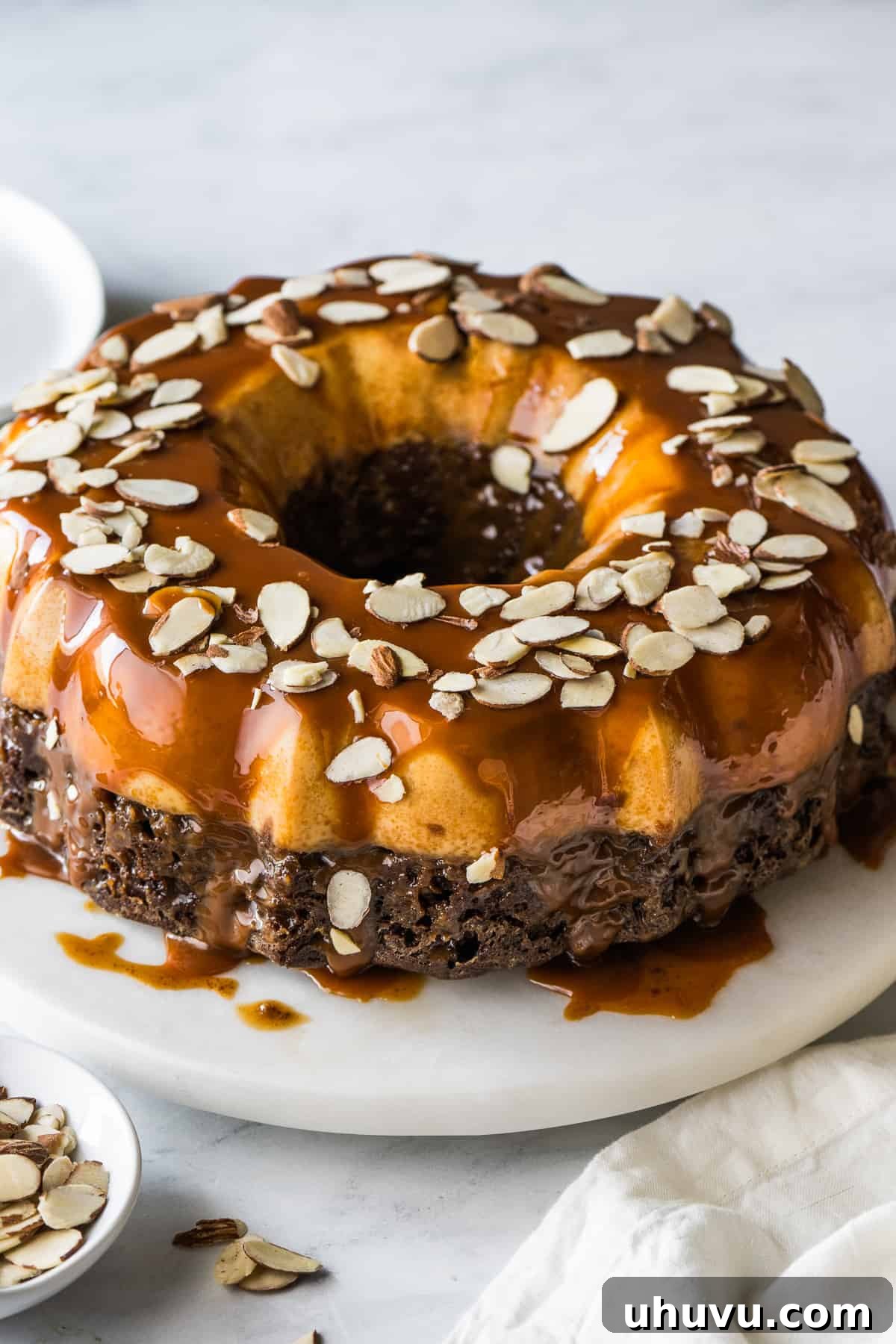
Unlock the secrets to baking the perfect chocoflan at home! This extraordinary Mexican dessert, often called the “Impossible Cake” or “Magic Cake,” is a masterpiece of textures and flavors. It brilliantly combines a rich, dense chocolate cake with a silky, creamy flan, creating an unforgettable culinary experience. Ideal for special celebrations, family gatherings, or simply to treat yourself to something truly spectacular, chocoflan is surprisingly accessible for home bakers. The grand finale is a luscious drizzle of authentic cajeta caramel sauce, elevating this sweet treat to pure perfection.
Craving more delightful dessert recipes? Explore our collection featuring the beloved Tres Leches Cake, decadent Mexican Brownies, and refreshing Fresas con Crema.
For years, I meticulously refined my chocoflan recipe, driven by my deep love for this enchanting dessert. Despite numerous attempts and initial challenges, I persevered until I finally perfected the delicate balance and signature “magic” of this layered treat. My dedication stemmed from several compelling reasons:
- A Symphony of Two Desserts in One: Chocoflan truly delivers the best of both worlds. It masterfully marries the deep, comforting flavor of a rich chocolate cake with the smooth, elegant texture of a vanilla-infused flan. This unique combination satisfies multiple dessert cravings simultaneously, making it an instant crowd-pleaser for diverse palates.
- Unmatched Texture Harmony: The contrast between the two layers is what makes chocoflan so extraordinary. Imagine the dense, fudgy bite of a perfectly baked chocolate cake beautifully complemented by the light, creamy, and jiggly texture of a classic vanilla flan. This harmonious pairing creates an intriguing mouthfeel that is both indulgent and refreshing.
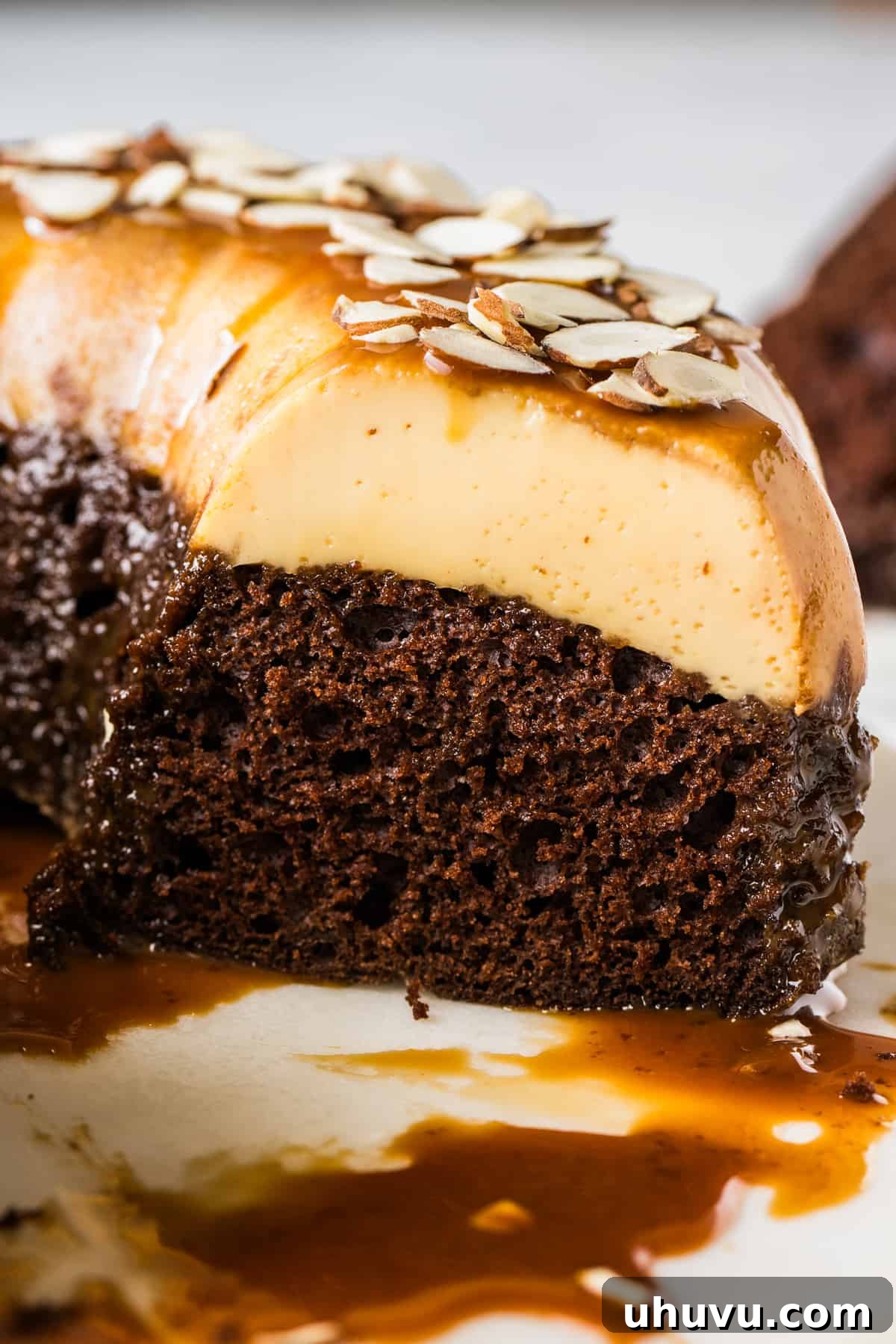
- The Ultimate “Magic” Cake Experience: This dessert isn’t just delicious; it’s a fantastic party trick! The layers are poured into the bundt pan in a specific order – chocolate cake batter first, followed by the flan mixture. However, during the baking process in a water bath, these layers magically invert, with the flan settling to the bottom and the cake rising to the top. When you unmold the cake, the caramel sauce cascades down the flan layer, creating a stunning visual effect that always wows guests and sparks conversations.
What Exactly Is Chocoflan? The “Impossible Cake” Explained
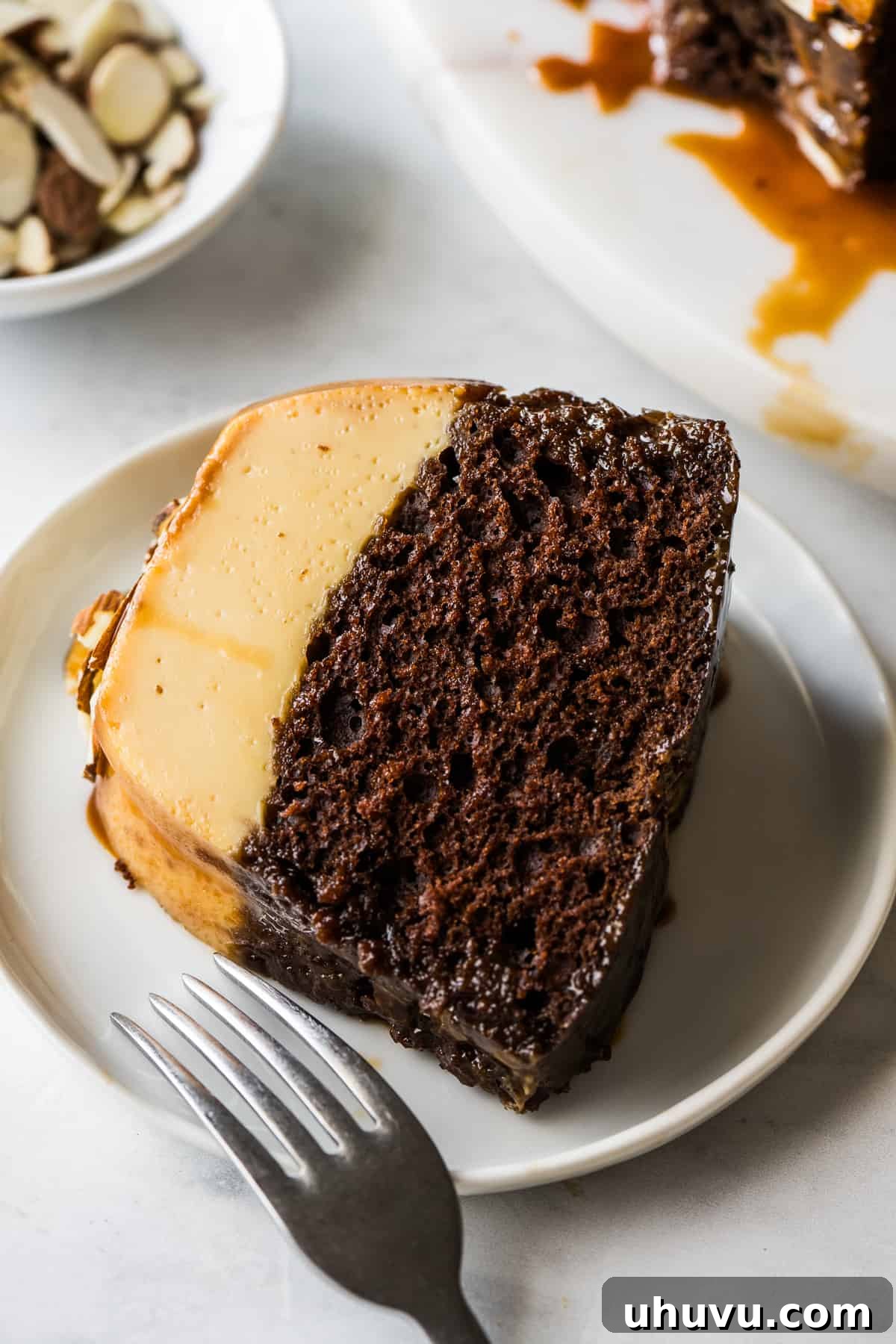
Chocoflan, affectionately known throughout Mexico and Latin America as the “Impossible Cake” or “Magic Cake,” is a truly unique and beloved dessert. It’s a layered marvel where two distinct batters – a rich chocolate cake and a silky cream cheese flan – are baked together in a single pan. The captivating part lies in its preparation: the chocolate cake batter is poured in first, followed by the flan mixture. But during the baking process, something magical happens. Due to differences in density, the flan mixture, being denser, gracefully sinks to the bottom, while the lighter cake batter rises and bakes on top.
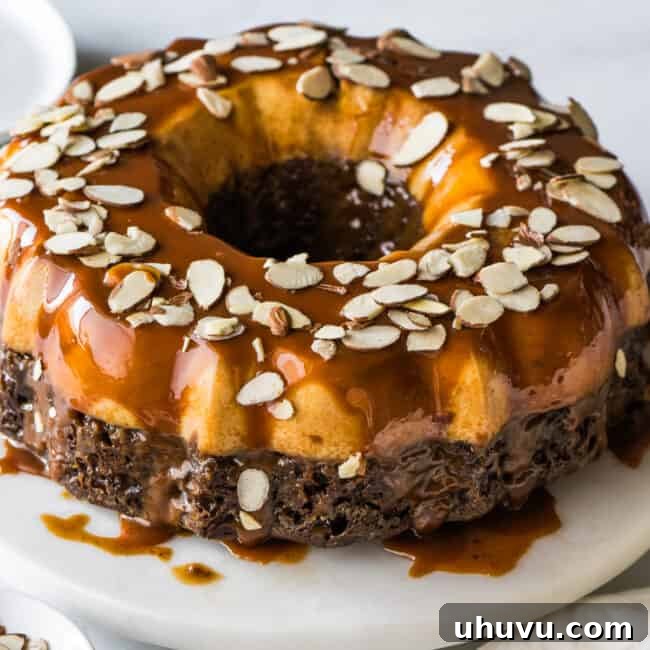
Upon cooling and inversion, the cake reveals a beautiful chocolate layer crowned with the smooth, golden flan, all glistening with a pourable cajeta caramel sauce that coats the entire dessert. This innovative technique is not only visually stunning but also ensures each bite delivers a delightful interplay of textures and flavors. Our version features a decadent, fudgy chocolate cake perfectly paired with a light, creamy flan de queso (cream cheese flan). The entire creation is then generously drizzled with rich cajeta and often garnished with crunchy sliced almonds, adding another layer of flavor and texture.
The combination of these elements creates what many consider the holy trinity of Mexican dessert flavors: the deep richness of chocolate, the sweet elegance of vanilla from the flan, and the complex, buttery notes of caramel. It’s a dessert that tells a story with every slice, making it a staple for celebrations and a true testament to Mexican culinary ingenuity.
Essential Chocoflan Ingredients: Crafting Each Layer
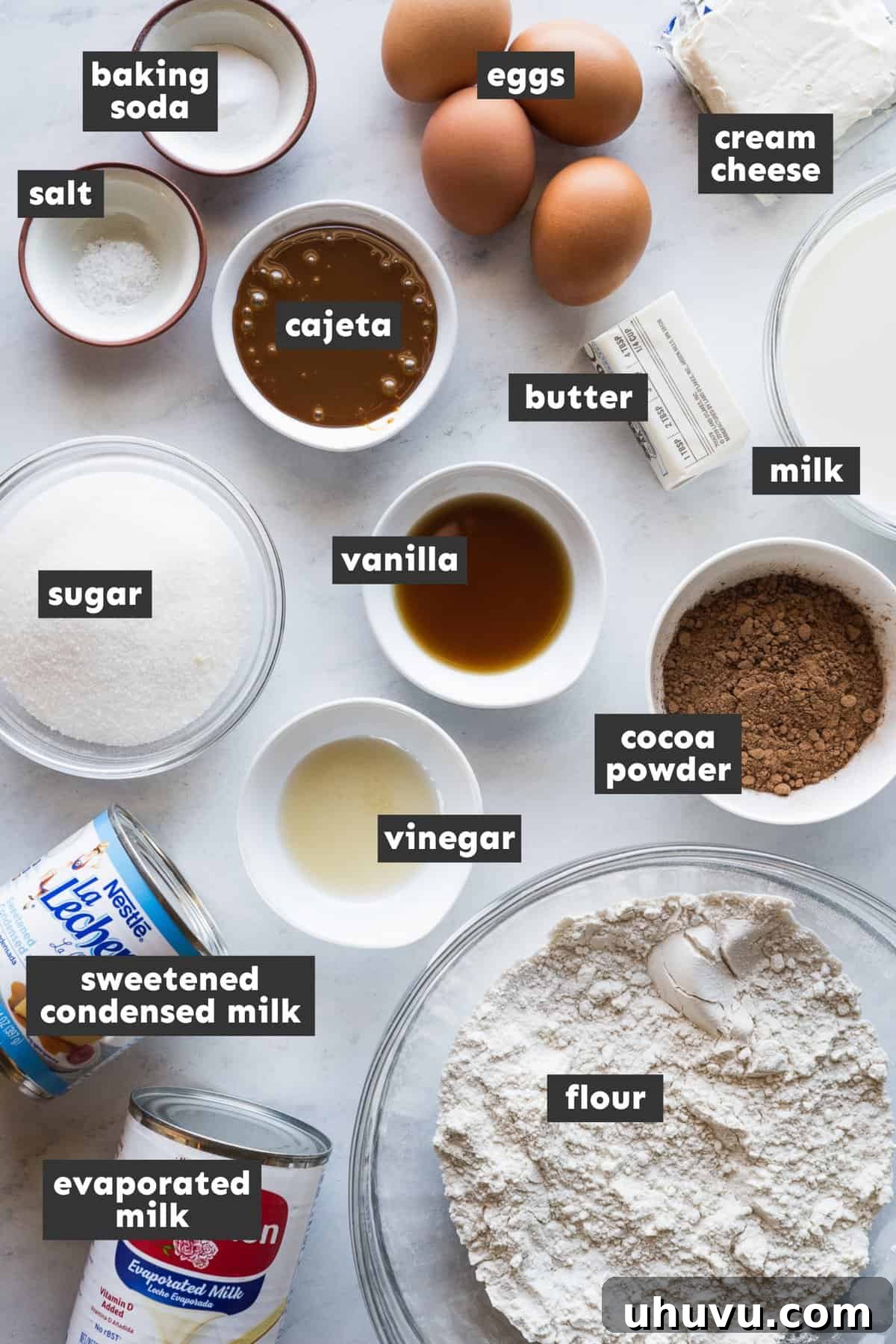
Creating an exquisite chocoflan relies on carefully selected ingredients for both its distinct layers and its signature topping. Here’s a detailed breakdown of what you’ll need and why each component is crucial:
- The Decadent Chocolate Cake Layer: This foundational layer requires all-purpose flour for structure, rich cocoa powder for its deep chocolate flavor, granulated sugar for sweetness and moisture, and baking soda as a leavening agent to help the cake rise. An egg binds the ingredients, adding richness, while whole milk provides moisture, and butter contributes to a tender crumb and delicious flavor. A touch of distilled white vinegar, when combined with baking soda, creates a chemical reaction that helps tenderize the cake and provides a slight tang, akin to using buttermilk. These ingredients are meticulously chosen to produce a dense, moist chocolate batter that performs beautifully in a bundt cake pan. The inherent lightness of this cake batter compared to the flan mixture is precisely what facilitates the mesmerizing “flip-flop” during baking – the denser flan sinks, allowing the lighter cake to rise above it.
- The Silky Cream Cheese Flan Layer: The flan is where the magic truly unfolds, offering a contrast of creamy texture and delicate sweetness. You’ll need evaporated milk and sweetened condensed milk, which together form the rich, sweet, and smooth base characteristic of traditional flan. Cream cheese is the star ingredient in this flan de queso variation, imparting an incredibly silky smooth texture and a luxurious, rich consistency that sets it apart. Large eggs act as the primary setting agent, ensuring the flan holds its perfect shape, while vanilla extract infuses the mixture with its comforting and aromatic essence. This combination results in a flan that is very similar to our popular cream cheese flan recipe, known for its superb mouthfeel.
- The Signature Cajeta Caramel Topping: No chocoflan is complete without its iconic caramel topping. We opt for cajeta, a thick, gooey, and utterly delicious caramel-like sauce traditionally made from goat’s milk. Cajeta offers a richer, more complex, and often slightly tangier flavor profile than standard cow’s milk caramel or dulce de leche, complementing the chocolate and vanilla layers beautifully. You have the flexibility to use a high-quality store-bought cajeta for convenience, or for an even more authentic and rewarding experience, you can craft your own homemade cajeta from scratch. A generous drizzle of this sauce, perhaps with some sliced almonds, creates the perfect finish.
How to Master the Art of Chocoflan: A Step-by-Step Guide
Creating this show-stopping dessert is a rewarding experience. Follow these detailed steps to achieve a flawless chocoflan:
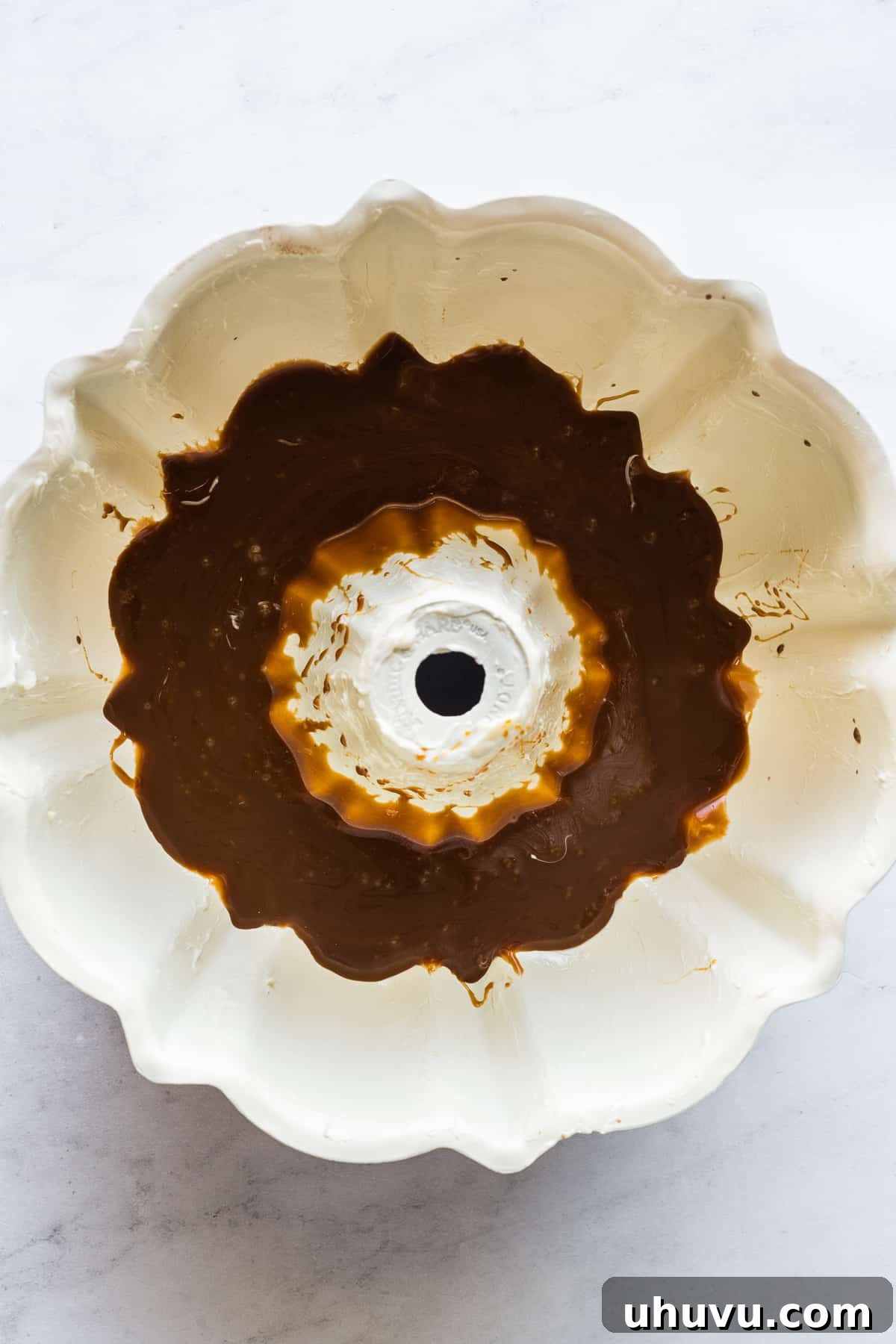
Step 1: Prepare Your Bundt Pan with Care. Begin by generously greasing a 12-cup bundt pan with softened butter, ensuring every crevice is coated to prevent sticking. This initial step is critical for a clean release. Next, pour ½ cup of cajeta caramel sauce into the bottom of the greased pan, swirling it gently to coat the base evenly. This will become the exquisite topping when the cake is inverted.
Step 2: Prepare the Rich Chocolate Cake Batter. In a large mixing bowl, either with a stand mixer fitted with a paddle attachment or using an electric hand mixer, cream together the granulated sugar and the remaining softened butter until the mixture is light, fluffy, and well-combined. In a separate, medium-sized bowl, whisk together the dry ingredients: all-purpose flour, cocoa powder, baking soda, and salt. Gradually add the dry mixture to the creamed butter and sugar, mixing just until combined. Then, incorporate the whole milk, one large egg, and the distilled white vinegar. Mix the batter thoroughly, but avoid overmixing, until it is just smooth. Overmixing can lead to a tough cake.
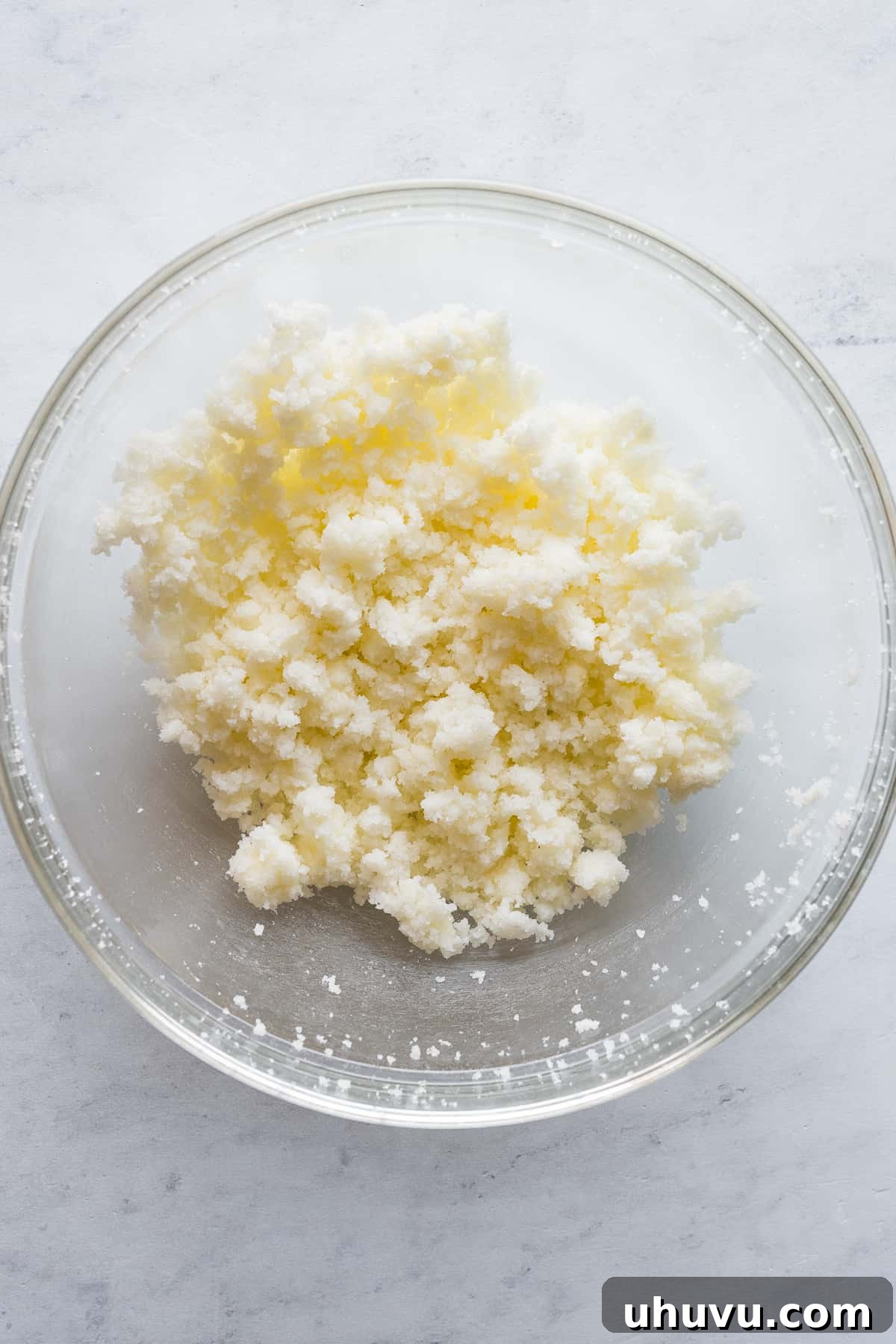
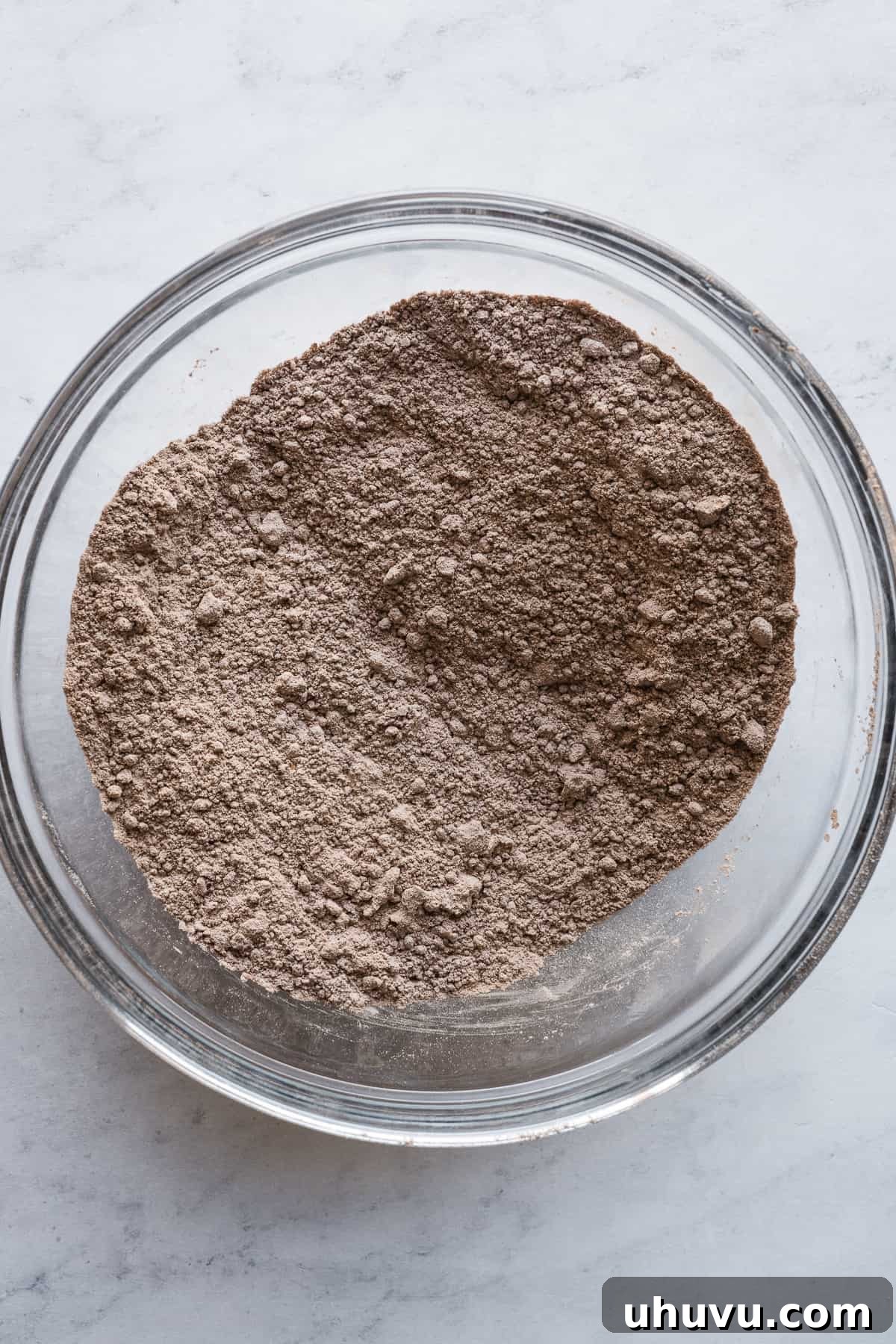
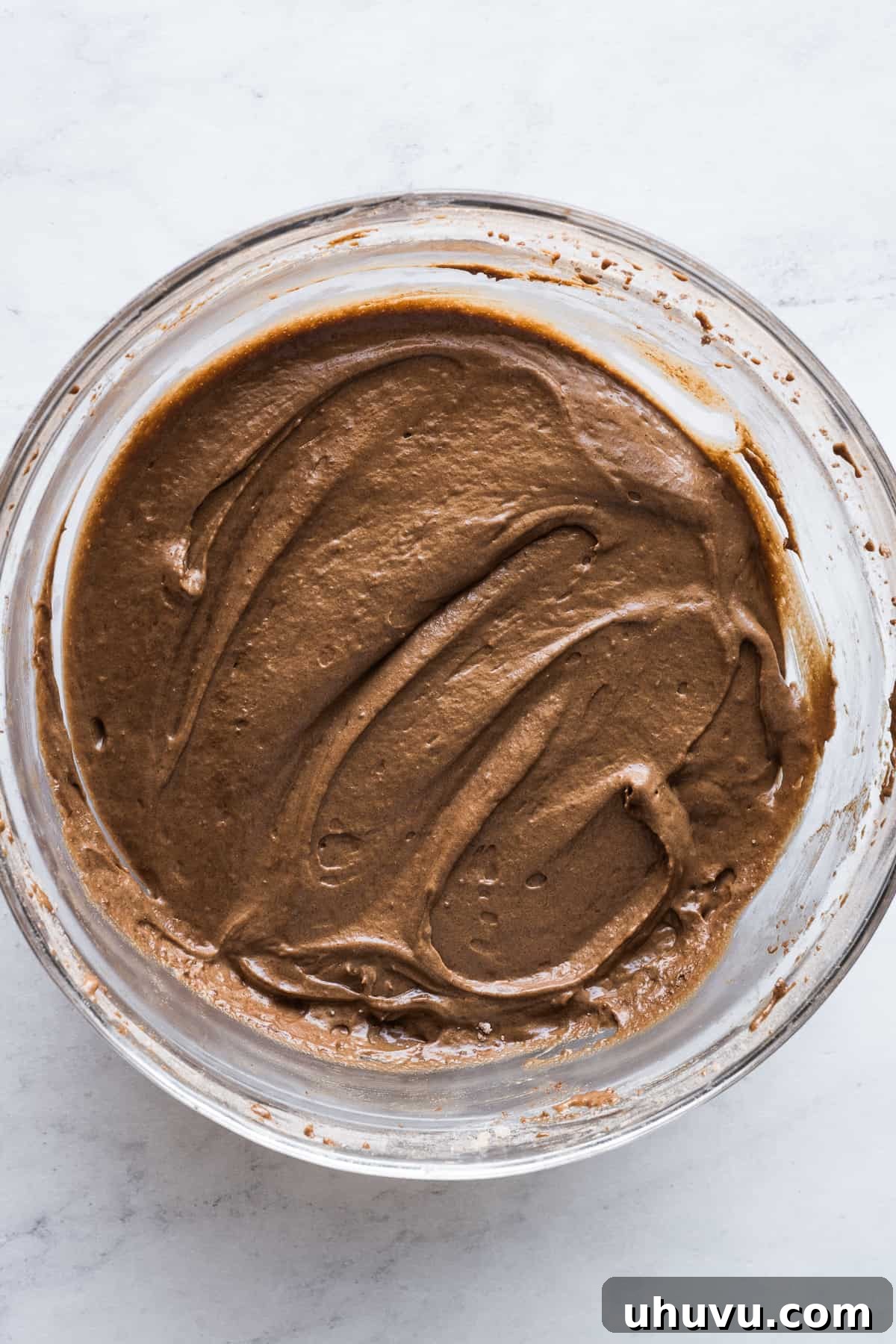
Step 3: Prepare the Creamy Flan Mixture. In a large blender, combine the evaporated milk, sweetened condensed milk, cream cheese (ensure it’s at room temperature for smooth blending), the remaining three large eggs, and the vanilla extract. Blend on high speed for approximately 30 seconds, or until the mixture is completely smooth and lump-free. A well-blended flan is key to its silky texture.
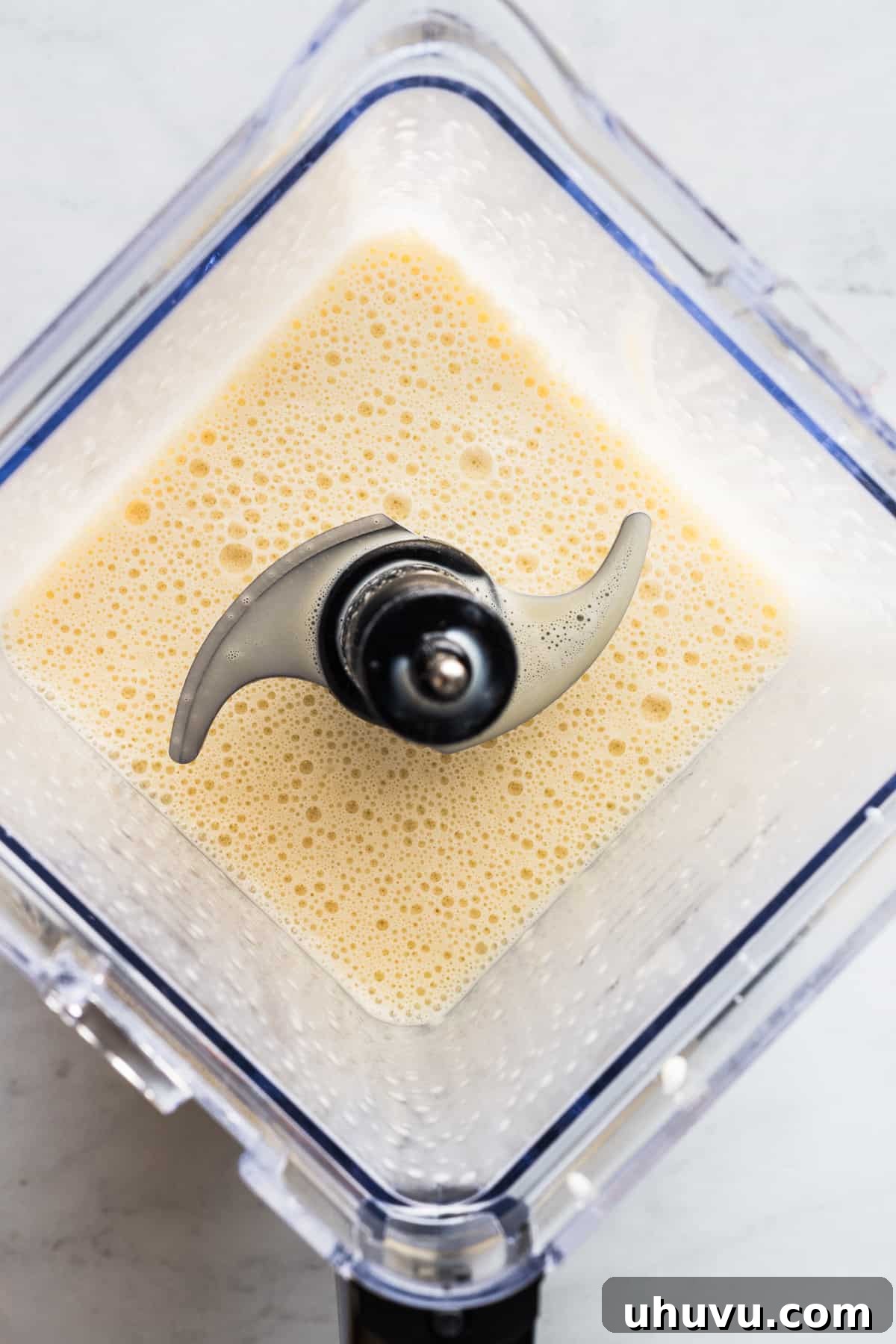
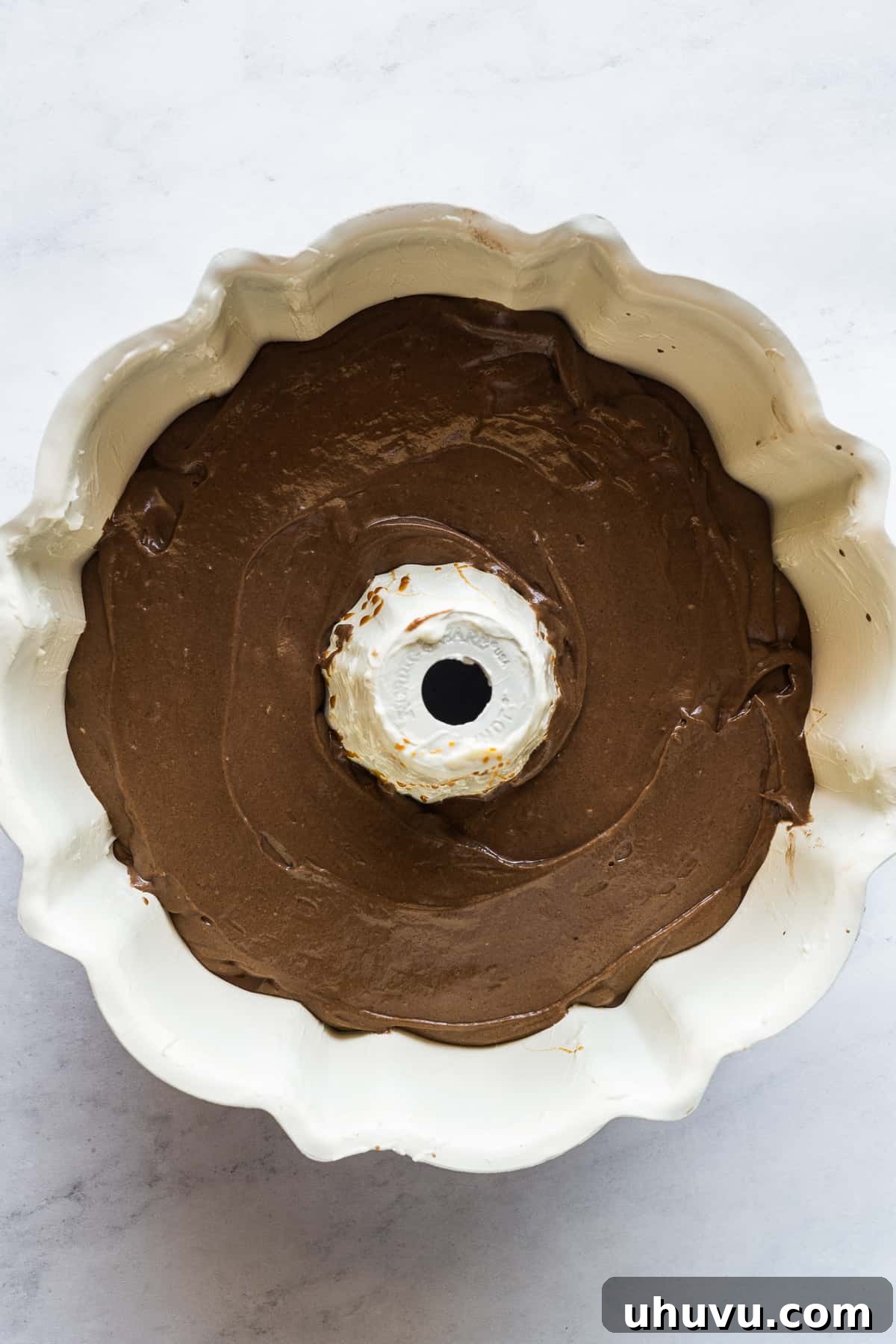
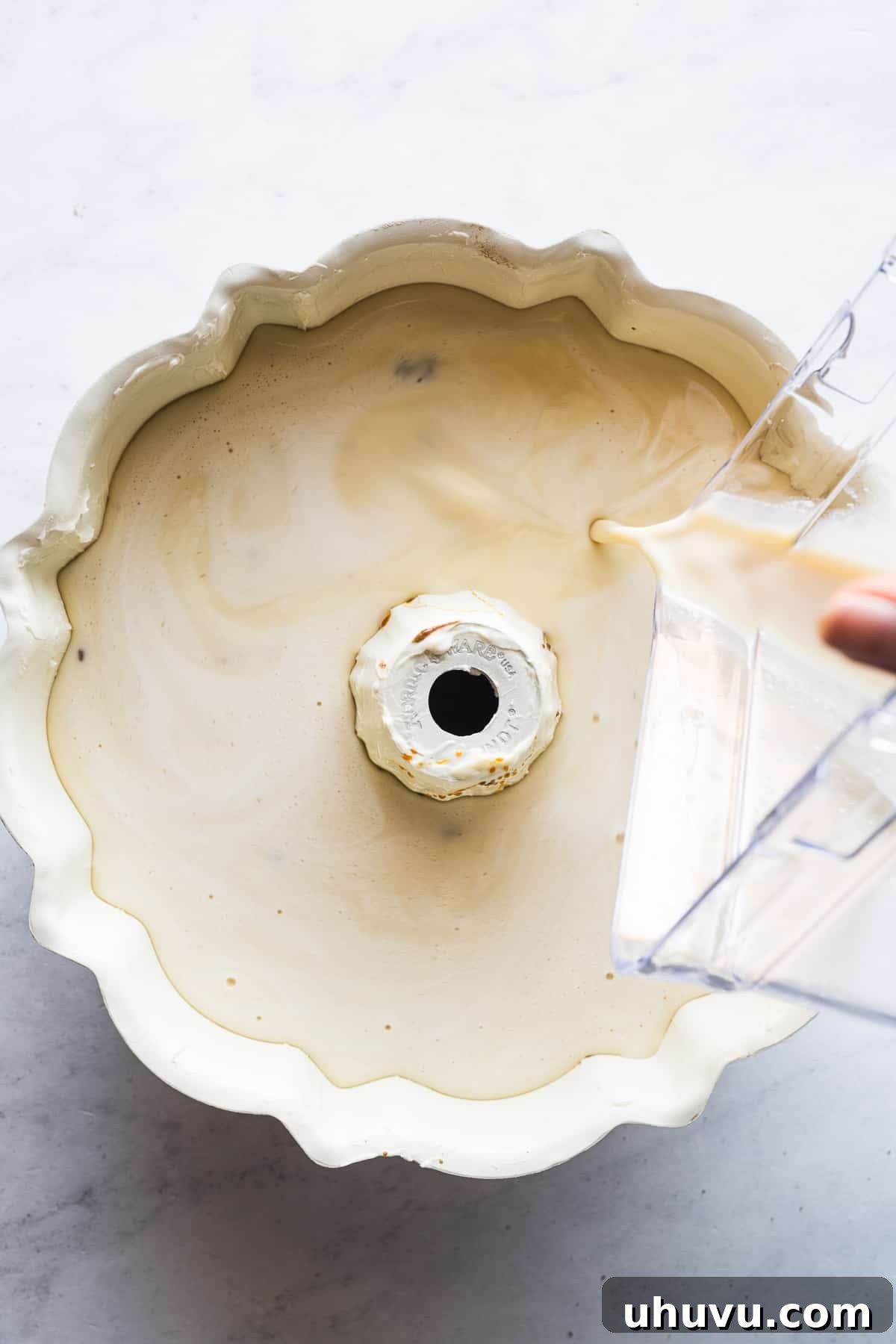
Step 4: Layer the Batters in the Bundt Pan. Carefully pour the chocolate cake batter into the prepared bundt pan, spreading it evenly across the cajeta layer. Next, and this is crucial for the “magic” effect, slowly and gently pour the blended flan mixture directly over the chocolate cake batter. Do not worry if the layers seem to combine slightly at this stage; their differing densities will naturally separate and invert during the baking process, ensuring the flan rises to the top.
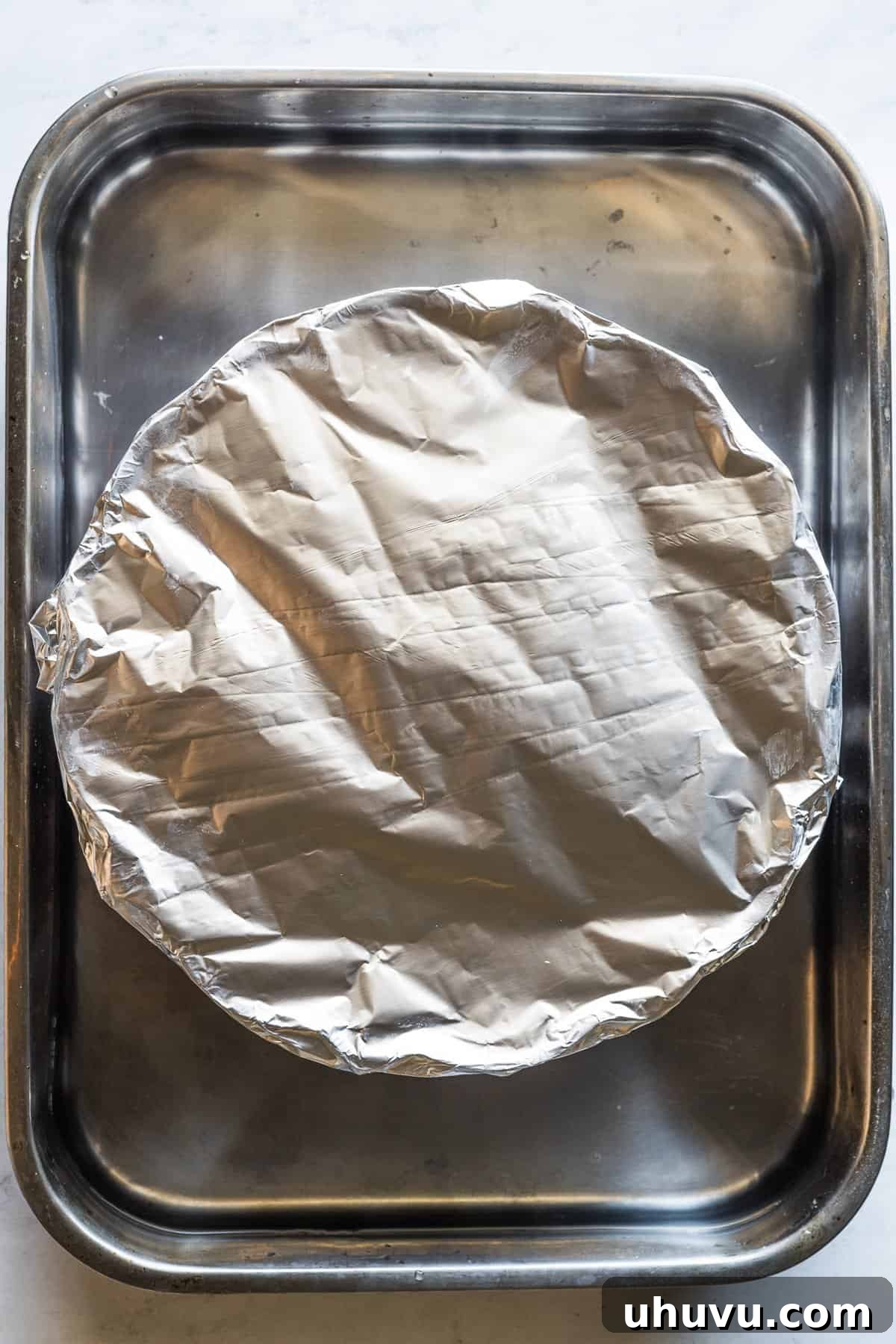
Step 5: Prepare the Water Bath and Bake. Preheat your oven to 350°F (175°C). Cover the bundt pan tightly with aluminum foil. Place the covered bundt pan into a larger roasting pan. Carefully pour hot tap water into the roasting pan until the water level reaches approximately halfway up the sides of the bundt pan. This water bath (bain-marie) is essential for providing gentle, even heat, which helps the flan cook smoothly without cracking and prevents the cake from drying out. Place the roasting pan carefully into the preheated oven.
Step 6: Bake and Cool Completely. Bake the chocoflan for 1 hour and 25 minutes to 1 hour and 40 minutes, or until the surface of the cake feels firm to the touch, and a toothpick inserted into the cake layer comes out clean. The flan should be set but still have a slight jiggle. Once baked, carefully remove the roasting pan from the oven and then lift the bundt pan out of the water bath. Allow the chocoflan to cool completely at room temperature for at least 1-2 hours. This crucial cooling period allows the cake to fully set and makes the un-molding process much easier.
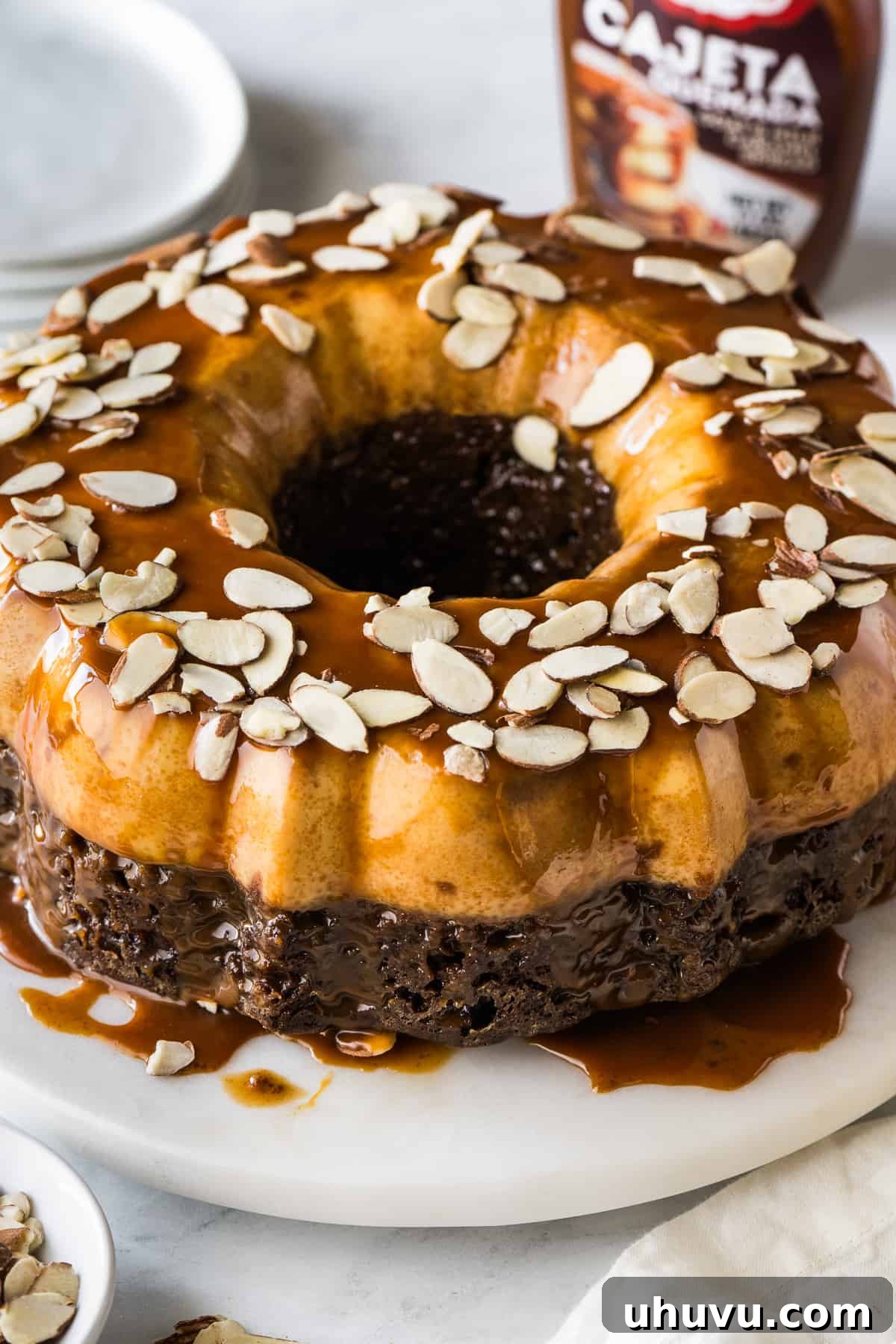
Step 7: Un-mold and Serve Your Masterpiece. Once the chocoflan is completely cool, run a thin knife carefully along the inner and outer edges of the bundt pan to loosen any stuck parts. Place a large serving plate or cake stand upside down over the bundt pan. Grasp both the plate and the pan firmly, give it a gentle but confident jiggle, then swiftly flip the entire assembly over. The chocoflan should gracefully slide out onto the plate, revealing the flan layer on top, bathed in the rich cajeta sauce. Scrape any remaining caramel from the pan onto the cake. Garnish with additional sliced almonds or chopped pecans for added crunch and visual appeal. Slice and serve immediately, marveling at the “impossible” layers!
Essential Chocoflan Recipe Tips for Success
To ensure your chocoflan turns out perfectly every time, keep these valuable tips in mind:
- Cajeta vs. Dulce de Leche: While cajeta, made from goat’s milk, offers a distinctive richness and subtle tang, you can absolutely use homemade dulce de leche (made from cow’s milk) as a delicious alternative. Both caramel sauces will yield a fantastic result; the choice simply depends on your preference for their nuanced flavor profiles.
- Avoid Overbaking at All Costs: Overbaking is the enemy of a moist chocolate cake and a tender flan. Towards the end of the specified baking time, begin checking for doneness. The chocolate cake layer should feel firm to the touch, and a toothpick inserted into it should come out clean. The flan layer should be set but still have a slight, gentle jiggle when the pan is moved. Overbaking can lead to a dry, crumbly cake and a tough, rubbery flan, compromising the dessert’s signature texture contrast.
- The Importance of Room Temperature Ingredients: For both the chocolate cake and flan batters, ensure your dairy products (milk, butter, cream cheese) and eggs are at room temperature. This allows the ingredients to emulsify more effectively, resulting in a smoother, more uniform batter and a finer-textured finished product.
- Cool Completely for Easy Unmolding: Patience is truly a virtue with chocoflan. Do not attempt to unmold the cake until it has cooled completely to room temperature, which can take up to 2 hours or more. Rushing this step can cause the cake to stick to the pan or even break apart. For an even cleaner release, some bakers even recommend chilling the cooled chocoflan in the refrigerator for an hour before inverting.
- The Gentle Pour: When layering the flan mixture over the chocolate cake batter, pour it slowly and gently. This technique minimizes the disturbance of the cake batter below, allowing the natural density differences to work their magic more effectively during baking.
Selecting the Right Bundt Pan for Chocoflan
Chocoflan is traditionally and best baked in a 12-cup bundt pan. The classic shape and volume of this pan are ideal for achieving the distinct layers and elegant presentation. While you can experiment with other cake pans, it is crucial to ensure any alternative pan has a 12-cup capacity to accommodate all the batter and flan mixture without overflowing. Keep in mind that using a different pan shape or size will likely alter the baking time, so you’ll need to adjust and monitor the cake’s doneness carefully.
Storage Guidelines for Chocoflan
To keep your delicious chocoflan fresh and moist, store it in an airtight container in the refrigerator. Properly stored, it will maintain its quality and flavor for up to 4 days. This dessert is best enjoyed chilled, making it a perfect make-ahead option for entertaining.
Explore More Authentic Mexican Recipes
If you loved making this chocoflan, you’ll surely enjoy these other traditional Mexican desserts:
- Chocolate Tres Leches Cake
- Conchas (Mexican Sweet Bread)
- Cortadillo (Mexican Pink Cake)
- Classic Flan Recipe
- Arroz con Leche (Mexican Rice Pudding)
Chocoflan: The Impossible Cake Recipe
Ingredients
- 5 tablespoons unsalted butter, softened, divided
- ½ cup cajeta
- ¾ cup granulated sugar
- 1 ½ cups all-purpose flour
- ⅓ cup unsweetened cocoa powder
- 1 teaspoon baking soda
- ¼ teaspoon salt
- 1 cup whole milk
- 4 large eggs, room temperature, divided
- 1 teaspoon distilled white vinegar
- 12 ounces evaporated milk
- 14 ounces sweetened condensed milk
- 4 ounces cream cheese, room temperature
- 1 tablespoon vanilla extract
- Hot water, as needed
Instructions
-
Preheat the oven to 350℉ (175°C). Generously grease the inside of a 12-cup bundt pan with 1 tablespoon of softened butter, ensuring thorough coverage of all grooves. Pour ½ cup of cajeta into the bottom of the pan to coat it evenly, then set aside.
-
In the bowl of a stand mixer using the paddle attachment, or in a large bowl with an electric hand mixer, beat together the granulated sugar and the remaining 4 tablespoons of softened butter until the mixture is light, fluffy, and thoroughly creamed.
-
In a separate medium bowl, whisk together the all-purpose flour, unsweetened cocoa powder, baking soda, and salt until well combined.
-
Gradually add the dry flour mixture to the creamed butter and sugar, mixing on low speed until just combined and no dry streaks remain.
-
Add the whole milk, 1 large egg, and distilled white vinegar to the batter. Mix for another 40-60 seconds until the chocolate cake batter is completely smooth. Be careful not to overmix.
-
In a large blender, combine the evaporated milk, sweetened condensed milk, room temperature cream cheese, the remaining 3 large eggs, and vanilla extract. Blend on high speed for approximately 30 seconds until the mixture is completely smooth and uniform.
-
Pour the chocolate cake batter evenly into the prepared bundt pan. Then, very slowly and gently, pour the blended flan mixture on top of the cake batter. It’s perfectly normal if the layers appear to mix slightly at the edges; their density differences will ensure they separate and invert during baking.
-
Cover the bundt pan tightly with aluminum foil. Place the covered bundt pan into a larger roasting pan. Carefully pour hot tap water into the roasting pan until it reaches approximately halfway up the sides of the bundt pan, creating a water bath (bain-marie).
-
Carefully transfer the roasting pan with the bundt pan into the center rack of your preheated oven. Bake for 1 hour and 25 minutes to 1 hour and 40 minutes, or until the surface of the cake feels firm to the touch and a toothpick inserted into the cake layer comes out clean. The flan should be set with a slight jiggle.
-
Once baked, carefully remove the bundt pan from the water bath (leaving the roasting pan in the oven if it’s still hot) and let the chocoflan cool completely at room temperature for about 2 hours. This extended cooling time is essential for the cake to set properly and for easy unmolding.
-
Once completely cool, run a thin, sharp knife around the inner and outer edges of the cake pan to loosen any sticking. Place a large serving plate or cake stand upside down over the bundt pan. Holding both the plate and the pan firmly together, give them a little confident jiggle, then swiftly flip the entire assembly over. The chocoflan should smoothly release onto the plate.
-
Remove the bundt pan. Scrape any remaining cajeta from the pan onto the cake for extra caramel goodness. Garnish with sliced almonds or chopped pecans, then slice and serve your magical chocoflan!
Notes
- Do not overbake. Be sure to check for doneness towards the end of the baking time. The cake should feel firm to the touch, while the flan should be set with a slight jiggle. Overbaking may lead to a dry cake and a tough, rubbery flan, compromising the texture.
- Ensure ingredients are at room temperature. This helps in achieving a smoother, more uniform batter for both the cake and flan, leading to a better final texture.
- Cool completely before unmolding. This is crucial for a clean release. Rushing the unmolding process can cause the cake to stick or break apart.
Nutrition Information (per serving)
Nutrition information is automatically calculated and should only be used as an approximation.