
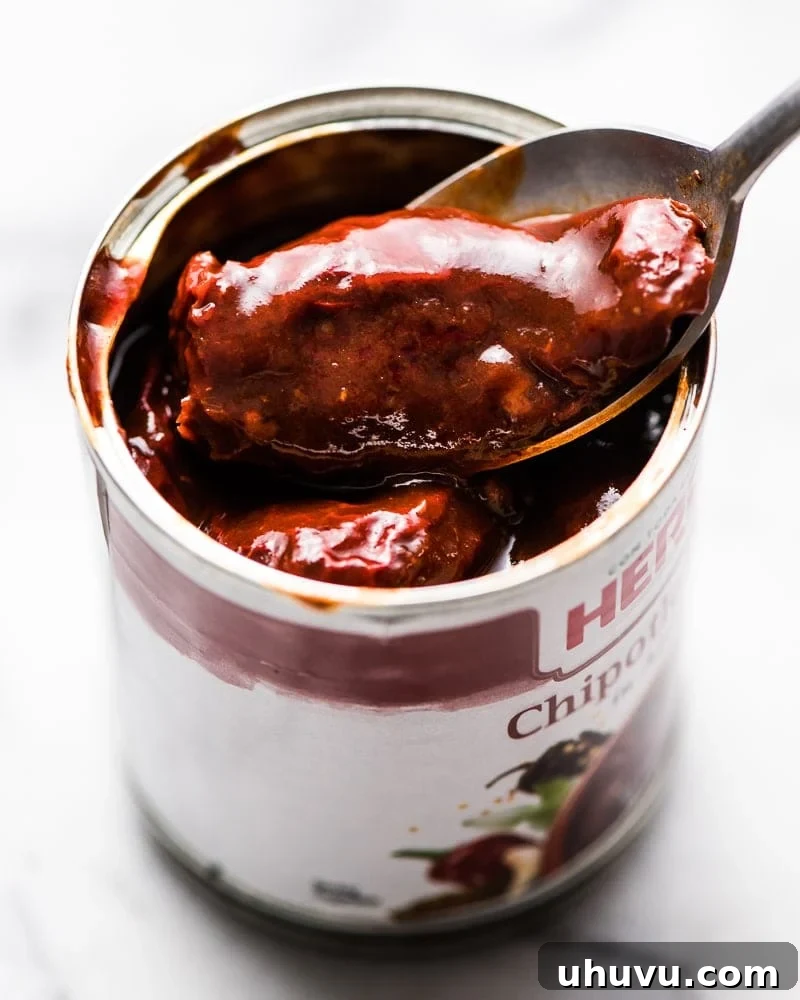
Chipotle Peppers: Unveiling the Smoky Soul of Mexican Cuisine
Embark on a culinary journey with chipotle peppers, an iconic ingredient that infuses dishes with an unforgettable smoky depth and a welcome kick of heat. Far more than just a spicy addition, chipotles are a cornerstone of Mexican and Tex-Mex flavors, transforming ordinary meals into extraordinary experiences. In this comprehensive guide, we’ll delve into everything you need to know about these versatile chiles, from their origins as humble jalapeños to their diverse applications in your kitchen, ensuring you master their unique character and unleash their full potential.
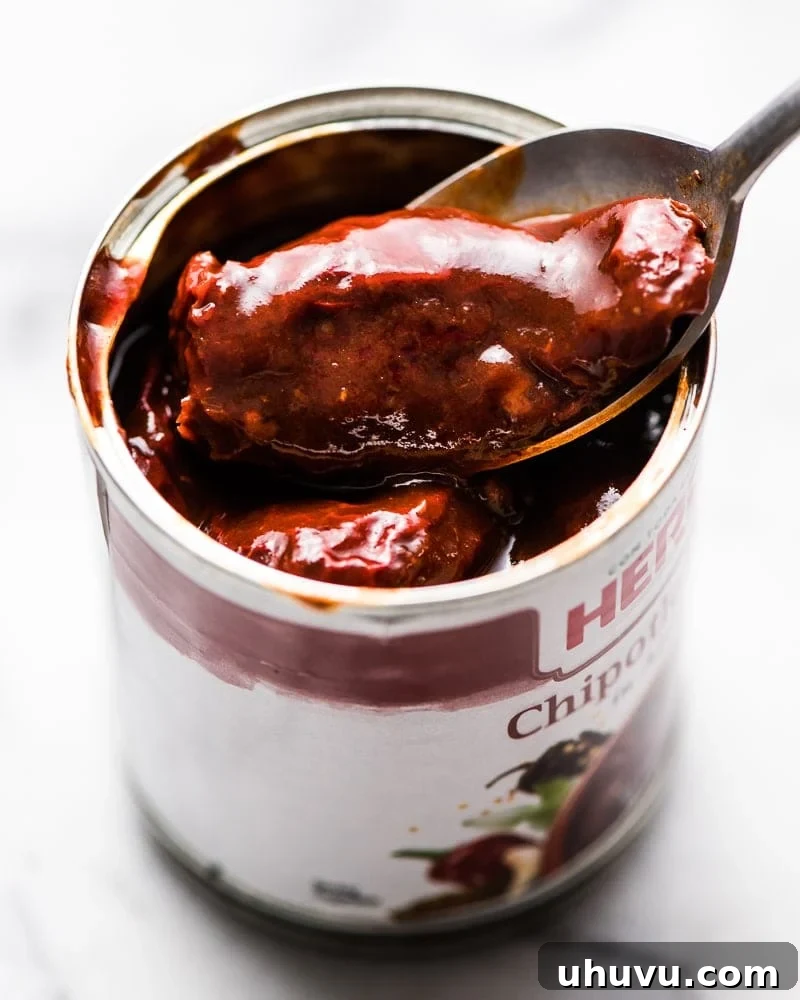
What Exactly is a Chipotle Pepper? The Flavorful Transformation of a Jalapeño
At its heart, a chipotle pepper is simply a mature jalapeño chili pepper that has undergone a remarkable transformation through smoking and drying. This intricate process is what bestows upon it its distinctive flavor and extended shelf life, setting it apart from its fresh counterpart. The word “chipotle” itself comes from the Nahuatl word “chilpoctli,” meaning “smoked chili.”
While fresh jalapeños are typically harvested when green and firm, chipotles are predominantly made from jalapeños that have been allowed to ripen fully on the vine, turning a vibrant red. This ripeness is crucial, as red jalapeños develop a sweeter, fruitier undertone and often a higher capsaicin content, contributing to the chipotle’s more complex flavor and heat profile. Although less common, it is indeed possible to make chipotles from less ripe green peppers, but they will lack some of the deep sweetness and robust flavor found in those made from red jalapeños.
Historically, the smoking and drying of peppers was a traditional method of preservation in Mesoamerican cultures, particularly among the Aztecs. This ancient technique allowed communities to store their harvest of chiles for long periods, especially during colder months. Today, this practice continues, primarily valued not just for preservation but for the incredible flavor it imparts. The long, slow smoke imbues the peppers with a deep, earthy, and intensely smoky aroma, making them an indispensable staple in authentic Mexican and Tex-Mex cuisines.
Chipotle peppers are a widely available ingredient, easily found in most grocery stores across North America and increasingly worldwide. You’ll typically encounter them in the Mexican food aisle, either whole and dried, ground into a fine powder, or most commonly, canned in a savory, sweet, and tangy red sauce known as chipotles in adobo sauce. Each form offers unique culinary possibilities, catering to different recipe needs and flavor intensities, allowing you to incorporate their distinctive character into almost any dish.
Understanding the Heat: Chipotle Peppers on the Scoville Scale
When considering the spiciness of chipotle peppers, it’s helpful to reference the Scoville Heat Unit (SHU) scale, a standardized measurement of a pepper’s pungency. Chipotle peppers, being smoked and dried jalapeños, typically share a similar heat range to their fresh predecessors, falling between 2,500 and 8,000 SHU. This places them firmly in the mild to moderate category of chili peppers, making them accessible to a broad spectrum of palates without being overwhelmingly spicy.
To put this into perspective, the beloved bell pepper registers at 0 SHU, completely devoid of heat. On the other end of the spectrum, formidable peppers like the ghost pepper can soar past 1 million SHU, offering an extreme, searing heat. Chipotle peppers, therefore, occupy a comfortable middle ground, providing a noticeable warmth and tingling sensation that enhances a dish without overpowering other flavors. They are generally milder than a cayenne pepper (which typically ranges from 30,000-50,000 SHU) but significantly hotter than a poblano (1,000-1,500 SHU), offering a satisfying kick that is well-balanced with their smoky essence.
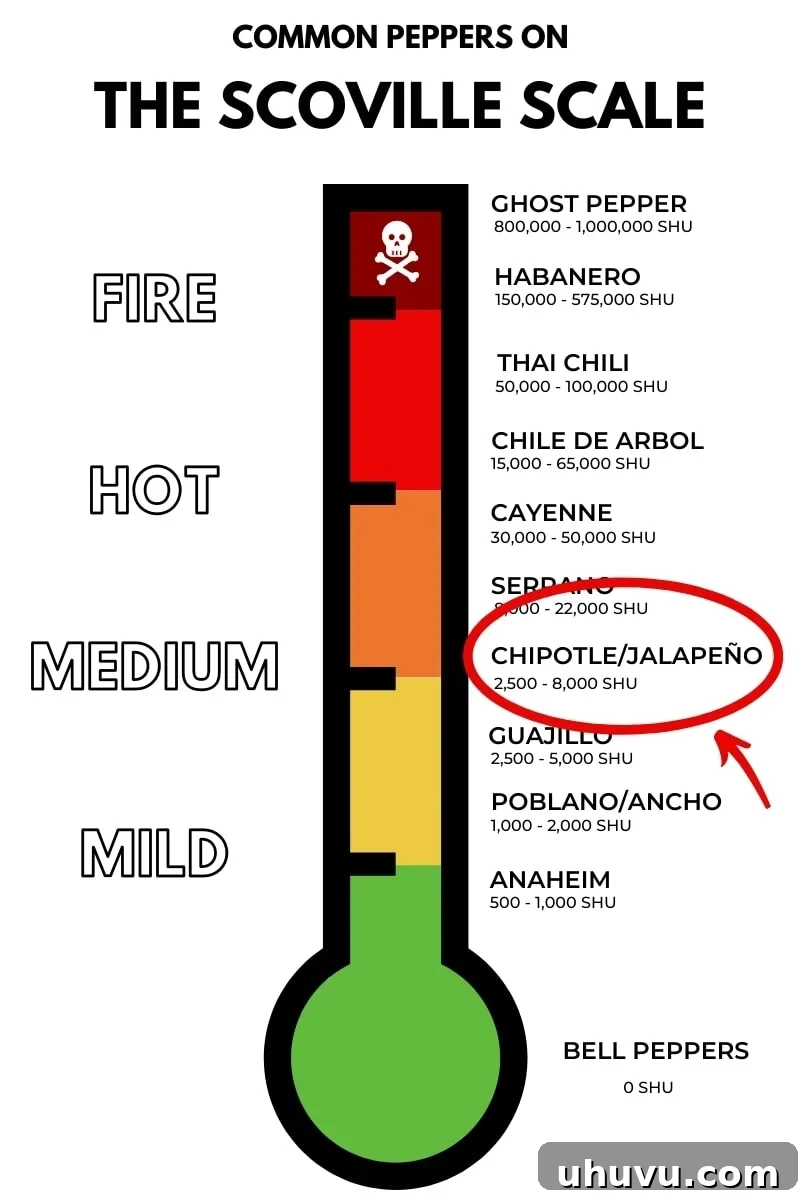
Several factors can influence the precise heat level of any individual chipotle pepper. These include environmental conditions such as climate, soil composition, and rainfall during the growing season. Furthermore, the level of ripeness plays a significant role; as jalapeños mature from green to red, their capsaicin content tends to increase. Since most chipotle peppers are crafted from these fully ripened, red jalapeños, they often reside at the higher end of their typical heat range, delivering a robust and satisfying warmth.
For those who prefer a milder experience, or wish to control the spice intensity, a simple technique is to remove the seeds and the inner white membranes (placenta) of the pepper before use. These parts contain the highest concentration of capsaicin, the compound responsible for the heat. By carefully scraping them out, you can significantly reduce the pungency while retaining the delicious smoky flavor that defines the chipotle pepper.
The Rich Flavor Profile of Chipotle Peppers: Beyond Just Heat
While their moderate heat is certainly a highlight, the true magic of chipotle peppers lies in their complex and nuanced flavor profile. The smoking process imparts a deep, unmistakable smokiness that is both earthy and robust. This isn’t just a surface-level flavor; it penetrates the entire pepper, creating a foundation that elevates countless dishes and gives chipotles their signature character.
Beyond the smoke, chipotles offer subtle notes that contribute to their unique identity. You’ll often detect a slight sweetness, a natural result of the fully ripened red jalapeños from which they are made. There can also be hints of fruitiness, sometimes even whispers of chocolate or coffee undertones, particularly in deeper, darker smoked varieties. These underlying complexities add layers of intrigue, making chipotles incredibly versatile and capable of complementing a wide array of ingredients. This distinct flavor makes chipotles indispensable, providing a grounding, savory base for sauces and stews, a vibrant counterpoint to rich meats, and an exciting twist to everyday condiments.
Safe Handling Practices for Spicy Peppers
Despite their relatively mild-to-moderate heat level when consumed, the capsaicin present in chipotle peppers can still cause significant irritation upon contact with sensitive skin or mucous membranes. Proper handling is essential to ensure a safe and enjoyable cooking experience and prevent discomfort.
- Wear Gloves: Always don disposable kitchen gloves (latex, nitrile, or vinyl) when handling any spicy pepper, including chipotles. This creates a crucial protective barrier, preventing direct skin contact with the capsaicin oils.
- Avoid Touching Your Face: Even with gloves on, be extremely mindful not to touch your eyes, nose, mouth, or any other sensitive areas of your face. Capsaicin can transfer easily, and even a tiny amount can cause burning and irritation.
- Thorough Handwashing: After you’ve finished handling the peppers and carefully removed your gloves, wash your hands meticulously with soap and warm water. Consider washing them twice. For extra precaution, some cooks find it helpful to rub a small amount of cooking oil (like vegetable or olive oil) on their hands before washing, as capsaicin is oil-soluble, which can aid in dissolving any lingering residue.
- Clean Surfaces: Ensure all cutting boards, knives, utensils, and countertops that came into contact with the peppers are thoroughly washed with hot, soapy water to remove any capsaicin residue. Cross-contamination can easily transfer capsaicin to other foods or surfaces.
- First Aid for Irritation: If accidental contact occurs and irritation (a burning sensation) develops on your skin, try rinsing the affected area with milk or rubbing alcohol. Capsaicin is not water-soluble, so plain water may not be enough to neutralize the burn. For eye irritation, flush with plenty of cold water for several minutes and seek medical attention if severe or persistent.
Storing Chipotle Peppers for Optimal Freshness and Flavor
Proper storage is key to maintaining the unique smoky flavor and heat of chipotle peppers, whether they are dried, powdered, or canned in adobo sauce. Each form requires specific storage methods to ensure their longevity, potency, and quality.
- Dried Chipotle Peppers (Whole):
Whole dried chipotles are incredibly shelf-stable due to their low moisture content. Store them in an airtight container (such as a glass jar with a tight-fitting lid or a heavy-duty resealable bag) in a cool, dark, and dry pantry. Kept this way, they can retain their quality for up to a year, but for the best flavor and potency, it’s advisable to use them within 3 to 6 months. Exposure to light, heat, or moisture can degrade their flavor compounds and color over time, leading to a diminished culinary impact.
- Chipotle Powder:
Ground chipotle powder should also be stored in an airtight container in a cool, dark pantry. While it will technically last for a long time, its aromatic compounds, which are responsible for its flavor and pungency, will diminish over approximately 6 to 12 months. For peak flavor, it’s best to purchase in smaller quantities and use within this timeframe to ensure you’re getting the most vibrant taste.
- Chipotles in Adobo Sauce (Canned):
Unopened cans of chipotles in adobo sauce can be stored safely in your pantry for an extended period, typically following the “best by” date printed on the can. Once opened, however, they must be treated differently to prevent spoilage. Transfer any unused peppers and sauce to a clean, airtight container (glass or plastic) and refrigerate them. They will keep well in the refrigerator for about 1 to 2 weeks. For much longer storage, chipotles in adobo freeze exceptionally well. You can spoon individual peppers and a bit of sauce into ice cube trays, freeze until solid, then transfer the frozen cubes to a freezer-safe bag or container. This allows for convenient, pre-portioned usage and extends their shelf life to several months, or even up to a year.
- Homemade Chipotle Peppers:
If you’ve ventured into making your own dried chipotles, ensure they are absolutely and completely dry before storing. Any residual moisture can quickly lead to mold formation. Store them in airtight containers in a cool, dark place, similar to commercially dried whole peppers. Freezing homemade chipotles in an airtight container can further extend their freshness and vibrancy for up to a year or more, preserving that hard-earned smoky flavor.
Crafting Your Own Chipotle Peppers at Home: A Step-by-Step Guide
While readily available in stores, making your own chipotle peppers at home offers a deeply satisfying experience and allows for precise control over the smoking process and flavor intensity. The journey begins with selecting the perfect fresh jalapeños and continues with careful smoking and drying.
Step 1: Selecting the Right Jalapeños
Start with fresh jalapeño peppers that have fully ripened to a deep, uniform red color. It’s crucial to avoid green jalapeños for this process, as red ones contain more natural sugars and capsaicin, which contribute significantly to the classic chipotle flavor and heat profile. Choose peppers that are firm to the touch, free from any cracks, blemishes, or soft spots. The ideal peppers will have a glossy skin and a robust, healthy appearance.
Step 2: Preparing the Peppers
Wash the peppers thoroughly under cool running water to remove any dirt or residues, then dry them completely using a clean towel. Any moisture on the peppers can hinder the smoking and drying process, potentially leading to steaming rather than smoking, or even mold. You can choose to remove the stems at this stage or leave them on, which can sometimes make handling them easier during the smoking process. For a slightly faster drying process, some people opt to make a small slit or two in each pepper, allowing moisture to escape more readily, though this isn’t strictly necessary.
Step 3: The Smoking and Drying Process
This is where the magic happens, transforming fresh jalapeños into smoky chipotles. You will need a smoker for this step, capable of maintaining a low, consistent temperature.
- Arrange the Peppers: Lay the prepared peppers in a single layer on your smoker rack. Ensure there is adequate space between each pepper for even smoke circulation. Overcrowding can lead to uneven drying and smoking. If your smoker has multiple racks, utilize them efficiently to maximize your batch. Using a separate, smaller rack that fits inside your smoker can make it easier to transfer the peppers when they are done.
- Set Smoker Temperature: Preheat your smoker to a low and consistent temperature, ideally around 200 degrees Fahrenheit (approximately 93 degrees Celsius). The primary goal here is to slowly dry and smoke the peppers, not to cook them quickly. A temperature that is too high will cook the peppers, while one that is too low might not generate enough smoke or dry them effectively.
- Add Wood Chips: The type of wood chips you use will significantly influence the final flavor of your chipotles, adding another layer of complexity to their profile.
- Pecan: Often considered the traditional Mexican wood for smoking chiles, it imparts a sweet, rich, and nutty smoke that complements the peppers beautifully.
- Hickory: A classic choice for smoking, providing a strong, distinctly bacon-like smoky flavor that is deeply savory.
- Oak: Offers a medium-strength smoke that is versatile and pairs well with many flavors, without being too aggressive.
- Fruit Woods (e.g., Apple, Cherry): These provide a milder, sweeter, and sometimes fruity smoke, which can wonderfully complement the natural sweetness already present in red jalapeños.
Add your chosen wood chips according to your smoker’s instructions, ensuring a continuous, gentle stream of smoke for the duration of the drying process.
- Smoke and Dry: Allow the peppers to smoke and dry for approximately 10 to 12 hours, or until they are completely leathery, brittle, and fully dried. The exact time can vary depending on the size of your peppers, local humidity levels, and your smoker’s efficiency. You’ll know they’re done when they are no longer pliable, feel completely dry to the touch, and can be snapped or easily crushed without any moisture resistance.
TIP: If you find it challenging to maintain the smoker for a full day, you can smoke the peppers for about 3 to 4 hours to infuse them with a robust smoky flavor. After this initial smoking period, transfer the peppers to a dehydrator set to a low temperature (around 120-135°F / 50-57°C) or a conventional oven set to its lowest possible temperature (often around 150-170°F or 65-77°C) with the door slightly ajar to allow moisture to escape. Continue drying until they are completely crisp. This method offers flexibility without compromising the essential smoky essence.
Once your homemade chipotles are fully dried and cooled, store them in an airtight container in a cool, dark place, ready to be rehydrated or ground into powder for future culinary adventures. They are a testament to patience and traditional techniques, yielding an unparalleled ingredient.
Unlocking Flavor: Using Chipotle Peppers in Adobo Sauce
Chipotle peppers in adobo sauce are arguably the most popular and convenient form of chipotles found in American grocery stores. The adobo sauce itself is a flavorful, tangy, slightly sweet, and savory red sauce typically made from puréed tomatoes, vinegar, garlic, and various spices, all of which perfectly complement the smoky heat of the chipotles. They are incredibly versatile and can be used to add a burst of complex flavor to a wide array of dishes, offering both convenience and depth.
Here are numerous ways to incorporate these flavor-packed peppers and their delicious sauce into your cooking, categorized for easy exploration:
- Enhance Salsas and Dips:
Finely chop one or two chipotle peppers from the can and mix them into your favorite fresh salsa, creamy guacamole, or hearty bean dip for an instant smoky kick. You can also blend a small amount of the adobo sauce directly into the dip for a smoother consistency and a full-bodied flavor infusion. They provide a richness that raw peppers can’t.
- Create Creamy Dressings and Sauces:
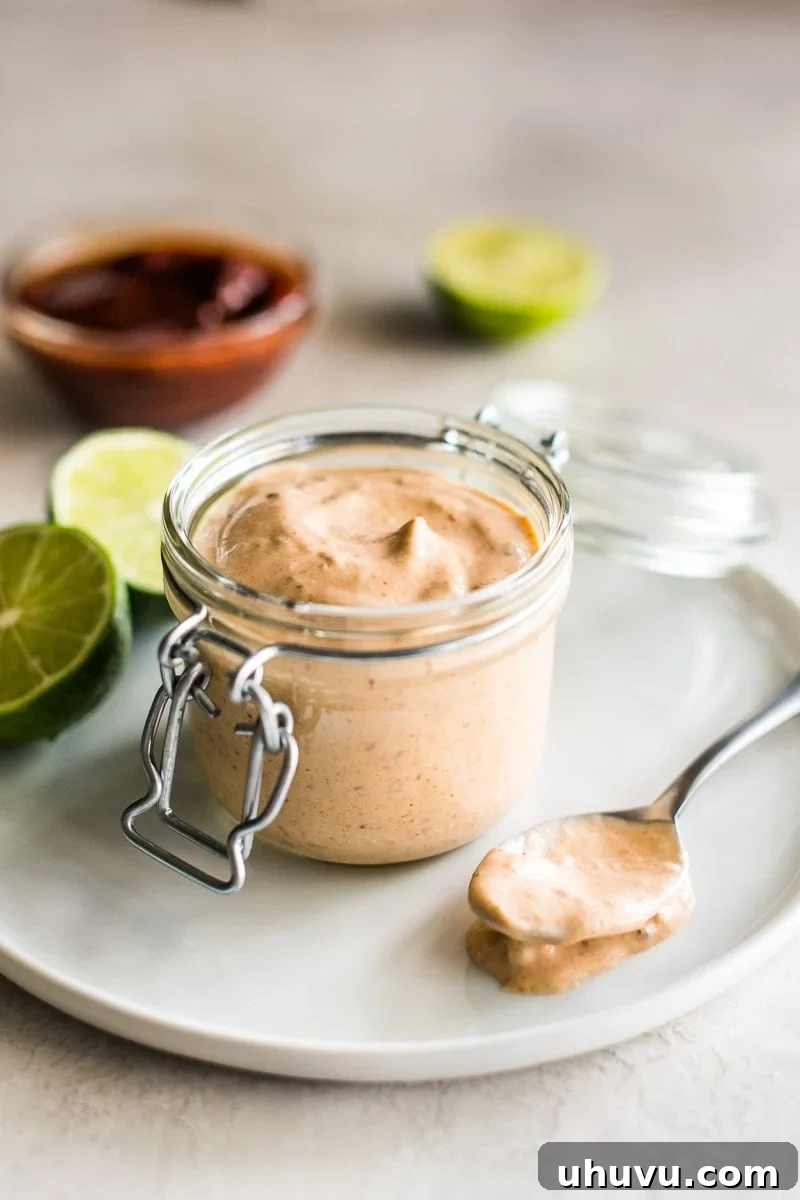
The adobo sauce is fantastic when blended into creamy dressings like ranch, creating a vibrant and popular “Chipotle Ranch.” It also works wonderfully when mixed into mayonnaise-based sauces, providing a smoky aioli for sandwiches, burgers, or as a dipping sauce for fries and roasted vegetables. Try this Creamy Chipotle Ranch Dressing recipe to start!
- Marinades and Rubs for Meats and Proteins:
The smoky and slightly acidic nature of chipotles in adobo makes them an excellent base for robust marinades. They pair beautifully with a wide variety of proteins, including steak, pork, chicken, shrimp, and even firm tofu or tempeh. Blend a few peppers with the sauce, oil, lime juice, and other spices for a deeply flavorful marinade that tenderizes and infuses. For a truly authentic taste, consider this Pollo en Chipotle (Creamy Chipotle Chicken) recipe.
- Flavorful Soups, Stews, and Chilis:
Chop whole chipotle peppers and mix them into your simmering chili, hearty stews, or robust soups (such as tortilla soup, black bean soup, or lentil soup) to infuse them with both heat and a profound smoky depth. You can add them whole for a milder smoky essence that gently infuses the broth, or finely chop them for a more direct, spicier impact throughout the dish.
- Tacos, Burritos, and Enchiladas:
Integrate finely chopped chipotles or a spoonful of the adobo sauce into your taco meat filling, burrito bowls, or enchilada sauce. The smoky flavor complements traditional Mexican fillings exceptionally well, adding a layer of authenticity and complexity.
- Spice Up Vegetables:
Toss roasted vegetables like corn on the cob, potatoes, sweet potatoes, or Brussels sprouts with a bit of adobo sauce before cooking for a smoky, spicy side dish. It caramelizes beautifully, creating a delicious crust.
- Breakfast Boost:
A little bit of finely minced chipotle pepper can elevate scrambled eggs, breakfast burritos, or even a savory oatmeal, adding a surprising and delicious kick to your morning meal. It pairs particularly well with eggs and cheese.
- Compound Butters or Oils:
Blend minced chipotles into softened butter to create a smoky compound butter for steaks, grilled corn on the cob, or spread on toast. Alternatively, infuse cooking oil with chipotles for a spicy, smoky oil to drizzle over finished dishes or use for sautéing.
Beyond Adobo: Creative Uses for Dried Chipotle Peppers and Powder
While chipotles in adobo are wonderfully convenient, dried whole chipotles and chipotle powder offer distinct advantages and open up a different, often more intense, range of culinary applications. These forms allow for greater control over texture and moisture in your dishes.
- Rehydrating Dried Whole Chipotles:
To utilize whole dried chipotles, they first need to be rehydrated. Simply place the dried peppers in a heatproof bowl and cover them completely with very hot water (or broth) for about 20-30 minutes, or until they are soft and pliable. Once rehydrated, you can stem and deseed them (if desired for less heat), then chop, blend into smooth sauces, or use them whole in stews and braises. The rehydration liquid itself, now infused with smoky chile flavor, can often be strained and used as a flavorful stock in your recipe, adding even more depth.
- Making Chipotle Paste or Puree:
After rehydrating, blend the chipotles with a little of their soaking liquid, fresh garlic, and perhaps a touch of vinegar or lime juice, to create a versatile paste or puree. This concentrated flavor bomb can be used as a robust base for marinades, a smoky rub for various meats, stirred into rich mole sauces, or incorporated into soups and chili for an unparalleled depth of flavor and heat.
- Chipotle Powder:
Chipotle powder is a quick and easy way to add smoky heat and flavor without introducing additional moisture or texture. It’s incredibly versatile and perfect for:
- Dry Rubs: A key ingredient in many BBQ dry rubs for ribs, briskets, chicken, or pork shoulder, providing a deep, smoky crust.
- Seasoning Blends: Incorporate into your homemade spice blends for everyday cooking, adding a unique Mexican twist.
- Popcorn or Snacks: Sprinkle over popcorn, roasted nuts, or homemade potato chips for a spicy, smoky twist that’s addictive.
- Direct Seasoning: Use it directly in dishes where you want to add flavor without the moisture of the adobo sauce, such as roasted vegetables, stir-fries, or even sprinkled over eggs.
- Baking: A pinch of chipotle powder can add a surprising savory depth to cornbread or even chocolate desserts.
Exploring the Diverse World of Mexican Chiles
The culinary landscape of Mexico is incredibly rich, owed in no small part to its astounding variety of chili peppers. Each chile offers a unique profile of heat, flavor, and aroma, contributing to the depth and complexity of regional dishes. Understanding these differences can unlock an entirely new dimension in your cooking. While chipotles are exceptional, they are just one star in a vast constellation of delicious peppers. We encourage you to explore other integral Mexican peppers to broaden your culinary horizons and discover new favorite flavors that will elevate your cooking.
- Anaheim peppers: Mild and versatile, often used for stuffing, roasting, or in salsas.
- Ancho chiles: Dried poblano peppers, known for their sweet, fruity, and slightly smoky flavor with a mild heat, essential in moles.
- Chile de Arbol: Small, potent, and fiery, these vibrant red chiles are perfect for hot sauces, oils, and garnishes.
- Guajillo peppers: Mild to medium heat with complex fruity, tangy, and subtly smoky notes, frequently used to create rich, red sauces.
- Habanero peppers: Very hot with distinctive tropical fruity and floral notes, often used in Caribbean and Yucatán cuisines.
- Jalapeño peppers: The fresh pepper from which chipotles are made, typically green and moderately hot, used widely in fresh preparations.
- Poblano peppers: Mild, dark green, and heart-shaped, often used for chiles rellenos or in creamy sauces due to their earthy flavor.
- Serrano peppers: Small but hotter than jalapeños, with a bright, crisp, and fresh flavor, excellent in uncooked salsas.
From their ancient origins as a simple method of preservation to their current status as a global culinary favorite, chipotle peppers offer an unparalleled blend of smoky flavor and satisfying heat. Whether you’re exploring the convenience of chipotles in adobo, experimenting with versatile dried varieties, or even crafting your own at home, these adaptable chiles are sure to ignite your passion for Mexican-inspired cooking. Embrace their unique character and let them transform your next meal into a truly memorable and flavor-packed experience, pushing the boundaries of your culinary creativity.