
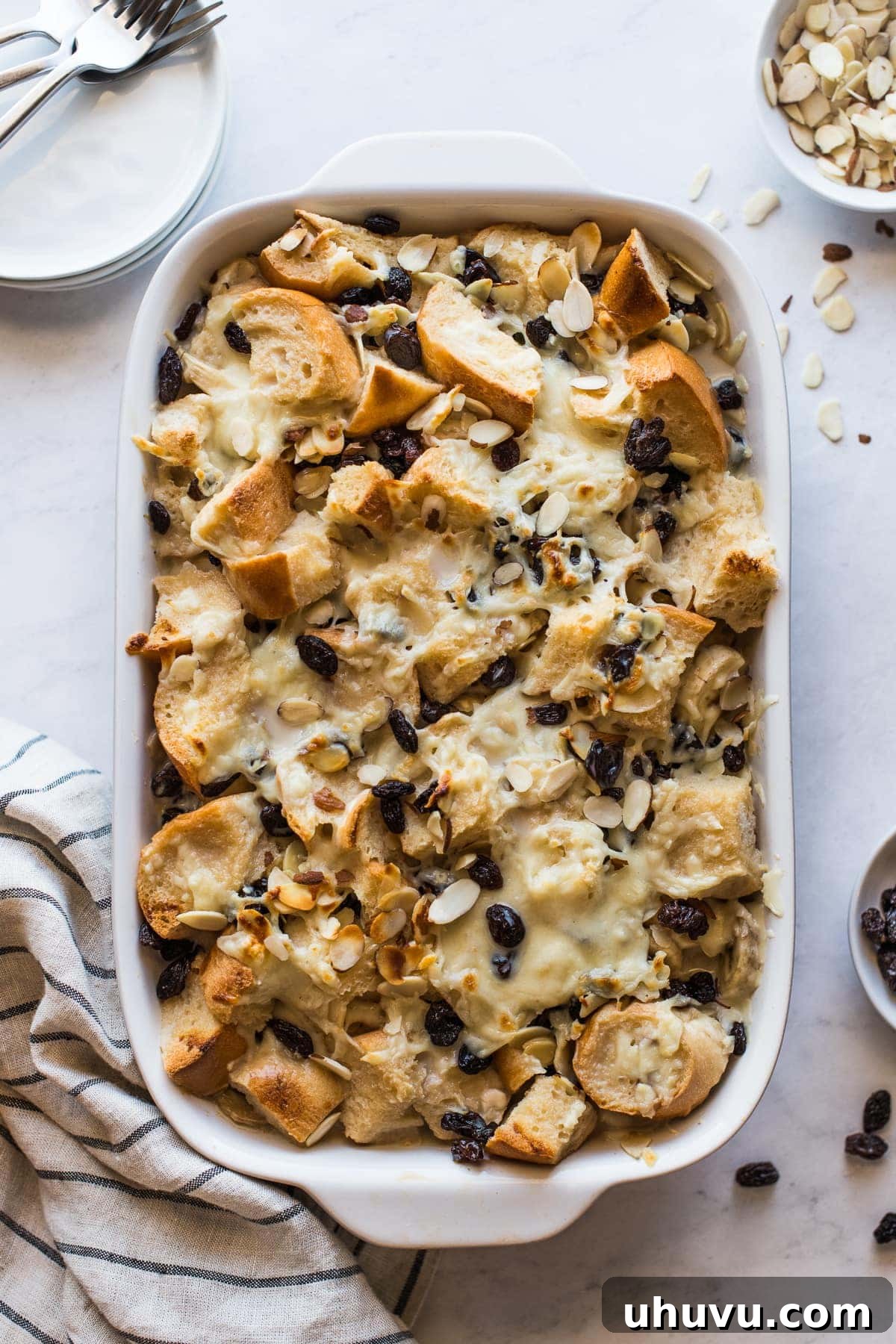
Delve into the heartwarming tradition of Capirotada, a beloved Mexican bread pudding that beautifully intertwines rich flavors with deep cultural significance. Often hailed as Mexico’s quintessential Lenten and Easter dessert, Capirotada is a layered masterpiece featuring crusty bread, sweet raisins, ripe bananas, crunchy almonds, and a surprising, yet delightful, addition of cheese—all generously soaked in a fragrant, sweetened cinnamon milk syrup. This extraordinary dish offers a symphony of textures and tastes, making it a truly unforgettable culinary experience.
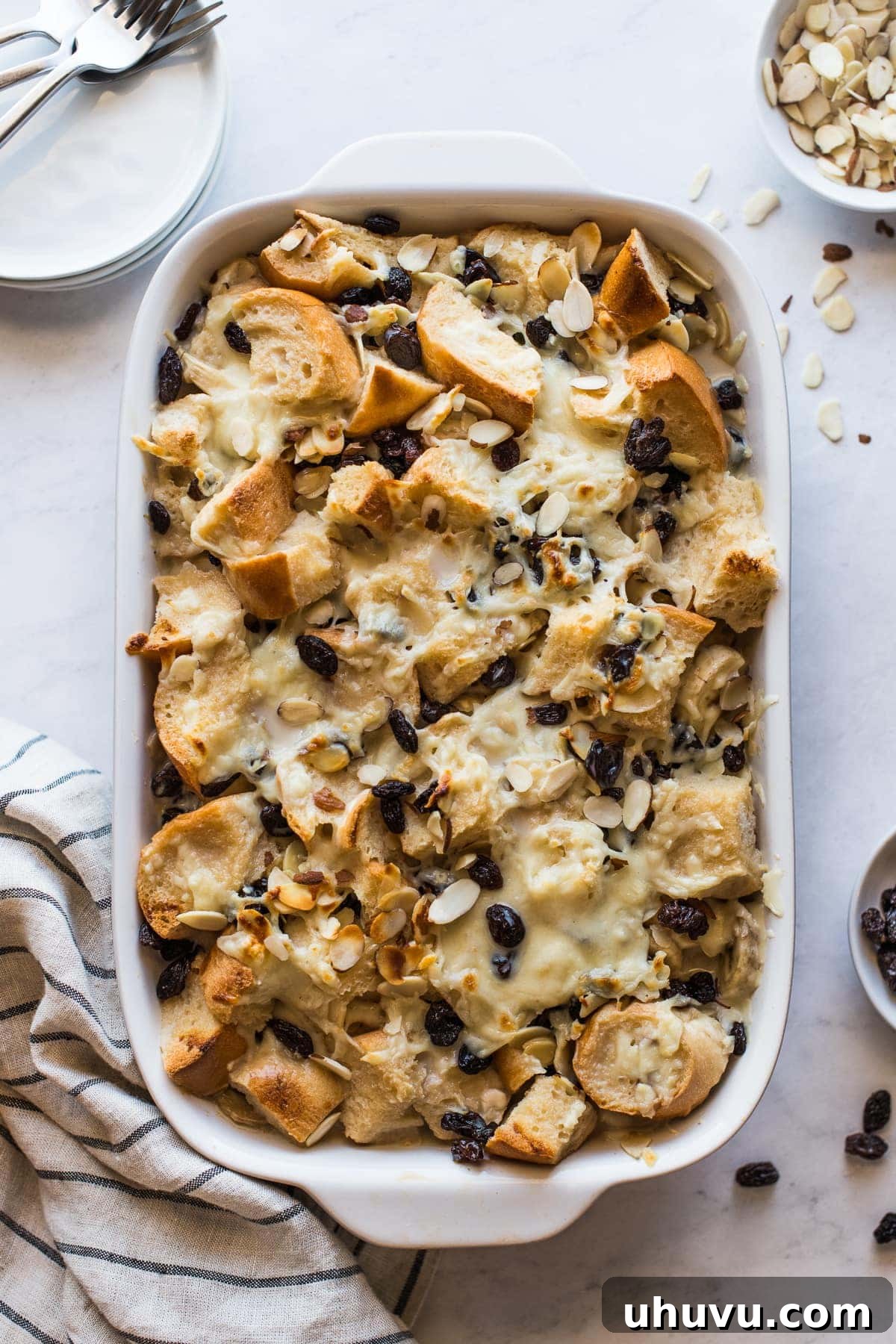
As the spring season approaches, bringing with it the reflective period of Lent and the joyous celebration of Easter, families across Mexico and beyond eagerly anticipate the return of Capirotada to their tables. For many, like myself, this isn’t just a dessert; it’s a cherished memory, a taste of home passed down through generations. Growing up with its sweet, comforting presence, Capirotada was a regular, albeit seasonal, part of my Mexican heritage. Yet, I’ve come to realize that this incredible dish remains a delightful secret to many outside of our culture.
It’s time to share this culinary treasure. I guarantee that with just one bite, this unique sweet and savory bread pudding will capture your heart and become an instant favorite. Prepare to discover the magic of Capirotada, a dessert that’s much more than the sum of its delicious parts.
What is Capirotada? Unveiling a Mexican Tradition
Capirotada is a traditional Mexican bread pudding, most famously served during the Catholic observance of Lent and Easter. Its origins are said to trace back to medieval Spain, evolving over centuries to incorporate indigenous Mexican ingredients and culinary techniques. The dish holds significant religious symbolism for many, with each ingredient often representing an element of the Passion of Christ: the bread symbolizes the Body of Christ, the piloncillo syrup represents His blood, the cloves symbolize the nails of the cross, and the cinnamon sticks allude to the wood of the cross. The melting cheese, often a white variety, can symbolize the Holy Shroud. This deep connection to faith makes Capirotada a truly meaningful dish during this sacred time.
While the core concept remains consistent—layers of bread soaked in a sweet syrup with various additions—Capirotada boasts a remarkable diversity in its preparation across Mexico and the United States. Regional variations abound, with some recipes leaning more towards savory notes and others indulging in richer sweetness. Common staples include crusty bread, typically bolillo rolls or French bread, complemented by raisins, bananas, and an assortment of nuts and cheese. The bread is steeped in a luscious syrup made from piloncillo (unrefined cane sugar), often infused with cinnamon and cloves, sometimes even orange zest or star anise for added depth. Whether enjoyed warm straight from the oven, offering a gooey, comforting embrace, or chilled for a firmer, refreshing after-dinner treat, Capirotada truly satisfies any craving.
If you’re eager to experience this quintessential Mexican staple, join me as we explore the ingredients and crafting process of my family’s cherished version, originating from a rural town near Sombrerete, Zacatecas. Let’s embark on this delicious journey together!
Essential Ingredients for an Authentic Capirotada
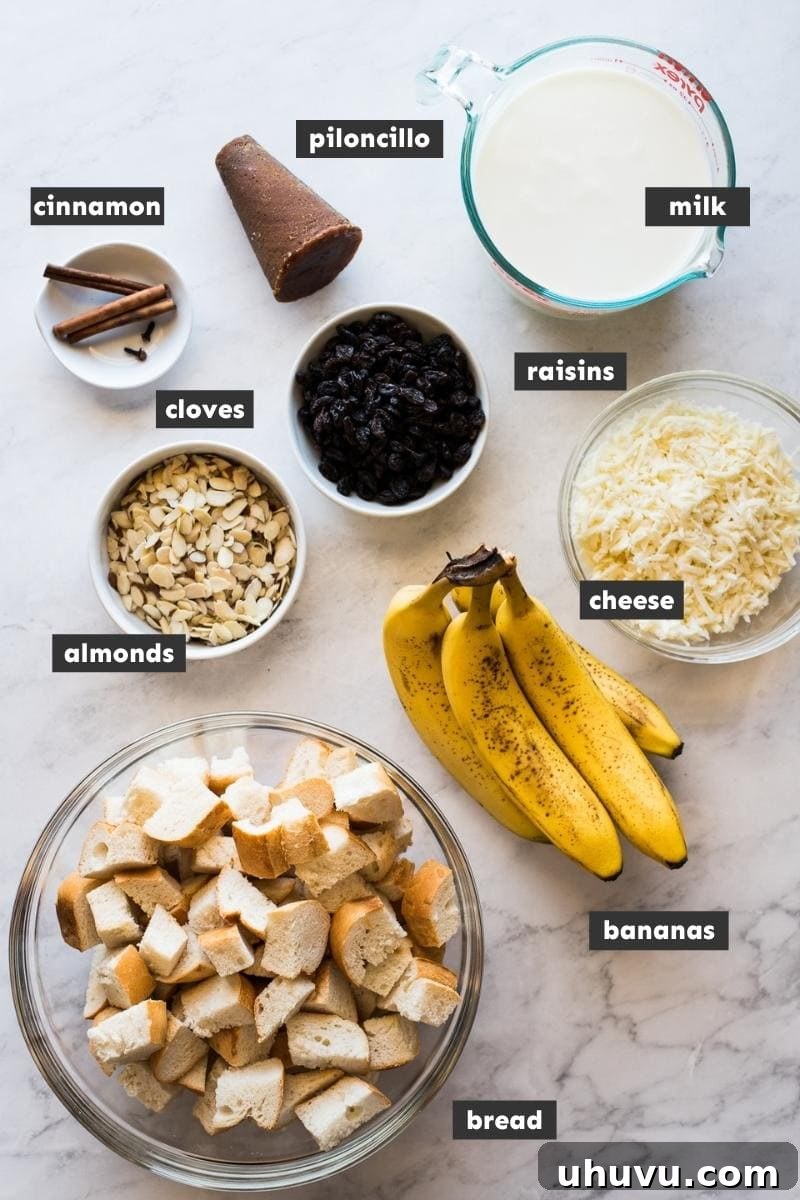
The beauty of Capirotada lies in its humble yet harmonious selection of ingredients, which can vary significantly from one family’s recipe to another. Each variation tells a story, often reflecting local availability and personal preference. Here’s a detailed look at the key components that bring my beloved family recipe to life, offering insight into their roles and potential substitutions:
- Bolillo Bread: The foundation of our Capirotada is the traditional Mexican bolillo bread. These crusty, oblong rolls are easily found in Mexican bakeries and many grocery stores. Their sturdy crust and soft, airy interior are perfect for absorbing the sweet syrup without becoming overly mushy. If bolillos are not readily available in your area, you can make your own at home or opt for a good quality French bread or any other crusty, day-old loaf. The goal is a bread that can hold its shape while soaking up flavor.
- Shredded Cheese: This might be the most surprising ingredient for those new to Capirotada, but it’s absolutely essential for its unique sweet and savory profile. I prefer shredded Oaxaca cheese, known for its mild flavor and excellent melting qualities. However, any mild, melty cheese will work beautifully. Options like mozzarella, provolone, Monterey Jack, or even a mild cheddar can create delicious pockets of creamy, savory goodness that perfectly balance the sweetness of the fruit and syrup. Don’t be shy; the cheese adds an unexpected layer of complexity that truly elevates the dish.
- Piloncillo: A staple sweetener in Mexican cuisine, piloncillo is an unrefined, pure cane sugar. It’s distinctively rich, offering deep caramel and molasses notes that regular brown sugar simply can’t replicate. Piloncillo is typically sold in cone-shaped molds and can be found in most Mexican grocery stores. If you struggle to find it locally, it is increasingly available online. For those unable to source piloncillo, a good quality dark brown sugar can serve as a substitute, though the flavor profile will be slightly different.
- Milk, Cinnamon Sticks, and Whole Cloves: These aromatic ingredients form the soul of the Capirotada’s sweet syrup. Milk provides the creamy base, while cinnamon sticks and whole cloves infuse it with a warm, inviting spice blend. Together with piloncillo, they create a fragrant, sweetened liquid that saturates the bread layers, imparting a comforting and deeply flavorful essence.
- Raisins, Bananas, and Sliced Almonds: These additions provide crucial sweetness, a satisfying nuttiness, and varied textures in every bite. Raisins become plump and juicy from the syrup, offering concentrated bursts of sweetness. Sliced bananas soften beautifully during baking, adding a creamy, fruity element. Toasted sliced almonds contribute a delicate crunch and nutty depth, ensuring a delightful contrast against the soft bread and gooey cheese.
Crafting Capirotada: A Step-by-Step Guide to Perfection
Making Capirotada is a rewarding process that fills your kitchen with the most incredible aromas. Follow these steps to create a truly memorable Mexican bread pudding:
1. Prepare the Bread Base
Begin by preheating your oven to 350°F (175°C) and greasing a 9×13-inch baking dish (or a slightly larger one) with a touch of oil or butter. This prevents sticking and ensures easy serving. Next, slice your bolillo bread into 1-inch thick cubes or pieces, aiming for roughly 10-12 cups. Arrange these bread pieces in a single layer on a large baking sheet. Bake for just 5 minutes to lightly dry them out and give them a subtle toast. This crucial step is key to preventing the bread from becoming overly mushy or disintegrating when it absorbs the sweetened milk. Alternatively, you can achieve a similar effect by simply leaving the cubed bread out on your kitchen counter overnight to harden slightly, or by using day-old, stale bread. Don’t worry if the bread feels quite hard; it will soften beautifully once it soaks up all the liquid.
2. Create the Aromatic Sweetened Milk Syrup
While your bread is toasting, prepare the soul of the Capirotada: the sweetened milk syrup. In a large pot over medium-high heat, combine 5 cups of nonfat milk, 1 (8-ounce) cone of piloncillo (or 1 1/4 cups dark brown sugar), 3 cinnamon sticks, and 2 whole cloves. Whisk these ingredients together gently to encourage the piloncillo to dissolve. Bring the mixture to a gentle boil, then reduce the heat to low and simmer, uncovered, for about 10 minutes, stirring occasionally. This simmering allows the piloncillo to fully melt and the cinnamon and cloves to infuse their fragrant spices into the milk, creating a rich, caramel-scented syrup. Once simmered, remove the pot from the heat and carefully discard the cinnamon sticks and cloves.
3. Assemble the Capirotada Layers
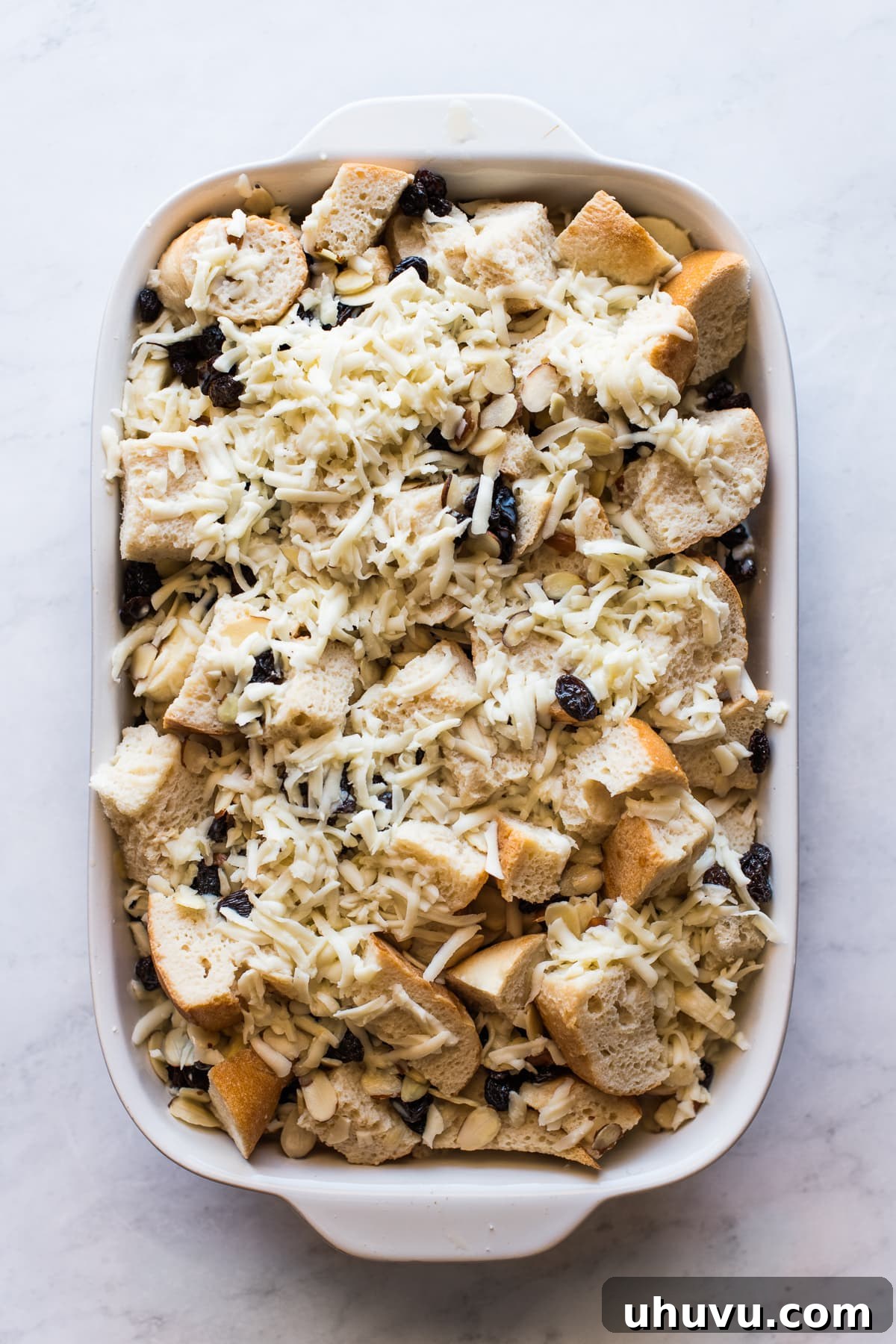
Now comes the fun part: assembling your Capirotada! Spread half of your toasted bread pieces evenly in a single layer at the bottom of your prepared baking dish. Over this bread layer, scatter all of your sliced bananas, followed by half of the raisins, half of the sliced almonds, and half of the shredded cheese. This methodical layering ensures an even distribution of all the delicious components. Repeat this process with the remaining bread, raisins, sliced almonds, and shredded cheese to create a second, equally generous layer. Ensure each layer is relatively flat to allow for even soaking.
4. Soak and Bake to Perfection
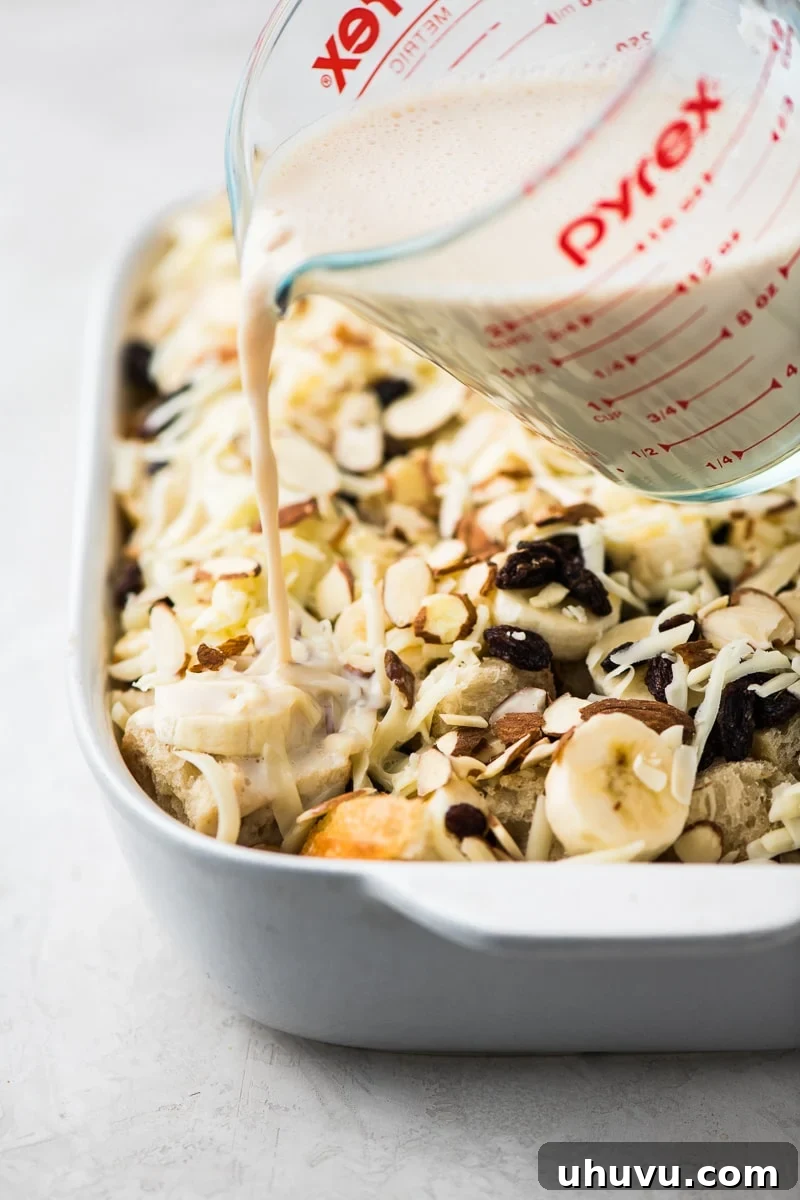
Carefully pour the warm, sweetened milk syrup evenly over the assembled Capirotada layers, ensuring every piece of bread gets a good drenching. Pay particular attention to the bread pieces along the edges of the baking dish, as these tend to receive less liquid. Once poured, allow the dish to sit on the counter for about 15 minutes, giving the bread ample time to begin soaking up the flavorful syrup. Just before baking, gently tilt the baking dish from side to side to help redistribute any pooled syrup and encourage the top layer of bread and edges to absorb as much liquid as possible. Cover the dish loosely with aluminum foil and bake in the preheated 350°F (175°C) oven for 15 minutes. Then, remove the foil and continue baking uncovered for another 15 minutes. This two-stage baking ensures the interior is tender and moist while allowing the top layer of cheese and bread to brown and develop a delightful, slightly crisp texture.
Serving and Enjoying Your Capirotada
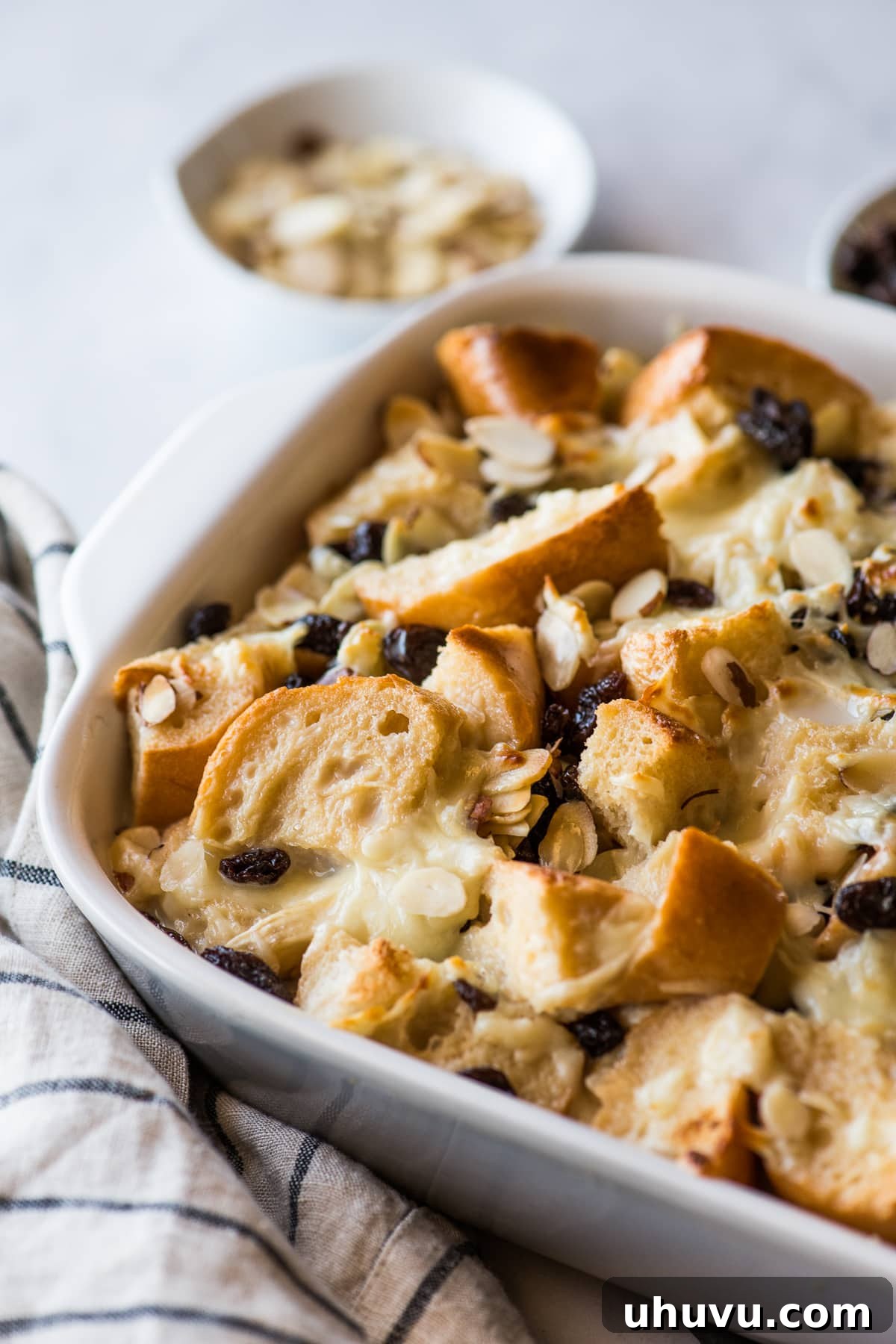
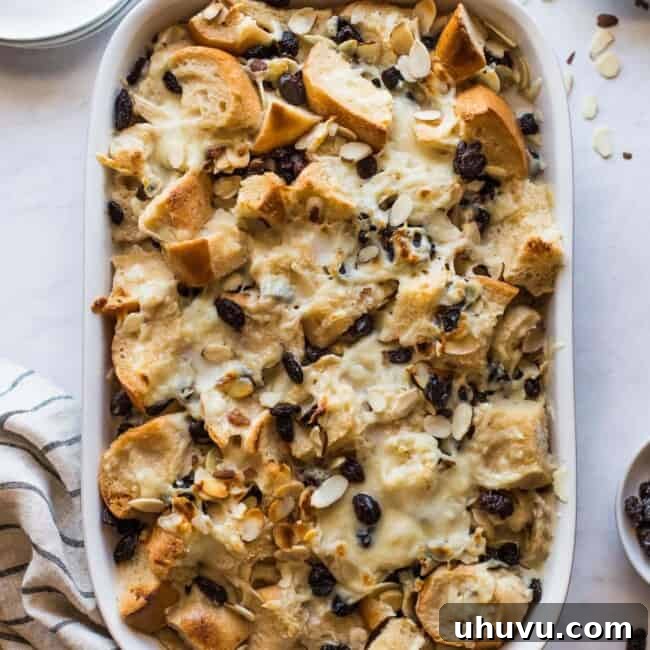
Once baked, remove your Capirotada from the oven and let it cool for about 5 minutes before serving warm. This brief resting period allows the pudding to set slightly and become easier to scoop. The debate over the “best” way to enjoy Capirotada—warm or cold—is a delightful one, and often comes down to personal preference. Both methods offer distinct, equally delicious experiences.
I find immense pleasure in eating Capirotada once it has cooled completely and spent a day or so chilling in the refrigerator. During this time, the bread layers at the bottom of the dish transform, becoming incredibly soft and fully saturated with the sweet, spiced milk. Meanwhile, the top layer, especially where the cheese has melted and browned, retains a wonderful chewiness and a hint of crunch. This contrast of soft, tender bread with a slightly firmer, cheesy top layer is, for me, simply irresistible. It’s a texture wonderland that keeps me coming back for more.
On the other hand, my mom and husband swear by Capirotada served warm and gooey, fresh from the oven. The warm, bubbling syrup, the molten cheese, and the soft bread create a deeply comforting and indulgent treat. There’s no wrong way to enjoy it! I highly recommend trying it both ways to discover which temperature and texture combination you prefer most. Pair it with a cup of traditional Mexican hot chocolate or strong coffee for an authentic culinary experience.
Creative Substitutions and Delightful Variations
One of the joys of Capirotada is its versatility and adaptability. While the traditional recipe is fantastic, feel free to experiment with substitutions and additions to make it your own. Here are some ideas:
- Bread Alternatives: If bolillo bread is unavailable, don’t fret! Any crusty loaf of bread will work well. Consider challah, brioche (for an extra rich pudding), or even leftover French baguette. The key is to dry it out slightly before soaking to maintain some structure.
- Cheese Choices: The world of melty cheese is your oyster. Beyond Oaxaca, Monterey Jack, Provolone, or Mozzarella, consider a milder colby or a blend of Mexican cheeses. For a bolder flavor, a sharp cheddar can add an intriguing tang.
- Sweetener Options: While piloncillo offers unique depth, 1 1/4 cups of dark brown sugar is an excellent substitute if it’s hard to find. For a lighter touch, you could even use a combination of light brown sugar and a small amount of molasses to mimic piloncillo’s richness.
- Spice Infusions: Beyond cinnamon and cloves, try adding a star anise pod to the milk syrup for a hint of licorice flavor, or a strip of orange zest for a bright, citrusy note. A pinch of nutmeg can also add warmth.
- Fruit & Nut Expansions: Get creative with other dried fruits like chopped prunes, dried cranberries, or diced dried apricots. For nuts, pecans, walnuts, or even toasted peanuts can provide different textural and flavor dimensions. Shredded coconut, either toasted or untoasted, can also be a delightful addition.
- Unexpected Sprinkles: This is entirely optional, but a tradition in my family involves topping Capirotada with round rainbow nonpareil sprinkles! It might sound unconventional for a bread pudding, but it adds such a fun pop of color and a playful, subtle crunch. Since this dish is a special, infrequent treat, what better way to celebrate its arrival than with a shower of festive sprinkles?
Storing and Reheating Your Capirotada
Proper storage is key to enjoying your Capirotada for days to come. Once cooled, cover the baking dish tightly with plastic wrap or aluminum foil and refrigerate for up to 4 days. Keep in mind that the longer it sits, the softer the bread will become as it continues to absorb the syrup, resulting in an even more tender pudding.
To reheat, you have a couple of options. For the entire dish or larger portions, bake the leftovers in a 350°F (175°C) oven for about 10-15 minutes, or until it’s fully warmed through and the cheese on top is bubbly again. If you prefer reheating individual portions, the microwave works perfectly. Heat for 30-60 seconds, or until warm. Be careful not to overheat, as this can dry out the pudding. Whether you prefer it warm and gooey or cold and set, Capirotada remains a delightful treat throughout its shelf life.
More Delicious Mexican Recipes
- Arroz con Leche (Mexican Rice Pudding)
- Tres Leches Cake
- Mexican Wedding Cookies (Polvorones)
- Cortadillo (Mexican Pink Cake)
4.78 from 31 votes
Capirotada (Mexican Bread Pudding)
Isabel Orozco-Moore
10 minutes
50 minutes
1 hour
10
servings
Ingredients
- oil or butter, for greasing
- 4 large bolillo bread rolls, cut into 1-inch thick pieces (about 10-12 cups)
- 5 cups nonfat milk
- 1 (8-ounce) cone piloncillo (or 1 1/4 cup dark brown sugar)
- 3 cinnamon sticks
- 2 whole cloves
- 3 large bananas, sliced into rounds
- 1 cup raisins
- 1/2 cup sliced almonds
- 2 cups shredded Oaxaca cheese (or any melty white cheese like Monterey Jack, Provolone or Mozzarella)
Instructions
-
Preheat the oven to 350°F. Grease a 9×13-inch baking dish (or a dish that’s slightly bigger) with oil or butter. Set aside.
-
Place the cubed bolillo bread onto a large baking sheet. Bake it for 5 minutes so that bread become a little toasted and dried out. Remove it from oven and set aside.
-
Add the milk, piloncillo, cinnamon sticks, and cloves to a large pot over medium-high heat. Whisk it together and bring it to a gentle boil.
-
Reduce the heat to low and simmer it for 10 minutes, uncovered, whisking occasionally. Remove it from the heat and discard the cinnamon sticks and cloves.
-
Assemble the capirotada by spreading half of the toasted bread in a single layer in the prepared baking dish. Top it with all of the banana slices, half of the raisins, half of the sliced almonds and half of the shredded cheese. Repeat the process with the remaining ingredients to make one more layer.
-
Carefully pour the sweetened milk all over the capirotada, paying close attention to the bread on the edges.
-
Cover the dish with aluminum foil and bake for another 15 minutes, then remove the foil and bake it uncovered for 15 more minutes.
-
Remove it from the oven, let it cool for 5 minutes, and serve warm. Or let it cool completely, cover and refrigerate, and serve cold.
Video
A video tutorial for Capirotada (Mexican Bread Pudding) is available. (Placeholder for video content)
Notes
- Bread – If you don’t have bolillo bread, you can use French bread or any crusty loaf of bread.
- Cheese – Any melty cheese will work. Oaxaca, Monterey Jack, Provolone, Mozzarella, or even cheddar will work.
- Sweetener – If you don’t have piloncillo, you can use 1 1/4 cups of dark brown sugar.
- Sprinkles – It’s totally optional, but my family always served it with round rainbow nonpareils sprinkles on top! It sounds a little strange, but it adds such a fun pop of color and a little crunch. Since we only make this dish once or twice a year, what better way to celebrate than with sprinkles!
Nutrition
Serving:
1
serving
|
Calories:
413
kcal
Nutrition information is automatically calculated, so should only be used as an approximation.