
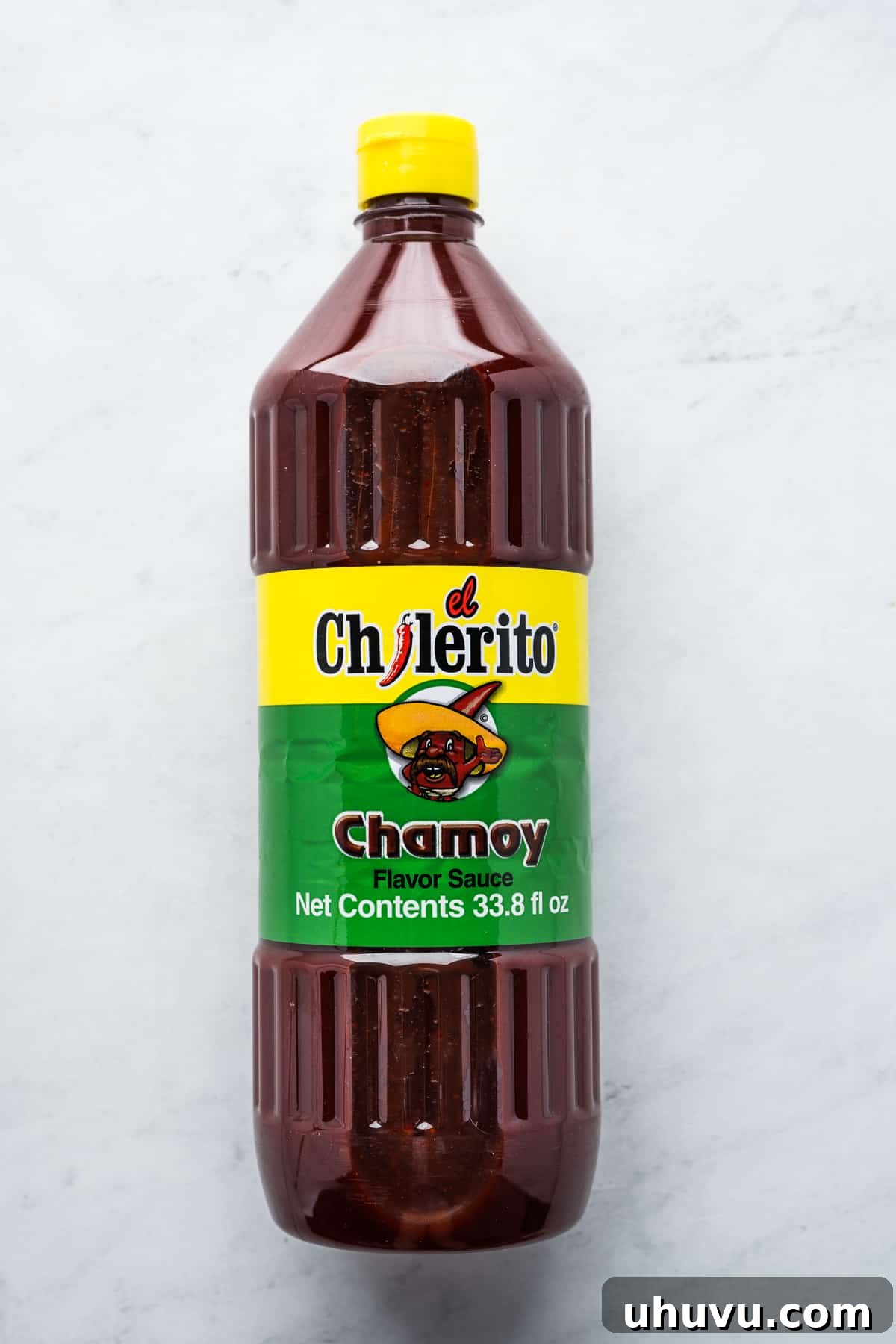
Unveiling Chamoy: The Ultimate Guide to Mexico’s Sweet, Sour, and Spicy Condiment
Chamoy, a vibrant and complex condiment, has become a beloved staple in Mexican cuisine, captivating palates with its unique balance of sweet, sour, salty, and subtly spicy notes. Far more than just a sauce, chamoy is a cultural icon, gracing everything from fresh fruit and candies to savory snacks and sophisticated cocktails. Its versatility makes it a must-try for anyone exploring the rich flavors of Mexico. This comprehensive guide will delve into everything you need to know about chamoy, from its intriguing origins to its myriad uses and how you can incorporate this delightful condiment into your culinary adventures.
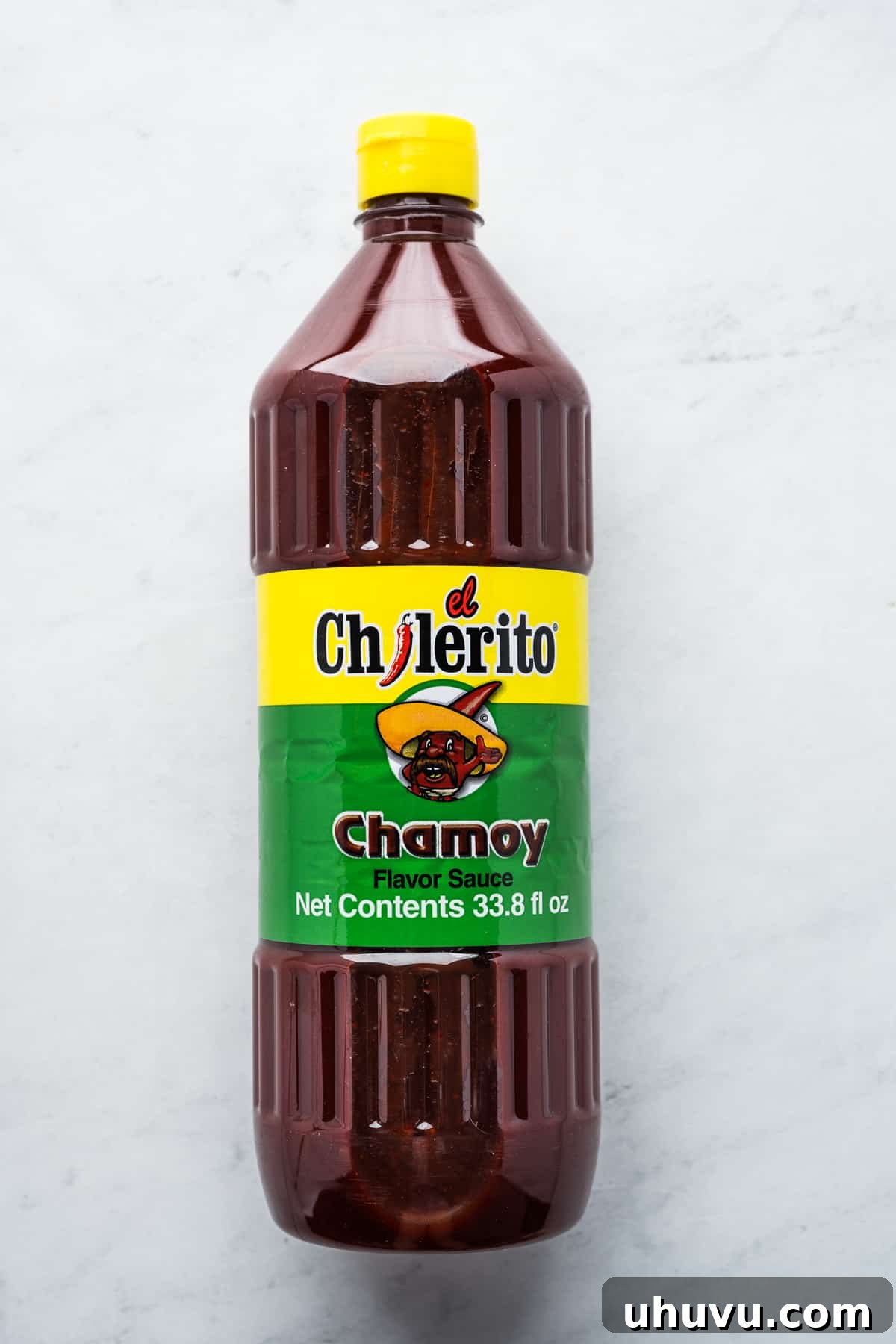
Table of Contents
- What Is Chamoy?
- The Flavors of Chamoy: A Sensory Experience
- How To Use Chamoy: Endless Culinary Possibilities
- Can You Make Chamoy? Crafting Your Own at Home
- Where To Buy Chamoy: Navigating the Market
- Storage: Keeping Your Chamoy Fresh
- The Cultural Tapestry of Chamoy
- More Articles You May Like
What Is Chamoy?
At its core, chamoy is a captivating condiment known for its distinctive blend of sweet, sour, salty, and spicy notes. Typically a sauce or paste, it is crafted from a unique combination of dried fruits (such as apricots, plums, or mangoes), chili peppers, salt, sugar, and lime juice. This amalgamation creates a thick, reddish-orange concoction that is as enticing to the eye as it is to the palate.
While inextricably linked with Mexican gastronomy today, chamoy’s roots are widely believed to trace back to Asian culinary traditions, specifically from Japan or China. The inspiration is thought to come from “umeboshi” (Japanese pickled plums) or “salado” (salted dried fruit) common in Asian snacks. As Asian immigrants settled in Mexico, they introduced these flavors, which were then adapted and transformed using local ingredients and preferences. Over generations, this cultural exchange blossomed into the chamoy we know and love today, a testament to Mexico’s vibrant culinary evolution and its embrace of diverse influences.
Initially, the Mexican version of chamoy may have also started as a simple salted dried fruit, mirroring its Asian predecessors. However, it swiftly evolved into a versatile sauce, revolutionizing how Mexicans enjoyed their snacks and meals. This transformation was particularly notable in its pairing with candies and fresh fruits, where its complex flavor profile perfectly complemented sweetness, adding an exhilarating zing that quickly became a national favorite. The condiment’s popularity soared, cementing its place as an essential element in contemporary Mexican food culture.
The Flavors of Chamoy: A Sensory Experience
Describing the taste of chamoy is like embarking on a mini-culinary adventure, as it engages all four primary taste sensations: sweet, sour, salty, and a hint of heat. On its own, chamoy presents a bold, upfront sweetness that is quickly followed by an invigorating tartness, often reminiscent of fresh lime or tamarind. This tartness is balanced by a subtle yet pervasive saltiness that deepens the overall flavor profile. Finally, a gentle warmth from the chili peppers emerges, providing a pleasant kick that prevents the sauce from being overly sweet or sour.
What truly makes chamoy fascinating is how its flavor adapts and interacts with different foods. When drizzled over sweet fruits like watermelon or mango, it amplifies their natural sugars while introducing a layer of zesty tang and a mild spice, creating a refreshing and dynamic contrast. On the other hand, when paired with more savory items, such as a marinade for meats or a topping for nachos, chamoy’s inherent sweetness and acidity come to the forefront, cutting through richness and adding a bright, piquant note. This chameleon-like quality allows chamoy to enhance a vast array of dishes, making each bite an exciting exploration of contrasting yet harmonious flavors.
How To Use Chamoy: Endless Culinary Possibilities
Chamoy’s incredible versatility is one of its most defining characteristics, allowing it to transcend traditional condiment roles and become an integral part of countless dishes and drinks. Whether you’re looking for a simple snack enhancer or an ingredient to elevate a complex meal, chamoy offers a spectrum of uses:
- Elevate Your Snacks: Transform ordinary fruits and vegetables into extraordinary treats. Drizzle chamoy generously over slices of cucumber, jicama, apples, mangoes, watermelon, or strawberries for a refreshingly sweet, sour, and spicy bite. It’s an instant flavor upgrade that makes healthy snacking exciting.
- The Ultimate Candy Apple Experience: Move beyond caramel. Coat whole apples in a thick layer of chamoy sauce for a unique twist on the classic candy apple. The tart and spicy chamoy cuts through the apple’s sweetness, creating an irresistible snack that’s both fun and flavorful.
- Sip on a Mangonada: Indulge in the iconic mangonada, also affectionately known as a chamoyada. This popular Mexican frozen drink is a masterful blend of blended frozen mangoes, ice, generous swirls of chamoy, and often a sprinkle of chili-lime seasoning like Tajín. It’s a vibrant, cooling, and explosively flavorful slushy that embodies the spirit of Mexican street food.
- Spice Up Savory Dishes: Don’t limit chamoy to sweet applications. Its sweet and spicy profile makes it an excellent marinade for chicken or pork, adding depth and a tenderizing acidity. Alternatively, use it as a unique hot sauce to drizzle over tacos, burritos, or even nachos for an unexpected flavor boost that will surprise and delight.
- Craft Exotic Cocktails and Drinks: Chamoy is an exceptional rim paste for beverages, adding a visually appealing and flavorful edge. It pairs wonderfully with classic Mexican drinks like micheladas, an energizing beer cocktail, or margaritas, enhancing their zing. For non-alcoholic options, use it to rim glasses for refreshing aguas frescas or even a simple glass of soda.
- Transform Your Favorite Candies: Take your gummy candies to a new level by tossing them in chamoy. The sauce coats each piece, infusing them with its signature sweet, sour, and spicy flavors. This method works exceptionally well with chewy candies, creating a gourmet-like snack that’s addictive and fun. Try it with peach rings, gummy bears, or sour worms.
- Ice Cream and Dessert Topping: Drizzle chamoy over vanilla ice cream, sorbet, or popsicles for an invigorating contrast. The cool creaminess of the dessert combined with the fiery tang of chamoy creates a sophisticated and unexpected treat that delights the palate.
- Breakfast Enhancer: A surprising but delicious application is to add a dash of chamoy to your morning fruit salad or even as a unique topping for yogurt or oatmeal, infusing your breakfast with an exciting burst of flavor.
Can You Make Chamoy? Crafting Your Own at Home
Absolutely! Crafting chamoy at home is a rewarding experience that allows you to customize the flavor profile to your exact liking. While commercial versions are readily available, homemade chamoy often boasts a fresher, more vibrant taste, free from artificial preservatives.
The core ingredients for homemade chamoy typically include a selection of dried fruits such as apricots, prunes, and dried mangoes, which provide the essential sweetness and a rich, fruity base. These are often rehydrated and then blended to achieve the desired consistency. Hibiscus flowers (flor de jamaica) are another common ingredient, contributing a beautiful tartness and a deep reddish hue. For the characteristic heat and tang, chile powder (like ancho or árbol), chile-lime seasoning (such as Tajín), and fresh lime juice are indispensable. Some recipes also call for sugar or piloncillo (Mexican brown sugar) to achieve that perfect sweet-sour balance, along with a pinch of salt to round out the flavors.
The process generally involves simmering the rehydrated dried fruits and hibiscus with water, chiles, and spices until tender, then blending everything into a smooth sauce. This mixture is then often strained to remove any fibrous bits, resulting in a silky-smooth condiment. Making your own chamoy not only gives you control over the spice and sweetness levels but also allows you to experiment with different fruit combinations or chili types, creating a unique signature chamoy tailored to your preference.
For a detailed guide, here’s a recipe for homemade chamoy sauce.
Where To Buy Chamoy: Navigating the Market
As chamoy’s popularity continues to grow globally, finding this unique condiment has become increasingly easy. You’ll typically find it in several accessible locations, ensuring you can always keep your pantry stocked.
Most major grocery stores in the United States and Canada now feature a dedicated Hispanic or international food aisle where you can discover various brands of chamoy. For an even wider selection, local Hispanic grocery stores are excellent resources, often carrying regional brands and different forms of chamoy not found elsewhere. Online retailers, including large e-commerce sites and specialty Mexican food purveyors, also offer an extensive array of chamoy options, allowing you to explore different brands and formulations from the comfort of your home.
When purchasing chamoy, one of the most significant decisions you’ll face, beyond brand preference, is its texture. Chamoy is available in several forms, each suited for different applications:
- Liquid Chamoy: This is the most common and versatile form, ideal for drizzling over fruits, candies, or as a component in drinks. Its pourable consistency makes it easy to use for a wide range of applications.
- Chamoy Paste: Thicker and more concentrated, chamoy paste is perfect for rimming glasses for cocktails or spreading on snacks where you want a more substantial layer of flavor. It adheres well and offers an intense flavor hit.
- Chamoy Powder: Often found in sachets or shakers, chamoy powder is a dry, tangy, and spicy seasoning. It’s excellent for sprinkling directly onto fruits, corn on the cob, or as an ingredient in homemade spice blends.
Your choice ultimately depends on your intended use and personal preference. Experiment with different forms to discover how each can enhance your culinary creations.
Storage: Keeping Your Chamoy Fresh
Proper storage is key to maintaining the freshness and flavor of your chamoy, ensuring you can enjoy its unique taste for as long as possible. The storage recommendations vary slightly depending on whether your chamoy is store-bought or homemade.
Most commercially produced chamoy, thanks to its processing and preservatives, has an impressive shelf life. Once opened, store-bought liquid, paste, or powdered chamoy can typically be kept in a cool, dark place like your pantry for several months without refrigeration. Always check the product label for specific storage instructions and expiration dates, as these can vary between brands.
Homemade chamoy, however, requires a bit more care due to the absence of commercial preservatives. After preparing your own chamoy, it should always be stored in an airtight container in the refrigerator. In the fridge, homemade chamoy will generally last for about three weeks. Beyond this period, its quality may diminish, and there’s a higher risk of spoilage. For longer-term storage, homemade chamoy can also be frozen in ice cube trays or small containers for several months, making it convenient to thaw small portions as needed.
Regardless of whether it’s store-bought or homemade, ensuring the container is tightly sealed will prevent air exposure, which can lead to oxidation and a loss of flavor. Keeping your chamoy properly stored ensures you always have this delightful condiment ready to brighten your meals and snacks.
The Cultural Tapestry of Chamoy
Chamoy is more than just a condiment; it’s a vibrant thread woven into the rich cultural tapestry of Mexico. It embodies the nation’s flair for bold flavors, innovative culinary adaptations, and the joy of street food. From bustling mercados to lively family gatherings, chamoy is a ubiquitous presence, symbolizing a playful approach to eating and a deep appreciation for complex taste experiences.
It’s the essence of Mexican snacking, often paired with an assortment of fresh fruits like mango and watermelon, creating a sensory explosion that defines the country’s street food scene. Chamoy also takes center stage in festive treats and drinks, making appearances at fiestas, birthday parties, and everyday celebrations. Its ability to transform simple ingredients into an exciting gastronomic adventure reflects the ingenuity and passion inherent in Mexican cuisine. As chamoy gains international recognition, it serves as a delicious ambassador, introducing people worldwide to the intricate and delightful flavors that characterize Mexico’s culinary heritage.
More Articles You May Like
- The Best Mexican Candy
- Tajin Seasoning and How to Use It
- What is Tamarind?
- What is Mexican Chocolate?