
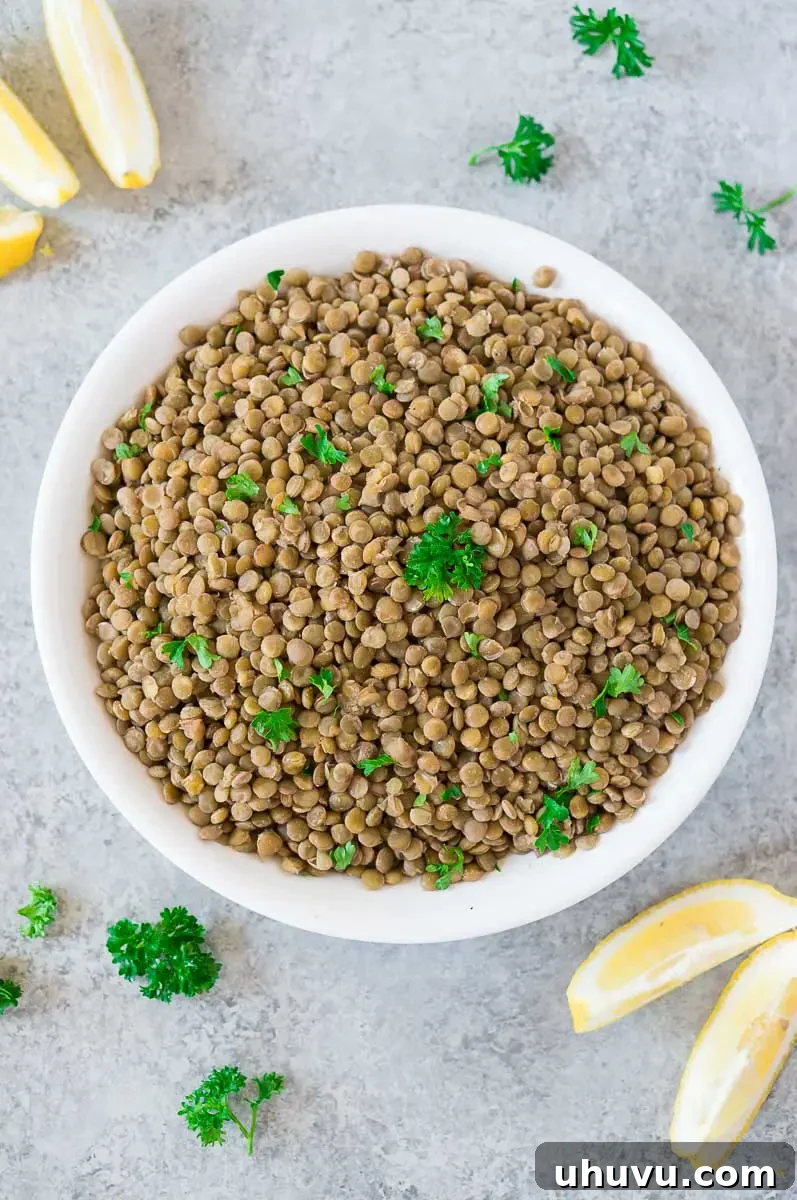
Lentils are an undeniable powerhouse in the culinary world, revered for their incredible versatility, rich nutritional profile, and ease of preparation. This humble legume, brimming with plant-based protein and dietary fiber, offers a fantastic foundation for a myriad of dishes, from hearty soups to vibrant salads and robust main courses. If you’ve ever wondered how to cook lentils to perfection, achieving that ideal tender-yet-firm texture every single time, you’ve come to the right place. This comprehensive guide will walk you through everything you need to know, from understanding different varieties to mastering the stovetop method and unlocking their full culinary potential.
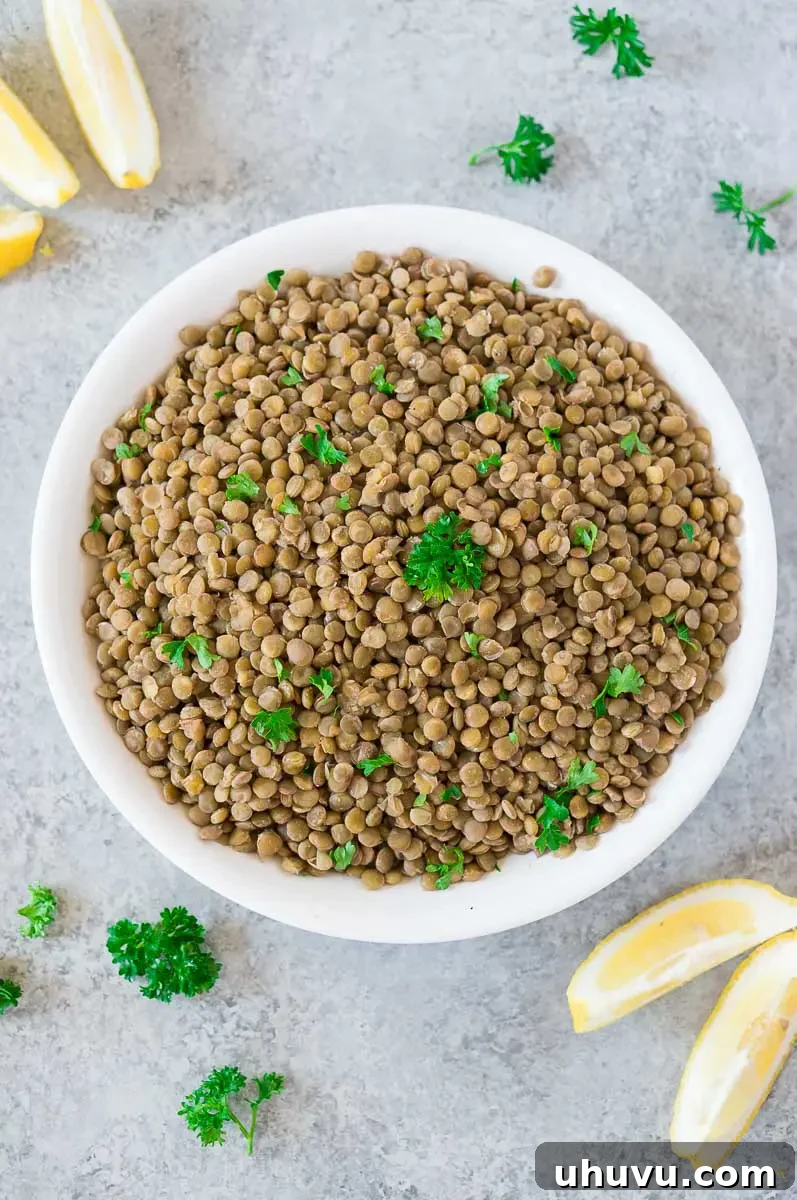
Once you master the simple technique of cooking lentils, you’ll find countless ways to incorporate them into your meals. They’re a fantastic addition to hearty dishes like Italian lentil and sausage soup, lending a rich texture and absorbing flavors beautifully. They also serve as an excellent base or a protein boost in fresh, vibrant salads, transforming them into satisfying and nutritious meals.
The beauty of cooking dry lentils lies in its simplicity. With just water and a handful of dry lentils, you can prepare a wholesome, hands-off dish that requires minimal effort. Cooked lentils make a delightful side dish for aromatic curries, a nutritious base for vegetarian meals, or a superb component for meal prepping throughout the week, ensuring you always have a healthy option readily available.
What Are Lentils? Beyond the Basics
Often confused with beans, lentils are indeed part of the legume family, just like peas and chickpeas, as they grow in pods. However, they are distinct in their smaller, lens-like shape (which is where they get their name!). Lentils are a phenomenal ingredient to integrate into any diet, particularly if you’re seeking plant-based protein sources. They are remarkably filling, incredibly delicious, and packed with essential nutrients that contribute to overall well-being.
Beyond their culinary appeal, lentils are nutritional powerhouses. They are an excellent source of dietary fiber, which aids digestion, promotes satiety, and helps regulate blood sugar levels. Furthermore, lentils are rich in protein, making them an invaluable component for vegetarians and vegans. They also provide significant amounts of iron, folate, magnesium, and B vitamins, contributing to energy production, red blood cell formation, and nerve function. Incorporating lentils into your diet is a smart move for heart health, weight management, and boosting your daily nutrient intake.
Exploring the World of Lentils: Varieties and Their Uses
The world of lentils is more diverse than you might imagine, offering a fascinating array of colors, textures, and subtle flavor profiles. While the basic cooking method remains consistent, understanding these differences will help you choose the perfect lentil for your specific recipe. Each variety boasts unique characteristics that shine in different culinary applications, making them a versatile staple in any kitchen.
- Brown Lentils: These are arguably the most ubiquitous variety, known for their mild, earthy flavor and ability to retain their shape fairly well during cooking. Their versatility makes them a go-to choice for a wide range of dishes. They are perfect for adding substance to vibrant salads, enriching hearty casseroles, and thickening comforting soups without becoming overly mushy. Typically, brown lentils require about 25-30 minutes of simmering to reach tender perfection.
- Green Lentils: Often slightly larger than brown lentils, green lentils, including the renowned French Green Lentils (or Puy lentils), offer a more robust and distinctly peppery flavor. They are celebrated for their ability to maintain a firm, somewhat chewy texture even after cooking, making them ideal for dishes where you want the lentils to hold their form. Their medium-to-firm texture makes them superb for salads, grain bowls, and standalone side dishes. Expect green lentils to cook for approximately 35 minutes.
- Red and Yellow Lentils: These vibrant lentils are typically sold split, which means they cook much faster and tend to break down, creating a creamy consistency. They are sweeter and milder in flavor compared to their brown and green counterparts. Their quick-cooking nature and tendency to dissolve make them the perfect choice for creating rich, thick dishes such as Indian dahl, puréed soups, and stews where a smooth texture is desired. Red and yellow lentils usually require the shortest cooking time, around 20 minutes, sometimes even less.
- Black Beluga Lentils: While not mentioned in the original text, black lentils, often called “Beluga” lentils due to their resemblance to caviar, are worth noting. They boast a rich, earthy flavor and maintain their glossy black color and firm texture exceptionally well. These are excellent for elegant salads, impressive side dishes, and any recipe where a distinct, visually appealing lentil is desired. They typically cook in about 20-25 minutes.
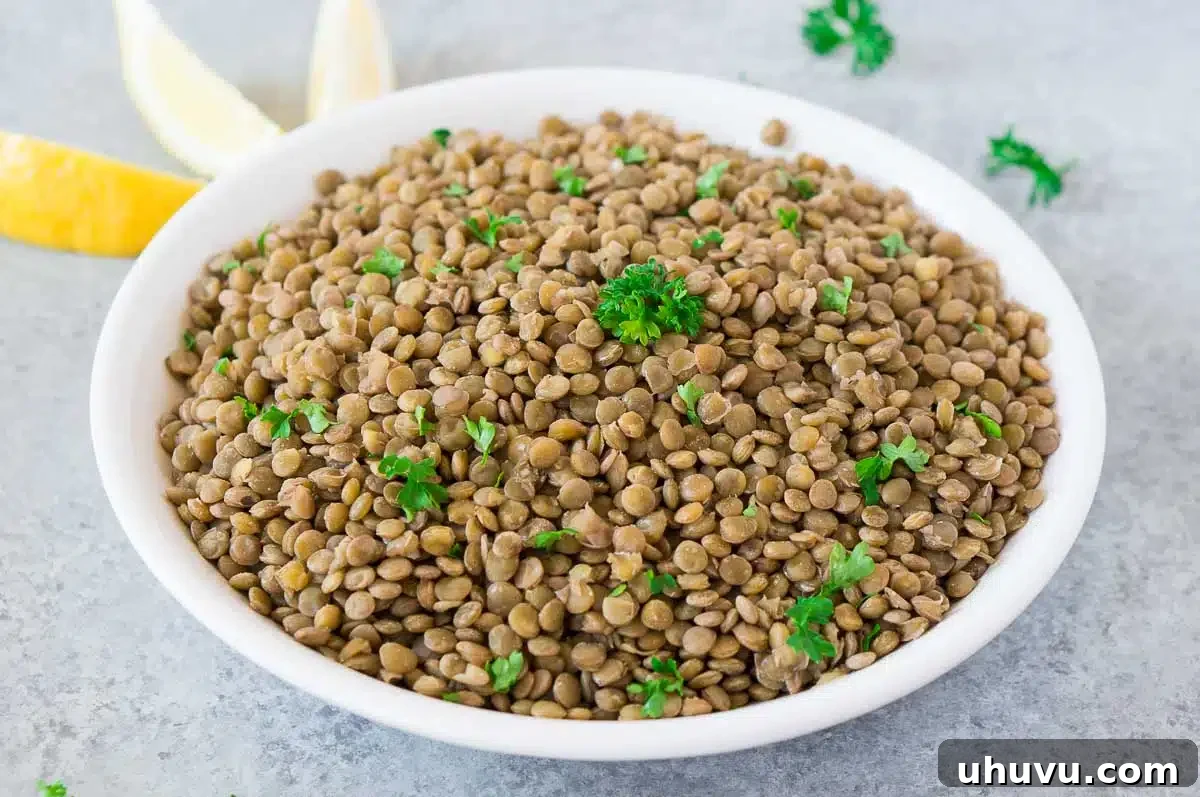
Master the Stovetop: Step-by-Step Guide to Cooking Perfect Lentils
Achieving perfectly cooked lentils on the stovetop is a straightforward process that yields tender, flavorful results every time. Follow these simple steps to ensure your lentils are ready for any culinary adventure:
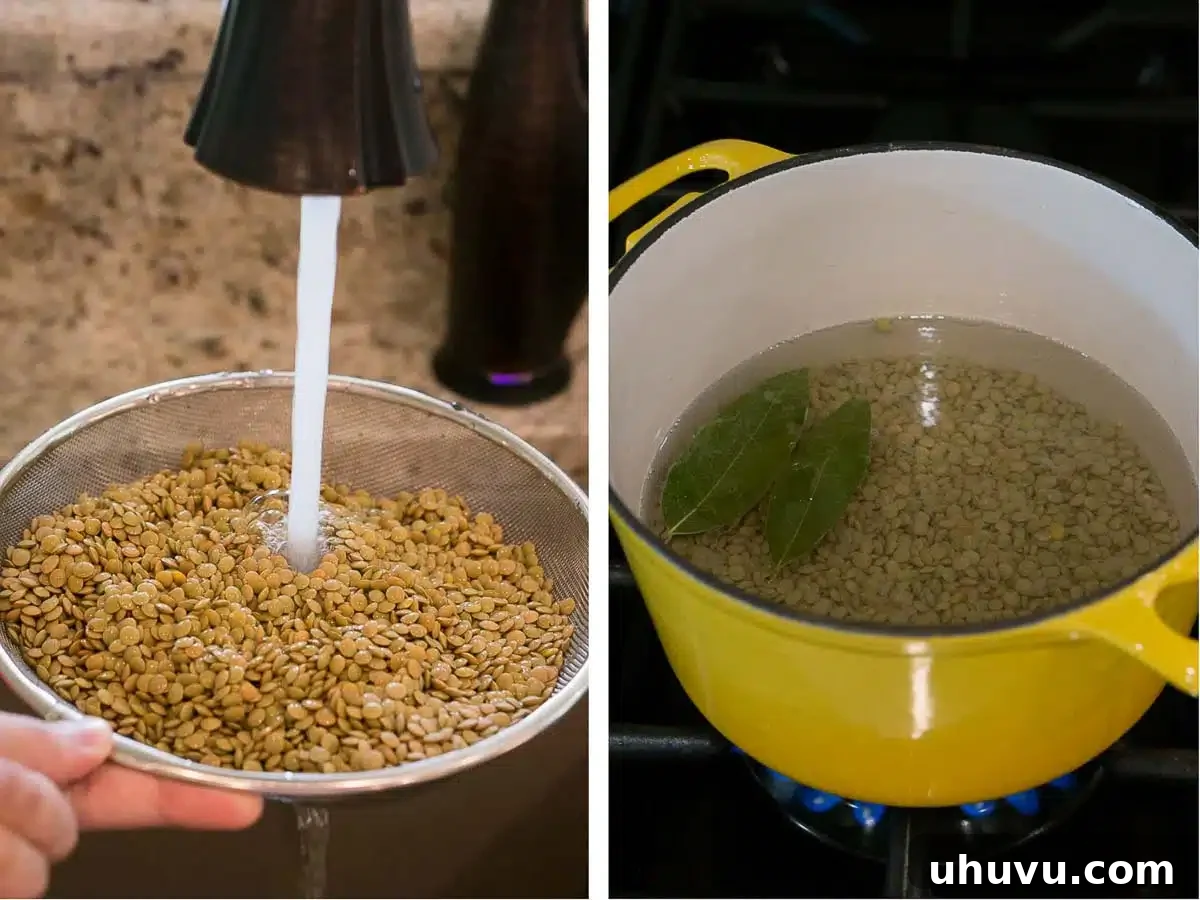
- Rinse Thoroughly: Begin by placing your dry lentils in a fine-mesh sieve and rinsing them under cold running water. This crucial step removes any dust, dirt, or small debris that might be present. While lentils don’t typically require soaking, a good rinse ensures cleanliness and a better final product. Inspect them quickly for any small stones or imperfections.
- Combine & Season: Transfer the rinsed lentils to a medium-sized pot. For most lentil varieties, the ideal ratio is 1 cup of dry lentils to 3 cups of water (or broth for added flavor). Now is the time to add any aromatics or seasonings like a bay leaf, a few peppercorns, or a garlic clove to infuse flavor into the lentils as they cook. Remember: do not add salt at this stage, as it can toughen the lentil skins.
- Boil, Then Simmer: Bring the pot to a rapid boil over medium-high heat. Once boiling furiously, reduce the heat to a gentle simmer. Cover the pot with a lid, allowing the lentils to cook evenly and absorb the liquid without losing too much moisture to evaporation.
- Cook Until Tender: Let the lentils simmer for the recommended cooking time based on their variety (typically 20-25 minutes for red/yellow, 25-30 minutes for brown, and 35 minutes for green). Check for doneness by tasting a few lentils; they should be tender but still hold their shape (unless you are cooking red lentils for dahl, which are meant to break down). They should not be crunchy.
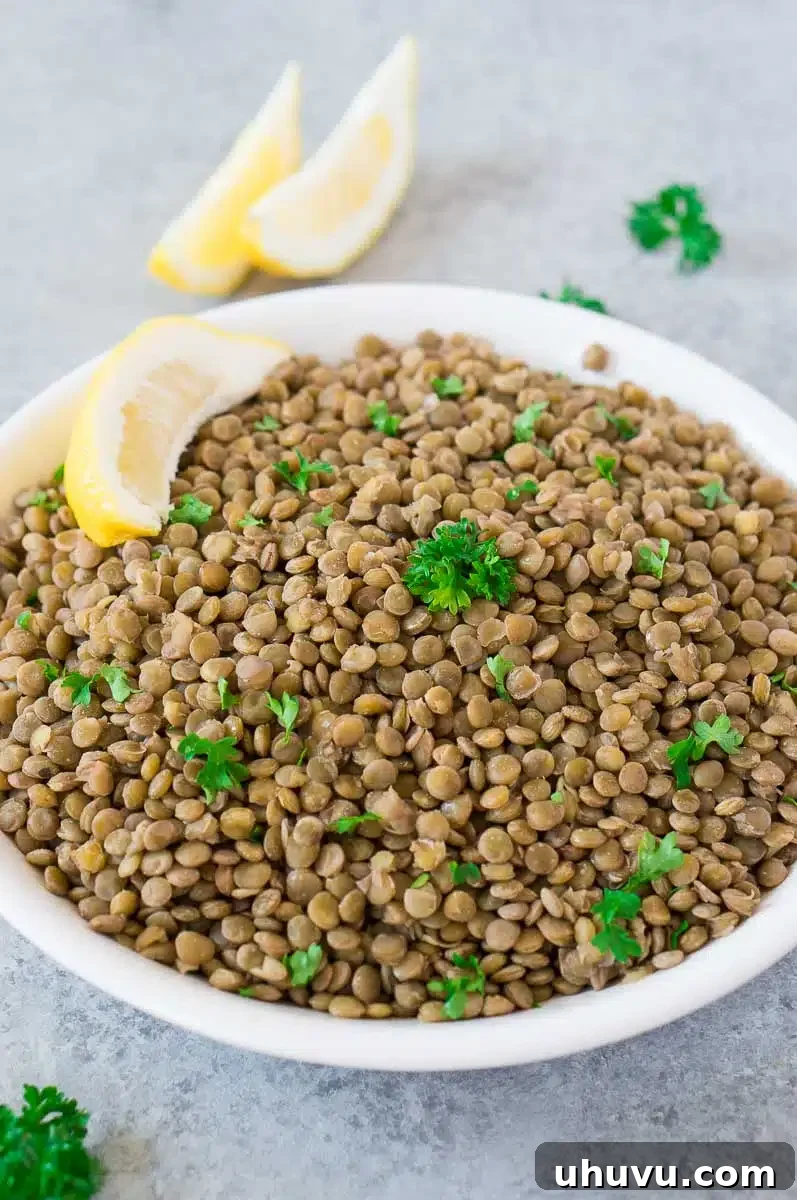
- Drain & Season: Once tender, drain any excess liquid using a fine-mesh sieve. Remove any added aromatics like bay leaves. Transfer the cooked lentils to a serving bowl and season generously with salt, pepper, a drizzle of olive oil, and fresh herbs to taste. Your perfectly cooked lentils are now ready to be enjoyed!
TIPS FROM NELI’S KITCHEN
Essential Tips for Foolproof Lentils
Follow these expert tips to elevate your lentil cooking and ensure perfectly textured, flavorful results every single time:
- Don’t Skip the Rinse: While soaking isn’t necessary for lentils, rinsing them under cold water is a must. This washes away any residual dirt, dust, or tiny stones, ensuring a clean and pleasant eating experience. A fine-mesh sieve works best for this task.
- Flavor Your Cooking Liquid: Cooking lentils in plain water is fine, but infusing the liquid with aromatics will significantly boost their natural flavor. Try adding a bay leaf, a few black peppercorns, a halved onion, or crushed garlic cloves to the pot. Remove these aromatics before serving.
- Salt After Cooking: This is a golden rule for cooking lentils and other legumes. Adding salt to the cooking water prematurely can cause the lentil skins to toughen, resulting in an unevenly cooked and less tender texture. Always season with salt once the lentils are fully cooked and drained.
- Choose the Right Liquid: For a richer, more complex flavor, consider cooking your lentils in vegetable broth or chicken stock instead of water. This simple swap can transform a basic side dish into a deeply flavorful component of your meal.
- Monitor Doneness: Lentil cooking times are approximate and can vary based on their age and specific variety. Start checking for tenderness a few minutes before the suggested cooking time. If they’re not quite tender after 20 minutes (for quicker cooking types) or 25-30 minutes (for others), continue to simmer and check every 3 minutes until they reach your desired texture. Overcooked lentils can become mushy, losing their appealing bite.
- Avoid Excessive Stirring: While simmering, avoid stirring the lentils too frequently. Gentle stirring occasionally is fine, but constant agitation can cause them to break down prematurely, especially the more delicate varieties like red and yellow lentils.
- Adjust Liquid as Needed: Keep an eye on the water level during simmering. If the lentils absorb all the liquid before they are tender, add a splash more hot water or broth to prevent them from drying out or sticking to the bottom of the pot.
Unleash Lentil Versatility: Inspiring Serving Suggestions
Cooked lentils are incredibly versatile and can be incorporated into an astonishing array of dishes. Their mild flavor makes them a perfect canvas, ready to absorb the spices and aromas of your chosen cuisine. Here are even more ideas to inspire your culinary creativity:
- Elevate Your Salads: Beyond just tossing them into green salads for a protein boost, combine warm lentils with roasted root vegetables, crumbled feta or goat cheese, and a lemon-herb vinaigrette for a gourmet side. Or mix them with quinoa, chopped cucumbers, tomatoes, and fresh mint for a refreshing Mediterranean-inspired grain bowl.
- Dynamic Wraps and Tacos: Create savory, plant-based fillings for wraps, burritos, or tacos by seasoning cooked lentils with cumin, chili powder, and smoked paprika. Pair them with creamy avocado slices, fresh salsa, crunchy shredded lettuce, and a squeeze of lime for a satisfying and healthy meal.
- Hearty Soups, Stews, and Curries: Stir them into your favorite soups (like this Italian Lentil Soup), rich curries, or robust beef chilis to add incredible texture, protein, and thickness. Lentils absorb flavors beautifully, making them an excellent choice for slow-cooked dishes.
- Homemade Veggie Burgers & Meatballs: Blend cooked lentils with breadcrumbs, finely chopped sautéed onions and mushrooms, and your favorite spices (such as coriander, cumin, and thyme) to form flavorful patties for homemade veggie burgers or delicious plant-based meatballs. They provide excellent binding and a satisfying bite.
- Simple & Nutritious Side Dish: Serve warm lentils simply dressed with a generous drizzle of high-quality olive oil, a squeeze of fresh lemon juice, finely chopped parsley or cilantro, and a pinch of red pepper flakes for an easy yet elegant side dish.
- Savory Breakfast Bowl: For a unique and filling breakfast, top a bed of warm lentils with a perfectly poached egg, wilted spinach, a sprinkle of Parmesan cheese, and a dash of hot sauce. It’s a protein-packed start to your day.
- Creamy Spreads and Dips: Similar to chickpeas in hummus, cooked lentils can be blended with tahini, lemon juice, garlic, and spices to create a delicious and nutritious dip or spread for crackers, vegetables, or sandwiches.
- Lentil “Meat” for Sauces: Use finely chopped or pulsed cooked lentils as a plant-based alternative to ground meat in pasta sauces, shepherd’s pie, or sloppy joes. Their texture and ability to absorb flavor make them an excellent substitute.
Storing Cooked Lentils: Smart Meal Prep Strategies
Lentils are an ideal ingredient for meal planning and batch cooking due to their excellent storage capabilities. Preparing a larger quantity of cooked lentils at the beginning of the week can save you significant time and effort, providing a convenient base for quick dinners or adding substance to lunches.
- Refrigerate: Allow your cooked lentils to cool completely to room temperature before storing. Transfer them to an airtight container and place them in the refrigerator. Properly stored, cooked lentils will maintain their freshness and quality for up to 5-7 days, making them perfectly ready for your week’s meals.
- Freeze: Cooked lentils can be frozen for an extended period, typically up to 6 months, without significant loss of quality. To prevent them from clumping together and to ensure even freezing, spread the cooled, cooked lentils in a single layer on a baking sheet and freeze for 1-2 hours. Once individually frozen, transfer them to a freezer-safe bag or an airtight container. This method helps prevent freezer burn and makes it easy to portion out exactly what you need. Thaw frozen lentils in the refrigerator overnight or by reheating directly from frozen in a pan with a splash of water or broth.
- Reheating Tips: To reheat refrigerated lentils, you can gently warm them on the stovetop with a little water or broth to prevent drying, or simply microwave them. For frozen lentils, they can often be added directly to soups or stews, or gently reheated on the stovetop.
Your Lentil FAQs Answered
Here are answers to some of the most common questions about cooking lentils:
Generally, 1 cup of dry lentils will yield approximately 2 1/2 to 3 cups of cooked lentils. This amount is usually sufficient for about 4 servings, depending on whether the lentils are a main component or a side dish in your meal.
No, lentils do not require soaking before cooking, unlike many other dried beans. Their smaller size and thinner skins mean they cook relatively quickly without pre-soaking. A thorough rinse under running water to remove any debris is all that’s needed before you proceed with cooking.
The standard ratio for cooking most types of lentils is 1 part dry lentils to 3 parts water or broth. So, for every cup of dried lentils you use, you should add 3 cups of liquid. This ensures they cook evenly and absorb enough moisture to become tender.
To prevent your lentils from becoming mushy, follow these key tips:
- Choose the Right Variety: Green and brown lentils hold their shape better than red or yellow lentils, which are designed to break down.
- Avoid Overcooking: Begin checking for doneness a few minutes before the recommended cooking time. Lentils cook relatively fast.
- Gentle Simmer: Cook them at a gentle simmer rather than a rolling boil, as vigorous boiling can cause them to break apart.
- Add Salt Last: Never add salt to the cooking water, as it can make the outer skins tough, leading to mushy interiors.
Lentils cook much faster than most beans. After bringing the water and lentils to a rapid boil, reduce the heat to low and simmer:
- Red and Yellow Lentils: 15-20 minutes
- Brown Lentils: 25-30 minutes
- Green and Black (Beluga) Lentils: 30-35 minutes
Always check for tenderness to ensure they are cooked to your preference.
Absolutely! Lentils are incredibly nutritious. They are an excellent source of plant-based protein, dietary fiber, iron, folate, and manganese. Their high fiber content supports digestive health, helps regulate blood sugar, and promotes a feeling of fullness, which can aid in weight management. They are also naturally gluten-free and low in fat, making them a fantastic addition to almost any healthy diet.
Yes, lentils cook beautifully and even faster in a pressure cooker or Instant Pot! For most varieties, a ratio of 1 cup lentils to 1.5-2 cups water is sufficient. Pressure cook for 7-10 minutes on high pressure, followed by a quick release. Always refer to your appliance’s manual and specific lentil type for precise timings.
Explore More Culinary Guides
- How To Boil Eggs Perfectly
- How To Cook Rice
- How To Cook Pasta
We hope this guide empowers you to cook perfect lentils with confidence! If you enjoyed this lentils cooking tutorial or any other recipe on my blog, please leave a ⭐ star rating and let me know how it went in the 📝 comments below. Your feedback is truly appreciated!
Pin this now to find it later
Pin It
⭐
⭐
⭐
⭐
☝ Tap stars to rate
How To Cook Lentils
Pin
Rate
Save This Recipe
Enter your email and we’ll send the recipe directly to you!
By submitting this form, you consent to receive emails from Delicious Meets Healthy.
Ingredients
- 1 cup lentils
- 3 cups water
- 1 bay leaf (optional, for flavor)
- Salt and freshly ground black pepper (to taste, added after cooking)
Instructions
-
Rinse the lentils thoroughly under running water using a fine mesh sieve and remove any debris and rocks.
-
Combine 1 cup of rinsed lentils and 3 cups of water (or broth) in a pot. Add a bay leaf and any other desired seasonings, but do not add salt at this stage.
-
Bring the pot to a rapid boil over medium-high heat. Once boiling, cover with a lid and reduce the heat to a gentle simmer. Simmer the lentils for 20-25 minutes for red/yellow, 25-30 minutes for brown, or 30-35 minutes for green lentils, or until they are tender.
-
Lentils are ready when they are tender and no longer crunchy. Drain any remaining liquid, remove the bay leaf, and season generously with salt and pepper as needed. You can enjoy them on their own as a side, or add them to soups, salads, and other dishes.
Notes
- Be sure to rinse and sift your lentils before cooking them to remove any rocks or debris.
- Season the cooking water with aromatics like bay leaves or peppercorns for enhanced flavor.
- Crucially, do not add salt to the lentils before cooking, or they will be tough. Add salt only after they are fully cooked.
- For more flavor, you can cook the lentils in vegetable broth or chicken stock rather than just water.
- If after 20 minutes simmering, lentils are not tender, check them every 3 minutes after that until desired tenderness is reached.
- Avoid over-stirring to prevent delicate lentil varieties from breaking down excessively.
Nutrition
Carbohydrates: 36g |
Protein: 15g |
Fat: 1g |
Saturated Fat: 1g |
Sodium: 9mg |
Potassium: 565mg |
Fiber: 18g |
Sugar: 1g |
Vitamin A: 23IU |
Vitamin C: 3mg |
Calcium: 37mg |
Iron: 4mg
Nutrition Disclaimer: Nutritional values are estimates and may vary with ingredients, brands, and portion sizes. For accuracy, use your preferred nutrition calculator.
Like this recipe? Rate and comment below!