
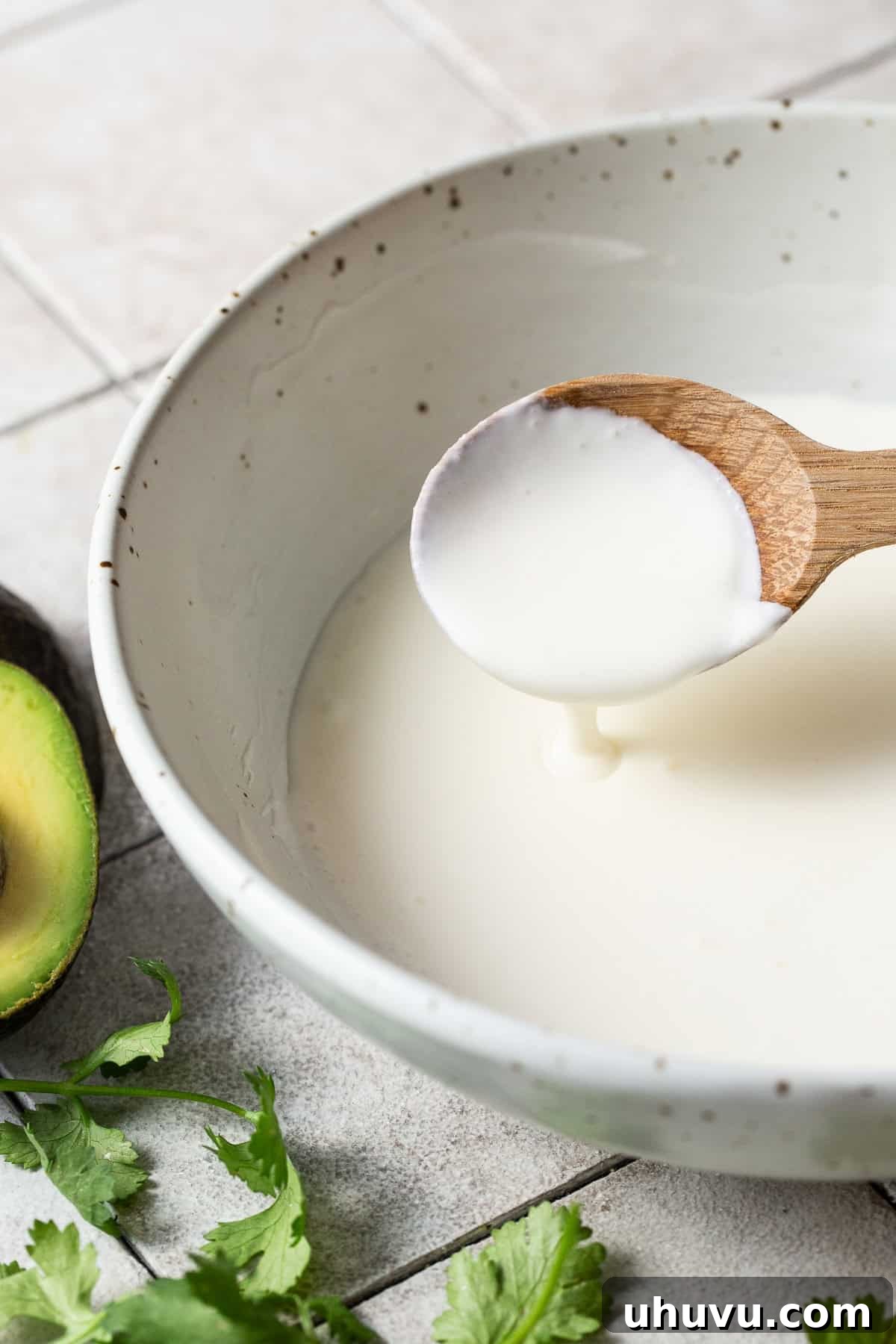
Unlock the secret to authentic Mexican cuisine with homemade Mexican crema. This thin, subtly tangy, and incredibly rich condiment is the ultimate finishing touch for a myriad of Mexican dishes. Far more nuanced than its American sour cream counterpart, Mexican crema offers a delightful balance of creaminess and a gentle zest that elevates everything it touches. Drizzle it generously over vibrant tacos, crispy tostadas, savory enchiladas, or any spicy dish to perfectly mellow the heat and add a layer of luxurious flavor.
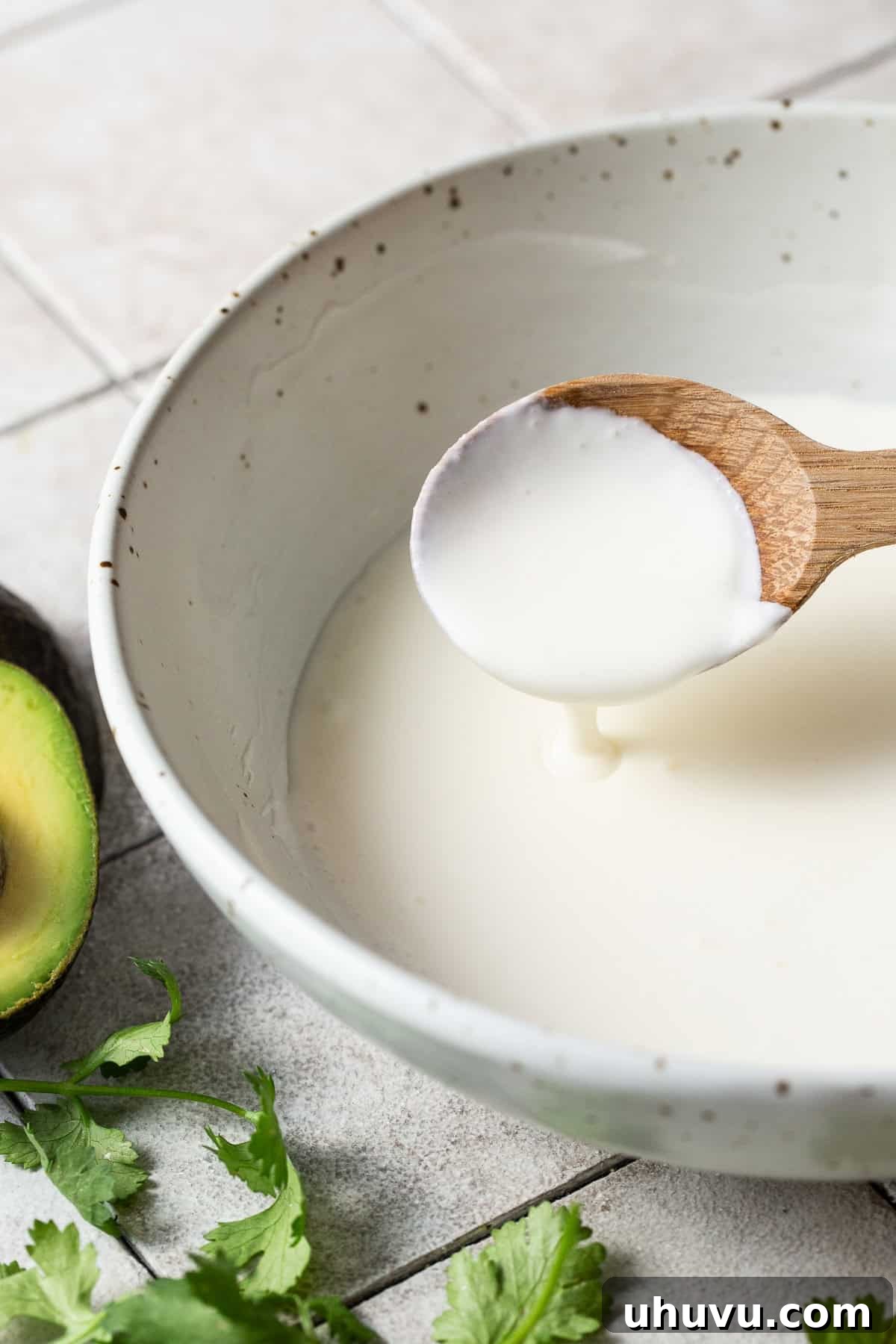
Many home cooks don’t realize how remarkably simple it is to prepare authentic Mexican crema from scratch. Before I tried it myself, I always thought it was a specialty item only available in certain stores. Now, a fresh batch is a staple in my refrigerator! If you’re seeking that perfect, authentic flourish to enhance any Mexican meal, a generous drizzle of homemade Mexican crema is the answer. While most people are familiar with sour cream, its thicker, tangier cousin, experiencing genuine Crema Mexicana for the first time is a true culinary revelation. Prepare your taste buds for an unforgettable treat!
This effortless Mexican crema recipe requires just four simple ingredients and minimal hands-on time, making it an ideal choice for busy weeknights or relaxed weekend cooking. Here’s why this recipe will quickly become a favorite in your kitchen:
- Unmatched Versatility: Homemade Mexican crema boasts an incredibly smooth texture and a mild, balanced flavor that complements rather than overpowers your dishes. Whether you need a light sauce, a cooling agent for a spicy creation, or simply desire an extra layer of creamy richness and authentic flavor, Mexican crema is a brilliant solution for countless recipes.
- Effortless Preparation: Crafting your own crema is surprisingly easy and requires very little effort. The magic happens primarily through a simple fermentation process. You just combine heavy cream and buttermilk, then let time do most of the work. Once the mixture has subtly fermented and thickened overnight, a quick stir with fresh lime juice and a pinch of salt completes this delightful condiment.
- Superior Freshness & Flavor: Store-bought options can often contain stabilizers and preservatives that affect flavor and texture. Making crema at home ensures you get the freshest, most vibrant taste and the purest, most luxurious consistency, free from unwanted additives.
- Cost-Effective: Producing your own Mexican crema is often more economical than purchasing specialty brands, especially if you frequently use it in your cooking. The base ingredients are common and budget-friendly.
What Exactly Is Mexican Crema?
Mexican crema, also known as Crema Mexicana, is a beloved dairy product deeply rooted in Mexican culinary traditions. Often described as a Mexican-style sour cream, it truly stands in a category of its own. It’s the perfect harmony of tanginess and creaminess, typically featuring a slight underlying sweetness that sets it apart. Crema is a versatile condiment, widely used as a delicate finishing touch on popular Mexican dishes. Imagine generously drizzling it over vibrant red chilaquiles, crispy golden chicken taquitos, or any of my flavorful enchilada recipes. Beyond its incredible flavor contribution, crema plays a crucial role in Mexican cuisine by providing a cooling counterpoint that effectively tones down the inherent heat and spiciness of the chiles commonly used in many dishes, balancing the overall taste profile.
While you can find various brands of Mexican crema in the dairy aisle of most well-stocked grocery stores, especially those specializing in Latin American products, the satisfaction and superior flavor of making your own are undeniable. It requires minimal ingredients and allows you to control the freshness and quality, yielding a product that far surpasses its commercial counterparts.
Mexican Crema vs. Sour Cream: Understanding the Key Differences
Although Mexican crema and sour cream are both tangy, creamy dairy products, they possess distinct characteristics that make them unique. Understanding these differences is key to appreciating why crema is so indispensable in authentic Mexican cooking:
- Flavor Profile: Mexican crema offers a noticeably milder, slightly sweeter, and less intensely tangy taste compared to standard American sour cream or even plain Greek yogurt. This is primarily due to its fermentation process, which is typically shorter and results in a less pronounced acidity. The subtle sweetness often comes from the heavy cream base, creating a more delicate and balanced flavor.
- Texture and Consistency: One of the most significant distinctions is texture. Mexican crema is considerably thinner and more pourable than sour cream, which tends to be quite thick and spoonable. This pourable quality makes crema ideal for elegant drizzles over finished dishes, allowing it to meld beautifully with other ingredients without clumping. It’s also inherently smoother and richer, contributing a silky mouthfeel.
- Fat Content: The fat content varies significantly between the two. Traditional sour cream typically has a fat content of around 20%, whereas authentic Mexican crema is made with heavy cream and boasts a higher fat content, usually around 30%. This higher fat content contributes to crema’s luxurious richness and its ability to withstand higher temperatures without curdling as easily as sour cream.
- Culinary Applications: While sour cream is often used as a dollop on baked potatoes or a thick base for dips, Mexican crema’s pourable nature makes it perfect for drizzling over tacos, tostadas, enchiladas, sopes, or as a component in lighter sauces. Its richness also helps temper the heat of spicy dishes more effectively.
Seeking a Substitute? Best Alternatives for Mexican Crema
While homemade Mexican crema is truly unparalleled, there might be times when you need a quick substitute. The best alternative that closely mimics the texture and flavor of Mexican crema is crème fraîche. Crème fraîche is similar in its high fat content and mild tang, but it is typically thicker than crema. To achieve a consistency that more closely resembles crema, you can thin it out by mixing in a small amount of fresh lime juice, milk, or a touch of water until it reaches a pourable consistency. This also adds a touch of brightness.
Other potential substitutes, though less ideal:
- Sour Cream (thinned): If crème fraîche isn’t available, you can use regular sour cream. To make it more like crema, thin it with a little milk, water, or fresh lime juice until it’s pourable. Keep in mind that it will still be tangier than authentic crema.
- Greek Yogurt (thinned): Plain, full-fat Greek yogurt can also be thinned with milk or water, and a squeeze of lime juice can add a similar tangy note. However, Greek yogurt typically has a much lower fat content and a more pronounced tartness, so the richness will be different.
- Buttermilk (creamy version): Some recipes suggest using buttermilk directly, but this will lack the richness and thickness of crema. It’s better suited as a thinning agent for sour cream or crème fraîche.
Always remember that these are substitutes, and while they can work in a pinch, they won’t perfectly replicate the unique balance and richness of homemade Mexican crema.
Essential Ingredients for Authentic Mexican Crema
Making Mexican crema is incredibly straightforward, thanks to its minimal ingredient list. Each component plays a vital role in achieving that perfect balance of creamy texture and delicate tang. Here’s what you’ll need:
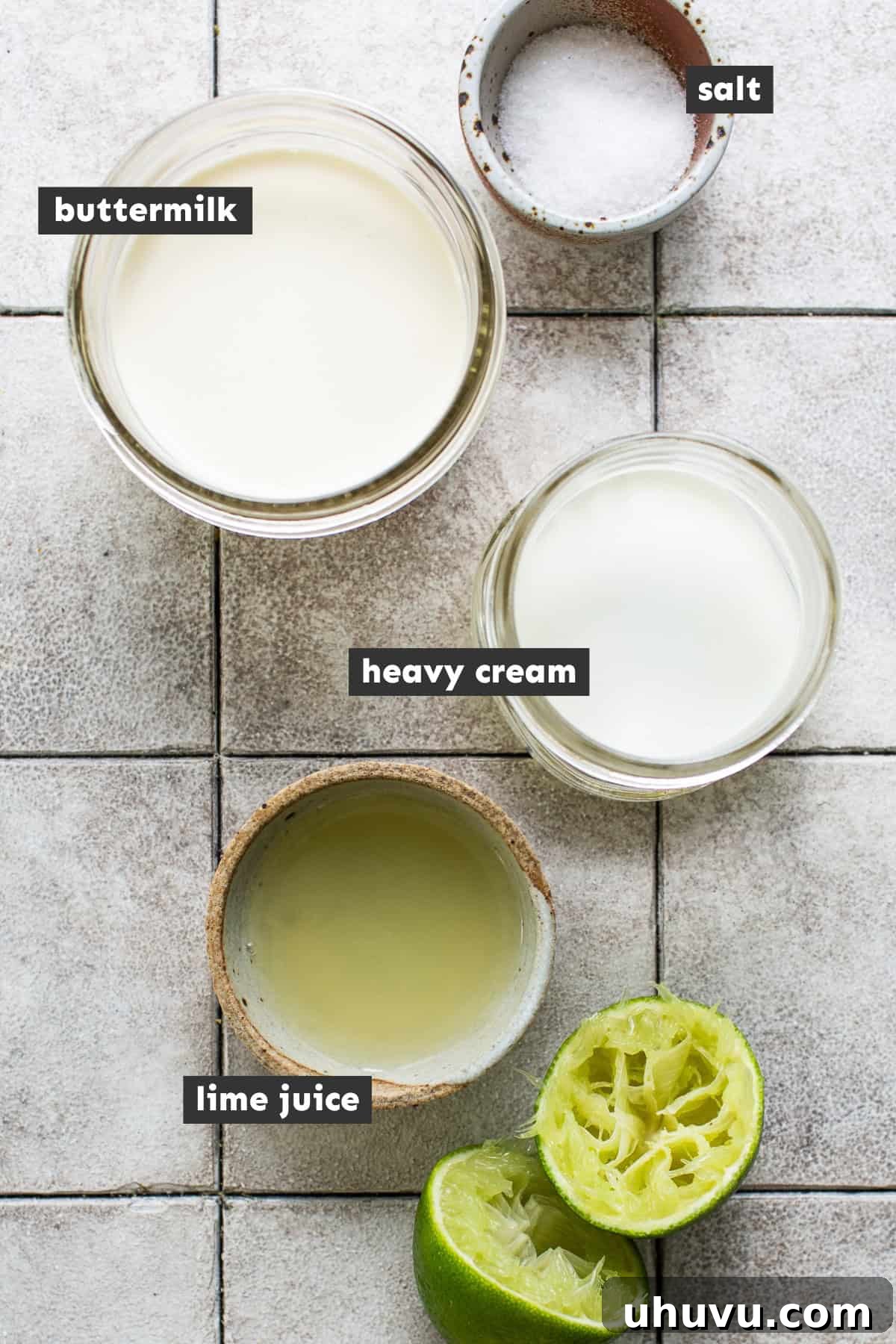
- Heavy Cream: This is the fundamental base of your Mexican crema, providing its signature creamy body and a subtle, natural sweetness. Opt for full-fat heavy cream (sometimes labeled heavy whipping cream) for the best results, as its high-fat content is crucial for the rich texture and pourable consistency that makes crema so special. It’s essential for achieving that luxurious mouthfeel perfect for drizzling over food.
- Buttermilk: Buttermilk is the magical ingredient that introduces the characteristic tang to the crema and initiates the slight fermentation process. The active cultures in buttermilk work to thicken the heavy cream and impart a pleasant acidity without making it overly sour. If you don’t have liquid buttermilk, you can make a quick substitute by adding 1 tablespoon of white vinegar or lemon juice to 1 cup of whole milk and letting it sit for 5-10 minutes until it slightly curdles. However, using actual cultured buttermilk yields the best flavor and consistency for crema.
- Fresh Lime Juice: Added towards the end of the process, fresh lime juice brightens the flavor profile and contributes to crema’s signature zesty taste. I highly recommend using freshly squeezed lime juice for its vibrant, less sour, and more aromatic qualities compared to bottled alternatives. However, if fresh limes are unavailable, a good quality bottled lime juice can be used in a pinch.
- Fine Salt: A pinch of fine salt is essential for enhancing and balancing all the flavors, bringing everything together harmoniously. Fine salt dissolves easily into the crema, ensuring an even distribution of seasoning without leaving behind crunchy flakes that can occur with coarser kosher or sea salt. Always taste and adjust to your preference.
Simple Steps to Craft Your Own Mexican Crema
Making Mexican crema at home is a testament to how simple yet transformative homemade condiments can be. Follow these easy steps to create your own batch:
- Combine Ingredients: In a clean glass jar or a small bowl, pour the heavy cream and buttermilk. Using a whisk or spoon, gently stir the mixture until it is thoroughly combined. The goal is to ensure the buttermilk cultures are evenly distributed throughout the cream.
- Rest and Ferment: Cover the jar or bowl tightly with its lid or plastic wrap to prevent any contaminants from entering. Allow the cream and buttermilk mixture to rest at room temperature (ideally between 68-75°F or 20-24°C) for 12 to 24 hours. During this period, the buttermilk cultures will gently ferment the heavy cream, causing it to thicken and develop its characteristic tangy flavor. Alternatively, for a slightly thicker and tangier result, you can rest it in the refrigerator for 24 hours or longer, though room temperature fermentation is quicker and often preferred for a classic crema.
- Flavor and Finish: After the resting period, the mixture should have thickened to a pourable consistency. Now, add the fresh lime juice and fine salt to the fermented cream. Using a fork or a small whisk, mix everything together thoroughly until all the ingredients are well combined and the crema is smooth. Taste and adjust salt or lime juice as needed to reach your desired flavor profile.
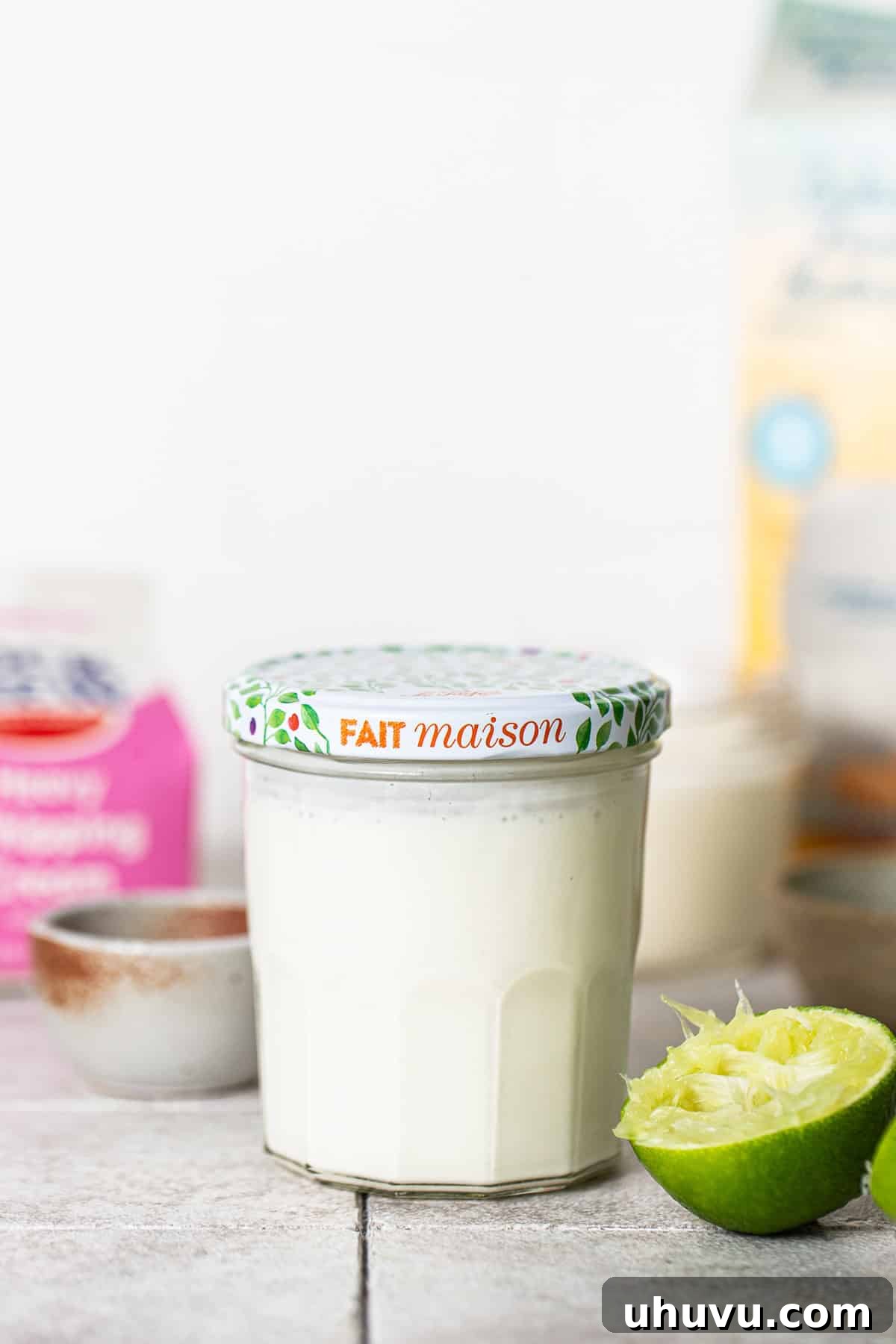
- Serve or Store: Your homemade Mexican crema is now ready to be enjoyed! Drizzle it over your favorite dishes immediately. If you’re not using it all at once, cover it tightly and store it in the refrigerator. It will keep well for up to one to two weeks. The flavor may continue to develop slightly over time.
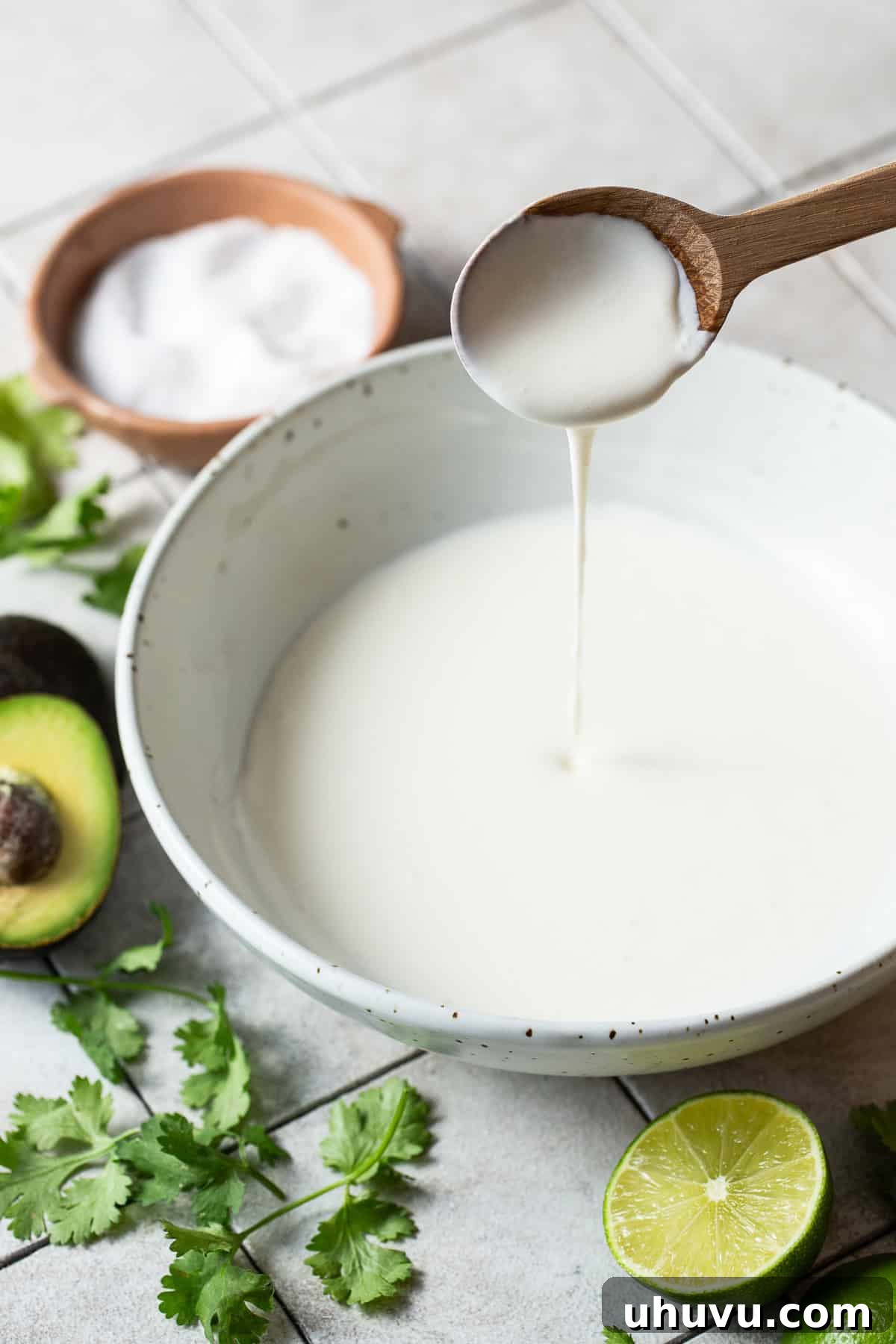
Expert Tips for Perfect Homemade Crema Every Time
Achieving the ideal Mexican crema is straightforward, but a few key tips can ensure your homemade batch is absolutely perfect:
- Optimal Resting Time: The fermentation period is crucial. For a classic, subtly tangy crema, I recommend leaving the heavy cream and buttermilk mixture on the counter at room temperature (68-75°F or 20-24°C) for 12 hours. If your kitchen is cooler, you might extend it to 18-24 hours. For a slightly thicker and tangier crema, or if you prefer a slower fermentation, you can allow it to rest in the fridge for 24-48 hours. Monitor the consistency and taste during this period.
- Adjusting Texture and Consistency: As your homemade crema chills in the refrigerator, it can naturally continue to thicken. If you find it too thick for drizzling before serving, don’t worry! Simply whisk in a small splash of additional lime juice or a tablespoon of buttermilk until it reaches your desired pourable consistency. This helps loosen it up while adding a fresh hint of flavor.
- Enhancing Flavor with Spices: While classic crema is mild, you can easily customize it. To create a vibrant chili lime crema, stir in 1 teaspoon of chili powder when you add the lime juice and salt. This infusion of chili powder adds depth and a mild, earthy warmth that pairs beautifully with many dishes.
- Adding a Kick of Heat: For those who love a bit of a spicy kick, transform your crema into a zesty, fiery condiment. Incorporate 1 teaspoon of chipotle powder for a smoky heat, or add ½ teaspoon of cayenne pepper for a brighter, more direct spice. Adjust the amount to your preferred level of heat.
- Using Fresh Ingredients: Always prioritize fresh, high-quality heavy cream and buttermilk. Freshly squeezed lime juice makes a noticeable difference in the final flavor compared to bottled varieties.
- Cleanliness is Key: Ensure all your utensils, bowls, and jars are thoroughly clean to prevent unwanted bacterial growth during the fermentation process.
- Storage: Store your finished crema in an airtight container in the refrigerator for up to 1-2 weeks. Give it a quick stir before each use.
Creative Ways to Enjoy Your Homemade Mexican Crema
Instead of pondering what you can serve with Mexican crema, a more fitting question might be what you can’t! Its versatile creamy and tangy flavor profile makes it an exceptional accompaniment to an incredible array of dishes. Here are just a few ideas to inspire your culinary creations:
- As a Luxurious Drizzle: Elevate rich and hearty recipes by drizzling a generous amount of crema on top. It’s perfect for dishes like golden fried quesadillas, authentic cheese enchiladas, savory chicken enchiladas, or crispy taquitos and flautas.
- Cooling Spicy Dishes: Crema is a natural pairing for anything with a bit of heat. Serve it alongside sizzling carne asada tacos, spicy chilaquiles, or fiery salsas to provide a welcome creamy coolness that balances the flavors.
- Soup Topping: Add a dollop of crema to hearty soups for an extra layer of creaminess and flavor. It’s particularly delicious in a comforting bowl of black bean soup, a robust chicken enchilada soup, or any tortilla soup.
- Enhancing Appetizers: Use crema as a dip for chips, a topping for loaded nachos, or a finish for street corn (elote).
- As a Salad Dressing Base: Thin out crema with a little more lime juice and perhaps some herbs (like cilantro) to create a light and tangy salad dressing for Mexican-inspired salads.
- In Salsas and Sauces: Incorporate crema into your favorite homemade salsas or sauces to add a creamy element and mellow out any harsh edges.
- For Breakfast and Brunch: Drizzle crema over huevos rancheros, breakfast burritos, or even sweet Mexican pastries for a unique twist.
Frequently Asked Questions About Mexican Crema
Authentic Mexican crema is typically made with just four simple ingredients: heavy cream, buttermilk, fresh lime juice, and a touch of fine salt. These ingredients are combined and then allowed to ferment, creating its distinctive flavor and consistency.
The best substitute for Mexican crema is crème fraîche. You can use it as is if you prefer a thicker consistency, or mix in a little lime juice or milk to thin it out and give it a texture closer to traditional crema. Thinned sour cream or Greek yogurt can also work in a pinch, but they will be tangier and less rich.
Mexican crema is generally richer, smoother, and less tangy than sour cream. It also has a thinner, more pourable consistency, making it ideal for drizzling. Sour cream is thicker, has a more pronounced tart flavor, and a lower fat content compared to crema.
Yes, Mexican crema is a dairy product and contains milk, specifically from both the heavy cream and buttermilk used in its preparation.
Homemade Mexican crema should be stored in an airtight container or a tightly sealed jar in the refrigerator. When properly stored, it will stay fresh and delicious for up to 1 to 2 weeks.
While buttermilk is ideal for its active cultures and tangy flavor, you can create a buttermilk substitute by mixing 1 tablespoon of white vinegar or lemon juice with 1 cup of whole milk and letting it sit for 5-10 minutes. This will curdle the milk, mimicking buttermilk’s acidity, and can be used to start the fermentation process, though the flavor might be slightly different.
Discover More Mexican Sauces & Condiments
If you love the fresh, vibrant flavors of Mexican cuisine, you’ll want to explore these other delicious homemade sauces and condiments:
- Creamy Avocado Crema
- Zesty Cilantro Lime Crema
- Refreshing Cilantro Lime Dressing
- Spicy Jalapeño Ranch
- Fresh Pico de Gallo
- Authentic Salsa Roja
If you tried this Homemade Mexican Crema Recipe or any other recipe on Isabel Eats, don’t forget to 🌟 rate the recipe and let me know how it went in the comments below! I love hearing about your experience making it!
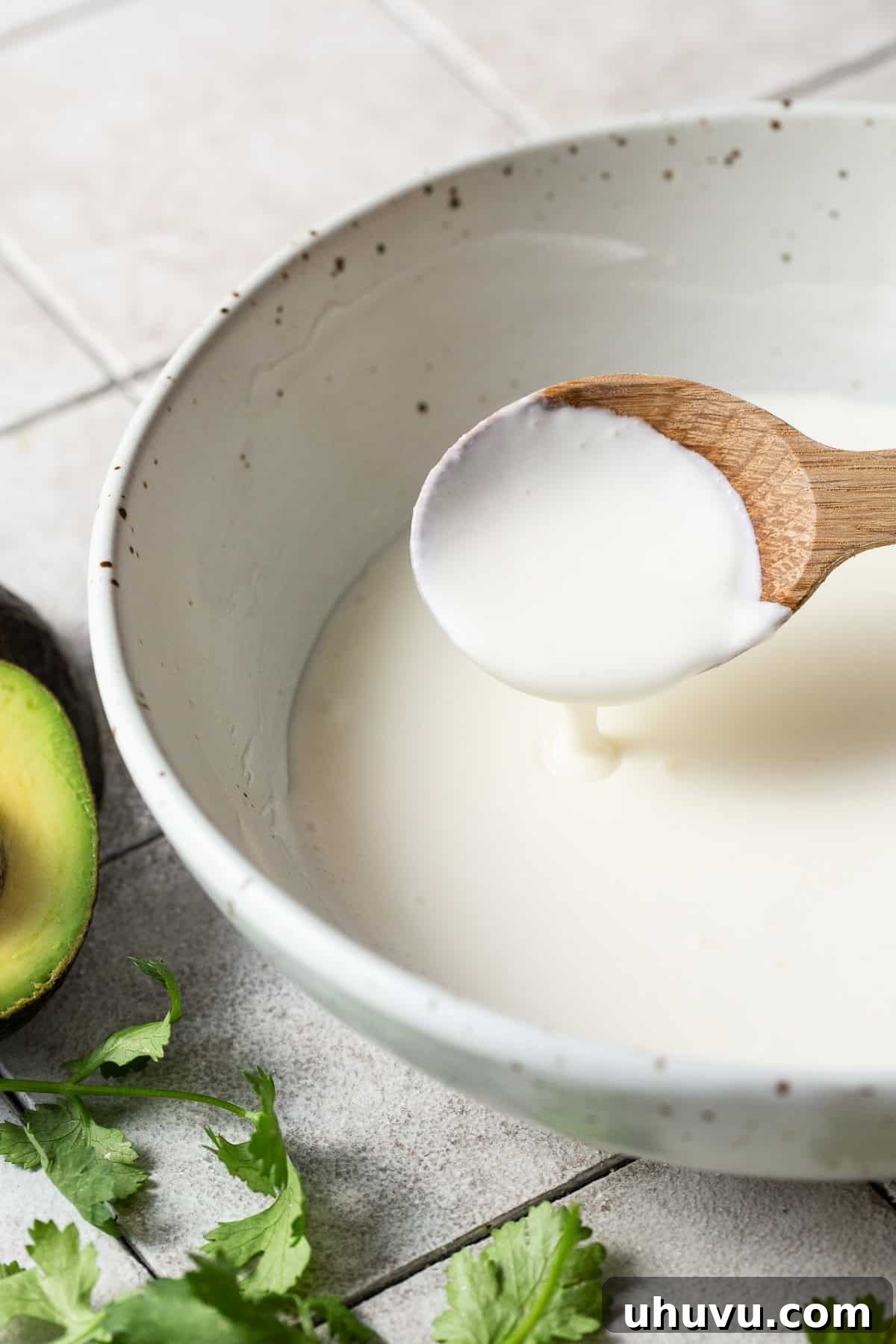
Mexican Crema – An Essential Mexican Condiment
Isabel Orozco-Moore
This thin and slightly tangy Mexican crema adds the perfect richness and authentic flavor to any Mexican dish. It’s incredibly easy to make at home and can be used on tacos, tostadas, enchiladas, and much more!
5 minutes
1 day 5 minutes
8 servings (makes about 1 cup)
4.58 from 59 votes
Ingredients
- 1 cup heavy cream
- 2 tablespoons buttermilk
- 2 tablespoons lime juice (about 1 lime, freshly squeezed recommended)
- ⅛ teaspoon fine salt, plus more to taste
Instructions
- Add the heavy cream and buttermilk to a small, clean bowl or glass jar. Stir them together until well combined.
- Cover the container tightly with plastic wrap or a lid. Let the mixture sit at room temperature (68-75°F / 20-24°C) for 12 to 24 hours. The cream will thicken and develop a mild tang.
- Once fermented and thickened, stir in the fresh lime juice and fine salt. Mix thoroughly with a fork or whisk until everything is smooth and well incorporated. Taste and adjust seasoning as needed.
- Serve your homemade Mexican crema immediately over your favorite Mexican dishes, or cover and store it in the refrigerator for up to 1-2 weeks.
Notes
- Resting Time: For a classic crema, a 12-hour rest at room temperature is usually sufficient. For a tangier or thicker result, you can extend the room temperature rest up to 24 hours, or refrigerate for 24-48 hours.
- Adjusting Thickness: If your crema becomes too thick after chilling, simply whisk in a splash of extra lime juice or buttermilk until it reaches your desired pourable consistency.
- Spice Variations: For a chili lime crema, add 1 teaspoon of chili powder when mixing in the lime juice and salt. For a spicier version, incorporate 1 teaspoon of chipotle powder or ½ teaspoon of cayenne pepper.
- Freshness: Using freshly squeezed lime juice will yield the best, most vibrant flavor.
Nutrition (Approximate per serving)
Serving: 1 serving |
Calories: 105kcal |
Carbohydrates: 1g |
Protein: 1g |
Fat: 11g |
Saturated Fat: 7g |
Cholesterol: 41mg |
Sodium: 52mg |
Potassium: 27mg |
Sugar: 1g |
Vitamin A: 437IU |
Vitamin C: 1mg |
Calcium: 24mg
Nutrition information is automatically calculated and should only be used as an approximation.
Did you make this recipe?
Leave a comment and star rating below to share your experience!
This post was originally published in January 2020 and has been updated with new photos, expanded content, and more helpful tips to ensure the best homemade Mexican crema experience.
Photography by Ashley McLaughlin.