
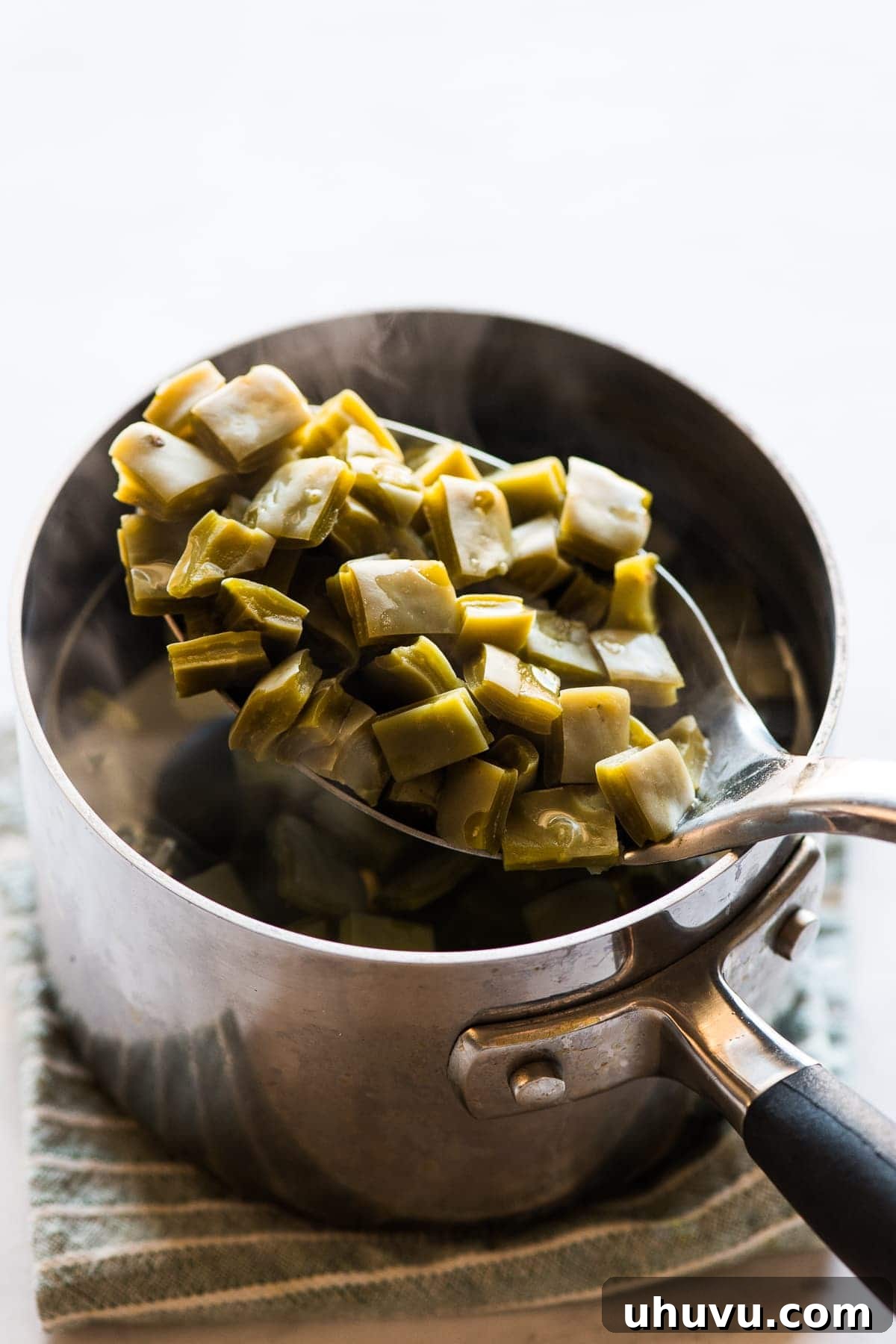
Unlock the secrets to preparing nopales, the versatile and nutritious pads of the prickly pear cactus, right in your own kitchen! This comprehensive guide will walk you through everything you need to know, from selecting the freshest cactus paddles to mastering the art of cleaning and cooking them. Whether you’re a seasoned chef or a culinary novice, you’ll learn essential techniques to incorporate this unique ingredient into a wide array of delicious dishes, embracing a taste of authentic Mexican cuisine.
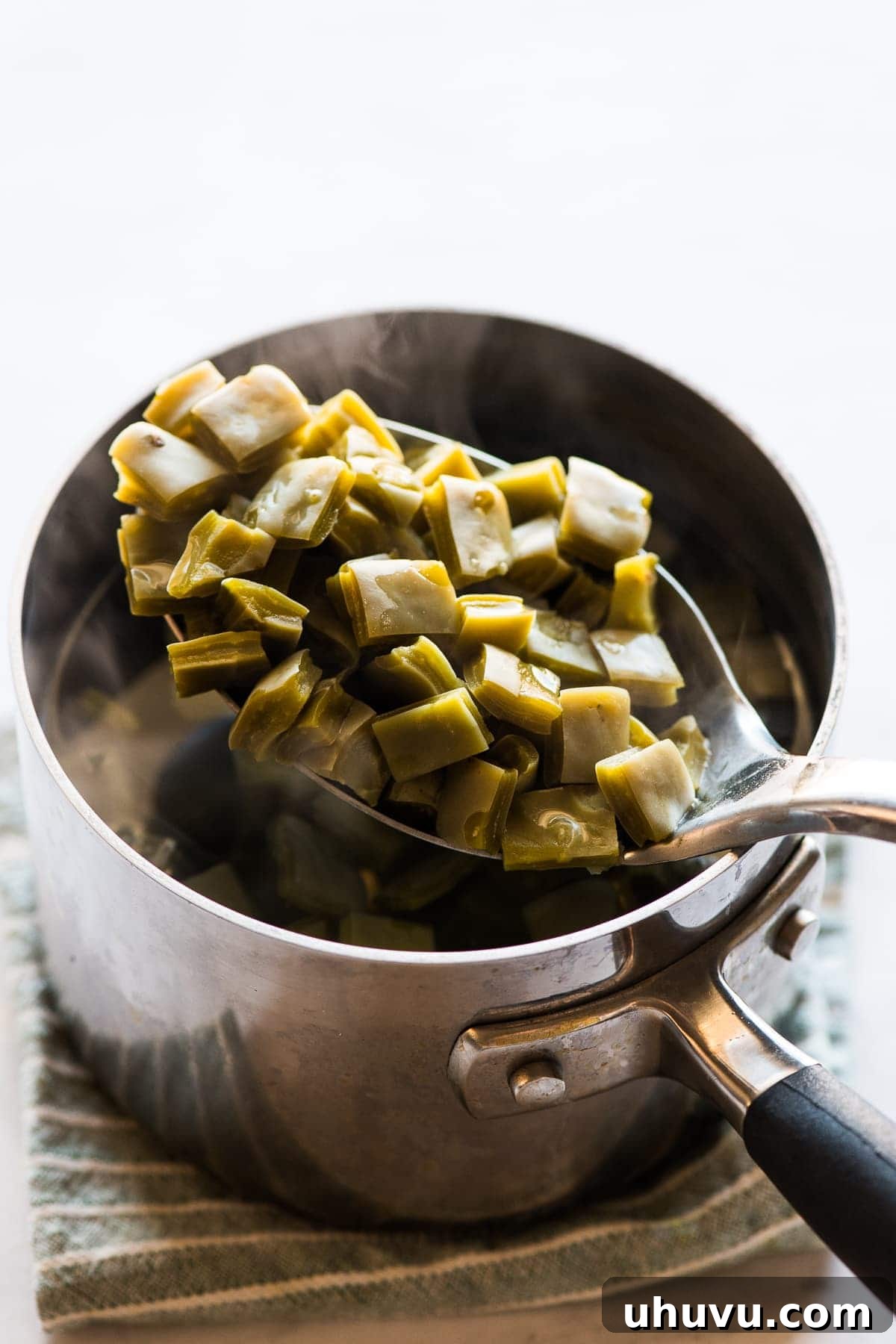
Growing up in a Mexican household, nopales were a staple ingredient, appearing regularly on our family table. I vividly remember my parents bringing home bundles of fresh nopales from the local Hispanic grocery store. They would meticulously clean and prepare them, transforming the thorny pads into tender, flavorful additions to our meals throughout the week. This tradition instilled in me a deep appreciation for this incredible vegetable and the satisfaction of preparing it from scratch.
In recent years, it’s become increasingly common to find already prepped and chopped nopales in the produce aisles of many supermarkets, making them more accessible than ever. This convenience is wonderful for busy cooks, but if you don’t live near a store that carries them, don’t fret! Learning how to clean and cook fresh nopales at home is surprisingly simple and incredibly rewarding. It’s a skill that connects you directly to the culinary heritage of Mexico and allows you to enjoy nopales at their freshest.
What Are Nopales? A Culinary Gem from the Desert
Nopales, pronounced “no-PAH-less,” are the edible pads of the prickly pear cactus (Opuntia ficus-indica). Often referred to as cactus paddles or cactus leaves, they are a cornerstone ingredient in Mexican cuisine, celebrated for their unique texture, mild flavor, and impressive nutritional profile. These vibrant green pads are not just food; they are an integral part of Mexican culture and history, representing resilience and adaptability.
The culinary appeal of nopales lies in their distinctive texture, which is thick and somewhat meaty when cooked. Their flavor is subtle yet complex, often described as a delightful cross between crisp green beans, slightly tart asparagus, and the earthy notes of okra. This versatility makes them an excellent addition to a wide range of dishes, from hearty stews and spicy salsas to refreshing salads and savory breakfast scrambles.
Before they can be enjoyed, nopales require careful preparation. Their surface is covered with formidable spines and tiny, almost invisible hair-like thorns called glochids. These must be meticulously removed to make the pads safe and pleasant to eat. Once cleaned, nopales can be diced, sliced into strips, or even left whole, depending on the intended use in a recipe. They are then typically cooked until tender, transforming from a rigid pad into a supple vegetable.
One notable characteristic of nopales is their natural mucilage, a viscous fluid that they release during the cooking process. This “slime,” similar to what you might encounter with okra, is completely natural and edible. While some appreciate its thickening properties in certain dishes, many prefer to minimize it for a cleaner texture. Fortunately, this is easily achieved! A few quick rinses after cooking can effectively remove the excess mucilage, leaving you with tender, non-slimy nopales ready for your favorite preparations. Understanding this process is key to successfully cooking nopales at home.
How to Pick the Best Nopales: A Guide to Freshness
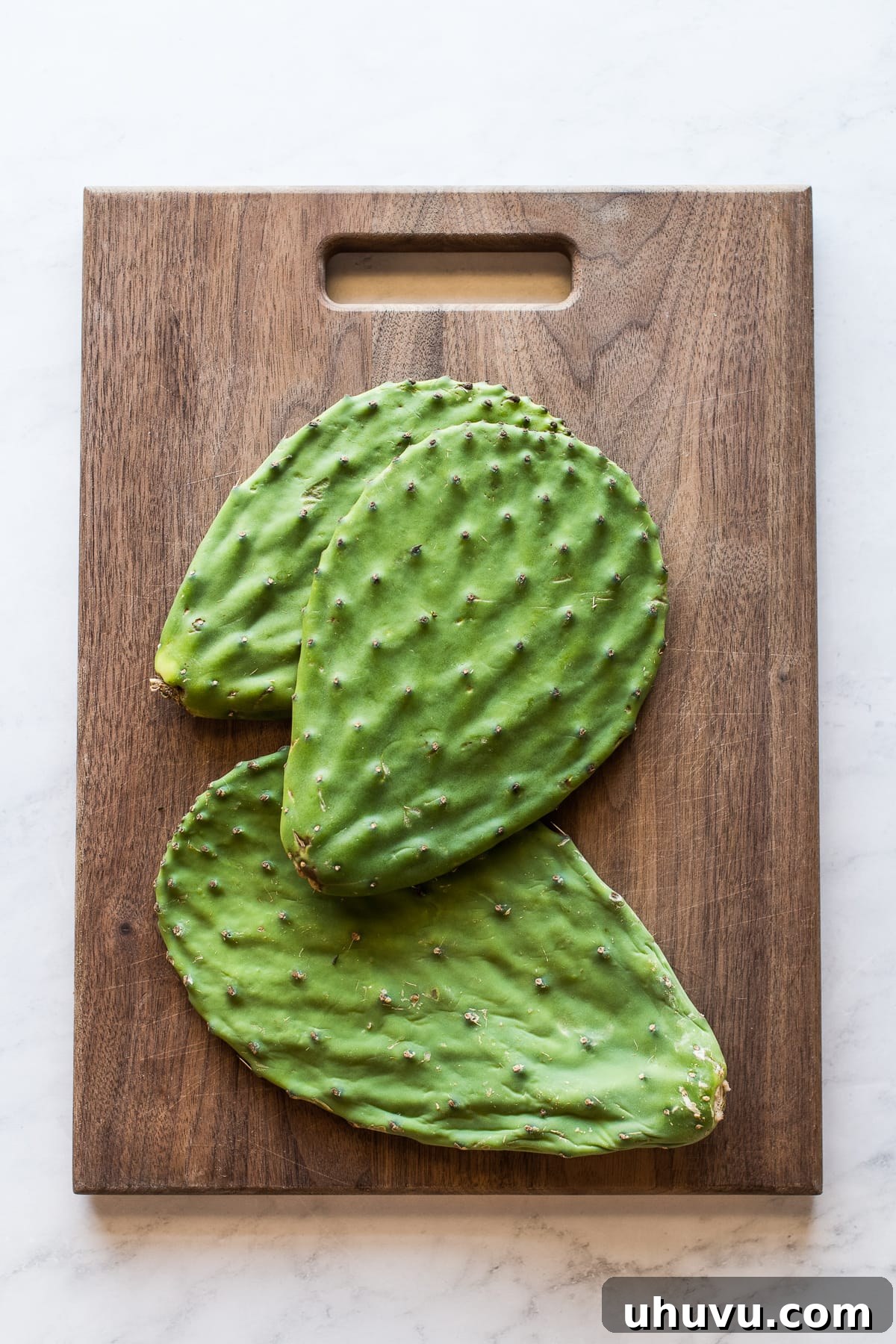
Choosing fresh, high-quality nopales is the first step to a delicious dish. When selecting cactus paddles from the market, look for specific visual and textural cues that indicate their freshness and tenderness. The right choice can make a significant difference in both the preparation process and the final taste of your meal.
First, pay close attention to the flexibility and firmness of the paddles. You’ll want to pick ones that are pliable but not excessively soft or rubbery. A good nopal should have a slight give when gently bent, indicating it’s fresh and hydrated. Avoid any paddles that feel extremely floppy or limp, as these are likely past their prime and will not yield the best texture once cooked. Similarly, steer clear of those that are overly rigid or woody, as they may be older and tougher.
Secondly, the color of the nopales is a key indicator of their freshness. Aim for paddles that exhibit a bright, vibrant green hue. The richer and more intense the green color, the fresher the nopales generally are. Any yellowing, dull spots, or discolored areas could signify that the cactus is old or has begun to spoil. While some small blemishes might be acceptable, extensively bruised or scarred paddles should be avoided. Smaller, younger paddles tend to be more tender and have fewer, less developed spines, which can make the cleaning process a bit easier. Larger paddles are also fine, but might require a bit more effort in spine removal.
By following these simple guidelines, you’ll be well on your way to selecting the perfect nopales for your culinary adventures, ensuring a fresh and flavorful foundation for your dishes.
How to Cook Nopales: From Cactus to Cuisine
Cooking nopales might seem intimidating at first glance, especially with their prickly exterior, but the process is straightforward and rewarding. Follow these steps for perfectly cooked, tender nopales ready for any recipe.
Step 1: Carefully Remove the Spines and Brown Bumps
This is arguably the most crucial step in preparing fresh nopales. If you’ve never worked with cactus paddles before, exercise extreme caution. Each pad is covered not only with visible spines but also with tiny, nearly invisible hair-like thorns called glochids, which can easily prick your fingers and cause irritation. For your initial attempts, I highly recommend wearing thick kitchen gloves or even gardening gloves to protect your hands. As you gain experience and confidence, you may find you can handle them without gloves, but safety first!
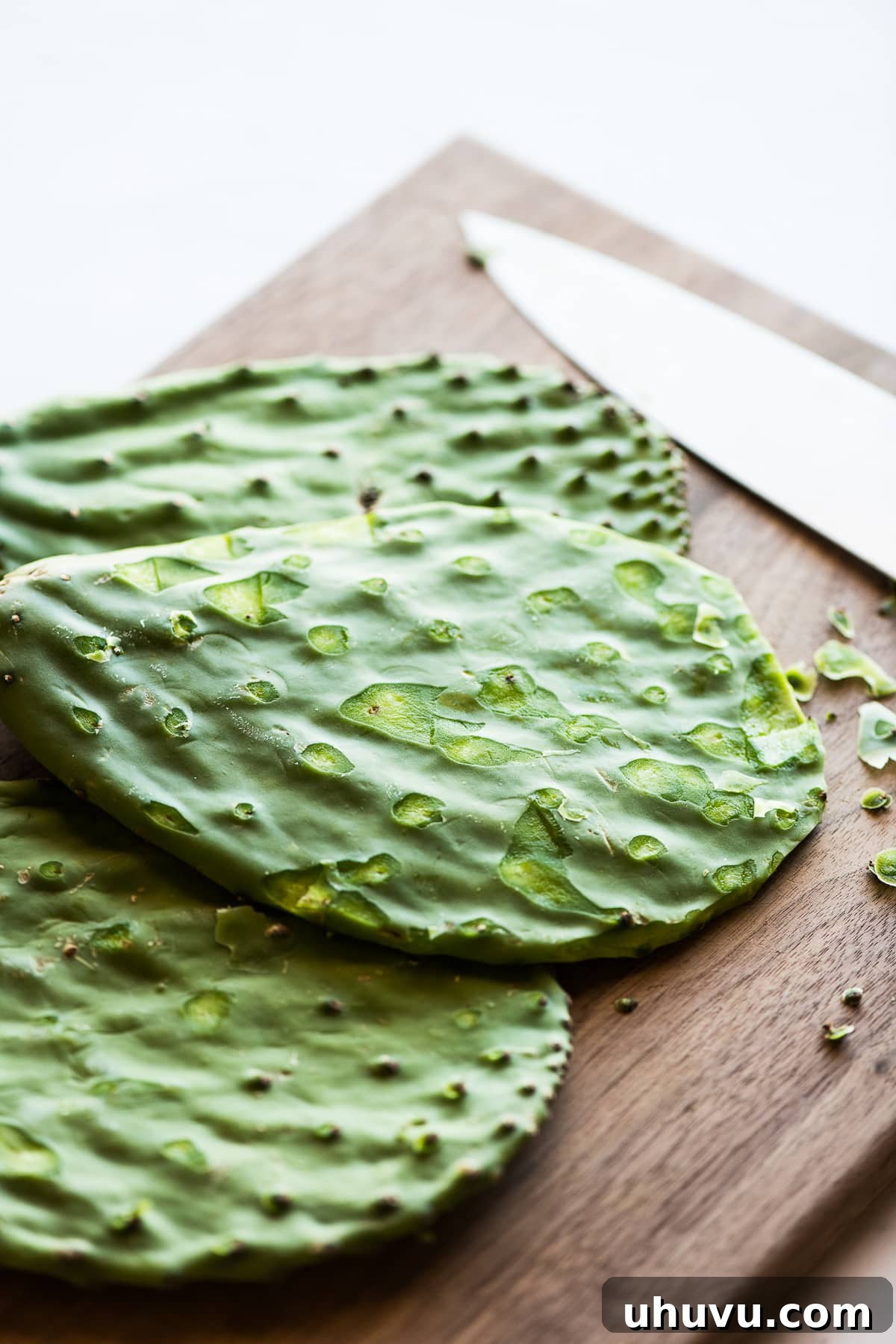
Lay a cactus paddle flat on a sturdy cutting board. Using a very sharp knife (a chef’s knife or a paring knife works well) or a vegetable peeler, carefully scrape and slice off all the spines and the small, dark brown bumps (areolas) from both sides of the paddle. Hold the knife at a shallow angle and run it back and forth along the surface, much like you would scale a fish or peel a tough vegetable. Most of the spines and bumps will come off with this scraping motion. For any stubborn spots or larger spines, you might need to use the tip of your knife to carefully slice them off. Don’t forget to trim the edges of the paddle, where small spines can also hide.
Step 2: Rinse and Prepare for Cooking
Once all the spines and bumps are removed, give the cactus paddles a thorough rinse under cold running water. This ensures they are completely clean of any remaining glochids, dirt, or debris. After rinsing, pat them dry with a clean kitchen towel or paper towels.
Now, it’s time to cut the nopales to your desired size and shape. You can dice them into 1/2-inch pieces, which are perfect for quick vegetable side dishes, scrambled eggs, or stews. Alternatively, slice them into 1/2-inch strips, similar to how you would prepare chicken fajitas. These strips are ideal for stuffing into tacos, adding to salads, or serving as a vibrant garnish. The choice of cut depends entirely on the recipe you plan to make.
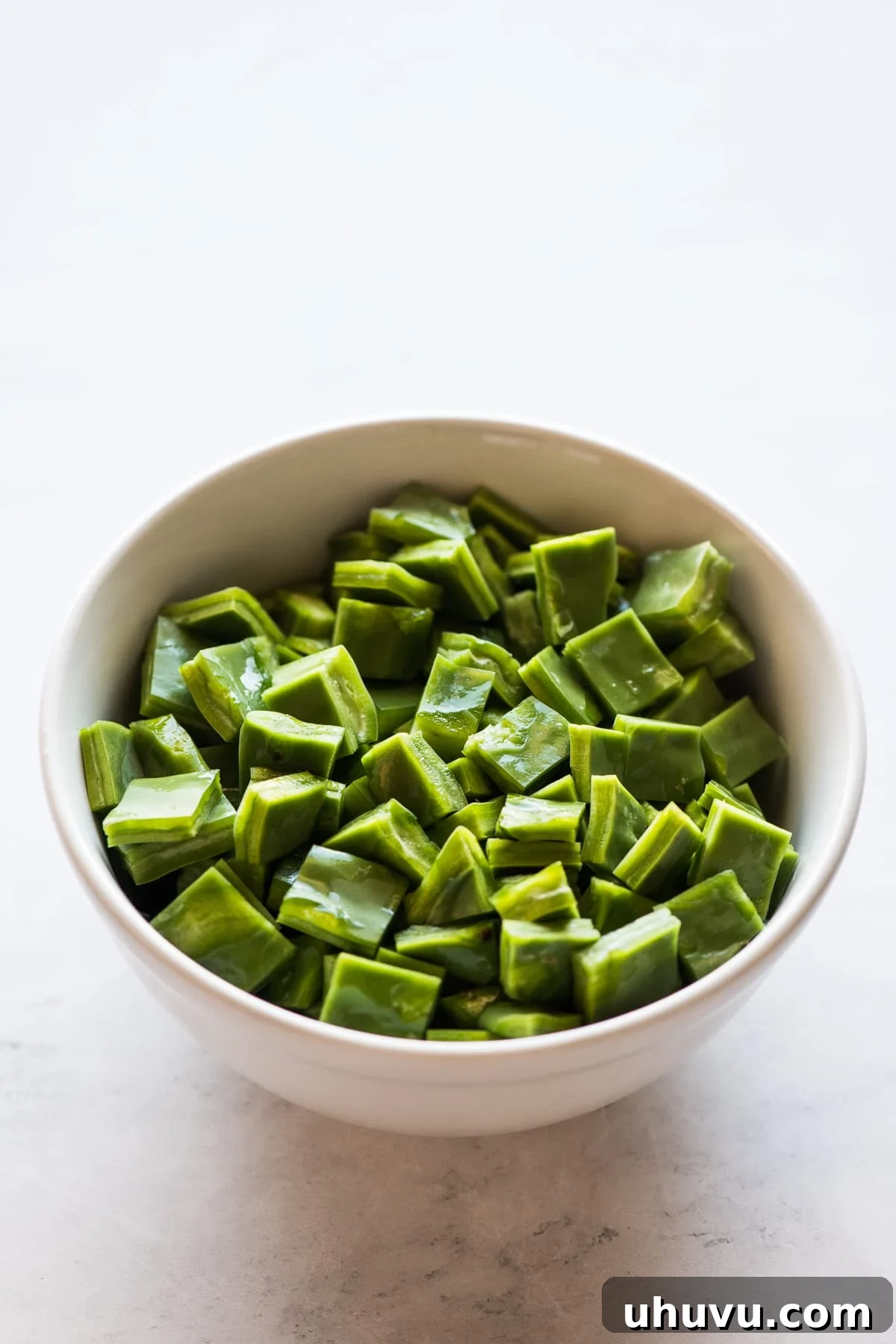
Step 3: Cook in Boiling Water Until Tender
Place your fresh-cut nopales into a medium-sized pot. Fill the pot with enough water to completely cover all the nopales. Add a generous pinch of salt – about 1 tablespoon per 2 cactus paddles – to the water. The salt not only seasons the nopales but also helps in breaking down some of the mucilage. Bring the water to a rolling boil over high heat. Once boiling, reduce the heat to medium, cover the pot with a lid, and let the nopales cook for about 10-15 minutes, or until they are tender when pierced with a fork. Overcooking can make them too soft, so keep an eye on them. During this cooking process, the nopales will release their characteristic “slime.”
Step 4: Rinse and Drain to Remove Sliminess
Once the nopales are cooked through and tender, carefully drain all the water from the pot. Place the cooked nopales in a colander and rinse them thoroughly under warm running water. This rinsing step is crucial for removing the excess slimy liquid that was released during boiling. You may want to rinse them a few times, gently tossing them in the colander, until the water runs clear and the nopales feel less slimy to the touch. This process ensures a more pleasant texture for most dishes.
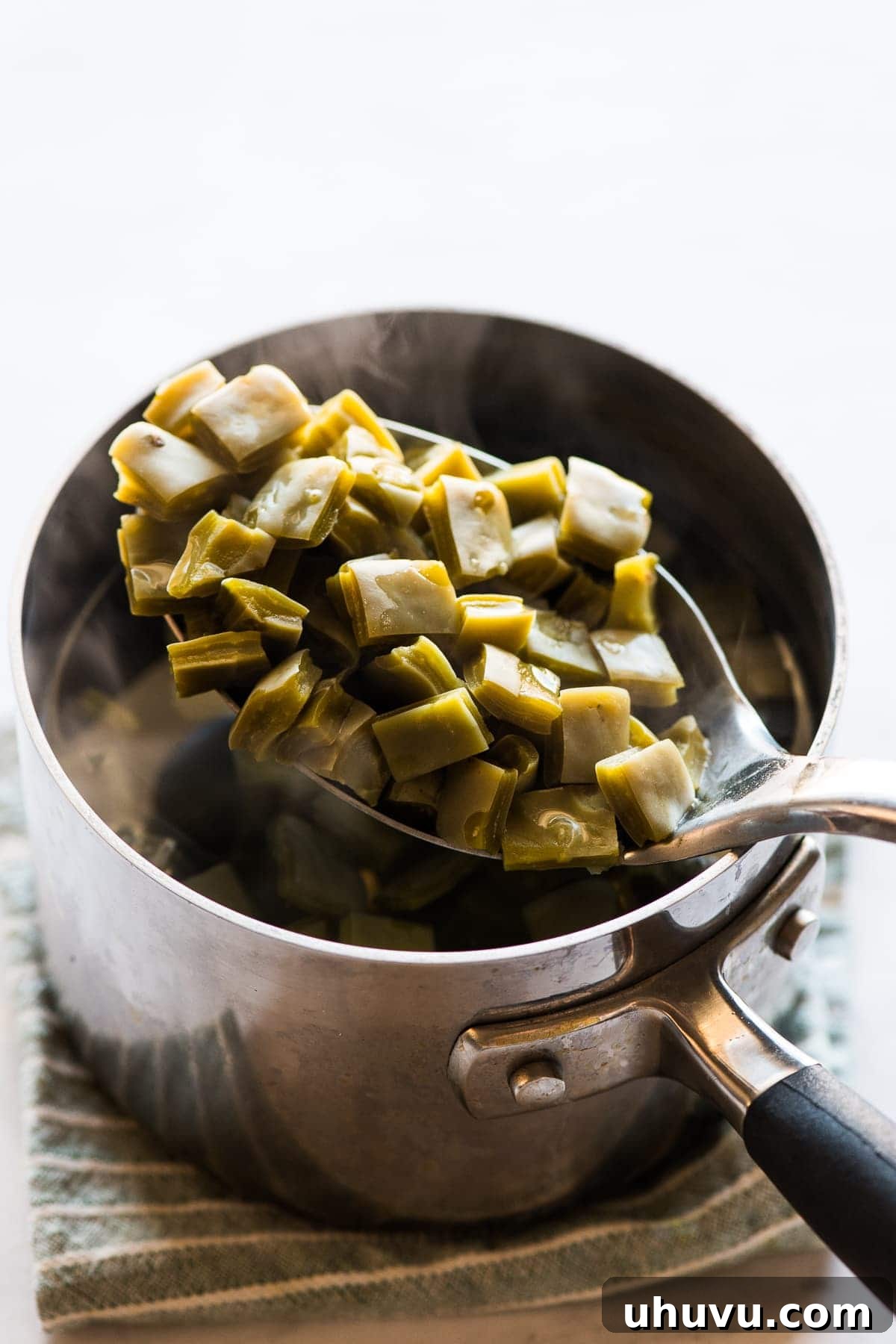
That’s it! Your nopales are now perfectly cooked and ready to use. You can enjoy them simply as they are, perhaps with a squeeze of lime, or you can elevate their flavor by sautéing them in a little olive oil with aromatic garlic, sweet onions, and any other spices you enjoy. They are incredibly versatile and serve as a fantastic base for countless Mexican-inspired meals.
Essential Nopales Cooking Tips for Success
- Choose the Right Nopales: As discussed, always look for fresh, bright green cactus pads that are firm yet slightly flexible. Avoid any with dark spots, wilting, or excessive damage. Smaller pads are generally more tender and have fewer spines, making them easier to clean and quicker to cook.
- Clean Them Properly and Safely: This step cannot be overstated. Use a very sharp knife or a durable vegetable peeler to meticulously remove all spines and trim the edges. For beginners, wearing thick gloves is highly recommended to prevent painful pricks from the tiny glochids. After scraping, rinse the pads thoroughly under cold water to wash away any remaining prickly fragments and initial slimy residue.
- Blanching is Key for Texture: The boiling process (often referred to as blanching when followed by a cold rinse) is essential for reducing the natural mucilage or “slime” that nopales release. Boiling the cleaned and cut pads in salted water for 10-15 minutes, then draining and immediately rinsing under cold water, helps to stop the cooking process and effectively removes excess slime, resulting in a cleaner, more palatable texture.
- Season Well for Flavor: Nopales have a mild, earthy flavor that can be somewhat bland on its own. To truly bring out their best, season them generously. Salt and pepper are fundamental, but don’t shy away from adding a squeeze of fresh lime juice, a sprinkle of chili powder, cumin, or even fresh herbs like cilantro or oregano. Aromatic additions like garlic and onion when sautéing can also significantly enhance their taste.
- Experiment with Cuts: The way you cut nopales can influence their use. Diced pieces integrate well into scrambles and stews, while sliced strips are perfect for fajitas, tacos, or salads, offering a more prominent texture.
Ways to Eat Nopales: Culinary Inspiration
Nopales are an incredibly versatile vegetable, offering a unique texture and flavor that complements a wide array of dishes. They are a healthy and delicious addition to any meal, whether for breakfast, lunch, or dinner. Here are just a few of my favorite traditional and creative ways to incorporate cooked nopales into your cooking:
- Nopales con Huevo: A classic Mexican breakfast or light dinner, combining scrambled eggs with tender nopales, often seasoned with onion, tomato, and chile. It’s simple, satisfying, and packed with flavor.
- Ensalada de Nopales: A refreshing cold salad featuring cooked and diced nopales mixed with ingredients like chopped tomatoes, onions, cilantro, jalapeños, and crumbled queso fresco, all dressed with a light vinaigrette. Perfect for a warm day.
- Quesadillas de Nopales en Chile Rojo: Flavorful nopales simmered in a rich red chile sauce, then folded into warm tortillas with melted cheese to create incredibly savory and satisfying quesadillas.
- Tacos de Nopales: Simply sauté cooked nopales with some onion and garlic, then serve them in warm tortillas with your favorite toppings for a healthy and flavorful vegetarian taco option.
- Nopales in Soups and Stews: Add diced nopales to traditional Mexican stews like Caldo de Res or to bean soups for an extra layer of texture and nutrition.
- Pickled Nopales: Preserve nopales by pickling them with vinegar, spices, and herbs. These can be stored for longer and make a zesty condiment or snack.
How to Store Nopales: Keeping Them Fresh
Proper storage ensures you can enjoy the fresh taste and health benefits of nopales for longer. Both raw and cooked nopales have different storage requirements to maintain their quality.
For fresh, uncooked nopales: Store them in the refrigerator, ideally wrapped in a paper towel and then placed in a plastic bag. This helps absorb excess moisture and keeps them fresh for up to one week. Do not wash them until you are ready to use them, as moisture can accelerate spoilage.
For leftover cooked nopales: Allow them to cool completely before transferring them to an airtight container. Store them in the refrigerator for up to three to five days. Cooked nopales are versatile and can be reheated gently on the stovetop or in the microwave. They are also excellent when used cold in salads, salsas, or as part of a cold appetizer platter. Freezing cooked nopales is also an option for longer storage. Simply place cooled, cooked nopales in a freezer-safe bag or container and freeze for up to three months. Thaw them in the refrigerator before using.
More Delightful Mexican Recipes to Explore
If you’ve enjoyed cooking with nopales and are looking to expand your repertoire of authentic Mexican dishes, you’re in for a treat! Mexican cuisine is rich, diverse, and full of incredible flavors waiting to be discovered. Here are some more of my beloved recipes that I encourage you to try:
- Sopes: Thick, handmade corn tortillas topped with various savory ingredients like beans, meat, cheese, and salsa. A versatile and hearty dish.
- Entomatadas: Similar to enchiladas but bathed in a luscious tomato-based sauce, often filled with cheese or chicken. A milder, comforting alternative.
- Chile Relleno: Roasted poblano peppers stuffed with cheese or meat, coated in a light egg batter, and fried until golden, then smothered in a savory tomato sauce. A true Mexican culinary masterpiece.
- Carne Asada: Perfectly grilled marinated steak, a staple for tacos, burritos, or served as a main course with rice and beans.
- Authentic Mexican Rice: Learn to make the fluffy, flavorful red rice that is a perfect accompaniment to almost any Mexican meal.
- Fresh Guacamole: The essential dip made from ripe avocados, lime juice, onion, cilantro, and serrano pepper.
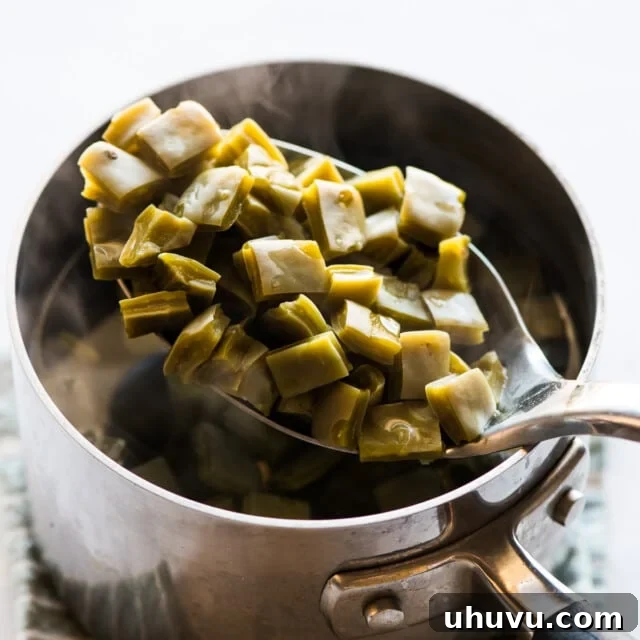
How to Cook Nopales
Isabel Orozco-Moore
5 minutes
15 minutes
20 minutes
2 servings
Ingredients
- 2 cactus paddles
- 1 tablespoon kosher salt
- Water
Instructions
-
Place the cactus paddles on a cutting board. Using a sharp knife, carefully scrape and slice off all thorns and dark brown bumps from all sides of each paddle.
-
Rinse the cleaned cactus paddles thoroughly under cold running water to remove any dirt, grime, or remaining tiny spines.
-
Dice the cactus paddles into bite-size pieces (about 1/2-inch cubes) or slice them into thin strips, depending on your recipe’s needs.
-
Place the cut nopales in a medium pot. Add the tablespoon of salt and fill the pot with enough water to completely cover all the nopales.
-
Bring the water to a boil over high heat. Once boiling, reduce the heat to medium, cover the pot with a lid, and cook for an additional 10-15 minutes, or until the nopales are tender.
-
Drain the water from the nopales. Transfer them to a colander and give them another thorough rinse under warm water. This step is crucial to remove any excess slimy liquid released during cooking.
-
Your nopales are now ready to eat! Enjoy them plain, or sauté them in a little olive oil with your favorite seasonings, such as garlic, onion, and a squeeze of lime juice. (See the full article above for more creative ways to use cooked nopales.)
Notes
Cooked nopales can be stored in an airtight container in the refrigerator for up to 3-5 days. They are delicious reheated or used cold in salads.
Nutrition
Serving:
1serving
|
Calories:
14kcal
|
Carbohydrates:
3g
|
Protein:
1g
|
Fat:
1g
|
Saturated Fat:
1g
|
Sodium:
3506mg
|
Potassium:
222mg
|
Fiber:
2g
|
Sugar:
1g
|
Vitamin A:
393IU
|
Vitamin C:
8mg
|
Calcium:
143mg
|
Iron:
1mg
Nutrition information is automatically calculated, so should only be used as an approximation.