
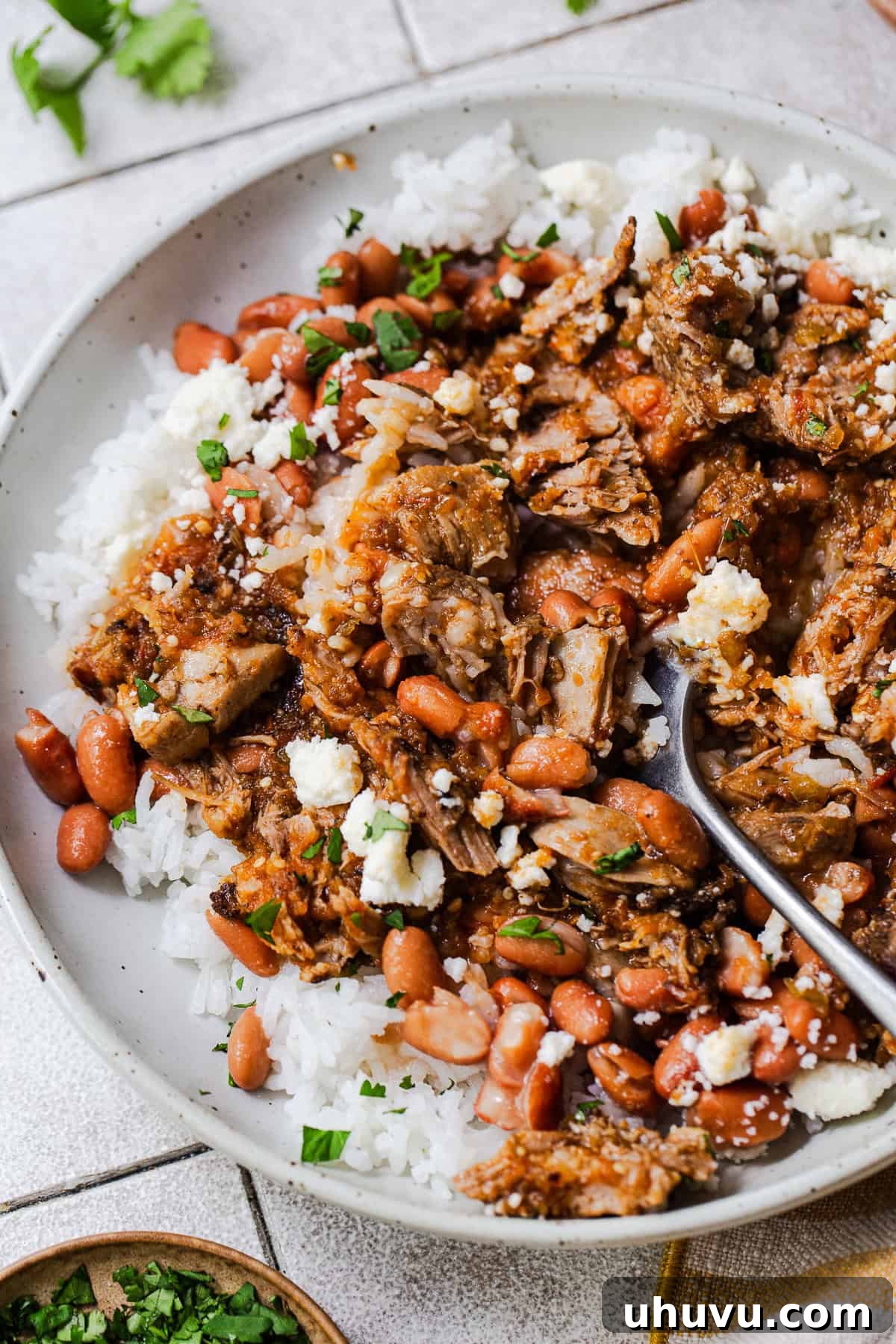
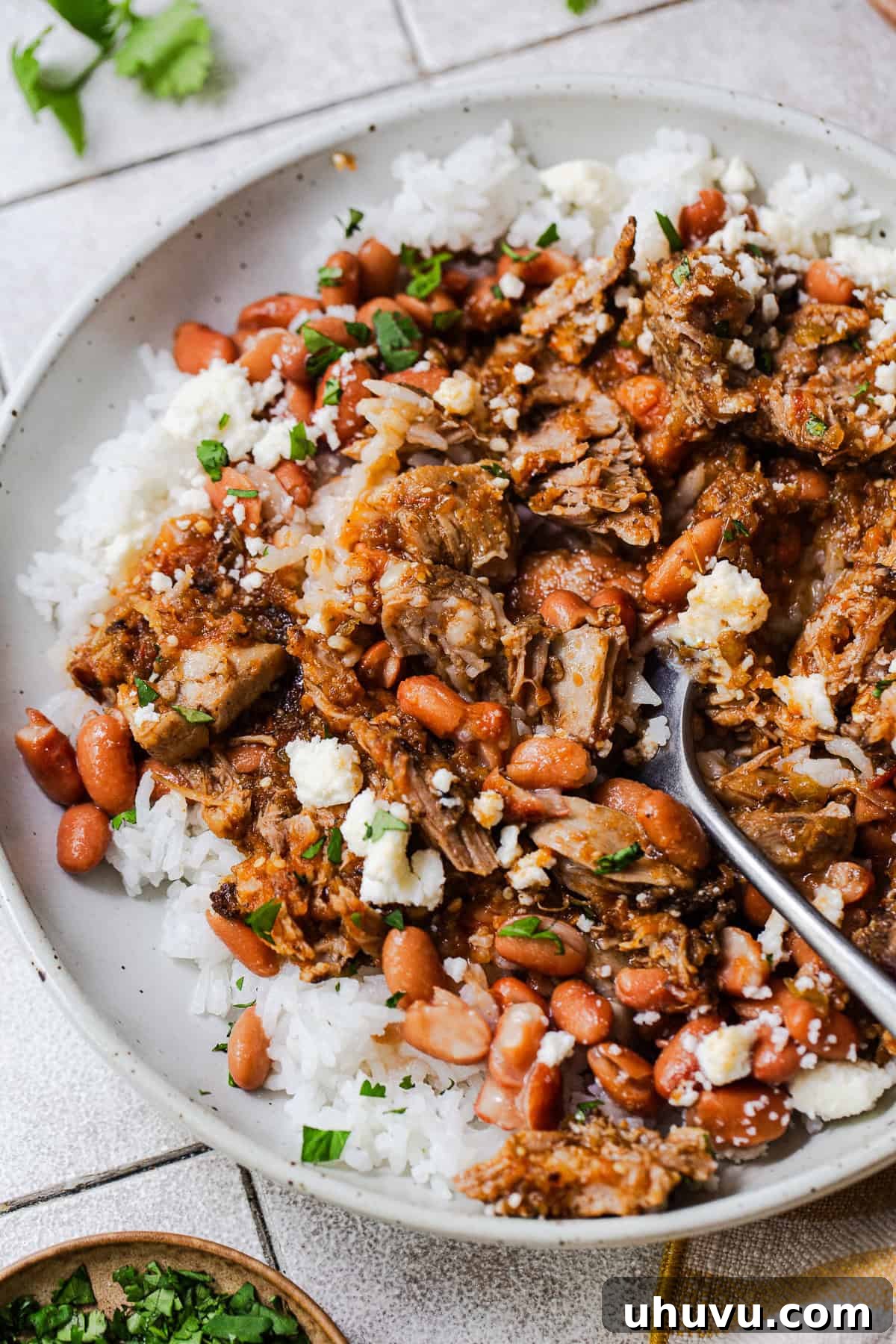
Morisqueta is a comforting, home-style dish from Michoacán, Mexico, built from simple ingredients layered to create a deeply satisfying meal: fluffy white rice, creamy pinto beans, and tender pork ribs simmered in a roasted salsa. Though it looks straightforward, the combination of textures and the roasted salsa make it a standout comfort food.
A Note from Isabel

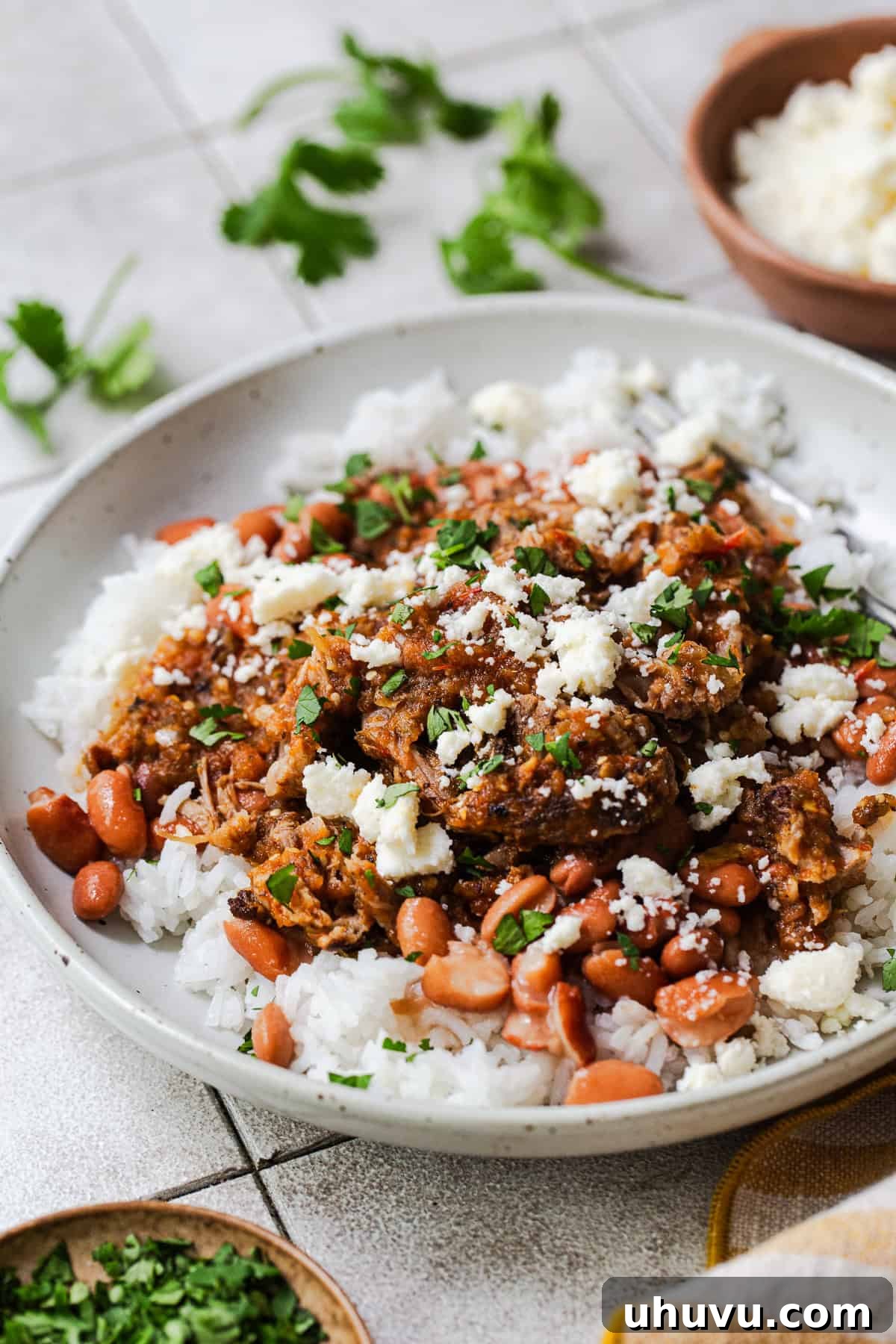
When I first discovered morisqueta, it felt familiar — echoing the comforting flavors of my family’s chile colorado and chile verde — even though it’s not a dish I grew up with. The version with pork ribs is the most common: ribs are simmered until they fall apart, then the remaining liquid is allowed to evaporate so the meat fries in its own rendered fat, building color and depth. A quick roasted salsa of tomatoes, tomatillos, chiles, onion, and garlic ties it all together. To serve, layer rice, beans, and the pork with extra salsa on top, then finish with crumbly queso fresco and fresh cilantro for brightness. It’s a simple but unbelievably comforting bowl.
What Is Morisqueta?
Morisqueta is a traditional Michoacán dish typically composed of three primary elements layered in a bowl: long-grain white rice, pinto beans, and a roasted salsa. The most recognized version features pork ribs stewed and finished in salsa, but there are vegetarian variations that omit the meat or use cubed panela cheese simmered in the salsa instead.
Ingredients You’ll Need
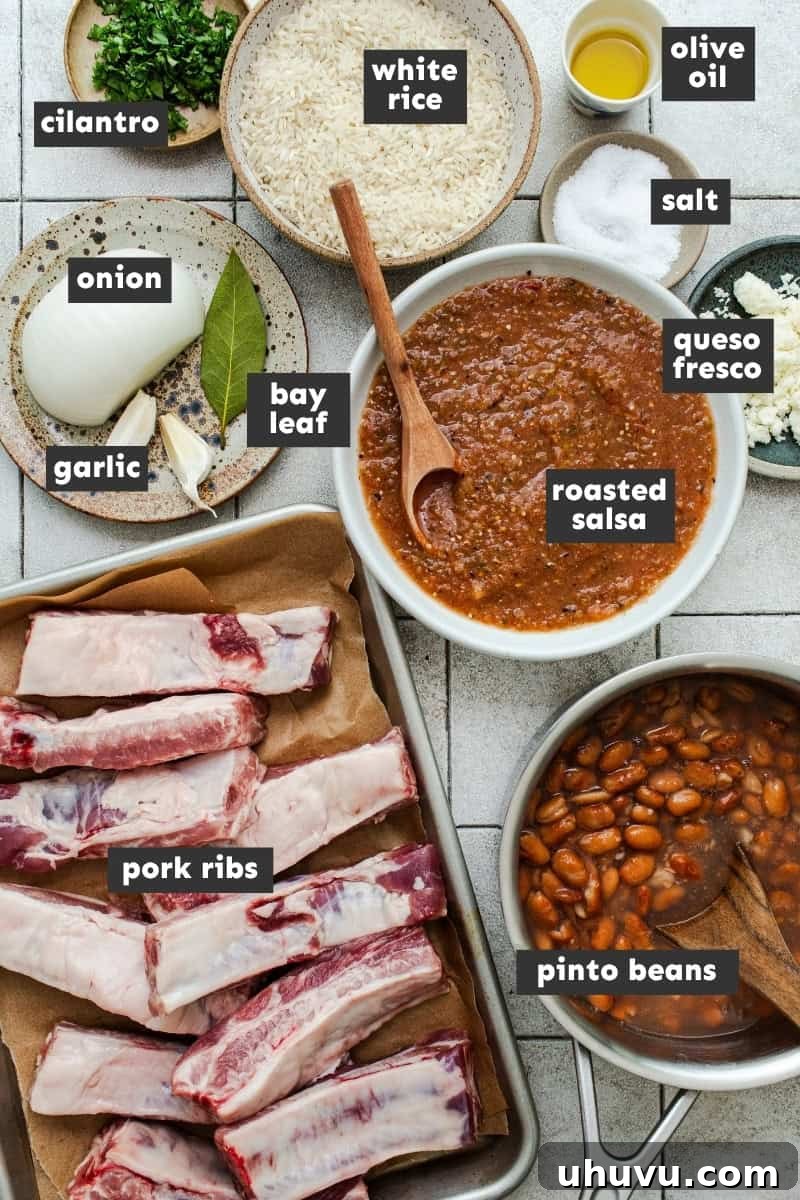
- Pork back ribs or short ribs: A fattier cut yields rendered fat that helps the meat brown and develop flavor once the cooking liquid evaporates.
- Salsa ingredients (Roma tomatoes, tomatillos, jalapeños, árbol chiles optional, white onion, garlic): Roast or char these until blistered and slightly blackened for a smoky, bright salsa. Tomatillos add a tangy lift that balances the pork’s richness.
- Long-grain white rice: Neutral and fluffy, rice soaks up the salsa and meat juices.
- Cooked pinto beans: Keep them soupy so they add moisture and creaminess between the rice and meat. Canned beans can work in a pinch if gently heated with a splash of water or broth.
- Queso fresco and cilantro: Crumbly cheese and fresh herbs brighten the finished dish.
- Mexican crema (optional): A drizzle adds gentle creaminess that rounds the bowl.
How to Make Morisqueta
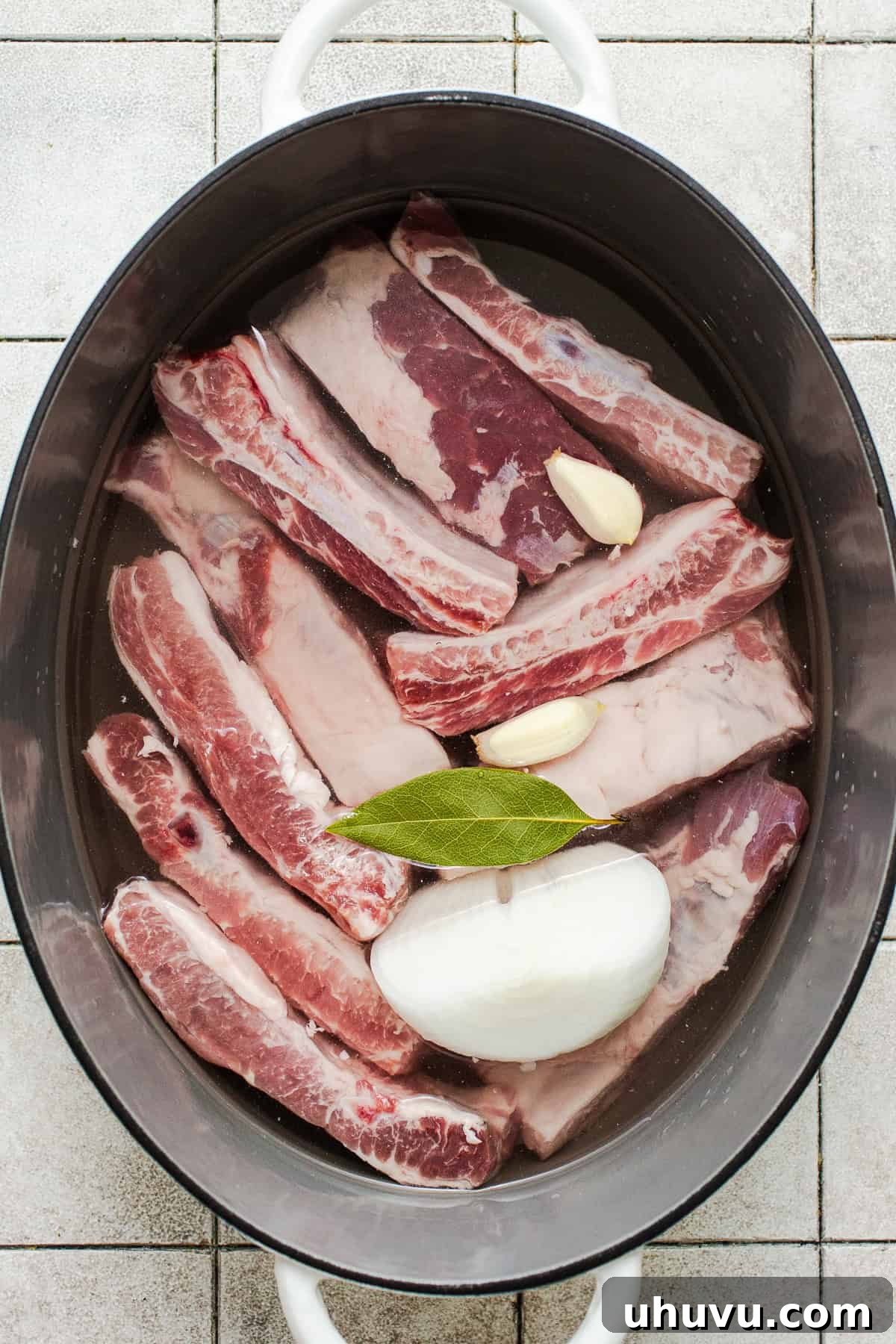
Cook the pork ribs. Place ribs in a large pot or Dutch oven with enough water to barely cover them, plus salt, half an onion, a couple cloves of garlic, and a bay leaf. Bring to a boil, then reduce to a simmer. Uncover, skim any foam, and simmer on medium-low until most of the water has evaporated, about 50–60 minutes.
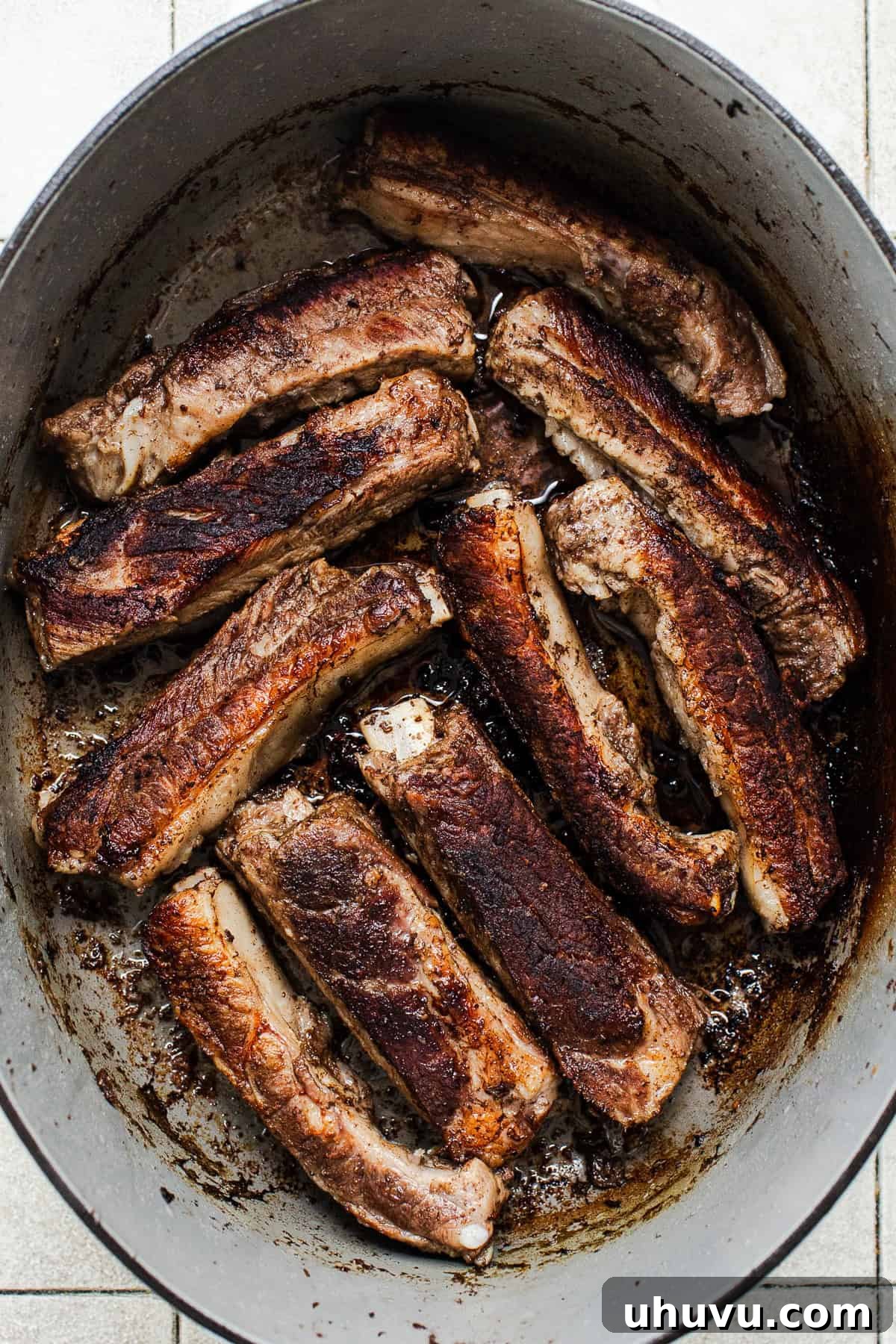
Fry and brown the ribs. Remove the bay leaf and aromatics. As the remaining liquid cooks away, the pork will render fat and begin to fry in the pot. Let the ribs brown and caramelize on all sides, about 10–15 minutes, to develop rich flavor before adding the salsa.
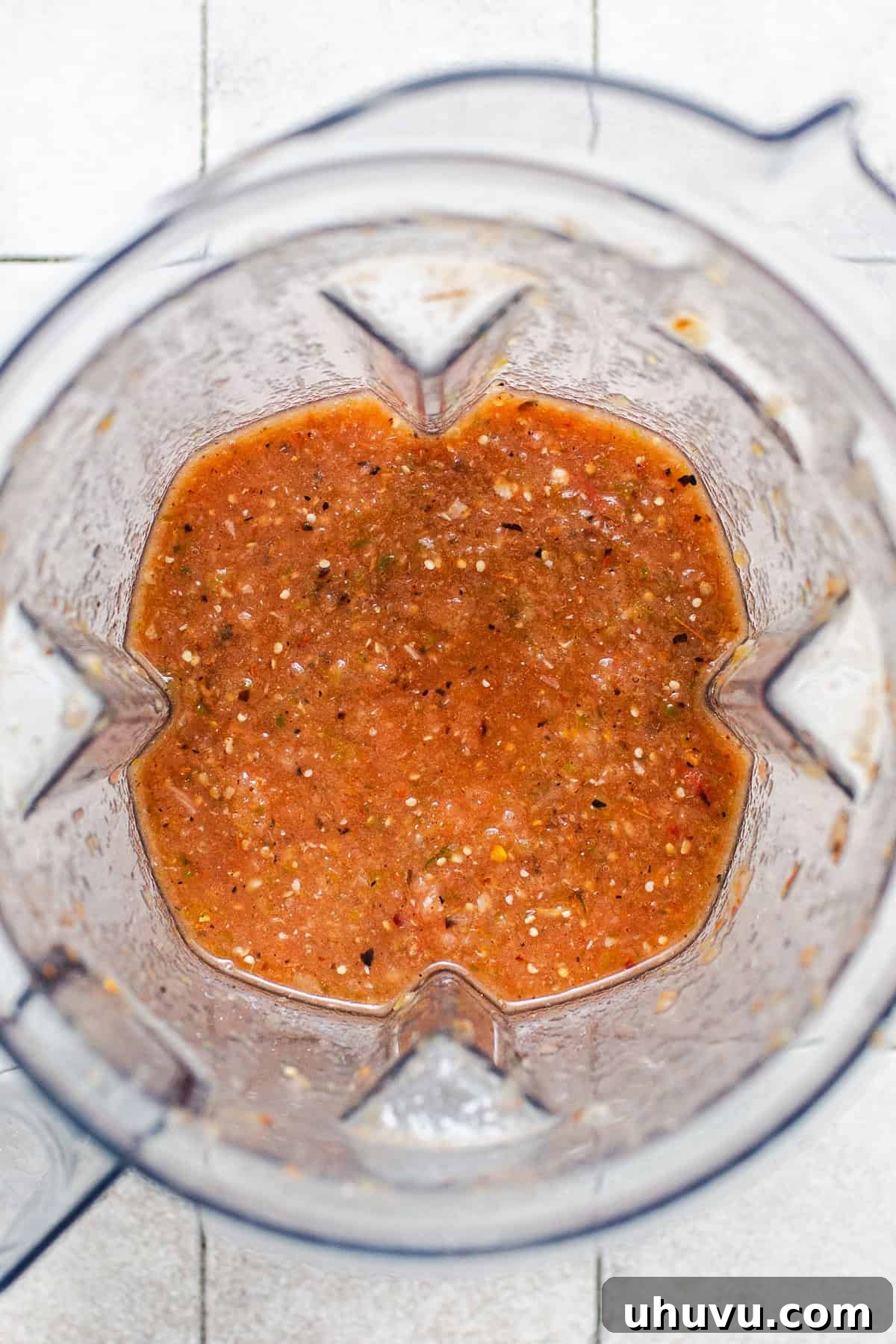
Make the roasted salsa. While the pork simmers, roast tomatoes, tomatillos, jalapeños, onion, garlic, and árbol chiles (if using) on a comal, over a gas flame, or under a broiler until charred on all sides. Transfer to a blender with a little water and salt and blend until mostly smooth. Adjust seasoning to taste.
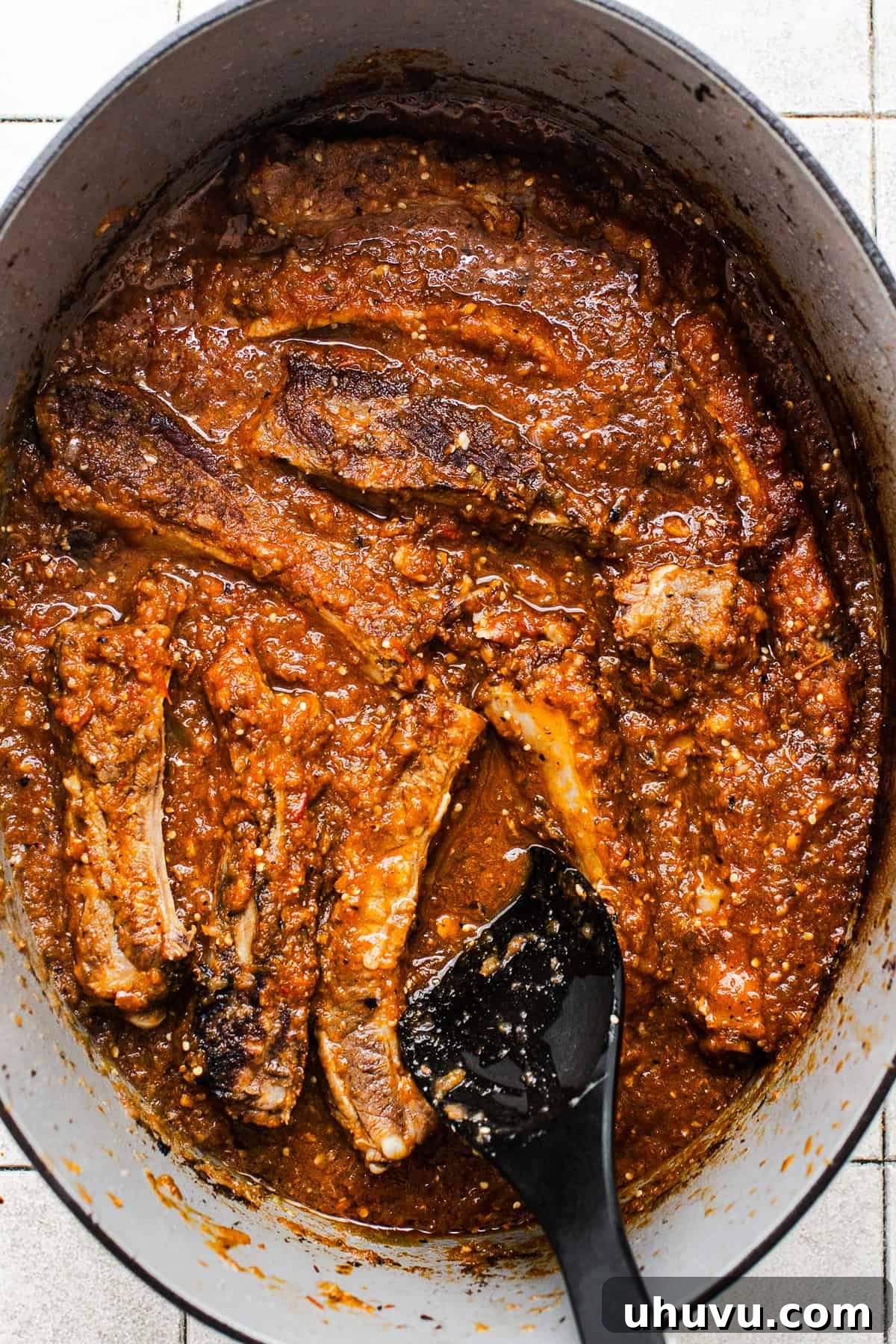
Simmer the pork in the salsa. Add the blended salsa to the browned pork and simmer uncovered for about 10 minutes to meld flavors. At this point you can remove bones for easier serving or leave them in for presentation.
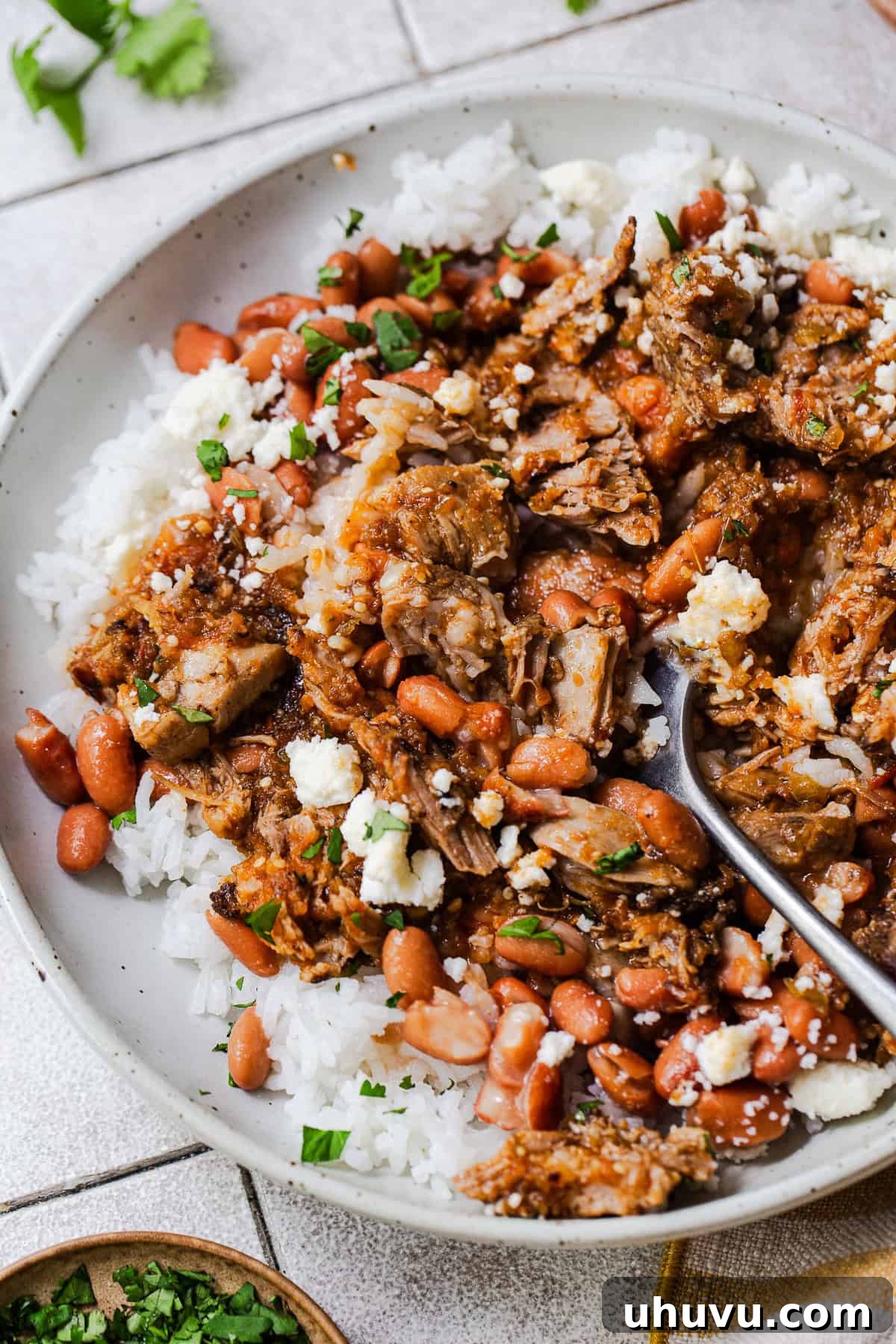
Assemble the bowl. Layer warm rice on the bottom, spoon on pinto beans with their broth, then top with the sauced pork ribs and extra salsa. Finish with crumbled queso fresco, chopped cilantro, and a drizzle of crema if desired. Serve with warm corn or flour tortillas or bolillo rolls to soak up the juices.
Recipe Tip
- Choose a fattier pork cut. Back ribs or short ribs are ideal because the rendered fat helps the meat brown and adds flavor. If using pork shoulder, choose a fattier piece and cut into chunks.
- Control the spice. Jalapeños provide mild heat; add árbol chiles for more kick or reduce jalapeños for a gentler spice.
- Don’t skip browning. Browning the pork in its rendered fat after the water evaporates creates caramelization and depth of flavor—an essential step.
- Vegetarian option. Leave out the meat and serve rice, beans, and salsa, or simmer cubed panela cheese in the salsa as a hearty alternative.
- Make ahead. Rice, beans, and pork store well separately. Rice keeps up to 4 days, and beans and pork up to 5 days in the refrigerator—assemble when ready to eat.
Frequently Asked Questions
- What is morisqueta made of?
It’s traditionally rice, pinto beans, and pork ribs cooked in a roasted salsa, finished with queso fresco, cilantro, and optional crema. - What meat is used?
Pork back ribs or short ribs are most common. Pork shoulder can be used if cut into chunks, or the dish can be made vegetarian with panela cheese. - Can I use canned beans?
Yes—canned pinto beans work fine. Warm them with a splash of water or broth so they remain saucy when layered.
Storing and Reheating
Store the components separately in airtight containers in the refrigerator. Rice keeps up to 4 days; beans and pork keep up to 5 days.
To reheat, assemble and microwave for 1–2 minutes until hot, or warm the pork and salsa gently in a skillet and heat the rice and beans separately before assembling.
More Recipes
- Carne en su Jugo
- Carnitas
- Carne Guisada
Morisqueta
Ingredients
For the pork
- 2-3 pounds pork back ribs or short ribs, sliced into individual ribs
- 4-6 cups water
- 2 teaspoons kosher salt
- ½ white onion
- 2 cloves garlic
- 1 bay leaf
For the salsa
- 4 Roma tomatoes
- 4 tomatillos, husked and rinsed
- 4 cloves garlic, peeled
- 2 jalapeños, stemmed
- ½ white onion
- 2 árbol chiles (optional)
- ½ cup water
- 1 ½ teaspoons kosher salt, plus more to taste
For the rice
- 1 teaspoon olive oil
- 2 cups long-grain white rice, rinsed and drained
- 4 cups water (or chicken or vegetable broth)
- 1 teaspoon kosher salt
For the morisqueta
- 2 cups cooked pinto beans with bean broth
- Queso fresco, for topping
- Chopped cilantro, for topping
Instructions
-
Cook the pork ribs. In a large pot or Dutch oven, add the ribs with enough water to barely cover them, salt, onion, garlic, and a bay leaf. Cover, bring to a boil, then reduce to a simmer. Uncover and skim any foam. Simmer on medium-low until the water has mostly evaporated, about 50–60 minutes.
-
Make the salsa. While the pork simmers, roast tomatoes, tomatillos, jalapeños, onion, garlic, and árbol chiles (if using) until charred: árbol chiles only need a brief blistering, garlic a couple minutes, and the other vegetables until softened and darkened. Blend with water and salt until mostly smooth. Set aside.
-
Make the rice. In a separate pot, heat oil over medium, add rinsed rice and toast for 2–3 minutes, then add water or broth and salt. Bring to a boil, reduce to low, cover, and simmer 15–20 minutes until tender. Remove from heat, fluff with a fork, and let rest 5 minutes.
-
Finish the pork. Discard the bay leaf and aromatics. Allow the pork to brown in its rendered fat, stirring occasionally, until well caramelized, about 10–15 minutes.
-
Stir in the blended salsa and simmer uncovered for about 10 minutes to meld flavors. Optionally remove bones for serving.
-
Assemble. Layer rice, beans, and the stewed pork in bowls. Top with extra salsa and garnish with queso fresco and chopped cilantro. Serve with warm tortillas or bolillo bread if desired.
Notes
- Pork: Back ribs or short ribs are best for rendering fat and browning. If using pork shoulder, choose a fattier piece and cut into chunks.
- Heat level: Add more árbol chiles for extra heat or reduce jalapeños for a milder dish.
- Beans: Keep beans soupy so they don’t dry out when layered. Homemade or canned beans are fine; add liquid when reheating if needed.
- Make ahead: Components store separately: rice up to 4 days, beans and pork up to 5 days in the refrigerator.
Nutrition
Nutrition information is automatically calculated and should be used as an approximation.
Photography by Ashley McLaughlin.