
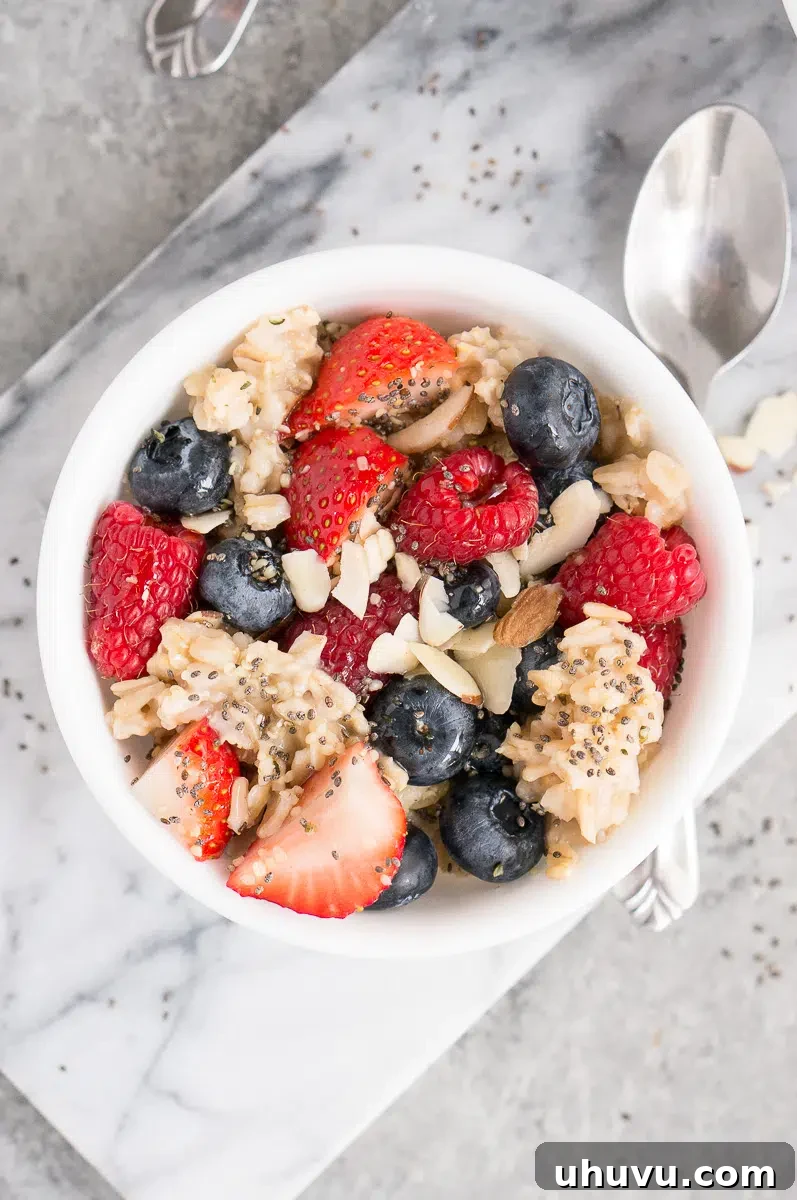
There’s an undeniable warmth and comfort that comes from a perfectly made bowl of oatmeal, especially on a chilly morning. In our bustling household, it’s more than just a meal; it’s a cherished weekday ritual. My husband has mastered the art of crafting oatmeal exactly as we love it – rich, creamy, hearty, and effortlessly adaptable to everyone’s preferences. Our kids adore theirs adorned with vibrant fresh fruits and a hint of maple syrup, while I often elevate mine with a sprinkle of cinnamon and a handful of crunchy nuts. This isn’t just breakfast; it’s an invitation to gather, share, and start the day right, even when schedules are tight. If you’re searching for a reliable, simple method to create nutritious and delicious old-fashioned oatmeal, you’ve found your ultimate guide.
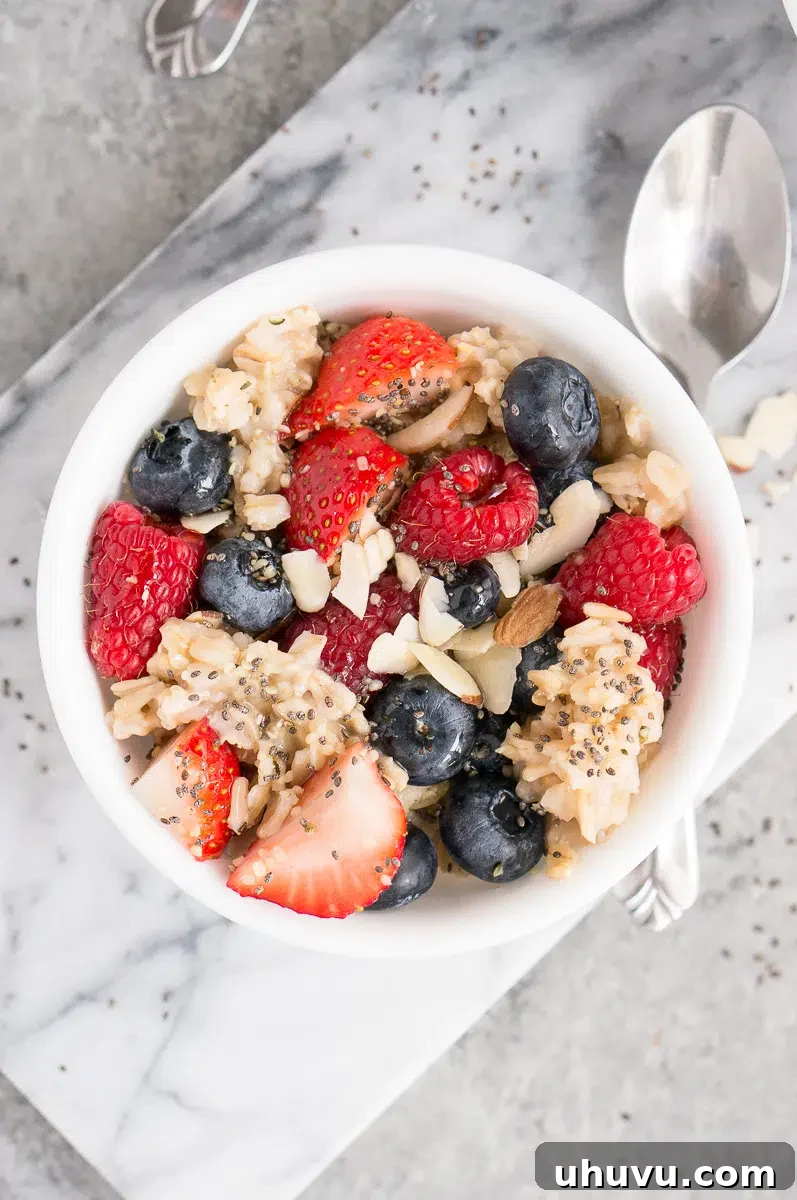
While various cooking methods exist for oatmeal, such as making Instant Pot oatmeal, my unwavering favorite remains the stovetop approach. It consistently delivers that perfect, creamy consistency we all crave, striking just the right balance between tenderness and a delightful chew. Beyond oatmeal, if you’re eager for more simple yet satisfying everyday breakfast ideas, don’t miss my recipes for perfectly fluffy scrambled eggs and a vibrant avocado toast – each designed to bring joy and nourishment to your busiest mornings.
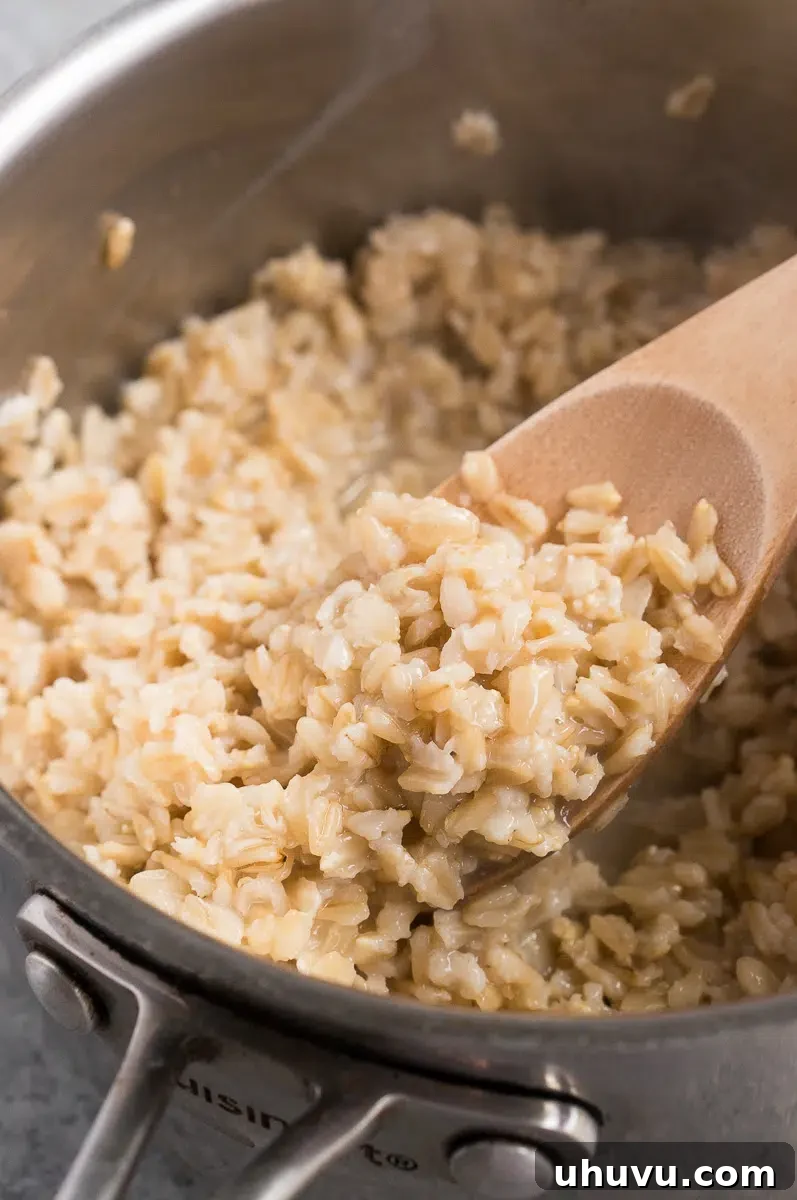
Why This Stovetop Oatmeal Recipe is Your New Go-To
This method for making creamy stovetop oatmeal isn’t just a recipe; it’s a daily ritual that promises both convenience and deliciousness. Here’s why it will quickly become a staple in your kitchen:
- Effortlessly Easy: With only two core ingredients and a handful of simple steps, your perfectly cooked oatmeal will be ready in under 15 minutes. It’s ideal for busy mornings when you need a quick, nourishing meal without any fuss.
- Flawless Texture Every Time: The precise 1:1.5 ratio of old-fashioned oats to water is the secret to achieving that coveted creamy, hearty, and non-gummy texture. This ratio ensures your oats absorb just the right amount of liquid, resulting in a comforting and satisfying consistency.
- Infinitely Customizable: Preparing your own plain base provides a blank canvas for culinary creativity. From fresh fruit and nuts to warming spices and decadent sweeteners, you have complete freedom to personalize your bowl with whatever flavors and textures inspire you each day.
- Packed with Nutrients: Oats are a powerhouse of nutrition, rich in soluble fiber (beta-glucans), which is known to support heart health, regulate blood sugar, and aid digestion. This recipe delivers a wholesome start to your day, keeping you full and energized.
- Budget-Friendly: Making oatmeal from scratch is incredibly economical. Oats are an affordable pantry staple, and you can easily scale the recipe to feed one or a crowd, making it a smart choice for any budget.
Key Ingredients for Your Perfect Bowl of Oatmeal
Crafting the perfect bowl of stovetop oatmeal requires just a few basic ingredients, offering a healthy and hearty foundation that can be infinitely customized. While the full ingredients list with precise measurements can be found in the recipe card below, let’s dive into the core components:
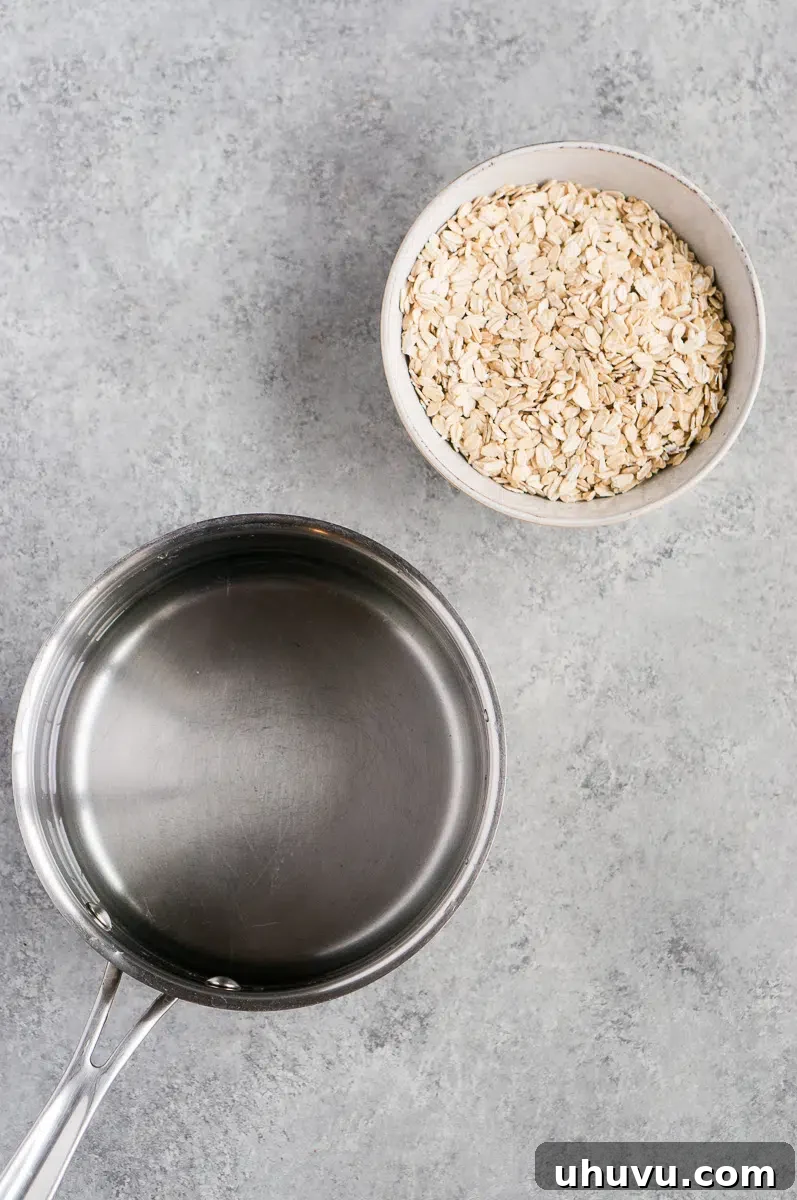
- Water: The primary cooking liquid, water allows the natural flavor of the oats to shine through. While tap water works, using filtered water can subtly enhance the overall taste of your oatmeal, providing a cleaner base for your chosen toppings.
- Old-Fashioned Rolled Oats: This recipe specifically calls for old-fashioned rolled oats. These oats are whole oat groats that have been steamed and flattened, giving them a distinct texture that cooks up creamy yet still offers a pleasant chew. They are different from instant (quick-cooking) oats, which are thinner and cook faster but can become mushy, and steel-cut oats, which are coarser and require a longer cooking time. For the best creamy stovetop oatmeal, old-fashioned oats are truly key. I often opt for organic and certified gluten-free oats for peace of mind, but feel free to use your preferred reputable brand.
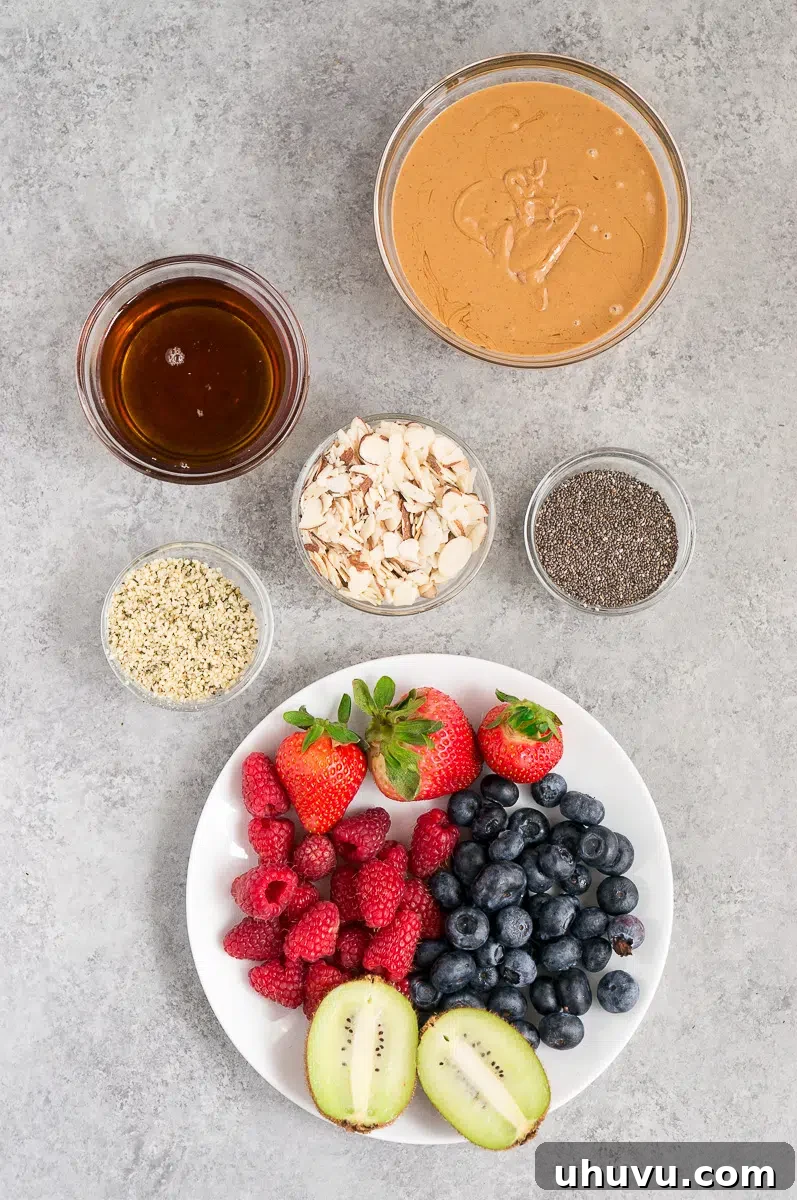
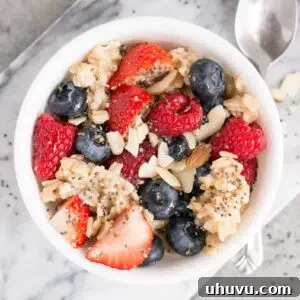
- Optional Toppings: This is where the magic happens! While the cooked oatmeal itself is delicious, toppings transform it into a gourmet experience. Our family favorites include fresh berries (strawberries, blueberries, raspberries), crunchy slivered almonds, nutrient-dense chia seeds and hemp hearts, a tiny pinch of salt to balance the sweetness, and a drizzle of pure maple syrup. The possibilities are truly endless – think any variety of nuts, dried fruits, extracts like vanilla, or your favorite natural sweeteners.
How to Make Stovetop Oatmeal: A Step-by-Step Guide
Achieving perfectly creamy and delicious stovetop oatmeal is simpler than you might think. Follow these easy steps to prepare a nourishing breakfast that’s ready in minutes.
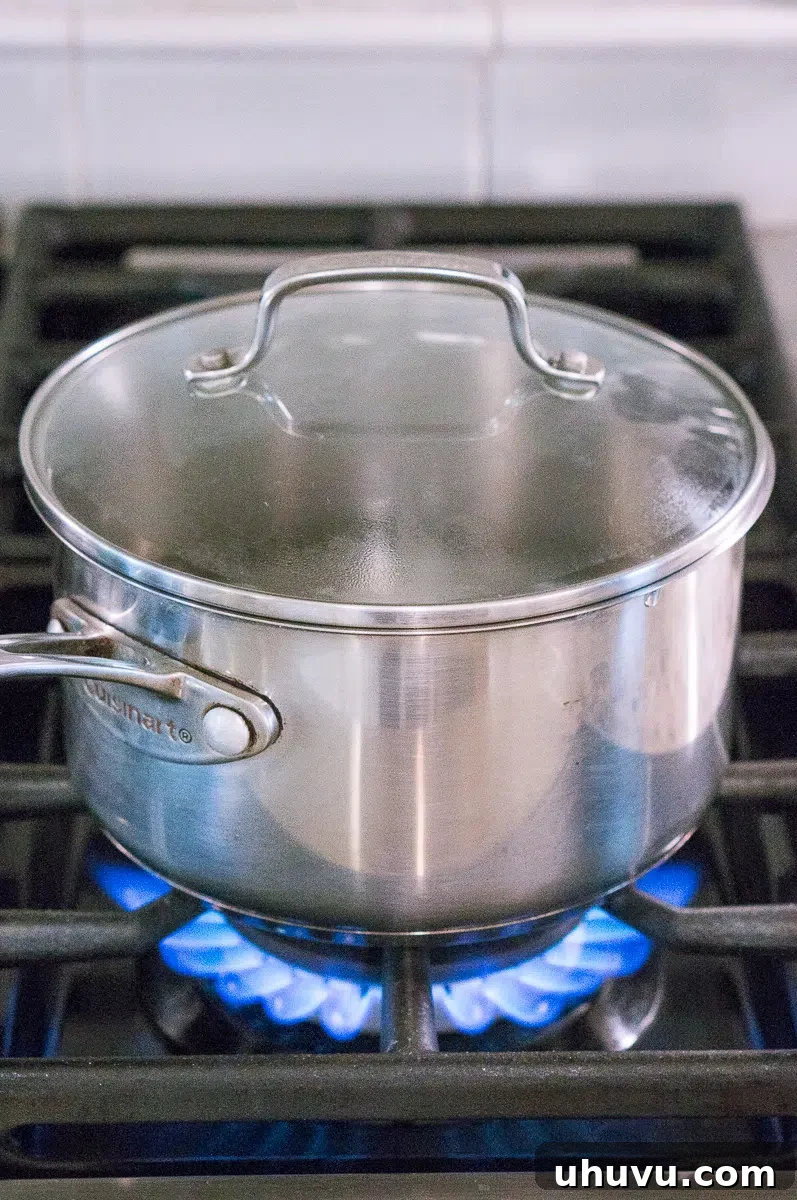
Step 1. Bring to a Boil. In a medium saucepan, bring the measured water to a rolling boil over high heat. Ensuring the water is at a full boil before adding the oats helps prevent them from becoming gummy and ensures even cooking.
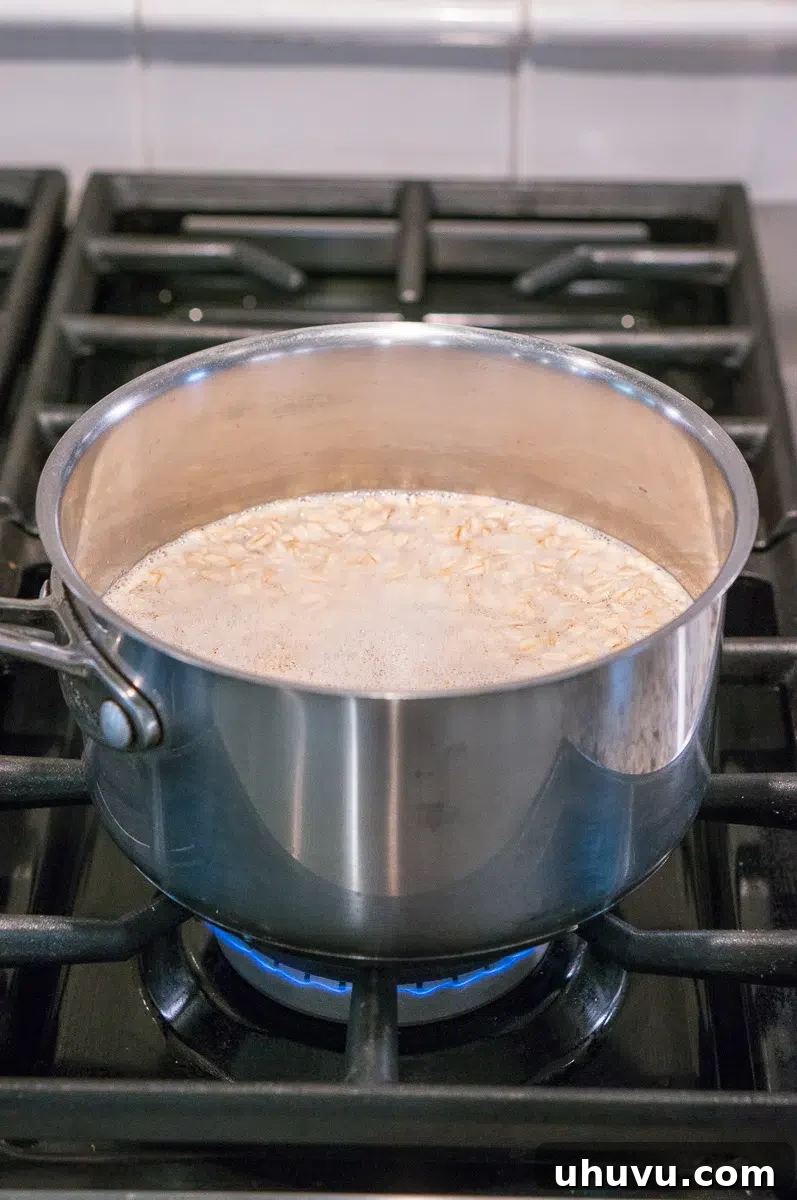
Step 2. Simmer Gently. Once the water is boiling, add your old-fashioned rolled oats to the saucepan. Immediately reduce the heat to low, allowing the oats to simmer uncovered for 4-5 minutes. Stir occasionally, perhaps once or twice, to prevent sticking and encourage even absorption of liquid. You’ll notice the oats beginning to soften and the liquid reducing.
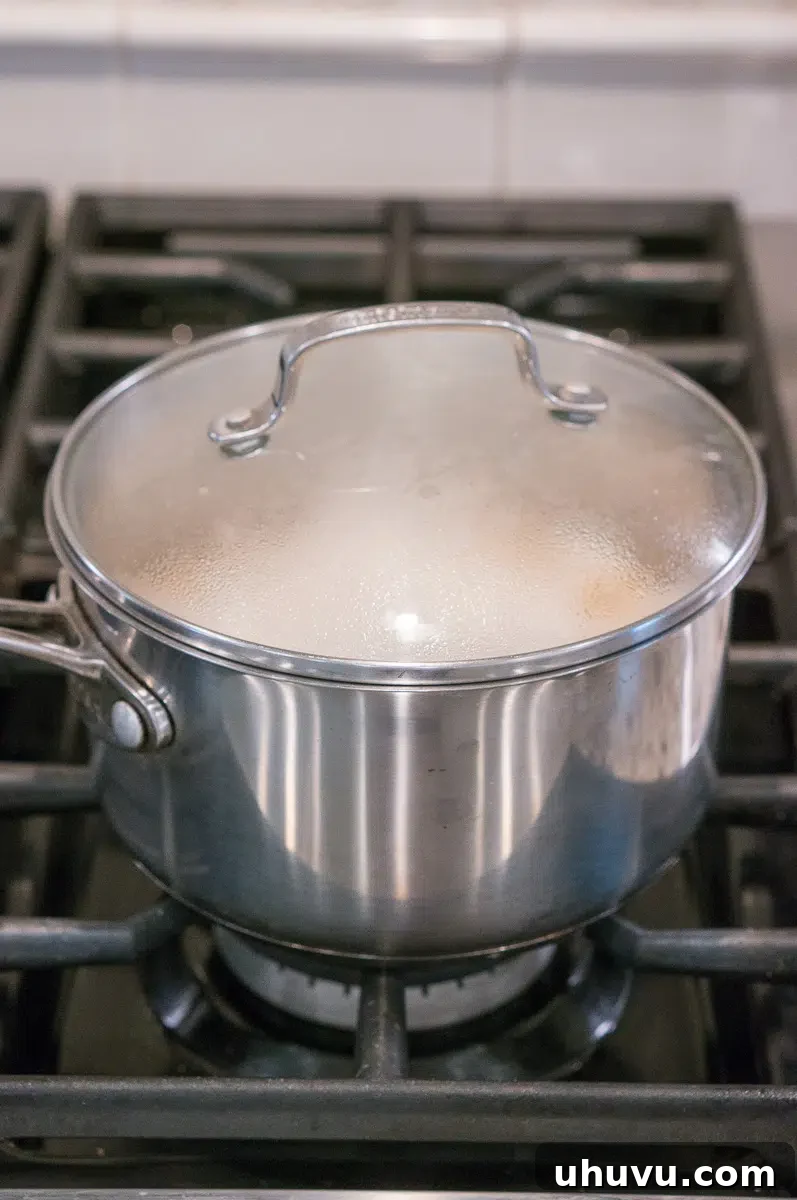
Step 3. Cover & Rest. After simmering, turn off the heat completely. Place a lid securely on the saucepan and let the oatmeal rest undisturbed for 10 minutes. This crucial resting period allows the oats to fully absorb any remaining liquid, swell, and develop their signature creamy, thick texture without becoming gummy. It’s a key step for stovetop oatmeal perfection!
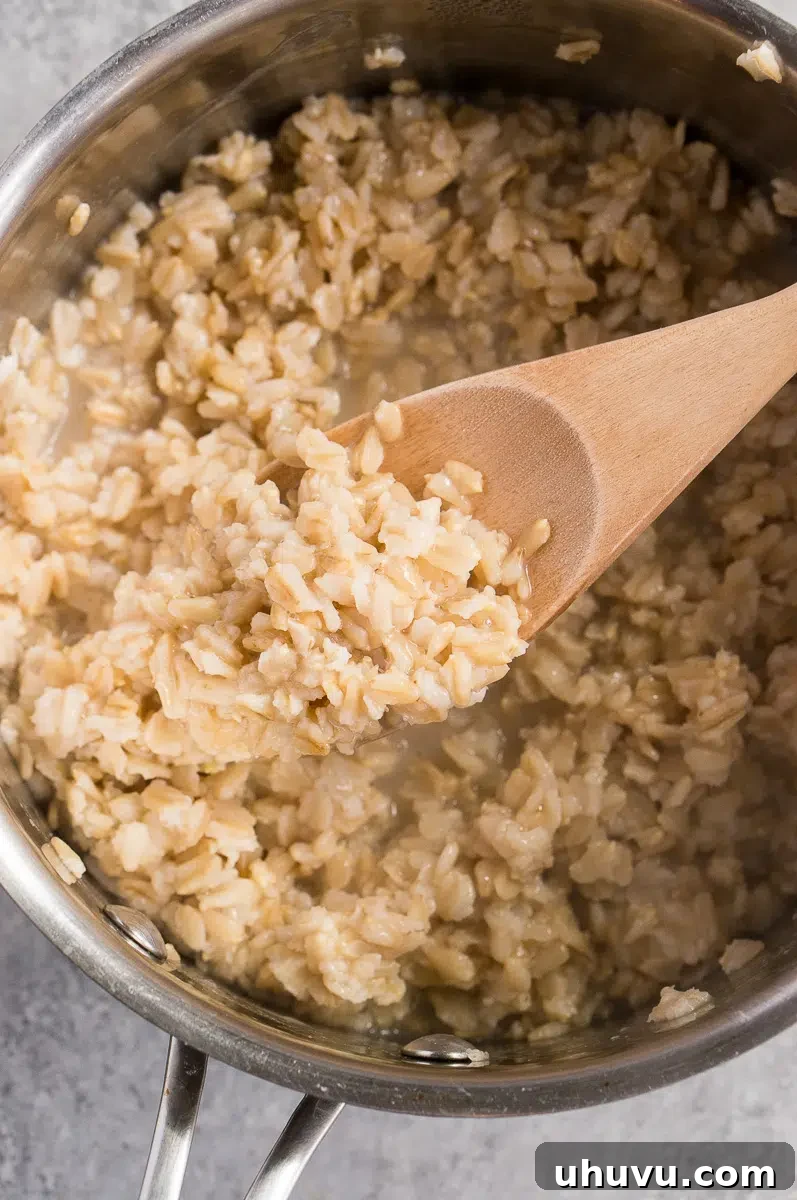
Step 4. Stir & Serve. Remove the lid from the saucepan. Give the oatmeal a good, vigorous stir to fluff it up and ensure a consistently creamy texture. At this point, you can adjust the consistency by adding a splash of water or milk if you prefer it thinner.
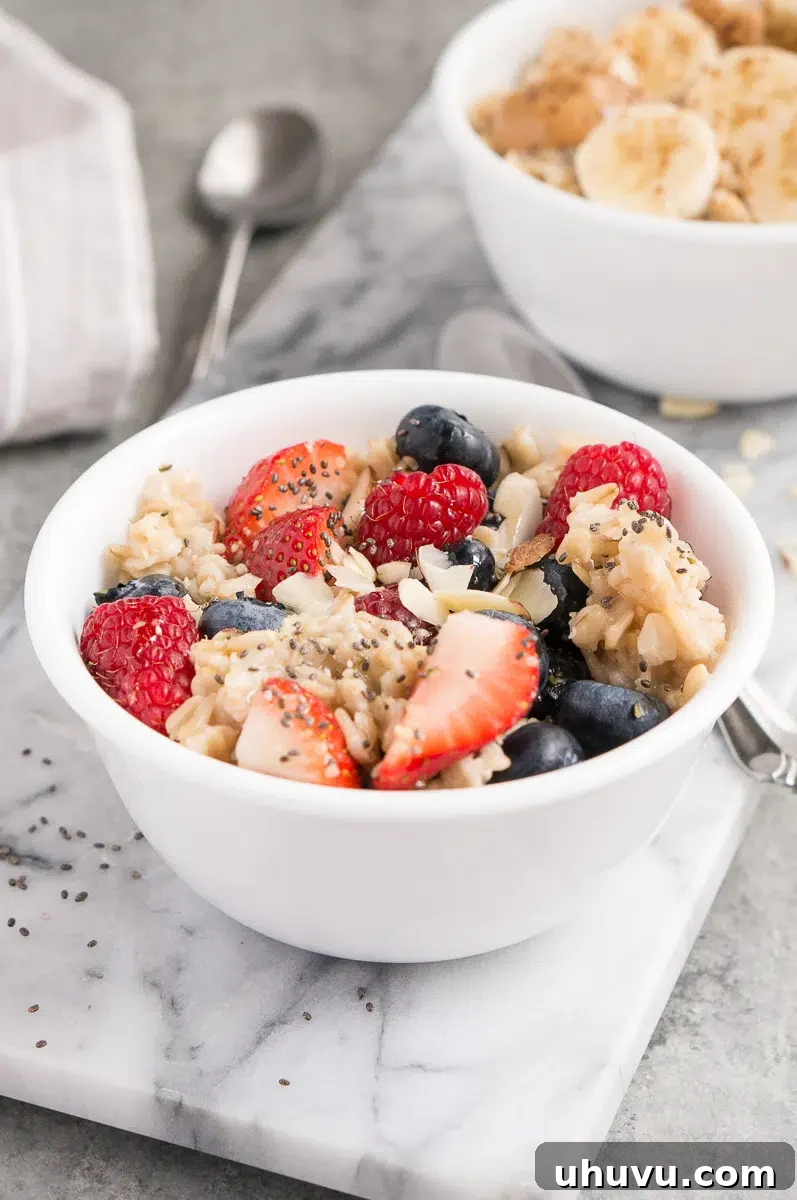
Step 5. Add Toppings & Enjoy! Spoon the warm, creamy oatmeal into individual bowls. Now comes the best part: load it up with your favorite toppings! Whether it’s fresh fruit, a medley of nuts and seeds, a generous drizzle of maple syrup, or a combination of all three, customize it to your heart’s content. Dig in and savor your delicious, homemade oatmeal!
TIPS FROM NELI’S KITCHEN
Expert Tips for the Best Stovetop Oatmeal
Follow these expert tips to ensure your oatmeal is perfectly cooked, creamy, and flavorful every single time:
- Choose the Right Oats: For this specific recipe and to achieve the best creamy texture, always opt for old-fashioned rolled oats. Avoid using instant quick-cooking oats, as they can become mushy, and steel-cut oats, which require a much longer cooking time and a different water ratio.
- Mind the Cooking Time: Do not overcook your oatmeal. Stick to the recommended 4-5 minutes of simmering. It’s also important to add the oats only once the water has reached a full, rolling boil. Adding them too early or cooking them for too long can result in a gummy or overly sticky consistency.
- Master the Water-to-Oats Ratio: The secret to perfectly creamy and fluffy oatmeal lies in the correct liquid ratio. I consistently use a 1:1.5 ratio of oats to water (e.g., 2 cups of oats to 3 cups of water). Using too much liquid will yield watery oatmeal, while too little can prevent the oats from cooking fully and result in a dry, dense texture.
- A Pinch of Salt Makes All the Difference: Don’t skip the salt! Adding a small pinch of salt (about 1/4 teaspoon per cup of oats) when you stir in the oats enhances their natural flavor and balances any sweetness you might add later, making your oatmeal taste truly complete.
- Resist Constant Stirring: While occasional stirring during simmering is fine, avoid stirring the oats continuously. Excessive stirring can break down the starches too much, leading to a gluey and less desirable texture. One or two gentle stirs during the simmer phase are plenty.
- Water as the Base, Milk for Creaminess: This recipe uses water as the primary cooking liquid, which allows for a cleaner oat flavor. You can absolutely add a splash of dairy or non-dairy milk (such as almond milk, oat milk, or soy milk) when serving your oatmeal to enhance creaminess and richness, but I don’t recommend cooking the oats entirely in milk as it can easily scald or boil over.
- Storing and Reheating Leftovers: Cooked oatmeal thickens considerably as it cools. Store any leftover oatmeal in an airtight container in the refrigerator for up to 2-3 days. When reheating, whether in the microwave or on the stovetop over low heat, add a splash of water or milk to reach your desired consistency, stirring frequently to prevent sticking.
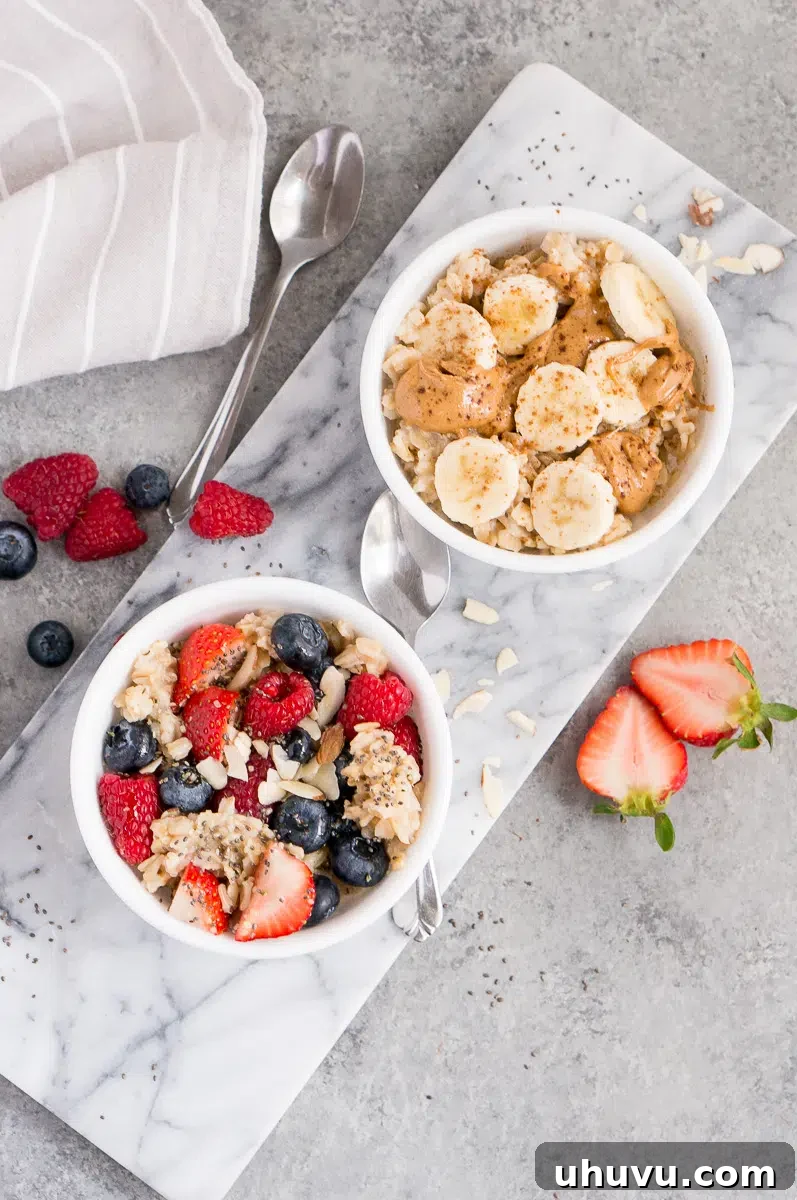
Unleash Your Creativity: The Best Oatmeal Toppings
One of the greatest joys of making homemade oatmeal is the freedom to customize it with an endless array of toppings. These additions not only boost flavor and texture but also pack a nutritional punch. Experiment with these categories to create your perfect bowl:
- Natural Sweeteners: Elevate the taste without artificial additives. Drizzle with a spoonful of golden honey for a floral note, rich maple syrup for classic warmth, or agave nectar for a vegan option. For a deeper, caramelized flavor, try coconut sugar or brown sugar.
- Fresh & Dried Fruits: Add natural sweetness, vitamins, and vibrant color.
- Fresh: Sliced bananas, fresh berries (strawberries, blueberries, raspberries, blackberries), chopped apples, pear slices, or even diced mango and peaches bring a burst of juicy flavor and essential nutrients.
- Dried: Raisins, cranberries, chopped dates, apricots, or shredded coconut flakes offer a concentrated sweetness and chewy texture.
- Nuts, Seeds & Butters for Crunch & Protein: These additions provide healthy fats, protein, and satisfying texture.
- Nuts: Chopped almonds, pecans, walnuts, or cashews for a satisfying crunch.
- Seeds: Boost fiber and omega-3s with chia seeds, flaxseed (ground for better absorption), pumpkin seeds, or sunflower seeds.
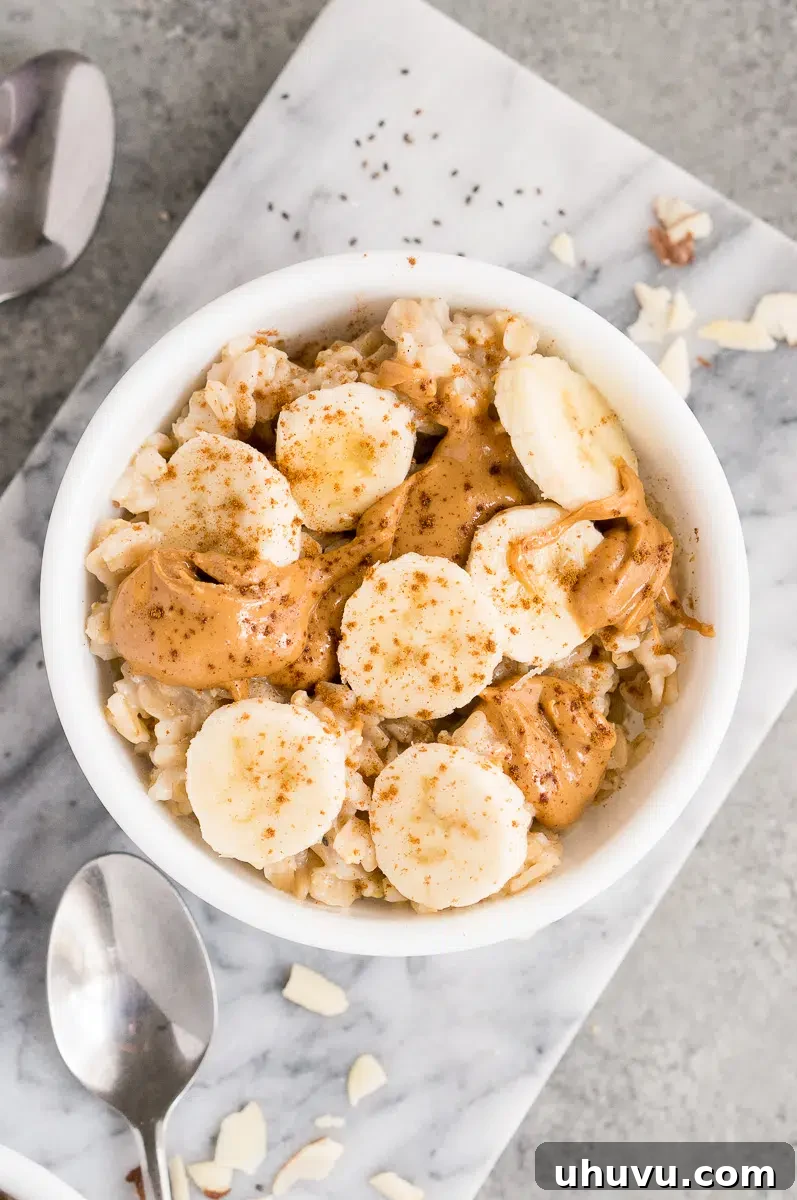
- Nut Butters: Swirl in a dollop of creamy almond butter, peanut butter, cashew butter, or tahini for added richness and protein.
- Decadent Chocolate Delights: For a treat, stir in some cocoa powder after the oats have rested for a rich, deep chocolate flavor, or sprinkle chocolate chips (dark, milk, or white) on top while the oatmeal is still warm so they melt slightly.
- Warming Spices & Extracts: Transform your oatmeal with aromatic spices. A sprinkle of ground cinnamon, nutmeg, ginger, or a dash of pumpkin pie spice adds cozy warmth. A few drops of vanilla extract or almond extract can also enhance the overall flavor profile.
- Dairy & Non-Dairy Additions: While not for cooking, these can be stirred in at the end for extra creaminess or flavor. A splash of milk (dairy or plant-based), a dollop of Greek yogurt for probiotics and protein, or a swirl of heavy cream for indulgence.
Recipe Help and FAQs for Oatmeal Lovers
Got questions about making the best oatmeal? We’ve got answers to help you troubleshoot and customize your breakfast experience.
Absolutely! While the stovetop method yields the creamiest texture, the microwave is a great option for a super speedy single serving. For best results, use a large, microwave-safe bowl to prevent boil-overs. Combine about half a cup of old-fashioned oats with one cup of water (or milk for extra creaminess). Microwave on high for 1-2 minutes, then stir thoroughly. Continue heating in 30-60 second intervals, stirring well after each, until the oatmeal reaches your desired consistency. Be mindful not to let it boil over!
Oatmeal is naturally filling due to its fiber content, but you can easily enhance its satiety power. Incorporate sources of protein and healthy fats. Stir in a tablespoon or two of chia seeds, ground flaxseed, or hemp hearts, which are packed with plant-based protein and omega-3s. A dollop of nut butter (peanut butter, almond butter) or a scoop of protein powder can significantly increase protein content. Adding fruits like bananas not only sweetens but also adds bulk. For a balanced, savory breakfast, consider serving your oatmeal alongside a source of protein like perfectly hard-boiled eggs or some cottage cheese.
While it’s possible, I generally recommend cooking old-fashioned oats in water as per this recipe. Cooking with milk (dairy or non-dairy) can make the oatmeal thicker and creamier, but it also increases the risk of sticking to the bottom of the pan and scorching. If you prefer to cook with milk, keep the heat very low and stir almost constantly to prevent burning. Alternatively, cook with water for the base, and then stir in a splash of milk or a scoop of yogurt at the very end to achieve that extra creaminess without the fuss.
Yes, oatmeal can be an excellent component of a weight-loss diet and is fantastic for digestion. It’s rich in soluble fiber, especially beta-glucans, which create a gel-like substance in your gut. This helps you feel full longer, reducing overall calorie intake. The fiber also aids in regular bowel movements, preventing constipation and supporting a healthy digestive system. For weight loss, focus on water-based oatmeal and watch your portion sizes with high-calorie toppings like excessive sugars or nut butters.
More Healthy Breakfast Recipes You’ll Love
If you’re looking for more delicious and healthy ways to start your day, explore these other fantastic breakfast recipes:
Breakfast Recipes
Baked Eggs
Breakfast Recipes
Sheet Pan Eggs
Breakfast Recipes
Pancake Cereal
Breakfast Recipes
Instant Pot Yogurt
If you enjoyed this creamy stovetop oatmeal recipe or any other recipe on my blog, please take a moment to leave a ⭐ star rating and share your thoughts in the 📝 comments below. Your feedback means the world! Thanks for visiting Delicious Meets Healthy!
Pin this now to find it later!
Pin It
☝ Tap stars to rate
How To Make Creamy Stovetop Oatmeal
Neli Howard
4 minutes
10 minutes
14 minutes
4
Rate
Save This Recipe
Enter your email and we’ll send the recipe directly to you!
By submitting this form, you consent to receive emails from Delicious Meets Healthy.
Ingredients
- 3 cups water
- 2 cups old-fashioned rolled oats
- Toppings (optional), slivered almonds, chia seeds, berries, maple syrup, peanut butter
Instructions
-
Bring water to a full boil in a saucepan over high heat. Add the old-fashioned rolled oats, then immediately reduce the heat to low and let it simmer uncovered for 4-5 minutes, stirring once or twice.
-
Turn off the heat, cover the pot with a lid, and let the oatmeal sit undisturbed for 10 minutes to allow the oats to fully absorb the liquid and become perfectly creamy.
-
Remove the lid and give the oatmeal a good stir to fluff it up and ensure a smooth, creamy texture. If desired, add a splash of water or milk to reach your preferred consistency.
-
Spoon the warm oatmeal into bowls and generously top with your favorite additions like fresh fruit, nuts, seeds, or a drizzle of maple syrup. Enjoy your wholesome and delicious breakfast!
Video
Notes
- For this recipe, I recommend you use old-fashioned rolled oats. Avoid using instant quick-cooking oats and steel-cut oats in this recipe (they are cooked differently).
- Don’t overcook the oatmeal. Cook the oats for the recommended time and don’t add them until the water starts boiling. If you add them before that, your oatmeal might turn too mushy or gummy.
- Make sure you use the right ratio of oats to water for the perfect creamy oatmeal texture. I always use the 1:1.5 oats to water ratio. If you use more liquid, the oatmeal will end up being too watery, and if you use less liquid, it might not cook fully.
- Add a pinch of salt when you stir in the oats to make the oatmeal taste good and balance the flavors.
- Don’t stir the oats continuously as this can make them gummy and gluey. Give it only one or two stirs while the oatmeal simmers.
- You can add a splash of dairy or non-dairy milk when you serve it for extra creaminess, but I don’t recommend you cook the oats in milk as it can burn easily.
- Once cooled, store leftover oatmeal in an airtight container in the fridge for 2-3 days – it will thicken. Reheat it with a splash of water or milk in the microwave or on the stove over low heat, stirring frequently until warmed through and desired consistency is reached.
Nutrition
Carbohydrates: 14g |
Protein: 3g |
Fat: 2g |
Saturated Fat: 0.4g |
Polyunsaturated Fat: 1g |
Monounsaturated Fat: 1g |
Sodium: 14mg |
Potassium: 82mg |
Fiber: 2g |
Sugar: 0.3g |
Calcium: 16mg |
Iron: 1mg
Nutrition Disclaimer: Nutritional values are estimates and may vary with ingredients, brands, and portion sizes. For accuracy, use your preferred nutrition calculator.
Like this recipe? Rate and comment below!