
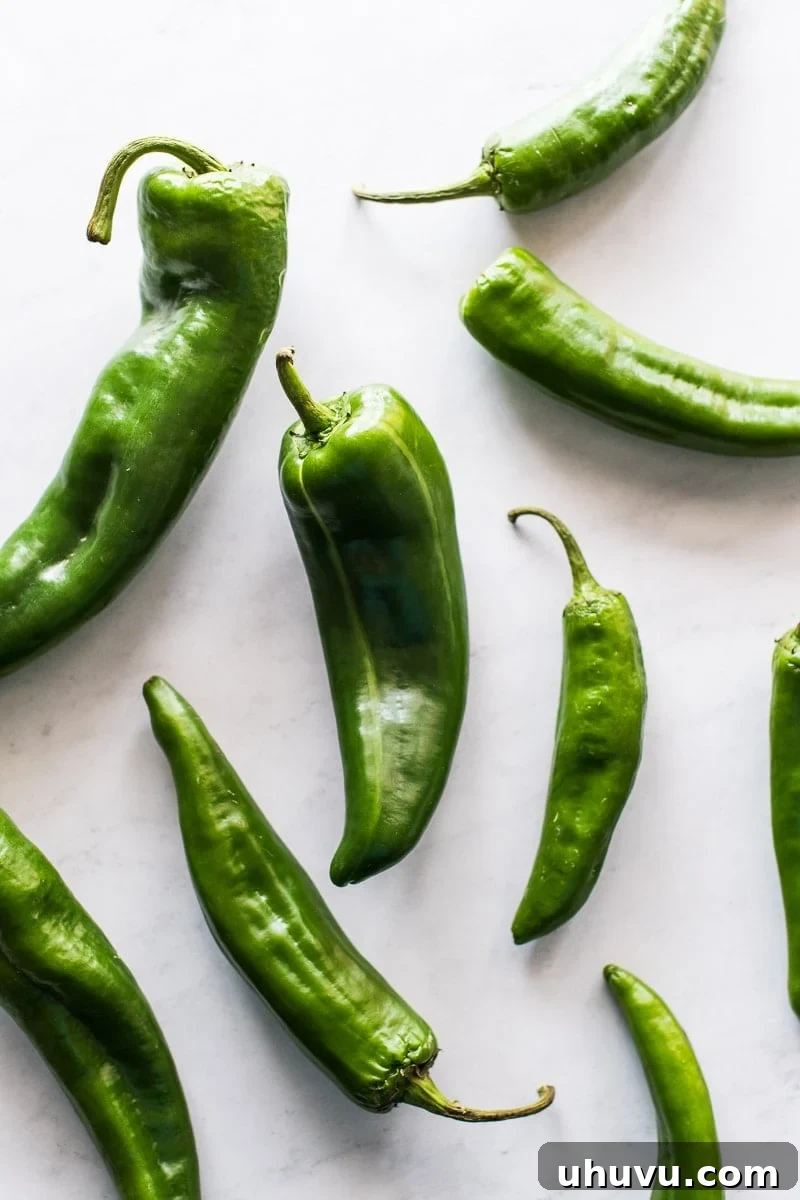
Embark on a culinary journey with the Anaheim pepper, a celebrated mild chili known for its unparalleled versatility and delightful flavor profile. More than just a touch of heat, this unassuming pepper offers a sweet, smoky, and tangy dimension to a vast array of dishes, making it a beloved ingredient in kitchens worldwide. Whether you’re a seasoned chef or a home cook looking to elevate everyday meals, the Anaheim pepper is an indispensable staple that promises to transform bland plates into vibrant, flavorful experiences. Discover the unique characteristics, culinary applications, and fascinating history of this essential California chili, and prepare to infuse your cooking with its distinctive charm.
Unveiling the Anaheim Pepper: Origin and Characteristics
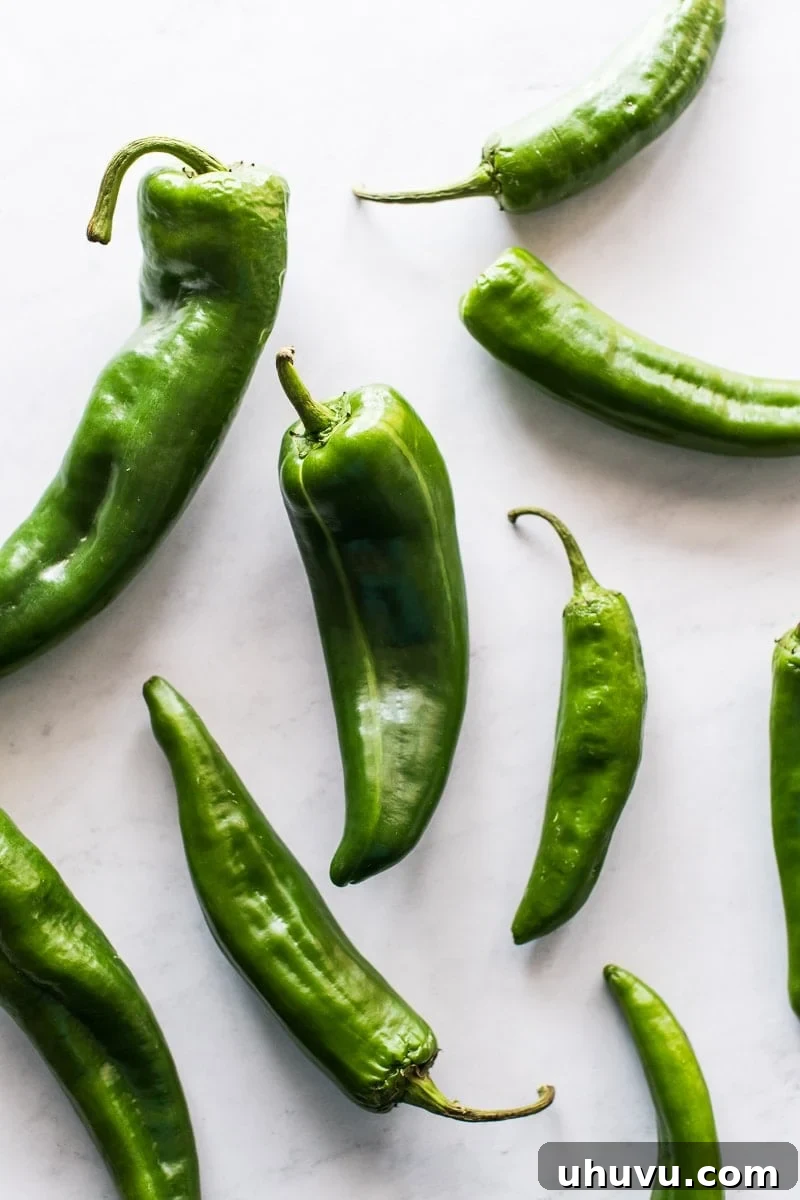
The Anaheim pepper, a member of the Capsicum annuum species, derives its popular name from the city of Anaheim, California, where it was first cultivated for commercial use at the beginning of the 20th century. Originally brought from New Mexico by horticulturist Emilio Ortega, this chili quickly found a new home and a slightly different character in the Californian soil.
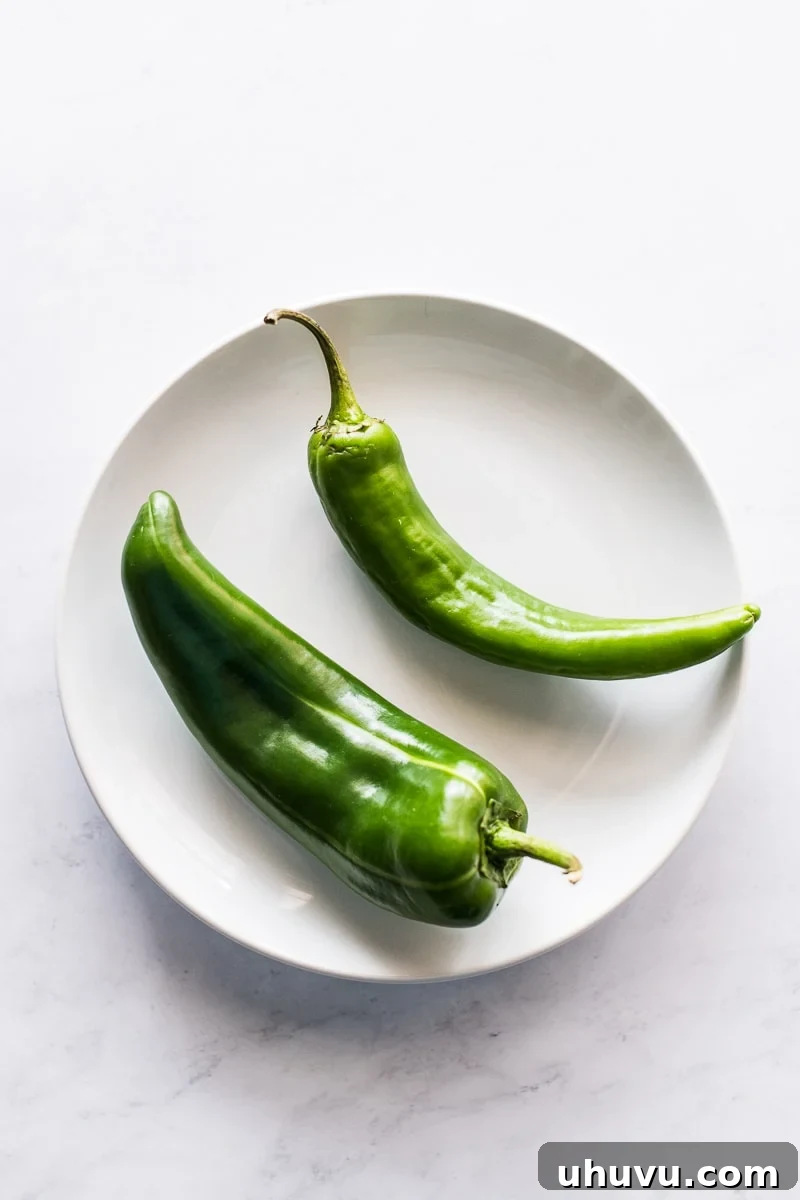
Distinguished by its elongated, somewhat curved shape, the Anaheim pepper typically measures between six to ten inches in length, making it a medium-sized chili. Its skin is smooth and glossy, usually presenting a vibrant green hue when harvested. This green stage is when it’s most commonly utilized in cooking, offering a crisp texture and its signature mild flavor.
As these peppers mature on the plant, their color deepens from green to a rich, glossy red. Red Anaheim peppers, often referred to as California Red Chiles or Chile Colorado, develop a sweeter, slightly more intense flavor profile. While the green variety is fresh and bright, the red peppers offer a deeper, fruitier note, often dried or used to create robust chili powders and sauces.
Beyond its primary name, the Anaheim pepper is known by several other monikers, reflecting its diverse regional cultivation and culinary uses. You might encounter it as New Mexico pepper, California chili, or even Magdalena. Understanding these different names can be helpful when searching for this versatile ingredient in various markets.
Exploring the Flavor Profile: The Taste of Anaheim Chiles
One of the Anaheim pepper’s most appealing attributes is its nuanced and inviting flavor profile. Unlike chilies that overwhelmingly assault the palate with heat, Anaheims offer a delicate balance of tastes that beautifully complement a wide array of ingredients. When you bite into a fresh green Anaheim, you’ll immediately notice a mild sweetness, often accompanied by subtle earthy undertones.
Beyond the initial sweetness, many describe the Anaheim’s flavor as having a distinct smokiness, especially when roasted or grilled. This smoky characteristic adds depth and complexity to dishes without the need for additional ingredients. There’s also a faint tanginess, a bright acidity that lifts the overall flavor, preventing it from being one-dimensional.
This harmonious blend of sweet, smoky, and tangy notes, coupled with just a whisper of heat, allows the Anaheim pepper to integrate seamlessly into various culinary creations. It enhances, rather than dominates, other flavors, making it an excellent choice for quesos, soups, stews, and casseroles. Its mild nature ensures it’s a family-friendly ingredient, allowing everyone to enjoy a touch of chili flavor without discomfort.
Anaheim Peppers and the Scoville Scale: A Mild Sensation
For those sensitive to heat, the Anaheim pepper is a culinary blessing. It consistently ranks very low on the Scoville Scale, the standard measurement for chili pepper pungency. With a Scoville Heat Unit (SHU) rating typically ranging from 500 to 1,000 SHU, Anaheims are considered one of the mildest chili peppers available, often enjoyed raw or in dishes for their flavor rather than their kick.
To put this into perspective, a common bell pepper registers at a comfortable zero SHU, meaning it has no capsaicin, the compound responsible for chili heat. In contrast, a moderately spicy jalapeño can range anywhere from 2,500 to 8,000 SHU, and much hotter varieties like the habanero can soar to hundreds of thousands of SHU. The Anaheim pepper, therefore, offers a gentle warmth that is barely perceptible to many, making it an ideal entry point for exploring chili flavors.
It’s worth noting, however, that the heat level of Anaheim peppers can vary based on their growing environment. Peppers harvested in California, often specifically labeled as “Anaheim,” tend to be on the lower end of the Scoville scale, typically between 500-1,000 SHU. Conversely, identical peppers grown in the specific climate of New Mexico, known as New Mexico or Hatch chiles, often develop a slightly higher heat, sometimes reaching up to 1,500-2,500 SHU. This regional variation is a fascinating aspect of chili cultivation and a key point for enthusiasts to understand.
The Roots of Flavor: Origins and Regional Differences
The story of the Anaheim pepper’s origin is deeply intertwined with the agricultural history of the American Southwest. While it is widely associated with California today, its lineage traces back to the New Mexico region. Horticulturalist Emilio Ortega introduced the New Mexico chile variety to California in the early 1900s, where it adapted to the new climate and soil conditions, evolving into what we now recognize as the Anaheim pepper.
What makes this journey particularly interesting is how the exact same seed can produce peppers with differing characteristics depending on where they are grown. The peppers cultivated in New Mexico are typically referred to as New Mexico chiles or, more famously, Hatch chiles (named after the town of Hatch, New Mexico, a renowned chili-growing region). These New Mexico varieties generally exhibit a slightly more pronounced heat and a distinct earthy flavor, often attributed to the region’s unique high-desert climate, intense sun, and specific soil composition. The environmental stress factors in New Mexico can lead to a higher capsaicin content, resulting in spicier peppers.
In contrast, the Anaheim peppers grown in California, often benefiting from more moderate coastal temperatures and different soil conditions, tend to be significantly milder. While both are genetically very similar, their respective environments play a crucial role in shaping their pungency and subtle flavor nuances. This fascinating phenomenon means that while you’re still enjoying an Anaheim-type chili, the “terroir” – the complete natural environment in which a particular food is produced – truly impacts its final taste and heat. So, when selecting your peppers, consider their origin if you have a preference for a milder or slightly spicier kick.
Culinary Versatility: How to Use Anaheim Peppers in Your Kitchen
The Anaheim pepper’s mild heat and engaging flavor make it incredibly versatile in the kitchen, offering endless possibilities for culinary exploration. It’s an excellent substitute for bell peppers when you desire a whisper of chili warmth and a boost of savory depth. Its “kid-friendly” and “family-friendly” nature means you can incorporate it into a wide range of dishes without worrying about overwhelming spice, making it a staple in many Mexican and Tex-Mex recipes.
Here are numerous ways to unleash the full potential of Anaheim peppers:
- Garnish and Fresh Additions: Finely diced Anaheim peppers add a refreshing crunch and subtle flavor to fresh salsas, such as roasted corn salsa, guacamole, or a simple Pico de Gallo. Their vibrant green color also adds visual appeal.
- Stuff Them for Flavorful Meals: Anaheim peppers are perfect for stuffing! Their relatively large size and firm flesh make them ideal for hearty fillings. Try them instead of poblanos for classic chile rellenos, or explore healthier options like baked vegetarian chile rellenos filled with cheese, rice, and beans.
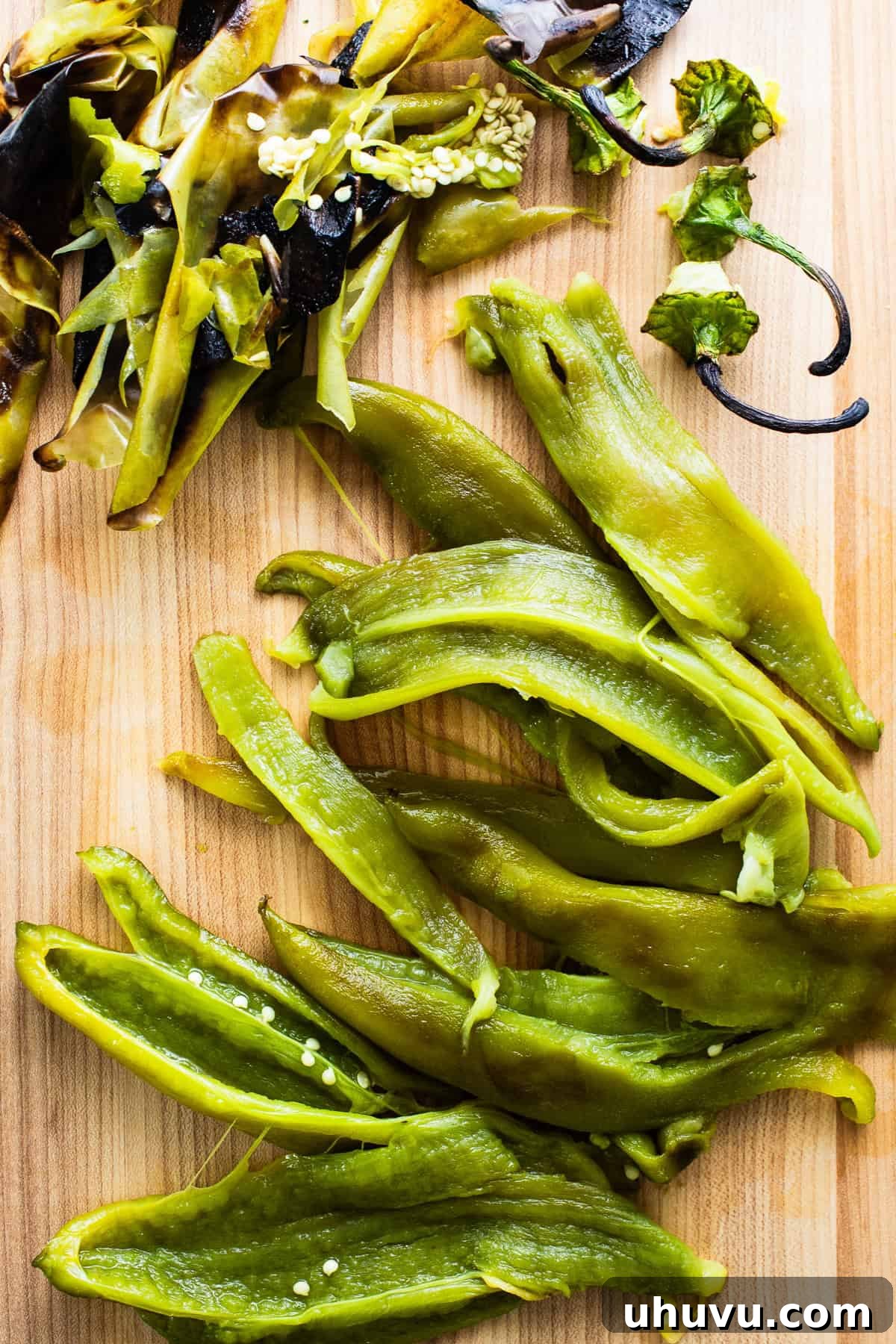
- Roast for Enhanced Depth: Roasting Anaheim peppers brings out their inherent sweetness and smokiness, softening their texture and making their skins easy to peel. Roasted Anaheims are fantastic in homemade green enchilada sauce, vibrant salsas, or simply diced and added to omelets, frittatas, and sandwiches.
- Grill for a Smoky Treat: Halve and deseed Anaheims, then grill them alongside other vegetables or meats. The charring imparts a wonderful smoky flavor that elevates any barbecue spread. They can be sliced into strips for fajitas or pureed into smoky dressings.
- Sauté into Stir-Fries and Skillets: Quickly sauté sliced Anaheim peppers with onions, garlic, and your favorite proteins for a flavorful and healthy meal. They add a fresh, crisp texture and mild zest to stir-fries, scrambled eggs, or breakfast burritos.
- Blend into Sauces and Dips: Their smooth texture when cooked makes them excellent for blending into creamy dips, spreads, and sauces. Think creamy cilantro-lime sauce, a mild chili dip for chips, or even a vibrant green pasta sauce.
- Incorporate into Soups and Stews: Dice Anaheim peppers and add them to your favorite chili, tortilla soup, or hearty stew. They contribute a layer of complex flavor without adding excessive heat, enriching the broth and making each spoonful more enjoyable.
- Baking (Savory): Unexpectedly, Anaheims can shine in savory baked goods. Consider adding finely chopped Anaheims to cornbread, savory muffins, or even a cheesy bread pudding for an unexpected flavor boost.
Experiment with these methods, and you’ll quickly discover why the Anaheim pepper is a beloved ingredient for adding dimension and deliciousness to countless dishes.
Beyond Flavor: The Nutritional Benefits of Anaheim Peppers
Not only are Anaheim peppers a delicious addition to your meals, but they also pack a nutritional punch. Like most chili peppers, Anaheims are a good source of vitamins and minerals, contributing to a healthy diet. They are notably rich in Vitamin C, a powerful antioxidant essential for immune function, skin health, and collagen production. A single Anaheim pepper can provide a significant portion of your daily recommended intake.
Furthermore, these mild chilies contain Vitamin A (in the form of beta-carotene), which is vital for vision, immune system support, and cell growth. They also offer a good amount of Vitamin B6, essential for brain development and function, and are a source of dietary fiber, promoting digestive health. While the capsaicin content is low, even trace amounts can contribute to anti-inflammatory effects and may aid in metabolism. Incorporating Anaheim peppers into your cooking is a simple yet effective way to boost the nutritional value of your dishes without compromising on flavor.
Finding Alternatives: Substitutes for Anaheim Peppers
While Anaheim peppers are widely available, there might be times when you can’t find them or need a slightly different flavor or heat profile. Fortunately, several excellent substitutes can step in, allowing you to achieve similar culinary results:
- New Mexico/Hatch Chiles: These are arguably the closest substitutes, as they are essentially the same genetic pepper. New Mexico or Hatch chiles (especially the mild varieties) will offer a similar flavor, though they often lean slightly spicier. If you prefer a milder taste, you can mitigate some of their heat by removing the ribs and seeds before cooking.
- Poblano Peppers: Poblanos are another popular choice. They have a richer, earthier, and slightly less sweet flavor than Anaheims, with a slightly thicker flesh. Their heat level is comparable to or slightly higher than that of California-grown Anaheims (1,000-1,500 SHU). They are excellent for stuffing and roasting.
- Bell Peppers: For those who want absolutely no heat, bell peppers are the perfect substitute. They offer a sweet, crisp flavor and a similar crunchy texture. While they lack the subtle smokiness and tang of Anaheims, they work well in recipes where you primarily need the bulk and sweetness of a fresh pepper. Green bell peppers will be the closest in appearance and general usage for savory dishes.
- Cubanelle Peppers: Also known as Italian frying peppers, Cubanelles are long, sweet, and mild peppers with a thin skin, often ranging from 0-1,000 SHU. They are fantastic for sautéing, frying, or grilling, offering a sweet flavor with virtually no heat.
- Sweet Banana Peppers: These bright yellow peppers are very mild (0-500 SHU) and offer a tangy, sweet flavor. While their shape is slightly different, they can work well in salads, sandwiches, or pickled, providing a similar level of gentle flavor.
Procuring and Preserving: Where to Find and How to Store Anaheim Peppers
Given their widespread popularity and culinary utility, Anaheim peppers are generally easy to find. You can typically locate them in the produce section of most large grocery stores and supermarkets, often alongside other common chili varieties. When selecting Anaheim peppers, look for ones that are firm to the touch, have glossy skin, and are free from blemishes, soft spots, or wrinkles. A healthy pepper will feel heavy for its size.
For a more authentic selection or if you’re looking for different varieties, local Mexican grocery stores or specialty produce markets are excellent resources. At these establishments, you might find Anaheim peppers labeled under their various regional names, such as “chile California,” “Magdalenas,” or “chile del norte.” Don’t hesitate to ask the produce manager if you’re unsure, as they can often guide you to the correct chili.
Once you’ve brought your Anaheim peppers home, proper storage is key to maintaining their freshness and flavor:
- Refrigeration: For optimal freshness, store whole, unwashed Anaheim peppers in a breathable bag (like a paper bag or a loosely sealed plastic bag) in the crisper drawer of your refrigerator. They will remain fresh and vibrant for up to 10 days.
- Room Temperature: If you plan to use them within a few days, Anaheim peppers can be stored at room temperature on your kitchen counter for about 1 week. However, they will lose their crispness faster than when refrigerated.
- Freezing: Anaheim peppers freeze exceptionally well, allowing you to enjoy their flavor long after their season. To freeze, wash and dry the peppers thoroughly. You can freeze them whole, sliced, or diced. For best results, consider roasting and peeling them first, then portioning them into freezer-safe bags or containers. They can be frozen for up to 3 months without significant loss of flavor or texture, making them perfect for future soups, stews, or sauces.
Explore More Mexican Chiles
If you’ve enjoyed learning about the Anaheim pepper, dive deeper into the incredible world of Mexican chiles. Each pepper boasts its unique flavor and heat, offering endless culinary possibilities:
- Habanero Peppers
- Poblano Peppers
- Serrano Peppers
- Jalapeño Peppers