
The Definitive Guide to Mexican Chorizo: Unlocking Its Bold Flavors
Often characterized by its vibrant red hue and an intoxicating aroma, Mexican Chorizo stands as a culinary cornerstone, celebrated for its bold spice and unparalleled flavor. For those new to this versatile ingredient, it might seem a little intimidating, but mastering its use opens up a world of delicious possibilities in Mexican cuisine. This comprehensive guide will demystify Mexican chorizo, from understanding its origins and unique composition to providing practical tips on cooking and incorporating it into a myriad of mouth-watering dishes. Get ready to transform your meals with the incredible depth and zest of this beloved sausage!
What Exactly is Mexican Chorizo?
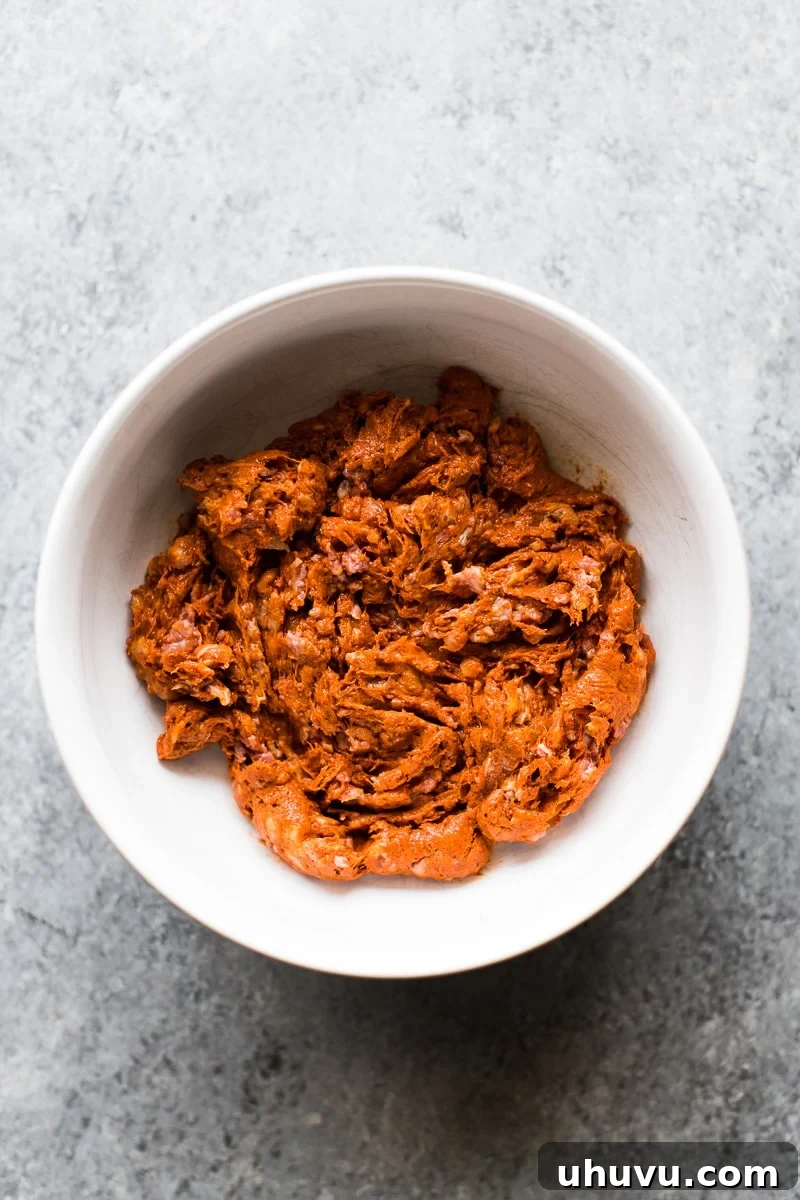
At its heart, Mexican chorizo is a highly seasoned fresh sausage, typically made from ground pork. Unlike its European counterparts, it is raw and requires cooking before consumption. It’s a fundamental ingredient in countless Mexican households and a staple in many authentic dishes found across various regions of Mexico. While ground pork is the traditional choice, modern variations can also feature ground beef, chicken, venison, turkey, or even plant-based alternatives like soy or tofu, catering to diverse dietary preferences.
What truly sets Mexican chorizo apart is its distinctive flavor profile and vibrant appearance. The striking red color, which is a hallmark of this sausage, comes from a generous blend of dried chile peppers and other potent spices. This unique combination of seasonings not only imparts its characteristic hue but also delivers an unparalleled depth of flavor—spicy, tangy, and robust all at once. The fat content, particularly in traditional pork chorizo, is crucial as it renders during cooking, basting the meat and enriching any dish it’s added to with its rich, savory essence.
The magic of Mexican chorizo lies in its carefully curated blend of spices. While recipes can vary regionally and personally, the most common seasonings include some or all of the following, each playing a vital role in crafting its iconic taste:
- Chile Peppers: Predominantly guajillo or ancho chiles, providing the signature red color and a fruity, earthy heat.
- Coriander: Adding a citrusy, slightly sweet note.
- Cloves: Contributing warmth and a pungent aroma.
- Cinnamon: Offering a subtle, sweet spice that balances the heat.
- Garlic: A foundational flavor enhancer, providing pungent depth.
- Cumin: Lending its earthy, warm, and slightly bitter profile.
- Paprika: Enhancing the red color and adding a mild, peppery flavor.
- Vinegar: Crucial for adding a tangy zest, cutting through the richness, and acting as a natural preservative.
Crafting your own chorizo at home allows for ultimate customization of these flavors. For an authentic and customizable experience, be sure to check out my homemade chorizo recipe!
Mexican Chorizo vs. Spanish Chorizo: Understanding the Key Differences
While both Mexican and Spanish culinary traditions proudly feature chorizo, these two varieties are distinct in their preparation, flavor profile, and how they are used in cooking. Understanding these differences is crucial for any home chef looking to accurately recreate or innovate with chorizo.
Mexican Chorizo: Fresh and Versatile
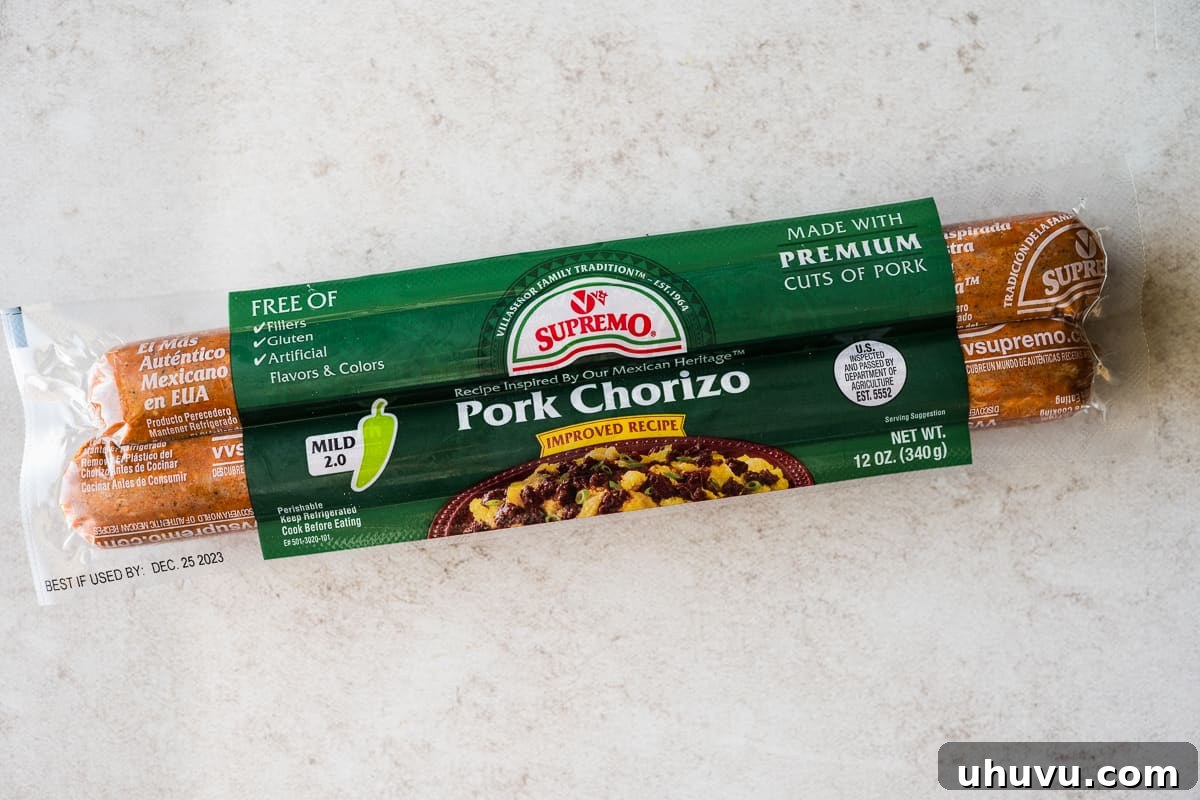
Mexican chorizo is primarily a fresh sausage, meaning it is raw and requires thorough cooking before consumption. It’s typically sold either loose, similar to ground meat, or encased in a thin, non-edible casing. This casing must always be removed before cooking, allowing the chorizo to crumble beautifully as it fries. Its texture, once cooked, resembles finely ground beef or pork, making it incredibly versatile for incorporating into various dishes. The flavor is bright, spicy, and tangy, derived from fresh chile pastes and vinegar, giving it a lively, robust character. This fresh nature makes it ideal for crumbling into scrambled eggs, enriching bean dishes, or forming the base of a flavorful taco filling.
Spanish Chorizo: Cured and Ready-to-Eat
In stark contrast, Spanish chorizo is a dried and cured sausage. It undergoes a fermentation and air-drying process, similar to pepperoni or salami, making it ready to eat without further cooking. Spanish chorizo is almost always sold in an edible casing, often thicker and more robust than its Mexican counterpart. Its flavor is deeply savory, intensely smoky (due to the ubiquitous use of smoked paprika, known as pimentón), and often garlicky, with a firm, sliceable texture. It can range from mild to very spicy, and from smoked to unsmoked varieties. Commonly found in most grocery stores alongside other cured meats, Spanish chorizo is a staple on charcuterie boards, tapas platters, or diced and added to stews, soups, and paellas where it infuses dishes with its complex, rich flavors without needing extensive cooking.
The fundamental distinction boils down to this: Mexican chorizo is a fresh, uncooked sausage meant to be crumbled and cooked, while Spanish chorizo is a cured, firm sausage that can be enjoyed sliced and uncooked, or added to dishes for flavor. Knowing which type your recipe calls for is essential for achieving the desired taste and texture.
Mastering the Art of Cooking Mexican Chorizo
Cooking Mexican chorizo is straightforward, but a few key steps ensure you get the best flavor and texture from this incredible ingredient. Since it’s a fresh sausage, it must be cooked thoroughly. Here’s a simple guide to cooking Mexican chorizo to perfection:
Step-by-Step Cooking Instructions:
- Remove from Casing: If your Mexican chorizo comes in a casing, the first and most important step is to remove it. Simply make a slit down the length of the casing with a knife and peel it away from the meat. The meat will be soft and crumble easily.
- Preheat Your Pan: Place a large skillet over medium-high heat. Most traditional pork chorizos are quite fatty, so you typically won’t need to add any oil to the pan. If you’re using a leaner variety, like chicken or beef chorizo, a small amount of oil (1-2 teaspoons) can prevent sticking.
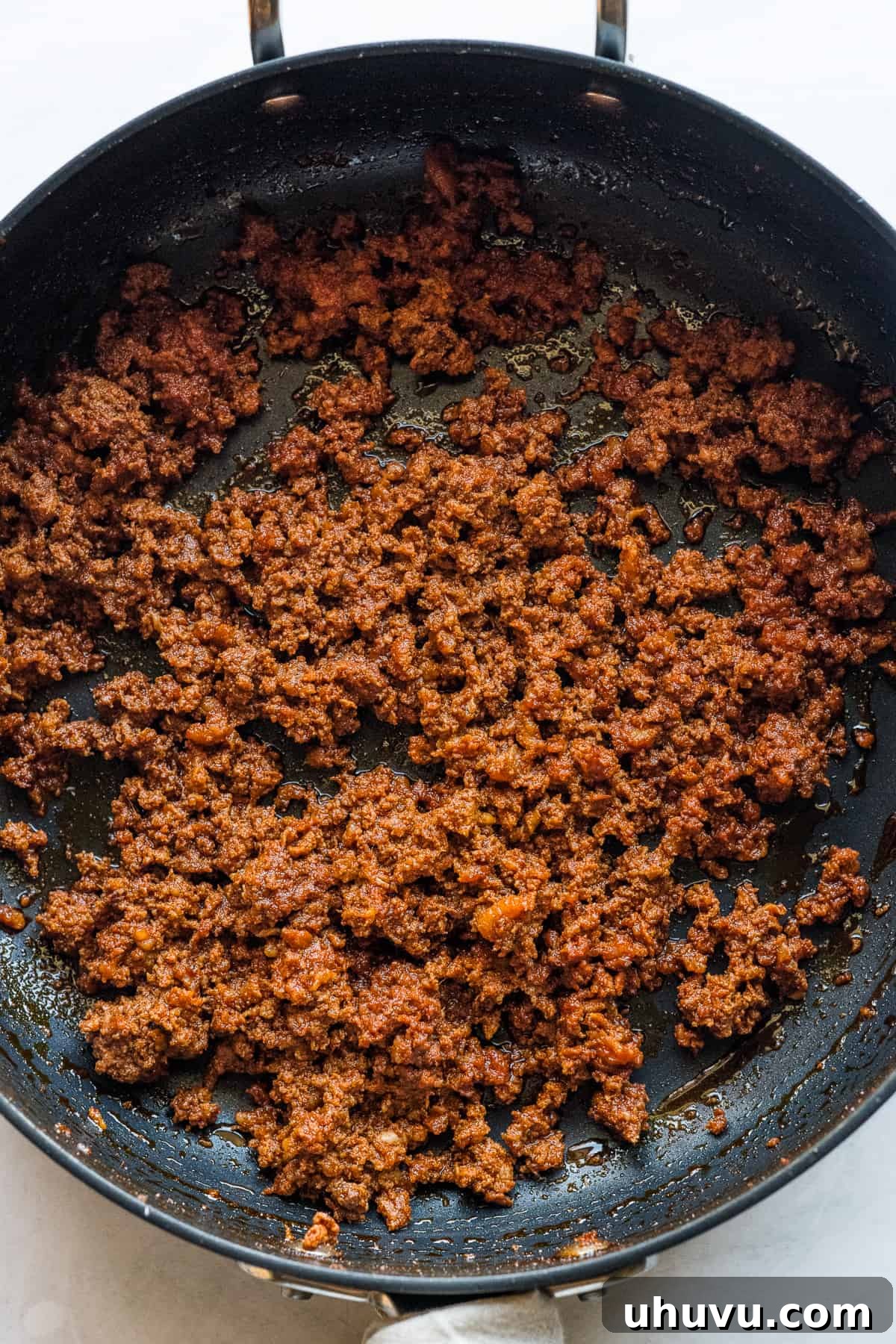
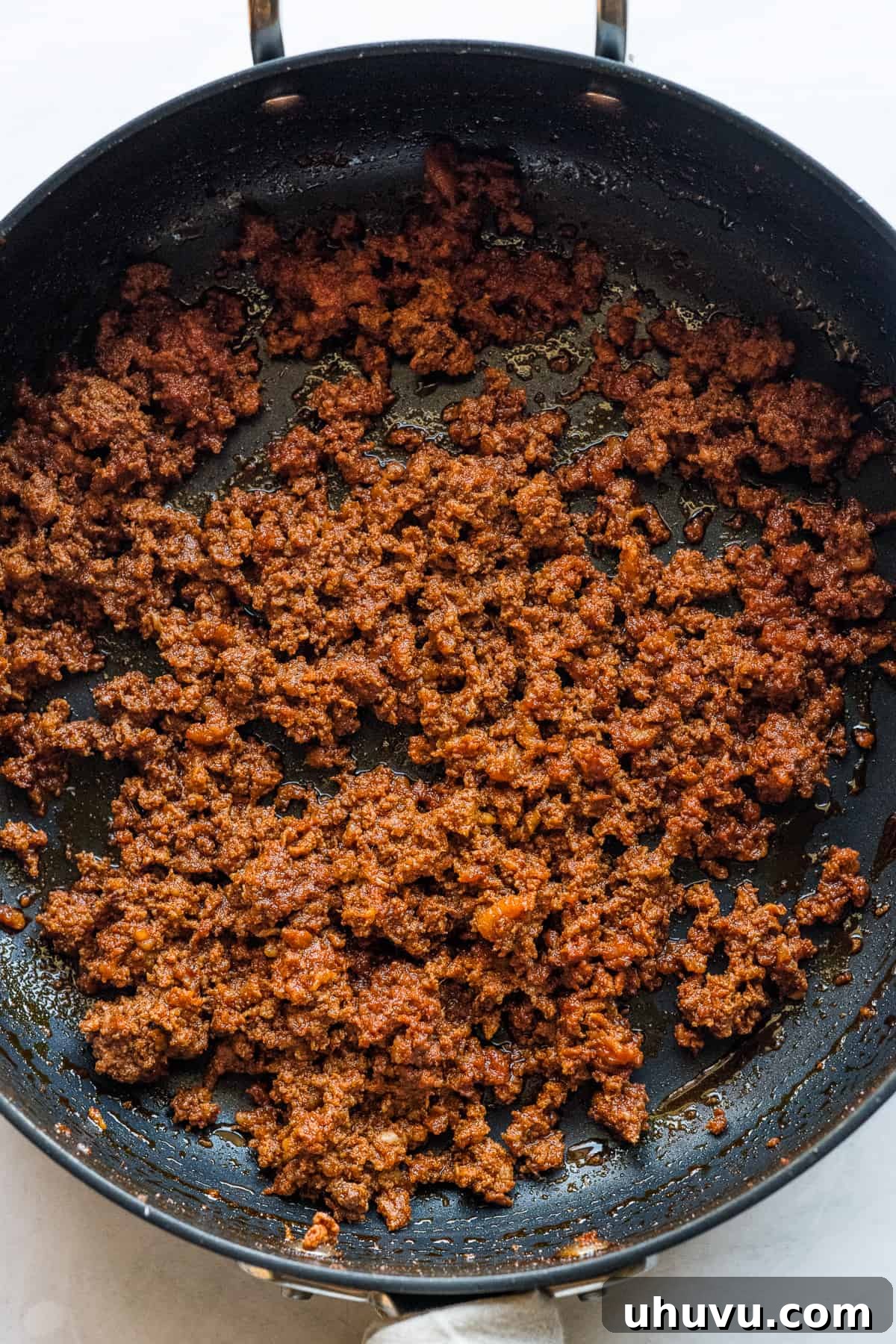
- Crumble and Cook: Add the chorizo to the hot skillet. Using a wooden spoon or a spatula, break the chorizo into small, even crumbles. Continue to cook, stirring occasionally, until the chorizo is fully browned and cooked through. This usually takes about 8-12 minutes, depending on the heat and quantity.
- Rendered Fat: As it cooks, Mexican chorizo will release a significant amount of richly colored, flavorful fat. For many dishes, this fat is integral to the flavor and texture. However, if you prefer a less fatty dish or are using it as a garnish, you can carefully drain some of the excess fat from the pan.
- Ensure Doneness: The chorizo should be evenly cooked, with no pink remaining. Its internal temperature should reach 160°F (71°C). Once cooked, it will have a texture similar to well-browned ground meat, full of robust, spicy flavor.
Tips for Success:
- Don’t Overcrowd the Pan: Cook in batches if necessary to ensure even browning and prevent the chorizo from steaming instead of frying.
- Utilize the Fat: The rendered chorizo fat is liquid gold! It’s perfect for frying eggs, cooking potatoes, or sautéing onions and peppers to accompany the chorizo.
- Pairing: Mexican chorizo is particularly delicious when cooked alongside finely diced potatoes, onions, or bell peppers, allowing their flavors to meld.
Once cooked, this versatile ingredient is ready to be the star of countless Mexican-inspired dishes, lending its unique spicy and savory notes to everything from breakfast to dinner.
Unleashing Flavor: Creative Mexican Chorizo Recipe Ideas
Mexican chorizo is a remarkably versatile ingredient, capable of elevating a wide array of dishes with its bold, complex flavors. From hearty breakfasts to sophisticated appetizers and satisfying main courses, here are some inspiring ideas to incorporate chorizo into your cooking:
- The Ultimate Mexican Breakfasts: Start your day with a kick by making classic Chorizo and Eggs, a simple yet incredibly satisfying dish where the crumbled chorizo infuses the eggs with its rich spices. Alternatively, load up Breakfast Tacos with chorizo, scrambled eggs, and your favorite toppings for a portable and flavorful meal.
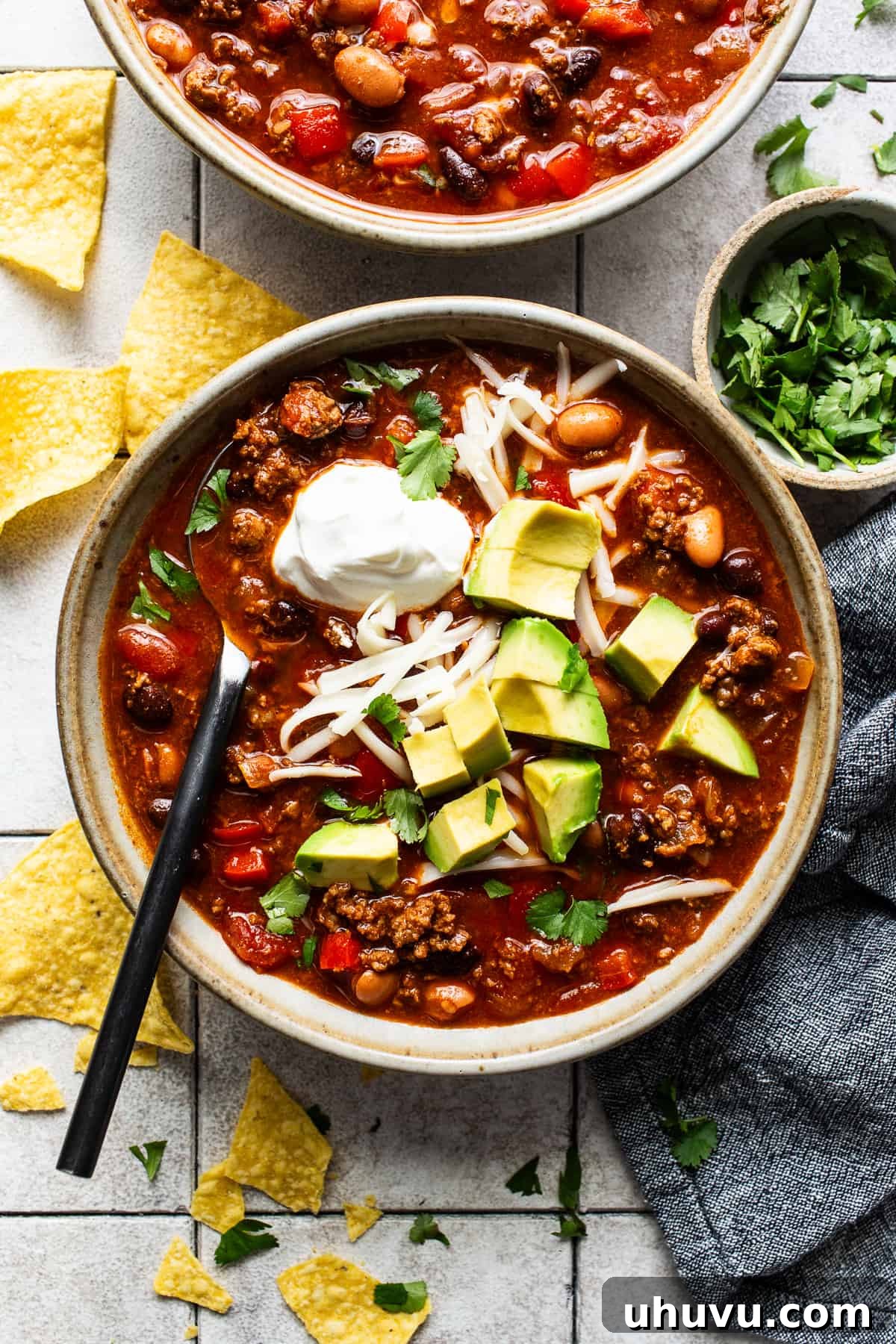
- Hearty Soups and Chilies: Warm up on a cool evening with a robust Mexican Chorizo Chili. The chorizo adds a unique depth and spiciness that transforms traditional chili into an extraordinary culinary experience.
- Crowd-Pleasing Appetizers: Elevate your party spread with Queso Fundido, a molten cheese dip generously studded with savory chorizo. Its rich flavor pairs perfectly with gooey cheese, creating an irresistible scoop for tortilla chips. For a simpler option, crumble cooked chorizo over creamy Queso Blanco.
- Simple & Satisfying Mains: Keep it delightfully simple yet packed with flavor by preparing delicious Chorizo Tacos. Just cooked chorizo, a warm tortilla, and a sprinkle of onion and cilantro are often all you need for a quick and authentic meal.
- Enriching Sides and Fillings: Incorporate chorizo into luscious Frijoles Puercos, a rich and creamy refried bean dish that gains immense character from the addition of spicy chorizo. It’s also an excellent filling for empanadas, burritos, or enchiladas.
- Flavorful Garnishes: Sprinkle crispy chorizo crumbs on top of dishes like Taco Pizza, nachos, or even baked potatoes to add an extra layer of texture and intense, spicy flavor.
Don’t be afraid to experiment! Mexican chorizo’s adaptability means it can be a fantastic addition to pasta sauces, casseroles, or even as a topping for homemade burgers. Let its bold personality inspire your next culinary creation!
Exploring Diverse Chorizo Variations for Every Palate
While traditional Mexican chorizo is most commonly made from ground pork, its popularity has led to a fascinating array of variations, allowing everyone to enjoy its distinctive spice and flavor, regardless of dietary preferences or culinary goals. Here’s a look at some popular alternatives:
- Beef Chorizo: As the next most common version, beef chorizo offers a hearty alternative to pork. It typically maintains the same vibrant spice and flavor profile but is often leaner than its pork counterpart. This can mean it renders less fat during cooking, so you might need to add a touch of oil to the pan to prevent sticking and ensure proper browning. Beef chorizo works wonderfully in tacos, burritos, and chili, providing a robust flavor with a slightly different texture.
- Homemade Chorizo: Taking the DIY approach to Mexican chorizo is incredibly rewarding and surprisingly simple. Making your own from scratch gives you complete control over the ingredients, allowing you to adjust the spice levels, fat content, and blend of chiles to suit your personal taste. Using my homemade chorizo recipe, you can ensure a fresher, less processed version, free from artificial additives, and bursting with authentic flavor. It’s also a fantastic way to experiment with different types of ground meat or even a mix of meats.
- Vegetarian/Vegan Chorizo: For those seeking a plant-based option, vegetarian chorizo has become increasingly popular. Super-firm tofu is an excellent base: simply press out any excess moisture, crumble it, and then season it heavily with the same iconic spices found in traditional chorizo (chile powders, cumin, garlic, paprika, and a touch of vinegar). Other plant-based options include crumbled tempeh, textured vegetable protein (TVP), or even hearty mushrooms and lentils, all seasoned to mimic the bold flavors. These alternatives can be used in almost any recipe calling for traditional chorizo, providing a guilt-free way to enjoy its spicy essence.
- Leaner Poultry Chorizo: Chicken or turkey chorizo offers a healthier, lower-fat option without sacrificing flavor. These versions are often made by blending ground poultry with the classic chorizo spice mix. They cook up beautifully and are perfect for those looking to reduce their fat intake while still enjoying the rich, zesty taste of chorizo in their meals, especially in scrambles, salads, or lighter tacos.
- Game Meat Chorizo: For adventurous cooks, venison or other game meats can be transformed into incredibly flavorful chorizo. The robust, sometimes slightly gamey, taste of these meats pairs exceptionally well with the strong, aromatic spices of chorizo, creating a unique and deeply satisfying sausage.
Each variation offers a unique texture and subtle flavor nuances, expanding the culinary possibilities and ensuring that the delightful experience of chorizo can be enjoyed by everyone.
Storing Your Mexican Chorizo: Freshness and Safety
Proper storage is essential to maintain the quality and ensure the safety of Mexican chorizo, whether it’s store-bought or homemade, raw or cooked.
Raw Mexican Chorizo:
- Store-Bought: Always refer to the “use by” or “expiration” date on the packaging. Unopened, it should remain fresh until this date when stored in the refrigerator. Once opened, it should be cooked within 1-2 days for optimal freshness and safety.
- Homemade: Raw homemade chorizo, prepared with fresh ingredients, can be stored in an airtight container in the refrigerator for up to 2 days. For longer storage, it freezes exceptionally well. Portion it into meal-sized quantities, wrap tightly in plastic wrap, and then place in a freezer-safe bag or container. It can be frozen for up to 3 months. Thaw thoroughly in the refrigerator before cooking.
Cooked Mexican Chorizo:
- Refrigeration: Once cooked, any leftover chorizo should be cooled quickly and then stored in an airtight container in the refrigerator. It will typically remain fresh for 3-4 days.
- Freezing Cooked Chorizo: Cooked chorizo can also be frozen. Spread it in a single layer on a baking sheet to freeze individually, then transfer the frozen crumbles to a freezer-safe bag or container. This prevents it from clumping and allows you to take out only what you need. It can be frozen for up to 2-3 months. Reheat thoroughly on the stovetop or in the microwave until piping hot.
Always practice good food safety by keeping raw chorizo separate from other foods to prevent cross-contamination, and ensure all cooked chorizo reaches an internal temperature of 160°F (71°C).
Discover More Delicious Recipes Featuring Chorizo
The culinary journey with chorizo doesn’t end here! Its versatility makes it a fantastic addition to a wide range of dishes. Explore these additional recipes to further integrate the bold flavors of Mexican chorizo into your cooking repertoire:
- Chorizo Stuffing: A unique and savory twist on traditional stuffing, perfect for holidays.
- Gorditas de Papas con Chorizo: Hearty masa pockets filled with a flavorful potato and chorizo mixture.
- Pambazos: Iconic Mexican sandwiches dipped in a guajillo chile sauce and filled with potato and chorizo.
- Albondigas Soup: Flavorful meatball soup, where chorizo can add an incredible depth to the meatballs or broth.
From its humble origins to its countless delicious applications, Mexican chorizo is more than just a sausage—it’s a flavor powerhouse that promises to add excitement and authentic zest to any meal. Embrace its versatility, experiment with its variations, and let its bold character transform your kitchen!