
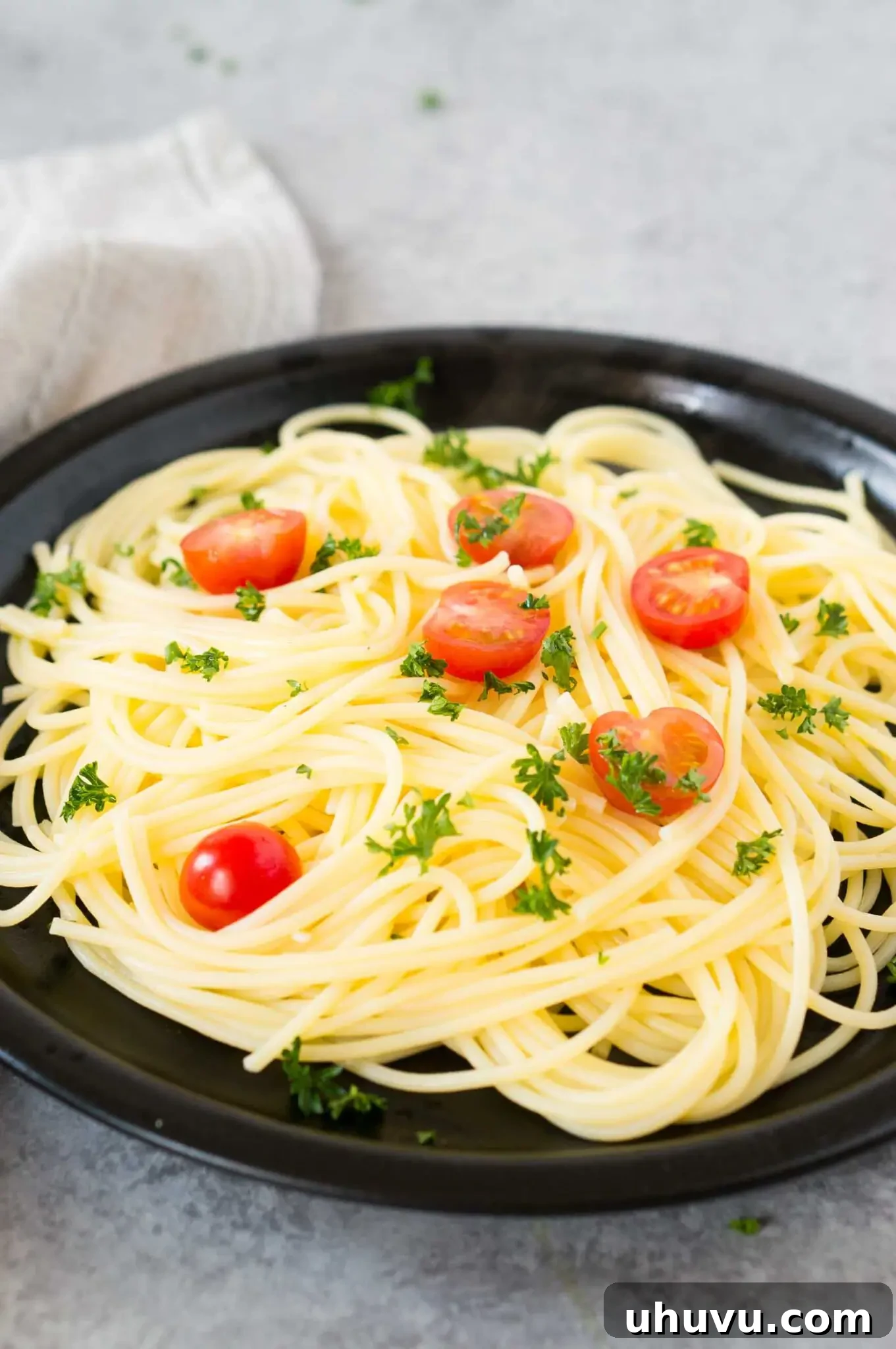
How to Cook Pasta Perfectly Every Time: Your Ultimate Guide
Unlock the culinary secrets to preparing perfectly cooked pasta, consistently achieving that ideal al dente texture. This comprehensive guide provides all the essential tips and techniques to ensure your pasta dishes are always outstanding. Whether you’re whipping up a quick and easy weeknight meal tossed in a simple homemade sauce or crafting a vibrant cold pasta salad, our foolproof method guarantees the best results when cooking dried pasta at home. Say goodbye to mushy noodles and hello to deliciously firm, flavorful pasta!
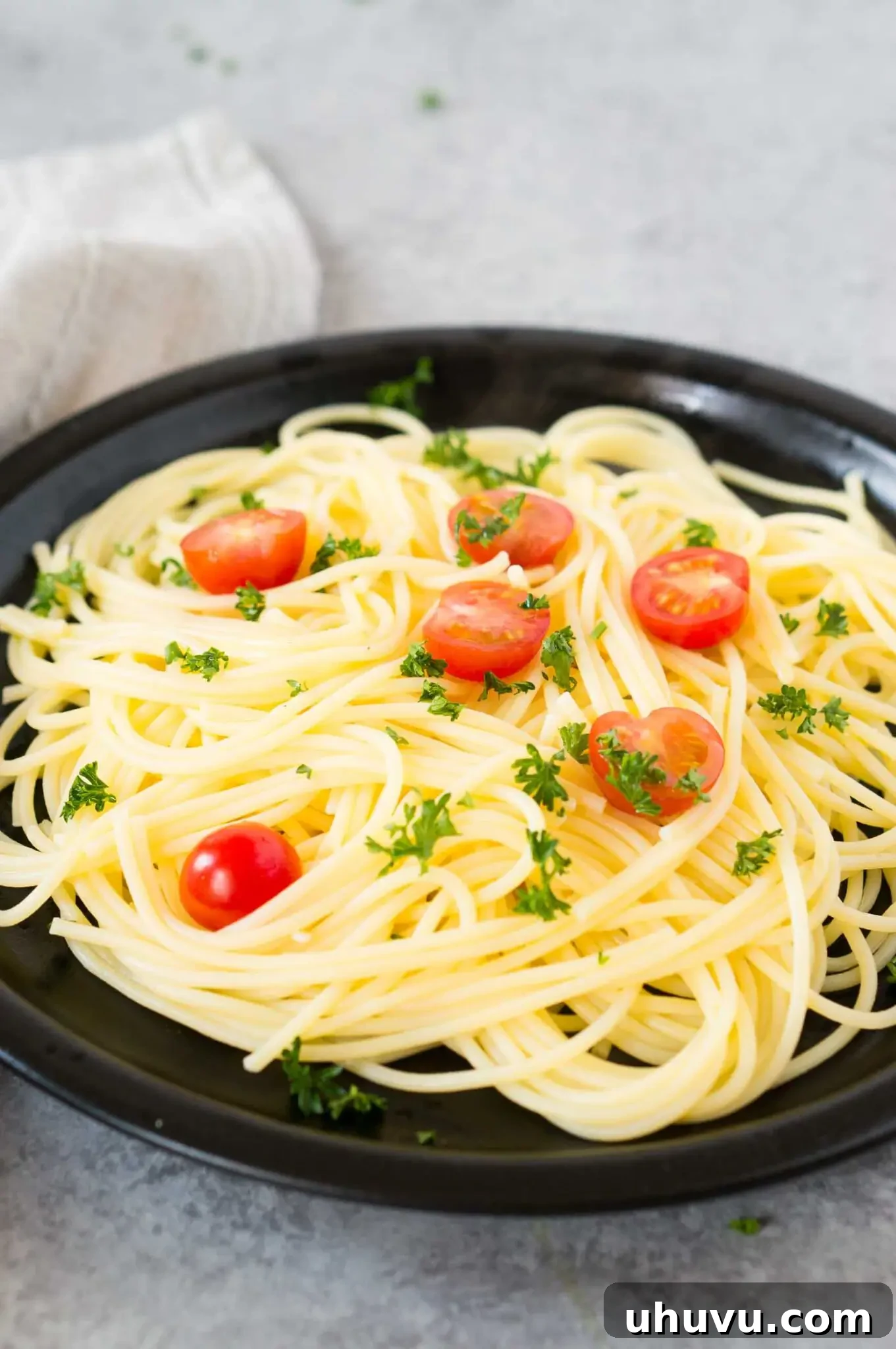
Pasta is a beloved staple found in kitchens around the globe, making an appearance on dinner tables at least once every other week for many families – and for very good reason! It serves as the ultimate go-to for those evenings when time is precious, yet the desire for a delicious, hearty meal is strong. Forget about spending hours in the kitchen; pasta offers incredible flavor and comfort, often prepared in a fraction of the time of more complicated dishes.
Eliminate the guesswork from cooking the perfect pasta with these straightforward and highly effective tips. Achieving culinary excellence with pasta is surprisingly easy once you understand the fundamental principles and apply a few simple techniques!
Further expand your culinary skills with our other essential cooking guides: Discover How to Cook Couscous Perfectly and master the art of How To Cook Quinoa Like a Pro.
Why You Will Absolutely Love This Foolproof Pasta Method!
- Incredibly Quick and Easy: In today’s fast-paced world, finding time for elaborate meals can be challenging. This pasta cooking method is specifically designed for speed and simplicity, enabling you to prepare a satisfying and delicious dinner in mere minutes without compromising on taste or quality. It’s the ideal solution for busy weeknights when you desire maximum flavor with minimal effort.
- A Guaranteed Kid-Friendly Favorite: If you have discerning palates (often affectionately referred to as picky eaters!) in your household, pasta almost always earns a unanimous vote of approval. Its naturally mild flavor and incredible versatility make it the perfect base for any favorite sauce, from rich tomato marinara to creamy cheese varieties. Prepare for clean plates as your family enjoys a meal everyone can genuinely agree on.
- Economical and Budget-Friendly: Dried pasta stands out as a fantastic, affordable kitchen staple that offers exceptional value. It provides a cost-effective way to create filling, nutritious, and wholesome meals for the entire family. Incorporating pasta into your diet is a smart choice for maintaining a well-balanced lifestyle, delivering essential carbohydrates for sustained energy without straining your budget.
- Versatile Culinary Canvas: Beyond its role in quick dinners, perfectly cooked pasta is an incredibly versatile ingredient. It serves as an excellent foundation for a wide array of dishes, including robust meat sauces, light and fresh primavera recipes, creamy Alfredo, and vibrant cold pasta salads. Its adaptability to various flavors and preparation styles makes it an indispensable component in any home cook’s repertoire.
- Consistent Al Dente Results: The most common challenge when cooking pasta is achieving that elusive ‘al dente’ texture – tender, yet with a satisfying bite. This guide completely eliminates the guesswork, offering precise instructions and expert tips to ensure your pasta is perfectly cooked every single time, significantly enhancing the overall enjoyment of your meal.
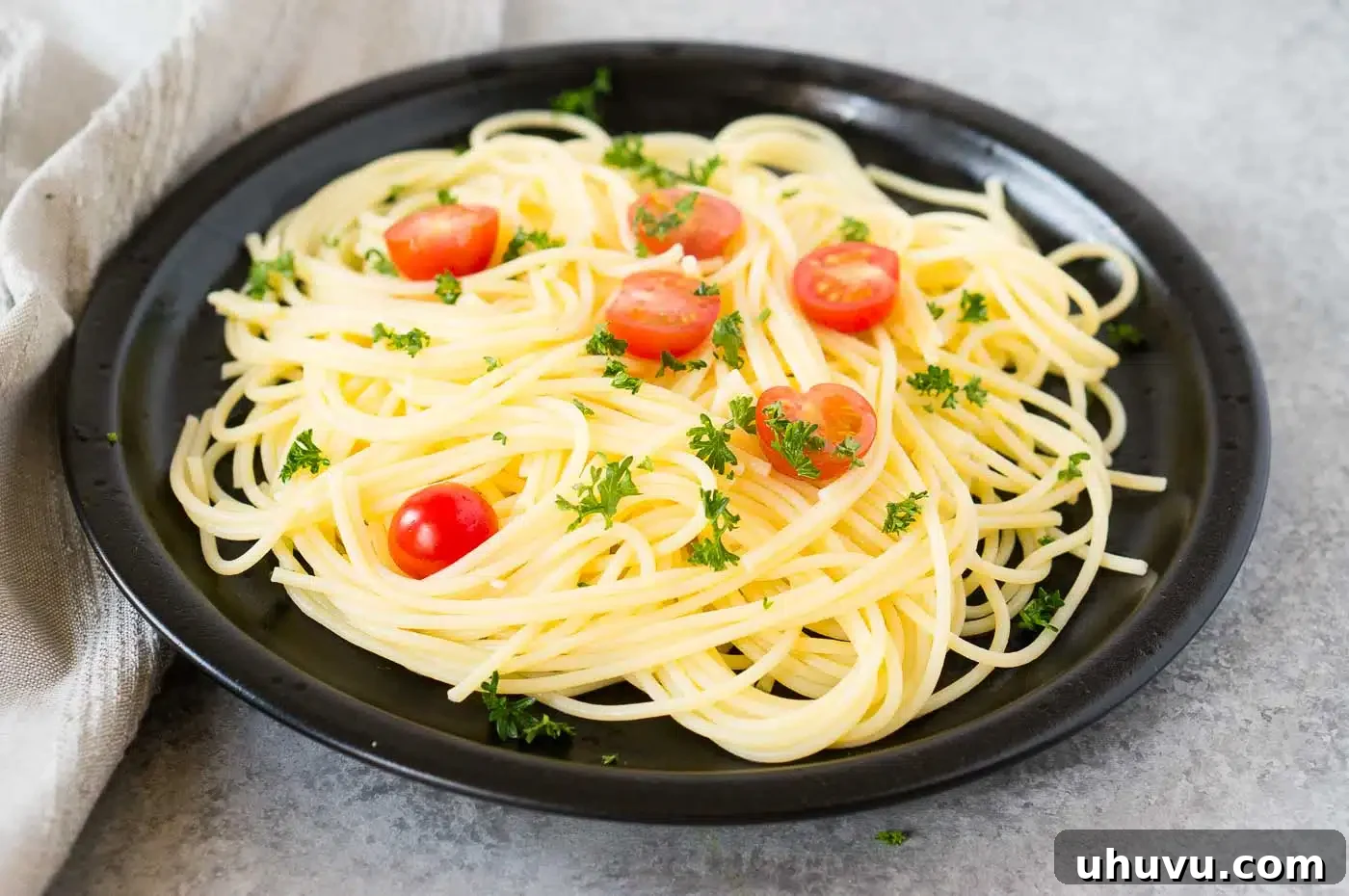
Essential Ingredients for Perfectly Cooked Pasta
Crafting outstanding pasta requires only a handful of basic ingredients. However, understanding the specific role and importance of each component is absolutely crucial for achieving success. You won’t need an extensive or complex shopping list, just these quality kitchen staples.
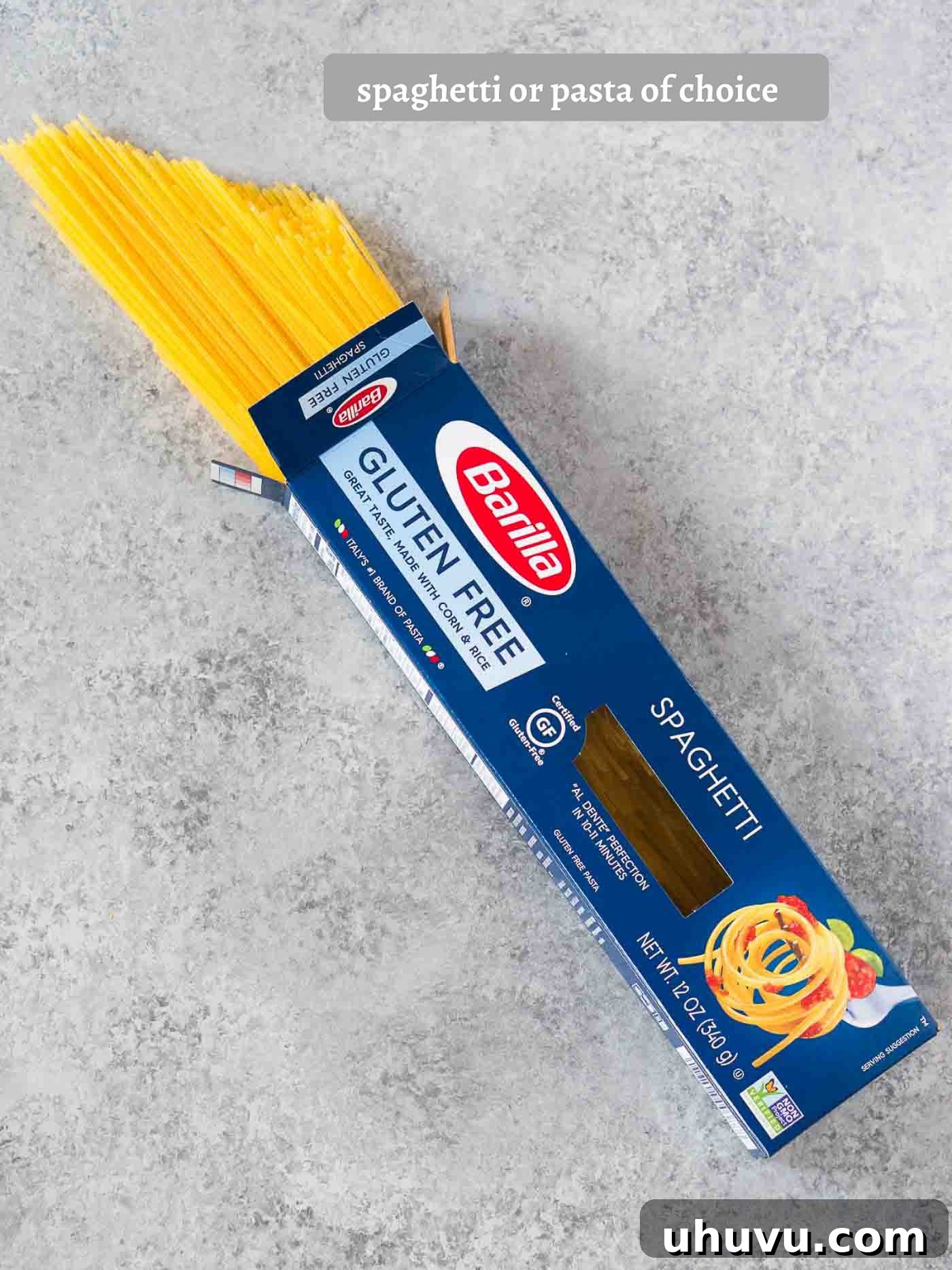
- High-Quality Dried Pasta: This is the fundamental building block of any truly great pasta dish. While fresh pasta certainly has its place and unique cooking requirements, this method is specifically optimized for dried varieties. Most common dried pasta shapes, such as fusilli, penne, spaghetti, linguine, and bow-tie (farfalle), will yield consistently excellent results when prepared with this stovetop technique. For the best texture, flavor, and structural integrity, always opt for brands made with 100% durum wheat semolina.
- Coarse Salt (Kosher or Sea Salt): The inclusion of salt in your pasta water is far more than just a flavor enhancer; it is absolutely critical for seasoning the pasta from the inside out. Adding a generous amount of salt to the boiling water infuses the pasta itself with flavor as it cooks, thereby preventing bland, unseasoned noodles. Consider it akin to seasoning a soup or broth; you would never serve unseasoned liquid, and the same principle applies to your pasta water. The salt permeates the pasta, making every bite delicious.
- Ample Water: The quantity of water used is often an underestimated but vitally important factor in achieving perfect pasta. A very generous amount of water is essential for several key reasons: it allows the pasta to cook thoroughly and evenly, prevents sticking by providing sufficient space for the noodles to move freely within the pot, and helps to maintain a consistent high boiling temperature once the pasta is added. Always ensure the water is at a vigorous, rolling boil before introducing the pasta to guarantee uniform and optimal cooking.
How To Cook Pasta Perfectly: A Step-by-Step Guide
Follow these precise and easy-to-understand steps to consistently achieve perfectly al dente pasta every single time, whether you’re preparing it for a hot sauced dish or a refreshing cold salad.
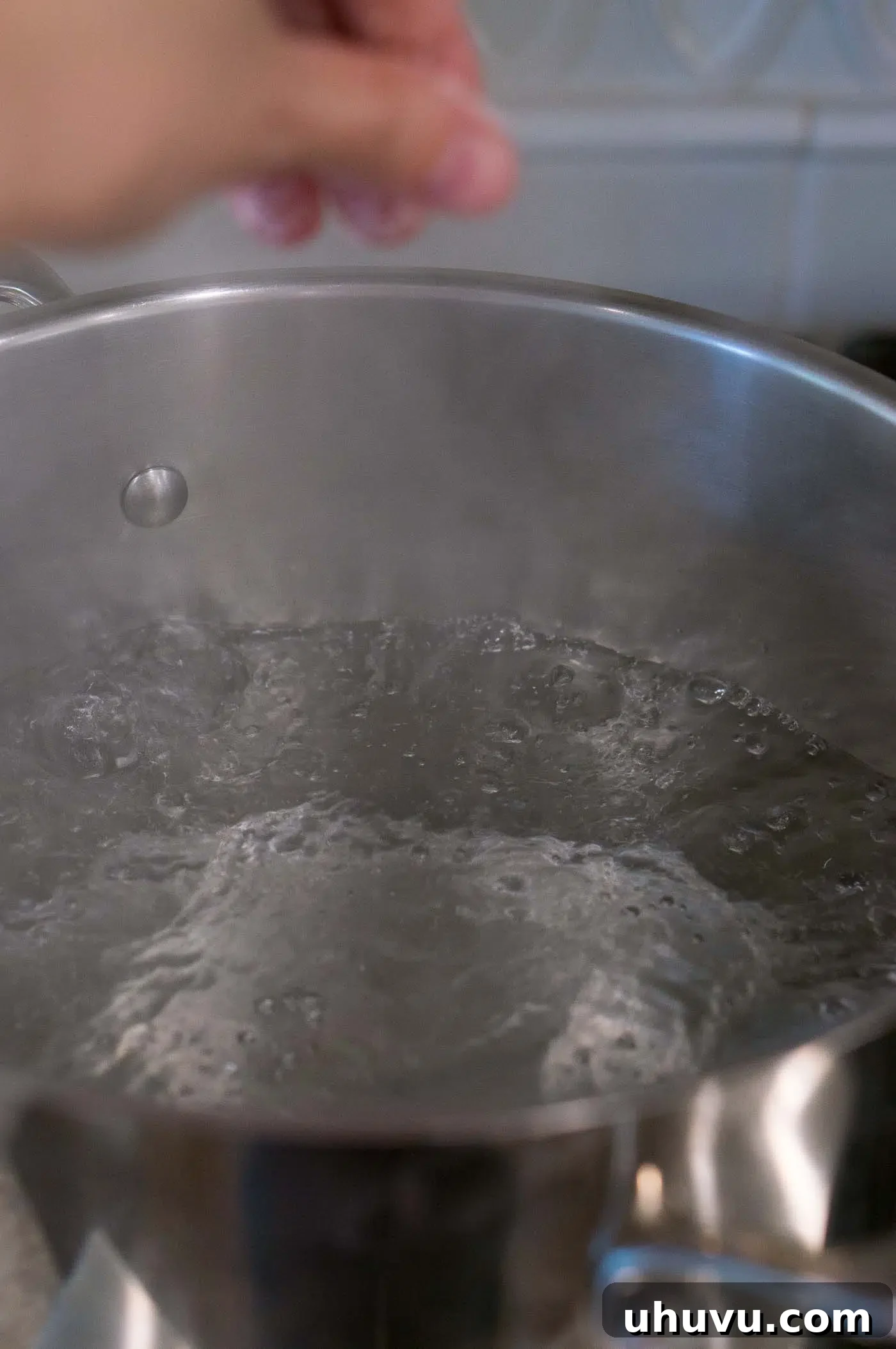
- Bring Water to a Rolling Boil & Season: Begin by filling a very large pot with an ample amount of water, ideally at least 5 quarts (or approximately 4.7 liters) for every pound of pasta you plan to cook. Place the pot over high heat and bring the water to a vigorous, rolling boil – the kind with large, active bubbles that don’t stop when stirred. Once this intense boil is achieved, add approximately 1 tablespoon of coarse kosher or sea salt per 5 quarts of water. Stir the salt into the boiling water until it completely dissolves. This crucial step is not just about taste; it ensures your pasta is seasoned from the inside out as it absorbs the water.
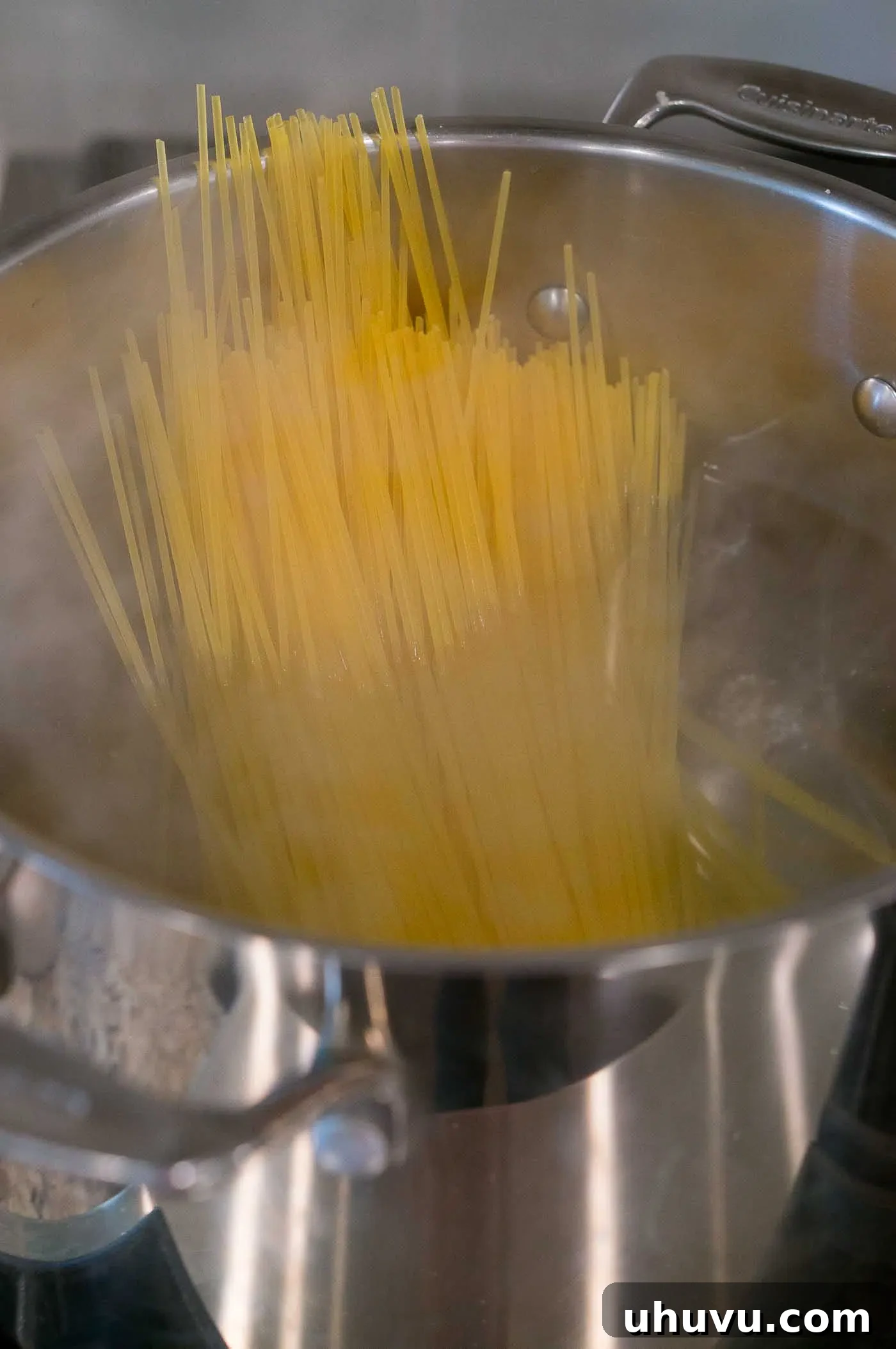
- Add Pasta and Stir Promptly: Once the salt is fully dissolved and the water returns to a vigorous, rolling boil, carefully add your dried pasta to the pot. Immediately after adding, give the pasta a few vigorous stirs with a wooden spoon or tongs. This initial agitation is absolutely vital for preventing the individual noodles from clumping together and sticking to the bottom of the pot, especially important for longer shapes like spaghetti or linguine. Continue stirring for the first minute or two of cooking.
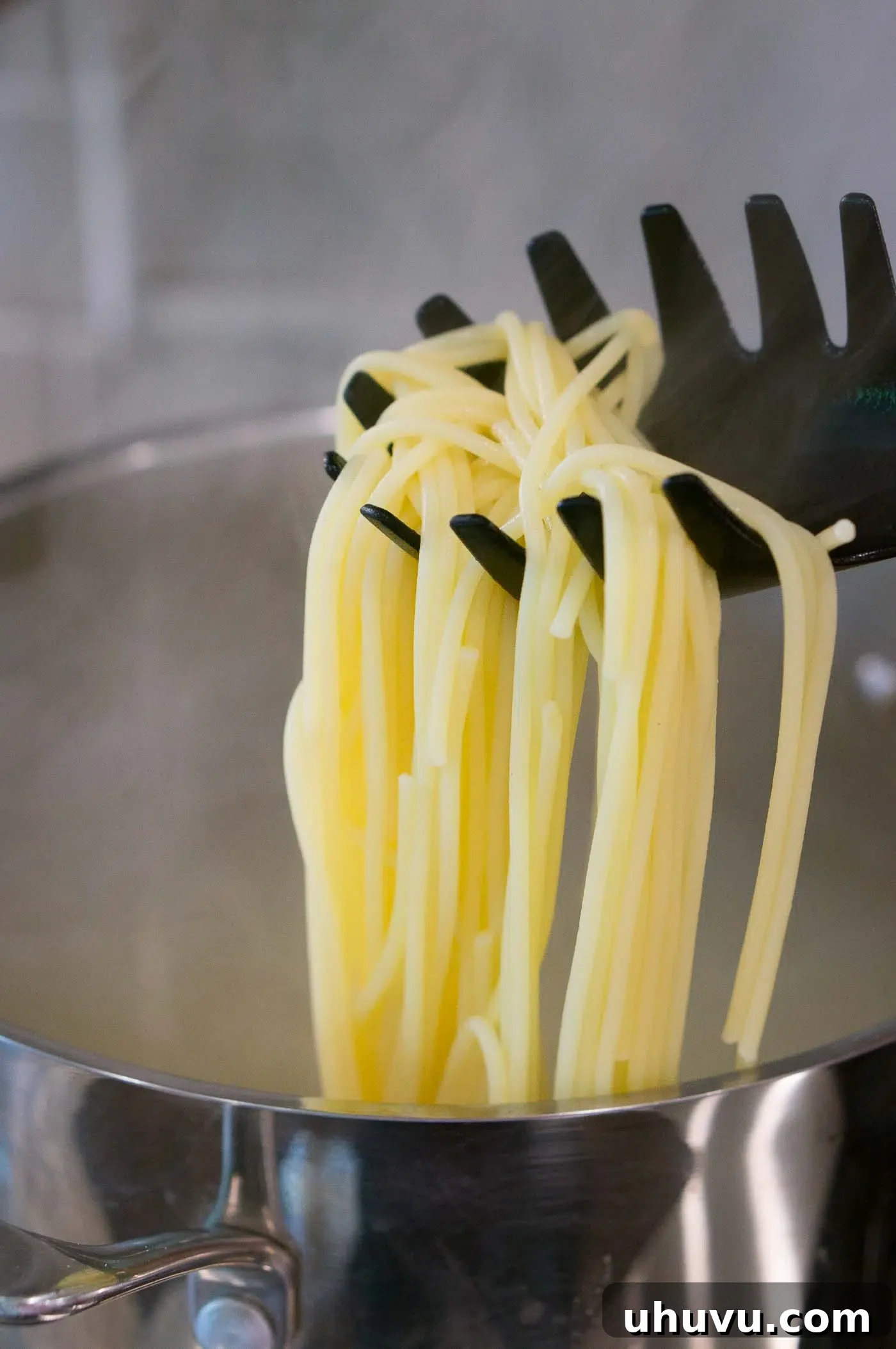
- Boil to Al Dente & Conduct a Taste Test: Cook the pasta according to the package directions, but always use the suggested cooking time as a guideline rather than a strict rule. Stir the pasta occasionally throughout the cooking process to ensure even cooking and prevent any further sticking. Begin tasting the pasta approximately 2 to 3 minutes before the recommended cooking time on the package is expected to be up. The pasta is considered “al dente” (an Italian term meaning “to the tooth”) when it is tender and cooked through, yet still retains a slight, pleasant firmness and chewiness in the very center. It should not be hard or raw, nor should it be soft and mushy. Avoid overcooking, as pasta will continue to cook slightly even after it’s drained, and again when it’s incorporated into a hot sauce.
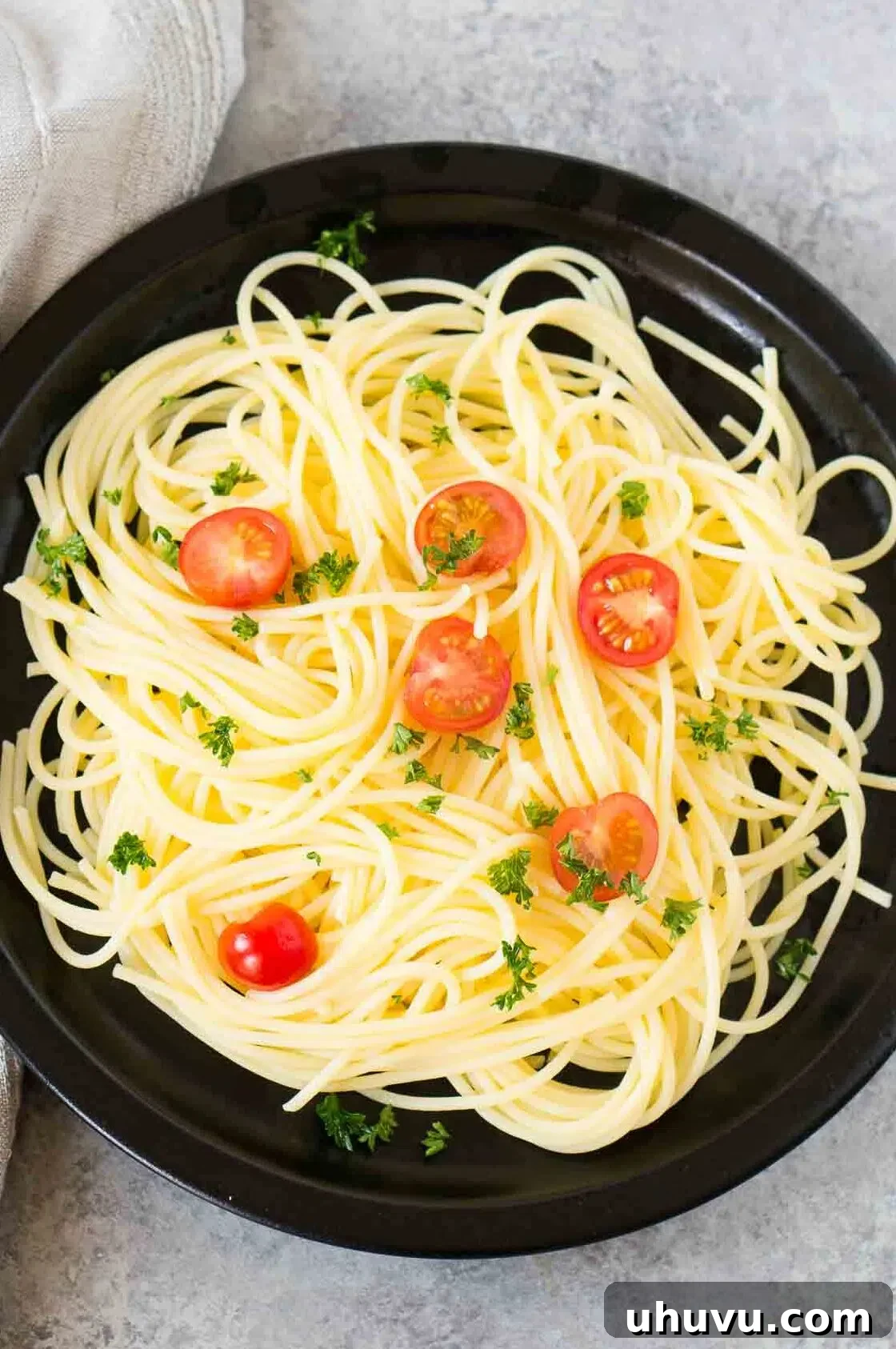
- Reserve Water, Drain & Serve Immediately: Before you proceed to drain the pasta, make sure to reserve about ½ to 1 cup of the starchy pasta cooking water. This liquid, often referred to as “liquid gold,” is incredibly useful for adjusting the consistency of your sauce and helping it to emulsify and cling beautifully to the pasta. Then, drain the pasta using a colander. For hot pasta dishes that will be immediately sauced, **do not rinse the pasta**. Gently toss the hot pasta directly with your desired sauce and serve right away for the best experience.
- For Cold Pasta Salads: If your culinary intention is to use the pasta in a cold salad or another chilled dish, a slightly different approach is required. Transfer the drained pasta to a colander and rinse it thoroughly under cold running water for approximately one minute, stirring it constantly as you do so. This rapid rinsing quickly stops the cooking process and cools the pasta down, which is essential to prevent it from clumping and becoming mushy as it cools. For an added layer of protection against sticking in cold preparations, you can lightly toss the rinsed pasta with a tiny drizzle of olive oil.
Expert Advice from Neli’s Kitchen for Perfect Pasta
Expert Tips for The Perfect Pasta Texture and Flavor
Mastering the art of cooking pasta isn’t nearly as complicated as it might seem. By diligently following these expert tips, your pasta will consistently emerge with an ideal texture and be infused with incredible flavor, truly perfect every single time!
- The Golden Water-to-Pasta Ratio: Esteemed Italian chefs and culinary traditions universally recommend adhering to a ratio of 5 quarts (approximately 4.7 liters) of water for every pound (about 450 grams) of dried pasta. This generous quantity of water is absolutely crucial for several reasons: it ensures that the pasta has ample space to move freely and circulate, thereby preventing strands or pieces from sticking together, and it allows the pasta to cook thoroughly and evenly without a significant drop in water temperature. Think of it as providing a spacious swimming pool for your pasta – plenty of room for a good, consistent cook!
- Always Start with a Rolling Boil: This tip is non-negotiable for superior pasta. Never, under any circumstances, add pasta to cold water or water that is merely simmering. The water must be at a vigorous, rolling boil before you introduce the pasta. Starting in cold water causes the pasta to sit and absorb liquid for an extended period before the actual cooking process begins, inevitably leading to a gummy, soft, and unevenly cooked texture. A rapid, rolling boil ensures that the pasta begins cooking immediately and uniformly, resulting in that coveted al dente bite.
- Do NOT Skip the Salt!: This is arguably the single most important piece of advice for flavorful pasta. Your pasta water should taste noticeably salty, much like the sea itself. My personal rule of thumb is to add at least 1 tablespoon of coarse salt (such as kosher salt or sea salt) for every 5 quarts of water. The pasta absorbs this salted water as it cooks, infusing every strand with flavor from the inside out. Without adequate salt, even perfectly textured pasta will taste bland and uninspired, regardless of how delicious your sauce is.
- Initial Stirring is Key: As soon as you add the pasta to the vigorously boiling water, immediately give it a good, enthusiastic stir for the first minute or two. This constant initial agitation is vital for preventing individual strands or pieces from clumping together and sticking to each other or to the bottom of the pot. This is particularly crucial for longer pasta shapes like spaghetti, linguine, or fettuccine, which are prone to sticking.
- Taste Early and Often to Achieve Al Dente: Relying solely on the package cooking time is a common mistake. Instead, take an active role in the cooking process: begin tasting your pasta at least two to three minutes *before* the time printed on the packaging suggests it will be done. Continue tasting every minute or so until you reach that perfect “al dente” texture – tender throughout, yet with a slight, pleasant resistance or bite in the center. This vigilance prevents frustratingly overcooked, mushy pasta.
- Prioritize Al Dente Cooking: Cooking pasta al dente is paramount for both texture and taste. If you overcook it, the pasta will not only turn soft and mushy, but it will also continue to cook further once drained from the hot water and again when tossed with a warm sauce. Aim for that perfect bite, ensuring your pasta retains its structural integrity and delightful chewiness, which makes a world of difference in the final dish.
- Embrace Starchy Pasta Water for Sauce: To achieve a truly restaurant-quality sauce that clings beautifully to your pasta, avoid adding oil to the boiling water (as it’s largely ineffective and can hinder sauce adhesion) and do not rinse the pasta after draining (unless preparing cold salads). Instead, before draining your pasta, make sure to reserve about half a cup to a full cup of the starchy pasta cooking water. The natural starch in this water acts as a powerful emulsifier, helping your sauce to seamlessly meld with the pasta and create a richer, more cohesive, and glossy dish.
- Rinsing for Cold Dishes: When you are specifically preparing pasta for salads or other cold dishes, rinsing it with cool water is indeed the recommended practice. This action immediately halts the cooking process, which is crucial for preventing the pasta from becoming overly soft or mushy as it cools. For an added layer of insurance against any sticking in cold preparations, a light drizzle of olive oil can be tossed with the rinsed pasta to keep the strands separate and prevent clumping.
- Choose the Right Pot: Always use a pot that is large enough to comfortably accommodate the recommended water-to-pasta ratio. A cramped pot leads to several issues: a significant drop in water temperature when pasta is added, resulting in uneven cooking, and a much higher chance of the pasta sticking together.
- Don’t Break Long Pasta: While it might be tempting to break long pasta strands like spaghetti or fettuccine to fit them into the pot, resist the urge. Allow them to soften in the boiling water for a minute or two, then gently push them down into the pot with a wooden spoon or tongs until they are fully submerged. Breaking them can alter their traditional eating experience and intended presentation.
- Fresh vs. Dried Pasta: It’s important to remember that this guide primarily focuses on cooking dried pasta. Fresh pasta, whether homemade or store-bought, cooks significantly faster due to its higher moisture content and different preparation. Often, fresh pasta will only require 1 to 4 minutes of cooking time and may need slightly less salt in the water. Always follow specific instructions for fresh pasta types.
Delicious Ways to Enjoy Your Perfectly Cooked Pasta: Favorite Recipes
Now that you’ve thoroughly mastered the art of cooking pasta to perfection, it’s time to put your newly acquired skills to delicious use! Here are some of my all-time favorite pasta recipes that will perfectly showcase your expertly prepared noodles and elevate your dining experience:
- Hearty Instant Pot Bolognese Sauce (An incredibly rich and satisfying sauce, ideal for pairing with spaghetti or any preferred pasta shape)
- Classic Italian Meatballs (Absolutely fantastic and flavorful when served generously atop a bed of perfectly cooked pasta)
- Flavorful Chicken Pesto Pasta (A light, fresh, yet incredibly satisfying meal that comes together quickly)
- Vibrant Italian Pasta Salad (Perfect for summer picnics, potlucks, or as a refreshing and zesty side dish)
- Quick & Easy Tuna Pasta Salad (A delicious, wholesome, and budget-friendly option for a light lunch or dinner)
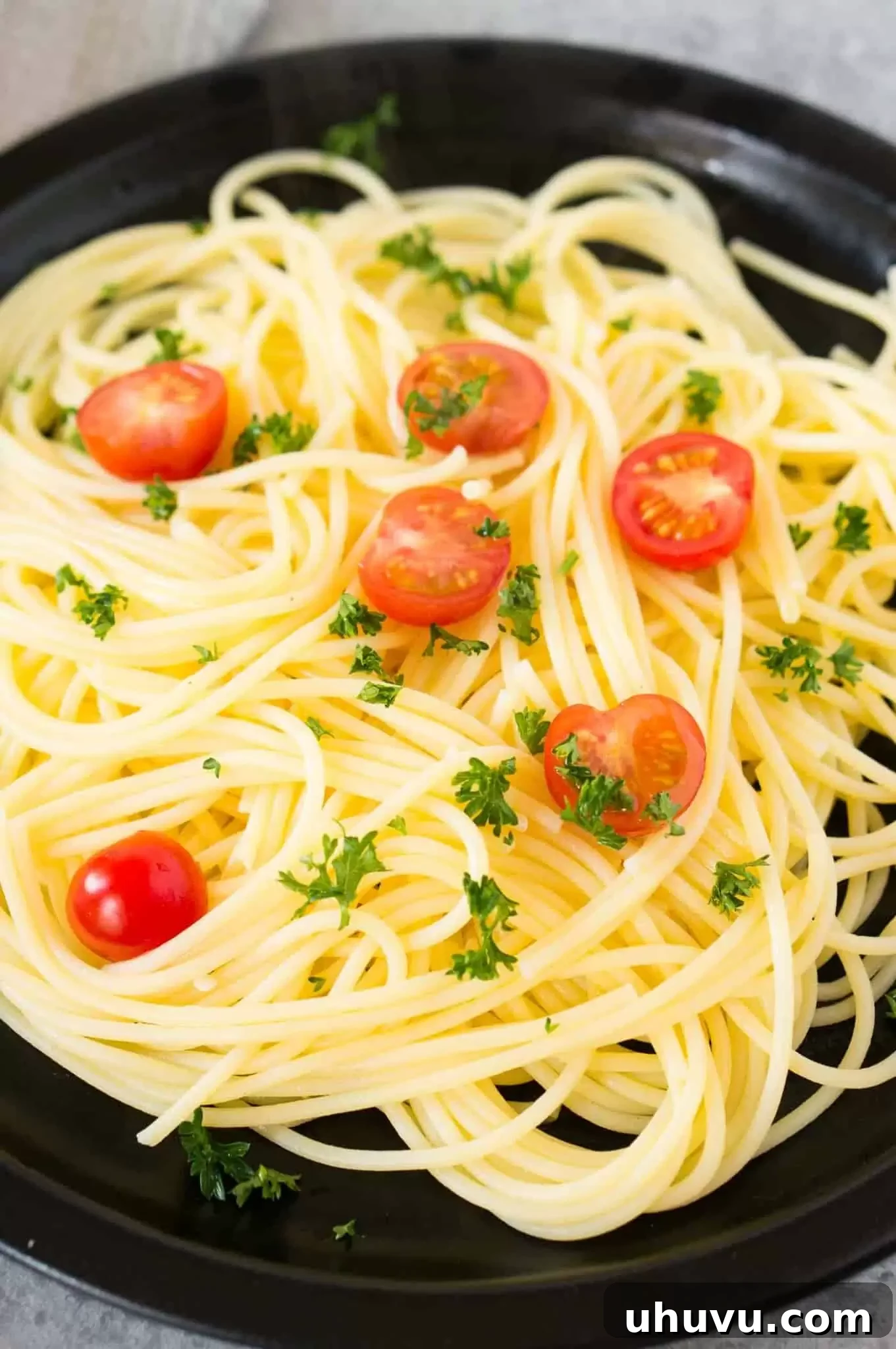
Frequently Asked Questions About Cooking Pasta
“Al dente” is an Italian phrase that literally translates to “to the tooth,” and it describes the quintessential ideal texture for cooked pasta. When pasta is al dente, it is tender and fully cooked yet still firm and offers a slight, pleasant resistance or chewiness when bitten. It should never feel hard or raw, nor should it be soft and mushy. This texture is paramount for several compelling reasons: it provides the best and most enjoyable eating experience, preventing the pasta from becoming a unappetizing, sticky mass. Furthermore, al dente pasta possesses a superior mouthfeel and crucially allows sauces to cling more effectively to its surface, as overcooked pasta tends to be too slippery. To accurately test for al dente, begin tasting the pasta a couple of minutes before the package’s suggested cooking time. If it’s tender enough to chew comfortably but still contains a firm core, you’ve achieved al dente perfection. Overcooking leads to excessive starch release, resulting in a sticky texture and a significant loss of nutritional properties.
A widely accepted and practical rule of thumb for a single serving of pasta, particularly when it serves as the main component of a meal, is approximately two ounces (or about 56 grams) of dry pasta. This amount typically yields about one cup of cooked pasta after preparation. For a broader perspective, a standard one-pound (16 oz or 450g) package of dry pasta will generally make around 8 adult-sized servings. It’s important to remember that individual serving sizes can vary based on personal appetites, whether the pasta is intended as a main course or a lighter side dish, and the richness or heartiness of the accompanying sauce. If you’re preparing a very light sauce or a robust, filling one, you might slightly adjust the quantity. As a general principle, it’s often better to cook a little extra than to find yourself running short!
Cooked pasta, when stored correctly, can remain fresh and safe to eat for several days in the refrigerator. After cooking, it is crucial to drain the pasta thoroughly and allow it to cool completely to room temperature before transferring it to an airtight container. Storing it in an airtight container in the fridge will keep it fresh for approximately 3 to 5 days. To reheat cooked pasta, you have a couple of options: you can either toss it directly into a hot sauce to warm it through gently, or you can warm it in a microwave with a splash of water or broth to prevent it from drying out. Properly stored cooked pasta is also excellent for preparing cold dishes like pasta salads within this recommended timeframe.
While the fundamental principles of boiling and salting water remain consistent across most pasta types, this guide is specifically optimized for dried pasta. Fresh pasta, whether it’s homemade or store-bought (such as ravioli, tortellini, or fresh fettuccine), cooks significantly faster due to its higher moisture content and softer texture. Depending on its thickness and specific type, fresh pasta typically requires only about 1 to 4 minutes of cooking time. It is always best to refer to the package instructions for fresh pasta for the most accurate and precise cooking times. Overcooking fresh pasta is even easier than dried, so a watchful eye and timely tasting are absolutely essential to prevent it from turning gummy.
Traditional pasta, typically made from wheat flour (specifically durum wheat semolina), contains gluten. Therefore, it is inherently not suitable for individuals with celiac disease or gluten intolerance. However, the excellent news for those with dietary restrictions is that the market now offers a wide and diverse array of high-quality gluten-free dried pasta options, making it accessible for virtually everyone to enjoy delicious pasta dishes. The general cooking method (boiling in generously salted water) largely remains the same for gluten-free pasta, though specific cooking times may vary slightly between brands and types, so always consult the package directions. Some popular, delicious, and widely available gluten-free pasta varieties include corn pasta, brown rice pasta, chickpea pasta, quinoa pasta, lentil pasta, and black bean pasta. These alternatives often bring unique flavors, textures, and additional nutritional benefits to your plate.
For hot pasta dishes that are intended to be tossed with a sauce immediately after cooking, you should absolutely *not* rinse your pasta after draining. Rinsing removes the thin, starchy layer that naturally develops on the pasta’s surface during the cooking process. This starchy coating is critically important because it acts as a binder, helping the sauce adhere perfectly and beautifully to the noodles, thereby creating a cohesive and intensely flavorful dish. Rinsing also has the undesirable effect of cooling the pasta down, which is not ideal for hot preparations. The only legitimate exception to this crucial rule is when you are preparing pasta specifically for a cold salad, where rinsing helps to rapidly stop the cooking process and prevents the pasta from sticking together as it cools.
It is a very common culinary misconception that adding oil to pasta water helps prevent sticking. In reality, adding oil to vigorously boiling pasta water is generally unnecessary and, for hot pasta dishes, can actually be detrimental. Oil, being less dense than water, simply floats on top and does not effectively mix with the boiling water, meaning it won’t genuinely prevent the pasta from sticking while cooking (a good initial stir and ample water are far more effective for this). More importantly, when you drain the pasta, the oil can coat the noodles, creating an oily barrier that tragically prevents your delicious sauce from properly adhering and melding with the pasta. The only appropriate time a small amount of olive oil is beneficial is when you are preparing pasta for a cold salad, *after* it has been rinsed with cold water, to help keep the individual strands separate and prevent clumping.
More Culinary Resources and Cooking Basics:
Continue your journey to becoming a confident and skilled home chef with these other helpful cooking guides and essential culinary resources:
- How to Mince Ginger Like a Pro
- The Easiest Way to Peel Tomatoes
- How To Cook Fluffy Rice Every Time
- How To Cook Perfect Lentils
We sincerely hope you found this Ultimate Guide on How To Cook Pasta Perfectly to be incredibly valuable and inspiring! If you enjoyed this detailed guide or any other recipe on my blog, please take a moment to leave a ⭐ star rating and kindly share your cooking experience in the 📝 comments section below. Your feedback is greatly appreciated and helps others discover these useful tips!
Loved this guide? Pin it now to save for later!
Pin It
How To Cook Pasta: Recipe Card
Neli Howard
Learn Neli’s top tips to cook pasta perfectly al dente every time. This simple and foolproof method works for all dried pasta shapes, guaranteeing excellent texture whether used in a quick weeknight sauce or a refreshing cold pasta salad.
Prep Time: 5 minutes
Cook Time: 10 minutes
Total Time: 15 minutes
Servings: 6 servings
Ingredients
- 5 quarts water
- 1 Tablespoon kosher salt
- 1 pound dried pasta (such as spaghetti, penne, fusilli)
Instructions
- Fill a large pot with at least 5 quarts of water and bring it to a full, rolling boil over high heat. Stir in the salt until it is completely dissolved.
- Carefully add the dried pasta to the vigorously boiling water. Immediately stir the pasta several times to prevent the noodles from sticking together or to the bottom of the pot.
- Boil the pasta according to the package directions, stirring occasionally. Begin tasting the pasta approximately 2 minutes before the suggested cooking time to check for al dente. Pasta is al dente when it is tender but still slightly firm and chewy in the middle.
- Before draining, reserve about ½ to 1 cup of the starchy pasta cooking water. This can be used to adjust the consistency of your sauce. Drain the pasta using a colander and immediately toss it with your desired sauce for hot dishes.
- If using the pasta for a cold salad, transfer it to a colander and rinse thoroughly with cold water for about 1 minute, stirring constantly until it cools down. This stops the cooking process and prevents sticking.
Notes
- The ideal ratio for cooking pasta is 5 quarts of water for every pound of pasta, following the Italian “golden rule.” This ensures proper movement and even cooking.
- Always add pasta to a rolling boil; never cold water, to prevent mushiness and uneven texture.
- Salt the water generously – it should taste like the sea. This seasons the pasta from within and is crucial for flavor.
- Stir the pasta immediately after adding it to prevent sticking.
- Taste early and often to ensure you hit the perfect al dente texture. Overcooked pasta will be mushy and can continue cooking even after draining.
- For hot dishes, don’t rinse pasta and avoid adding oil to the boiling water, as this can prevent sauce from clinging. Reserve some starchy pasta water to help emulsify your sauce.
- For cold pasta salads, rinsing with cold water is recommended to stop cooking. A light drizzle of olive oil can prevent sticking once cooled.
Nutrition
Calories: 280 kcal | Carbohydrates: 56 g | Protein: 10 g | Fat: 1 g | Saturated Fat: 1 g | Polyunsaturated Fat: 1 g | Monounsaturated Fat: 1 g | Sodium: 1199 mg | Potassium: 169 mg | Fiber: 2 g | Sugar: 2 g | Calcium: 36 mg | Iron: 1 mg
Nutrition Disclaimer: Nutritional values are estimates and may vary with ingredients, brands, and portion sizes. For accuracy, use your preferred nutrition calculator.