
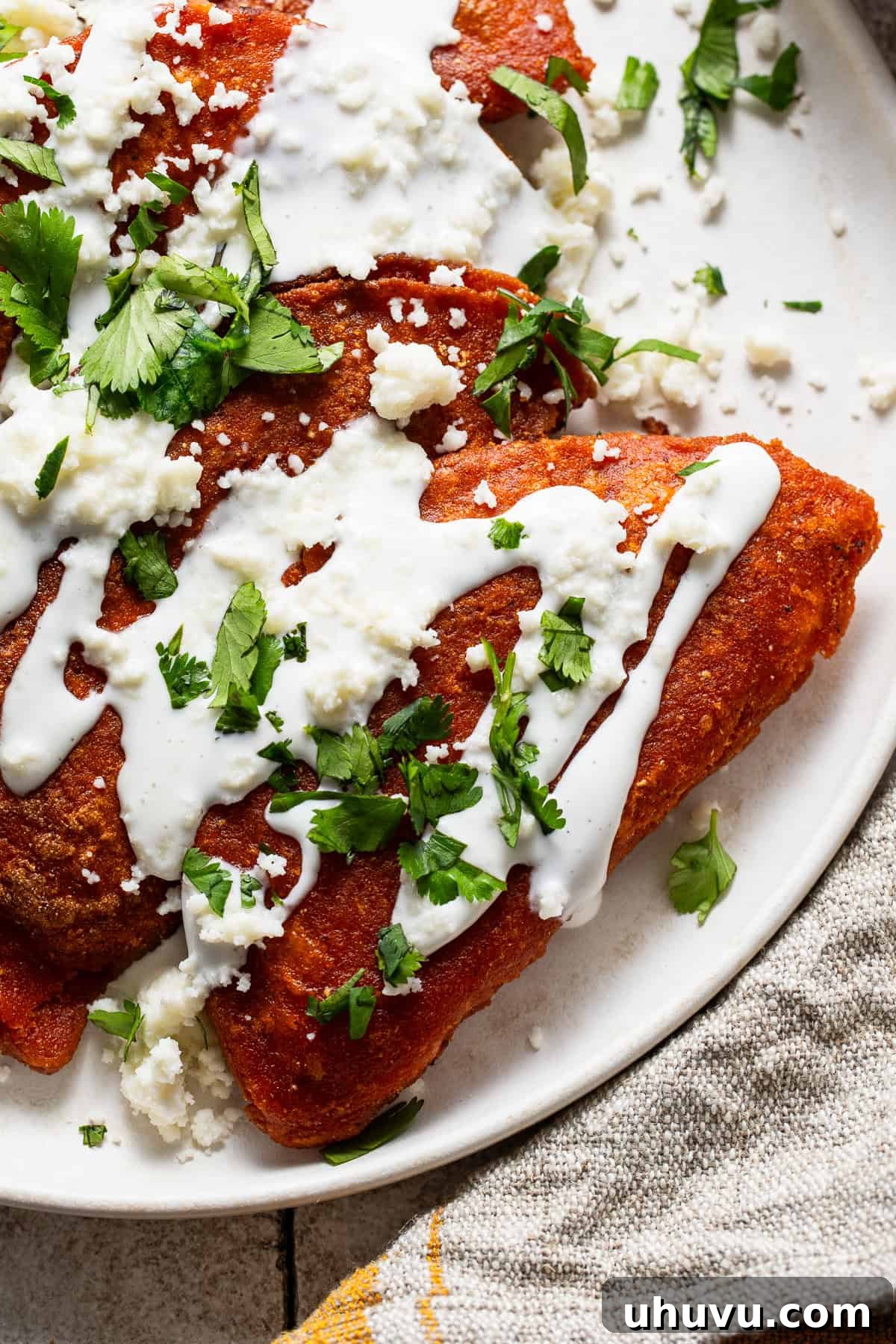
Enchiladas Potosinas are a culinary gem from San Luis Potosí, Mexico. Unlike their more common counterparts, these traditional Mexican enchiladas feature a distinct chile-infused masa dough, generously filled with crumbly queso fresco and a vibrant salsa, then lightly fried to a golden, crisp perfection. They offer a unique texture and a rich, subtle smoky flavor that distinguishes them from sauced enchiladas.
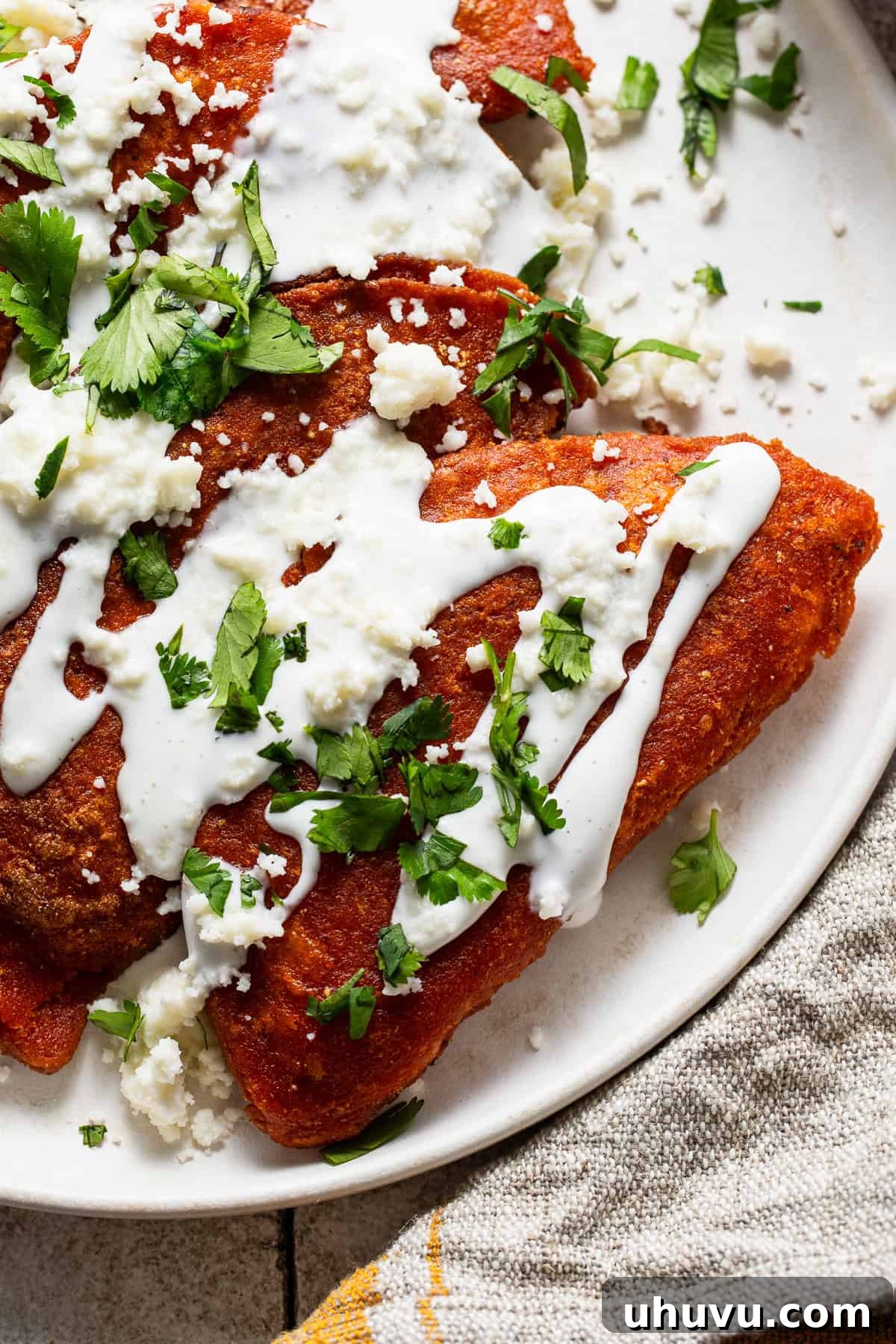
A Culinary Journey with Isabel

For many, the word “enchilada” conjures images of corn tortillas dipped in a rich sauce, then filled and baked or lightly fried, much like my classic red chicken enchiladas. However, preparing Enchiladas Potosinas is a profoundly different and utterly delightful experience that promises to broaden your understanding of this beloved Mexican dish.
What truly sets Enchiladas Potosinas apart is the ingenious method of incorporating flavor directly into the foundation of the dish. Instead of pouring sauce over the outside, a vibrant puree of dried guajillo chiles is kneaded directly into the masa dough. This innovative technique not only imparts a stunning reddish-orange hue to the tortillas but also infuses them with a deep, earthy, and subtly smoky flavor that permeates every bite. The dough, now a canvas of rich taste and color, is then filled with a simple yet exquisite combination of crumbled queso fresco and a fresh tomato-jalapeño salsa. Each enchilada is carefully folded, traditionally cooked on a hot comal to set its shape, and finally, shallow-fried until its edges achieve a desirable golden crispness.
Originating from the sun-drenched region of San Luis Potosí, these enchiladas are more than just a meal; they are a cherished culinary tradition, reflecting the ingenuity and vibrant flavors of regional Mexican cuisine. Once you taste their distinctive charm, characterized by the tender, chile-infused masa and the delightful contrast of creamy cheese and fresh salsa, you will undoubtedly understand why they are held in such high regard by those who know and love authentic Mexican food.
What Are Enchiladas Potosinas? A Taste of San Luis Potosí
Enchiladas Potosinas are a celebrated regional Mexican dish, hailing specifically from the state of San Luis Potosí. Their defining characteristic, which makes them truly unique among the diverse world of enchiladas, is that the rich chile flavor is not applied as a topping or a dip after the tortillas are made. Instead, the aromatic chile sauce is skillfully blended directly into the corn masa dough itself. This fundamental difference results in a dish that offers a more integrated and profound flavor experience.
The outcome is a wonderfully flavorful and tender corn dough, imbued with a subtle smoky taste and its signature, appetizing red tint. This vibrant color and depth of flavor come predominantly from guajillo chiles, which are known for their mild heat and fruity undertones. Typically, these unique enchiladas are filled with a generous amount of crumbled Mexican cheese, most often queso fresco, along with a fresh, zesty salsa. The preparation is completed with an array of fresh toppings, including a drizzle of Mexican crema, crisp shredded lettuce, more crumbled queso fresco, additional salsa, and a sprinkle of fresh cilantro. These garnishes not only add layers of texture but also balance the richness of the enchiladas with their refreshing qualities.
Unlike many other enchilada varieties that are often drenched in copious amounts of sauce, Enchiladas Potosinas are deliberately less saucy. The focus here shifts to the intricate flavors and textures inherent in the masa itself, offering a more nuanced and satisfying bite where the integrity of the corn dough shines through. Each enchilada delivers a delightful combination of soft, flavorful masa with a slightly crisp exterior from frying, complemented by the savory filling and fresh toppings. This dish is a true testament to the rich culinary heritage of San Luis Potosí, inviting diners to savor a unique and authentic taste of Mexico.
Essential Ingredients for Authentic Enchiladas Potosinas
Crafting these exceptional enchiladas requires a selection of fresh, high-quality ingredients that are fundamental to their authentic flavor profile. Here’s a detailed look at what you’ll need to bring this traditional dish to life. (Full exact amounts can be found in the comprehensive recipe card below.)
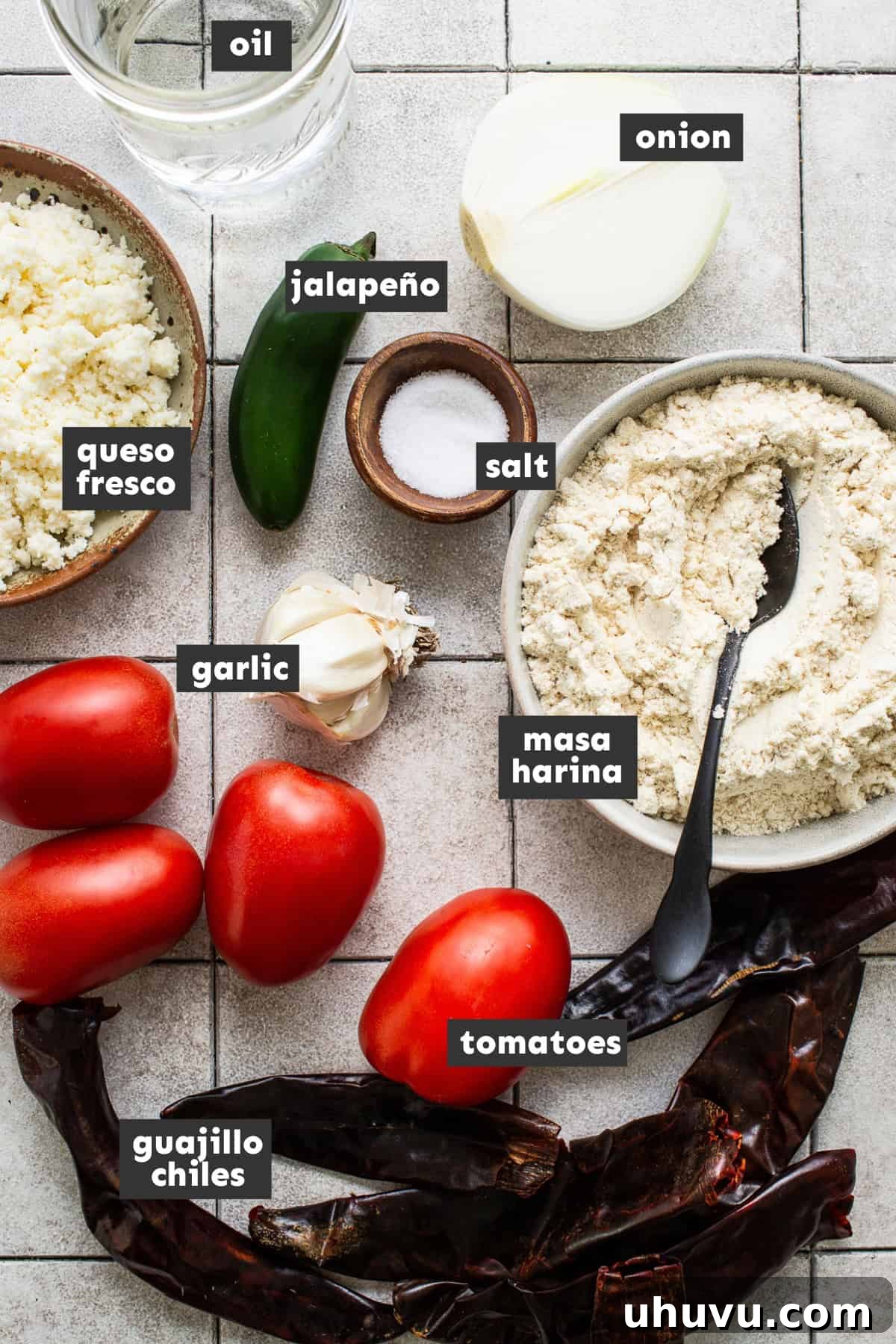
| Ingredient | Why It Works / Notes |
|---|---|
| Dried Guajillo Chiles | These mild, fruity chiles are the star, imparting the masa with its iconic reddish-orange color and a wonderfully complex, slightly smoky, and sweet chile flavor. They are crucial for both the visual appeal and the deep taste of the enchiladas. For a slightly different or deeper flavor profile, you could experiment with a small amount of pasilla or ancho chiles, though guajillos are traditional. |
| Garlic | Garlic provides an essential aromatic base and a foundational depth of flavor. It is incorporated into both the chile puree, enhancing its richness, and the fresh salsa filling, adding a pungent zest that complements the other ingredients beautifully. |
| Fine Salt | Salt is vital for seasoning the masa dough, the chile puree, and the salsa. When working with masa harina, fine salt is preferred because its smaller granules dissolve and distribute more evenly throughout the dough, ensuring consistent seasoning without noticeable crunch, unlike coarser salts such as kosher or sea salt. |
| Masa Harina | This specially prepared corn flour is the indispensable base for the dough, providing the authentic texture and distinct corn flavor characteristic of traditional Mexican tortillas and masa-based dishes. Quality matters here; popular and reliable brands like Masienda and Maseca consistently yield excellent results. |
| A Simple Salsa (Tomatoes, Jalapeños, Onion, Garlic, Salt) | The filling requires a fresh and lively salsa. Using ripe Roma tomatoes, a jalapeño for a touch of heat, white onion, garlic, and salt creates a balanced and flavorful component. For an enhanced smoky and roasted depth, charring the vegetables over an open flame or under a broiler until their skins are slightly blackened and tender before blending will elevate the salsa significantly. This adds another layer of authentic flavor. |
| Queso Fresco | This crumbling Mexican cheese is the traditional choice for the filling. Its mild saltiness and slightly tangy profile complement the chile-infused masa without overpowering it. Its crumbly texture also integrates perfectly within the folded enchiladas. While you could use cotija cheese for an even saltier and tangier kick, many prefer to reserve cotija as a garnish due to its more robust flavor. |
| Neutral Oil | A neutral-flavored oil, such as avocado, canola, or vegetable oil, is essential for shallow frying the enchiladas. This cooking method creates the beautifully crisp edges and golden-brown exterior that are characteristic of this dish, adding a crucial textural element without imparting unwanted flavors. |
| Toppings (Mexican Crema, Shredded Lettuce, Queso Fresco, Salsa, Cilantro) | These optional, yet highly recommended, toppings are crucial for adding freshness, contrast, and additional layers of flavor and texture. Mexican crema (or sour cream for a tangier alternative), crisp shredded lettuce, more crumbled queso fresco, extra salsa (from the filling or a separate batch), and fresh cilantro provide a refreshing counterpoint to the rich enchiladas. If you have any leftover chile puree from the masa preparation, drizzling a little over the top can further enhance the chile flavor experience. |
Step-by-Step Guide: How to Prepare Enchiladas Potosinas
Creating authentic Enchiladas Potosinas is a rewarding culinary adventure. Follow these detailed steps to achieve perfect results:
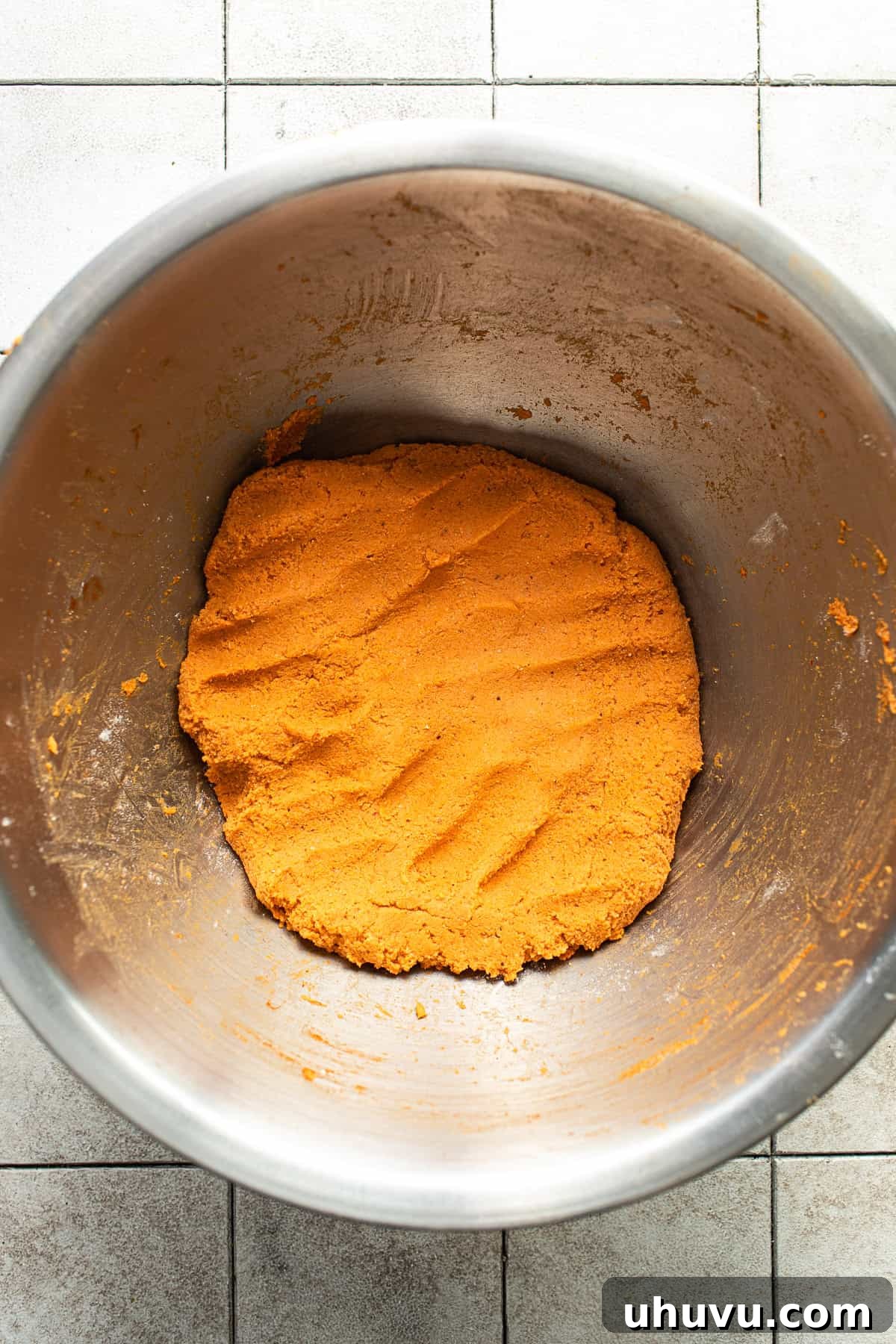
1. Make the Chile-Infused Masa: Begin by preparing your guajillo chiles. Soften them in hot water until pliable, usually about 10-15 minutes after bringing the water to a boil and then letting them soak. Once softened, transfer the chiles to a blender along with fresh garlic, a portion of the fine salt, and a small amount of the chile soaking liquid. Blend this mixture until it forms a perfectly smooth puree. This step might take a few minutes, depending on the power of your blender, but ensuring a silky-smooth puree is key to a uniform masa. Once blended, strain the puree through a fine-mesh sieve into a small bowl, discarding any solids. This refined chile puree will give your masa its beautiful color and flavor. In a large mixing bowl, combine the masa harina with the remaining fine salt. Gradually incorporate the warm water and the prepared chile puree into the masa harina. Knead the mixture with your hands for about 3-4 minutes, until all the liquid is absorbed and a soft, uniform, and pliable dough forms. The dough should not be sticky, nor should it crack easily when pressed. Divide the masa into 14 equal portions, shaping each into a small ball. Cover these dough balls with a damp cloth to prevent them from drying out while you prepare the filling, and allow them to rest for about 15 minutes.
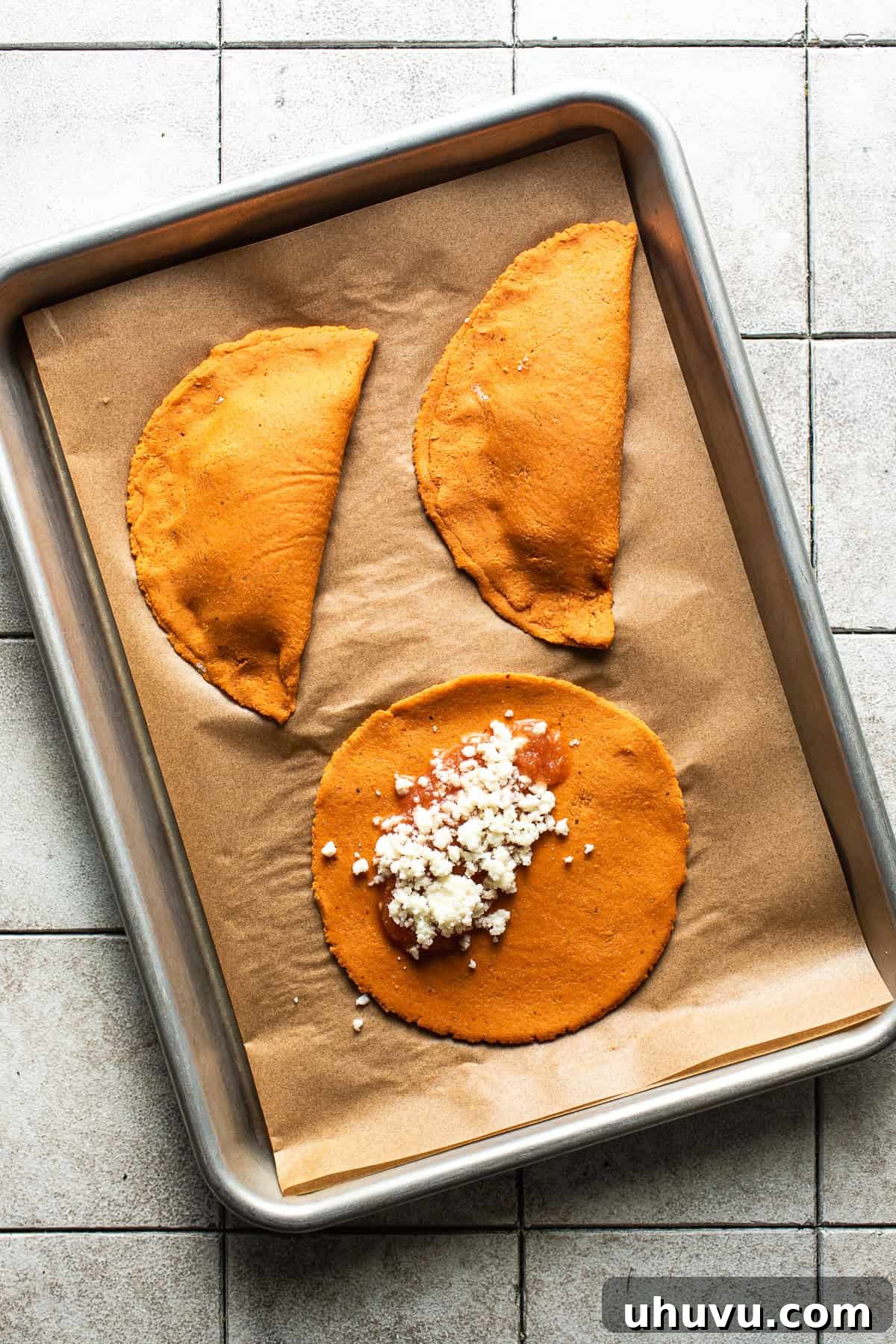
2. Press and Fill the Enchiladas: While the masa rests, prepare the simple salsa for the filling. In a medium pot, boil Roma tomatoes, jalapeño, onion, and garlic until tender. Transfer these softened vegetables to a blender, add salt, and blend until smooth. In a tortilla press, line both surfaces with pieces of parchment paper. Place one masa ball on the bottom half of the press, cover it with the top parchment paper, and gently close the press to flatten the dough into a thin, round tortilla shape, approximately 5-6 inches in diameter. Carefully open the press and remove the top parchment. On one half of the flattened masa, spoon about 1 tablespoon of crumbled queso fresco and 1 tablespoon of the freshly blended salsa. Carefully fold the other half of the masa over the filling, creating a crescent shape. Gently press and seal the edges of the enchilada to ensure the filling is enclosed, being careful not to press too hard and tear the masa. Set aside the filled enchilada and repeat this process with the remaining masa balls and filling, ensuring you keep the prepared enchiladas covered with a damp cloth to maintain moisture.
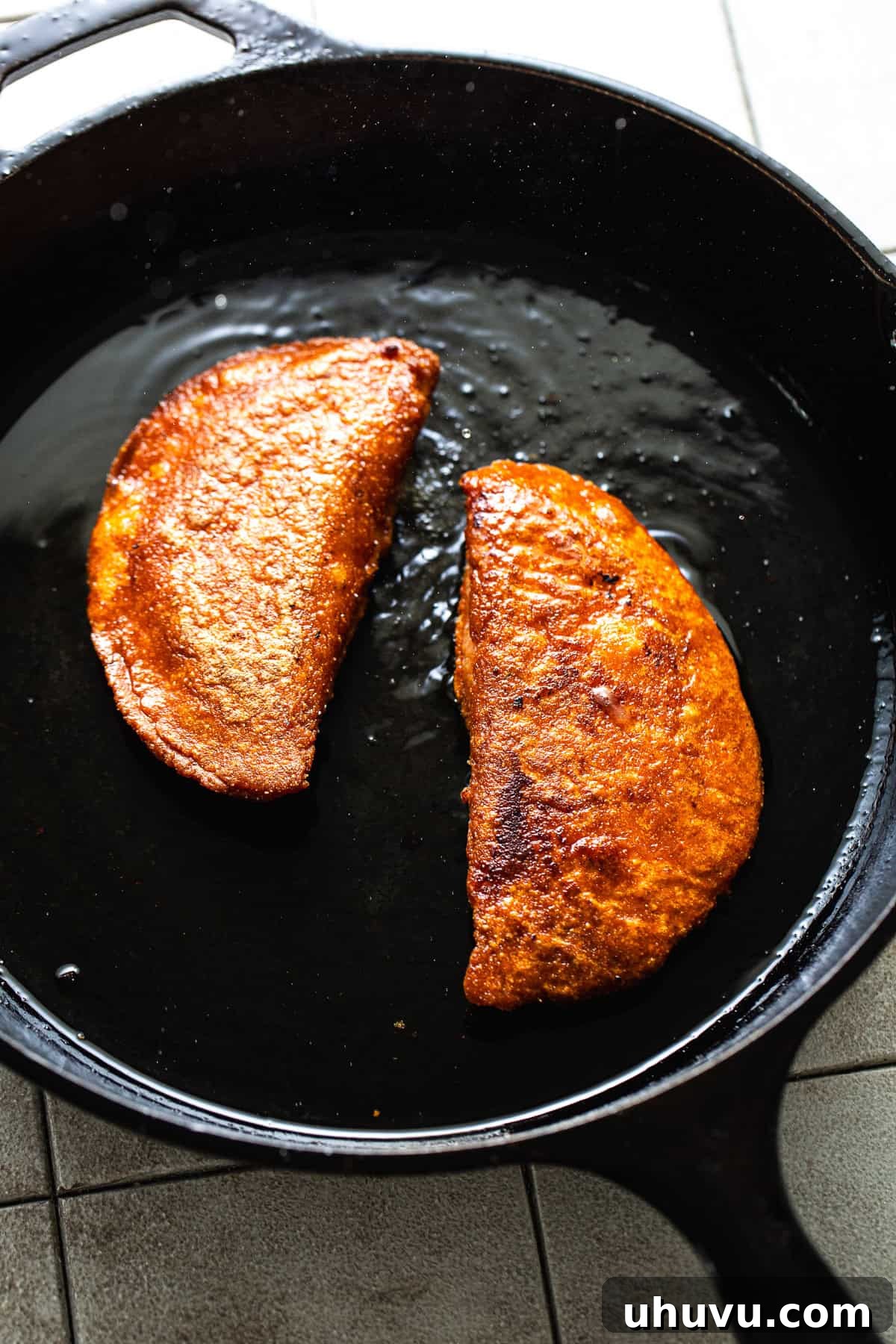
3. Cook on Comal and Shallow Fry: Heat a comal or a large nonstick skillet over medium-high heat until it’s hot and ready. Place each assembled enchilada onto the hot griddle. Cook for approximately 1 minute per side. This initial cooking step is crucial; it helps to set the masa, cook it partially, and ensures the enchiladas hold their distinctive folded shape before frying. It also prevents the enchiladas from absorbing too much oil during the frying stage, making them less greasy and more structurally sound. Once partially cooked, transfer these enchiladas to a large baking sheet. Now, prepare for frying: pour enough neutral oil into a separate large skillet to generously cover the bottom, typically about ¼ cup. Heat the oil over medium-high heat until it reaches around 350°F (175°C). You can test the oil by dropping a tiny piece of masa into it; if it sizzles immediately, the oil is ready. Working in batches of one or two enchiladas at a time to avoid overcrowding the pan and lowering the oil temperature, carefully place the griddle-cooked enchiladas into the hot oil. Fry for about 2 minutes per side, or until they turn beautifully golden brown and become lightly crisp around the edges. This shallow frying imparts a delightful texture contrast to the tender masa.
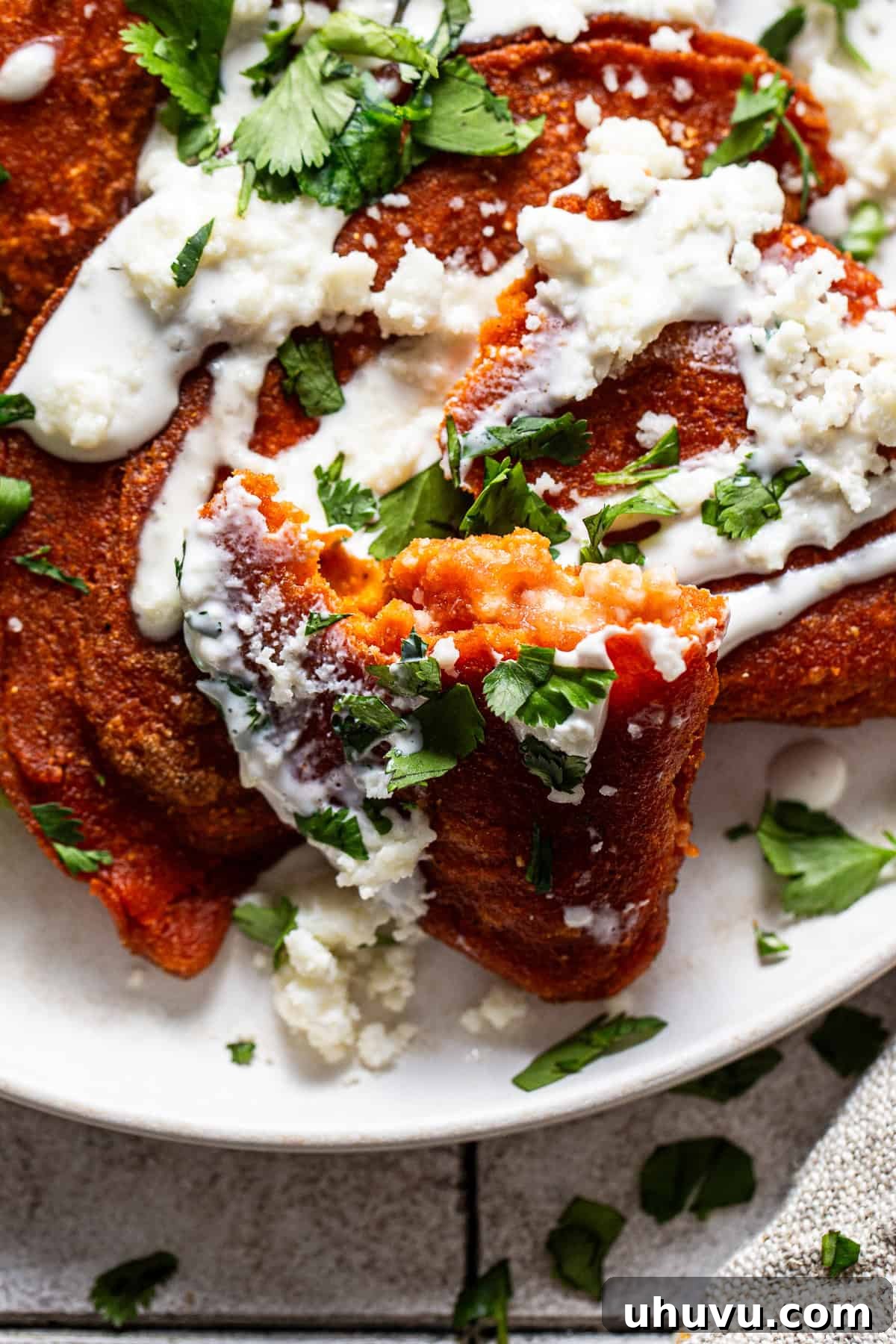
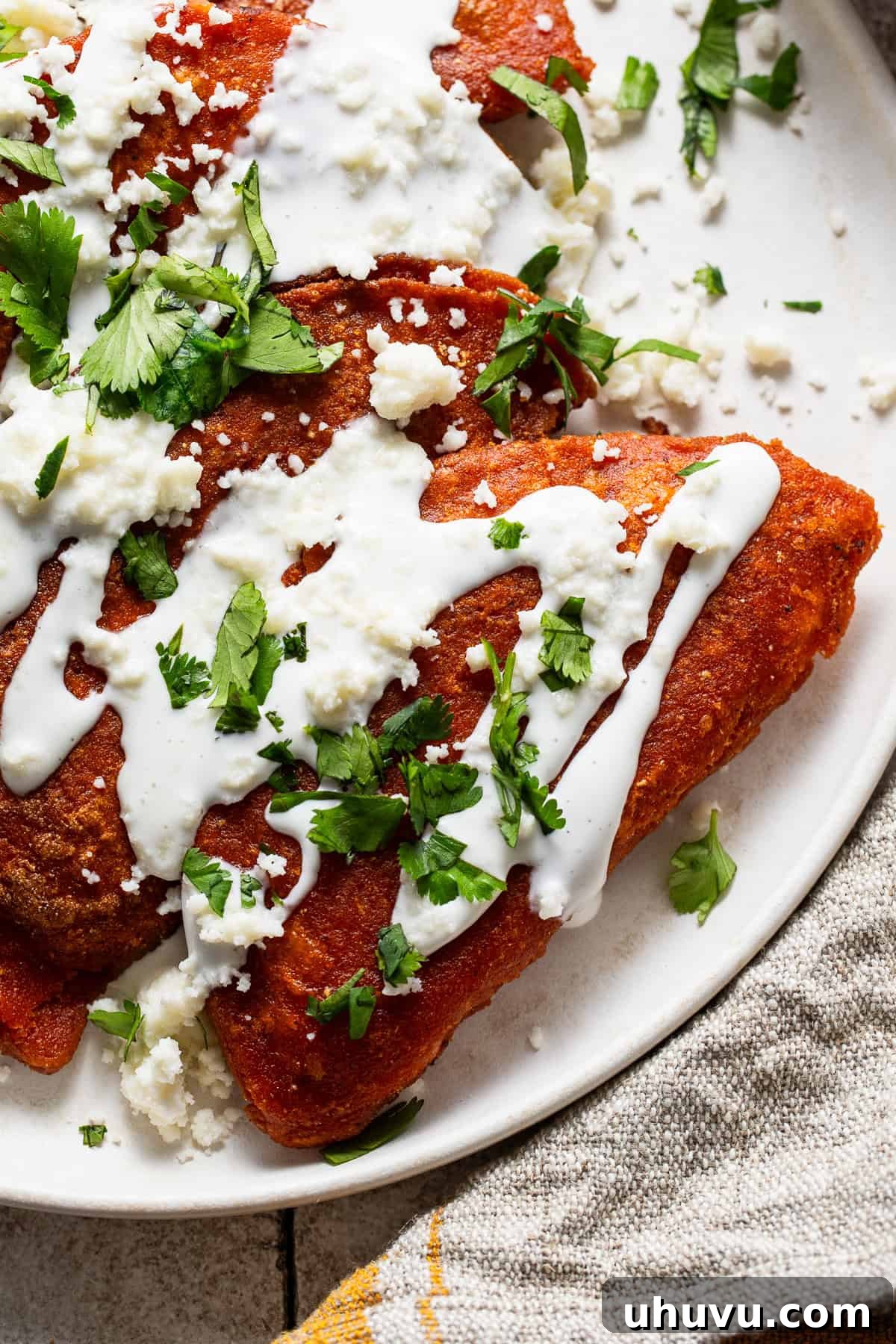
4. Serve Immediately: As each batch of enchiladas finishes frying, use tongs to transfer them to a large baking sheet lined with paper towels. This will allow any excess oil to drain off, ensuring they remain crisp and not greasy. Serve the Enchiladas Potosinas immediately while they are hot and at their best. Garnish generously with your favorite toppings: a dollop of Mexican crema, a sprinkle of fresh cilantro, more crumbled queso fresco or cotija cheese, crisp shredded lettuce, and any extra salsa you desire. The combination of warm, chile-infused masa, savory filling, and cool, fresh toppings creates a symphony of flavors and textures that is truly unforgettable.
Expert Tips & Creative Variations for Enchiladas Potosinas
- Adjust the Heat Level: The heat of your enchiladas can be customized to your preference. For those who enjoy a spicier kick, consider adding 2-3 small chile de árbol peppers to the guajillo chile puree before blending. Alternatively, you can swap the jalapeño in the salsa filling for a serrano pepper, which offers a more intense heat. For a milder version, simply remove all the seeds and veins from the jalapeño pepper, or opt for a milder pepper like an Anaheim.
- The Purpose of Double Cooking: You might wonder why these enchiladas are cooked twice. The initial cook on the griddle (comal) serves a crucial purpose: it helps to firm up the masa dough, allowing the enchiladas to maintain their folded shape throughout the rest of the cooking process. It also ensures that the masa is mostly cooked through. The subsequent quick shallow fry at the end is what gives them their delightful light crispness and prevents them from becoming soggy, providing that irresistible textural contrast.
- Testing Your Masa Dough: Achieving the perfect masa consistency is key. To test it, roll a small piece of dough into a ball and gently press it with your finger. If the edges of the dough crack excessively, it indicates that the masa is too dry. If it feels overly sticky and adheres to your hands, it’s too wet. Adjust the consistency by adding a tablespoon of warm water or a tablespoon of masa harina at a time, kneading well after each addition until the desired texture is reached.
- Keep the Masa Covered: Masa dough can dry out quickly when exposed to air, which can make it difficult to work with and lead to cracking. Always keep your prepared dough balls covered with a damp kitchen towel or plastic wrap while you are assembling the enchiladas to maintain their moisture and pliability.
- Making Them Saucier: Enchiladas Potosinas are traditionally less saucy than other enchilada varieties, emphasizing the flavor of the masa. However, if you prefer a dish with more sauce, you can easily double the amount of chile puree prepared for the masa. Spoon this extra puree generously over the top of the enchiladas before serving, creating a vibrant and flavorful additional layer.
- Adding Protein for a Heartier Meal: While cheese and salsa are the traditional fillings, you can certainly add protein to make these enchiladas more substantial. Consider mixing in fluffy mashed potatoes, tender shredded chicken, or seasoned ground beef with the queso fresco and salsa. Ensure any added protein is well-cooked and seasoned before incorporating.
- Cheese Swaps for a Melty Center: If you enjoy a gooey, melty cheese filling, you can swap the queso fresco for melting cheeses such as Oaxaca, Chihuahua, or Monterey Jack. A blend of these cheeses also works wonderfully. Just be aware that melting cheeses might seep out a little bit while frying, potentially making the process a bit messier, but the delicious result is often worth it.
Perfect Serving Suggestions for Enchiladas Potosinas
Enchiladas Potosinas are a complete and satisfying meal on their own, but they truly shine when paired with traditional Mexican sides that complement their unique flavors. Consider serving them alongside classic accompaniments such as fluffy authentic Mexican rice, creamy refried beans, or hearty charro beans. These sides offer a comforting balance to the rich and savory enchiladas, creating a well-rounded and authentic Mexican dining experience.
Beyond the sides, don’t underestimate the power of fresh toppings; they are integral to the full Enchiladas Potosinas experience. I highly recommend a generous array of garnishes to add crucial freshness, texture, and flavor contrasts. Essential toppings include crisp shredded lettuce for a refreshing crunch, a dollop of cooling Mexican crema (or a swirl of sour cream if crema isn’t available), a sprinkle of salty and tangy queso fresco or crumbled cotija cheese, an extra spoonful of the salsa used in the filling or a vibrant salsa mexicana, and a final flourish of freshly chopped cilantro. These additions not only enhance the visual appeal but also provide layers of flavor that elevate each bite, making the dish truly unforgettable.
Print Recipe
Enchiladas Potosinas
Isabel Orozco-Moore
20 minutes
1 hour
20 minutes
1 hour
40 minutes
14
enchiladas
Ingredients
For the Masa Enchilada
- 7-8 dried guajillo chiles, stemmed and seeded
- 2 cloves garlic
- 1 ½ teaspoons fine salt, divided
- 2 cups + 1 ½ tablespoons masa harina, plus more as needed
- 1 ½-2 cups warm water, plus more as needed
For the Filling
- 4 Roma tomatoes
- 1 jalapeño pepper, stemmed
- ½ medium white onion
- 2 cloves garlic
- 1 teaspoon kosher salt, plus more to taste
- 1 cup crumbled queso fresco
For Frying and Serving
- Vegetable oil, for shallow frying (canola and avocado oils are excellent choices)
- Optional toppings: Mexican crema, shredded lettuce, additional queso fresco, salsa, freshly chopped cilantro
Instructions
-
1. Prepare the Masa Enchilada: In a medium pot, place the dried guajillo chiles and cover them completely with water. Bring the water to a boil over high heat. Once boiling, remove the pot from the heat, cover it, and let the chiles soak for about 10 minutes to soften.
-
Using a slotted spoon, carefully transfer the softened chiles into a blender. Add ½ cup of the chile-soaked water, the 2 cloves of garlic, and ½ teaspoon of fine salt. Blend until the mixture is completely smooth and free of any lumps. This may require a few minutes, depending on your blender’s power.
-
Strain the chile mixture through a fine-mesh strainer into a small bowl, pressing down on the solids to extract as much liquid as possible. Discard the remaining pulp. You should yield approximately ¾ cup of smooth chile puree. Set this aside.
-
In a large mixing bowl, combine the masa harina with the remaining 1 teaspoon of fine salt. Gradually stir in 1 ½ cups of warm water until a crumbly dough begins to form. Then, add ½ cup of the prepared chile puree into the masa harina mixture. Knead the dough with your hands for about 3-4 minutes until all the liquid is absorbed and a soft, pliable, and uniform dough is achieved. To test the masa’s consistency, take a small piece and roll it into a ball, then gently press down on it with a finger. If the edges crack, the dough is too dry; add more chile puree or warm water, a tablespoon at a time. If the dough sticks to your skin, it’s too wet; add a tablespoon of masa harina at a time until it’s just right.
-
Divide the chile-infused masa into 14 equal portions, then roll each portion into a small ball. Place these masa balls back into the bowl and cover them with a damp paper towel to prevent them from drying out. Allow the masa to rest for approximately 15 minutes while you prepare the filling.
-
2. Prepare the Filling: In a medium pot, combine the Roma tomatoes, jalapeño pepper (stemmed), ½ medium white onion, and 2 cloves of garlic. Add enough water to cover all the vegetables completely. Bring the water to a boil over high heat, then reduce the heat to a low simmer and cook for about 10 minutes, or until the vegetables are soft and tender.
-
Using a slotted spoon, transfer the cooked vegetables to a blender. Add 1 teaspoon of kosher salt. Blend until the salsa is smooth. Taste and adjust salt if necessary. Set this salsa aside for filling.
-
3. Assemble and Dry Cook the Enchiladas: Heat a griddle or a large nonstick skillet over medium-high heat until it’s hot. While the griddle is heating, prepare your tortilla press. Lay a piece of parchment paper on the bottom half of an open tortilla press. Place one masa ball on the parchment paper. Cover the masa ball with another piece of parchment paper, then gently close and press the upper portion of the tortilla press to flatten the dough into a circular shape, about 5-6 inches in diameter.
-
Carefully open the press and remove the top piece of parchment paper. Spoon about 1 tablespoon of the crumbled queso fresco and 1 tablespoon of the blended salsa onto one half of the flattened masa. Gently fold the other half of the masa over the filling to create a crescent shape, and carefully press the edges together to seal it shut.
-
Carefully transfer the assembled enchilada to the hot griddle. Cook for approximately 1 minute per side. This initial cook helps to set the masa and allows the enchilada to hold its shape. Transfer the partially cooked enchilada to a large baking sheet and repeat this process with the remaining masa balls and filling until all enchiladas are dry-cooked.
-
4. Fry Until Golden and Crisp: Pour enough neutral oil (about ¼ cup should suffice, ensuring it covers the bottom of the pan) into a large skillet. Heat the oil over medium-high heat until it reaches a temperature of about 350°F (175°C). To test if the oil is ready, drop a tiny piece of tortilla dough into it; if it sizzles immediately, the oil is at the correct temperature.
-
Working in batches of 1 or 2 enchiladas at a time (to avoid overcrowding and dropping the oil temperature), carefully place the griddle-cooked enchiladas into the hot oil. Fry for about 2 minutes per side, or until they turn a beautiful golden brown and become lightly crispy around the edges. This shallow frying adds a wonderful texture.
-
Once fried, transfer the enchiladas to a large baking sheet lined with paper towels to drain any excess oil. Continue this process with the rest of the enchiladas. Serve immediately, topped generously with crisp shredded lettuce, a drizzle of Mexican crema, additional crumbled queso fresco, extra salsa, and a sprinkle of freshly chopped cilantro. Enjoy your homemade Enchiladas Potosinas!
Notes
- Cheese and Salsa Filling Options: Enchiladas Potosinas traditionally feature a crumbling Mexican cheese such as queso fresco or cotija cheese, combined with a fresh salsa filling. While traditional, if you prefer a melty center, you can use other melting cheeses like Oaxaca, quesillo, or Monterey Jack. Be aware that melting cheeses might seep out slightly during the frying process, potentially creating a bit of a mess, but the flavor is often worth it.
- Make-Ahead Instructions: To save time, you can prepare and assemble the enchiladas, then dry-cook them on the griddle ahead of time. Once griddle-cooked, let them cool completely and store them in an airtight container in the refrigerator for up to 2 days. For the best texture, only shallow-fry them just before you are ready to serve. This ensures they retain their crispiness.
- Storing and Reheating Instructions: Leftover Enchiladas Potosinas can be stored in an airtight container in the refrigerator for up to 5 days. For longer storage, they can be frozen for up to 3 months. When reheating, it is best to use a skillet or comal over medium heat to help restore their desirable crispiness. Alternatively, you can air-fry them at 390°F (199°C) for 3-4 minutes until heated through and crisp. Avoid microwaving, as this can make them soggy.
Nutrition
Nutrition information is automatically calculated, so should only be used as an approximation.
Did you make this recipe?
Leave a comment and star rating below!
Photography by Ashley McLaughlin.