

Masa harina isn’t just a flour; it’s the heart and soul of countless traditional Mexican and Latin American dishes. From the everyday staple of fresh tortillas to the festive delight of tamales, this unique corn flour is truly indispensable in kitchens across the Americas. But what exactly is masa harina, and what makes it so special? Let’s embark on a culinary journey to uncover the fascinating history, intricate process, and diverse applications of this foundational ingredient, transforming simple corn into culinary magic.
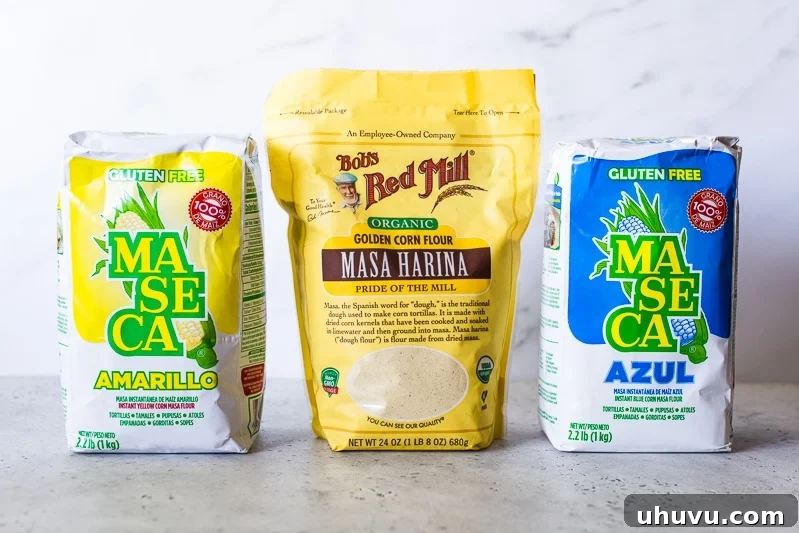
What is Masa Harina? The Foundation of Authentic Mexican Cuisine
Masa harina, literally translating to “dough flour,” is a special type of corn flour that forms the base for a vast array of iconic Mexican and Central American dishes. Unlike regular corn flour or cornmeal, masa harina possesses a distinctive flavor, aroma, and texture that is crucial for achieving authentic culinary results. Its unique properties stem from an ancient, labor-intensive process known as nixtamalization.
Understanding Nixtamalization: An Ancient Culinary Science
At the core of masa harina’s identity is nixtamalization, a transformative process developed by Mesoamerican cultures thousands of years ago. This ingenious technique involves soaking and cooking dried corn kernels in an alkaline solution, traditionally made with slaked lime (calcium hydroxide) or wood ash lye. The alkaline solution softens the corn, loosens the hull (pericarp), and most importantly, triggers a series of chemical changes within the corn kernel.
- Removing the Hull and Germ: The alkali treatment makes it easy to remove the outer hull and the germ, which contain bitter compounds and can hinder digestion.
- Nutritional Enhancement: Nixtamalization significantly increases the bioavailability of niacin (vitamin B3), preventing conditions like pellagra, which was common in populations relying heavily on untreated corn. It also increases calcium content from the lime.
- Improved Flavor and Aroma: The process imparts a characteristic earthy, slightly tangy flavor and a pleasant corn aroma that is unique to masa.
- Superior Dough Properties: Perhaps most critically for culinary applications, nixtamalization changes the starch structure in the corn, allowing it to form a cohesive, pliable dough when mixed with water. This “masa” dough is essential for making tortillas that are flexible, resistant to tearing, and puff up correctly when cooked.
After the nixtamalization process, the treated corn (now called hominy) is thoroughly rinsed to remove excess lime and hulls. The hominy is then traditionally ground on a metate (a stone grinding slab) or a modern grinder into a fine, moist dough called “masa.” To create masa harina, this fresh masa is dehydrated and finely ground into a flour. This dried masa harina can then be rehydrated with water to quickly and conveniently recreate fresh masa dough in your own kitchen.
While corn flour is simply ground, dried corn, masa harina represents a sophisticated culinary transformation. Its unparalleled ability to bind and its distinct flavor profile make it an irreplaceable ingredient for anyone serious about preparing authentic Mexican and Latin American cuisine.
Exploring the Diverse Types of Masa Harina
Masa harina is not a monolithic ingredient; it comes in several varieties, primarily distinguished by the type of corn used. Each offers subtle differences in flavor, texture, and color, which can influence the final dish.
- White Masa Harina: This is by far the most common and widely available type. Made from white corn, it has a mild, sweet flavor and creates a pale, soft dough perfect for everyday tortillas, sopes, and gorditas. Its versatility makes it a staple in most grocery stores and Latin American markets.
- Yellow Masa Harina: Processed from yellow corn, this variety yields a slightly coarser texture and a more pronounced, robust corn flavor compared to white masa harina. It’s often favored for heartier tortillas, tamales, and other dishes where a richer corn taste is desired. It’s also relatively easy to find alongside white masa harina.
- Blue Masa Harina: A visually striking option, blue masa harina is made from blue corn, an ancient varietal native to Mexico. It offers a deeper, nuttier, and slightly sweeter flavor profile. Dishes made with blue masa harina, such as blue corn tortillas or tlacoyos, boast a beautiful purplish-blue hue and are often considered a gourmet or artisanal choice. While less common than white or yellow, it is increasingly available in specialty stores and online.
- Red Masa Harina: The rarest of the common types, red masa harina is made from red corn. It imparts a subtle reddish tint to dishes and often has a unique, earthy flavor that distinguishes it from other varieties. Finding red masa harina can be a challenge, often requiring a visit to very specialized markets or online retailers.
- Masa Harina for Tamales: While not a color variety, some brands offer “masa harina para tamales.” This type is typically a bit coarser ground and formulated to absorb more moisture and fat, creating the light, fluffy texture essential for perfect tamales. If you plan to make a lot of tamales, seeking out this specific grind can make a noticeable difference.
Experimenting with different types of masa harina can add exciting dimensions to your cooking, allowing you to explore the full spectrum of traditional Mexican flavors and textures.
Sourcing Masa Harina: A Guide for Home Cooks
Finding masa harina has become significantly easier as Mexican and Latin American cuisines gain popularity worldwide. Here’s a comprehensive guide to help you find the best masa harina for your culinary needs:
- Mainstream Grocery Stores: Most large supermarkets now carry masa harina. Look for it in the international foods aisle, specifically in the Latin American or Mexican section. Sometimes, it might be located in the baking aisle alongside other flours. Brands like Maseca and Bob’s Red Mill are commonly found.
- Specialty Hispanic/Latin American Markets: For the widest selection and often the freshest product, specialty Hispanic grocery stores are your best bet. These stores frequently stock a variety of brands, including local or regional ones, and may even offer different corn types (white, yellow, blue) and specific grinds (like masa for tamales). The staff can also be a great resource for advice.
- Online Retailers: If local options are limited, online marketplaces offer an excellent alternative. Websites like Amazon, Thrive Market, or dedicated specialty food stores (such as Masienda’s website) provide access to a broad range of masa harina, including organic, non-GMO, and heirloom corn varieties.
Top Masa Harina Brands to Look For:
- Masienda: Renowned for their commitment to heirloom corn varieties and working directly with Mexican farmers. Their masa harina is often considered premium and offers exceptional flavor.
- Maseca: The most ubiquitous brand, Maseca is widely available and a reliable choice for consistent results. They offer various types, including white, yellow, and masa for tamales.
- King Arthur Baking Company: While known for traditional baking flours, King Arthur also offers a high-quality masa harina, often easier to find in standard grocery stores.
- Bob’s Red Mill: A popular natural foods brand, Bob’s Red Mill provides a reliable and often organic masa harina option, available in many health food stores and online.
When purchasing, always check the expiration date and ensure the packaging is sealed to maintain freshness and prevent moisture absorption.
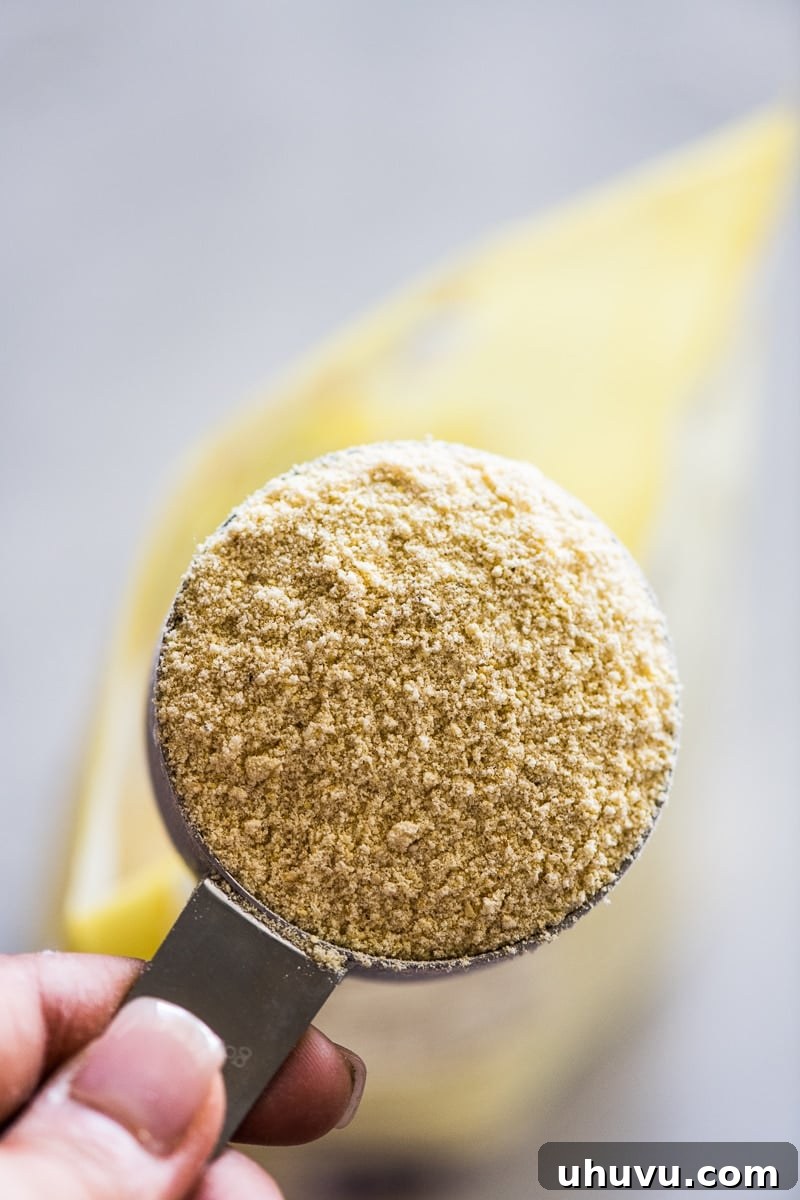
The Culinary Versatility of Masa Harina: Beyond Tortillas
While corn tortillas are undoubtedly the most famous application, masa harina’s versatility extends to a rich tapestry of dishes, each showcasing its unique texture and flavor. It is the fundamental building block for an entire category of Mexican and Central American culinary delights.
- Corn Tortillas: The ultimate staple, fresh corn tortillas are surprisingly simple to make from masa harina, water, and salt. They are the bedrock of tacos, enchiladas, flautas, and countless other dishes, offering an unmatched flavor and texture that store-bought versions can rarely replicate.
- Gorditas: Meaning “little fat ones,” gorditas are thicker, often oval-shaped masa cakes that are split open and generously stuffed with savory fillings. These can range from chicharrón (pork rinds) and refried beans to picadillo (ground meat) or cheese, creating a hearty and satisfying meal.
- Sopes: These delightful masa “boats” are characterized by their thick, hand-pinched edges, which create a perfect rim to hold toppings. Sopes are typically fried until crisp, then loaded with a variety of ingredients like shredded beef or chicken, crumbled cheese, refried beans, lettuce, and a dollop of salsa or crema.
- Tamales: A beloved celebratory dish, tamales represent a true art form. Masa harina is mixed with broth, lard or oil, and often seasonings to create a light, fluffy dough. This dough is then spread onto corn husks or banana leaves, filled with savory (pork, chicken, cheese, rajas) or sweet (fruit, pineapple) mixtures, wrapped, and steamed to perfection.
- Tlacoyos: A pre-Hispanic dish, tlacoyos are elongated, oval-shaped masa patties typically filled before cooking. Common fillings include beans, cheese, or fava beans. They are often griddled and served with salsa, cheese, and nopales (cactus paddles).
- Huaraches: Named after the Mexican sandal due to their elongated shape, huaraches are large, flat masa bases topped with a spread of beans, various meats (like carne asada or al pastor), cheese, and salsa. They offer a substantial and flavorful meal.
- Tetelas: Originating from Oaxaca, tetelas are triangular-shaped masa pockets typically filled with black beans and cheese, then cooked on a comal until slightly browned and warmed through.
- Empanadas: While some empanadas use wheat flour dough, many authentic Latin American versions utilize masa dough for a distinct flavor and texture. These fried or baked turnovers can hold sweet or savory fillings.
- Atole and Champurrado: Masa harina isn’t just for solids. It serves as a traditional thickener for comforting hot beverages like atole (a warm, thick drink often flavored with fruit, chocolate, or vanilla) and champurrado (a specific type of chocolate-atole, perfect for dipping churros).
- Soups and Stews: The fine texture of masa harina allows it to blend seamlessly into broths, making it an excellent natural thickener for various Mexican soups and stews, imparting a subtle corn flavor and a creamy consistency.
From everyday meals to special occasion feasts, masa harina provides the canvas for a vast and vibrant culinary landscape, connecting cooks to generations of tradition and flavor.
Explore Delicious Recipes Using Masa Harina
Ready to put your masa harina to good use? Dive into these authentic and mouthwatering recipes that showcase the incredible versatility of this essential ingredient:
- Authentic Corn Tortillas
- Hearty Gorditas
- Classic Sopes
- Traditional Tlacoyos
- Flavorful Huaraches
- Oaxacan Tetelas
- Vegetarian Tamales de Rajas (Green Chile & Cheese)
- Savory Pork Tamales
- Delicious Chicken Tamales
- Sweet Tamales
- Tamales de Elote (Fresh Corn Tamales)
- Instant Pot Tamales
- Comforting Mexican Atole
- Rich Champurrado
- Creamy Chicken Enchilada Soup
Masa Harina vs. Cornmeal: Understanding the Crucial Differences
A common misconception among home cooks is that masa harina and cornmeal are interchangeable. However, despite both being corn-based flours, they are fundamentally different products due to their processing, and substituting one for the other in traditional recipes will lead to drastically different, often disappointing, results.
- Cornmeal: This is simply dried corn kernels that have been ground to a fine, medium, or coarse consistency. It can be made from yellow, white, or blue corn, and the germ and hull are usually left intact (though degerminated cornmeal also exists). Cornmeal’s primary use is in baking (like cornbread and muffins), as a breading, or for making polenta or grits. When mixed with water, it does not form a pliable, cohesive dough.
- Masa Harina: As extensively discussed, masa harina undergoes the nixtamalization process. This alkaline treatment alters the corn’s starch structure, enabling it to absorb water and form a cohesive, elastic dough (masa) that is essential for making tortillas and other similar dishes. This process also imparts a distinct flavor and enhances its nutritional profile.
The key takeaway is that masa harina’s unique ability to form a dough is directly attributed to nixtamalization. Without this process, cornmeal simply doesn’t have the structural properties required for true tortillas, tamales, or sopes. Attempting to make tortillas with regular cornmeal will result in a crumbly, unworkable dough and a product that lacks the authentic taste and texture.
Other Corn Products:
It’s also useful to distinguish masa harina from other corn products:
- Corn Flour: Often a very finely ground cornmeal, similar in texture to wheat flour but lacking the nixtamalization process.
- Cornstarch: A highly refined starch extracted from corn, primarily used as a thickening agent, not for making doughs.
Always double-check your recipe and ensure you’re using masa harina when making traditional Mexican and Latin American dishes to guarantee authentic flavor and texture.
Storing Masa Harina for Optimal Freshness
Proper storage is essential to maintain the quality, flavor, and shelf life of your masa harina. While it is a dried product, it can still lose its freshness and absorb odors if not stored correctly.
- Opened Package (Pantry): Once opened, transfer masa harina from its original bag into an airtight container. This could be a sturdy plastic container, a glass jar with a tight lid, or a heavy-duty resealable bag. Store this container in a cool, dry, and dark place, such as a pantry or cupboard. Away from direct sunlight and heat sources, masa harina can typically last for up to 6 months in these conditions. Ensure the container is truly airtight to prevent moisture absorption, which can lead to clumping and spoilage.
- Extended Storage (Refrigerator): For an even longer shelf life, especially if you buy in bulk or don’t use masa harina frequently, storing it in the refrigerator is an excellent option. Again, use an airtight container to protect it from moisture and odors from other foods. In the refrigerator, masa harina can remain fresh for up to 1 year.
- Longest Storage (Freezer): For maximum longevity, masa harina can be stored in the freezer. Place it in a freezer-safe, airtight container or heavy-duty freezer bag. Frozen masa harina can last well over a year, potentially up to 2 years, without significant loss of quality. When ready to use, simply allow it to come to room temperature before mixing with water.
Tips for Optimal Storage:
- Avoid Humidity: Moisture is masa harina’s enemy, as it can cause clumping, mold, and a stale taste. Always ensure your storage area is dry.
- Check for Odors: Before using, give your masa harina a sniff. It should have a fresh, slightly earthy corn aroma. If it smells musty, rancid, or off, it’s best to discard it.
- Labeling: Always label your containers with the date of purchase or opening to keep track of its freshness.
By following these storage guidelines, you can ensure your masa harina remains fresh and ready to transform into delicious, authentic Mexican dishes whenever inspiration strikes.