
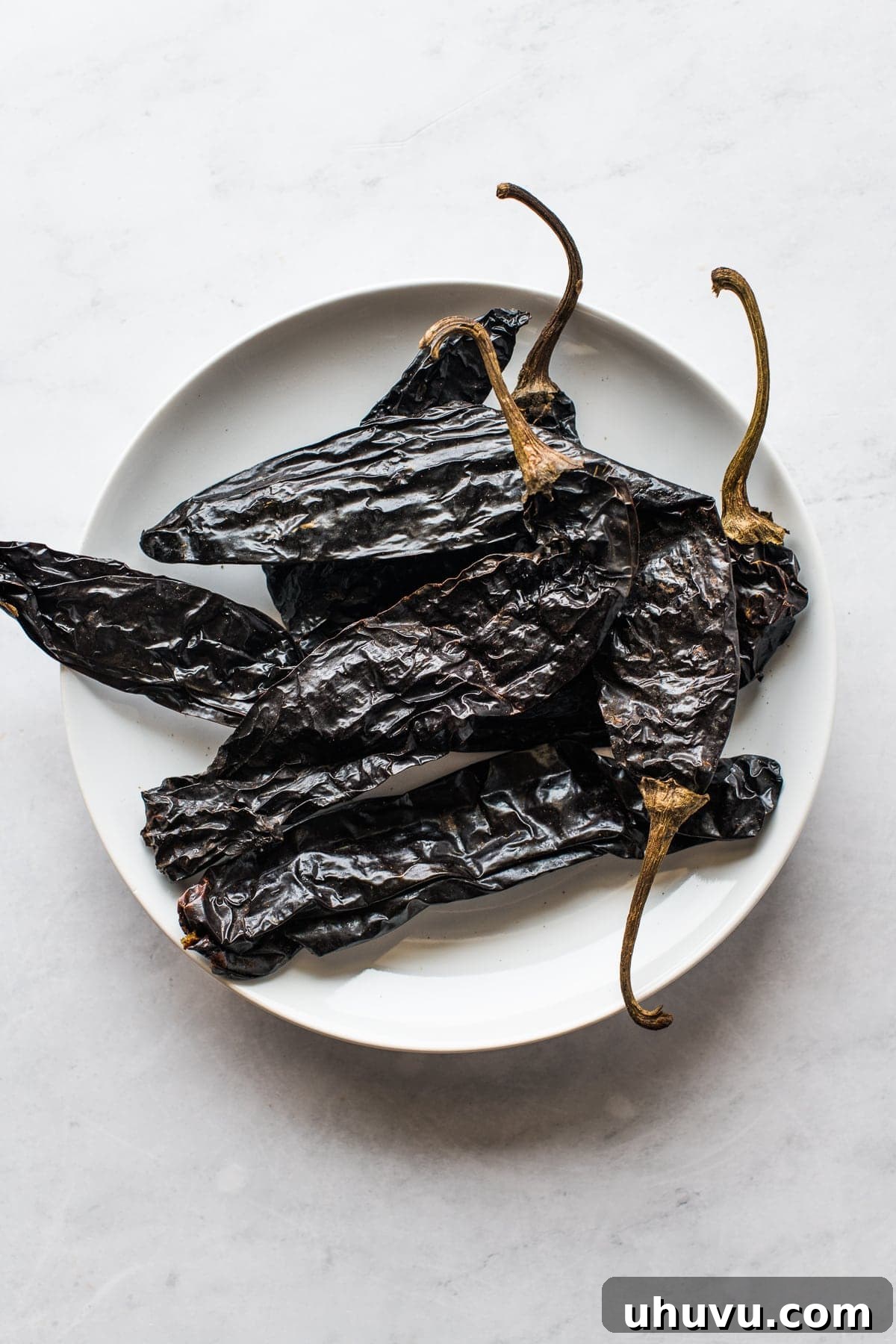
Delving into the rich tapestry of Mexican gastronomy, one quickly discovers the foundational role of dried chiles. These culinary jewels are far more than just spices; they are flavor architects, adding unparalleled depth, aroma, and a nuanced heat to countless traditional dishes. Among the pantheon of these essential ingredients, the Pasilla pepper, also known as chile pasilla, stands out as a beloved and versatile component. Characterized by its mild heat and complex flavor profile, this dark, wrinkled chile is a cornerstone of moles, sauces, and stews. Whether you’re a seasoned chef or an adventurous home cook, understanding how to select and utilize these delicious chiles will unlock a new dimension of authentic Mexican flavors in your kitchen.
What is Chile Pasilla? Unveiling the “Little Raisin”
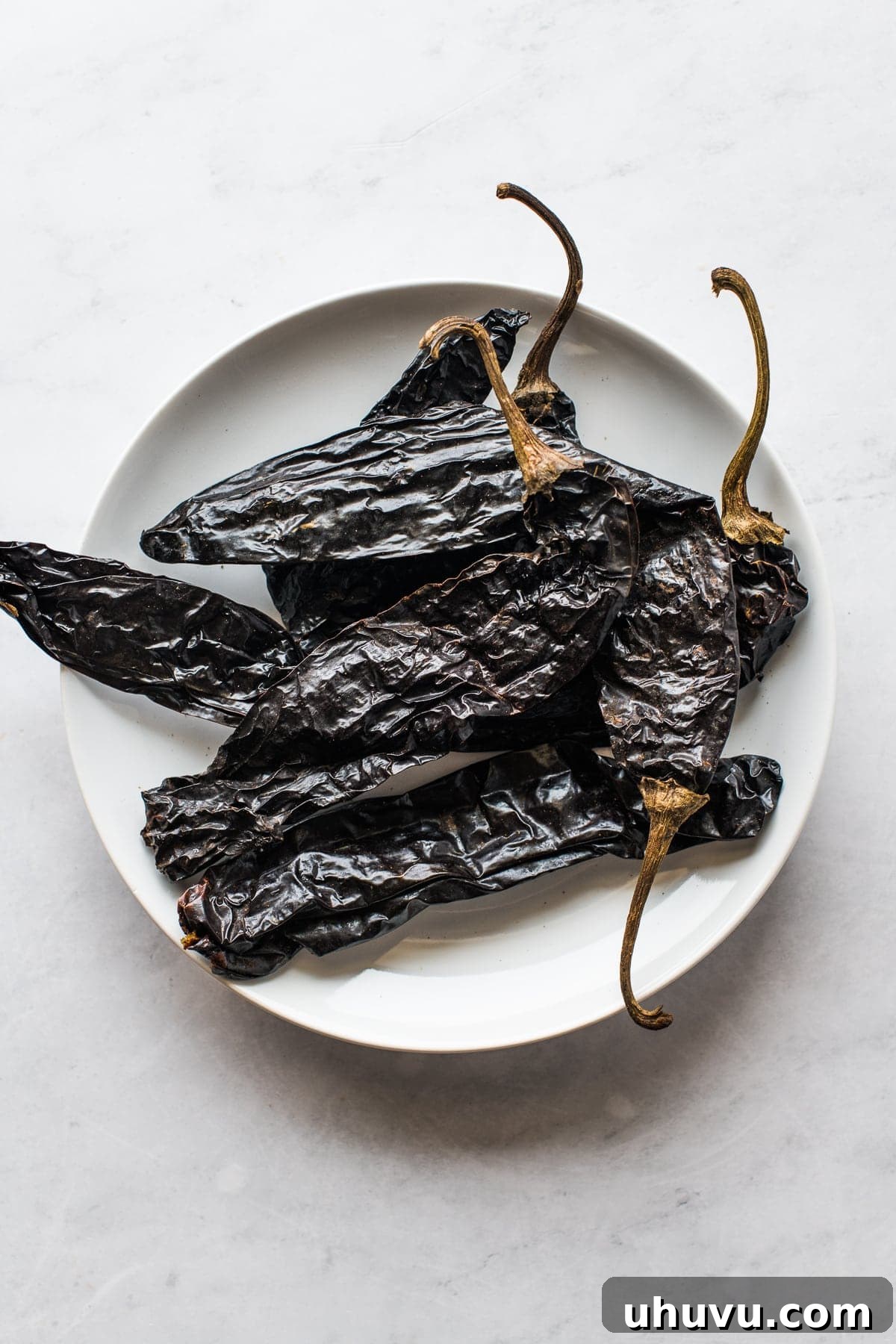
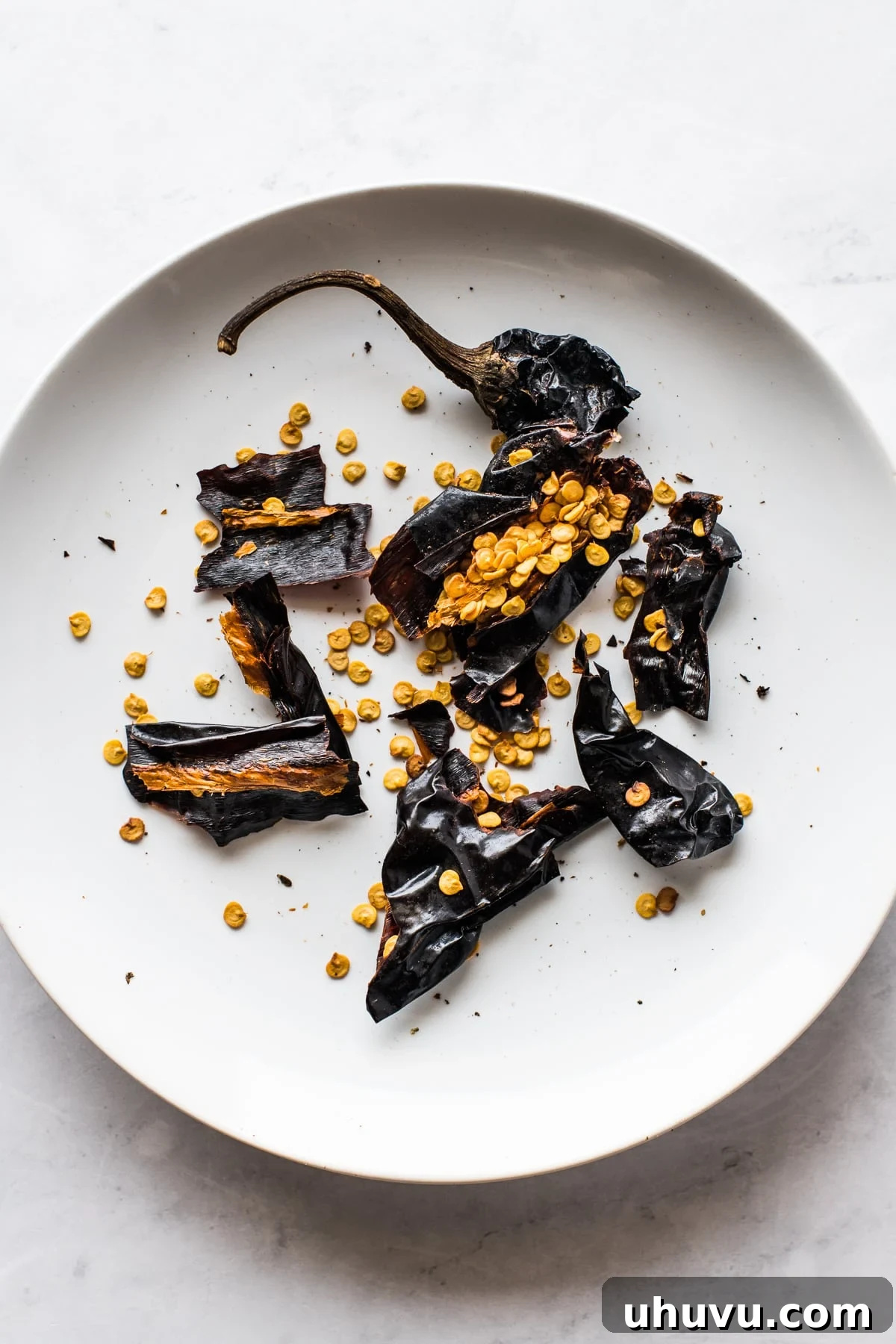
Chile pasilla (pronounced pah-SEE-yah) translates literally as “little raisin,” a name that beautifully encapsulates its distinctive appearance. This mild yet profoundly flavorful chile pepper is an indispensable ingredient in traditional Mexican cuisine, celebrated for its unique contribution to the country’s culinary heritage. It is, in essence, the dried form of the mature, ripened chilaca pepper. The chilaca pepper, a fresh green chile, undergoes a meticulous drying process, during which its color darkens significantly, transforming into the characteristic deep brown-black hue and wrinkled texture we associate with the pasilla.
Originating from the central valleys of Mexico, the chilaca pepper is allowed to fully ripen on the vine, developing its full spectrum of flavors before being harvested and air-dried. This natural process concentrates its sugars and essential oils, intensifying its taste and giving it that signature “little raisin” look and a slightly leathery texture. Pasilla peppers are typically long and narrow, often measuring between six to nine inches in length, making them easily identifiable among other dried chiles.
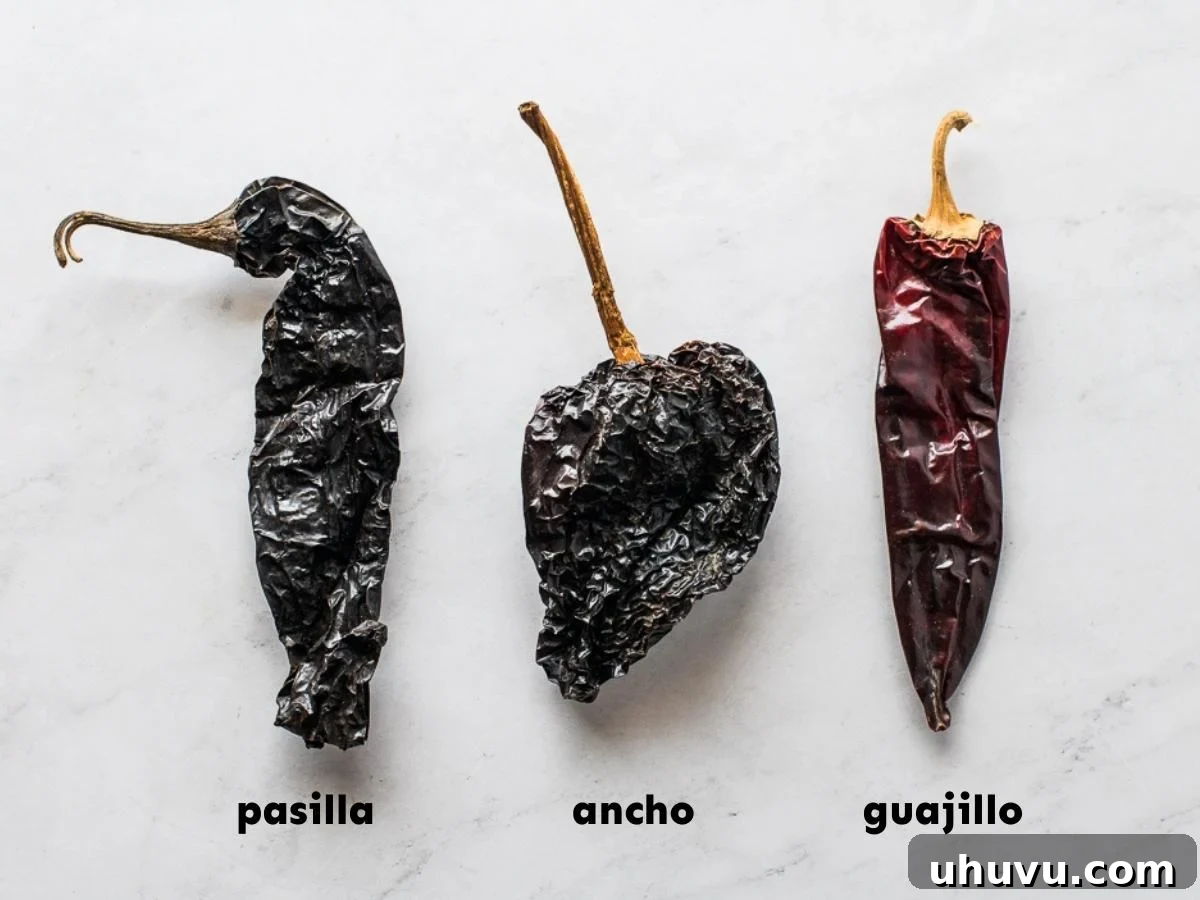
The flavor profile of a pasilla pepper is remarkably complex and sophisticated. It offers deep, earthy undertones, often described as having hints of cocoa, dried fruit notes reminiscent of berries, and a subtle smokiness. This multifaceted taste makes it incredibly versatile. While it shares some characteristics with other dried chiles, the pasilla distinguishes itself with a less sweet and more profound, savory earthiness compared to the anchos. Its mild heat allows these nuanced flavors to shine through, making it an excellent choice for building intricate flavor bases in a variety of dishes, including traditional moles, hearty soups, and rich, layered sauces.
Are Pasilla Peppers Hot? Understanding Their Mild Spice Level
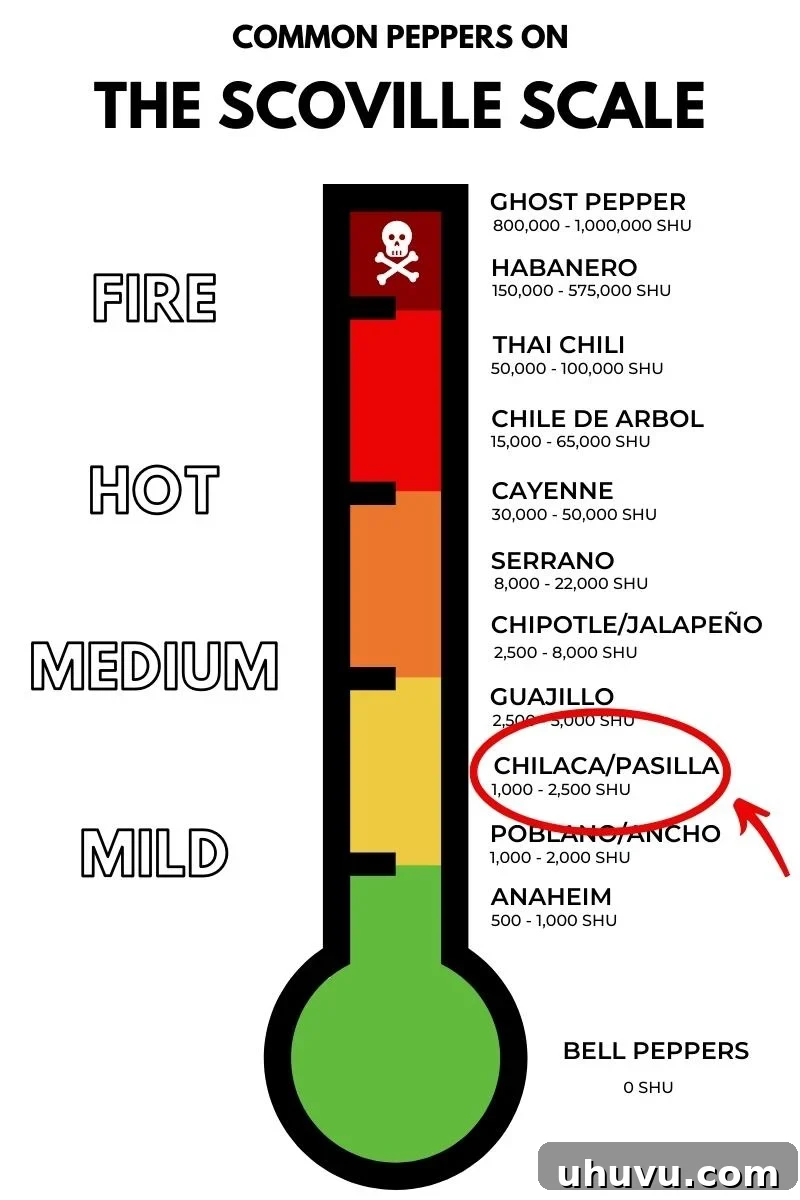
For those new to Mexican chiles, understanding the heat level is often the first question. Pasilla peppers are generally considered to be quite mild, making them approachable for most palates while still providing a pleasant warmth. On the Scoville Heat Unit (SHU) scale, which measures the pungency of chili peppers, pasillas typically range from approximately 1,000 to 2,500 SHU. This places them firmly in the lower echelons of the scale, positioning them as a flavorful rather than fiery ingredient.
To put this into perspective, consider some common chili peppers:
- Anaheim Peppers: Even milder than pasillas, Anaheim peppers register between 500-1,000 SHU. This means pasillas offer a noticeably spicier kick than Anaheims, but are still far from intense.
- Jalapeño Peppers: Moving up the scale, jalapeños typically measure between 2,500-8,000 SHU. While the milder end of jalapeños can overlap with the hotter end of pasillas, a typical jalapeño will usually pack more heat.
- Serrano Peppers: These are significantly hotter, ranging from 10,000-23,000 SHU.
- Habanero Peppers: At 100,000-350,000 SHU, habaneros are in an entirely different league of heat.
The relatively low Scoville rating of pasilla peppers means they contribute a gentle, warming heat that complements their complex flavor profile without overpowering other ingredients. This characteristic makes them incredibly versatile, allowing their distinctive earthy, fruity, and chocolate notes to truly shine through in any dish. They provide a foundational spice rather than an aggressive burn, perfect for adding depth to sauces, stews, and moles where balance is key.
Selecting and Storing Pasilla Peppers for Optimal Flavor
The quality of your dried chiles directly impacts the flavor of your finished dishes. When selecting pasilla peppers, paying attention to a few key details can ensure you get the best possible product. Look for chiles that are still pliable and somewhat soft to the touch. This indicates freshness and proper drying. Peppers that are overly dry, brittle, or crumbly are typically past their prime and may have lost much of their essential oils, resulting in a diminished flavor profile or even a slightly bitter taste. Additionally, always choose peppers that are whole and unbroken, as cracked or damaged chiles can lose their flavor and aroma more quickly.
Proper storage is crucial for maintaining the quality and extending the shelf life of pasilla peppers and other dried chiles. When stored correctly, chile pasilla can last for up to a year in your pantry. However, for the most vibrant and robust flavor, it’s generally recommended to use them within three to six months of purchase. The key to preserving their potency is to protect them from light, air, and moisture, all of which can degrade their quality.
Here are the best storage practices:
- Airtight Container: Transfer your dried pasilla peppers to an airtight container, such as a glass jar with a tight-fitting lid or a heavy-duty resealable bag.
- Cool, Dark Place: Store the container in a cool, dark pantry or cupboard, away from direct sunlight or heat sources. Exposure to light can cause them to lose color and flavor.
- Freezer Storage: For maximum longevity and to preserve their peak flavor for an even longer period, you can store pasilla peppers in the freezer. Place them in an airtight freezer-safe bag or container. When ready to use, simply take them out, and they are ready for toasting and rehydration without needing to thaw. Freezing can extend their shelf life significantly, often for well over a year.
By following these selection and storage tips, you’ll ensure that your pasilla peppers are always ready to infuse your Mexican dishes with their rich, distinctive flavor.
Where to Buy Pasilla Peppers: Your Guide to Sourcing This Essential Chile
As Mexican cuisine gains increasing popularity globally, pasilla peppers are becoming more widely available beyond specialized markets. Finding these flavorful chiles is now easier than ever, allowing home cooks to readily experiment with authentic Mexican flavors.
Here’s where you can typically find pasilla peppers:
- Hispanic Grocery Stores and Latin American Markets: These are often the best places to find a wide variety of dried chiles, including pasillas. You’ll typically find them in bulk bins or pre-packaged bags. The selection is usually fresh, and the staff can often offer advice on their use.
- Major Supermarkets (International or Hispanic Foods Aisle): Many large grocery store chains in the United States and other countries now stock dried Mexican chiles. Look for them in the international foods aisle, specifically in the section dedicated to Hispanic or Latin American ingredients. They are usually found in clear bags, allowing you to visually inspect their quality.
- Specialty Spice Shops: High-end spice shops or gourmet food stores sometimes carry dried chiles, often of excellent quality. While they might be pricier, the quality can be exceptional.
- Online Retailers: If you can’t find pasilla peppers locally, or if you prefer the convenience of online shopping, numerous reputable online stores sell dried chiles. Websites specializing in Mexican ingredients, as well as larger e-commerce platforms, offer a wide selection. When buying online, always check customer reviews and the freshness dates if available. Reputable sellers will usually indicate the origin and quality of their chiles.
When purchasing, whether in-store or online, aim for chiles that look fresh, have a deep, consistent color, and are pliable rather than brittle. Buying in larger quantities, especially online, can sometimes be more cost-effective if you plan to use them frequently, provided you store them correctly to maintain their freshness.
How to Cook with Pasilla Peppers: Unlocking Their Rich Flavors
Pasilla peppers are true workhorses in Mexican cuisine, prized for their ability to contribute a profound depth of flavor and a subtle, earthy warmth without overwhelming heat. Their culinary journey almost always begins with a simple yet essential process: rehydration. Once rehydrated, these chiles become the cornerstone for a myriad of traditional sauces, salsas, and robust stews.
The Rehydration Process: Bringing Pasillas Back to Life
To prepare pasilla peppers for cooking, follow these steps:
- Toast Them Lightly: Begin by lightly toasting the dried pasilla peppers in a dry skillet over medium heat for 30-60 seconds per side. This crucial step awakens their aromatic oils, intensifying their inherent flavors and adding a hint of smokiness. Be careful not to burn them, as this can make them bitter. You’ll know they’re ready when they become fragrant and slightly pliable.
- Remove Stems and Seeds: Once toasted and slightly cooled, remove the stems from the chiles. Then, make a slit down one side of each pepper and open it up. Scrape out the seeds and veins; these contain most of the heat, and removing them ensures a milder flavor profile, allowing the chiles’ true essence to shine. If you desire a bit more heat, you can leave some seeds in.
- Soak in Hot Water: Place the deseeded chiles in a bowl and cover them with very hot, but not boiling, water. Ensure they are fully submerged (you can place a small plate on top to keep them down). Let them soak for about 20-30 minutes, or until they are completely softened and pliable.
- Blend for Sauces: Once rehydrated, the pasillas are ready for blending. Drain them from the soaking water (you can reserve some of the water if needed for thinning your sauce, but be mindful that it can also contain some bitterness). Blend the softened chiles with other ingredients such as tomatoes, tomatillos, garlic, onions, and spices to create the base for your desired sauce or dish. Strain the blended mixture through a fine-mesh sieve for an extra-smooth consistency, if preferred.
Culinary Applications: Versatility in the Mexican Kitchen
The rehydrated pasilla pepper is incredibly versatile, lending its distinctive character to numerous iconic dishes:
- Mole Sauces: Pasilla peppers are a key ingredient in many traditional mole recipes, particularly those from Oaxaca and Puebla. They are often part of the “holy trinity” of chiles, alongside ancho and guajillo peppers, forming the deep, complex base that defines mole’s rich flavor. Their earthy, slightly chocolatey notes contribute significantly to the sauce’s depth.
- Enchilada Sauces: For a rich, dark authentic red enchilada sauce, pasillas are an excellent choice. They impart a deep red color and a savory, complex flavor that elevates the entire dish, moving beyond simple chili powder-based sauces.
- Salsas: While often used in cooked salsas, pasillas can also be incorporated into a toasted red chile salsa for a smoky and earthy dimension. They pair wonderfully with roasted tomatoes and garlic.
- Stews and Adobos: Pasillas contribute body and a robust flavor to hearty stews like Birria or various Pipián sauces. They are also fantastic in adobos, which are rich marinades used for meats, providing both color and a deeply savory element.
- Rubs and Seasonings: For a unique twist, dried pasilla peppers can be ground into a powder and incorporated into dry rubs for grilled meats or roasted vegetables. Their earthy and subtle cocoa notes complement pork, beef, and even hearty root vegetables beautifully.
By mastering the rehydration technique and understanding their unique flavor profile, pasilla peppers will undoubtedly become a cherished ingredient in your culinary repertoire, allowing you to create dishes bursting with authentic Mexican taste.
Expand Your Palate: Discover Other Essential Mexican Chiles
The world of Mexican chiles is vast and fascinating, each pepper offering its own unique flavor, heat, and culinary applications. Exploring these other varieties will deepen your appreciation for Mexican cuisine and equip you with an even broader palette of flavors for your cooking. Here are some other important Mexican chiles worth discovering:
- Poblano Peppers
- Chile de Arbol Peppers
- Ancho Chiles
- Guajillo Chile Peppers
- Habanero Peppers
- Serrano Peppers
- Jalapeño Peppers
- Chipotle Peppers
In conclusion, the pasilla pepper, with its intriguing “little raisin” appearance and complex flavor profile, is far more than just a dried chile; it’s a cornerstone of authentic Mexican cooking. Its mild heat, coupled with earthy, fruity, and chocolate notes, makes it an incredibly versatile ingredient, essential for building the foundational flavors of traditional moles, enchilada sauces, and hearty stews. By understanding how to properly select, store, and rehydrate these culinary gems, you unlock a world of rich, nuanced tastes. We encourage you to incorporate pasilla peppers into your next culinary adventure and experience the deep, authentic flavors they bring to your table. Happy cooking!