
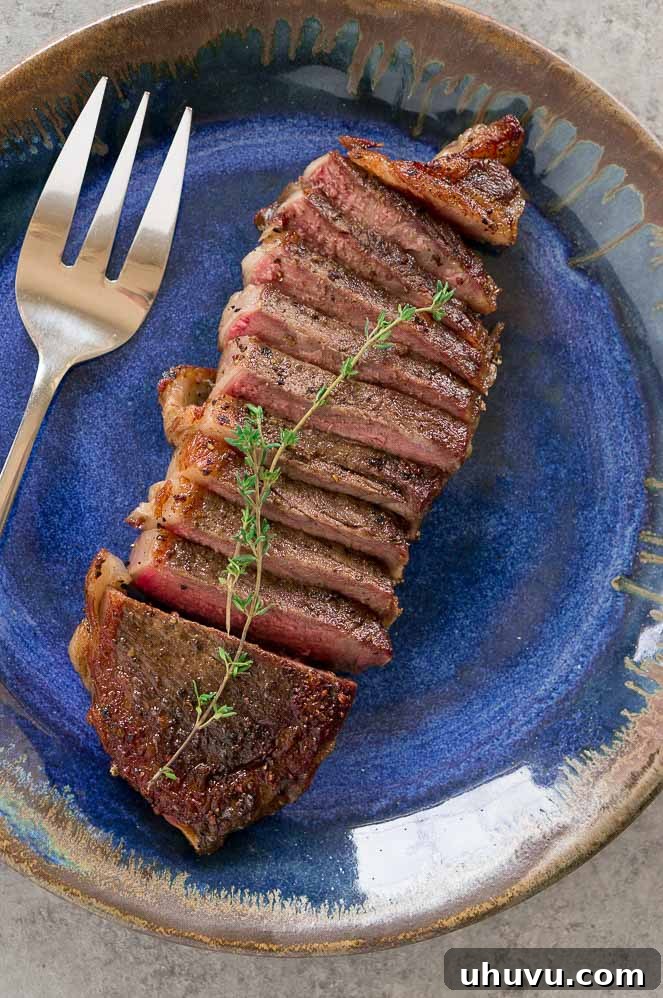
Unlock the secret to consistently tender, juicy, and flavor-packed steaks right in your own kitchen with the sous vide method. Say goodbye to guesswork and hello to restaurant-quality results every single time. Thanks to the reliable FoodSaver® vacuum sealer and bags, achieving culinary perfection has never been easier or more accessible.
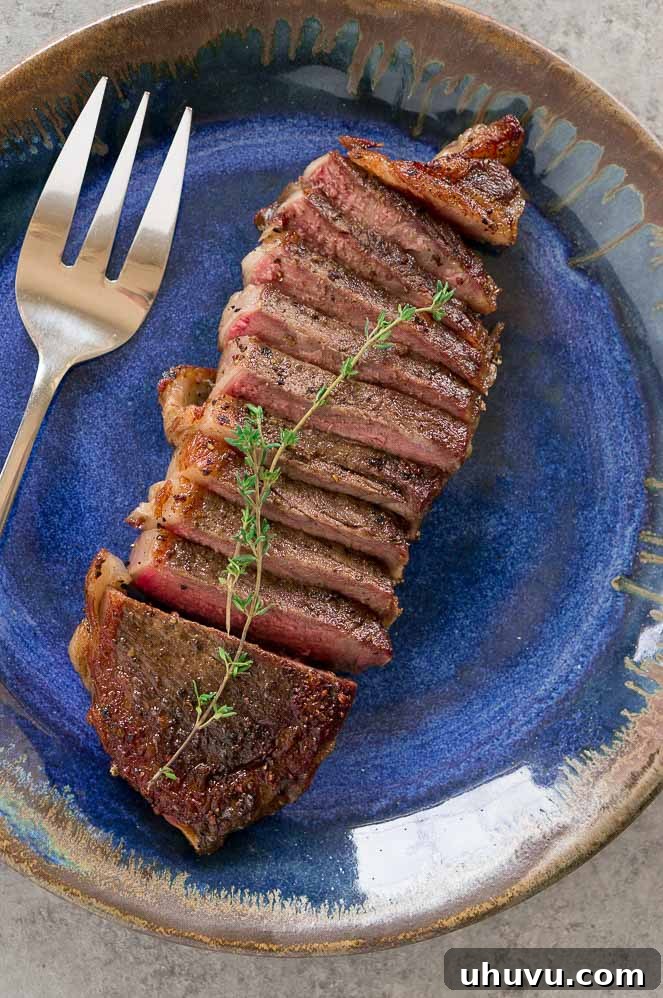
Imagine savoring a steak cooked to your exact preferred doneness, from edge to edge, brimming with its natural juices and infused with aromatic herbs. This isn’t just a fantasy; it’s the reality of sous vide cooking. Even during the chilliest winter months, you can enjoy a flawless steak without firing up the outdoor grill. This comprehensive guide will walk you through the simple, step-by-step process to create the most incredible sous vide steak you’ve ever tasted.
What is Sous Vide Cooking?
Before diving into the recipe, let’s briefly demystify sous vide. Originating from French, “sous vide” literally means “under vacuum.” It’s a culinary technique where food is vacuum-sealed in a bag and then cooked in a precisely controlled water bath at a constant low temperature. This gentle and precise cooking method ensures that your food, especially steak, reaches the desired doneness without overcooking, preserving its natural moisture, flavor, and texture. After the water bath, a quick sear in a hot pan or on a grill creates that irresistible crust, completing the perfect steak experience.
Why Sous Vide is the Ultimate Steak Cooking Method
Once you experience the benefits of sous vide, you’ll wonder how you ever cooked steak any other way. This technique offers several compelling advantages that elevate your home cooking to professional levels:
- Unrivaled Precision and Consistency: The hallmark of sous vide is its precision. Unlike traditional methods where heat fluctuates and internal temperatures can vary, sous vide cooks your steak to your exact desired temperature from edge to edge. This means no more overcooked exteriors and raw centers; just a perfectly uniform rare, medium-rare, or well-done steak throughout. Even the world’s best steakhouses often struggle to achieve this level of consistency.
- Effortless, Hands-Off Cooking: Set your immersion circulator to the target temperature, drop in your vacuum-sealed steak, and let the magic happen. There’s no need for constant monitoring, flipping, or temperature checks. This “set it and forget it” approach frees you to focus on side dishes, entertain guests, or simply relax while your steak cooks to perfection.
- Incredible Juiciness and Tenderness: Vacuum sealing locks in all the natural juices and flavors, preventing them from escaping during cooking. The low, consistent temperature gently breaks down tough connective tissues without drying out the meat, resulting in an incredibly tender and moist steak that melts in your mouth. You’ll truly taste the difference.
- Remarkable Time Flexibility: Sous vide offers unparalleled flexibility. You can cook your steak ahead of time, chill it, and then quickly sear it just before serving. This is a game-changer for meal prep and entertaining. Furthermore, unlike grilling or pan-frying, a few extra minutes in the water bath won’t ruin your steak; its internal temperature won’t exceed the set bath temperature, giving you a generous window of perfection. (However, avoid cooking for more than 3-4 hours, as prolonged exposure can subtly alter the steak’s texture).
- Economical and Efficient: Pairing sous vide cooking with FoodSaver® vacuum sealing helps reduce food waste by allowing you to buy meat in bulk, season it, and freeze it for later use. This not only saves money but also makes meal prepping at home significantly more efficient, ensuring you always have a gourmet meal ready to go.
- Enhanced Flavor Infusion: When you vacuum-seal your steak with seasonings, herbs, and aromatics, the vacuum creates an environment where these flavors are deeply infused into the meat during the slow cooking process. This results in a much more profound and even flavor distribution than simply seasoning before traditional cooking methods.
How To Cook Steak Sous Vide: A Simple Step-by-Step Guide
Cooking steak sous vide might sound intimidating, but it’s surprisingly simple and requires minimal active preparation. Follow these four easy steps to achieve the best steak of your life:
Equipment You’ll Need:
- Immersion Circulator (Sous Vide Machine)
- Large Pot or Water Bath Container
- FoodSaver® Vacuum Sealer
- FoodSaver® Vacuum Seal Bags
- Cast Iron Skillet (highly recommended for searing)
- Tongs
Ingredients:
- New York Strip steaks (1 1/2 to 2 inches thick), or your preferred thick-cut steak
- Coarse sea salt and freshly ground black pepper
- Garlic powder or fresh garlic cloves
- Fresh thyme or rosemary sprigs
- Unsalted butter
- High smoke point oil (e.g., avocado oil, grapeseed oil)
The 5 Simple Steps:
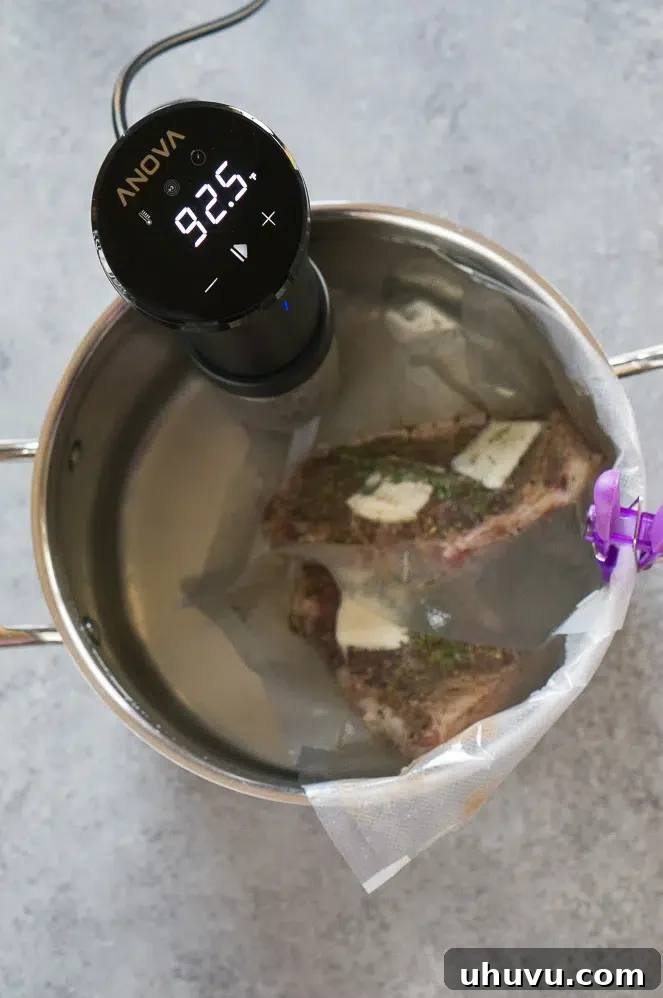
- Prepare the Water Bath: Fill a large pot or a dedicated sous vide container with water. Attach your immersion circulator and set it to your desired temperature according to the time and temperature chart below. Start the circulator to bring the water to temperature.
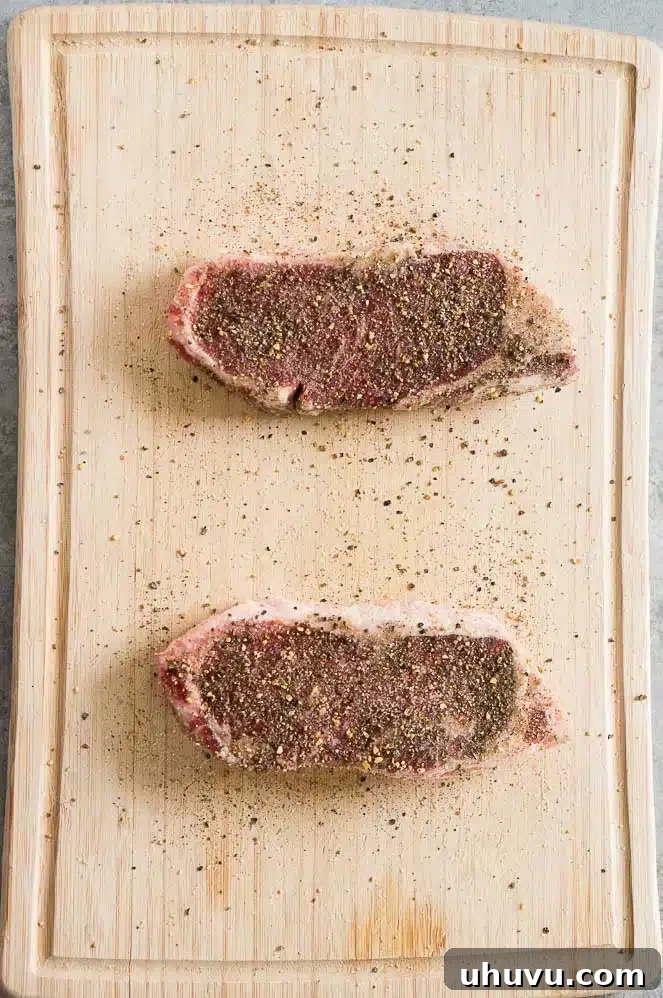
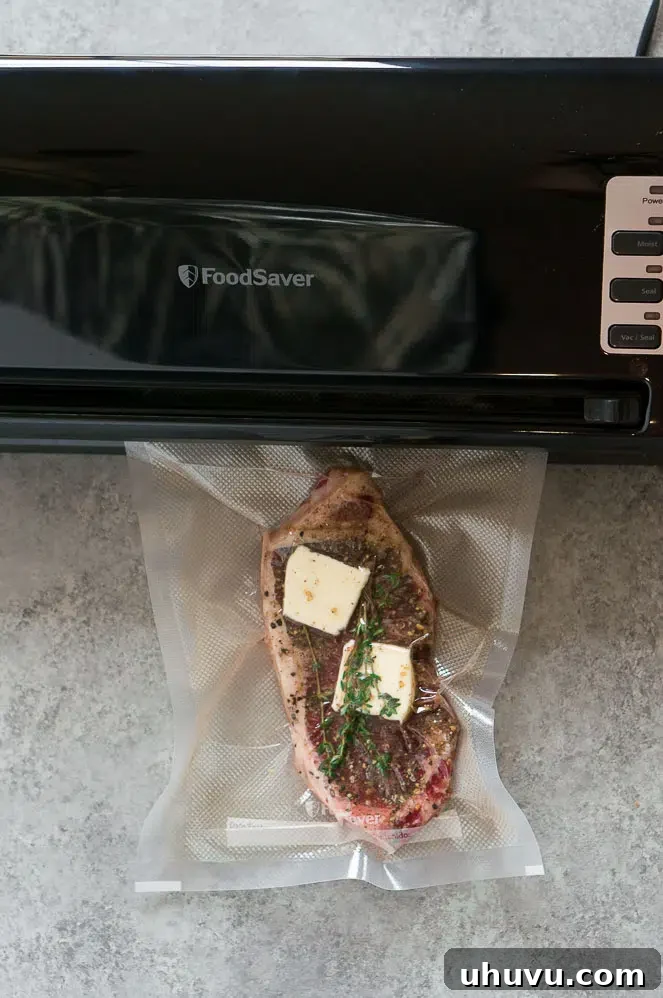
- Season Liberally: While the water heats, pat your steaks thoroughly dry with paper towels. Season them generously on all sides with salt, freshly ground black pepper, and garlic powder (or a crushed garlic clove). For added aroma, place a sprig of fresh thyme or rosemary and about 1 tablespoon of butter on top of each steak before sealing.
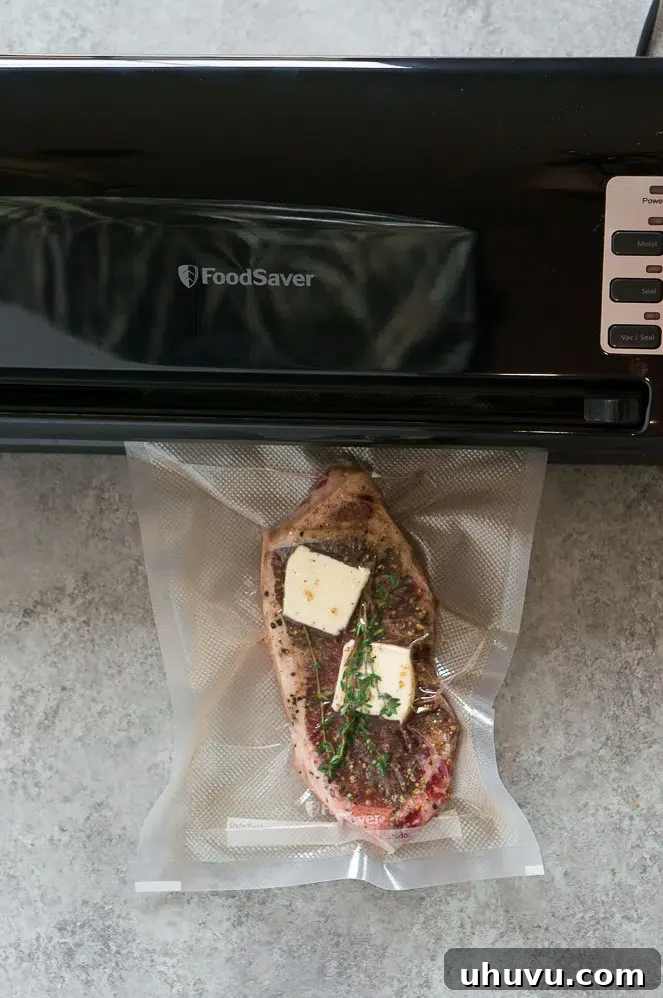
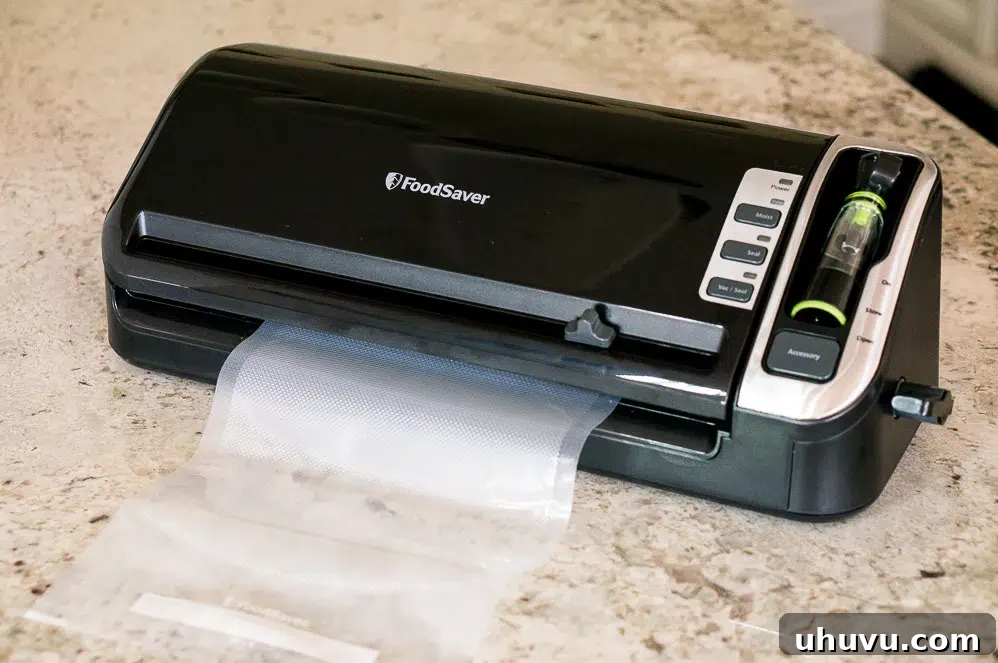
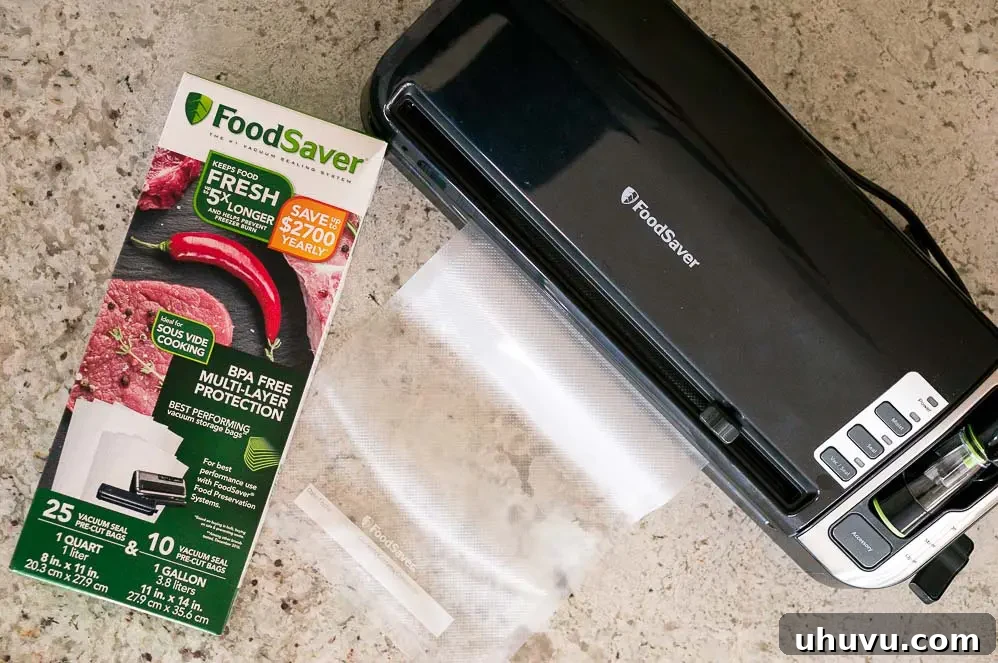
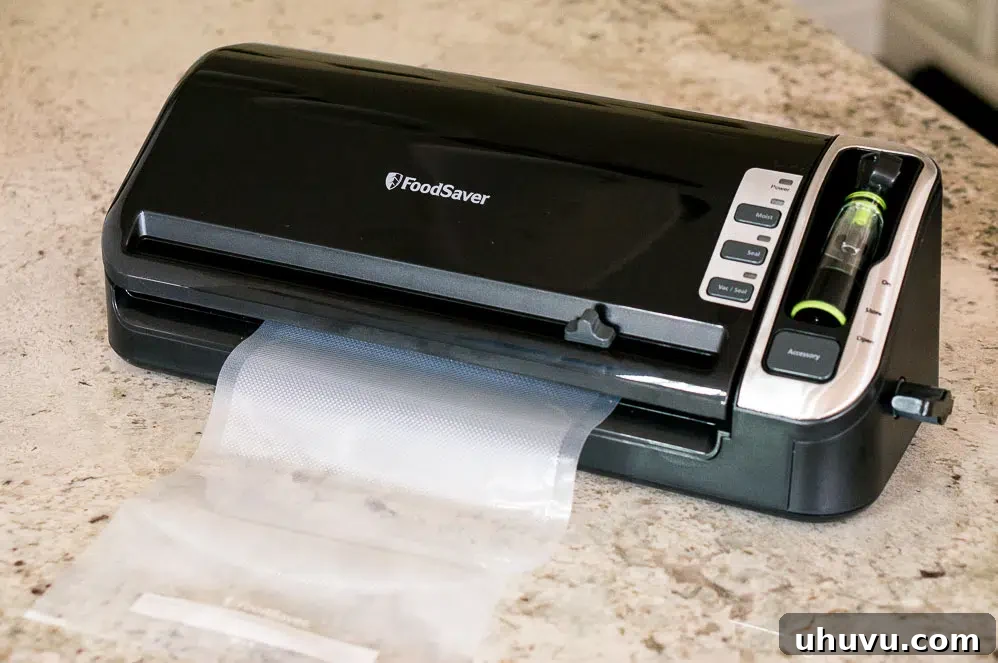
- Vacuum Seal the Steaks: Place each seasoned steak into a FoodSaver® vacuum seal bag. Ensure no air pockets remain in the bag, as this can lead to uneven cooking. Use your FoodSaver® vacuum sealer to remove all air and create an airtight seal. This step is crucial for efficient heat transfer and optimal flavor infusion.
- Sous Vide Cook: Once the water bath reaches the target temperature, carefully submerge the vacuum-sealed steaks. Ensure they are fully immersed. Cook for a minimum of 1 hour, or refer to the chart for specific doneness levels and times. The beauty of sous vide is that your steak will remain at the perfect doneness for several hours, offering incredible flexibility.
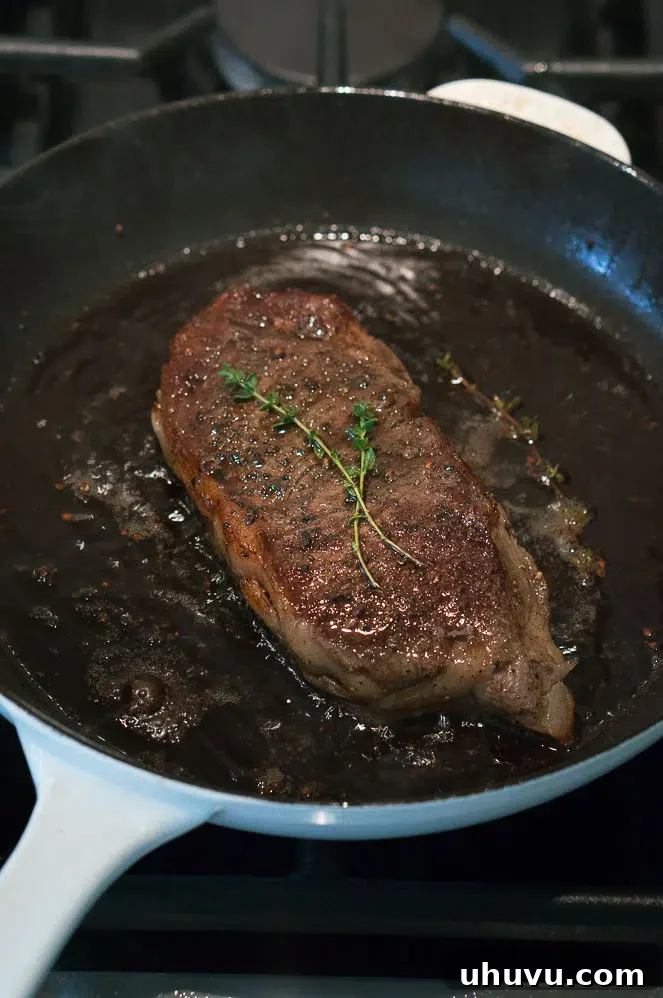
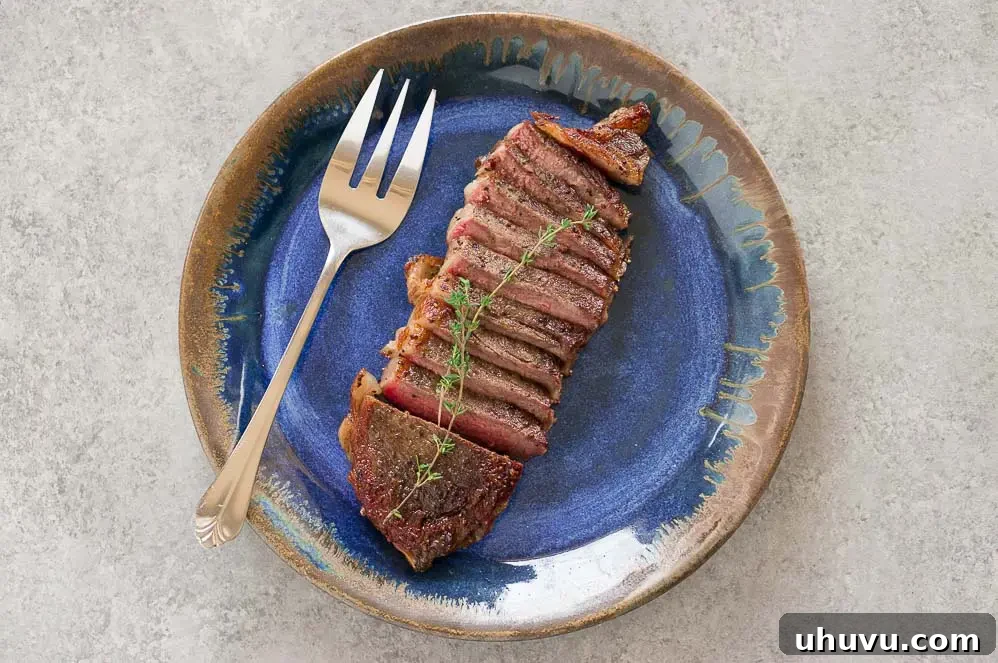
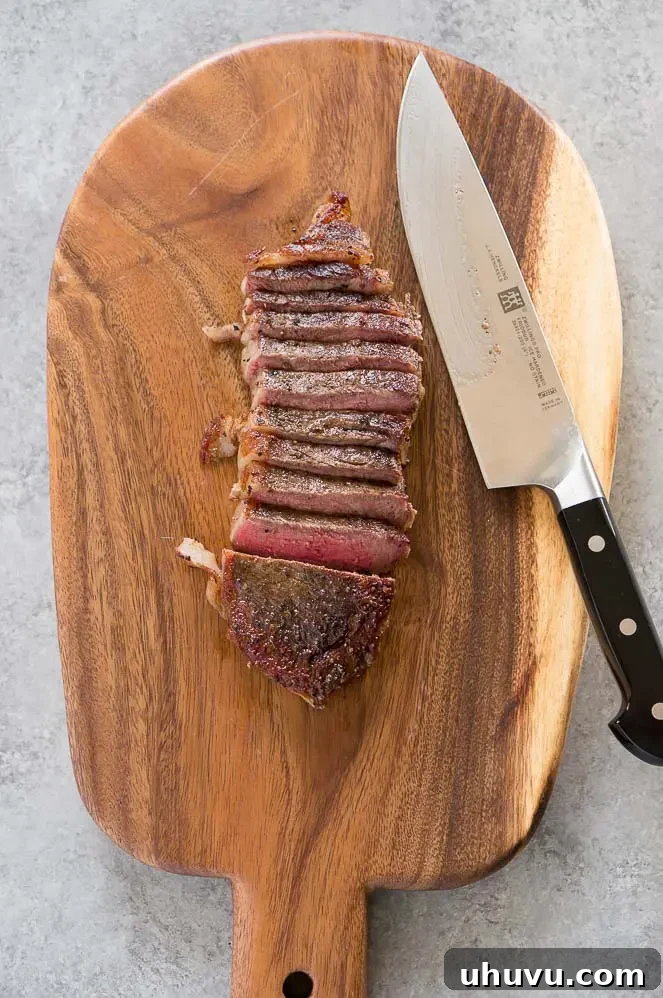
- The Perfect Sear & Serve: Once the sous vide cooking is complete, remove the steaks from the water bath and the bags. Pat them meticulously dry with paper towels – this is vital for achieving a beautiful crust. Heat a cast iron skillet over medium-high heat until it’s smoking hot. Add about 2 tablespoons of high smoke point oil to coat the pan. Sear the steaks for 1-2 minutes per side until a deep, golden-brown crust forms. For extra richness, reduce the heat to medium, add 4 tablespoons of butter to the skillet, along with any remaining herbs, and baste the steaks for an additional minute or two on each side. Remove from heat, let the steaks rest for 5-10 minutes (covered loosely with foil) to redistribute juices, then slice and serve immediately.
This streamlined approach to cooking ensures maximum flavor and tenderness without sacrificing convenience. You’ll be amazed at how easily you can prepare a meal that tastes like it came from a five-star restaurant.
Achieving the Perfect Sous Vide Steak: Expert Tips
While sous vide is inherently forgiving, a few expert tips can elevate your steak from excellent to absolutely unforgettable:
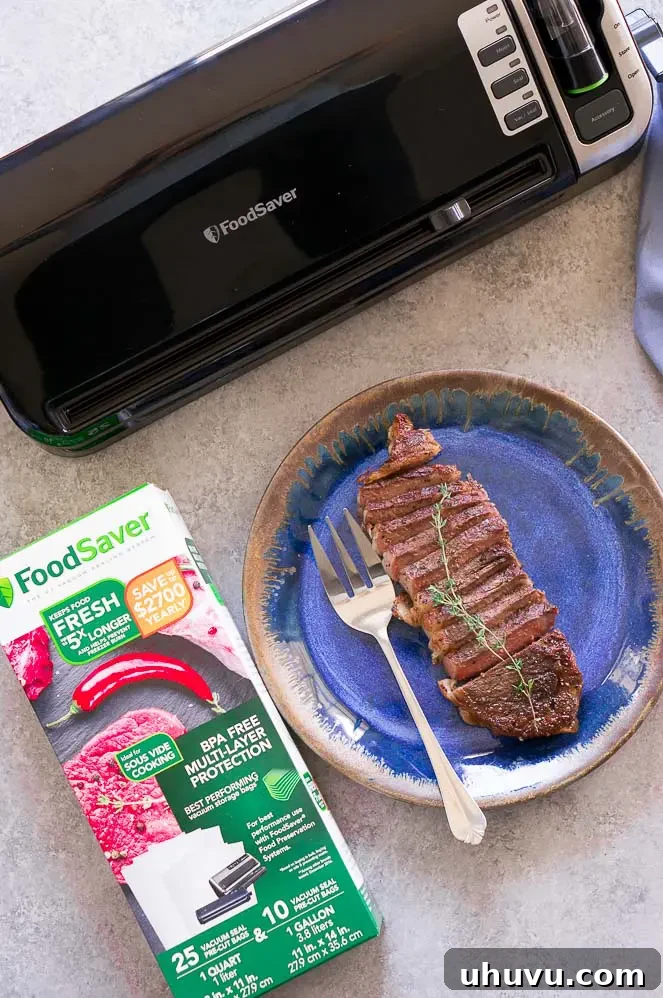
- Embrace Your Vacuum Sealer & FoodSaver® Bags: This is arguably the most crucial tip. Vacuum sealing your steak in a FoodSaver® Bag is not just about convenience; it’s essential for the sous vide process. It removes air, which is a poor conductor of heat, ensuring even cooking. Furthermore, FoodSaver Bags allow you to freeze raw, seasoned steaks directly in the bags. When you’re ready to cook, they go straight from the freezer to the water bath, no defrosting required (just add an extra hour to cooking time, see below!). This saves immense time and simplifies meal planning. FoodSaver systems are also fantastic for buying in bulk, preserving leftovers, reducing food waste, saving fridge space, and ultimately saving money. Rest assured, their bags are BPA-free and perfectly safe for sous vide cooking.
Sous Vide Steak Time & Temperature Chart
This chart provides general guidelines for cooking various steak doneness levels. Adjust times based on steak thickness and your immersion circulator’s performance.
| Doneness | Temperature | Time (for 1.5-2 inch thick steak) |
| Rare | 125 F (51.5 C) | 1 to 3 hours |
| Medium-Rare | 130 F -134 F (54.5 C – 56.5 C) | 1 to 3 hours |
| Medium | 135 F – 144 F (57 C – 62 C) | 1 to 3 hours |
| Medium-Well | 145 F – 155 F (63 C – 68 C) | 1 to 3 hours |
| Well Done | 156+ F (69+ C) | 1 to 3 hours |
Remember that the “time” range is flexible. A longer cooking time within the recommended range will result in a more tender steak, without overcooking, thanks to the precise temperature control of the water bath.
Choosing the Best Cut for Sous Vide Steak
While sous vide can improve almost any cut of meat, some steaks are particularly well-suited to this method for achieving maximum tenderness and flavor:
- Thicker Cuts are Ideal: It’s best to use steaks that are about 1 1/2 to 2 inches thick. This thickness provides a larger thermal mass, allowing you to achieve a perfect internal temperature with the sous vide, and then sear it aggressively for a fantastic crust without worrying about overcooking the interior.
- Recommended Cuts:
- Ribeye: Known for its rich marbling, which sous vide renders beautifully, resulting in an exceptionally tender and flavorful steak.
- New York Strip: A balance of tenderness and chew, with a good fat cap that crisps up wonderfully during searing.
- Filet Mignon/Tenderloin: Already incredibly tender, sous vide ensures it remains moist and cooks perfectly evenly, enhancing its delicate texture.
- Sirloin: A more economical option that benefits greatly from sous vide, becoming much more tender than with traditional cooking.
- Consider Marbling: Cuts with good marbling (intramuscular fat) like Ribeye will particularly shine with sous vide, as the low, slow cooking allows the fat to render slowly, infusing the meat with flavor and juiciness.
- Thinner Cuts and Searing: While you can sous vide thinner cuts, they can be more challenging to sear effectively. The goal is a quick, high-heat sear for crust, but with thinner cuts, the interior temperature can rise too much, moving past your desired doneness, even with a rapid sear. Stick to thicker cuts for the most consistent and satisfying results.
Can You Sous Vide a Frozen Steak? Absolutely!
One of the most convenient aspects of sous vide cooking is its ability to handle frozen steaks with ease. This feature is a lifesaver for busy weeknights and a fantastic way to utilize bulk meat purchases:
- The Process: Yes, you can sous vide a frozen steak directly from the freezer. There’s no need to thaw it beforehand, which saves you significant planning time. Simply place your vacuum-sealed frozen steak straight into the preheated water bath.
- Adjusting Cook Time: To accommodate for the thawing process, you will need to add an extra hour to the standard sous vide cooking time. For example, if a fresh steak cooks for 1-3 hours, a frozen one will require 2-4 hours. The precise temperature control of the water bath ensures that even with the extended cooking time, the steak will not overcook.
- Meal Prep Powerhouse: This capability makes sous vide a true meal prep champion. I often buy steaks when they’re on sale, season them generously, vacuum seal them using my FoodSaver®, and then freeze them for later. Having prepped, seasoned steaks ready to go means a gourmet meal is just a water bath and a quick sear away, regardless of the weather or how busy your day has been. It’s an incredibly easy way to enjoy a perfectly cooked steak even when you don’t want to fire up the grill or if it’s too cold outside.
If you enjoyed this Sous Vide Steak recipe or any other recipe on my blog, please leave a ⭐ star rating and let me know how it went in the 📝 comments below. Thanks for visiting!
Pin this now to find it later
Pin It
Sous Vide Steak Recipe
Save This Recipe
Enter your email and we’ll send the recipe directly to you!
By providing your email, you consent to receive emails from Delicious Meets Healthy.
Equipment
-
FoodSaver® Vacuum Sealer
-
FoodSaver® Bags
-
Immersion Circulator
-
Large Pot
Ingredients
- 2 New York Strip steaks, 1 1/2 inches thick, or another steak of your choice
- Salt and freshly ground black pepper
- 2 teaspoons Garlic powder (or 2-3 cloves fresh garlic, smashed)
- Fresh thyme or rosemary sprigs
- 6 Tablespoons Unsalted butter, divided
- 2 Tablespoons Avocado oil (or other high smoke point oil)
Instructions
-
Fill a large pot or plastic container with water. Attach the immersion circulator and set it to your desired temperature (refer to the chart above for doneness levels). Start the circulator to heat the water.
-
Pat the steaks completely dry. Season liberally on all sides with salt, freshly ground black pepper, and garlic powder. Add 1 tablespoon of butter and a couple of sprigs of fresh thyme or rosemary to each steak.
-
Place each seasoned steak into a FoodSaver® bag. Use your FoodSaver® vacuum sealer to remove all air and create a tight seal. Ensure no air pockets remain.
-
Once the water bath reaches the target temperature, transfer the vacuum-sealed steaks to the water. Ensure they are fully submerged. Cook for at least 1 hour, or according to your desired doneness from the time & temperature chart.
-
Once cooked, remove the steaks from the water bath and the bags. Pat them very dry with paper towels. Heat 2 tablespoons of avocado oil in a cast iron skillet over medium-high heat until smoking hot. Sear the steaks for 1-2 minutes per side until a deep, golden-brown crust forms. Reduce heat to medium, add the remaining 4 tablespoons of butter (and fresh herbs if desired), and baste the steaks for an additional 1-2 minutes per side.
-
Remove the steaks from the skillet, tent loosely with foil, and let rest for 5-10 minutes before slicing and serving. Enjoy!
Nutrition
Carbohydrates: 2g |
Protein: 47g |
Fat: 47g |
Saturated Fat: 18g |
Cholesterol: 196mg |
Sodium: 170mg |
Potassium: 744mg |
Fiber: 1g |
Sugar: 1g |
Vitamin A: 177IU |
Calcium: 52mg |
Iron: 3mg
Nutrition Disclaimer: Nutritional values are estimates and may vary with ingredients, brands, and portion sizes. For accuracy, use your preferred nutrition calculator.