
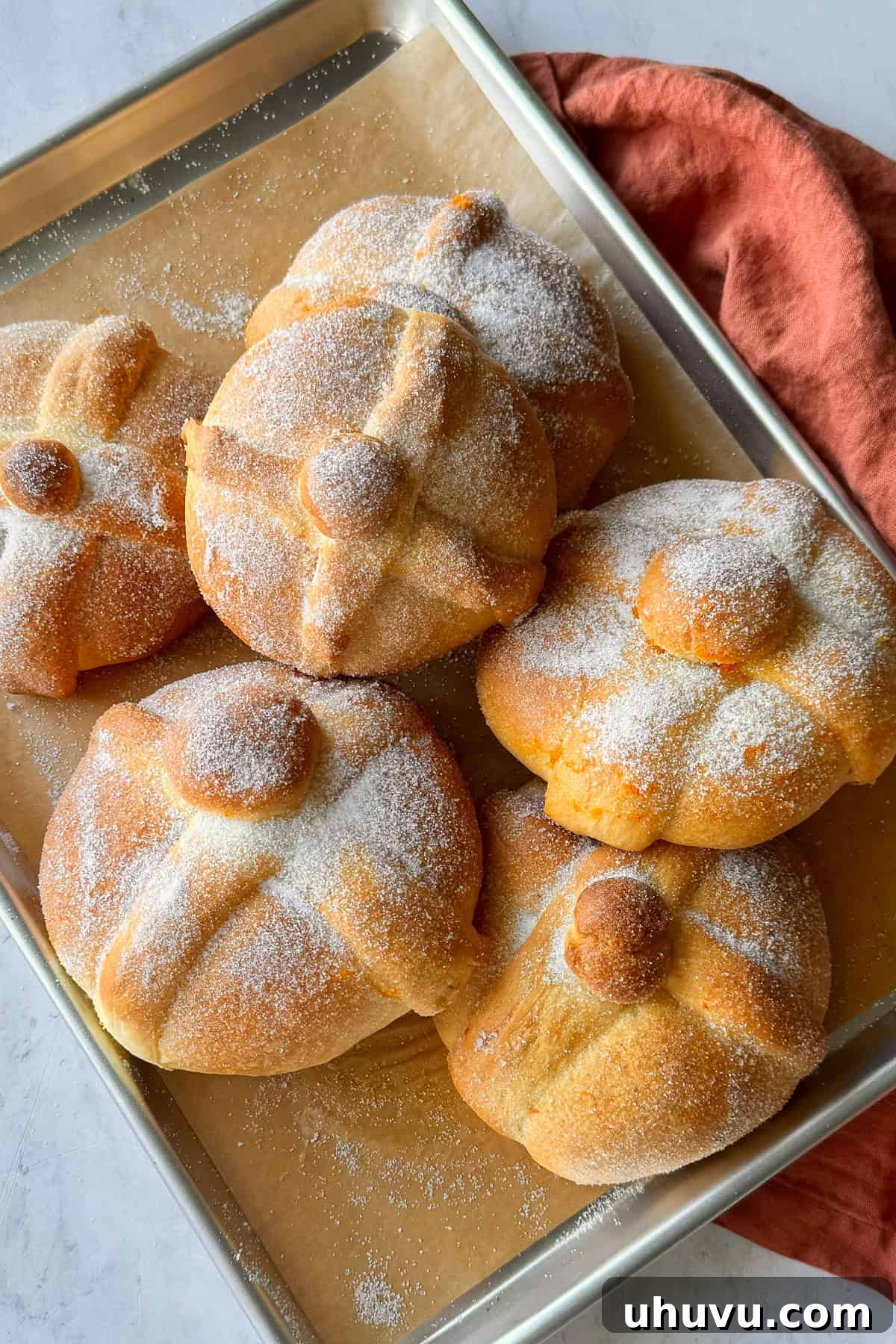
Welcome to a culinary journey celebrating one of Mexico’s most beloved traditions: Día de los Muertos. This authentic Pan de Muerto recipe guides you through creating a soft, tender, and beautifully aromatic traditional Mexican sweet bread, infused with the vibrant flavors of orange zest and the subtle warmth of anise. It’s more than just bread; it’s a delicious and deeply meaningful way to honor cherished memories and participate in the heartfelt celebration of Día de los Muertos right in your home.
A Personal Reflection on Pan de Muerto

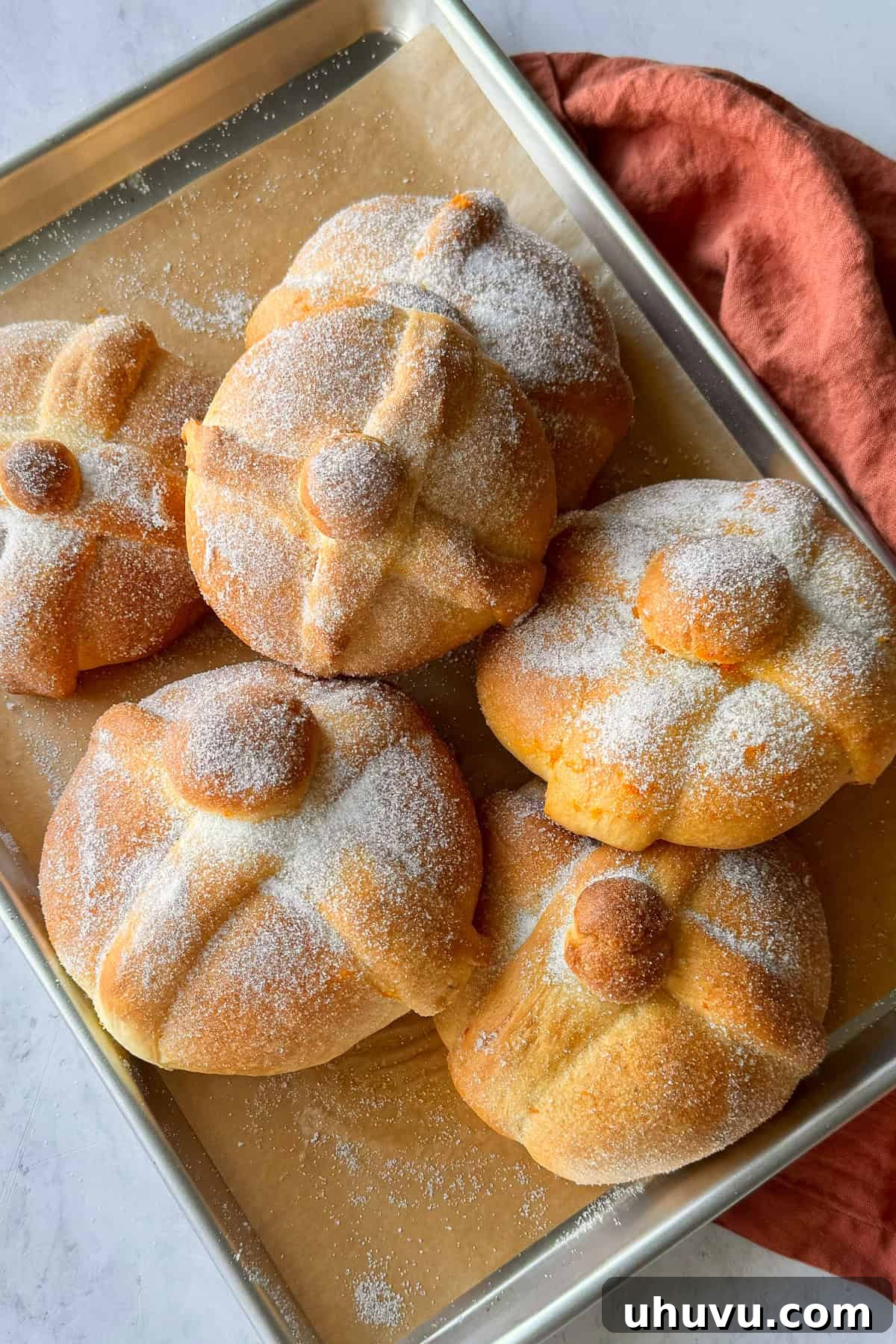
For me, Pan de Muerto holds a sacred place, not merely because of its rich history, but deeply for what it represents. Growing up, the appearance of these beautiful, sugar-dusted round loaves, adorned with their distinctive “bones” across the top, marked the imminent arrival of Día de los Muertos each mid-October at our local panadería. It was an unmistakable herald of the season, a comforting sign that something special was approaching.
Despite both my parents hailing from Mexico, our family didn’t traditionally set up an ofrenda during my childhood. Perhaps it wasn’t a prominent custom in their small town near Sombrerete, Zacatecas, or maybe for other personal reasons, but I always felt a profound admiration for the tradition. The idea of creating a space to honor ancestors, filled with their favorite things, resonated deeply with me.
Now, with my own family, I am incredibly excited to embrace this beautiful tradition by building an ofrenda at home. It’s a way to share the vibrant culture and spiritual richness of Día de los Muertos with my two daughters. Our ofrenda will be adorned with cherished photos, flickering candles, bright marigolds, and, of course, the favorite foods and drinks of our loved ones. Staples like tamales, warm champurrado, sweet conchas, and, prominently, homemade Pan de Muerto will take their place. The act of baking Pan de Muerto now fills our kitchen with warmth and a tangible connection to our heritage, transforming our home into a space of remembrance and celebration. It’s a tradition I eagerly look forward to passing down through generations, ensuring its beautiful spirit lives on.
What Exactly Is Pan de Muerto? The Story Behind the Bread of the Dead
Pan de Muerto, which translates directly to “Bread of the Dead,” is much more than a simple sweet bread. It is an iconic, lightly sweet, and enriched bread traditionally baked and consumed during Mexico’s vibrant Día de los Muertos (Day of the Dead) celebrations. This beloved bread is distinctively flavored with delicate orange zest and subtle anise seeds, which together impart a wonderfully cozy, fragrant, and slightly complex aroma and taste, making it instantly recognizable and deeply comforting.
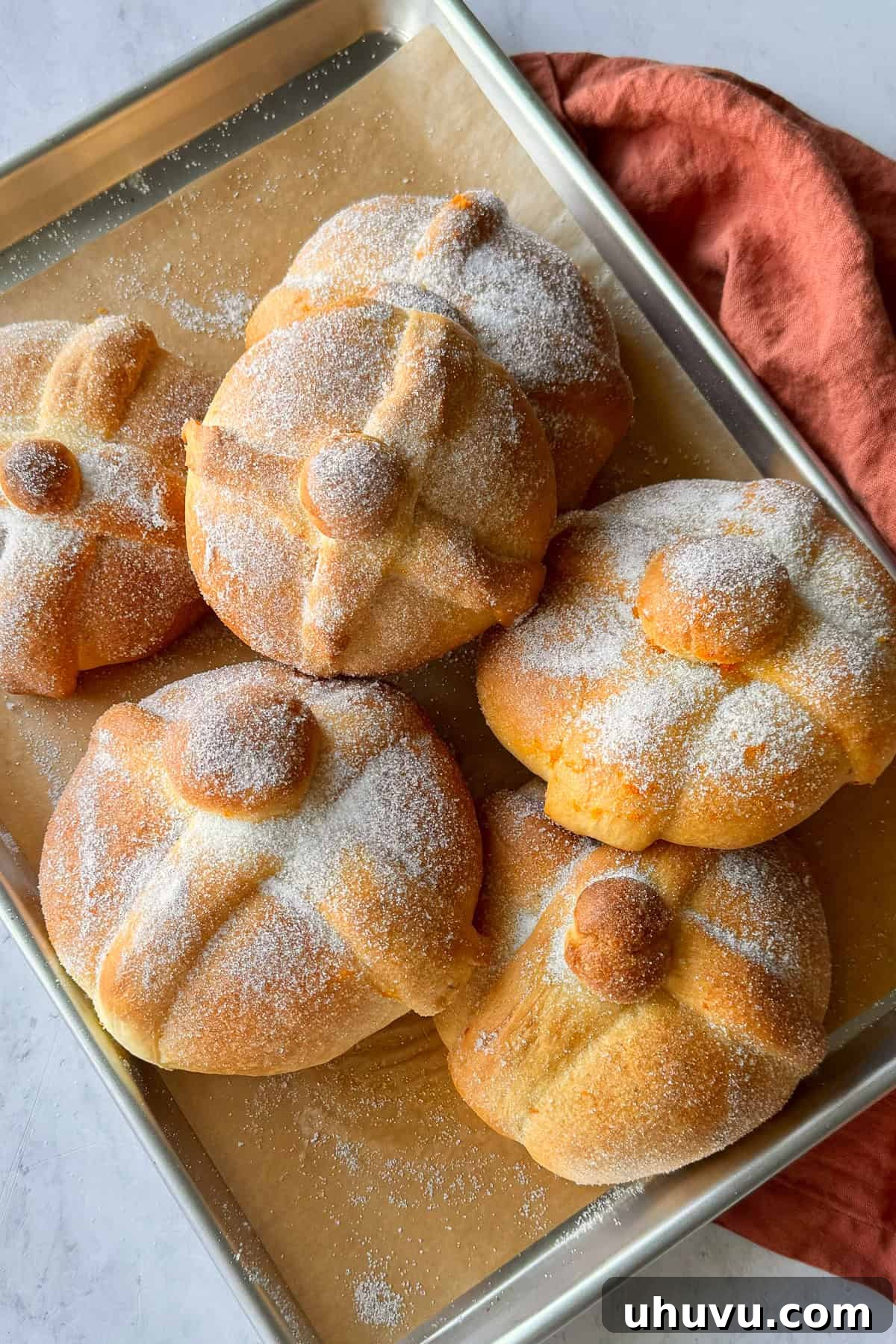
The symbolism woven into Pan de Muerto’s unique shape is as profound as its flavor. The crisscrossed strips of dough draped over the round loaf are widely understood to represent the bones of the deceased, a loving nod to those who have passed on. The small, round ball placed at the very top of the loaf can symbolize various things, depending on regional interpretation: it might be a teardrop for sorrow, a skull representing the departed, or even a heart, signifying love and remembrance. Traditionally, a beautifully prepared loaf of Pan de Muerto is placed on the family’s ofrenda (altar) as a sacred offering to welcome the spirits of their ancestors returning home. Beyond its role on the altar, other loaves are joyfully shared among family and friends, fostering community and collective remembrance. This rich tradition transforms a simple baked good into a powerful symbol of life, death, and the enduring bond between generations.
Essential Ingredients for Your Pan de Muerto
Crafting the perfect Pan de Muerto begins with a careful selection of ingredients, each playing a crucial role in achieving its signature flavor and tender texture. Below is an overview of what you’ll need and why these components are key. For precise measurements and step-by-step instructions, please refer to the detailed recipe card at the bottom of this page.
- Flour: A thoughtful combination of all-purpose flour and bread flour is used to create the ideal texture. The bread flour contributes to the dough’s essential structure, providing a pleasant chewiness, while the all-purpose flour ensures the bread remains beautifully tender and soft.
- Sugar: Granulated sugar serves a dual purpose in this recipe. It sweetens the enriched dough itself, giving the bread its characteristic mild sweetness, and it also forms the sparkling, traditional sugar topping that coats the finished loaves.
- Anise Seed: This is a quintessential flavoring for Pan de Muerto, imparting a distinct natural sweetness with a subtle, delicate hint of licorice. Its flavor is remarkably gentle and contributes significantly to the bread’s unique aromatic profile without overpowering the other elements.
- Orange Zest: Fresh orange zest is vital for infusing the dough with a bright, citrusy aroma and flavor. It also plays a key role in the glaze, where it’s mixed with melted butter before the sugar topping is applied, enhancing the overall fragrance. While many traditional recipes, particularly from certain regions of Mexico, call for a splash of orange blossom water for its floral notes, fresh orange zest provides a readily available and equally delicious alternative if orange blossom water is hard to find.
- Milk, Butter, and Eggs: These rich ingredients are what give Pan de Muerto its characteristic “enriched” dough quality. Whole milk, unsalted butter, and large eggs contribute to a remarkably rich, soft, and flavorful crumb, making the bread wonderfully tender and moist. For an even more authentic and robust traditional flavor, some bakers opt to use a combination of half lard and half butter.
- Yeast: Active dry yeast is the leavening agent responsible for the magical rise of the dough, transforming it into the pillowy, airy loaves that are so central to the Pan de Muerto experience. Ensuring your yeast is fresh and active is crucial for a successful rise.
Crafting Your Pan de Muerto: A Step-by-Step Guide
Baking Pan de Muerto is a rewarding process that combines simple steps with a touch of artistic flair. Follow these stages to create beautiful, symbolic loaves for your celebration:
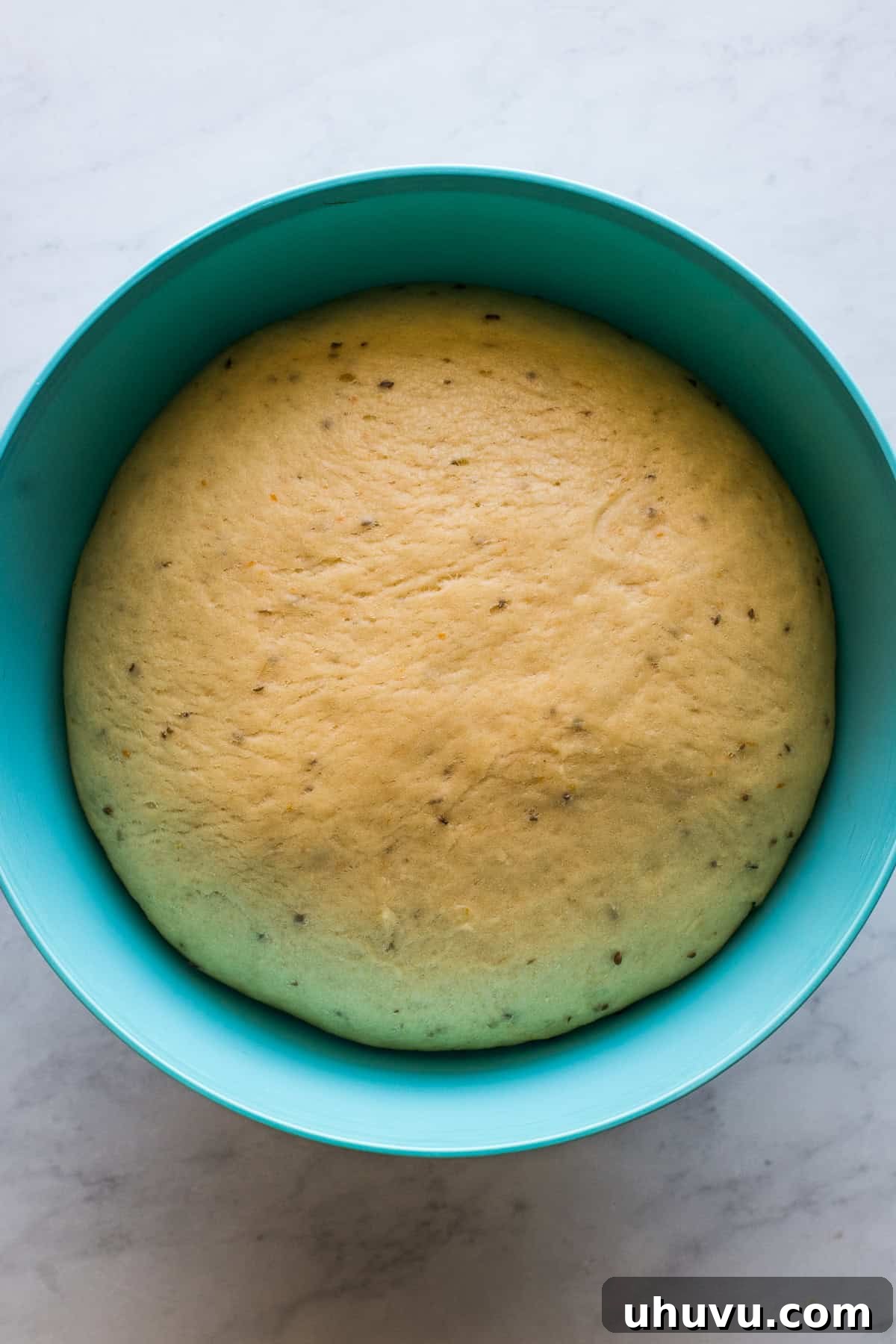
1. Prepare the Dough and Allow for the First Rise: Begin by gently warming the milk to an ideal temperature (around 110-115°F), then activate your active dry yeast by stirring it in with a pinch of sugar. Allow this mixture to bloom until it becomes foamy, indicating the yeast is alive and ready. In a stand mixer, combine the bread flour, all-purpose flour, salt, and anise seeds. Add the activated yeast mixture, melted butter, eggs, and fresh orange zest. Using a dough hook, mix on medium-low speed for approximately 6-8 minutes until the dough achieves a smooth, elastic consistency and cleanly pulls away from the sides of the bowl. Transfer the dough to a lightly oiled large bowl, shape it into a ball, cover it with a kitchen towel, and let it rise in a warm, draft-free place for about 2 hours, or until it has visibly doubled in size. This slow rise is crucial for developing flavor and a tender crumb.
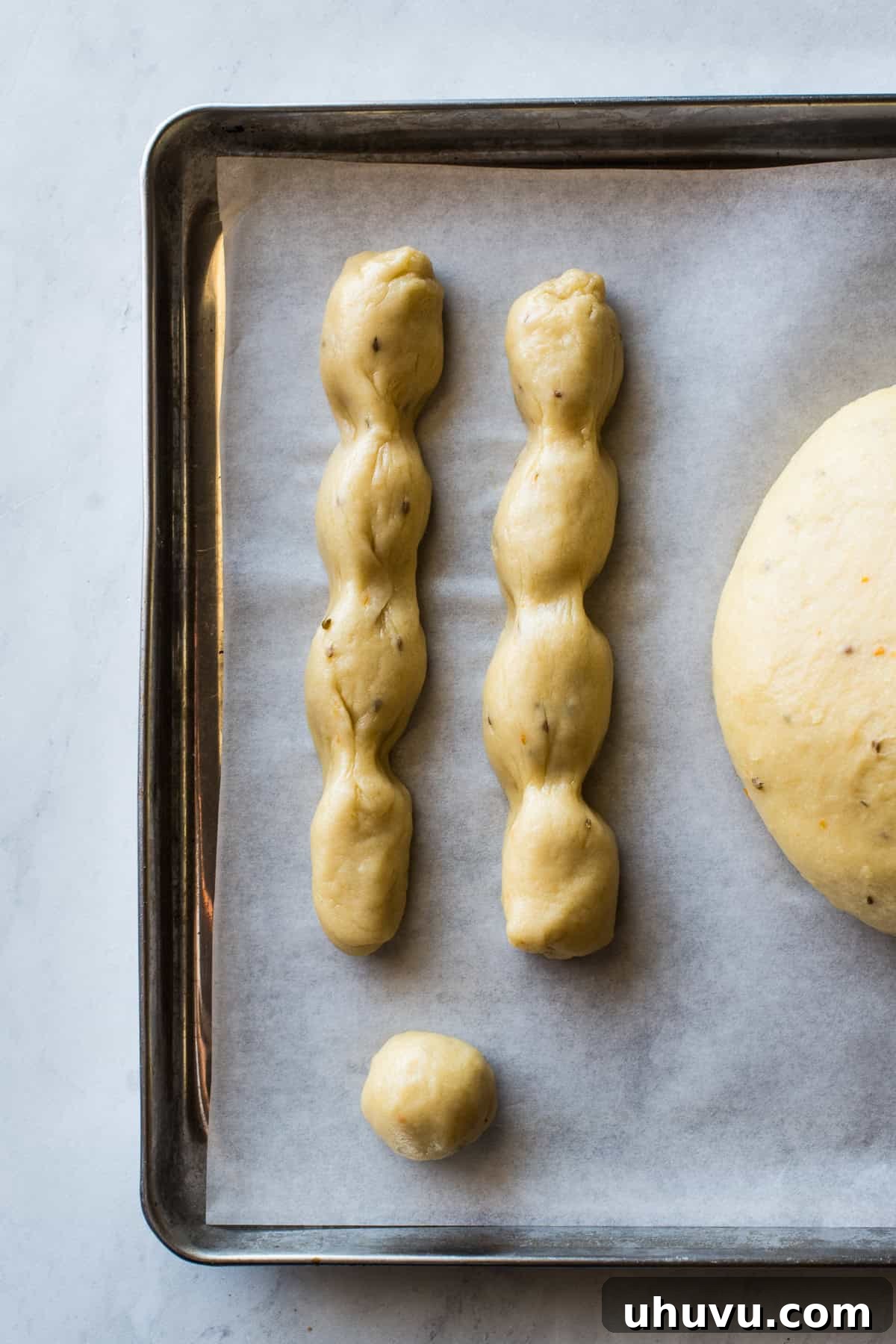
2. Shape the Loaves and Create the Symbolic “Bones”: Once the dough has completed its first rise, gently punch it down to release the air. Divide the dough into six equal portions for your main loaves. From each of these six portions, carefully cut off about one-quarter of the dough – these smaller pieces will be used to form the signature “bones” and the central “tear” or “skull” adornments. Shape the six larger pieces into smooth, round balls and arrange them on baking sheets lined with parchment paper, ensuring ample space between each. Now, for the decorative elements: Divide the reserved dough into small pieces. Roll out long, thin ropes for the “bones,” gently pinching them at intervals to create knuckle-like shapes. Form tiny balls for the central adornment. Carefully arrange two “bones” in a crisscross pattern over each round loaf, then place a small dough ball firmly in the center where the bones intersect. This step brings the iconic symbolism of Pan de Muerto to life.
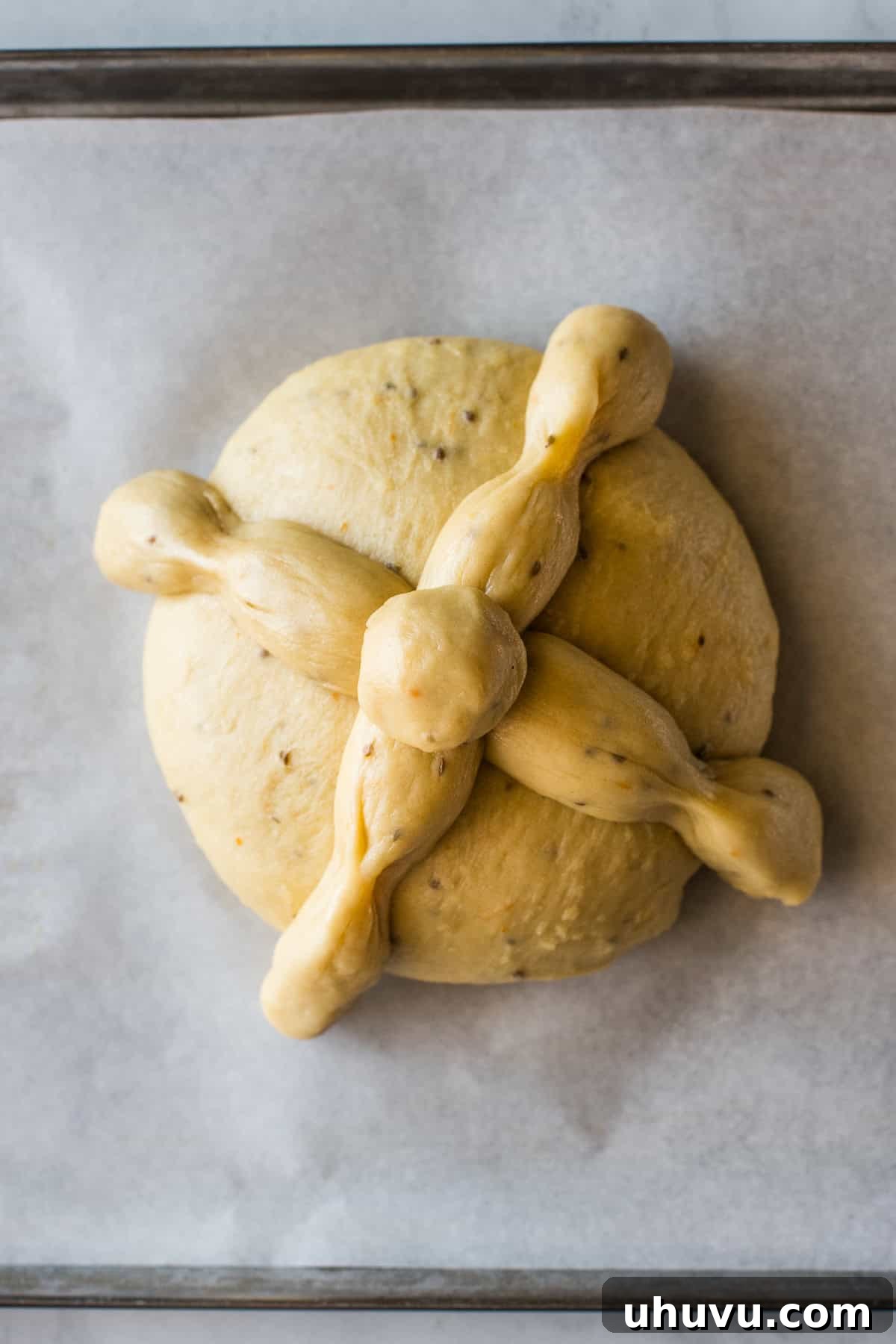
3. Second Rise and Baking: After shaping, lightly cover the adorned loaves with a clean kitchen towel and allow them to undergo a second rise for approximately 90 minutes in a warm spot. This crucial step helps the bread achieve its ultimate lightness and airy texture. While the loaves are rising, preheat your oven to 350°F (175°C) about 15 minutes before the second rise is complete. Bake the Pan de Muerto for 35-40 minutes, or until the tops are beautifully golden brown and the bread is fully cooked through. The internal temperature should register around 190-200°F (88-93°C). Once baked, remove the loaves from the oven and transfer them to a wire rack. Allow them to cool slightly for at least 30 minutes before proceeding to the final topping stage, as this prevents the butter from soaking in too quickly.
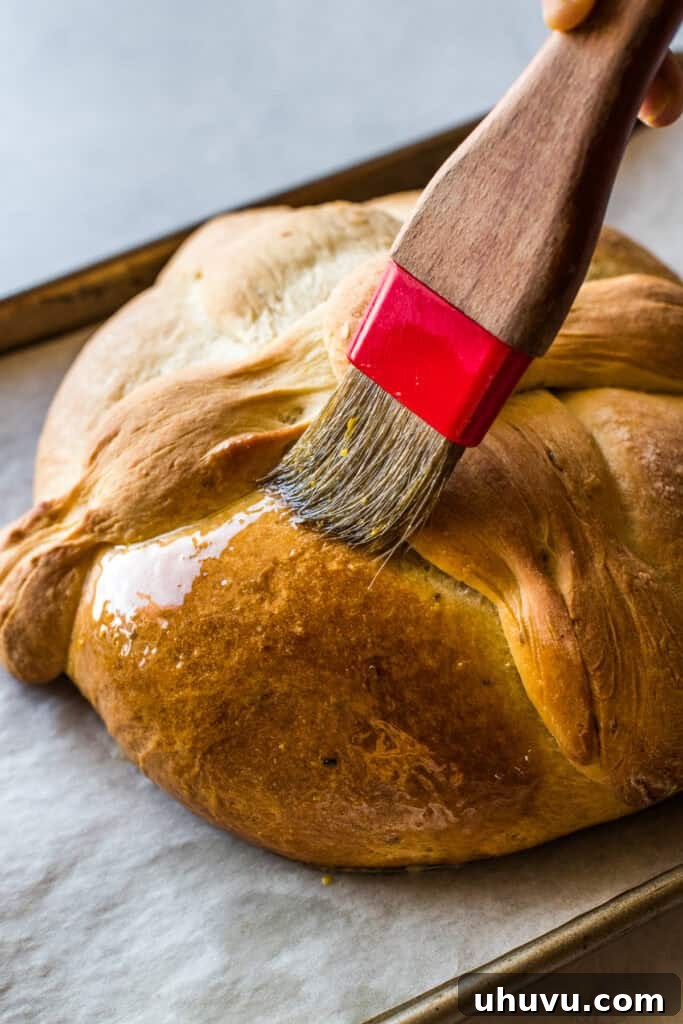
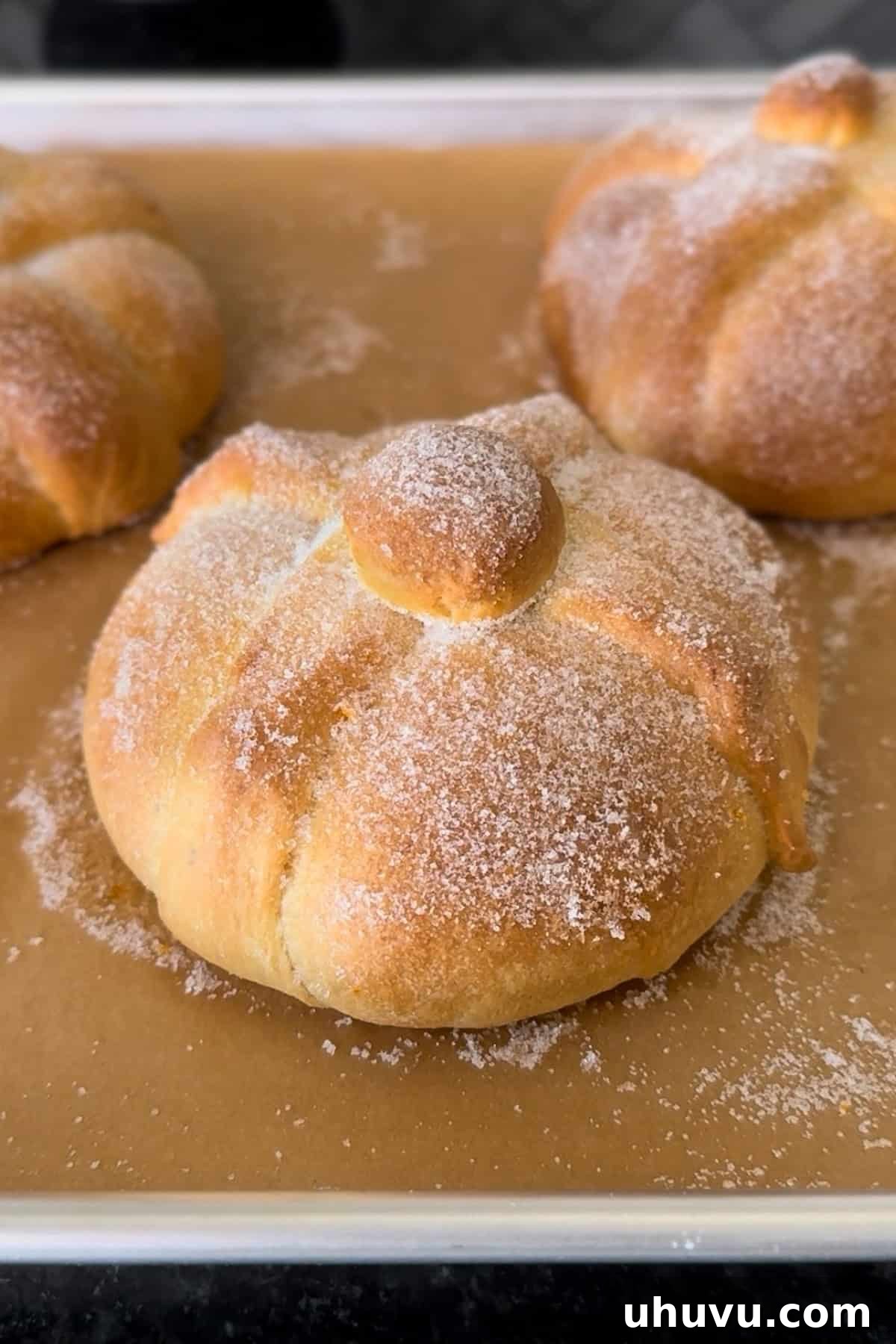
4. Glaze and Sugar Topping: While the Pan de Muerto loaves are still warm to the touch (but not hot), prepare the irresistible sugar topping. In a small bowl, whisk together melted unsalted butter with fresh orange zest. Gently brush this fragrant butter mixture generously over the entire surface of each warm loaf. This not only adds a wonderful layer of flavor but also acts as a perfect adhesive for the sugar. Immediately after brushing, generously sprinkle or roll the loaves in granulated sugar, ensuring an even and attractive coating. The warmth of the bread will help the sugar adhere beautifully, creating a delightful sparkle and an extra touch of sweetness. Now, your homemade Pan de Muerto is ready to be admired and enjoyed!
Expert Tips for Perfect Pan de Muerto Every Time
- Embrace the Slow Rise: Patience is truly a virtue when making Pan de Muerto. This enriched dough requires ample time to rise, and allowing it to do so at its own pace is crucial for developing the characteristic soft, pillowy texture and depth of flavor. If your kitchen tends to be on the cooler side, a helpful trick is to place the covered dough in your oven with just the oven light on; the gentle warmth from the bulb creates an ideal environment for rising.
- Prioritize Freshness for Flavor: The signature taste of Pan de Muerto heavily relies on fresh ingredients. Always use fresh orange zest, as it provides the most vibrant citrus notes. Similarly, fresh anise seeds deliver the best subtle licorice-like warmth. If you’re not a fan of anise or don’t have it on hand, you can use a smaller amount or introduce a hint of ground cinnamon for a comforting warmth, though it will alter the traditional flavor profile slightly.
- Timing the Sugar Topping is Key: For the most beautiful and adherent sugar coating, make sure to apply the topping while the bread is still warm, but not piping hot. Brushing the loaves with melted butter and orange zest, then rolling them in granulated sugar while they are slightly warm, helps the sugar stick perfectly and creates that irresistible sugary crust.
- Personalize Your Pan de Muerto: While tradition is at its heart, feel free to add your own personal touch. Some bakers like to incorporate a splash of orange blossom water into the dough or the glaze for an added floral aroma. Instead of plain granulated sugar, you could opt for a dusting of cinnamon sugar for a different flavor dimension. For a deeply traditional and symbolic touch in certain regions, some ancestral recipes even suggest using ashes from roasted corn husks (totomoxtle) for a unique gray topping, though this is less common for home bakers.
- Kneading for Texture: Don’t skimp on the kneading time. The 6-8 minutes of mixing in a stand mixer (or a good 10-15 minutes by hand) is essential for developing the gluten in the dough, which results in that wonderfully elastic, smooth texture and ensures a light, airy final product.
- Storing Your Pan de Muerto: To keep your homemade Pan de Muerto fresh and delicious, store it at room temperature in an airtight container or a large resealable bag. It will remain soft and flavorful for 2-3 days. For longer storage, the bread can be frozen for up to 2 months. Simply wrap individual loaves tightly in plastic wrap, then aluminum foil, and thaw at room temperature before serving.
How to Savor and Serve Your Pan de Muerto
Pan de Muerto is undeniably delicious on its own, its delicate sweetness and fragrant notes a treat for the senses. However, it truly comes alive and offers the most authentic experience when enjoyed as it’s traditionally meant to be: shared with loved ones, alongside a comforting warm beverage. I personally adore serving it with a steaming mug of rich café de olla, with its subtle hints of cinnamon and piloncillo, or a luxurious Mexican hot chocolate, made with authentic Mexican chocolate and a touch of spice. These pairings create a harmonious blend of flavors that elevate the entire experience. It’s also exceptionally wonderful with a glass of classic Mexican atole, a warm, masa-thickened drink, or its delightful variations like atole de nuez (nut atole) or atole de elote (corn atole). Even a simple glass of warm milk makes a perfect companion.
Given its lightly sweet profile and the inviting aroma of orange and anise, Pan de Muerto makes for an ideal breakfast treat or a delightful merienda (afternoon snack). One of my favorite ways to enjoy it the day after baking is to gently toast a slice and spread a little butter on top. The slight crispness combined with the soft interior and aromatic flavors is seriously heavenly. And, of course, if you’re preparing this special bread as a part of your Día de los Muertos celebration, remember to place one beautifully decorated loaf on your ofrenda as a heartfelt offering to welcome returning spirits. The remaining loaves are then perfect for sharing with friends and family, fostering connection and carrying on a beautiful, meaningful tradition.
Discover More Traditional Mexican Recipes
If you’ve enjoyed the cultural richness and delicious flavors of Pan de Muerto, we invite you to explore more traditional Mexican recipes that celebrate the country’s vibrant culinary heritage:
- Calabaza en Tacha: A candied pumpkin dessert, perfect for the fall season.
- Pozole Blanco: A hearty and flavorful traditional hominy stew, often served during celebrations.
- Buñuelos: Light and crispy fried dough fritters, typically dusted with cinnamon sugar.
- Arroz con Leche: A creamy and comforting Mexican rice pudding, a beloved classic dessert.
Pan de Muerto
Ingredients
- ⅔ cup whole milk
- 2 ¼ teaspoons active dry yeast
- ½ cup granulated sugar
- 2 ½ cups bread flour
- 2 ½ cups all-purpose flour
- 1 teaspoon fine salt
- 1 teaspoon anise seed
- 1 cup unsalted butter, melted
- 4 large eggs
- 2 teaspoons orange zest (about 2 medium oranges)
- 1 teaspoon oil
For the topping
- ¼ cup unsalted butter, melted
- 1 teaspoon orange zest (about 1 orange)
- ½ cup granulated sugar
Instructions
-
In a cup or bowl, heat the milk in the microwave in 15-second increments or on the stove until it’s just warm to the touch. A thermometer should read around 110°F-115°F.
-
Stir in the yeast and sugar to combine, then loosely cover with plastic wrap and let it stand for 5 minutes until it gets very foamy.
-
In the bowl of a stand mixer, whisk together the bread flour, all-purpose flour, salt, and anise seed.
-
Attach the dough hook to the mixer and add the melted butter, eggs, orange zest, and yeast mixture. Mix on medium-low speed for 6-8 minutes, until the dough becomes smooth and elastic and pulls away from the bowl.
-
Coat a large bowl with oil and transfer the dough to the bowl, shaping it into a ball. Cover it with a kitchen towel and let it rise for 2 hours until doubled in size.
-
Line two large baking sheets with parchment paper and set aside.
-
Divide the dough into 6 equal pieces, then cut 1/4 off of each piece and set it aside to create the bone shapes that will drape across each loaf.
-
Shape the 6 large dough pieces into balls and place each of them on the prepared baking sheets.
-
Make the bone-shaped decorations for each loaf. Tear a small piece off of each of the 6 dough remaining dough pieces. Roll each into a small ball and set aside. Drape the two long bones over each of the loaves in a cross shape, the top with the two balls.
-
Divide each of the remaining 6 dough pieces in half to create 12 equal-sized pieces. Roll each piece into a long rope about 7-inches in length. Pinch the ropes at intervals to make them look like bones.
-
Drape 2 of the long rope pieces over each of the loaves in a criss-cross shape, then top each with one of the small balls.
-
Lightly cover with a kitchen towel and let it rise for 1 ½ more hours.
-
15 minutes before the resting time is over, preheat the oven to 350°F. Bake for 35-40 minutes, until the tops are golden brown and the bread is fully cooked through. Allow to cool for at least 30 minutes.
-
Make the topping by whisking together the melted butter and orange zest in a small bowl or cup. Brush the melted butter mixture all over the top of the loaves, then roll or brush in the granulated sugar.
Video
A video demonstration for making Pan de Muerto is often available to guide you through each step visually, enhancing your baking experience.
Notes
Nutrition
Nutrition information is automatically calculated, so should only be used as an approximation.