

Have you ever found yourself staring at a can of hominy in your pantry, wondering what culinary wonders it holds? Or perhaps you’ve heard the name but aren’t quite sure what this unique ingredient is all about? You’ve come to the right place! This comprehensive guide will unlock the mysteries of hominy, from its ancient origins and fascinating preparation process to its incredible versatility in the kitchen and surprising health benefits. Prepare to be inspired with mouthwatering ideas and recipes that will make hominy a staple in your culinary repertoire!
What Exactly Is Hominy? An Ancient Staple Reimagined
Often mistaken for oversized corn kernels, hominy is, in fact, corn that has undergone a remarkable transformation. While it shares a visual resemblance with corn, its distinct taste, chewy texture, and enhanced nutritional profile set it apart. The journey from a dried corn kernel to the plump, delicious hominy we know today involves an age-old process known as nixtamalization, a culinary innovation that predates modern cooking by millennia.
The process begins not with sweet corn, which we typically enjoy on the cob during summer, but with dried field corn. This specific type of corn is harder and starchier, ideal for the nixtamalization process that unlocks its unique characteristics. Here’s a closer look at how this ancient food is prepared:
- The Soak in Alkaline Solution: Dried field corn kernels are rehydrated and cooked in an alkaline solution, most commonly food-grade calcium hydroxide, also known as slaked lime (the mineral, not the citrus fruit!), or sometimes lye. While the use of chemicals might sound daunting, this solution is crucial. It softens the tough outer pericarp (hull) of the corn, making it easier to remove, and prevents the kernels from sprouting during storage. More importantly, it initiates vital chemical changes within the corn.
- Overnight Transformation: Similar to preparing dried beans, the corn needs to soak in this solution, typically overnight. This extended period allows the alkaline solution to penetrate deeply into the kernels, facilitating the necessary structural and chemical alterations.
- Rinsing and Hull Removal: After soaking, the corn kernels are thoroughly rinsed. This step removes any residual alkaline solution and, crucially, helps separate the loosened outer shells (hulls) from the kernels. What remains are plump, tender kernels, significantly larger than their original dried state, ready for culinary use.
This ingenious process, nixtamalization, was first developed in Central America over 3,000 years ago by Mesoamerican civilizations. Indigenous peoples across North America and the West Indies also adopted and perfected similar methods for preparing corn, highlighting its fundamental importance in their diets and cultures. Beyond simply making corn more palatable, nixtamalization dramatically increases its nutritional value, making essential nutrients more bioavailable, a topic we’ll explore further.
Before consumption, whether you’re using canned or freshly prepared hominy, it should always be heated until thoroughly cooked and warmed through to ensure the best texture and flavor.
Where to Find This Versatile Ingredient
While the traditional nixtamalization process is fascinating, most of us lead busy lives that don’t allow for overnight corn soaking and hull removal. Thankfully, hominy is readily available in convenient forms, making it accessible to every home cook. The most common and easiest way to incorporate hominy into your meals is by purchasing it canned.
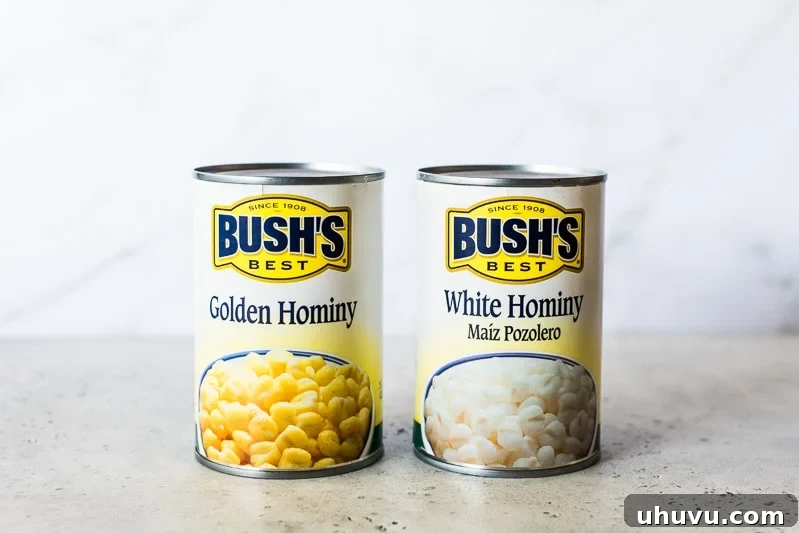
Canned hominy is a true pantry hero. You’ll typically find it in the canned vegetable aisle of most mainstream grocery stores, often alongside other staples like corn, peas, and beans. It comes in both white and golden yellow varieties, both of which offer excellent flavor and texture, perfectly suitable for a wide range of dishes. I personally rely on canned hominy almost exclusively, and its quality and convenience are unmatched.
For those seeking specialty brands or dried hominy to embark on the nixtamalization process at home, you might explore:
- **Ethnic Food Aisles:** Many grocery stores feature international or ethnic food sections where you might find more diverse brands of canned hominy, sometimes larger cans or different varieties.
- **Latin American Markets:** These stores are a treasure trove for authentic ingredients and are almost guaranteed to carry a variety of hominy products, including dried hominy for traditional preparation.
- **Online Retailers:** If local options are limited, the internet offers a vast selection. Major online marketplaces provide access to both white and golden yellow canned hominy, delivered right to your doorstep. Here are a couple of examples:
- White Hominy
- Golden Yellow Hominy
Regardless of whether you choose canned or dried, incorporating hominy into your cooking is a straightforward and rewarding experience.
Corn vs. Hominy: Understanding the Transformation
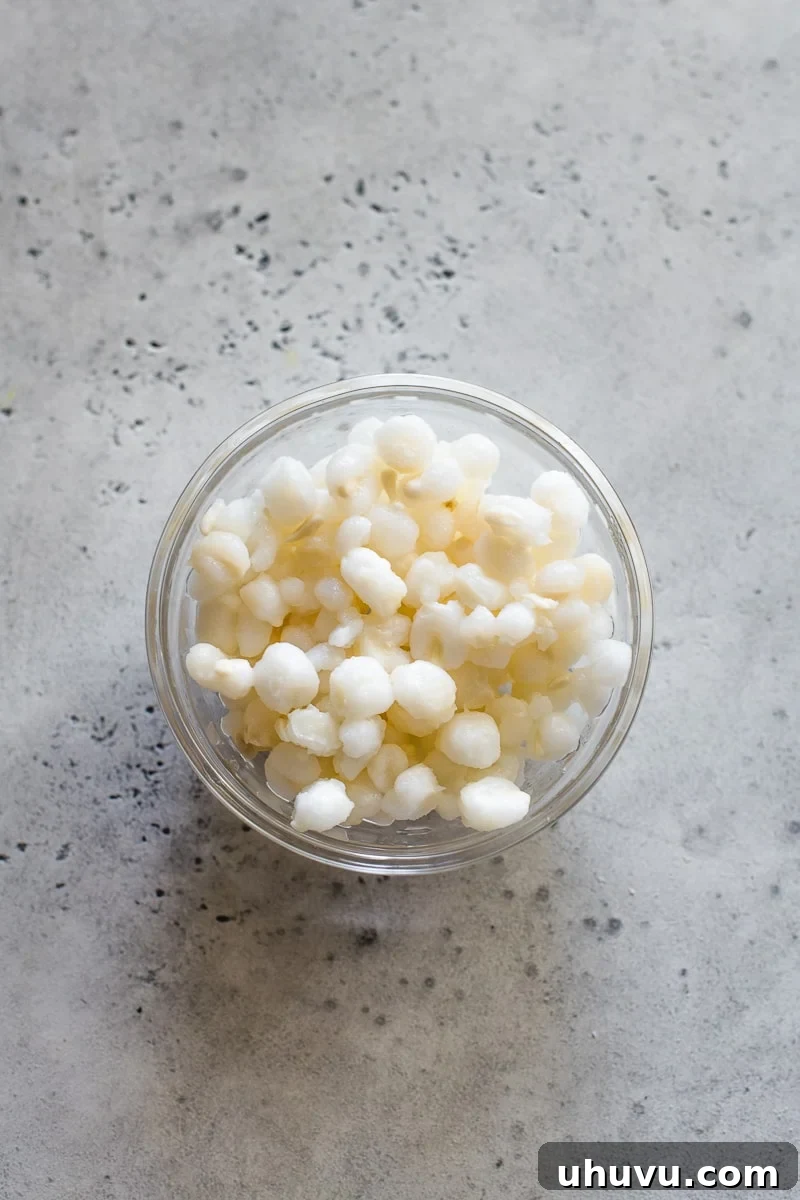
While hominy originates from corn, the nixtamalization process creates a truly distinct ingredient. The soaking and cooking in an alkaline solution are what make all the difference, fundamentally altering the corn’s physical and chemical properties. These changes result in a product that is larger, chewier, and nutritionally superior to simple cooked corn kernels.
During nixtamalization, the corn kernels swell significantly, often puffing up to two or even three times their original dried size. This expansion contributes to hominy’s characteristic plumpness and hearty texture. Beyond the visual change, the alkaline solution breaks down hemicellulose in the corn’s cell walls, making the kernels softer and more pliable. It also gelatinizes the starch, contributing to its unique chewiness.
From a flavor perspective, hominy offers a subtle yet distinct departure from regular corn. It typically has an earthier, slightly nutty flavor profile, often described as more robust than sweet corn. This unique taste allows hominy to impart a depth of flavor to dishes, yet it remains incredibly versatile, blending harmoniously with a wide array of ingredients without overpowering them. It absorbs the flavors of the broths and spices it’s cooked with, making it an excellent canvas for various culinary creations. The difference between hominy and corn is not merely cosmetic; it’s a testament to ancient food science that enhances both taste and nutrition.
Embracing Hominy: Versatile Uses in Your Kitchen
Hominy’s unique texture and flavor make it an incredibly versatile ingredient, cherished in many cuisines, particularly Mexican and Southwestern cooking. Its ability to absorb flavors and provide a satisfying chewiness means it can star in a dish or serve as a fantastic supporting element. Here are some of the most popular and creative ways to use hominy:
The Heart of Pozole: A Celebratory Stew
Perhaps the most iconic use of hominy is in pozole, a deeply flavorful and hearty Mexican stew. Pozole is not just a meal; it’s a culinary tradition, often enjoyed during celebrations, holidays, and family gatherings. The plump, tender hominy kernels are central to this stew, providing a wonderful textural contrast to the tender meat and rich broth. Popular versions of this beloved dish include:
- Chicken Pozole Verde: Featuring a vibrant green broth typically made with tomatillos, jalapeños, and cilantro, often combined with shredded chicken.
- Pozole Rojo: Characterized by a deep red broth flavored with dried red chiles like guajillo and ancho, usually prepared with pork.
- Pozole Blanco: A simpler, clear broth pozole, often made with pork or chicken, allowing the natural flavor of the hominy and meat to shine, usually served with various fresh toppings.
In all its variations, pozole brilliantly showcases hominy’s satisfying chewiness and its capacity to soak up the complex flavors of the broth and spices.
Masa Harina: The Foundation of Mexican Cuisine
Beyond whole kernels, hominy is also the fundamental ingredient for masa harina. This fine flour, made from dried and ground nixtamalized corn, is the bedrock of countless Mexican and Central American dishes. Masa harina is often used as a gluten-free flour to thicken soups and stews, imparting a subtle corn flavor and creamy texture. Most famously, it is the essential ingredient for making authentic corn tortillas, tamales, sopes, gorditas, and pupusas—dishes that define the region’s culinary identity.
Atole: A Comforting Beverage
In Mexico, ground hominy (or masa harina) is also commonly mixed with water or milk to create atole. This thick, warm, and comforting beverage is particularly popular during the colder winter months and festive holiday seasons. Atole can be flavored in numerous ways, from classic vanilla and cinnamon to fruits and nuts. A popular variation is champurrado, a chocolate-flavored atole, which offers a rich, soothing experience.
Beyond the Classics: Innovative Hominy Applications
Don’t limit hominy to traditional Mexican fare; its versatility extends far beyond! Consider these inventive ways to enjoy it:
- Hominy Salads: Incorporate chilled hominy into vibrant salads with fresh vegetables, herbs, and a zesty vinaigrette for a refreshing and hearty side dish.
- Hominy as a Side Dish: Sauté hominy with butter, garlic, and your favorite spices, or roast it until slightly crispy for a delicious alternative to rice, potatoes, or corn.
- Hominy Chili: Swap out or supplement beans with hominy in your next batch of chili for a unique texture and flavor twist. It adds a satisfying chewiness and absorbs the rich chili spices beautifully.
- Hominy Gratins and Casseroles: Layer hominy with cheese, cream, and other vegetables or meats to create comforting baked dishes that are perfect for potlucks or family dinners.
- Fried Hominy: For a delightful snack or appetizer, lightly coat hominy kernels and fry them until golden and crispy. Serve with a sprinkle of salt or a spicy dipping sauce.
- Soups and Stews: Add hominy to any vegetable, chicken, or beef soup for added body, texture, and nutritional boost. Its robust nature holds up well in slow-cooked dishes.
- Hominy Salsa: Mix hominy with corn, black beans, bell peppers, red onion, cilantro, and lime juice for a chunky, flavorful salsa perfect with chips or as a topping for grilled meats.
With such a broad spectrum of uses, hominy is truly a culinary chameleon, ready to adapt to your creative cooking desires.
Is Hominy Good for You? Unpacking Its Health Benefits
Beyond its culinary appeal, hominy boasts an impressive array of health benefits, largely thanks to the nixtamalization process. Unlike traditional corn, which can sometimes pass through the digestive tract relatively intact, the nutrients in hominy are made more readily available for your body to absorb and utilize. This ancient preparation method transforms corn into a nutritional powerhouse.
One of the most significant advantages of nixtamalization is the release of niacin (Vitamin B3). In unprocessed corn, niacin is largely bound and unavailable to the human body. The alkaline solution in hominy production unlocks this vital B vitamin, which is crucial for metabolism, nerve function, and maintaining healthy skin. Historically, cultures that relied heavily on unprocessed corn experienced pellagra, a niacin deficiency disease. Hominy, therefore, was not just a food but a life-saving nutritional intervention. Additionally, the process adds calcium from the lime solution, contributing to bone health and other bodily functions.
Despite some misconceptions surrounding processed foods, hominy stands out as a remarkably healthy option. It is:
- High in Fiber: Hominy is an excellent source of dietary fiber, which is essential for digestive health, promoting regularity, and preventing constipation. Fiber also contributes to feelings of fullness, aiding in weight management by reducing overall calorie intake.
- Low in Calories, Sugar, and Fat: With almost no sugar or fat, hominy offers a nutrient-dense option that won’t overload your diet with empty calories. It’s surprisingly filling, making it a valuable food for those monitoring their caloric intake.
- A Whole Grain Food: Even though it undergoes processing, hominy is still considered a whole grain. Whole grains are linked to numerous health benefits, including a reduced risk of heart disease, type 2 diabetes, and certain cancers.
- Naturally Gluten-Free: For individuals with celiac disease or gluten sensitivity, hominy provides a fantastic, naturally gluten-free grain option. This makes it an inclusive food that can be enjoyed by a wider audience, offering a satisfying and versatile alternative to wheat-based grains.
- Beneficial for Weight Management: Its high fiber content and low calorie count make hominy an ideal food for those on a low-fat diet or striving for weight loss. It provides sustained energy and keeps hunger at bay without the added guilt.
In essence, hominy is more than just a culinary curiosity; it’s a nutritionally enhanced, flavorful, and versatile ingredient with a rich history. Embrace this ancient Mexican food in your kitchen, try it in place of beans or traditional corn in your favorite dishes, or dive into one of the incredible recipes mentioned here. You’re sure to fall in love with its unique texture, satisfying flavor, and impressive health benefits!