

Embark on a culinary journey to discover the rich, complex world of Mexican chocolate. Far from the smooth, sweet confections many are accustomed to, Mexican chocolate offers a uniquely bold flavor profile and a wonderfully rustic texture. This distinctive ingredient is a cornerstone of Mexican cuisine, playing vital roles in both traditional beverages and savory dishes alike. If you’ve yet to experience its magic, prepare for a delightful treat that transcends typical chocolate expectations.
Unveiling Authentic Mexican Chocolate
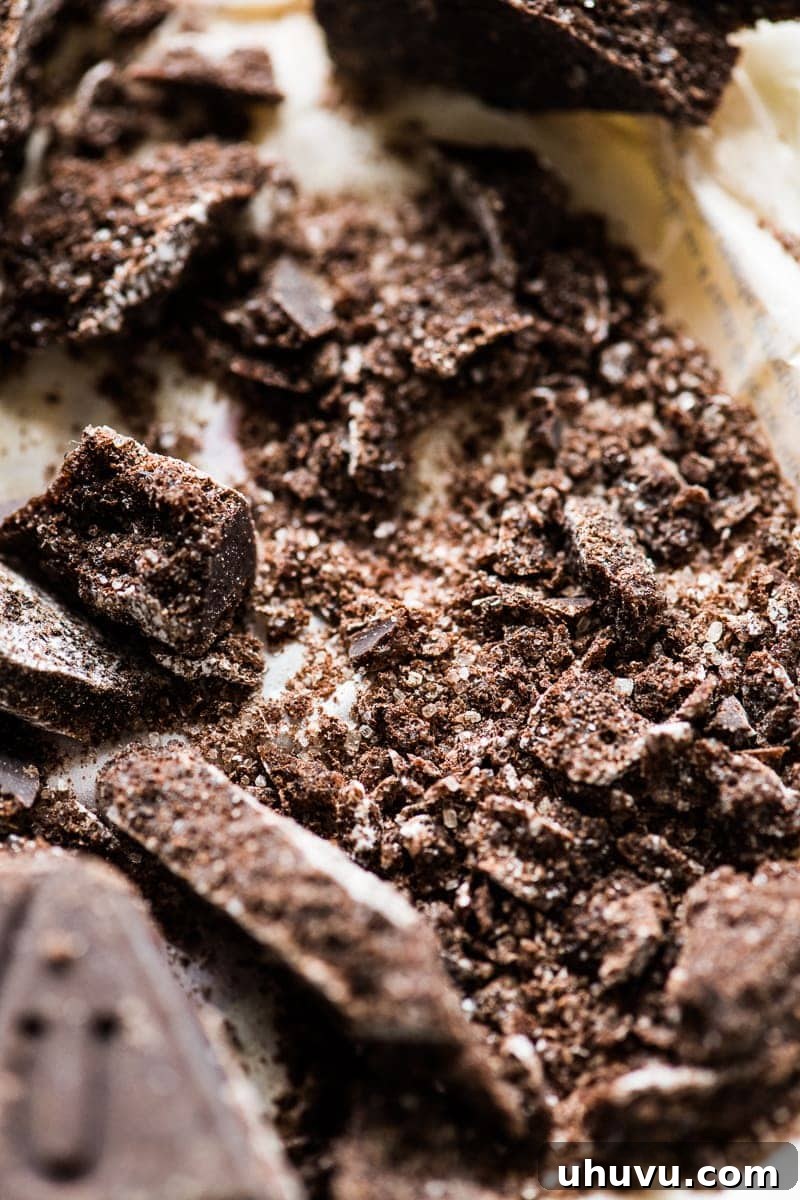
At its heart, Mexican chocolate is a traditional paste meticulously crafted from cacao nibs, granulated sugar, and aromatic cinnamon. Unlike its more refined European counterparts, its texture is notably grainy, a direct result of the higher sugar content and minimal processing. This charming coarseness is not a flaw but a defining characteristic, offering a unique mouthfeel that distinguishes it from common baking or milk chocolates. Often, a symphony of other flavors is carefully blended in, creating an even more intricate and captivating taste experience. Common additions you will find include:
- Vanilla for a hint of warmth and sweetness
- Chiles, such as ancho or chipotle, adding a subtle warmth and depth
- Nutmeg, providing an earthy, slightly spicy note
- Almonds, contributing a nutty richness and further texture
The journey of Mexican chocolate begins with cacao, a plant deeply rooted in Mexico’s history and culture. Cacao trees thrive in the country’s tropical climates, yielding pods filled with beans that are the foundation of this beloved ingredient. Once harvested, these beans undergo a meticulous process: they are dried, then fermented to develop their complex flavors before being cracked open. The small, broken pieces produced are known as cacao nibs. To transform these into Mexican chocolate, the nibs are traditionally ground and lightly roasted. This process retains much of the cacao’s inherent bitterness, which is precisely what gives Mexican chocolate its distinctive and celebrated taste.
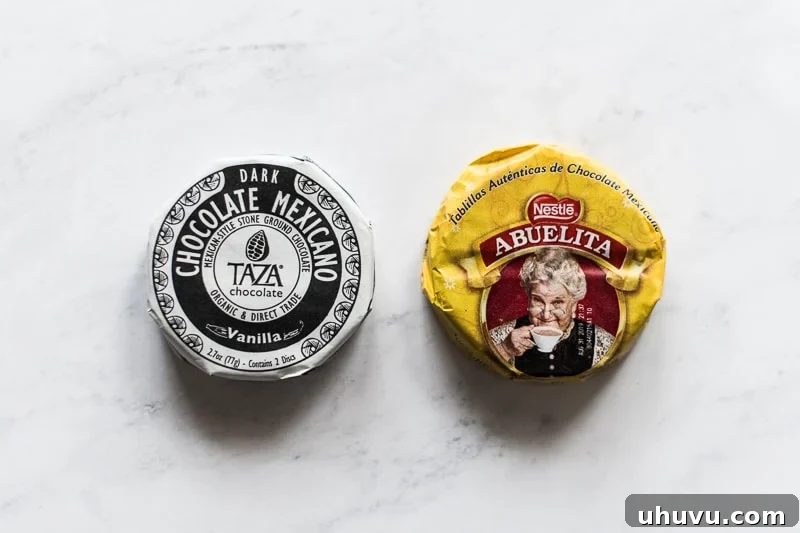
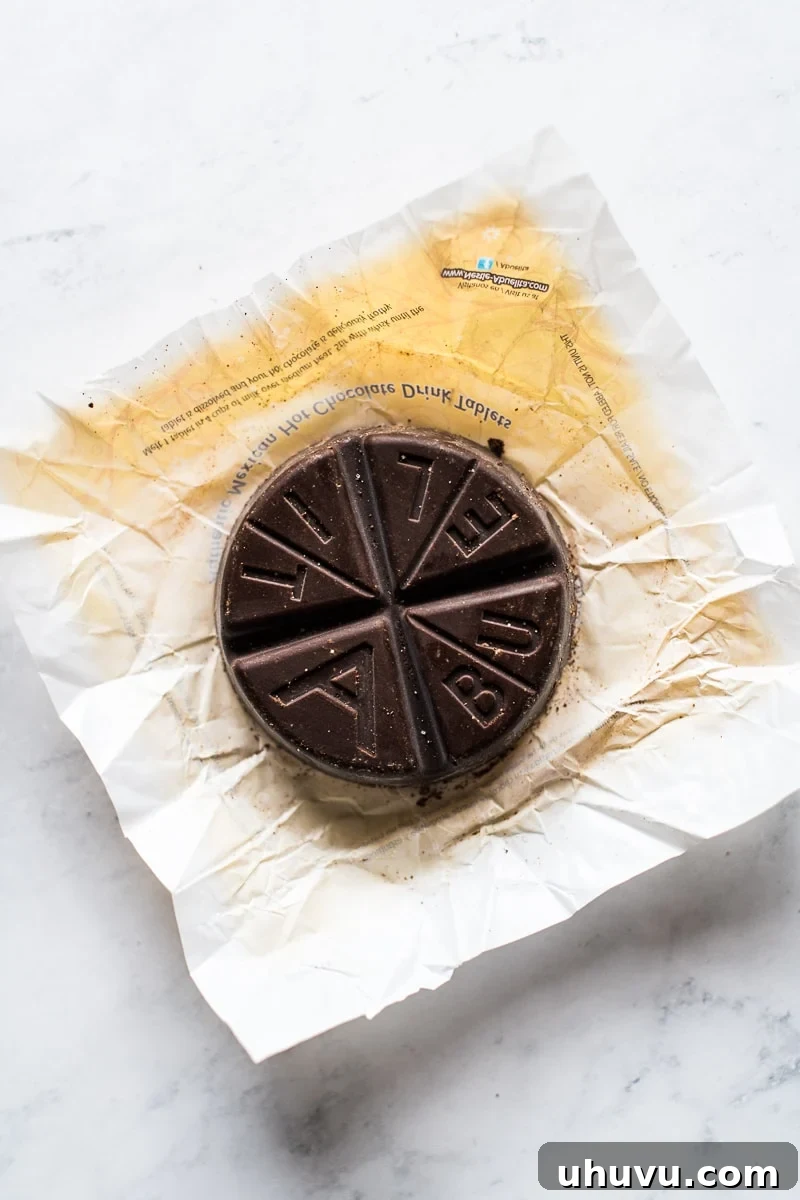
When you seek authentic Mexican chocolate in markets, particularly in the United States, you will most commonly find it sold in solid, round discs. These discs are formed when the liquid, seasoned cacao mixture is poured into molds and allowed to cool and solidify. This traditional presentation makes it easily recognizable. A widely cherished brand, and often a personal favorite, is Abuelita, readily available in most grocery stores and ethnic markets. While discs are the most prevalent form, you might also encounter Mexican chocolate sold as a syrup or a finely ground powder, each offering different avenues for its culinary application.
The Distinctive Qualities of Mexican Chocolate
The differences between Mexican chocolate and standard commercial chocolate extend far beyond its rustic texture and bitter undertones. Fundamentally, Mexican chocolate serves an entirely distinct culinary purpose within its native cuisine. While there are beloved dessert recipes that hero Mexican chocolate, its role is often not that of a standalone candy to be savored on its own. Instead, it functions as a versatile food ingredient, a sophisticated flavor enhancer designed to complement and elevate other components within a dish.
Unlike a traditional chocolate bar that one might nibble on as a sweet treat or dessert, the Mexican variety is rarely consumed by itself. Its robust, earthy flavor profile is intended to meld with and enrich other ingredients, providing depth, warmth, and a subtle bitterness that balances sweetness. This makes it an indispensable element in many traditional Mexican recipes, where it contributes to a complex tapestry of flavors rather than dominating them.
Compared to highly processed milk or semi-sweet chocolates, Mexican chocolate undergoes minimal processing. This intentional approach allows it to retain a significant portion of its raw, rustic flavor and natural texture. The potent, unadulterated taste of the cacao bean is easily discernible, a testament to its less refined nature. This minimal intervention means that many common additions found in other chocolates, such as large quantities of cocoa butter—which is used to create an exceptionally smooth, melt-in-your-mouth consistency—are not deemed necessary for Mexican chocolate. Its inherent character is celebrated for its authenticity and distinctive qualities, making it a truly unique ingredient in the world of chocolate.
A Glimpse into the Rich History and Cultural Significance of Cacao in Mexico
To truly appreciate Mexican chocolate, one must understand its deep roots in Mesoamerican history. Cacao, often referred to as “the food of the gods,” has been cultivated and revered in what is now Mexico for thousands of years. Ancient civilizations like the Mayans and Aztecs cherished cacao not only as a food source but also as a sacred plant integral to their spiritual beliefs, rituals, and economy. It was consumed as a frothy, often bitter, drink infused with spices and chilies, believed to bestow wisdom, energy, and even aphrodisiac qualities. Cacao beans even served as a form of currency, highlighting their immense value.
The arrival of the Spanish conquistadors introduced cacao to Europe, but its preparation in Mexico continued to evolve, integrating new ingredients like sugar and cinnamon, which became defining elements of Mexican chocolate. This historical continuity underscores the enduring importance of cacao in Mexican identity and its culinary traditions. From ancient ceremonies to modern family kitchens, Mexican chocolate remains a powerful link to a rich cultural heritage, representing a flavor profile that has been refined and celebrated over millennia.
Sourcing and Storing Your Mexican Chocolate
Finding authentic Mexican chocolate is key to unlocking its unique flavors in your cooking. As mentioned, look for solid discs, often individually wrapped or packed in boxes, in the ethnic foods aisle of larger supermarkets, specialty food stores, or dedicated Mexican grocery markets. Online retailers also offer a wide selection, including popular brands like Abuelita, Ibarra, and Mayordomo, each with slightly different nuances in flavor and texture. When purchasing, check the ingredient list for cacao nibs, sugar, and cinnamon as primary components, and note any additional spices or nuts that appeal to your palate.
Once you have your Mexican chocolate, proper storage ensures its longevity and maintains its distinct qualities. Store the discs in a cool, dry place away from direct sunlight and strong odors. An airtight container or the original packaging is usually sufficient. Unlike highly refined chocolates, Mexican chocolate is less prone to “blooming” (a whitish film caused by fat separation), but keeping it at a stable temperature will preserve its flavor and texture for extended periods, ready for your next culinary creation.
Crafting a Substitute: When Authentic Mexican Chocolate is Out of Reach
The distinctive flavor and rustic texture of Mexican chocolate make it difficult to substitute directly with the chocolate varieties typically found on American or European store shelves. These chocolates, often smoother, sweeter, and formulated for different culinary uses, simply do not possess the same complex spice profile, bitterness, or granular consistency. If authentic Mexican chocolate is unavailable, you can approximate its unique characteristics by combining a few key ingredients:
- Semi-sweet chocolate or unsweetened cocoa powder: These provide the necessary chocolate base. If using cocoa powder, you may need to add a small amount of fat like butter or oil for texture.
- Ground Cinnamon: This is a non-negotiable ingredient, as cinnamon is a hallmark of Mexican chocolate’s flavor. Don’t be shy with it!
- Almond Extract: Offers a subtle nuttiness that complements the cacao beautifully.
- Vanilla Extract: (Optional, but highly recommended) Enhances the overall aroma and adds a touch of familiar warmth.
- A pinch of cayenne or chili powder: (Optional) For an authentic kick, mirroring the chile often found in traditional Mexican chocolate.
- A touch of granulated sugar: To adjust sweetness, keeping in mind Mexican chocolate is not overly sweet on its own.
The beauty of this substitute is the freedom to experiment. Mexican chocolate harmonizes wonderfully with warm spices, so feel free to adjust ratios and add other flavors like a dash of nutmeg or even a hint of star anise to create your own unique blend that closely mimics the real thing.
Diverse Recipes Utilizing Mexican Chocolate
Mexican chocolate’s versatility shines in a wide array of dishes, bridging the gap between sweet indulgence and savory depth. In the U.S., one of its most popular applications is in recipes for Mexican hot chocolate. This beloved beverage is a far cry from its American counterpart, often prepared with milk, sweetened with piloncillo (unrefined whole cane sugar), and frothed to perfection with a traditional wooden whisk called a molinillo. Many commercial brands of Mexican chocolate discs even include preparation instructions on their packaging, sometimes labeling it explicitly as “drinking chocolate.”
It is crucial to remember the significant difference in sugar content between traditional Mexican chocolate and highly sweetened varieties. If you attempt to substitute one for the other in a recipe, the amount of additional sugar called for will almost certainly need to be carefully adjusted to achieve the desired balance of flavors.
Beyond beverages, Mexican chocolate is an exceptional ingredient in baked goods. An easy way to incorporate it is to finely chop the discs in a food processor. In this form, it can be folded into cake batter, blended into rich icings and frostings, or even sprinkled as a sophisticated garnish for pastries and desserts. Its rustic texture adds an interesting dimension to these sweet creations.
However, it would be a disservice to overlook its profound versatility, especially its integral role in savory Mexican cuisine. My family, like many others, uses it to add a distinctive depth to various savory dishes. Here are a few examples of recipes where Mexican chocolate truly shines:
- Mole Sauce: Perhaps the most iconic use, where chocolate provides a crucial layer of complexity, balancing the heat of chilies and the richness of spices in this intricate sauce. There are countless regional variations of mole, and chocolate is a common thread in many of them.
- Red Posole: A hearty stew where a hint of chocolate can deepen the broth and complement the flavors of pork and hominy.
- Beef or Pork Chili: Pairing Mexican chocolate with various chiles creates a truly delicious and profound flavor combination, adding a smoky, earthy richness that elevates standard chili recipes.
- Sweet Tamales: Often featuring chocolate alongside fruits like pineapple or raisins, offering a delightful sweet and savory contrast within the masa.
- Authentic Enchilada Sauce: A small amount of Mexican chocolate can enhance the richness and complexity of the red chili base, giving the sauce a velvety depth.
- Mexican Chocolate Pumpkin Seed Granola: A modern application that highlights how well the unique flavor of Mexican chocolate pairs with other robust ingredients for a wholesome and delicious breakfast or snack.
The opportunity to cook with authentic Mexican chocolate is a rewarding experience that offers a deeper understanding of Mexican culinary traditions. Its distinctive character can transform both sweet and savory dishes, imparting a depth and authenticity that is simply unparalleled. If you ever have the chance to incorporate this remarkable ingredient into your cooking, please do not pass up the opportunity – it promises a truly memorable culinary adventure!