
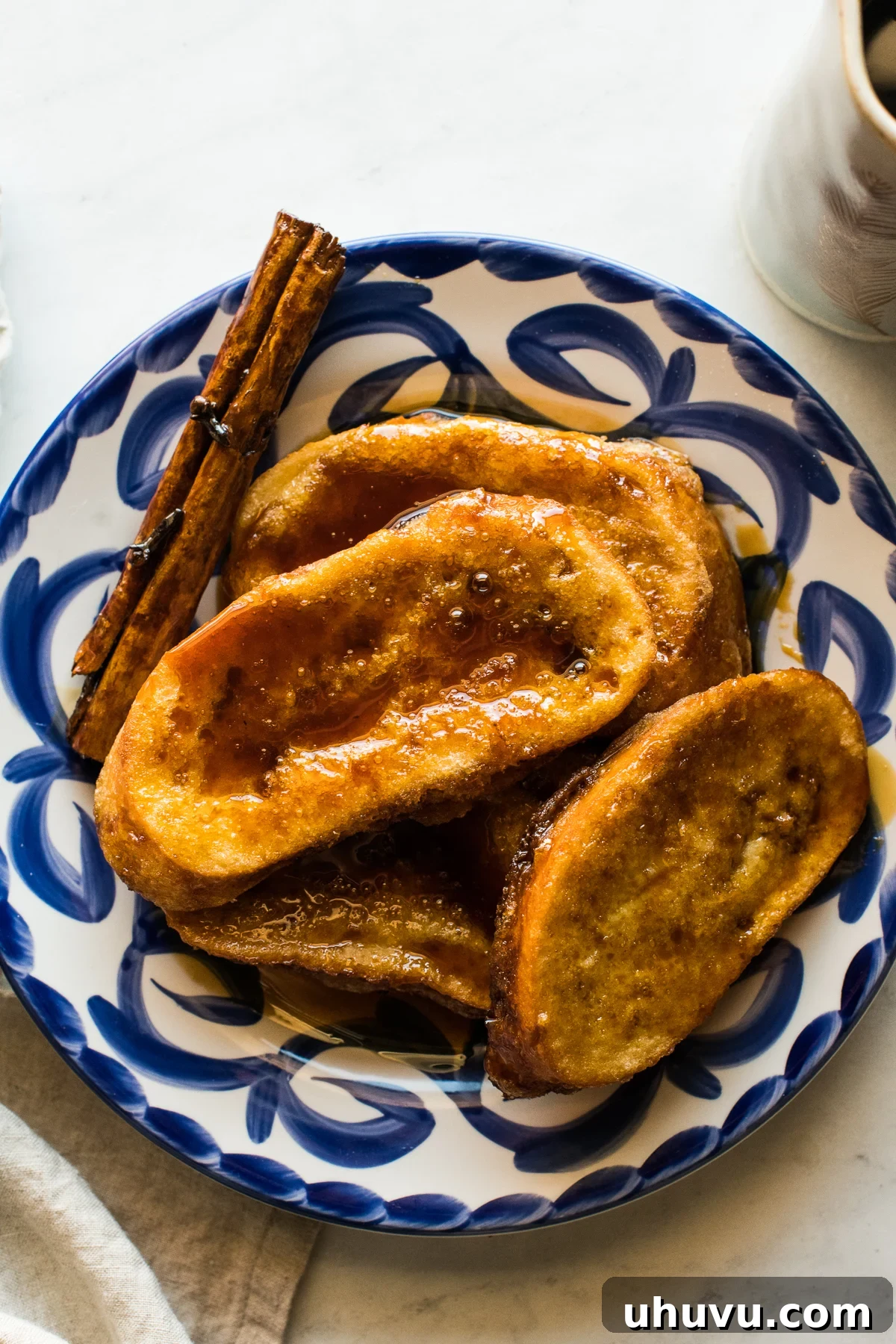
Step into the rich culinary world of Mexico with Torrejas, a delightful dish often described as the Mexican answer to French Toast. This traditional treat features slices of robust bolillo bread, meticulously coated in a fluffy, whipped egg batter, then gently pan-fried to a golden perfection. The magic truly happens when these crispy-on-the-outside, tender-on-the-inside bread slices are drenched in a luscious, amber piloncillo syrup, infused with warming spices like cinnamon and cloves. While beloved year-round as a comforting breakfast or a sweet dessert, Torrejas hold a special place during significant Mexican holidays, making their appearance on tables for Lent, Easter, and Christmas celebrations. Its comforting flavors and hearty nature make it an ideal dish for sharing with family and friends, truly a crowd-pleaser that embodies the warmth and tradition of Mexican home cooking.
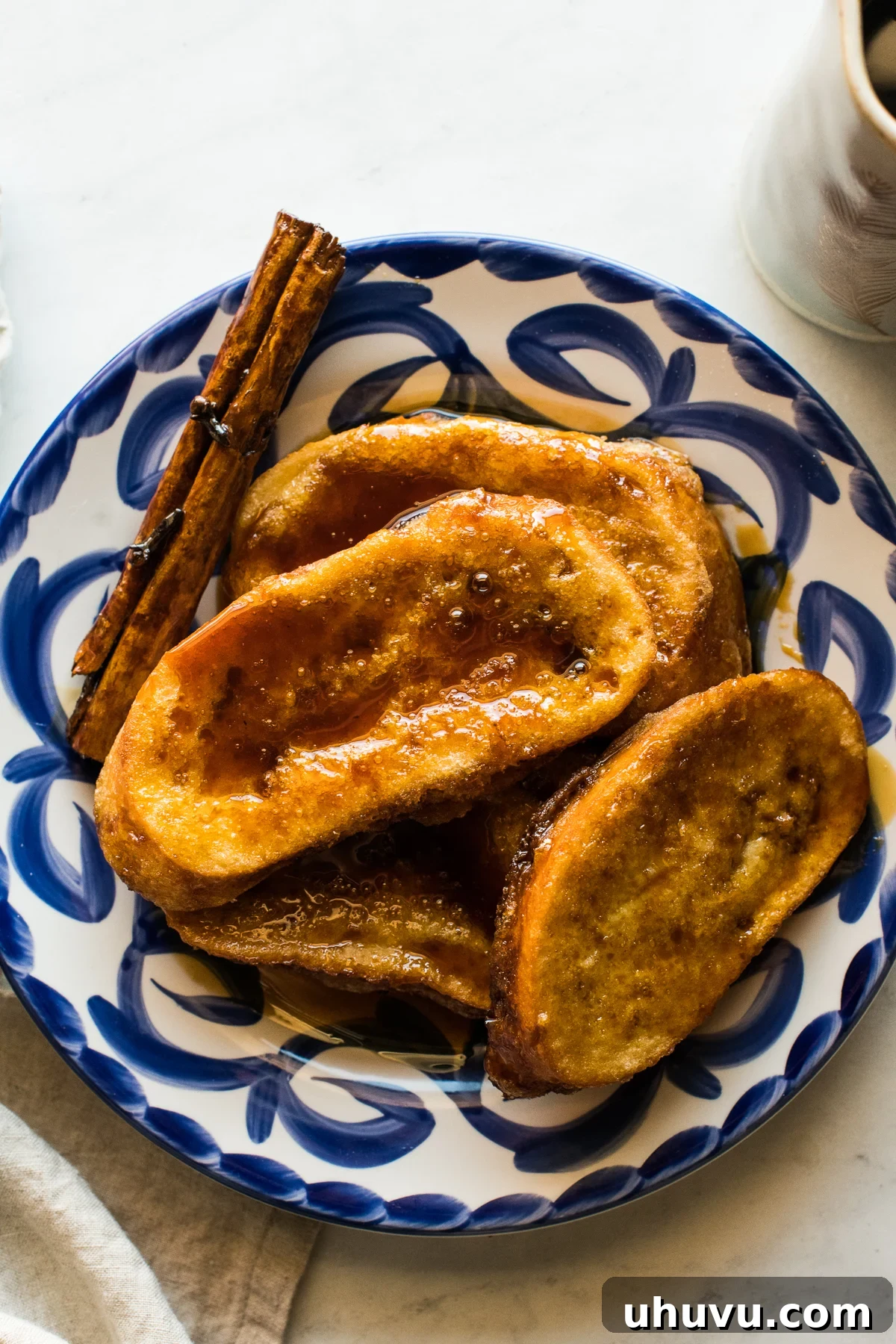
If you’re yet to experience the sublime pleasure of Torrejas, prepare yourself for an unforgettable culinary journey! This beloved Mexican delicacy transcends the ordinary, offering a unique twist on classic sweet bread dishes. Whether you’re looking to elevate your weekend breakfast spread, seeking a comforting and satisfying brunch option, or desiring a sweet finale to any meal, Torrejas are a perfect choice. They can effortlessly take the place of your everyday French toast, bringing an exotic, heartwarming flavor profile to your morning. Alternatively, serve them as a decadent dessert alongside a steaming cup of Café de Olla, allowing the rich coffee notes to beautifully complement the sweet, spiced syrup of the Torrejas. Its versatility and deliciousness make it a staple in Mexican households and a delightful discovery for anyone exploring authentic Mexican cuisine.
What Are Torrejas? A Mexican Culinary Gem
Torrejas, often referred to as “Mexican French Toast,” is a cherished dish that beautifully exemplifies the resourceful and flavor-rich nature of Mexican gastronomy. At its core, it’s a dish crafted from day-old bolillo bread, a crusty, dense Mexican roll, which is the perfect canvas for soaking up flavor without becoming soggy. The distinct preparation involves dipping these bread slices into a remarkably light and airy egg mixture, expertly whipped to create a delicate coating. This special batter is what gives Torrejas their signature texture: a wonderfully crisp exterior that yields to a soft, almost custardy interior when fried. The final, essential touch is a generous drizzle of homemade piloncillo syrup, a dark, unrefined cane sugar syrup that imparts a deep, molasses-like sweetness, often enhanced with the aromatic warmth of cinnamon and cloves.
Beyond its delectable taste and texture, Torrejas carries significant cultural weight. It’s not just a dish; it’s a tradition, frequently gracing family tables during important religious and festive occasions throughout Mexico. During Lent, it provides a satisfying, meat-free option that aligns with culinary traditions. At Easter, it symbolizes rebirth and celebration, offering a sweet indulgence after a period of fasting. And come Christmas, Torrejas contribute to the festive spirit, embodying comfort and togetherness. Its ability to feed a crowd, combined with its simple yet profound flavors, makes it an enduring symbol of hospitality and tradition in Mexican culture. Each bite offers a taste of history, family, and celebration.
Essential Ingredients for Authentic Torrejas
Crafting the perfect Torrejas begins with selecting the right ingredients. Each component plays a vital role in achieving that signature taste and texture. Here’s what you’ll need:
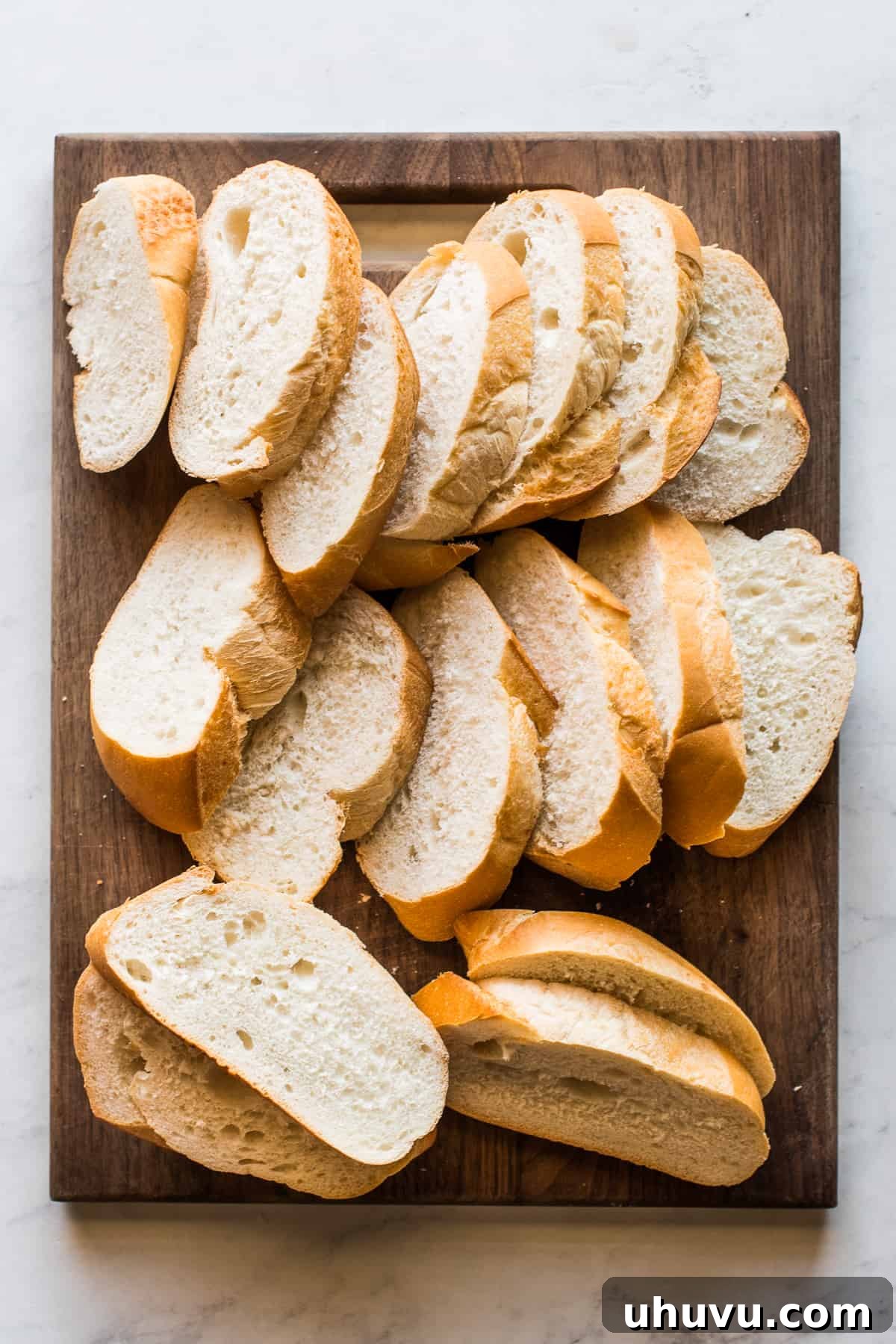
- Bolillo Bread: This traditional Mexican white bread roll is truly the star of our Torrejas. Its dense crumb and slightly crusty exterior make it ideal for soaking up the milk mixture without disintegrating, while also holding up beautifully to frying. For the best results, aim for day-old bolillos, as they are less likely to absorb too much liquid and will fry up with a better texture. If authentic bolillos are hard to come by in your area, a sturdy French baguette or even a denser challah bread makes an excellent substitute. The key is a bread that isn’t too soft or airy.
- Eggs, Milk, and Vanilla Extract: These three ingredients form the heart of our delicate and airy batter. The eggs, when separated and whipped, create that wonderfully light, almost cloud-like coating that encases the bread, leading to a crispy exterior and a fluffy interior. Milk adds moisture and helps the bread soften just enough to absorb the flavors, while a touch of vanilla extract infuses a subtle, sweet aroma, elevating the overall taste profile of the Torrejas.
- Vegetable Oil: For frying, a neutral-flavored oil with a high smoke point is crucial. Vegetable oil is a classic choice, but canola oil or avocado oil also work exceptionally well. These oils ensure that the Torrejas fry evenly to a beautiful golden brown without imparting any unwanted flavors, allowing the natural richness of the bread and syrup to shine through.
- Piloncillo: This unrefined Mexican cane sugar is the soul of the Torrejas syrup. Piloncillo comes in cones or blocks and boasts a complex flavor profile that’s sweet, deep, rich, and often carries nutty, caramel, or even smoky undertones. This unique depth of flavor is what sets Torrejas apart from typical French toast. If piloncillo is unavailable, dark brown sugar is the closest substitute, offering a similar molasses-like richness, though it may lack the specific nuance of piloncillo.
- Cinnamon Stick and Cloves: These aromatic spices are essential for infusing the piloncillo syrup with warmth and an inviting fragrance. A whole cinnamon stick lends a gentle, woody sweetness, while a few cloves add a subtle, pungent warmth. Together, they create a comforting and complex syrup that perfectly complements the fried bread, making each bite a harmonious blend of sweet and spice.
Crafting Mexican French Toast: A Step-by-Step Guide to Torrejas
Creating delicious Torrejas is a rewarding process that combines simple steps with incredible flavors. Follow these instructions carefully to achieve the perfect Mexican French Toast:
1. Prepare the Aromatic Piloncillo Syrup
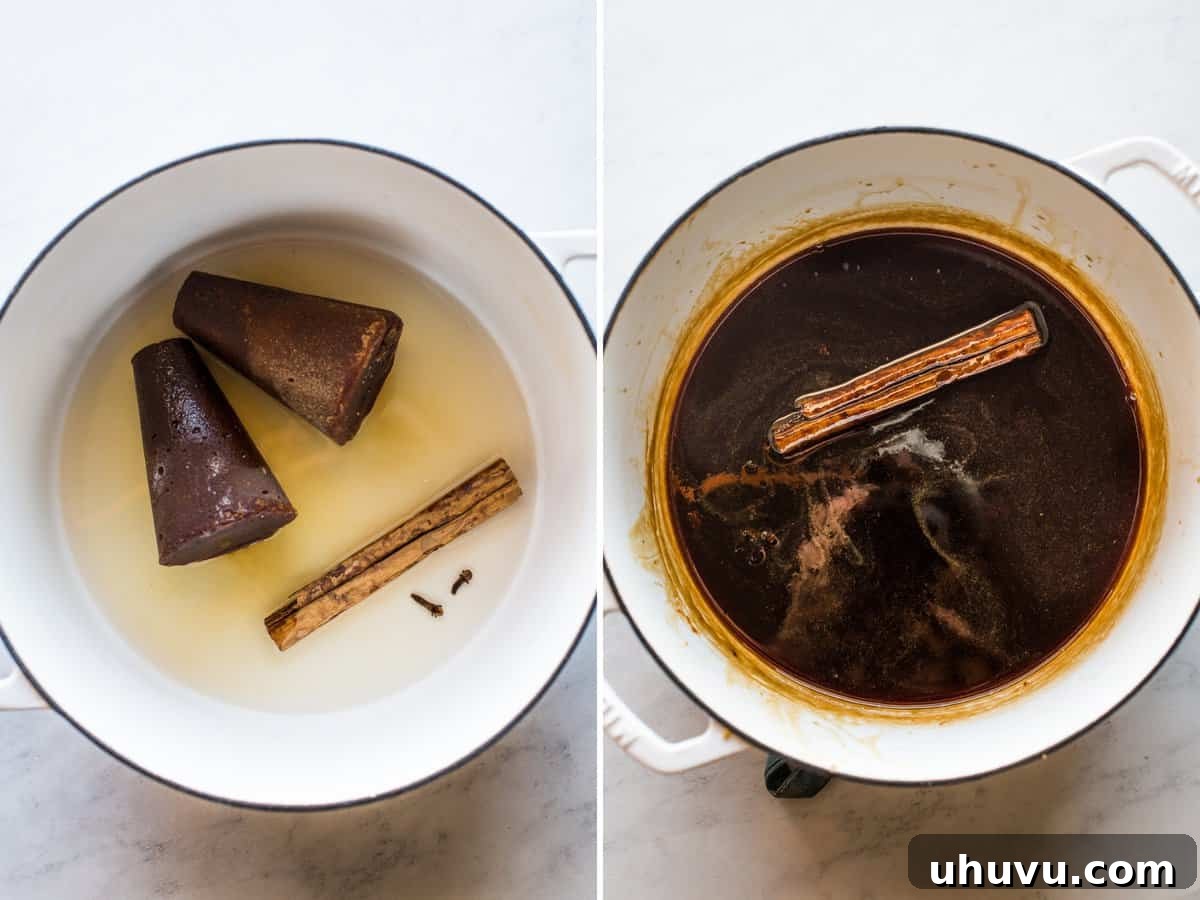
Begin by making the signature piloncillo syrup, which will beautifully drench your Torrejas. In a medium saucepan, combine the piloncillo cones (or dark brown sugar if substituting), a cinnamon stick, a few cloves, and the specified amount of water. Place the saucepan over medium heat and bring the mixture to a gentle simmer. Allow it to cook for approximately 15 minutes, stirring occasionally to ensure the piloncillo dissolves completely. You’re looking for a syrup that thickens slightly and coats the back of a spoon. Once it reaches your desired consistency, carefully remove it from the heat. Discard the cinnamon stick and cloves, as they have now imparted their wonderful flavors. Set the syrup aside; it will continue to thicken as it cools, developing into a rich, sweet elixir perfect for topping your Torrejas.
2. Master the Light and Fluffy Egg Batter
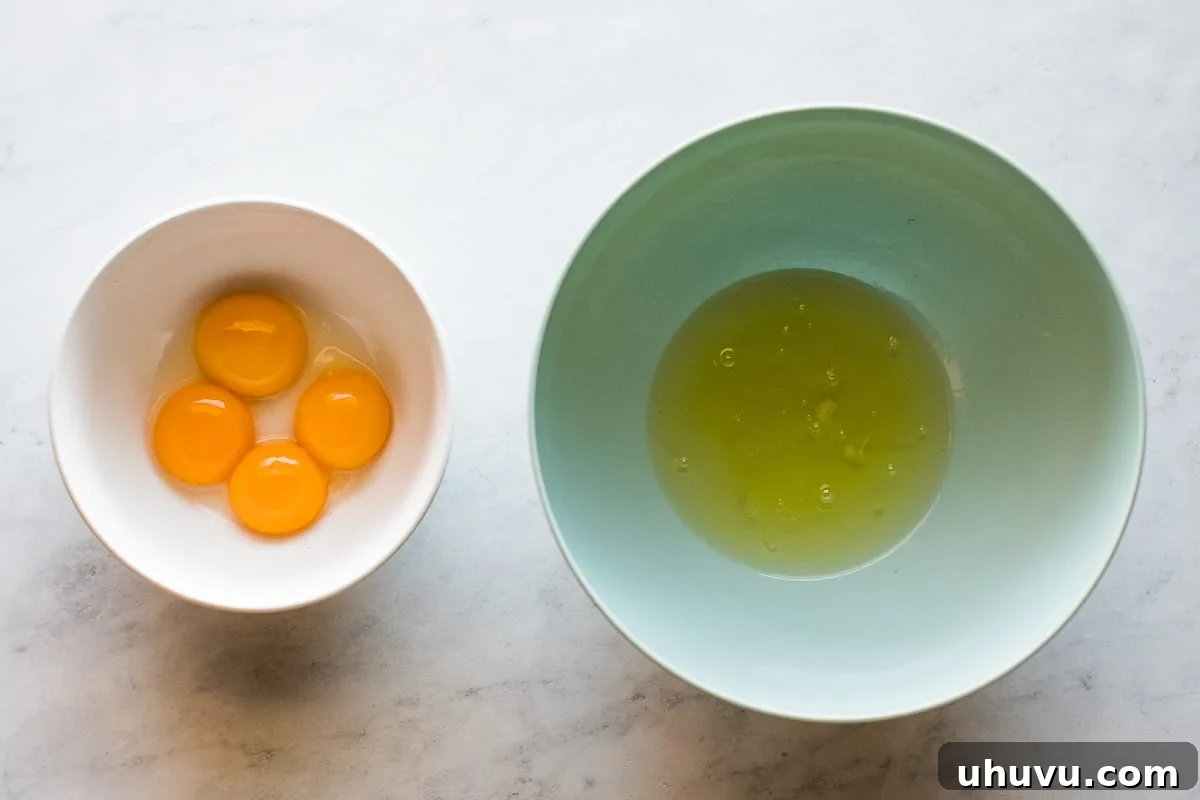
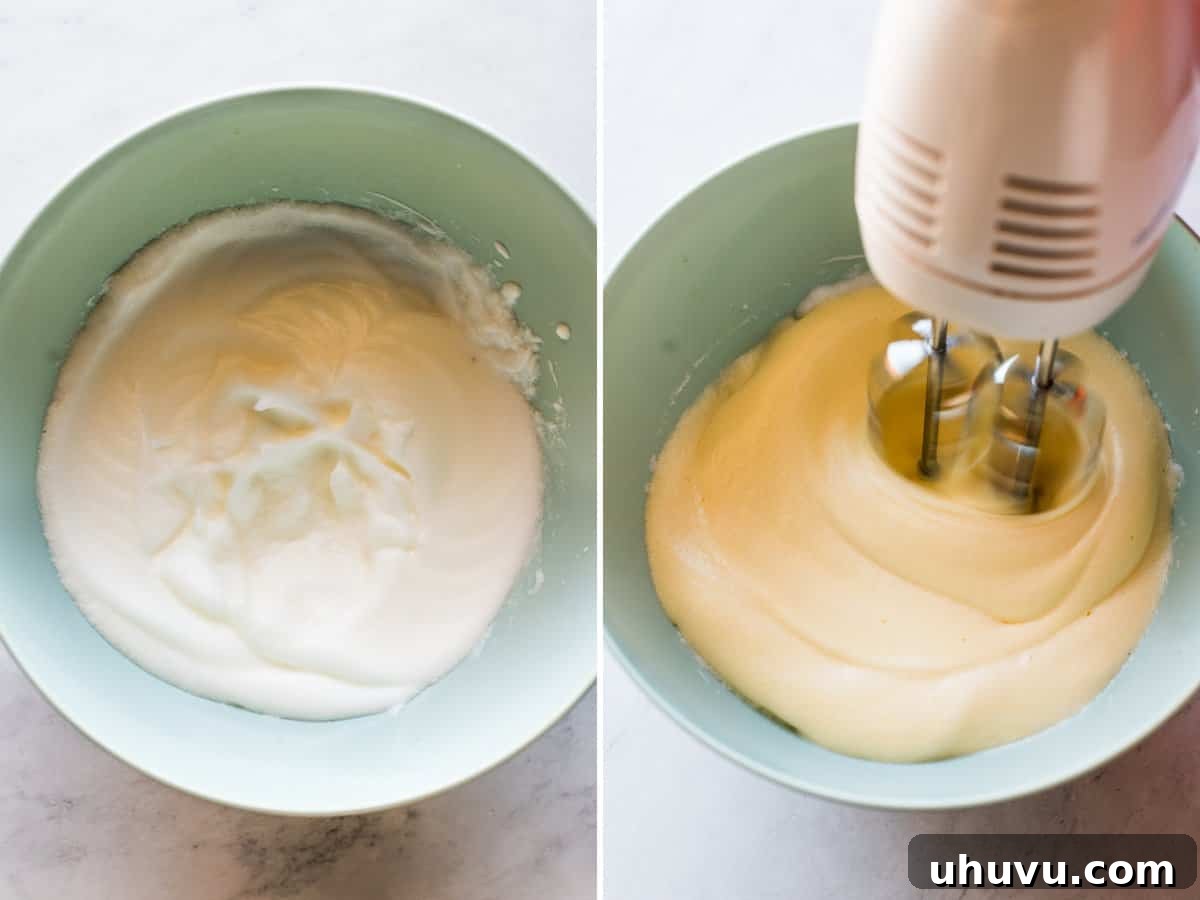
The unique texture of Torrejas comes from its special egg batter. This step requires a bit of care. First, separate the egg yolks from the egg whites. Place the egg whites in a large, clean mixing bowl and the yolks in a separate smaller bowl. Using an electric handheld mixer (or a stand mixer with a whisk attachment), beat the egg whites on high speed until they form stiff peaks. This means when you lift the beaters, the egg whites stand up firmly without collapsing. This aeration is key for a light batter. Once stiff peaks are achieved, reduce the mixer speed to low and gradually add the egg yolks, one at a time. Continue mixing just until the yolks are fully incorporated and the batter is smooth, light, and uniformly yellow. Be careful not to overmix at this stage to maintain the airiness.
3. Prepare the Vanilla Milk Soak
In a separate, shallow bowl large enough to accommodate a slice of bread, combine the milk and vanilla extract. Whisk them together gently until well combined. This mixture will give the bolillo bread a preliminary hint of sweetness and moisture before it’s coated in the egg batter.
4. Assemble the Torrejas: Dipping the Bread
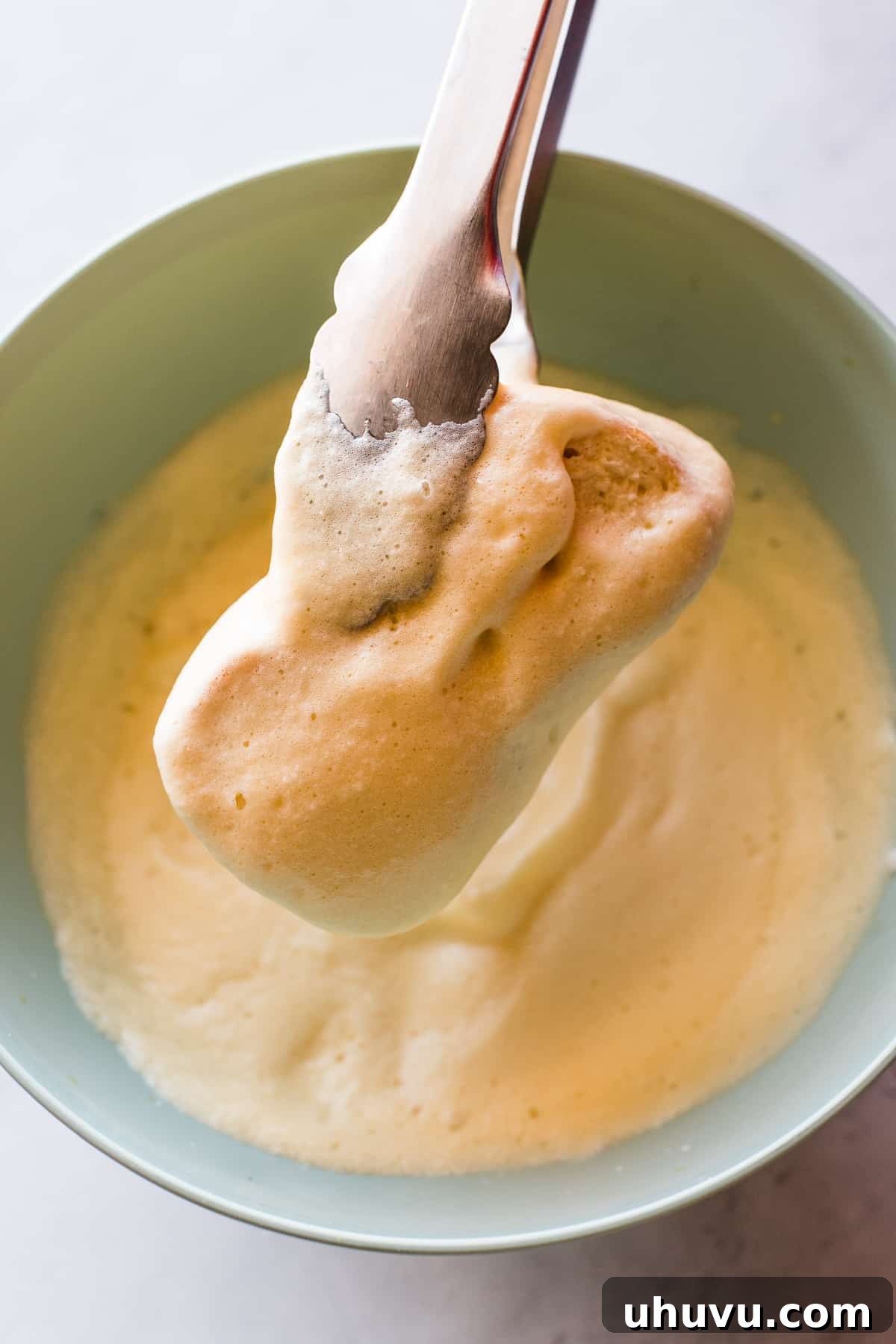
Now it’s time to prepare the bread for frying. Take a slice of your bolillo bread and lightly dip it into the milk and vanilla mixture. The goal is to moisten it, not to saturate it completely, typically for just 1-2 seconds per side. Gently tap off any excess liquid to prevent a soggy result. Immediately after, dip the milk-soaked bread slice into your prepared, fluffy whipped egg mixture, ensuring it’s fully and evenly coated. The egg batter should cling to the bread, creating a delicate cushion around it.
5. Fry to Golden Perfection
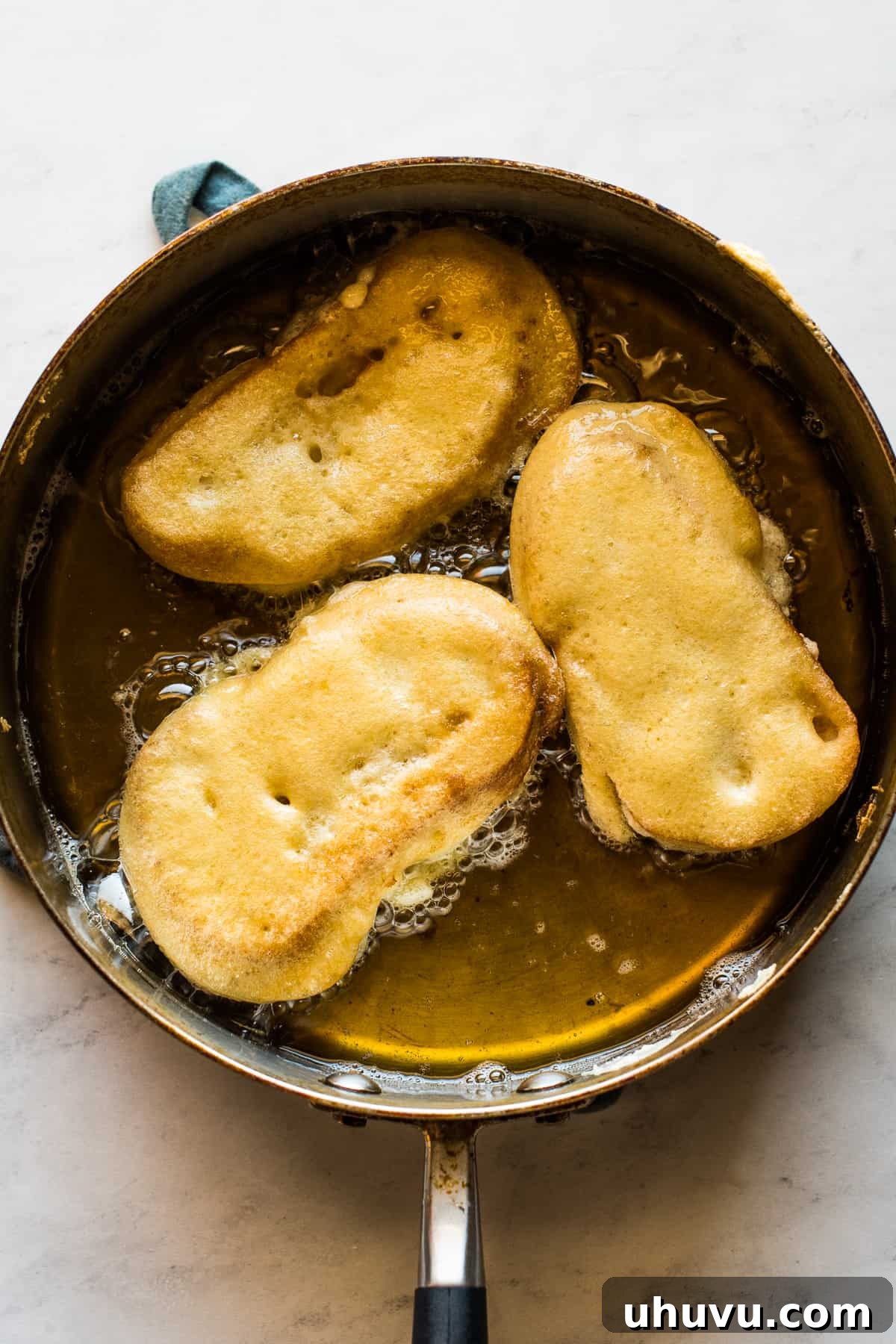
Heat about 1-2 inches of vegetable oil in a large skillet or frying pan over medium-high heat. The oil should be hot enough that a small drop of batter sizzles immediately upon contact. Carefully place the egg-coated bread slices into the hot oil. Fry them until they turn a beautiful golden brown and become lightly crispy on both sides. This usually takes about 30-45 seconds per side. Because the egg batter is very light and soft, using a wide, flat spatula is highly recommended for flipping. This helps to maintain the shape of the Torrejas and prevents the delicate coating from tearing. Avoid overcrowding the pan; fry in batches to ensure even cooking and optimal browning. Typically, 2-3 slices at a time, depending on your pan size, works best.
6. Remove Excess Oil
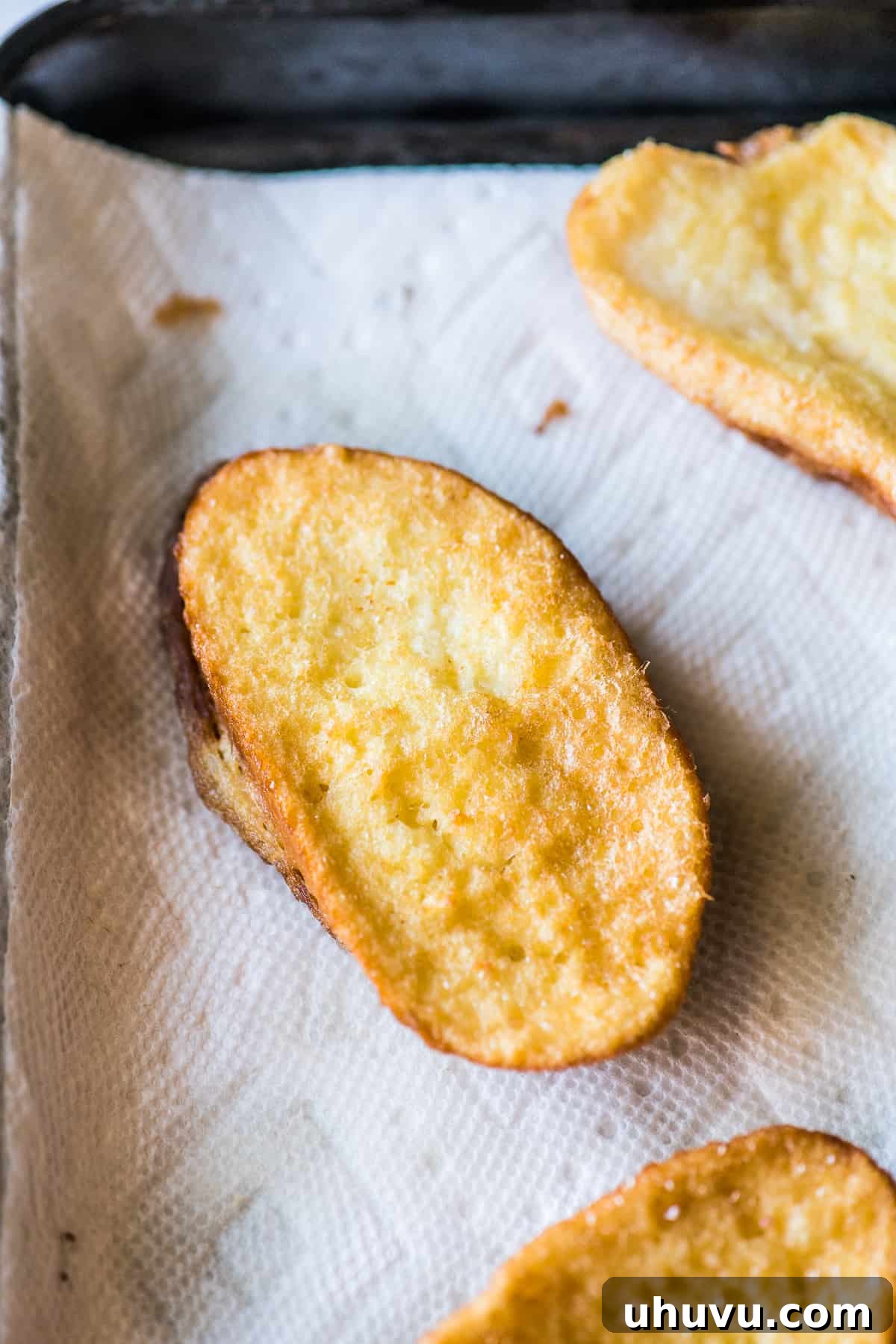
As each batch of Torrejas finishes frying and achieves that perfect golden hue, carefully remove them from the pan. Transfer them to a baking sheet or a large plate that has been generously lined with paper towels. The paper towels will absorb any excess oil, ensuring your Torrejas remain delightfully crispy and not greasy. Continue this process until all of your bolillo bread slices are fried, stacking them gently if necessary.
7. Serve and Enjoy!
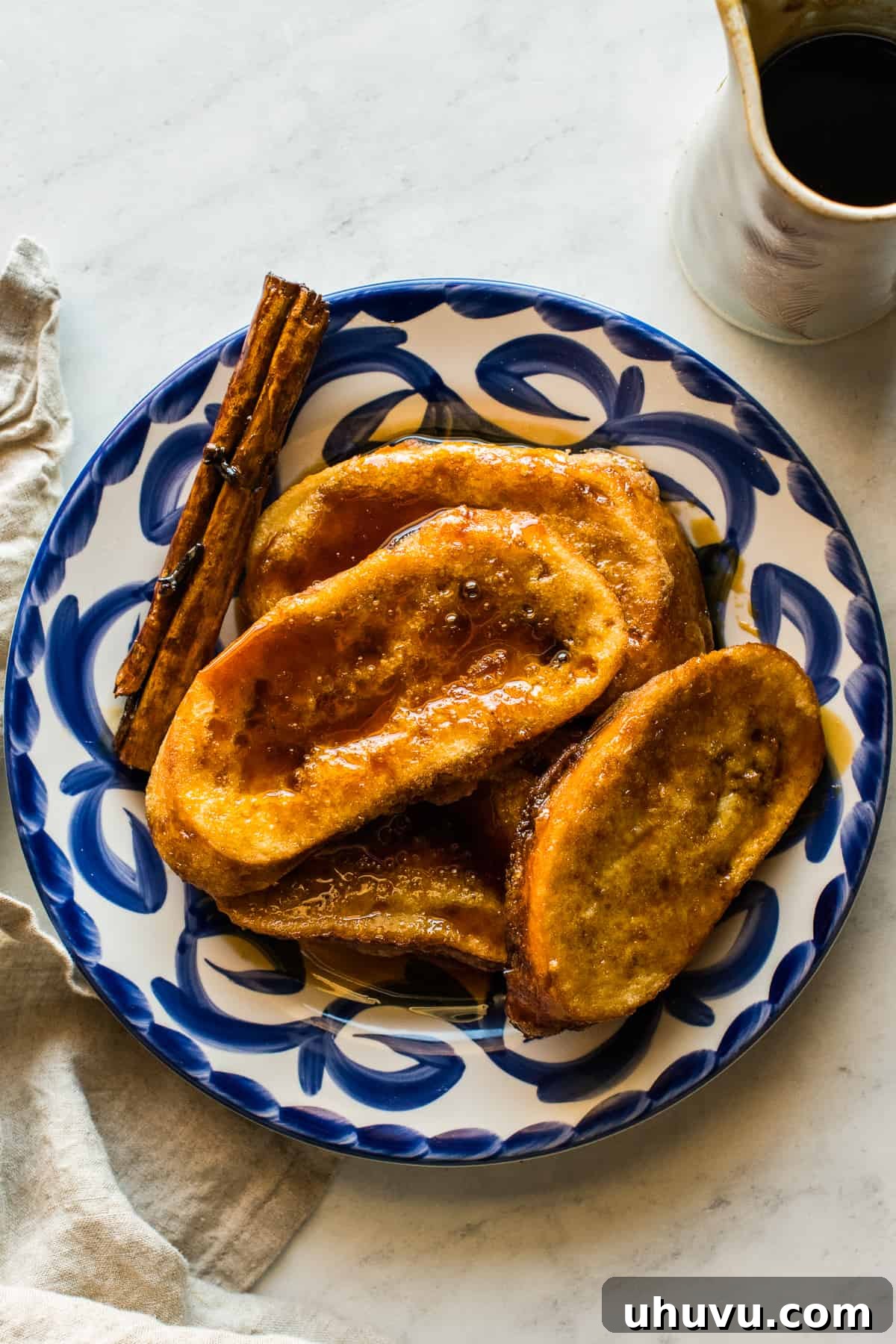
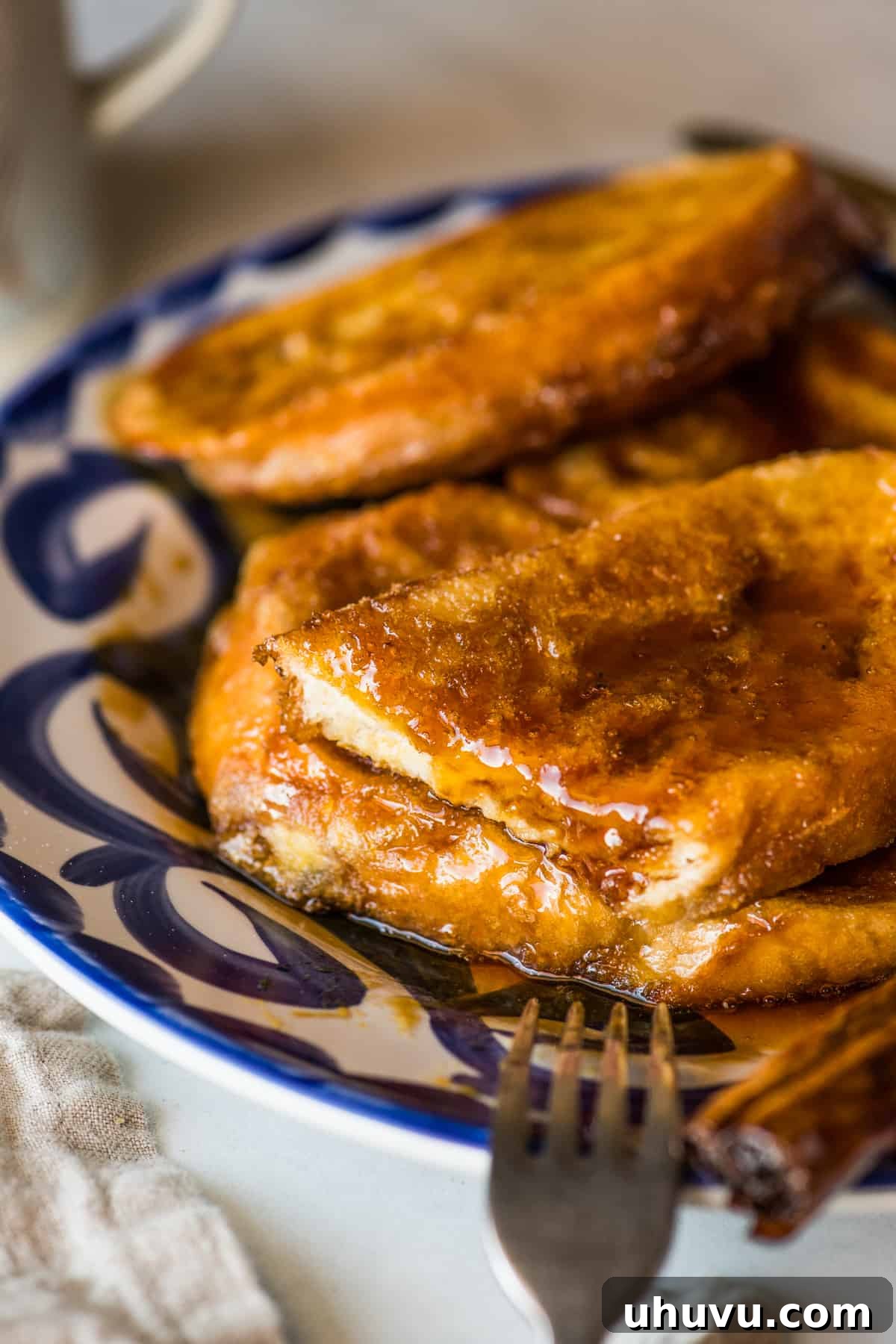
Once all the Torrejas are fried and ready, it’s time to serve this exquisite Mexican delight. Arrange the warm Torrejas on a serving platter or individual plates. The classic way to enjoy them is to generously drizzle the prepared piloncillo syrup over the top, allowing the amber liquid to seep into the nooks and crannies of the fried bread. For an even more immersive flavor, you can also dip each Torreja directly into the warm syrup before placing it on the plate, ensuring every surface is coated in its sweet embrace. Serve immediately and savor the harmonious blend of crispy, soft, sweet, and spiced flavors. These are best enjoyed warm, right after preparation!
Helpful Tips for Perfect Torrejas
To ensure your Torrejas turn out perfect every time, keep these expert tips in mind:
- Bread Selection is Key: While bolillo bread is traditional and highly recommended due to its dense crumb and ability to hold its shape, if you can’t find it, a sturdy French bread, baguette, or even day-old challah bread can be excellent alternatives. Avoid very soft or airy breads, which tend to fall apart when soaked and fried.
- Achieving the Perfect Flip: The whipped egg batter is delicate. For ease and to maintain the beautiful shape of your Torrejas while frying, use a wide, flat spatula. This provides better support compared to tongs and minimizes the risk of tearing the coating.
- Don’t Overcrowd the Pan: Frying in batches is crucial for even cooking and browning. When the egg batter fries, it slightly expands, so giving each Torreja enough space in the pan is important. Depending on the size of your skillet, frying 2-3 slices at a time is usually ideal. Overcrowding can lower the oil temperature and lead to soggy, rather than crispy, results.
- Serving Variations: While the piloncillo syrup is traditional and wonderfully delicious, feel free to experiment with other toppings. A light dusting of powdered sugar can add a touch of elegance, or you can drizzle with agave nectar, maple syrup, or traditional Mexican caramel like cajeta for a different flavor profile.
- Temperature Control: Ensure your oil is consistently heated over medium-high heat. If the oil is too cool, the Torrejas will absorb too much grease. If it’s too hot, the exterior will burn before the interior is properly cooked. A small test piece of batter can help you gauge the temperature.
- Day-Old Bread Advantage: Using day-old bolillo bread is preferred. Slightly stale bread absorbs the milk mixture more evenly and retains its structure better during frying, leading to a superior texture.
Storing and Reheating Torrejas
Planning ahead or enjoying leftovers? Here’s how to properly store and reheat your Torrejas and syrup:
- To Store Torrejas: Allow the fried Torrejas to cool completely to room temperature. Once cooled, place them in an airtight container. They can be refrigerated for up to 5 days. For longer storage, you can freeze them individually on a baking sheet until solid, then transfer to a freezer-safe bag or container for up to 1 month.
- To Store Piloncillo Syrup: The piloncillo syrup can be stored separately. Transfer it to an airtight container and refrigerate for up to 1 month. Its rich consistency will thicken further in the fridge.
- To Reheat Torrejas: For best results, place refrigerated Torrejas in a shallow pan over medium heat on the stovetop. Heat gently, flipping occasionally, until warmed through and the exterior crispness is partially restored. You can also briefly warm them in a toaster oven or air fryer for a crispier finish. If reheating from frozen, thaw first in the refrigerator, then proceed with stovetop or oven reheating.
- To Reheat Piloncillo Syrup: The refrigerated syrup will be quite thick. To bring it back to a pourable consistency, gently reheat it in the microwave in 10-15 second intervals, stirring between each, until it’s warm and smooth. Alternatively, you can warm it in a small saucepan over low heat on the stovetop.
More Delightful Mexican Sweet Treats
If you’ve fallen in love with the sweet flavors of Torrejas, you’re sure to enjoy these other traditional Mexican desserts and sweet breads:
- Capirotada (Mexican Bread Pudding)
- Arroz con Leche (Mexican Rice Pudding)
- Churros
- Sopapillas
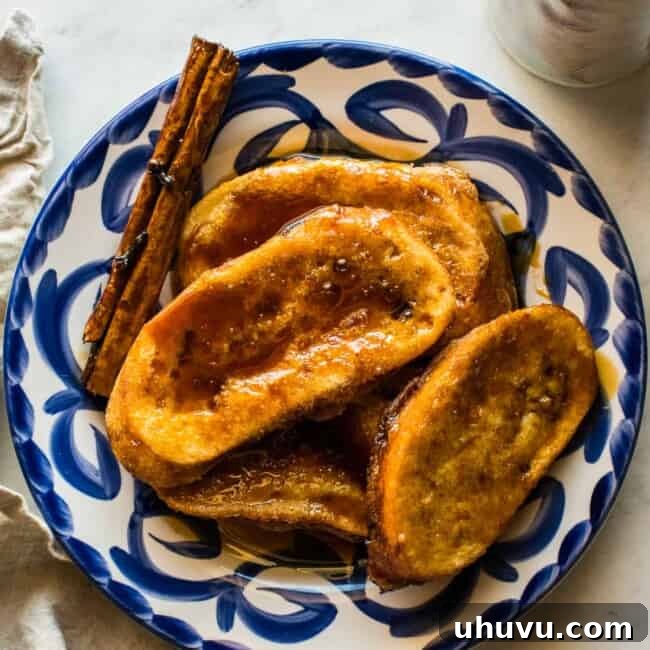
Torrejas (Mexican French Toast)
Isabel Orozco-Moore
15 minutes
20 minutes
35 minutes
8 servings
Ingredients
For the piloncillo syrup
- 16 ounces piloncillo
- 1 cinnamon stick
- 2 cloves
- 1 cup water
For the torrejas
- 2 cups vegetable oil, for frying
- 6 large eggs
- 1 ½ cups milk
- ½ tablespoon vanilla extract
- 4 bolillo rolls, sliced into 16-18 slices about ¾ inches thick
Instructions
-
Make the piloncillo syrup: Add the piloncillo, cinnamon stick, cloves, and water into a medium saucepan. Cook over medium heat for 15 minutes, stirring occasionally, until the piloncillo fully melts and forms into a syrup. Remove from heat, carefully discard the cinnamon stick and cloves, and set aside until ready to serve.
-
Prepare the oil: Heat the frying oil in a large saucepan or deep skillet over medium-high heat. Line a baking sheet with paper towels and set aside. While oil is heating up, prepare the batter.
-
Make the batter: Separate the egg whites from the yolks into two separate bowls – the whites into a large mixing bowl and the yolks into a small bowl.
-
Using an electric hand mixer, beat the egg whites until stiff peaks form.
-
While continuing to beat the egg whites on low, add in the egg yolks one at a time until all of them are fully mixed in. The batter should be light, fluffy, and smooth.
-
In a separate medium bowl, whisk together the milk and vanilla extract.
-
Coat the bread: Using tongs or your hands, dip a slice of bolillo bread into the milk mixture for 1-2 seconds, then gently tap it to remove any excess milk. Then dip it in the egg batter so that the bread is fully coated and gently place it in the frying oil.
-
Fry: Fry the torrejas for 30-45 seconds per side, until the batter is golden brown and crispy. Try not to overcrowd the torrejas in the pan – I usually fry 3 at a time depending on the pan I’m using.
-
Serve: Serve the torrejas on a plate and drizzle with piloncillo syrup. Alternatively, you can also dip each of the torrejas into the syrup and serve coated in syrup.
Video
Notes
- Piloncillo Substitute: If you cannot find piloncillo, you can substitute 1 ½ cups of dark brown sugar for a similar rich, molasses-like flavor in your syrup.
- Bolillo Alternatives: No bolillos available? Consider making your own homemade bolillo bread, or use a French baguette or another dense, crusty bread as an alternative.
- For a Crispier Texture: To achieve an extra crispy exterior, ensure your oil is hot enough but not smoking, and don’t overcrowd the pan during frying.
Nutrition
(Approximate values per serving)
- Serving: 1 serving
- Calories: 353 kcal
- Carbohydrates: 70 g
- Protein: 9 g
- Fat: 5 g
- Saturated Fat: 2 g
- Polyunsaturated Fat: 1 g
- Monounsaturated Fat: 2 g
- Trans Fat: 0.1 g
- Cholesterol: 143 mg
- Sodium: 220 mg
- Potassium: 218 mg
- Fiber: 1 g
- Sugar: 58 g
- Vitamin A: 249 IU
- Vitamin C: 0.1 mg
- Calcium: 138 mg
- Iron: 2 mg
Nutrition information is automatically calculated and should only be used as an approximation.
Did you make this recipe?
We’d love to hear from you! Leave a comment and star rating below to share your experience.