
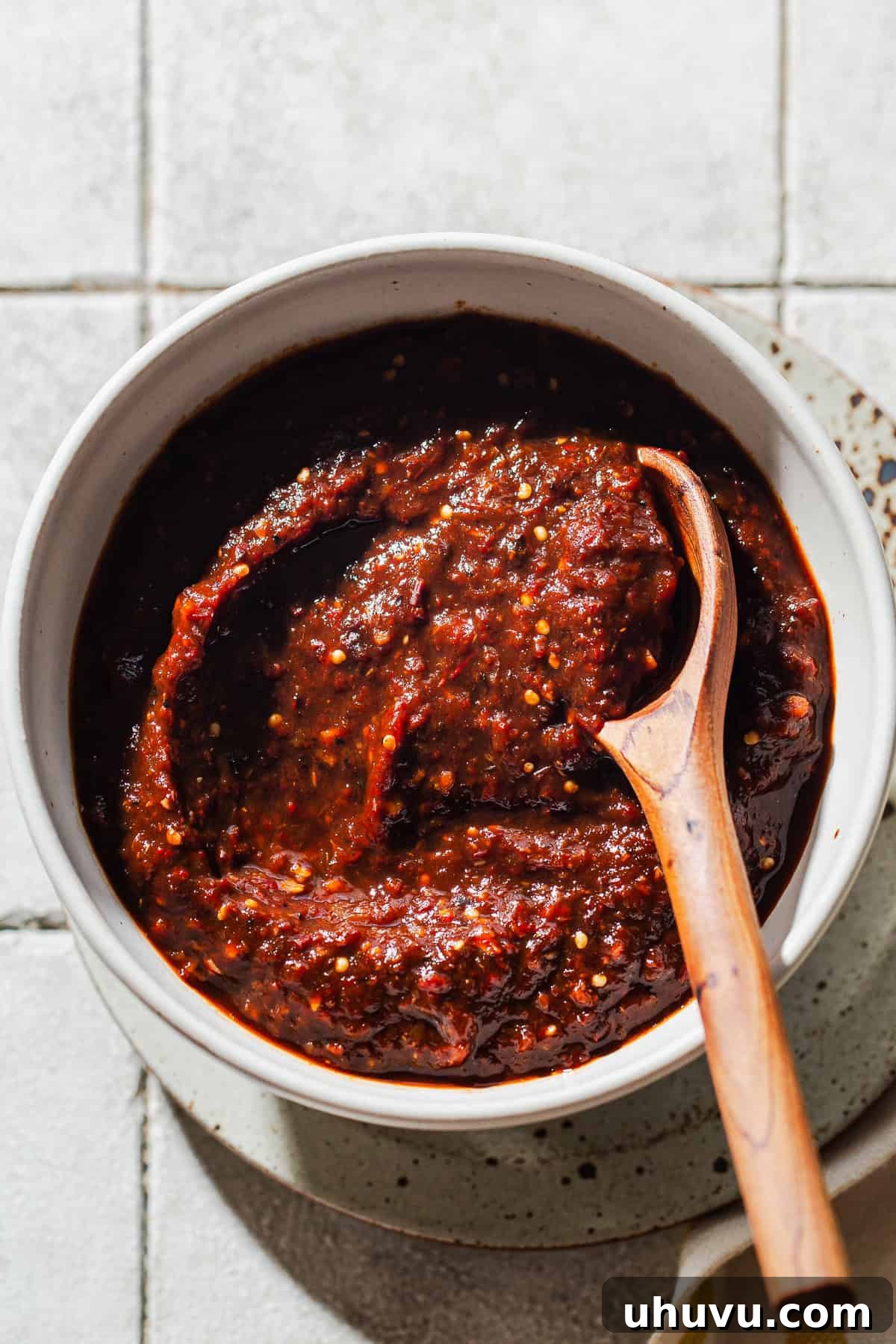
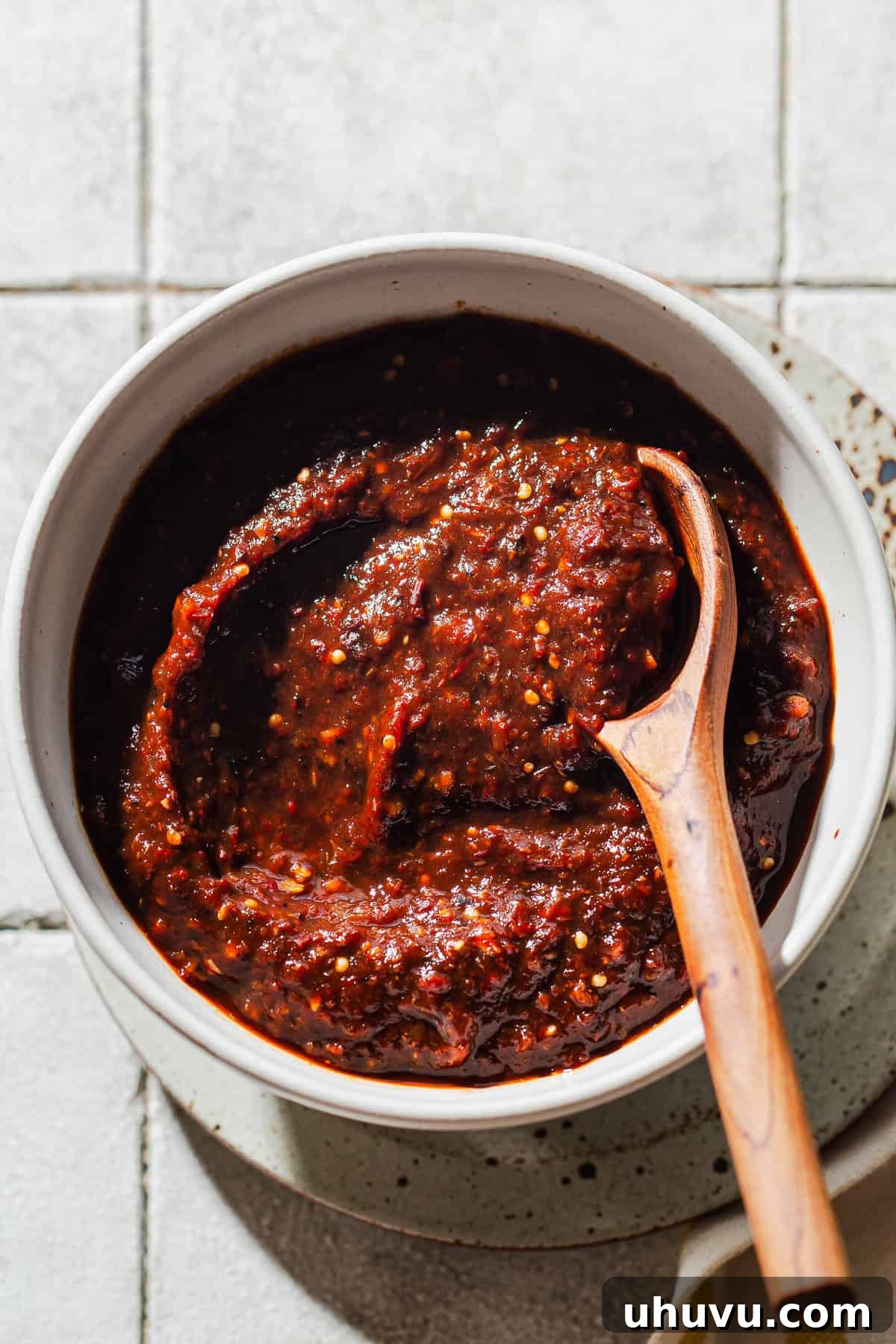
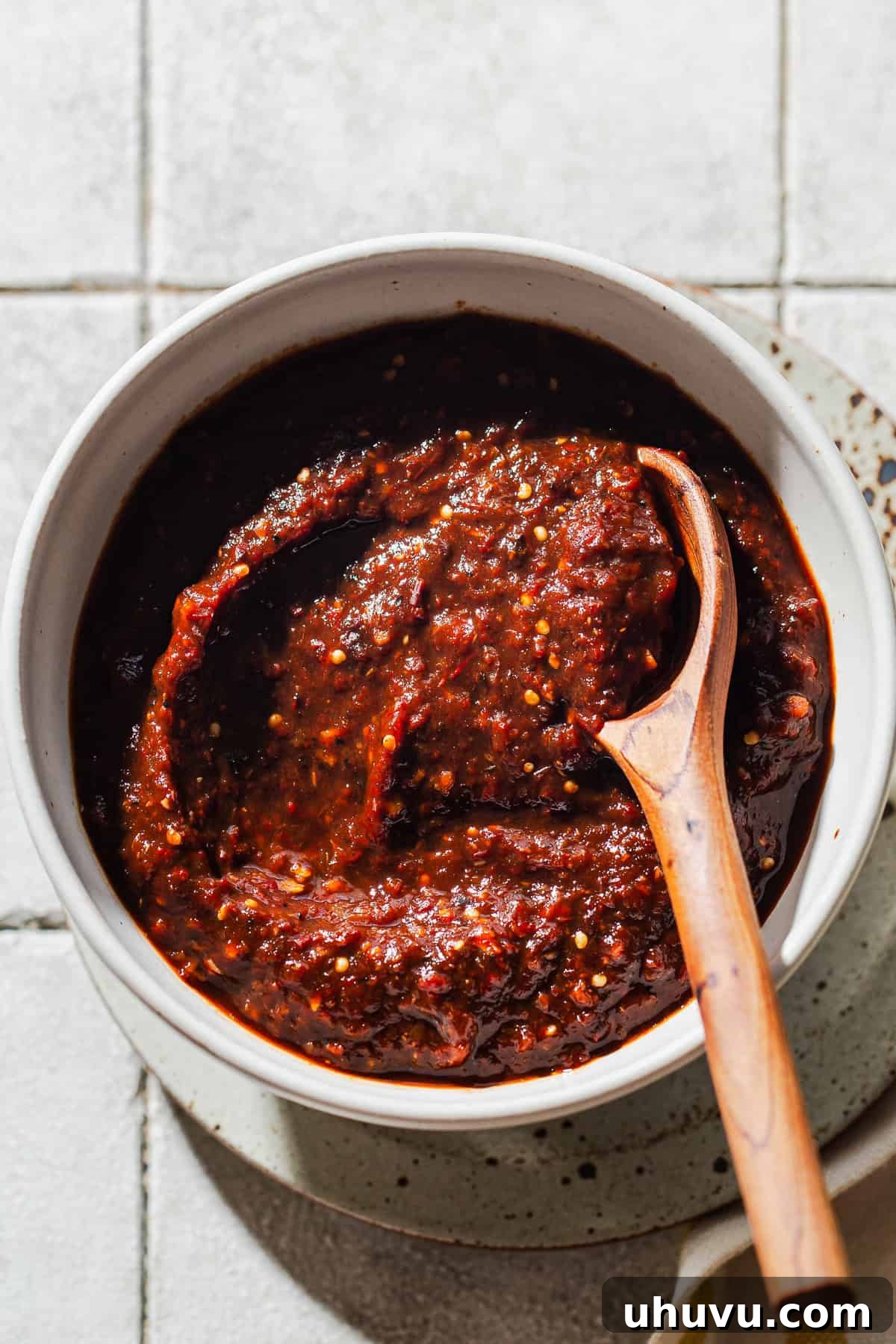
Embark on a culinary journey to the heart of Mexico with Salsa Morita, a truly captivating traditional Mexican salsa that promises a symphony of deep, smoky, and subtly sweet flavors. Crafted from uniquely toasted and rehydrated morita chiles, then expertly blended with bright tomatillos, aromatic onion, pungent garlic, and a touch of salt, this salsa stands out as a staple in authentic Mexican cuisine. It’s more than just a condiment; it’s an experience, transforming everyday dishes into extraordinary feasts with its complex flavor profile. If you’ve ever savored a salsa that leaves an unforgettable impression, chances are it was Salsa Morita, a dark, rich, and irresistibly smoky companion that beckons you to reach for it again and again.
A Note from Isabel

The first time I tasted Salsa Morita, it was at a vibrant taqueria, and the memory of that flavor is etched in my mind. It wasn’t just another salsa; it possessed a profound smokiness and a nuanced depth that was unlike anything I had experienced before. That lingering, bold yet mellow smoky essence instantly captivated me. I knew, right then, that I had to recreate that magic in my own kitchen. What truly distinguishes this exceptional salsa is the star ingredient itself: the chile morita. Unlike many fresh salsas that rely on sharp, acidic notes for their character, Salsa Morita derives its unique appeal from the inherent smokiness of these dried chiles. It’s a flavor that is incredibly difficult, if not impossible, to replicate with any other ingredient. The smokiness it imparts is robust, reminiscent of chipotle peppers in adobo, but with a refined gentleness that never overpowers. It lingers beautifully, enhancing every bite. Morita chiles are undoubtedly one of the most flavor-packed dried chiles I’ve ever had the pleasure of cooking with, and this salsa has become a universal favorite in my home. I find myself drizzling it over everything from breakfast eggs and savory tacos to succulent grilled meats and, of course, a simple bowl of tortilla chips. I wholeheartedly encourage you to try this recipe; it is a culinary revelation that truly won’t disappoint!
What Are Chile Moritas? Unveiling the Smoky Gem of Mexican Cuisine
Morita chiles are a fascinating and flavorful ingredient, essentially small, dried, and smoked jalapeño peppers. Their journey begins on the vine, where jalapeños are left to fully mature and turn a vibrant red before being carefully harvested. This natural ripening process is crucial for developing their characteristic fruity sweetness. Once red, they undergo a smoking process, though for a shorter duration compared to their more intense cousin, the chipotle. This careful smoking imparts a deep, aromatic smokiness while preserving much of their inherent fruitiness and a softer, more pliable texture. Visually, moritas are distinct: small to medium in size, with a slightly leathery, somewhat shiny skin that boasts a beautiful deep brownish-red hue. Their flavor profile is a delightful blend of smoky, fruity, and subtly sweet notes, offering a complexity that elevates any dish they grace.
Morita vs. Chipotle: A Nuanced Difference in Smoky Flavor
While both morita and chipotle chiles originate from smoked jalapeños, they are not interchangeable and offer distinct culinary experiences. Understanding their differences is key to mastering authentic Mexican flavors.
- Chipotle Peppers: These are jalapeños that have been smoked for a significantly longer period. This extended smoking process results in a more intense, often woody, smoke flavor. Chipotles tend to have a harder, drier texture and a more concentrated heat. They are widely recognized in their canned form, preserved in a rich adobo sauce, which adds another layer of tangy sweetness to their profile.
- Morita Chiles: In contrast, moritas are smoked for a shorter duration. This preserves their softer, more pliable texture and allows their inherent fruitiness to shine through alongside the smoke. The smoke flavor in moritas is gentler, more nuanced, and less assertive than that of chipotles. If you find the robust, heavy smoke of chipotle a bit overwhelming, morita chiles offer a fantastic alternative, providing a balanced, fruitier smokiness that lingers beautifully without dominating a dish. They are almost always sold in their dried form, encouraging rehydration and toasting to unlock their full potential.
Heat Level: Finding Your Perfect Spice Balance
Morita chiles generally fall into the medium-heat category, ranging from 5,000 to 10,000 Scoville Heat Units (SHU). This places them firmly within a comfortable range for most palates, offering a pleasant warmth rather than an overwhelming burn. For those who prefer a milder salsa, a simple yet effective tip is to remove the seeds from the morita chiles before blending. The majority of a chili’s capsaicin (the compound responsible for its heat) resides in the seeds and the white pith. By carefully deseeding the chiles after rehydration, you can significantly reduce the overall heat level of your Salsa Morita, allowing the smoky and fruity notes to take center stage without too much spice.
Essential Ingredients for Your Homemade Salsa Morita
Crafting the perfect Salsa Morita relies on a handful of fresh, quality ingredients that each play a vital role in building its complex flavor profile. Here’s what you’ll need to gather:
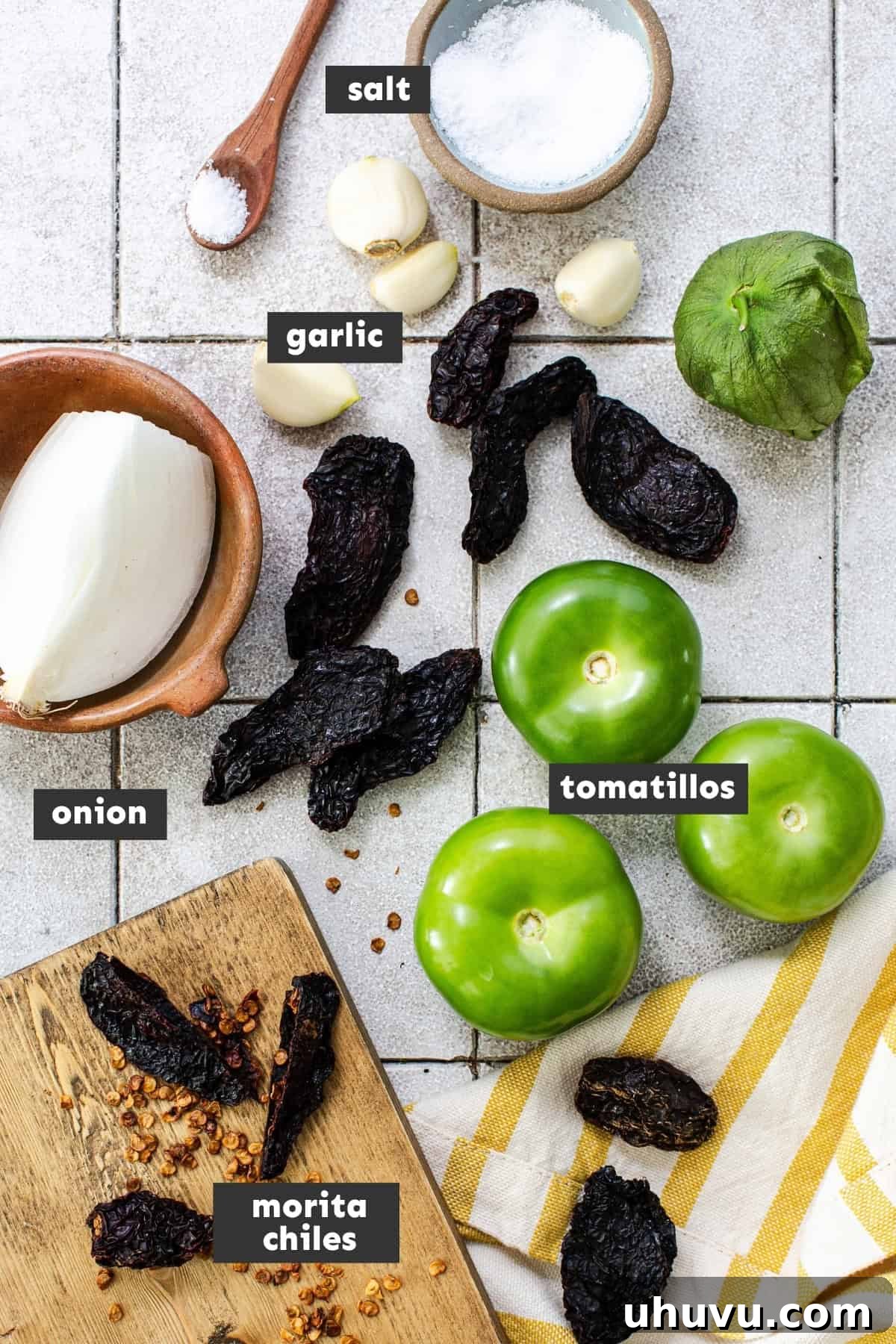
| Ingredient | Why It Works / Notes |
|---|---|
| Morita Chiles | These are the undisputed stars of our salsa. They infuse it with a deep, earthy, smoky, and fruity heat that is truly unparalleled. Even a single chile adds incredible depth. For optimal results and heat control, remember to stem and seed them before the crucial toasting step. |
| Tomatillos | I prefer tomatillos over traditional tomatoes for this salsa due to their inherent acidity. This tanginess is essential for cutting through the rich smokiness of the moritas, creating a perfectly balanced and complex flavor. Roasting them under the broiler until beautifully charred adds an extra layer of savory depth. |
| White Onion | White onion contributes a foundational savory depth and a mild sweetness to the salsa. Roasting it alongside the tomatillos helps to mellow its natural sharpness, resulting in a more harmonious flavor when blended. |
| Garlic | Garlic is a key aromatic, adding a rich, savory layer without overpowering the delicate flavors of the chiles. A brief roasting until lightly golden sweetens the garlic, making its contribution more rounded and less pungent. |
| Kosher Salt | A fundamental seasoning that enhances all the other flavors, bringing them into perfect harmony. Always start with the recommended amount and adjust to your personal taste at the end. |
Why Tomatillos Instead of Tomatoes? The Acidic Advantage
When it comes to the base of Salsa Morita, many recipes will present a choice between tomatillos and tomatoes. While both options can yield a delicious salsa, they undeniably produce very different results, each with its own character. Tomatoes, with their higher sugar content, will lend the salsa a sweeter and generally milder flavor profile. This can be pleasant if you’re aiming for a softer, more subdued experience.
However, my preference, and what I believe truly elevates Salsa Morita, is the use of tomatillos. The natural tanginess and brighter acidity of tomatillos are crucial for creating a truly balanced salsa. This acidity acts as a counterpoint to the deep, lingering smokiness of the morita chiles in a way that tomatoes simply cannot replicate. It cuts through the richness, preventing the salsa from becoming too heavy or one-dimensional, and instead creates a dynamic interplay of flavors that is both refreshing and profound. If you desire a slightly sweeter version, or if tomatillos are simply unavailable, you can certainly substitute them with Roma tomatoes. Just be mindful that you may need to adjust the consistency by adding more or less of the chile soaking liquid, as tomatoes contain more water and less pectin than tomatillos, potentially yielding a thinner salsa.
How to Make Salsa Morita: A Step-by-Step Guide to Smoky Perfection
Creating this authentic Salsa Morita is a straightforward process that involves just a few key steps. Follow these instructions carefully to unlock the incredible flavors of the morita chile.
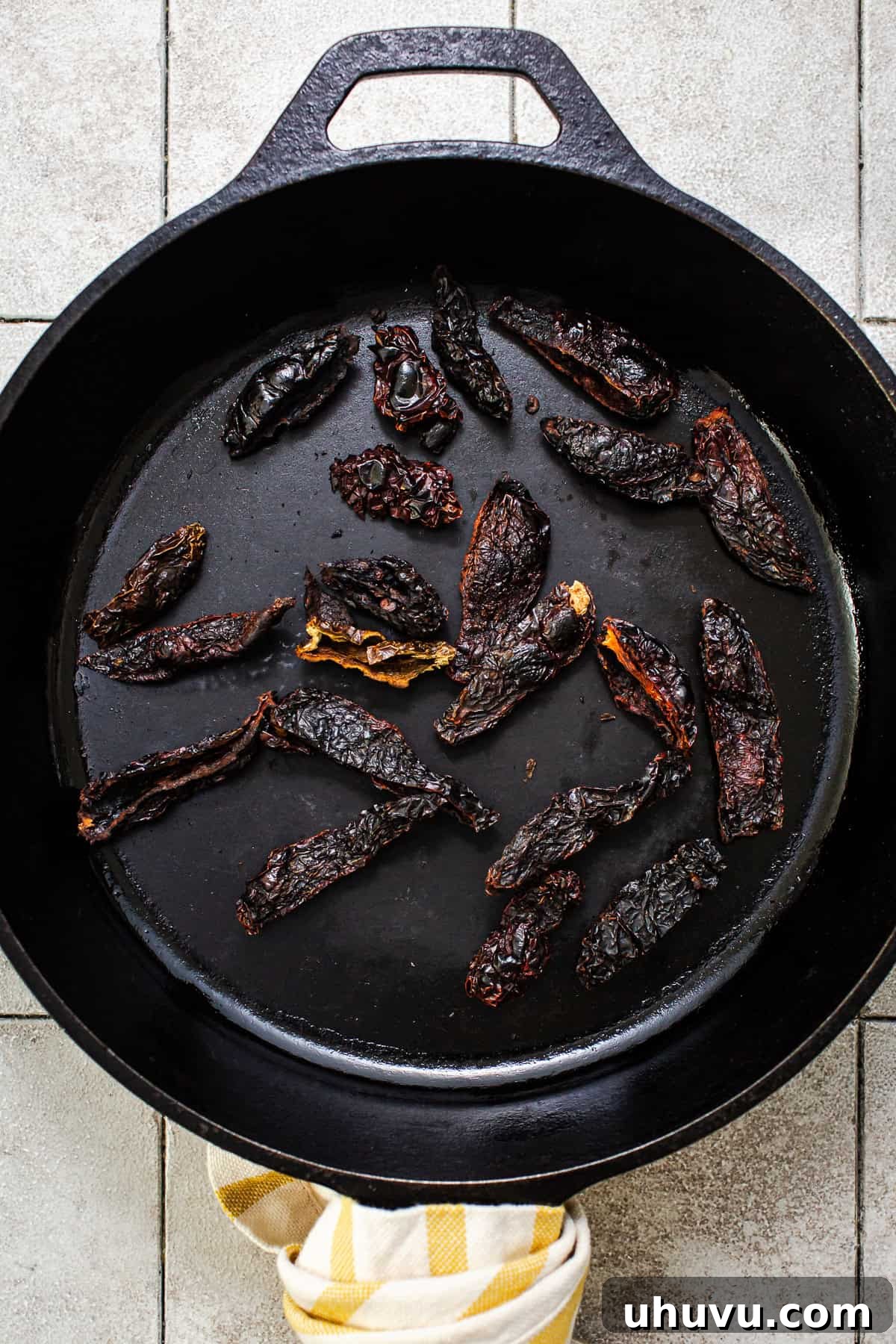
1. Toast and Rehydrate the Morita Chiles:
Begin by heating a dry skillet (a cast-iron skillet or comal works wonderfully for even heat) over medium-high heat. Place your stemmed and seeded morita chiles flat in the hot skillet. Toast them for approximately 1 to 2 minutes per side, gently pressing them down with a spatula to ensure good contact with the pan. Keep a close eye on them, as they can burn quickly. You’ll know they’re perfectly toasted when they become fragrant, smell deeply smoky, and begin to inflate slightly. Immediately transfer the toasted chiles to a small saucepan. Cover them completely with water, then bring the water to a boil over high heat. Once boiling, remove the saucepan from the heat, cover it with a lid, and let the chiles soften and rehydrate for about 10 minutes. This process is crucial for making them pliable for blending and for fully extracting their flavor.
2. Roast Vegetables and Blend the Salsa:
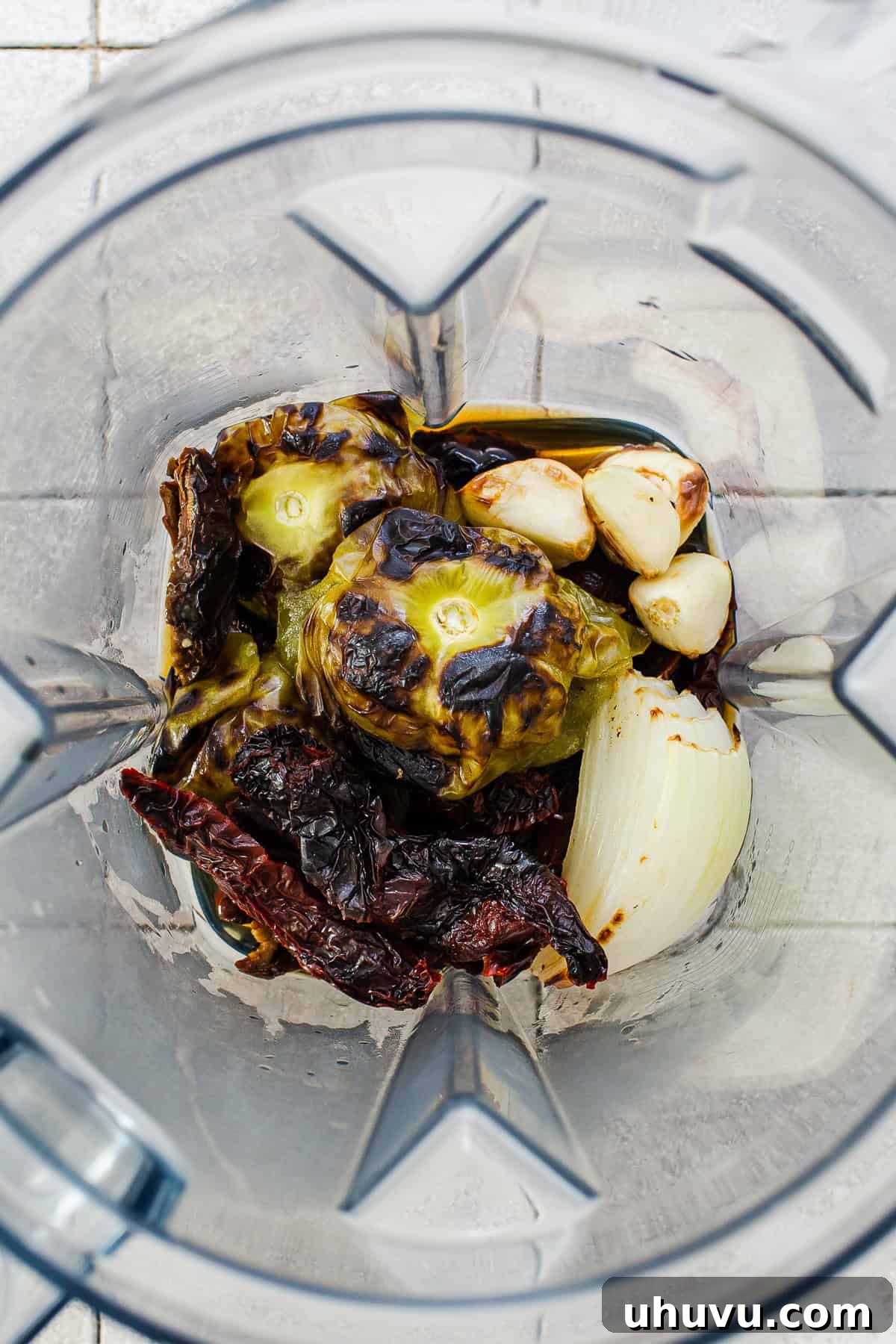
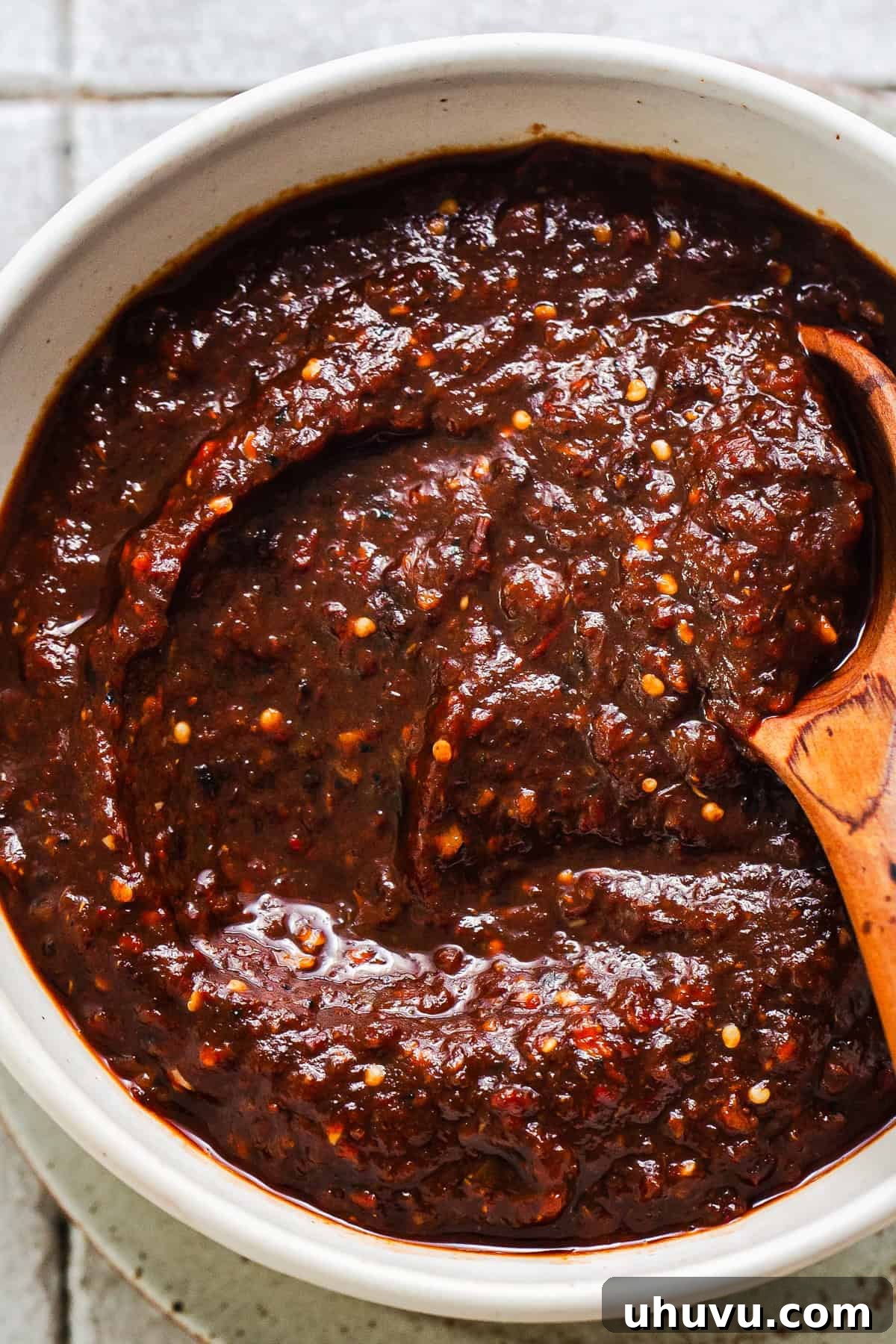
While your chiles are rehydrating, position an oven rack near the top of your oven and preheat the broiler to high. On a baking sheet, arrange the husked and rinsed tomatillos along with the quartered white onion. Broil them for about 8 minutes, flipping halfway through, until they are beautifully charred and softened. This charring adds a wonderful depth of flavor. In the last 1-2 minutes of broiling, add the peeled garlic cloves to the baking sheet and broil until they are lightly browned and fragrant. Once all the vegetables are ready, transfer the softened chiles (using a slotted spoon), the roasted tomatillos, onion, and garlic to a large blender. Add a quarter cup of the chile-infused soaking liquid (this liquid is packed with flavor!), and the initial ¼ teaspoon of kosher salt. Pulse the mixture until it reaches your desired consistency – typically mostly smooth. For an ultra-silky salsa, blend a bit longer. If you prefer a chunkier texture, pulse just a few times and stop early. If at any point the salsa seems thicker than you’d like, blend in an additional 1 to 2 tablespoons of the reserved chile soaking liquid or plain water until it achieves your preferred pourable consistency.
3. Taste and Adjust:
The final crucial step is to taste your freshly made Salsa Morita and adjust the seasoning. Add more salt if needed to brighten the flavors. If you find the salsa to be spicier than you anticipated, don’t worry! You can easily mellow the heat by blending in a few more roasted tomatillos, or even a couple of Roma tomatoes if that’s what you have on hand. The additional volume and sweetness will help to balance the spice. I personally enjoy my salsa fairly thick, especially when I plan to stir it into hearty soups or stews. However, for drizzling over tacos or serving as a dipping sauce, I often thin it out a bit more for easier application.
Expert Tips for Crafting the Ultimate Salsa Morita
- Toast the Chiles with Precision: This step is paramount for unlocking the full smoky aroma and complex flavor of the morita chiles. Heat a dry skillet over medium-high heat and press the chiles flat against the pan for about 1-2 minutes per side. They should become fragrant, deeply smoky, and slightly inflated. Crucially, do not walk away from the skillet! Dried chiles can transition from perfectly toasted to burnt in mere seconds, and burnt chiles will unfortunately impart a bitter, unpleasant taste to your entire salsa. A hot cast-iron skillet is ideal for this, but any heavy-bottomed pan will work effectively.
- Master the Heat Level: You have full control over the spiciness of your Salsa Morita. For a milder salsa, ensure you remove as many seeds as possible from the morita chiles before you soak them. Conversely, if you crave more heat and a bolder kick, leave some or all of the seeds intact. If, after blending, the salsa turns out spicier than you prefer, a simple trick is to blend in a quarter to half of a ripe avocado. The creamy texture and mild flavor of the avocado will help to cool down the salsa without significantly altering its core taste.
- Allow it to Rest for Optimal Flavor: Like many great salsas, Salsa Morita truly improves with a little time. The flavors need a chance to meld, deepen, and harmonize. If possible, make your salsa at least 30 minutes before you plan to serve it. For the absolute best flavor, consider preparing it even a day in advance. Stored in the refrigerator, the ingredients will intermingle beautifully, resulting in a richer, more cohesive taste experience.
- Achieve Your Ideal Consistency: The texture of your salsa is a matter of personal preference. For a very smooth, pourable salsa, blend the ingredients longer until there are no noticeable chunks. For a rustic, chunkier salsa perfect for dipping, pulse the blender just a few times, stopping as soon as the desired texture is achieved. Remember, you can always thin out a too-thick salsa by adding a tablespoon or two of the reserved chile-soaking liquid or water at a time until you reach your perfect consistency.
- Quality Ingredients Matter: While the recipe is simple, the quality of your ingredients makes a significant difference. Seek out plump, fresh tomatillos and firm, fragrant onions and garlic. Good quality morita chiles will be pliable, not brittle, and have a rich, deep color.
Creative Ways to Serve Your Versatile Salsa Morita
Salsa Morita is an incredibly versatile condiment that you’ll quickly find yourself reaching for throughout the week. Its smoky, robust flavor profile complements a wide array of dishes, making it a fantastic addition to almost any meal. Here are some of the best and most delicious ways to incorporate this amazing salsa into your culinary repertoire:
- Breakfast Brilliance: Elevate your morning routine by spooning Salsa Morita generously over scrambled eggs or fried eggs for a smoky, spicy start to your day. It also pairs wonderfully with breakfast burritos and breakfast tacos.
- Taco Transformation: Drizzle this vibrant salsa over your favorite Mexican tacos. It’s particularly fantastic on carne asada tacos, tacos dorados, or even Mexican ceviche, adding a fiery depth and a layer of irresistible spice.
- Hearty Morning Meals: Serve Salsa Morita alongside traditional Mexican breakfast dishes like migas, breakfast burritos, or breakfast tacos. Its rich flavor enhances these comforting classics.
- Grilled & Smoked Meats: The smoky notes of Salsa Morita make it a natural pairing for grilled or smoked meats. Spoon it generously over pollo asado, steak, or grilled shrimp skewers for an explosion of flavor. It can even be blended into marinades to impart an extra smoky layer to your barbecue.
- Huevos Rancheros Upgrade: For a delightful twist, use Salsa Morita instead of a regular salsa roja to top your huevos rancheros. The unique smoky depth will take this classic dish to a whole new level.
- Elevated Soups and Stews: Stir a spoonful or two of Salsa Morita into your favorite soups, chilis, or stews (like a hearty pozole or birria) for an instant boost of complexity and warmth.
- Simple Dipping Sauce: Of course, it’s perfect on its own with a generous bowl of crispy tortilla chips, allowing its nuanced flavors to shine.
Frequently Asked Questions (FAQs) About Salsa Morita
To maintain its freshness and flavor, store Salsa Morita in an airtight container or a clean jar in the refrigerator. It will keep well for up to 1 week. For longer storage, you can freeze it for up to 3 months. Transfer the salsa to an airtight container or a freezer-safe bag, ensuring there’s a little headspace for expansion. When you’re ready to enjoy it again, simply thaw it overnight in the refrigerator before serving. The quality remains excellent after thawing.
While both morita and chipotle chiles are indeed derived from smoked jalapeños, they are closely related but not identical. The key difference lies in the duration of the smoking process. Moritas are smoked for a shorter period, which allows them to retain a softer texture and develop a slightly fruitier, less intense smoke flavor compared to chipotles. Chipotles, smoked for longer, typically have a more robust, woody smoke character and a drier texture. Additionally, chipotles are very commonly found canned in adobo sauce, whereas morita chiles are almost exclusively sold in their dried form, highlighting their unique preparation and flavor profile.
Morita chiles offer a distinctive and appealing flavor profile that is smoky, earthy, and subtly fruity. They share a kinship with chipotle peppers in their smokiness but present it with a softer, less aggressive edge and a more pronounced fruity finish. When properly toasted, they become incredibly fragrant, filling your kitchen with an enticing aroma. The lingering smokiness they impart to any dish is bold yet balanced, making them a fantastic ingredient for adding depth and complexity without overwhelming other flavors.
Yes, if you’re unable to find morita chiles, dried chipotle chiles can serve as a suitable substitute. They will still provide a wonderful smoky flavor, though the end result might be slightly more intense and less fruity than with moritas. If you only have access to canned chipotles in adobo, you can still make a delicious salsa! In this case, you would skip the initial toasting and rehydrating steps for the chiles. Instead, add the canned chipotles directly to the blender along with the rest of the ingredients. Remember to account for the adobo sauce’s flavor and adjust other seasonings as needed. The flavor will be different from an authentic Salsa Morita but will undoubtedly still be delicious and smoky.
Explore More Authentic Mexican Salsa Recipes
If you’ve fallen in love with the flavors of Salsa Morita, you’ll be thrilled to discover other vibrant and delicious Mexican salsas. Each offers a unique taste and texture, perfect for different dishes and occasions.
- Molcajete Salsa: A rustic, mortar-and-pestle prepared salsa, bursting with fresh, chunky flavors.
- Salsa Macha: A savory, crunchy oil-based salsa made with dried chiles, nuts, and seeds.
- Salsa Mexicana (Pico de Gallo): The classic fresh salsa, bright and zesty with tomatoes, onion, cilantro, and jalapeños.
Saved
Pin
★
★
★
★
Salsa Morita
Isabel Orozco-Moore
5 minutes
15 minutes
20 minutes
8
servings
Ingredients
-
▢
1.5
ounces
dried morita chiles,
(about 8-10 chiles) stemmed and seeded -
▢
½
pound
tomatillos,
husked and rinsed -
▢
¼
medium
white onion -
▢
4
cloves
garlic,
peeled -
▢
¼
teaspoon
kosher salt,
plus more to taste
Instructions
-
Heat a comal or cast-iron skillet over medium-high heat. Add the morita chiles and toast for about 1-2 minutes, pressing them down with a spatula so they make good contact with the pan. Flip and toast for another 1-2 minutes, until fragrant and slightly darkened. Watch carefully to avoid burning.
-
Transfer the toasted chiles to a small saucepan and add enough water to fully cover them. Bring to a boil over high heat, then remove from the heat. Cover and let the chiles soften for about 10 minutes. Reserve the chile-infused soaking liquid.
-
While the chiles soften, position an oven rack near the top of the oven and preheat the broiler to high. Place the tomatillos and onion on a baking sheet and broil for about 8 minutes, flipping halfway through, until charred and softened.
-
Add the garlic to the baking sheet and broil for 1-2 more minutes until lightly browned and fragrant.
-
Using a slotted spoon, transfer the softened chiles to a large blender. Add ¼ cup of the reserved chile-infused water, the roasted tomatillos, onions, garlic, and initial ¼ teaspoon of salt.
-
Pulse until mostly smooth, or to your desired consistency (for a chunkier salsa, pulse just a few times). If the salsa is thicker than you’d like, blend in an additional 1-2 tablespoons of the chile soaking liquid or water until it reaches your preferred consistency.
-
Taste and add more salt if needed. Serve immediately with tortilla chips, or spoon over tacos, grilled meats, eggs, or your favorite Mexican dishes.
Notes
- Storage: Store your Salsa Morita in an airtight container in the fridge for up to 1 week. For longer preservation, it can be frozen for up to 3 months. Thaw overnight in the refrigerator before serving.
- Adjust the Consistency: For a super smooth salsa, simply blend the ingredients until fully pureed. If you prefer a more rustic, chunkier texture, pulse the blender only a few times and stop when your desired consistency is achieved. Should the salsa turn out thicker than you’d like, gradually blend in an additional 1-2 tablespoons of the chile-soaking liquid or plain water until it reaches your perfect pourable or dipping consistency.
- Heat Customization: To reduce the heat, ensure all seeds and membranes are removed from the morita chiles before rehydrating and blending. For more spice, you can leave some seeds in. Adding a quarter of a ripe avocado to the blender can also help mellow an overly spicy salsa.
Nutrition
Serving:
1
serving
|
Calories:
30
kcal
|
Carbohydrates:
6
g
|
Protein:
1
g
|
Fat:
1
g
|
Saturated Fat:
0.1
g
|
Polyunsaturated Fat:
0.3
g
|
Monounsaturated Fat:
0.1
g
|
Sodium:
78
mg
|
Potassium:
186
mg
|
Fiber:
2
g
|
Sugar:
3
g
|
Vitamin A:
1441
IU
|
Vitamin C:
6
mg
|
Calcium:
8
mg
|
Iron:
1
mg
Nutrition information is automatically calculated, so should only be used as an approximation.
Did you make this recipe?
Leave a comment and star rating below!
Photography by Ashley McLaughlin.