
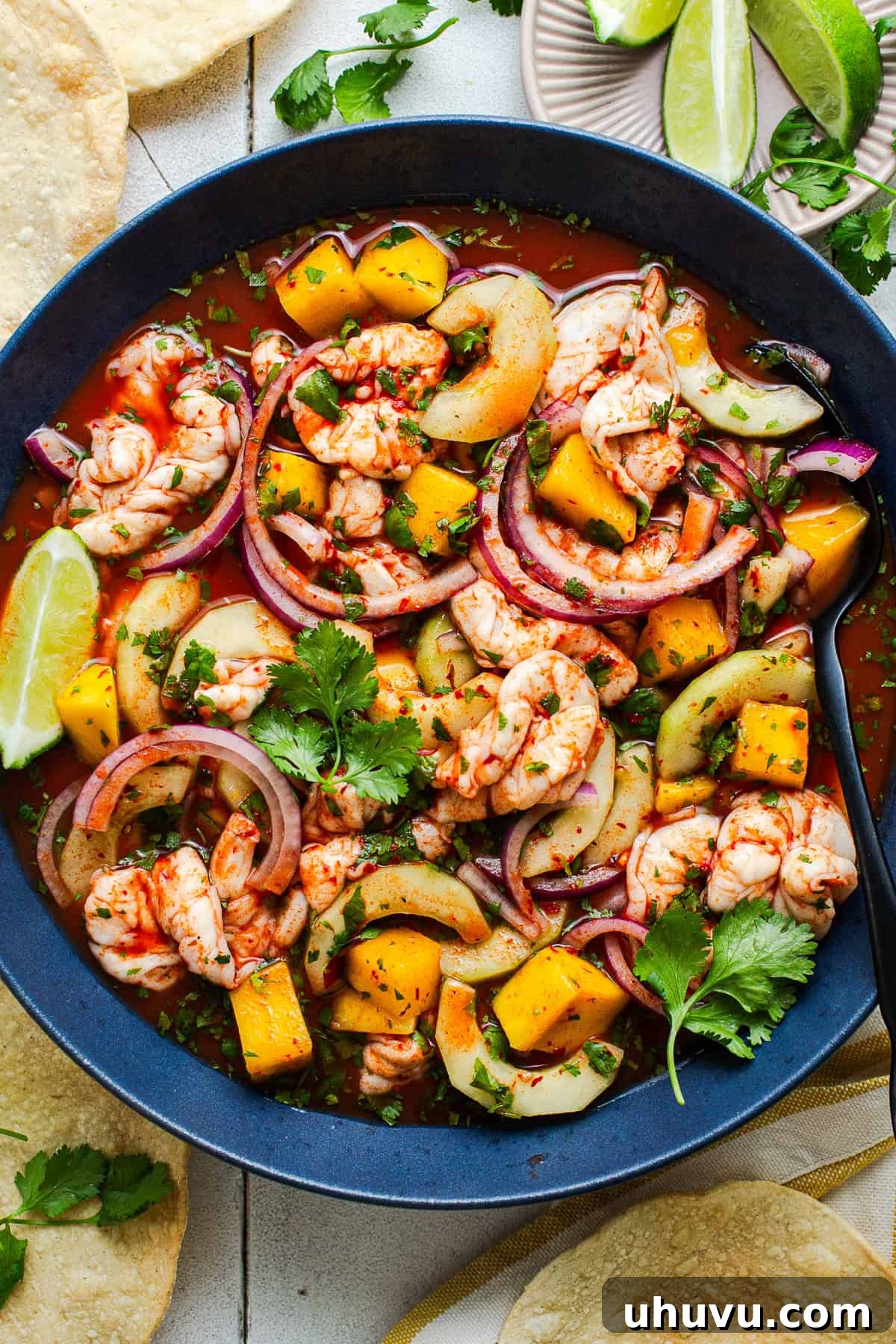
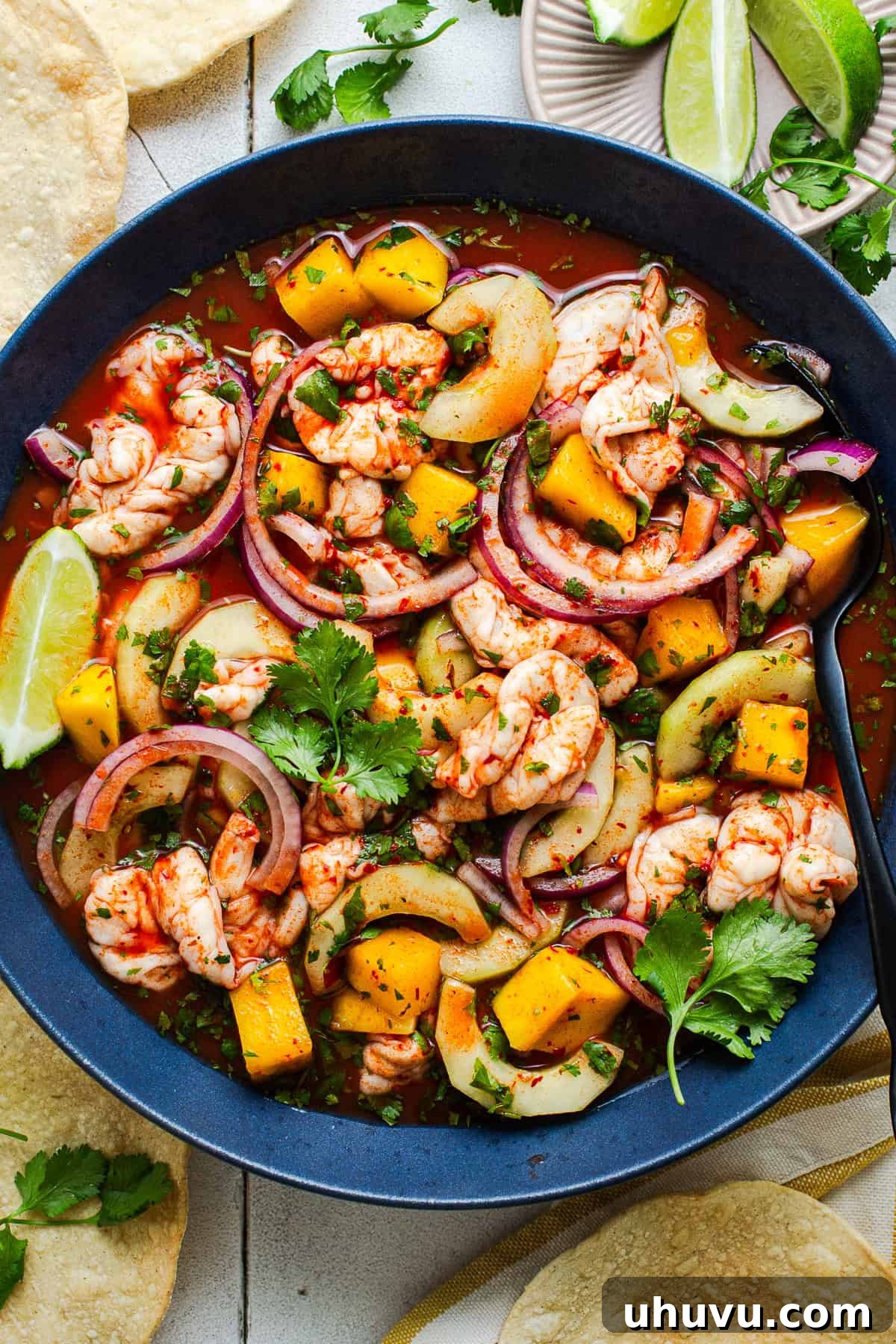
Aguachile rojo is shrimp cured in lime juice and dressed in a smoky red chile salsa, then tossed with crisp cucumber, sweet mango, and thinly sliced red onion. There’s no cooking required—no stove or oven—and the dish comes together in about an hour, making it perfect for hot days or when you want a bright, shareable seafood starter.
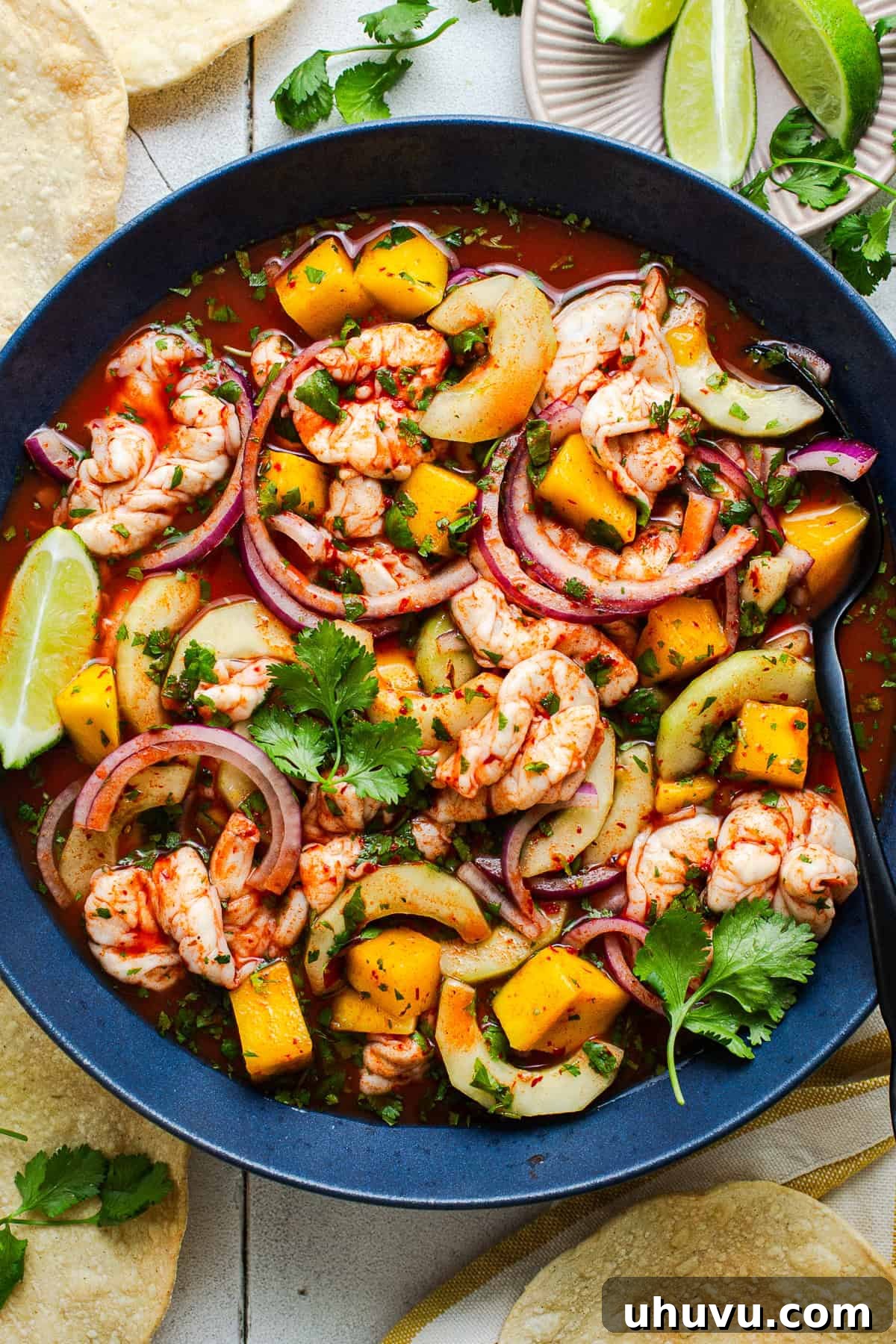
This Aguachile Rojo Disappears Every Single Time

When it’s too hot to cook, this is my go-to. The shrimp cures in a generous amount of freshly squeezed lime juice while a roasted, blended red chile salsa provides the dish’s smoky, slightly sweet backbone. Right before serving I fold in crunchy cucumber and sweet mango so every bite is cool, bright, and texturally interesting.
Toasted dried chiles—typically guajillo with a few árbol and pequín for heat—are what give this version its depth. Toasting them briefly on a hot comal or skillet develops a toasty, slightly sweet note that a plain fresh chile can’t replicate. I blend those chiles with garlic, a splash of savory seasoning, and a bit of water to make a silky sauce that becomes the “water” in this chile water dish.
If you’ve tried a green aguachile before, think of this as the louder, smokier cousin. It’s great served with crispy tostadas, tortilla chips, or simple saltine crackers and is perfect for a casual seafood spread.
What Is Aguachile Rojo?
Aguachile means “chile water” and refers to a family of coastal Mexican seafood dishes where raw seafood is cured in citrus and tossed in a chile-forward liquid. Rojo indicates the salsa is red—made from red chiles—unlike the herb-forward verde or the darker, soy-accented negro styles.
In this preparation, raw shrimp are cured in lime juice until opaque and firm, then combined with a blended red chile sauce and fresh crunchy vegetables. The lime does the “cooking,” so handling and timing are important to keep the shrimp tender.
What’s the Difference Between Aguachile and Ceviche?
Aguachile can be considered a type of ceviche, but the two feel different on the plate. Ceviche often includes tomato, cilantro, and avocado and tends to be milder, more like a bright chopped salad. Aguachile is more stripped down and usually spicier: the shrimp sits directly in lime juice and a blended chile salsa that defines the dish’s flavor. The added vegetables are there mainly for crunch and freshness.
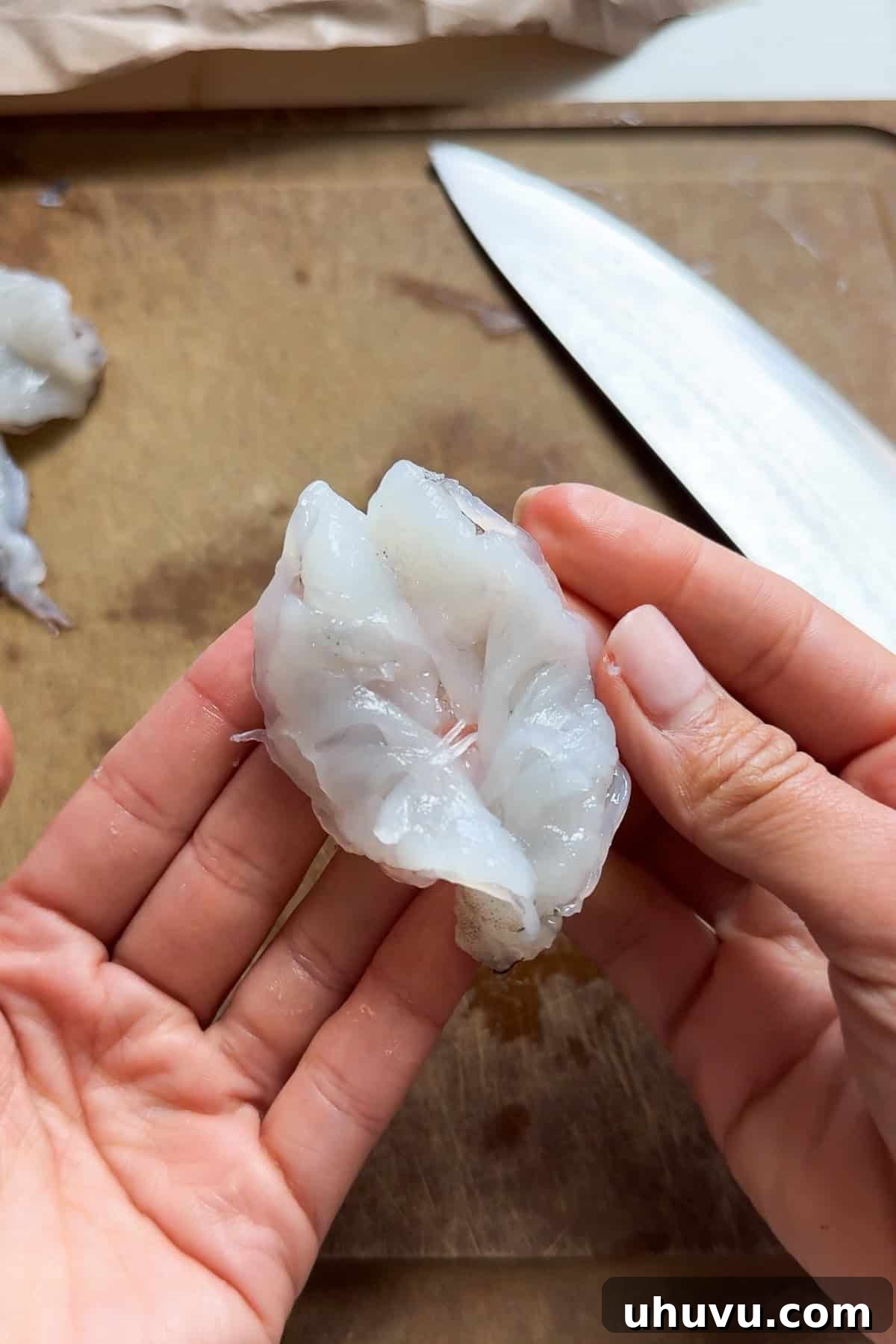
How to Butterfly Shrimp for Aguachile
Butterflying shrimp is the main bit of knife work here. With peeled, deveined shrimp, make a shallow cut down the back almost to the other side but not through, then open the shrimp like a book and press it flat. Flattened shrimp cure faster and more evenly in the lime juice and are how aguachile is commonly served. If you’re short on time, you can dice the shrimp into 1-inch pieces instead.
A Few Things to Know Before You Start
- Choose very fresh shrimp. This is the ingredient to be picky about. Tell your fishmonger you’re making aguachile or ceviche so they pick the freshest shrimp available. Frozen, properly thawed shrimp also work.
- Toast dried chiles briefly. Toast guajillo, árbol, and pequín chiles for a minute or two on a hot skillet or comal until they puff slightly and smell aromatic. Don’t burn them—over-toasting will make the salsa bitter.
- Savory seasoning helps. A concentrated savory liquid seasoning adds depth to the blended sauce; soy sauce or Worcestershire can work if you don’t have a Mexican seasoning on hand.
- Control the heat. Guajillos add color and sweet-tart flavor with mild heat. Árbol and pequín are where most of the spice comes from—use fewer of them for a milder sauce.
- Swap the fruit. Mango is classic here, but diced pineapple is an excellent alternative. For extra crunch and less sweetness, swap mango for thinly sliced jicama.
What to Serve With Aguachile Rojo
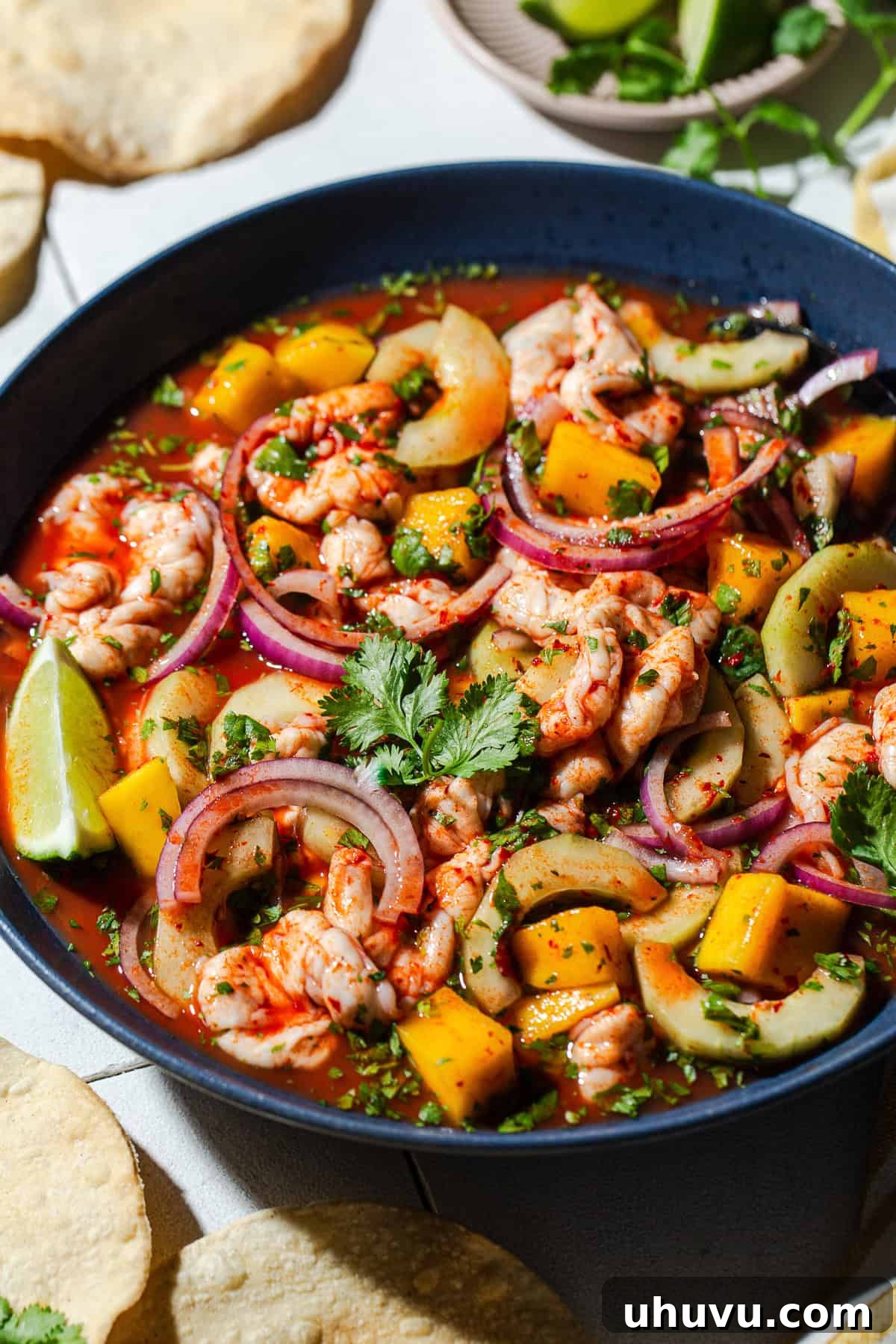
Tostadas are the classic vessel—spread a thin layer of mayonnaise on them first to keep toppings from sliding and to soften the heat slightly. Tortilla chips or saltine crackers are common alternatives. Keep the accompaniments cold and simple: extra lime wedges, a bowl of guacamole for those who want something creamy, and a cold beverage to balance the spice. This is a communal dish meant to be eaten standing around the kitchen with everyone digging in.
Aguachile Rojo FAQs
Yes. It won’t be a traditional cured aguachile, but it still makes a tasty chilled shrimp salad. If you use cooked shrimp, halve the marinating times so the shrimp don’t become rubbery from sitting in lime juice.
Likely it marinated too long. Lime juice continues to firm the shrimp as it cures, so follow the recipe timing and serve shortly after the final mixing to keep the texture tender.
Aguachile is best the day it’s made and is ideally eaten within about 6 hours. After that the shrimp keep curing and can become rubbery, so it’s not a great make-ahead for the next day.
Yes. Fresh red Fresno or habanero chiles will give a brighter, sharper heat but lack the smoky-sweet complexity of toasted dried chiles. If you want both, toast and blend the dried chiles as directed and add a fresh chile to the blender for brightness.
Aguachile Rojo
Ingredients
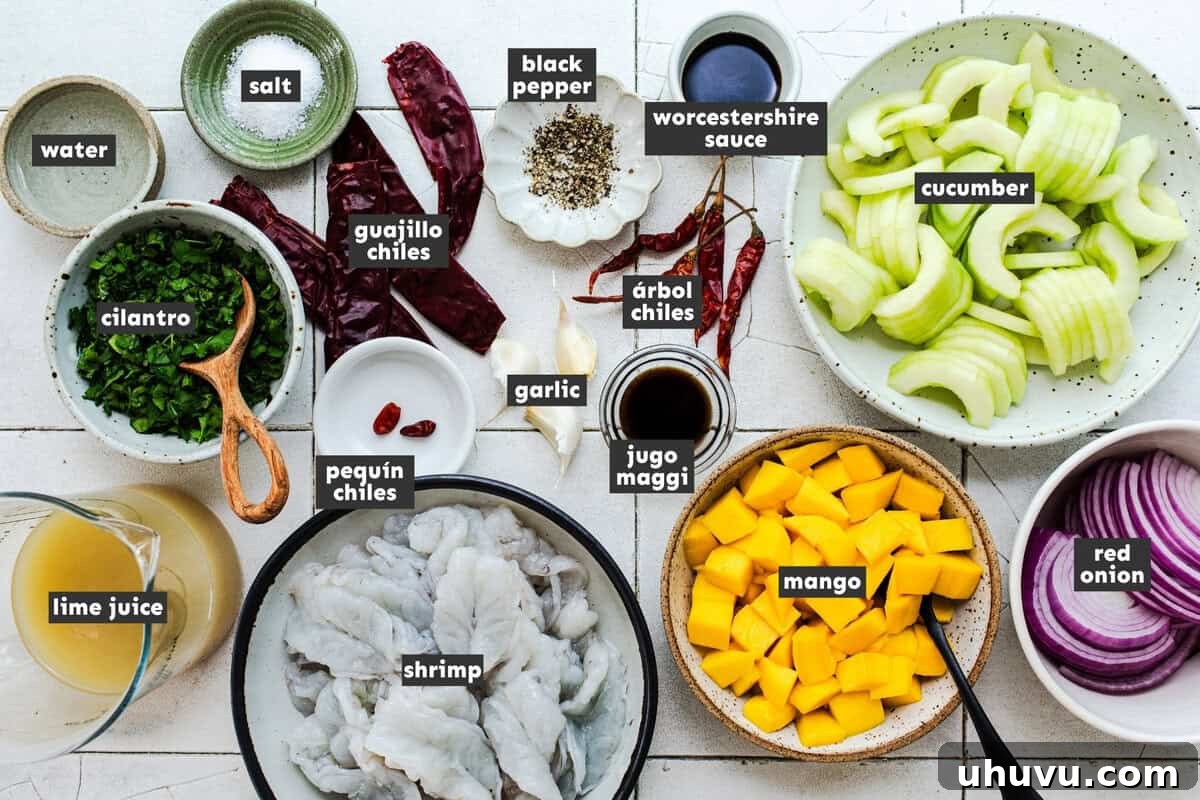
- 1 ½ pounds medium or large shrimp, peeled, deveined, tail-off, and butterflied (or diced into 1-inch pieces)
- 1 cup freshly squeezed lime juice (about 9–10 limes)
- 1 teaspoon kosher salt, plus more to taste
- ½ teaspoon freshly ground black pepper
- 4 guajillo chiles, stemmed and seeded
- 4 árbol chiles, stemmed and seeded (reduce for milder heat)
- 2 dried pequín chiles, or chiltepín for more heat
- 3 cloves garlic
- 1 teaspoon savory seasoning (such as Jugo Maggi) or 1 teaspoon soy sauce as a substitute
- 1 teaspoon Worcestershire sauce
- ¼ cup fresh water
- 1 cucumber, peeled, seeds removed, and thinly sliced
- 1 mango, diced
- ½ red onion, thinly sliced
- ½ cup cilantro, chopped
Instructions
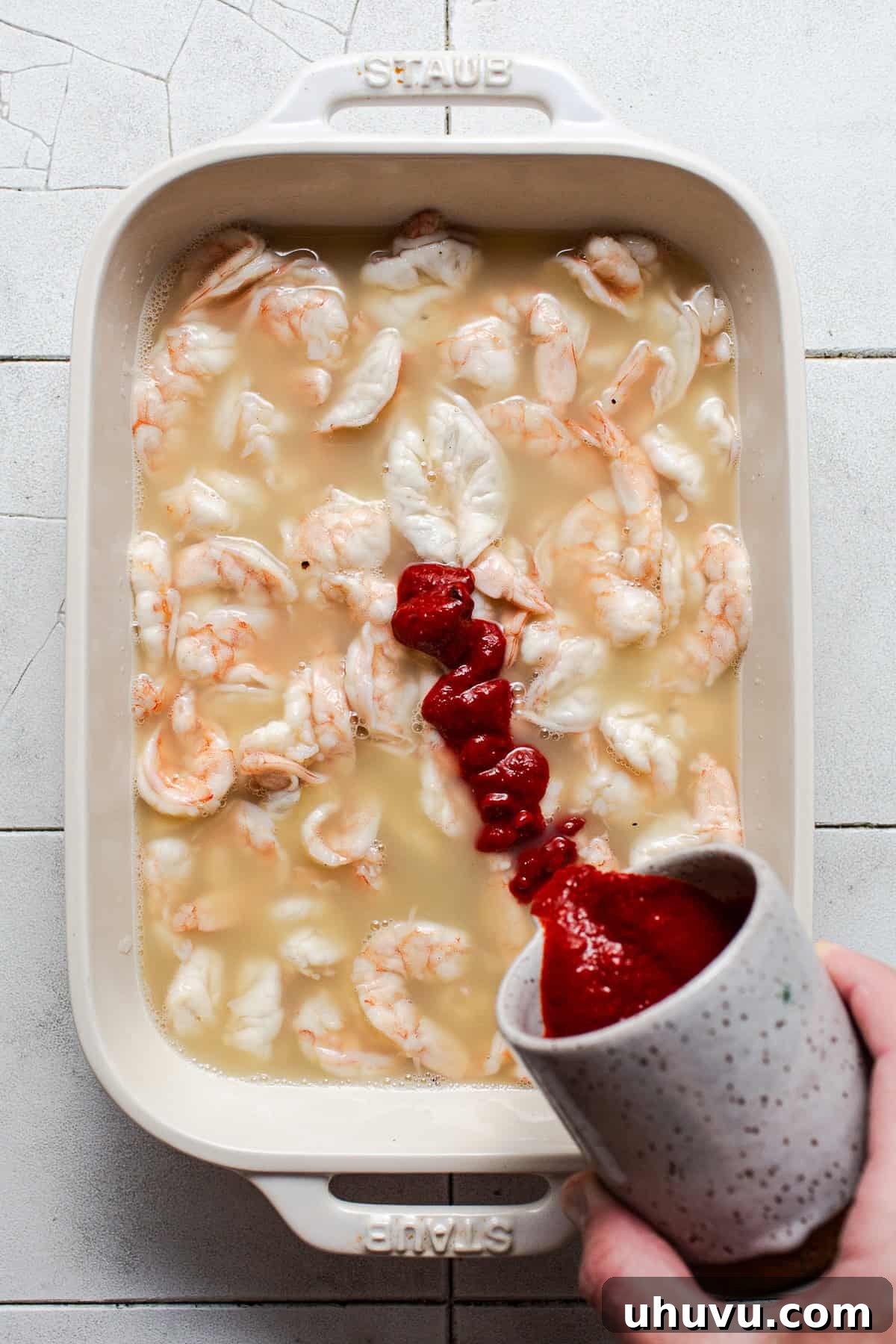
- Combine the shrimp, lime juice, salt, and black pepper in a large shallow bowl or baking dish. Cover and refrigerate for 30 minutes, stirring once halfway through so the shrimp are evenly coated. After 30 minutes the shrimp should look opaque and pink around the edges.
- While the shrimp are curing, heat a large cast-iron skillet or comal over medium heat. Add the guajillo, árbol, and pequín chiles and toast for 1–2 minutes, flipping once, until the chiles puff and smell fragrant. Avoid burning them completely.
- Transfer the toasted chiles to a small saucepan and add enough water to cover them. Bring to a boil, then remove from heat, cover, and let soak for 10 minutes until softened.
- Using a slotted spoon, transfer the softened chiles to a blender. Add the garlic, savory seasoning (or soy sauce), Worcestershire sauce, and ¼ cup fresh water. Blend until completely smooth to make the red chile sauce.
- Pour the chile sauce over the marinated shrimp and stir until well combined. Cover and refrigerate for an additional 30 minutes so the flavors meld and the shrimp finish curing.
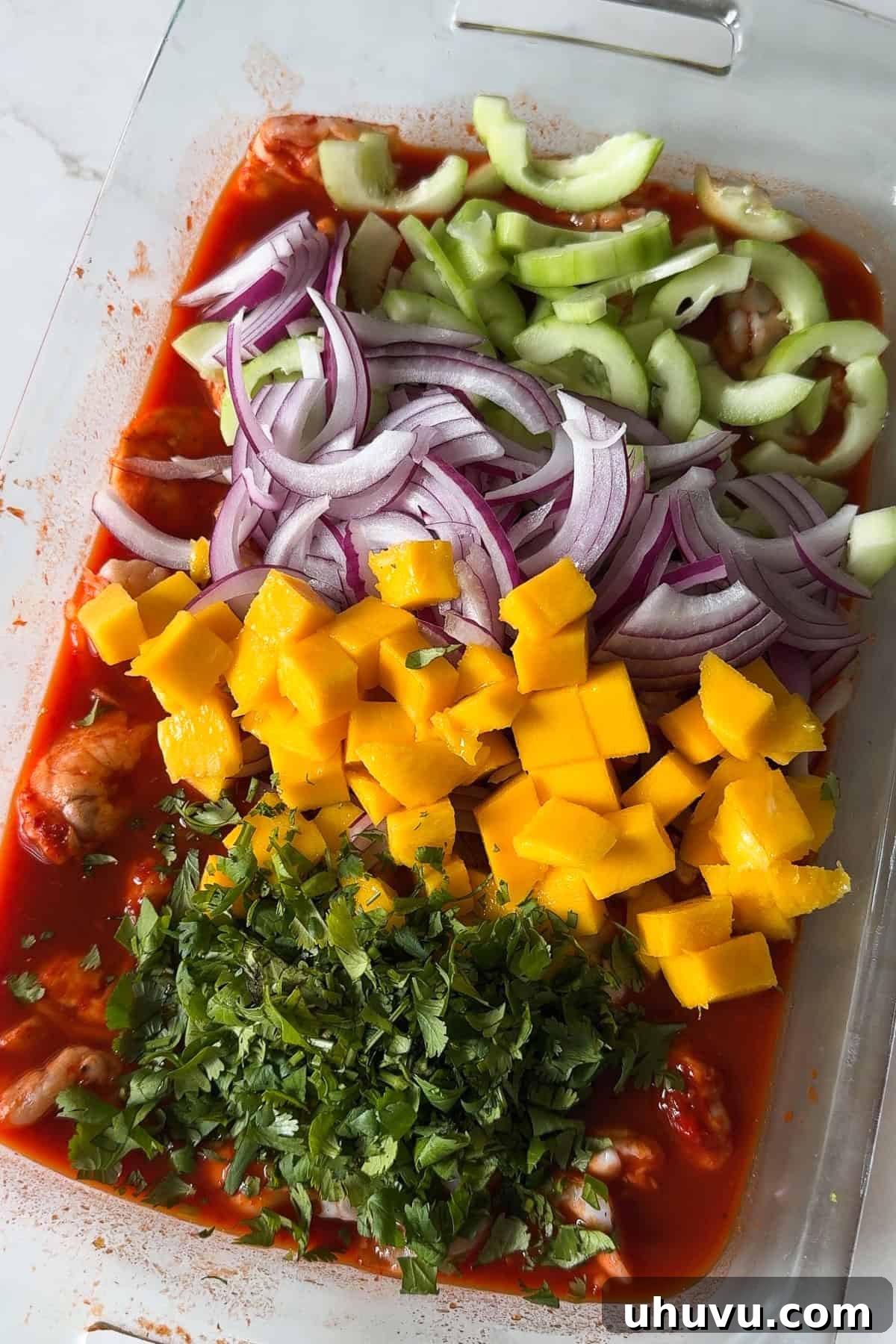
- Stir in the cucumber, mango, red onion, and cilantro. Taste and adjust salt as needed. Serve immediately with tostadas, tortilla chips, or saltine crackers.
Notes
- Storage: Best the day it’s made; eat within about 6 hours. The lime will continue to firm the shrimp over time.
- Advance prep: Toast and blend the chile salsa up to 2 days ahead and keep it refrigerated. Don’t cure the shrimp until about an hour before serving for best texture.
- Spice control: Reduce or omit árbol and pequín chiles to lower the heat. Guajillos provide color and flavor with mild heat.
- Cooked shrimp option: If you prefer cooked shrimp, halve the marinating times so the shrimp don’t turn rubbery.
Nutrition
Nutrition information is automatically calculated and should be used as an approximation.
More Recipes To Try
- Aguachile Verde
- Shrimp Tostadas
- Salmon Tacos
Photography by Ashley McLaughlin.