
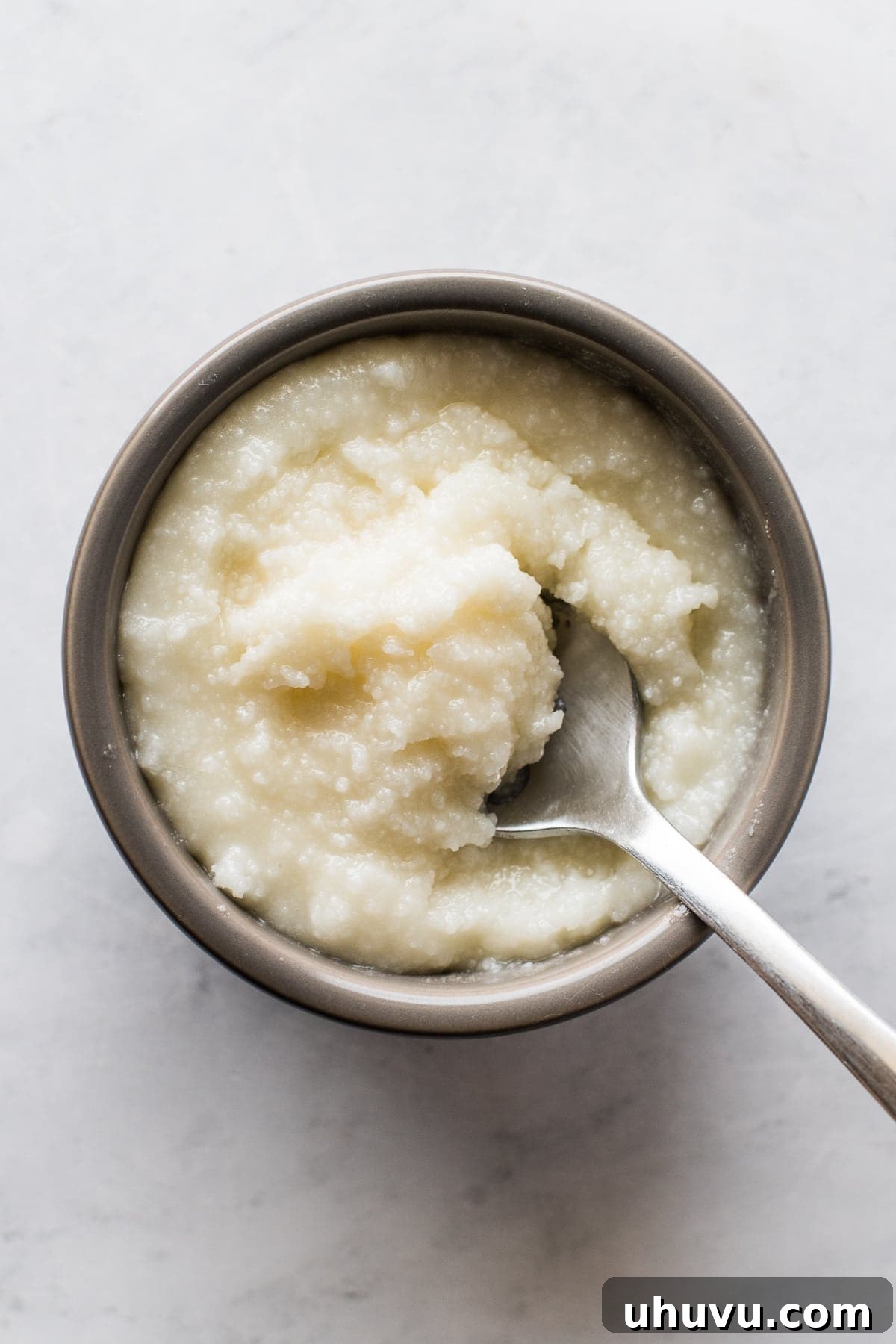
In the evolving landscape of culinary arts and health-conscious living, traditional ingredients are making a powerful comeback. Among these, lard, a time-honored cooking fat, is experiencing a remarkable resurgence in popularity. Once a staple in kitchens worldwide, lard was overshadowed by industrial vegetable oils and misconceptions about its health implications. However, modern culinary enthusiasts, health experts, and home cooks are rediscovering its exceptional qualities. But what exactly is lard? What are its profound benefits, and why is this versatile fat once again gracing our kitchens? This comprehensive guide delves into everything you need to know about lard, from its origins and grades to its health advantages, diverse culinary applications, and even how you can render your own at home.
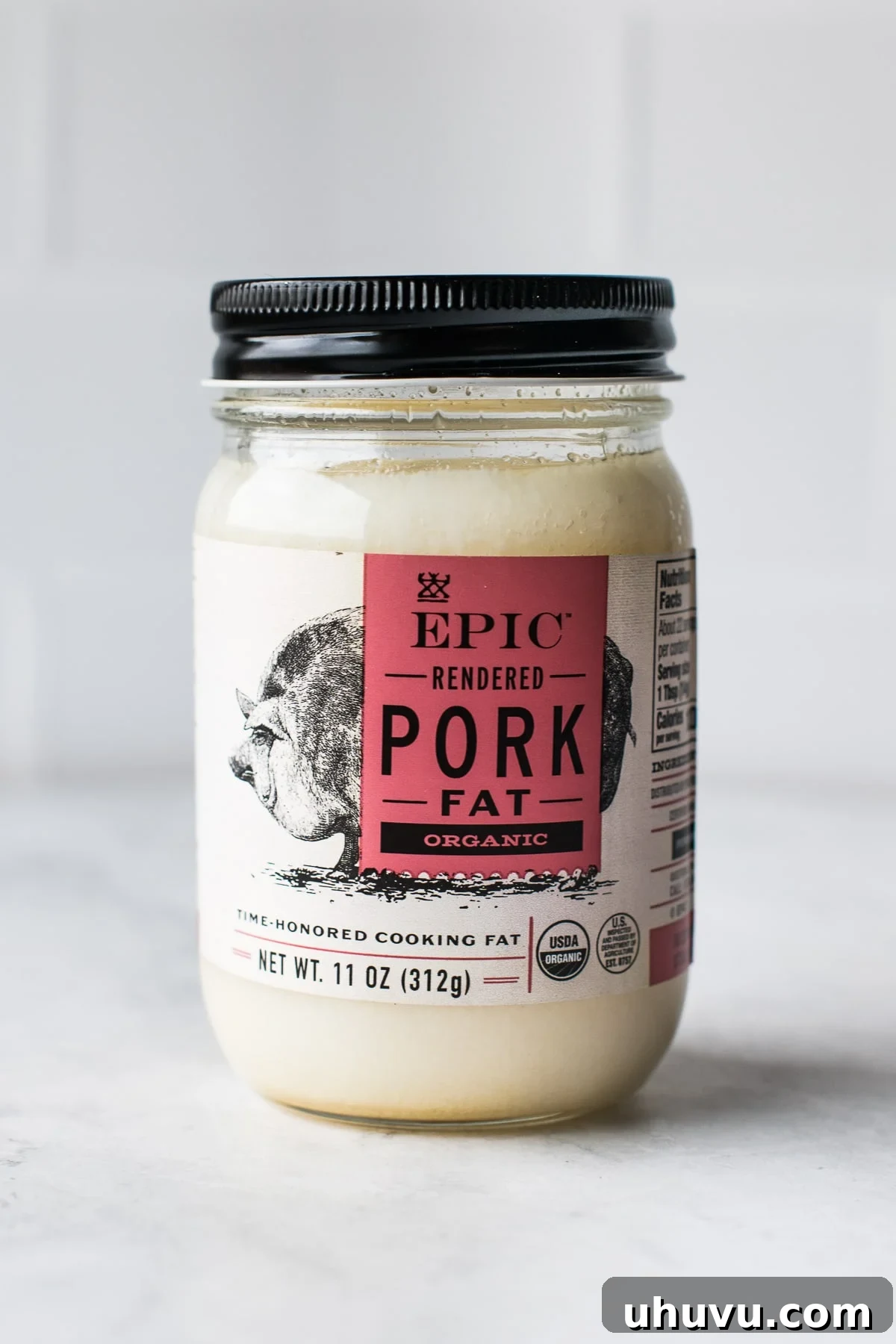
Understanding Lard: A Traditional Culinary Fat
At its most fundamental, lard is rendered pig fat. This natural fat is semi-soft, boasting a creamy, smooth texture that often draws comparisons to butter. While pig fat can be found throughout the animal, the quality and characteristics of the resulting lard vary significantly depending on its source. Typically, the fat is harvested from the back, the belly, or around the internal organs.
The process of “rendering” transforms raw pork fat into pure lard. This involves slowly heating the fat until it melts, separating the pure fat from any solids (known as cracklings). The resulting product is a clean, stable cooking fat that can be stored for extended periods. Historically, lard was a crucial component of many diets, providing a readily available and nutrient-dense source of energy and flavor, especially in regions where pigs were a primary livestock.
The Different Grades of Lard: Quality and Culinary Use
Not all lard is created equal, and understanding the different grades is key to appreciating its diverse culinary potential. The quality and flavor profile are largely determined by the specific location from which the fat is harvested on the pig:
- Leaf Lard: The Connoisseur’s Choice
Considered the pinnacle of lard quality, leaf lard is meticulously harvested from around the kidneys and the inside of the loin. What sets it apart is its remarkably neutral flavor profile, devoid of any discernible “porky” taste. This characteristic makes leaf lard exceptionally versatile, particularly prized in baking. It excels at creating the flakiest pie crusts, tender biscuits, and delicate pastries, often delivering superior results compared to butter due to its lower melting point and unique fat crystal structure. For those seeking the purest, most refined lard for sweet or savory baked goods, leaf lard is the undisputed champion. - Fatback Lard: The Versatile Workhorse
Next in line for quality is fatback, derived, as its name suggests, from the thick layer of fat along the pig’s back. This grade of lard offers a slightly more savory, yet still mild, flavor compared to leaf lard. Its smooth texture and light taste make it a favorite among many professional chefs and home cooks as a general-purpose cooking fat, often used in place of conventional oils. Fatback lard imparts a delightful richness to sautéed vegetables, roasted meats, and fried dishes. Furthermore, its excellent binding properties and flavor contribution make it the ideal choice for sausage-making and charcuterie. - Caul Fat: The Specialty Fat
Caul fat represents a distinct and lower grade, harvested from the lacy, net-like membrane that surrounds the digestive organs of the pig. Unlike the solid blocks of fat from which leaf and fatback lard are rendered, caul fat is a delicate, web-like structure. While it can be rendered into lard, its primary culinary use is often in its raw, membrane form. It’s exceptionally well-suited for wrapping leaner meats, such as pâtés, terrines, or individual portions of fish and poultry, adding moisture, flavor, and a beautiful presentation. When rendered, it can have a more pronounced pork flavor, making it suitable for savory applications where that flavor is desired.
The Surprising Health Benefits of Lard
Contrary to outdated nutritional advice, lard offers a compelling array of health benefits that make it a superb choice for your cooking fat needs. Its return to the spotlight is largely due to a more nuanced understanding of dietary fats and a rejection of the “fat-free” dogma of past decades.
- A Potent Source of Vitamin D
Lard is an extraordinary dietary source of Vitamin D, second only to cod liver oil. A single tablespoon of lard can contain a remarkable 1,000 IUs (International Units) of this essential vitamin. Vitamin D plays a crucial role in bone health, immune function, mood regulation, and numerous other bodily processes. In an age where Vitamin D deficiency is widespread, incorporating lard into your diet can be a delicious and natural way to boost your intake, especially compared to plant-based fats which contain virtually no Vitamin D. - Exceptional Heat Stability
One of lard’s most significant advantages is its remarkable heat stability. Unlike many common vegetable oils (such as canola, soybean, or corn oil) that have low smoke points and are prone to oxidation and the formation of harmful compounds when heated to high temperatures, pork fat remains stable. Its high smoke point (around 370°F or 188°C for rendered lard) makes it ideal for frying, sautéing, and roasting without breaking down. This means less risk of creating carcinogenic compounds and a healthier cooking environment, contributing to overall well-being. - A Truly Natural Food Source
Lard stands out as a natural, minimally processed food. When sourced properly (pure rendered pork fat), it requires no additives, bleaching, deodorizing, or extensive chemical processing that many industrial vegetable oils undergo. It’s simply fat extracted from an animal, a method of food preparation that has been practiced for millennia. Choosing lard means opting for a whole, real food ingredient, free from artificial trans fats, hydrogenated oils, and other synthetic components often found in highly processed alternatives. - Favorable Cholesterol Profile Compared to Butter
While both lard and butter contain cholesterol, lard typically contains about three times less cholesterol than butter per serving. For individuals monitoring their cholesterol intake, lard can serve as an excellent lower-cholesterol alternative to butter in many recipes. Furthermore, modern science recognizes that dietary cholesterol’s impact on blood cholesterol levels is less significant than previously thought, with saturated and unsaturated fat profiles playing a more critical role. Lard is rich in monounsaturated fats (similar to olive oil), which are known for their heart-healthy benefits. - Beneficial Fatty Acid Composition
Lard contains a balanced mix of saturated, monounsaturated, and a small amount of polyunsaturated fats. Its high percentage of monounsaturated fatty acids, particularly oleic acid (also found abundantly in olive oil), is linked to improved cardiovascular health and reduced inflammation. This makes lard a valuable component of a balanced diet when consumed in moderation.
Where to Purchase Quality Lard
As lard regains its rightful place in kitchens, finding quality options has become easier. You’ll typically encounter it in a few key locations:
- Grocery Stores: Most well-stocked grocery stores carry lard. Look for it in the baking aisle, often alongside other solid fats like shortening or butter, usually in tubs or brick-like packages. Alternatively, check the international foods or Hispanic foods aisles, as lard (manteca) is a cornerstone of many traditional cuisines in these cultures. When buying from a grocery store, always check the label carefully to ensure you’re getting pure, unhydrogenated lard, not partially hydrogenated versions that contain unhealthy trans fats.
- Local Butchers and Farms: For the highest quality and often the best price, purchasing directly from local butchers or ethical small farms is an excellent option. Butchers often render their own lard from their pork trimmings, ensuring freshness and purity. Farms that raise pigs may also offer rendered lard or even raw fat for you to render yourself, providing a transparent and sustainable source. This is often where you can find specific grades like leaf lard.
- Online Retailers: A growing number of online specialty food stores and artisan producers now offer high-quality, pasture-raised lard, including leaf lard, which can be delivered directly to your door. This is a convenient option for those who may not have access to local sources.
Lard in Global Cuisine: Beyond the Obvious
Lard’s versatility extends far beyond its health benefits; it is a foundational ingredient in countless culinary traditions worldwide. Its unique flavor and textural contributions are irreplaceable in many beloved dishes.
- Mexican Cuisine: The Unsung Hero
In Mexican cuisine, lard (manteca) is not merely an option but often the fat of choice for several iconic dishes. It imparts an incomparable flavor and texture to tamales, giving them their characteristic tenderness and moistness. For refried beans, lard is essential for achieving that silky, creamy texture and rich, savory depth. Authentic flour tortillas owe their incredible softness, pliability, and subtle flavor to the inclusion of lard in the dough. - French Pastry: Flakiness Redefined
While butter is often associated with French pastry, traditional recipes, particularly for savory tarts and some puff pastry, historically utilized lard for its superior ability to create exceptionally flaky, tender crusts. Its higher melting point compared to butter helps keep the fat solid during mixing, resulting in more distinct layers. - Southern American Cooking: Comfort Food Essential
From crispy fried chicken and golden-brown hushpuppies to tender biscuits and rich gravies, lard has been a cornerstone of Southern American comfort food for centuries. It provides an unmatched depth of flavor and achieves a perfect crispy exterior while keeping interiors moist. - Baking Applications: Beyond Pie Crusts
While famous for pie crusts, lard also shines in other baked goods. It can be used in savory biscuits, scones, and even certain breads to add richness and improve texture. Its neutral flavor (especially leaf lard) means it won’t overpower the delicate flavors of your baked creations. - Frying and Roasting: Achieving Perfection
Due to its high smoke point and excellent flavor, lard is ideal for pan-frying, deep-frying, and roasting. It creates incredibly crispy fried foods with a light, non-greasy finish. Roasted vegetables and meats cooked in lard develop a beautiful caramelization and depth of flavor that other fats simply cannot replicate.
Mastering Homemade Lard: A Step-by-Step Guide
Rendering your own lard at home is a rewarding and surprisingly straightforward process that guarantees the purest, freshest product. It’s an excellent way to embrace nose-to-tail eating and connect with traditional food preparation methods. Here’s how to do it:
- Gather Your Fat: Selecting the Right Source
The first crucial step is obtaining high-quality raw pork fat. Refer to the grades discussed earlier to determine which type best suits your needs. Leaf fat (from around the kidneys) yields the mildest, most neutral lard ideal for baking. Fatback (from the pig’s back) provides a more savory, versatile lard. Source your fat from a reputable butcher or a local farm that raises pigs without hormones or unnecessary antibiotics. Ensure the fat is fresh and free from any meat scraps. - Prepare the Fat: Freezing for Easier Processing
Before cutting, place the raw fat in the freezer for about 30-60 minutes, or until it is firm but not frozen solid. This step makes the fat much easier and safer to cut into smaller, uniform pieces. - Chop or Grind the Fat: Maximizing Surface Area
For efficient rendering, chop the chilled fat into ½-inch (1.25 cm) cubes or smaller. The smaller the pieces, the faster and more evenly the fat will render. Alternatively, you can use a meat grinder to process the fat, which is even faster and creates a very fine, consistent texture, ideal for quick rendering. - Choose Your Cooking Method: Slow and Steady Wins the Race
There are several methods for rendering lard, all relying on low, consistent heat:- Stovetop: Place the chopped fat into a heavy-bottomed pot or Dutch oven. Cook over very low heat with the lid removed. This allows moisture to evaporate, preventing steaming.
- Slow Cooker: Transfer the fat to a slow cooker and set it to low. This method is incredibly hands-off and offers very gentle, even heat.
- Oven: Spread the fat evenly on a baking sheet or in a large oven-safe pot. Cook in an oven preheated to 225°F (107°C).
The key is low heat to prevent burning and ensure a pure, white lard.
- Melt and Render: The Transformation
Allow the fat to slowly melt and cook for several hours. The solid fat will gradually liquefy, leaving behind small, crispy bits known as “cracklings” or “pork scratchings.” Initially, these solids will sink, then rise to the top as they become crisp and golden brown. The rendering is complete when the cracklings are a deep golden color and stop bubbling, indicating all the moisture has evaporated. The melted lard should appear clear and slightly golden. - Strain for Purity: Achieving Crystal Clear Lard
Once rendering is complete, carefully remove the pot from the heat. First, strain the melted fat through a fine-mesh sieve to remove the larger cracklings. Then, for crystal-clear lard, strain it a second time through 3-4 layers of cheesecloth or a clean kitchen towel, placed inside the sieve, into a clean, heat-proof glass container. This step removes any remaining impurities or sediment, which can affect the lard’s shelf life and flavor. - Store Properly: Maximizing Shelf Life
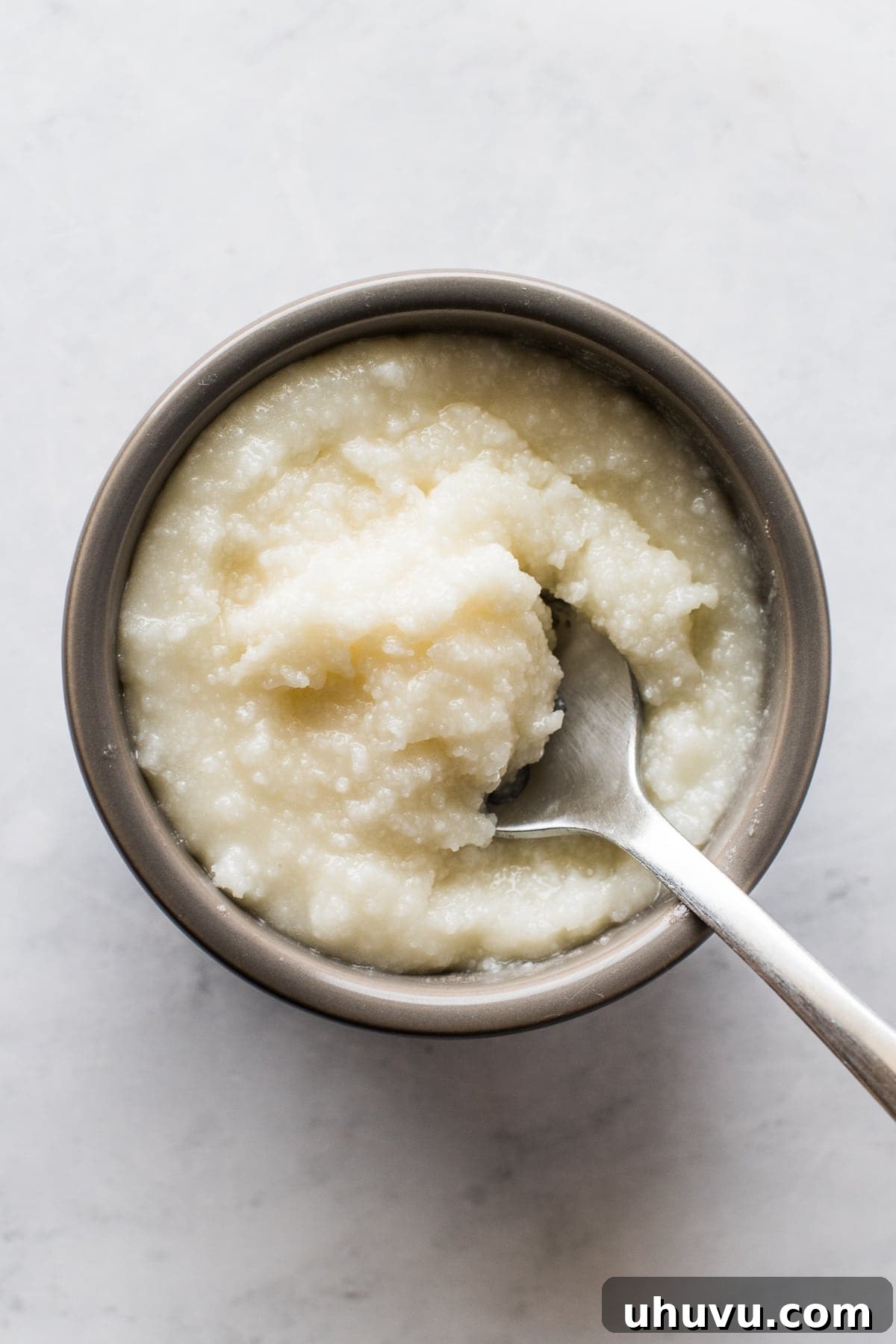
Allow the well-rendered and strained lard to cool completely before covering it. Store it in an airtight glass jar or container. Pure, properly rendered lard can be stored at cool room temperature (like a pantry) for several months, or in the refrigerator for up to a year or even longer. For extended storage, it can also be frozen indefinitely. Properly stored lard will solidify into a creamy white, odorless fat. - Unleash Its Potential: Incorporate into Your Cooking
Now, your homemade lard is ready for action! Use it in place of butter or other oils in virtually all your recipes. Experiment with it in baking for flaky crusts, for frying eggs or vegetables, or to achieve the perfect crisp on roasted potatoes. Its subtle flavor and superior cooking properties will elevate your dishes.
The Resilient History of Lard: From Staple to Scapegoat and Back
The history of lard is a compelling narrative of culinary evolution, economic shifts, and changing public perception, reflecting broader societal trends in food and health.
For millennia, wherever pigs were domesticated and raised for food, lard was an indispensable part of the human diet and culinary tradition. It was a practical, nutrient-dense fat source, providing energy and flavor long before the advent of industrial food processing.
Until the early 1800s, lard was not only abundant but also significantly cheaper and easier to produce than most vegetable oils, which required more sophisticated extraction methods. Even after vegetable oils became more accessible, lard remained a common and cherished substitute for butter in both American and European kitchens, prized for its affordability, stability, and unique culinary properties.
However, lard’s popularity began a precipitous decline in the early 20th century, largely influenced by two major factors. The first was the publication of Upton Sinclair’s bombshell novel, The Jungle, in 1906. While a fictional work, Sinclair’s visceral descriptions of horrific working conditions and unsanitary practices in the meatpacking industry, including a gruesome (and fictional) account of men falling into rendering vats and being sold as lard, profoundly shocked the public. This narrative, though exaggerated for literary effect, cast a long, dark shadow over all meat products, including lard, associating it with filth and danger.
The second, more enduring blow came with the rise of the “fat-free” movement in the mid-to-late 20th century. Driven by misguided dietary guidelines that demonized all saturated fat and cholesterol, lard, along with other animal fats, was cast as a primary culprit in heart disease. Food manufacturers capitalized on this trend, heavily promoting highly processed, hydrogenated vegetable shortenings and oils as “healthier” alternatives, despite their high content of artificial trans fats.
For decades, lard remained largely out of favor, a relic of a bygone era. Yet, a turning point emerged in the 1990s. As chefs, food writers, and eventually, nutritionists began to re-evaluate traditional fats and question the prevailing “fat-free” dogma, lard started to reclaim its reputation. Culinary professionals, in particular, began to sing its praises, highlighting its superior performance in baking and frying, and its unparalleled ability to enhance flavor. This gastronomic rediscovery ignited a slow but steady resurgence in demand. The growing appreciation for lard even led to a notable shortage in 2004, affectionately dubbed “the lard crisis,” a testament to its unexpected and powerful comeback. Today, lard is recognized not just as a traditional ingredient, but as a healthy, flavorful, and sustainable fat choice, valued once again for its inherent quality and culinary versatility.