
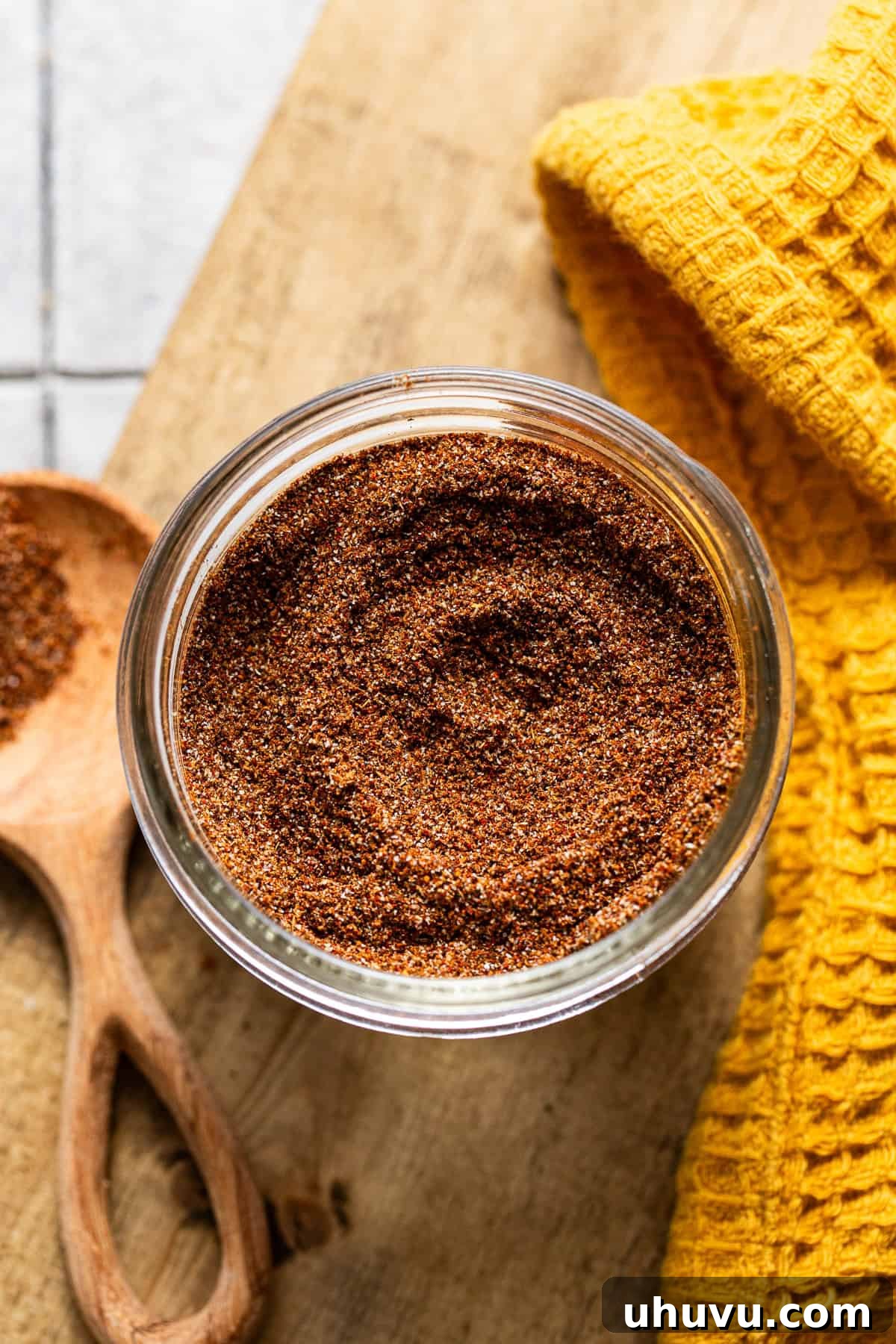
Transform your Taco Tuesdays and elevate everyday meals with the ultimate **homemade taco seasoning**. Forget bland, store-bought packets laden with questionable fillers, artificial additives, and unnecessary sugars. Craft your own vibrant, flavor-packed spice blend right at home using just a handful of pantry staples. This DIY taco seasoning recipe is not only incredibly easy to make but also allows you to control the quality of your ingredients and tailor the flavor profile to your exact preferences. Get ready to unlock a new level of deliciousness that will make every bite sing with authentic Tex-Mex flair.
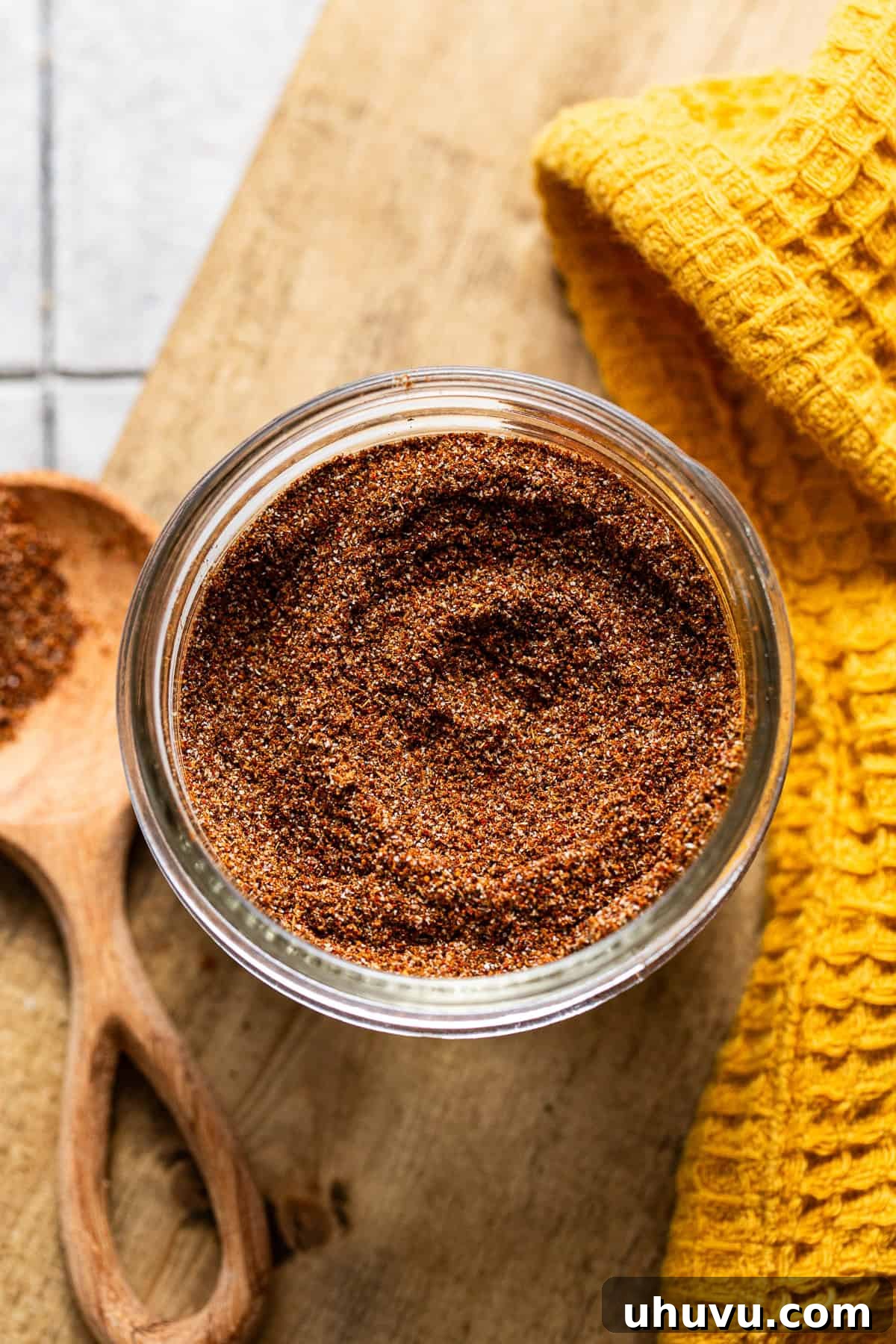
For years, like many home cooks, I relied on the convenience of pre-packaged taco seasoning. While they certainly saved time, a closer look at the ingredient labels often revealed a list of unfamiliar names, anti-caking agents, and excessive sodium. It dawned on me that the core spices were already in my kitchen cabinet. This realization sparked a simple mission: to create a homemade taco seasoning that was superior in flavor, free from unwanted additives, and effortlessly made in bulk.
The result is this incredibly versatile and robust spice blend that has become an absolute staple in my cooking. It’s perfect for a quick weeknight dinner, meal prepping, or simply ensuring you always have delicious, wholesome taco flavor at your fingertips. Once you try this homemade version, you’ll wonder why you ever bought those packets!
Rave Reviews for This Recipe ★★★★★
“I’m sold on this taco seasoning for life, it really is perfect. The flavors are so much brighter than anything you can buy.” – Kayla
Why This Homemade Taco Seasoning Will Be Your New Favorite
- Pure, Wholesome Ingredients: Say goodbye to fillers, sugars, GMOs, and artificial flavors. This recipe uses only simple, recognizable pantry spices, giving you peace of mind and a superior taste experience. You know exactly what’s going into your food.
- Endlessly Customizable: The beauty of making your own seasoning is the freedom to adjust. Want more heat? Add cayenne. Prefer a smokier note? Smoked paprika is your friend. You can easily tweak the ratios to match your family’s unique palate and dietary needs.
- Budget-Friendly Solution: While individual spices might seem like an upfront investment, buying them in bulk and making your own blends will save you significant money in the long run. No more purchasing multiple small seasoning packets that quickly run out.
- Superior Flavor Profile: Freshly ground and blended spices offer a depth and vibrancy of flavor that pre-packaged blends simply can’t match. The aromas and tastes are more pronounced, making your tacos and other dishes truly exceptional.
- Quick & Easy Preparation: With literally just minutes of prep time, you can whip up a batch that lasts for months. It’s as simple as measuring and mixing – a foolproof process for even the busiest cooks.
Key Ingredients for the Best Homemade Taco Seasoning
Crafting the perfect taco seasoning involves a harmonious blend of fundamental spices, each playing a crucial role in creating that signature Tex-Mex flavor. Here’s a closer look at the stars of our blend:
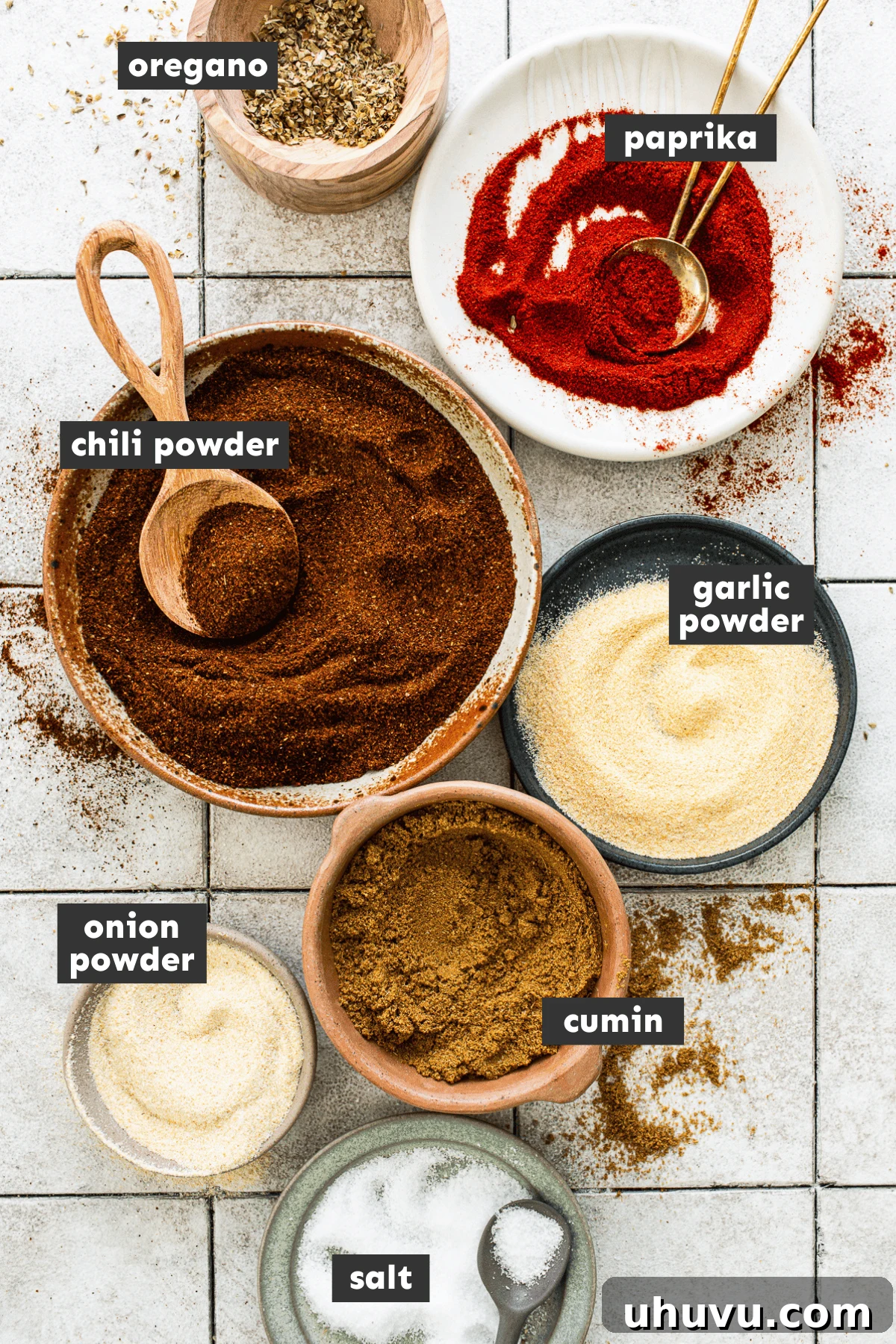
- Chili Powder: This is often the foundational spice in many Tex-Mex blends, providing a rich, earthy base with a mild to medium level of spice. It’s what gives taco meat its characteristic reddish hue and robust flavor. We use it generously for a deep, satisfying taste.
- Ground Cumin: Essential for that authentic smoky, warm, and slightly nutty flavor. Cumin is a hallmark of Mexican and Tex-Mex cuisine and truly ties the entire seasoning together. It adds an irreplaceable depth.
- Salt: A crucial flavor enhancer. I prefer using kosher salt for its coarser texture and cleaner taste, which allows for better control. If using fine table salt, you may want to use slightly less. Adjust to your dietary preferences, or even omit it if you’re watching sodium intake.
- Garlic Powder & Onion Powder: These two aromatic powders are non-negotiable for a well-rounded and savory base. They provide a foundational layer of flavor that complements all the other spices, adding a depth that fresh garlic and onion might not achieve in a dry blend.
- Paprika: Contributes a beautiful red color and a subtle sweet-smoky note. Standard paprika works wonderfully, but if you want to amplify the smoky dimension, opt for smoked paprika (also known as Pimentón) for an extra layer of complexity.
- Dried Oregano: For the best results, seek out Mexican oregano. It offers a distinct, sweeter, and more floral profile compared to Mediterranean oregano, which has mintier undertones. However, if Mexican oregano isn’t available, regular dried oregano will still work perfectly well.
(You’ll find the precise measurements for each ingredient in the full recipe card below, ensuring you create the perfect balance of flavors.)
Effortless Steps to Make Your Own Taco Seasoning
Making your own taco seasoning couldn’t be simpler. It’s a quick, one-step process that yields fantastic results every time:
Step 1: Combine All Ingredients. Gather all the specified seasonings – chili powder, ground cumin, kosher salt, garlic powder, onion powder, paprika, and dried oregano. Pour them into a small bowl or, for even easier mixing and storage, directly into an airtight jar.
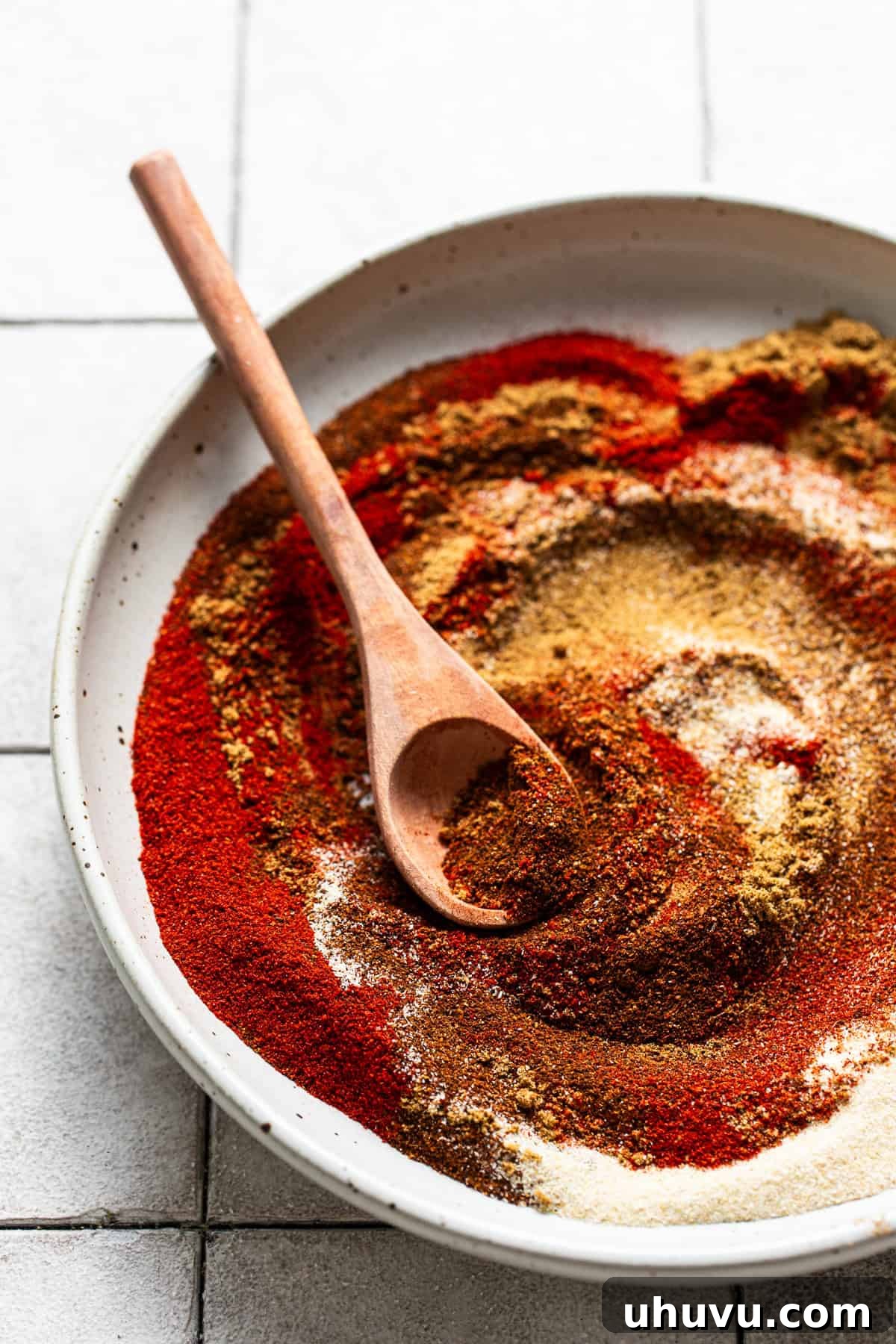
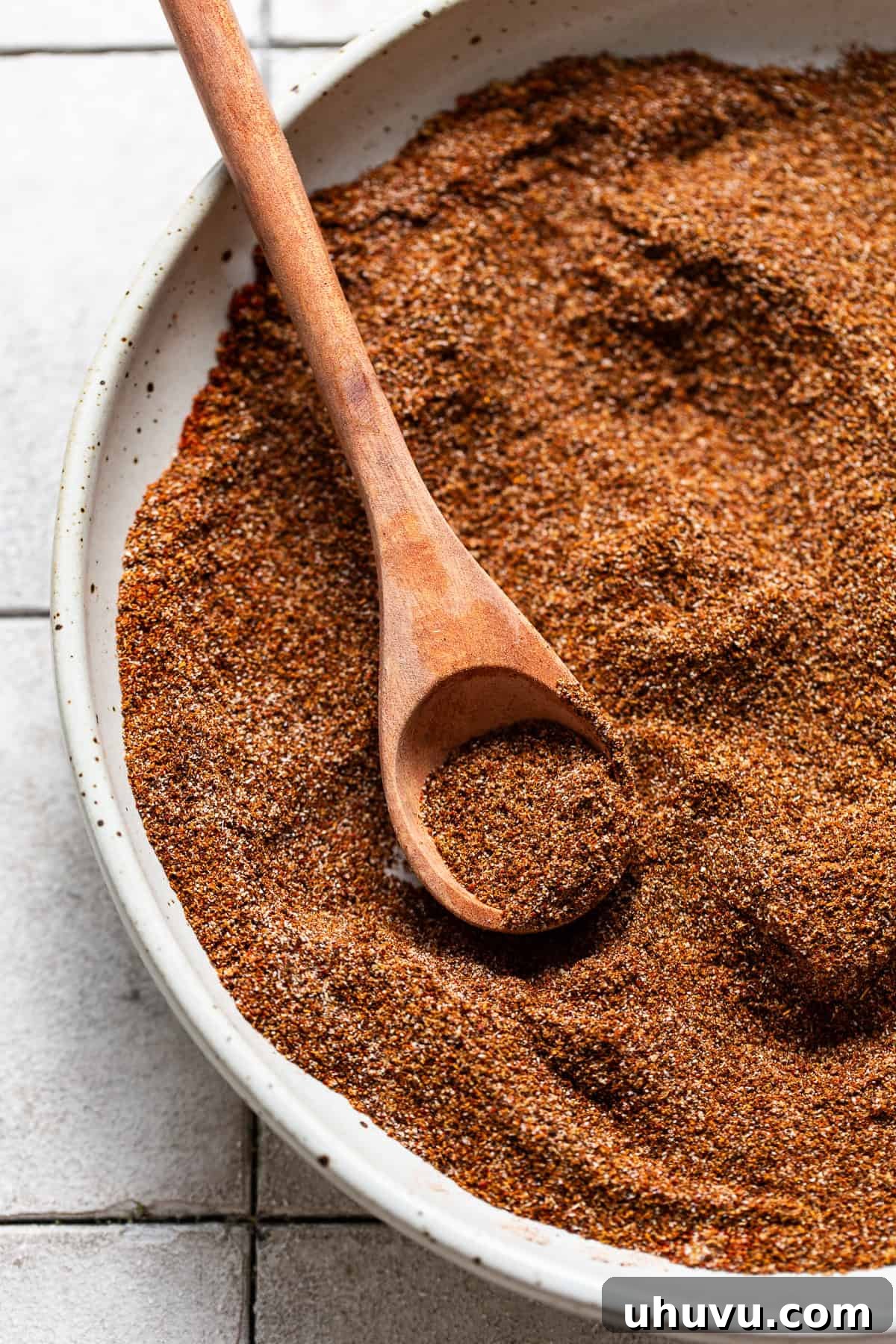
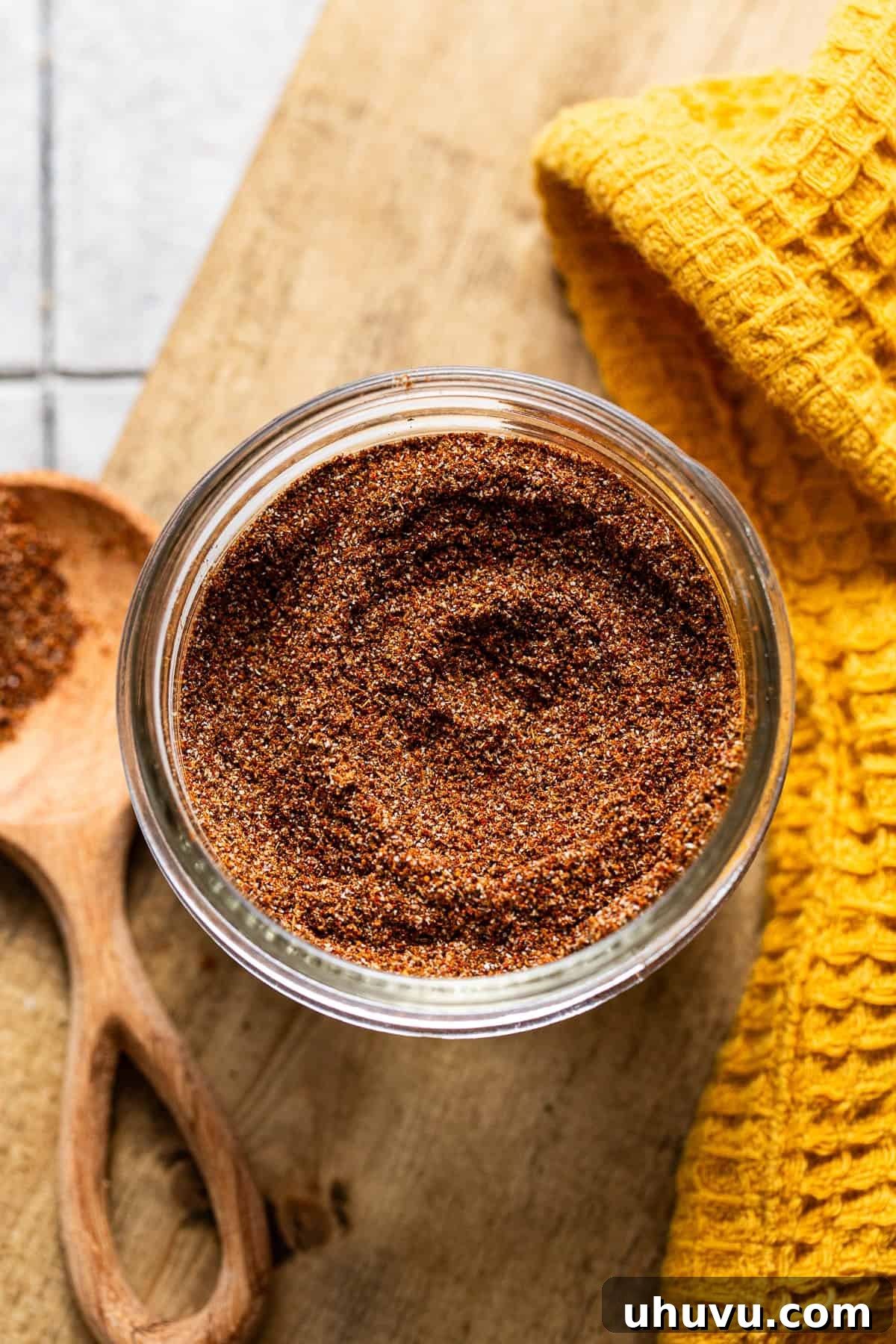
Step 2: Mix Thoroughly. If using a bowl, stir with a spoon or whisk until all the spices are fully incorporated and evenly distributed. If you’ve opted for an airtight jar, simply secure the lid tightly and shake vigorously for about 30 seconds until the blend is uniform. And that’s it! Your fresh, homemade taco seasoning is ready to use or store.
Optimal Usage: How Much Taco Seasoning Do You Need?
A good rule of thumb for this flavorful homemade blend is to use approximately 2 tablespoons of taco seasoning per pound of ground meat (such as beef, chicken, or turkey) or plant-based protein. This ratio provides a robust and perfectly spiced flavor without being overwhelming. Feel free to adjust slightly more or less based on your personal taste preferences.
For best results when cooking ground meat, brown your chosen protein, drain any excess fat, then stir in the seasoning along with about 1/2 cup of water or broth. Simmer until the liquid has mostly evaporated and the seasoning has coated the meat beautifully, creating a rich sauce.
Personalize Your Taco Seasoning: Creative Variations
One of the greatest advantages of making your own spice blend is the ability to tailor it to your exact taste. Here are some fantastic ways to customize this homemade taco seasoning:
- Amplify the Heat: For those who love a fiery kick, incorporate 1 teaspoon to 1 tablespoon of cayenne pepper or red pepper flakes. Start with a smaller amount and add more to reach your desired level of spice.
- Infuse Smoky Undertones: To deepen the smoky flavor, substitute regular paprika with smoked paprika (also known as Pimentón) or add 1-2 teaspoons of chipotle powder. Chipotle powder also adds a mild, earthy heat.
- Boost Flavor Depth: Experiment with different types of chili powder for a more complex profile. For instance, you could use a combination of 2 tablespoons regular chili powder and 2 tablespoons of ancho chili powder for a richer, fruitier chili note.
- Cumin Alternatives: Cumin has a distinct and strong flavor that some may find overpowering. If you’re not a fan, try using an equal amount of ground coriander instead. Coriander offers a bright, citrusy, and slightly warm flavor that can beautifully complement the other spices.
- Control Sodium Levels: If you’re monitoring your salt intake, you have full control. You can significantly reduce the amount of salt, or even omit it entirely. Simply season your food with salt to taste as you cook.
- Add a Touch of Sweetness: For a subtle hint of sweetness that balances the savory spices, a pinch of brown sugar or coconut sugar can be a delicious addition.
- Herbal Twist: While not traditional, a small amount of dried thyme or marjoram can add an interesting herbal dimension to your blend.
Print Recipe
Homemade Taco Seasoning
Isabel Orozco-Moore
5 minutes
5 minutes
4 servings (approx. 2 tablespoons each)
Ingredients
- 4 tablespoons chili powder
- 4 teaspoons ground cumin
- 3 teaspoons kosher salt (or 2 teaspoons fine salt)
- 2 teaspoons garlic powder
- 2 teaspoons onion powder
- 2 teaspoons paprika
- 1 teaspoon dried oregano (preferably Mexican oregano)
Instructions
-
Add all measured ingredients (chili powder, ground cumin, kosher salt, garlic powder, onion powder, paprika, and dried oregano) to a small airtight jar or a mixing bowl.
-
If using an airtight jar, secure the lid and shake vigorously for 30 seconds until all spices are thoroughly combined. If using a mixing bowl, stir well with a spoon or whisk until the blend is uniform.
Notes
- Storage: Store your homemade taco seasoning in an airtight container or jar in a cool, dark place (like your pantry) for up to 6 months. While spices don’t spoil, they do lose potency over time, so for optimal flavor, try to use within this timeframe.
Nutrition
Calories: 18kcal |
Carbohydrates: 3g |
Protein: 1g |
Fat: 0g |
Saturated Fat: 0g |
Polyunsaturated Fat: 0g |
Monounsaturated Fat: 0g |
Trans Fat: 0g |
Cholesterol: 0mg |
Sodium: 1749mg |
Potassium: 77mg |
Fiber: 1g |
Sugar: 4g |
Vitamin A: 1200IU |
Vitamin C: 0mg |
Calcium: 20mg |
Iron: 1.4mg
Nutrition information is automatically calculated, so should only be used as an approximation. It can vary based on specific ingredients and brands used.
Did you make this delicious recipe?
We’d love to hear from you! Leave a comment and a star rating below to share your experience!
Beyond Tacos: Creative Ways to Use Your Homemade Seasoning
While the name implies its primary use, this versatile homemade taco seasoning is far from a one-trick pony. It can infuse a burst of flavor into countless dishes, making it a valuable addition to your spice cabinet:
- Classic Taco Creations: Of course, its most obvious application is in a variety of taco recipes. It’s truly perfect for ground beef tacos, chicken tacos, and even flavorful vegetarian options like black bean tacos or lentil tacos.
- Hearty Salads: Sprinkle it over grilled chicken or steak for a delicious taco salad, or mix it into a vinaigrette for a zesty dressing.
- Pasta Dishes: Elevate your pasta nights by adding this seasoning to ground meat for a rich and creamy taco pasta or a vibrant pasta salad.
- Pizza Perfection: Use it to season your ground meat topping for a unique taco pizza, or even sprinkle a little into the tomato sauce for an unexpected depth of flavor.
- Dips & Spreads: Stir a tablespoon into sour cream, Greek yogurt, or cream cheese for an irresistible taco dip, perfect for parties or game day snacks.
- Comforting Casseroles: Transform your weeknight meals with a flavorful taco casserole. It’s also excellent in chili, enchiladas, and quesadillas.
- Roasted Vegetables: Toss your favorite vegetables like bell peppers, onions, zucchini, or corn with olive oil and a generous amount of taco seasoning before roasting for a delicious and easy side dish.
- Marinades & Rubs: Use it as a dry rub for chicken, pork, or beef before grilling or baking. You can also mix it with a little olive oil and lime juice to create a quick and flavorful marinade.
- Breakfast Power-Up: Sprinkle it over scrambled eggs or season your breakfast sausage for a Tex-Mex inspired morning meal.
Taco Seasoning vs. Fajita Seasoning: What’s the Difference?
While taco seasoning and fajita seasoning share many common ingredients and can often be used interchangeably in a pinch, there are subtle yet distinct differences in their flavor profiles, primarily due to varying spice ratios.
In general, **taco seasoning** tends to be bolder and more “spiced.” It typically features a higher proportion of chili powder and oregano, which gives it a more robust, earthy, and sometimes slightly richer flavor. This makes it ideal for seasoning ground meats that are the star of dishes like tacos, burritos, and enchiladas, where you want the spice blend to really stand out.
On the other hand, **fajita seasoning** is often milder and designed to complement, rather than overpower, the fresh flavors of grilled meats and vegetables. It usually contains more cumin, often with additional black pepper, and sometimes a hint of sugar or brown sugar to aid in caramelization. The increased cumin and balanced approach make it perfect for sizzling fajitas, where the onions and bell peppers play a significant role in the overall taste. My homemade fajita seasoning recipe provides a wonderful blend specifically tailored for those sizzling dishes.
Knowing these subtle differences allows you to choose the best blend for your dish, or even experiment by adjusting ratios to create your own signature blends!
Frequently Asked Questions (FAQs)
Here are some common questions about making and using homemade taco seasoning:
- How long does homemade taco seasoning last? When stored in an airtight container in a cool, dark pantry, this homemade taco seasoning will maintain its potency and flavor for up to 6 months. While dried spices don’t truly “spoil,” they do lose their aroma and flavor over time. For the best taste, I recommend using it within this timeframe.
- Can I make this seasoning in a larger batch? Absolutely! This recipe is perfect for scaling up. Simply double, triple, or quadruple the ingredients to make a larger batch that will last even longer. This is a great way to save time and always have fresh seasoning on hand.
- Is this taco seasoning gluten-free? Yes, all the individual spices used in this recipe are naturally gluten-free. This homemade blend avoids any hidden gluten often found in some store-bought mixes that might include modified food starch or anti-caking agents that are not gluten-free.
- Can I use fresh garlic and onion instead of powder? For a dry seasoning blend, powders are essential for texture and shelf life. While fresh garlic and onion provide amazing flavor in cooking, they contain moisture that would cause the seasoning blend to clump and spoil quickly. Stick to garlic and onion powder for this recipe.
- What is Mexican oregano, and why is it recommended? Mexican oregano (Lippia graveolens) is a different species from Mediterranean oregano (Origanum vulgare). Mexican oregano has a more earthy, citrusy, and slightly licorice-like flavor profile that is distinct and often preferred in traditional Mexican and Tex-Mex dishes. Mediterranean oregano, commonly found in Italian seasoning blends, tends to be mintier. If you can’t find Mexican oregano, regular oregano is still a fine substitute.
- Can I reduce the salt? Yes, you can easily adjust the amount of salt to your preference or dietary needs. You can cut it in half or even omit it entirely and add salt to taste when you cook your meat or vegetables.
More Tex-Mex Inspired Recipes to Savor
If you’re loving the vibrant flavors of this taco seasoning, you’re sure to enjoy these other delicious Tex-Mex recipes:
- Flavorful Mexican Stuffed Peppers
- Easy Black Bean Quesadillas
- Hearty Chicken Enchilada Soup
- Classic & Simple Guacamole
- Creamy Mexican Street Corn Pasta Salad
This post was originally published in August 2018 and has been comprehensively updated in [CURRENT_MONTH] [CURRENT_YEAR] with fresh content, enhanced photography, and more helpful tips and tricks to improve your cooking experience.
Photography by Ashley McLaughlin.