
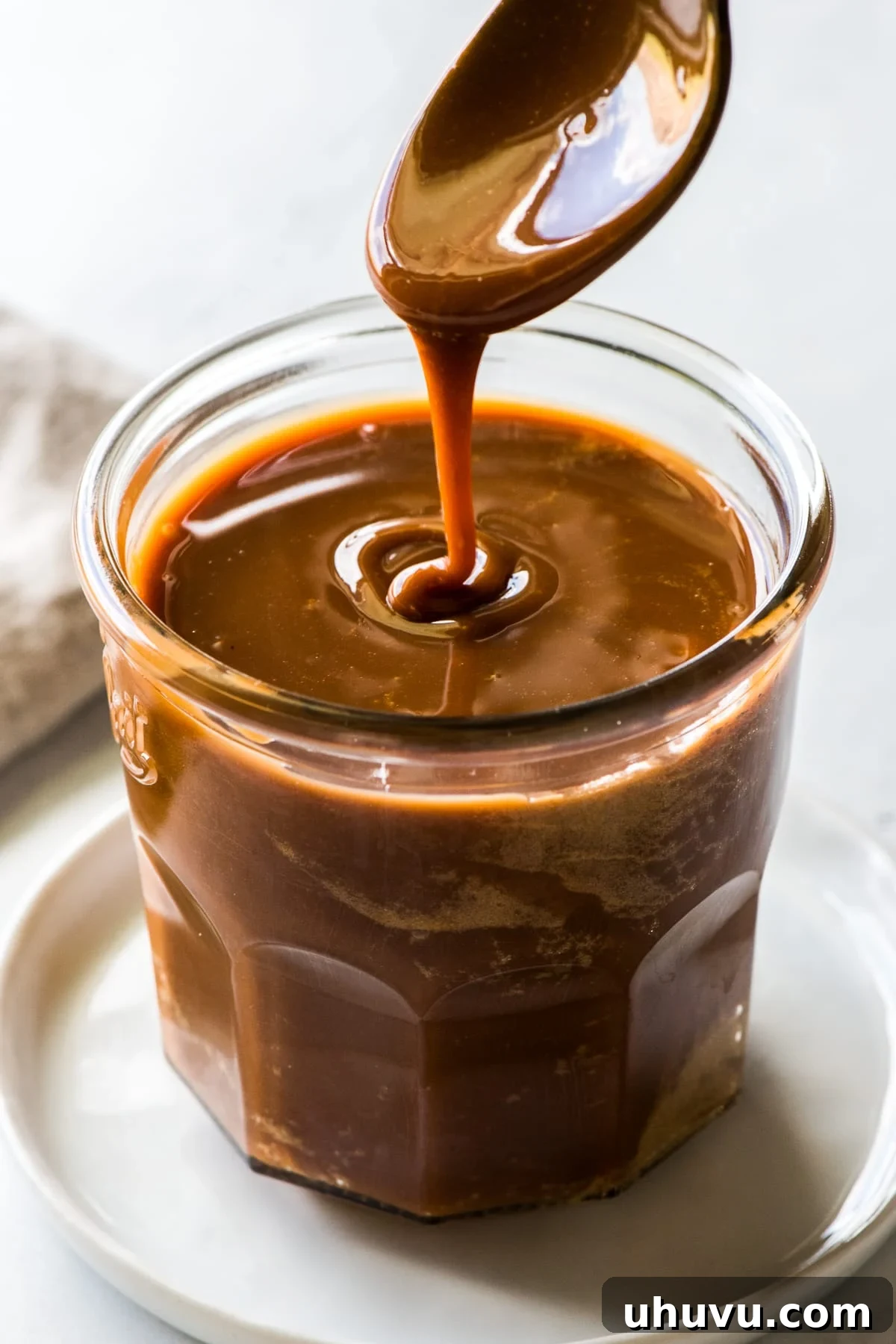
Welcome to the delightful world of Cajeta, a luscious Mexican caramel sauce that promises to tantalize your taste buds! If you’re a fan of rich, sweet, and creamy confections like dulce de leche, then prepare to fall in love with Cajeta. This easy-to-follow recipe brings the authentic flavors of Mexico right into your kitchen, using just a handful of simple ingredients. Perfect as a topping for nearly any dessert, a decadent spread, or even enjoyed straight from the spoon, homemade Cajeta is a culinary treasure you’ll want to make again and again.
What Is Cajeta?
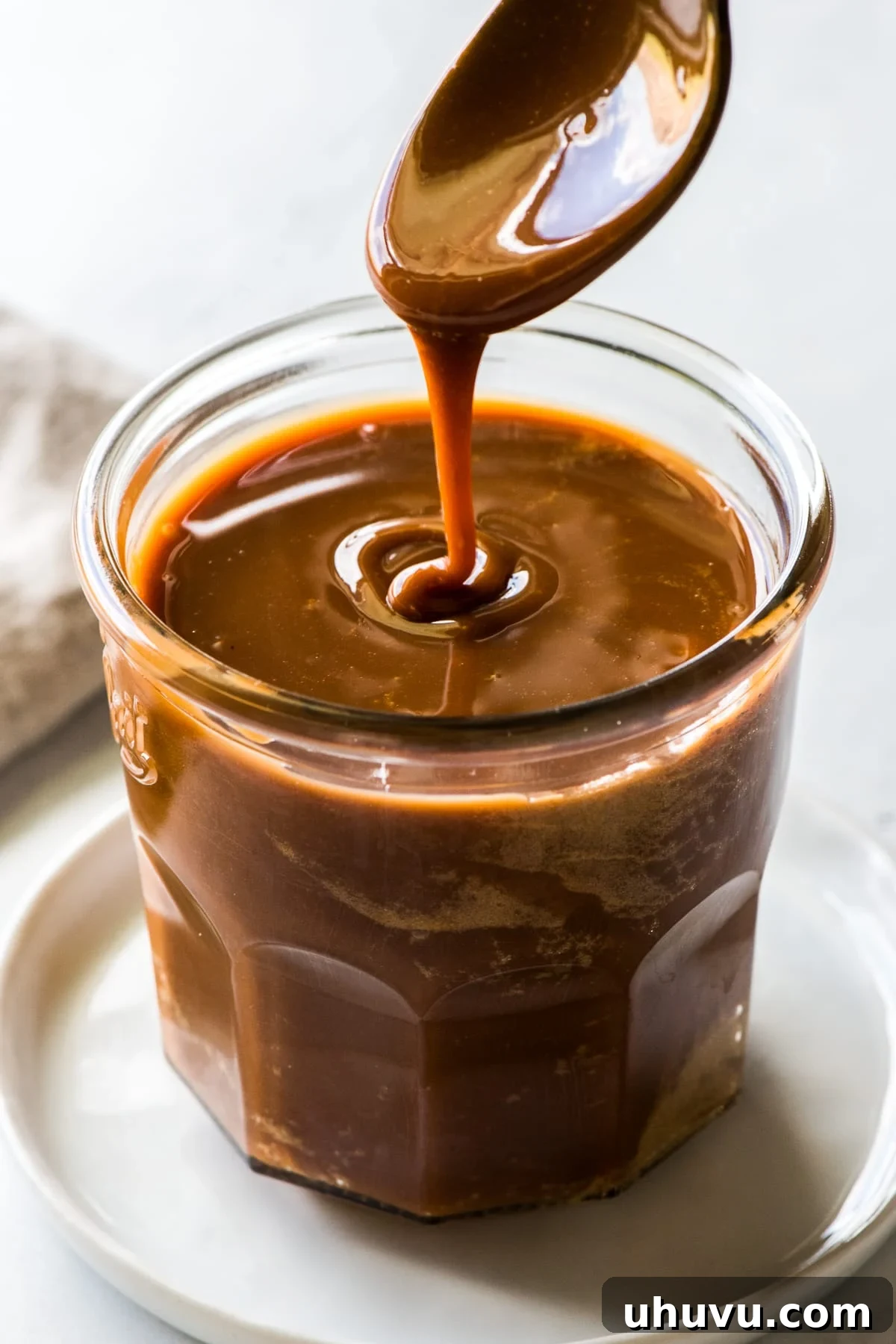
Cajeta is a traditional Mexican confection renowned for its thick, velvety, and deeply caramelized texture. At its heart, Cajeta is a caramel-like sauce created by slowly boiling and reducing goat’s milk and sugar. This meticulous process transforms the humble ingredients into a rich, golden-brown or amber-colored syrup, celebrated for its complex and distinctive flavor profile. Unlike conventional caramel made from cow’s milk, the goat’s milk imparts a unique tangy sweetness and a slightly earthy undertone, giving Cajeta an unparalleled depth of flavor that is both exotic and comforting.
Rooted deeply in Mexican culinary traditions, Cajeta hails most famously from Celaya, Guanajuato, where it has been produced for centuries using traditional copper pots and wooden spoons. It’s not just a sauce; in Mexico, Cajeta takes many forms. It’s often enjoyed as a standalone candy, either soft and chewy or hardened into lollipops. It serves as an exquisite topping for a wide array of desserts, from classic cakes and ice cream to fresh fruit. Beyond that, it’s a beloved spread, perfect for slathering on thin cookies, crepes, or pancakes. Its versatility allows it to be cooked to various consistencies, ranging from a pourable sauce ideal for drizzling to a firm, glossy candy, making it a staple in Mexican households and bakeries alike.
What’s the Difference between Cajeta and Dulce de Leche?
While often compared, Cajeta and dulce de leche are distinct in their subtle yet significant differences. Both are sweet, milk-based confections made through a similar process of slow reduction of milk and sugar. They also share common culinary uses, delighting palates as dessert toppings, fillings, or spreads. However, their primary distinction lies in the type of milk used in their preparation.
Cajeta is exclusively made from goat’s milk, which is the secret to its signature flavor. This gives it a slightly more pronounced tanginess and a deeper, more savory caramel note compared to its cousin. Dulce de leche, on the other hand, is crafted using cow’s milk. The flavor of dulce de leche is generally sweeter, creamier, and milder, lacking the distinctive “goat-y” nuance that defines Cajeta. While this might seem like a minor variation, the difference in milk creates two uniquely delicious and identifiable flavors that true caramel connoisseurs can immediately distinguish and appreciate. Cajeta offers an adventurous flavor journey for those seeking something beyond the ordinary caramel experience.
How to Make Homemade Cajeta: A Step-by-Step Guide
Crafting homemade Cajeta is a rewarding process that results in a truly authentic Mexican caramel. While it requires patience due to the slow cooking, the steps are straightforward and the outcome is incredibly delicious. Here’s how you can make this delightful treat:
- **Prepare the Baking Soda Mixture:** Begin by combining a small amount of goat’s milk with baking soda in a separate, small bowl. Mix until the baking soda is fully dissolved. This step is crucial because the baking soda acts as a catalyst, helping to lower the caramelization temperature of the milk sugars. This allows the Cajeta to develop its characteristic deep golden-brown color and complex flavor slowly and evenly, preventing it from burning. Set this mixture aside; it will be added later.
- **Combine Main Ingredients:** In a large, heavy-bottomed pot or a Dutch oven, pour in the remaining goat’s milk, granulated sugar, and a cinnamon stick. The large pot is essential because the mixture will foam up considerably during cooking. Place the pot over medium to medium-high heat.
- **Dissolve the Sugar and Bring to a Simmer:** Continuously stir the mixture while it heats. This frequent stirring ensures that the sugar dissolves completely and prevents it from sticking to the bottom of the pot and crystallizing or burning. Continue stirring until the mixture comes to a gentle simmer.
- **Incorporate the Baking Soda:** Once the milk and sugar mixture is simmering, carefully remove the pot from the heat. Now, add the reserved baking soda mixture. Be prepared for a significant reaction: the Cajeta will immediately begin to bubble and foam up vigorously. This is a normal and expected part of the process, indicating the baking soda is working its magic. Continue stirring gently to manage the foam. As you stir, the bubbling will gradually subside.
- **Return to Heat and Begin Reduction:** Once the intense bubbling has calmed down, return the pot to the heat. Bring the mixture back to a low, steady simmer. It’s important to maintain a gentle heat to ensure slow and even caramelization.
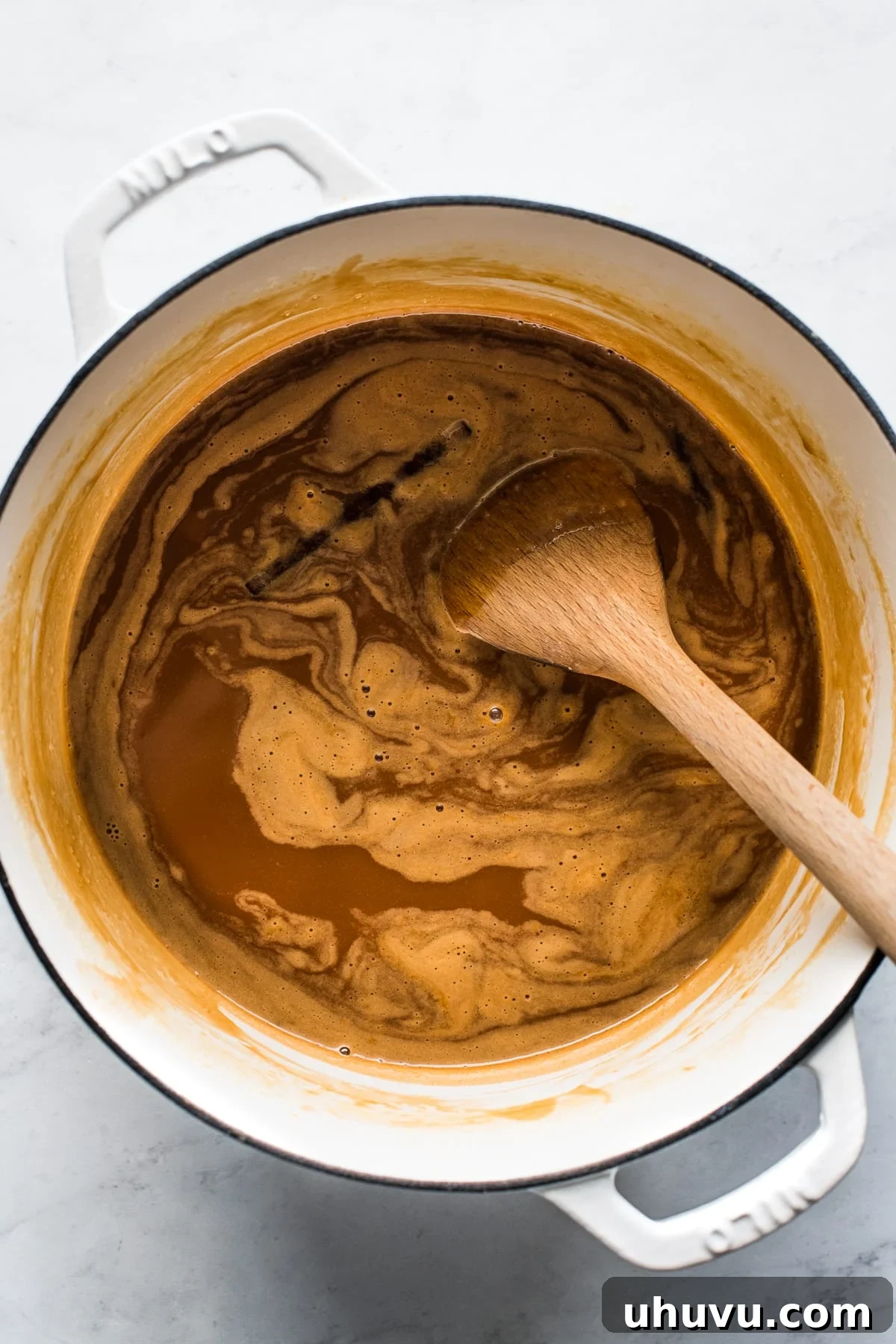
- **Slow Cook and Thicken:** Allow the mixture to cook, uncovered, for an extended period, typically between 45 to 60 minutes. During this phase, the Cajeta will gradually reduce in volume and begin to thicken. **It is absolutely vital to stir the mixture frequently throughout this entire cooking process, especially as it thickens.** Regular stirring prevents the milk solids and sugars from settling at the bottom and scorching, which would impart an unpleasant burnt flavor. As the Cajeta cooks, it will transform, transitioning from a light milky color to a beautiful medium to dark golden-brown or amber hue.
- **Check for Doneness:** You’ll know the Cajeta is ready when it has achieved a rich, medium to dark brown color and has thickened considerably. A key indicator is when the mixture coats the back of a spoon, and if you scrape a line across the bottom of the pot with your spoon or spatula, it leaves a clear, empty trail for a few seconds before the Cajeta flows back in. The consistency should be similar to that of thick honey or a pourable caramel sauce. Remember, the Cajeta will continue to thicken significantly as it cools.
- **Finish with Vanilla:** Once the desired consistency and color are reached, remove the pot from the heat. Stir in the vanilla extract, which adds another layer of aromatic sweetness to the finished product.
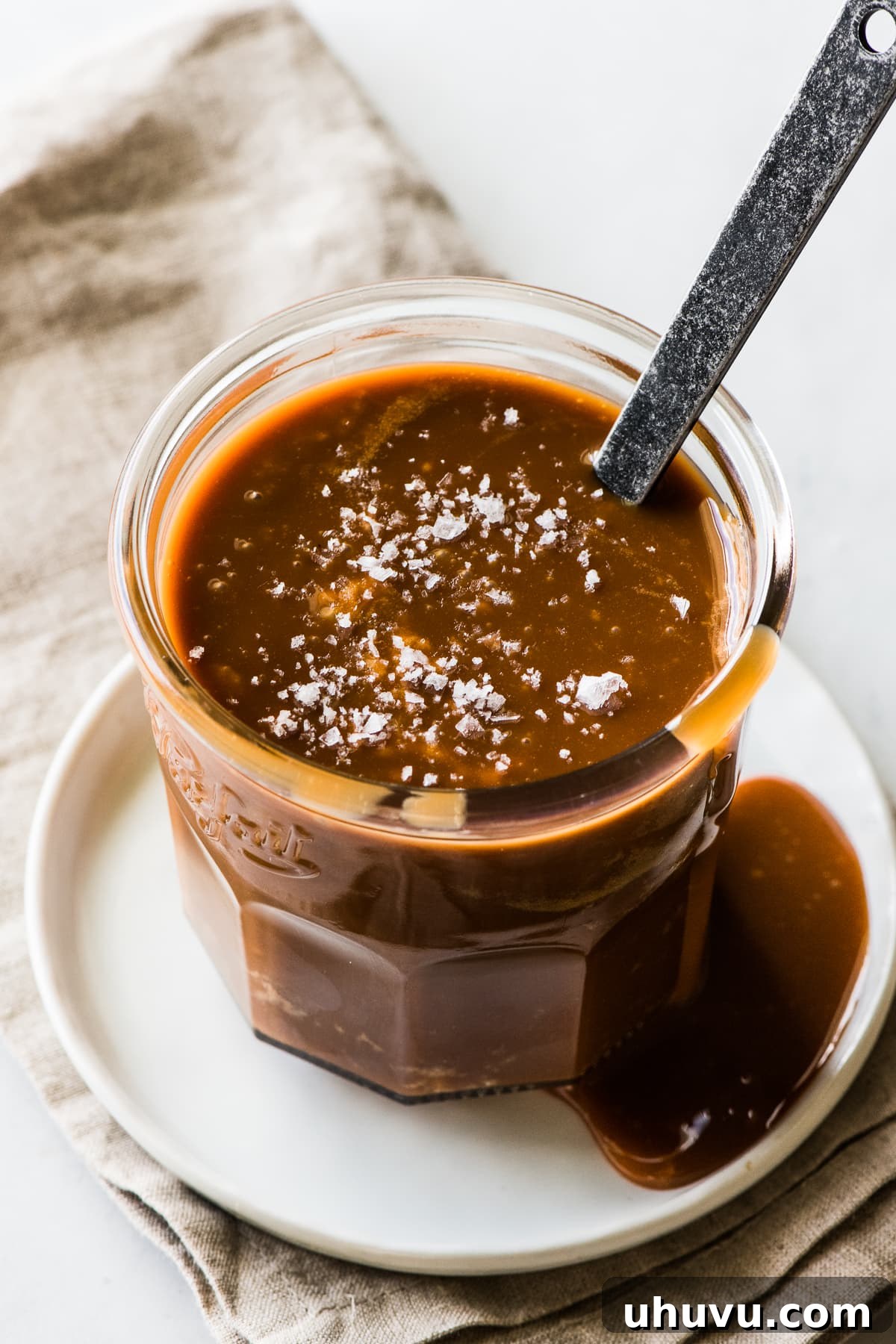
Achieving Your Desired Cajeta Consistency and Thickness
One of the many joys of making homemade Cajeta is the flexibility to customize its consistency to perfectly suit your preferences and intended use. Whether you prefer a thin, drizzly sauce or a remarkably thick, spoonable caramel, you can easily control the outcome by adjusting the cooking time.
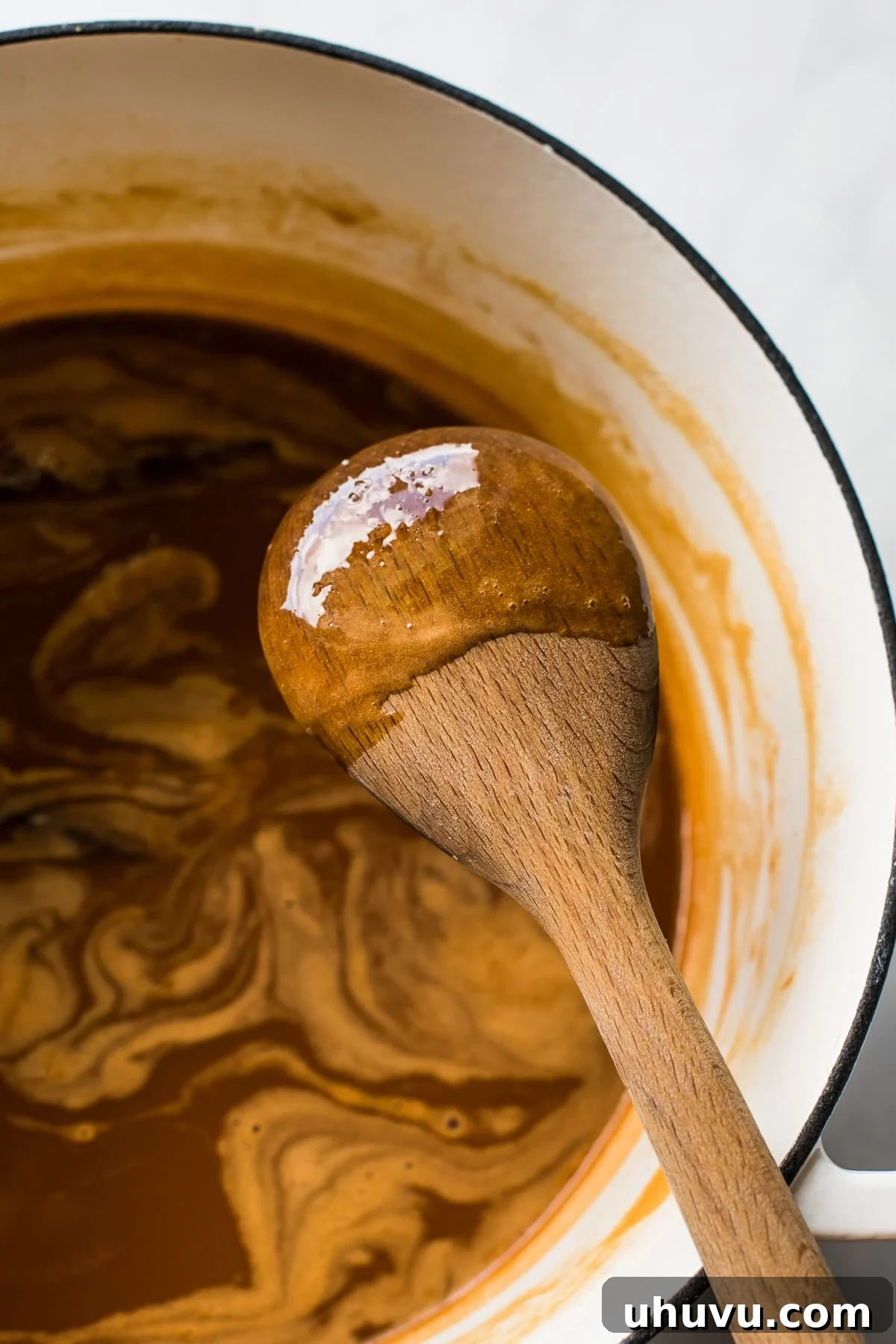
- For a thinner consistency: If you’re aiming for a luscious sauce that’s easy to drizzle over ice cream, pancakes, or fruit, stop cooking your Cajeta when it’s just thick enough to coat the back of a spoon. When you draw a spatula across the bottom of the pot, it should momentarily leave an empty trail before the Cajeta gently flows back to fill the space. This stage typically means the cooking time is closer to the 45-minute mark, but always rely on visual cues rather than strict timing, as heat levels can vary.
- For a thicker consistency: If you desire a more substantial, spreadable Cajeta, perhaps for filling pastries, serving as a dip, or simply enjoying by the spoonful, continue cooking until it becomes noticeably denser. At this point, when you scrape the bottom of the pot with a spatula, it should leave a distinct, empty trail that remains visible for several seconds. The Cajeta will feel undeniably thick and luxurious, similar to a very dense honey or a soft, chewy caramel. This typically requires cooking closer to the 60-minute mark or even slightly longer. Keep in mind that Cajeta will always thicken further as it cools, so err on the side of slightly thinner if you’re unsure.
Delightful Ways to Use Your Homemade Cajeta
This exquisite Mexican caramel sauce is incredibly versatile, making it a fantastic addition to both sweet and savory dishes. Its unique flavor profile complements a wide variety of foods. Here are just a few of my favorite ways to incorporate Cajeta into your culinary adventures:
- As a Dipping Sauce: Cajeta makes an irresistible dipping sauce. Pair it with fresh fruit slices like apples or bananas for a simple yet elegant treat. It’s also phenomenal with classic Mexican pastries such as light and airy churros or various types of pan dulce. The warm, sweet caramel coating enhances every bite.
- A Versatile Topping: Elevate your desserts to new heights by drizzling warm Cajeta generously over them. It’s an essential component in creating mouthwatering desserts like Chocoflan, where it forms a glistening caramel layer. Beyond that, it’s heavenly on a scoop of vanilla ice cream, fluffy sopapillas, sweet apple empanadas, or even spiced pumpkin empanadas. You can also swirl it into my Mexican brownies for an extra layer of rich flavor.
- Enjoy It By Itself: Honestly, this sauce is so addictively sweet and decadently rich that you might find yourself foregoing other dishes altogether. Don’t be surprised if you catch yourself dipping a spoon directly into the jar and savoring it solo. It’s a perfectly satisfying treat all on its own!
Storing and Reheating Your Homemade Cajeta
Proper storage is key to enjoying your homemade Cajeta for an extended period. Once your Cajeta has cooled slightly, transfer it to a clean, airtight glass jar or container. It can be safely refrigerated for up to 3 months, making it an excellent make-ahead component for various desserts or a convenient sweet treat whenever a craving strikes.
It’s important to note that Cajeta, like most caramels, will naturally thicken and harden as it cools in the refrigerator. This is completely normal. To restore it to a pourable or spoonable consistency, there are a couple of easy methods:
- Microwave Method: For quick softening, place the desired amount of Cajeta in a microwave-safe bowl. Heat it in the microwave in short intervals of 15-30 seconds, stirring in between, until it reaches your preferred consistency. Be careful not to overheat it, as it can burn quickly.
- Hot Water Bath Method: Alternatively, you can place the sealed glass jar of Cajeta (or a portion in a heat-safe bowl) into a larger bowl of hot water. Let it sit for several minutes, stirring occasionally, until it loosens up and becomes smooth again. This method provides a gentler, more even reheating.
Always stir thoroughly after reheating to ensure a uniform consistency and temperature. Enjoy your beautifully crafted Cajeta!
Explore More Authentic Mexican Desserts
If you’ve enjoyed making and tasting this delicious Cajeta, you’re in for a treat! Mexican cuisine offers an incredible array of sweet delights that are rich in flavor and tradition. From creamy custards to crispy fried pastries, there’s a dessert for every occasion. Continue your culinary journey with these other fantastic Mexican dessert recipes:
- Flan de Queso: A creamy, smooth cheese flan that’s a true classic.
- Camote Enmielado: Sweet potatoes simmered in a spiced piloncillo syrup.
- Chocolate Tres Leches Cake: A decadent chocolate version of the popular three-milk cake.
- Mexican Buñuelos: Light, crispy fried dough fritters often dusted with cinnamon sugar.
- Buñuelos de Viento: Delicate, rosette-shaped fritters perfect for holidays.
- Dulce de Leche: The cow’s milk cousin to Cajeta, equally delicious and versatile.
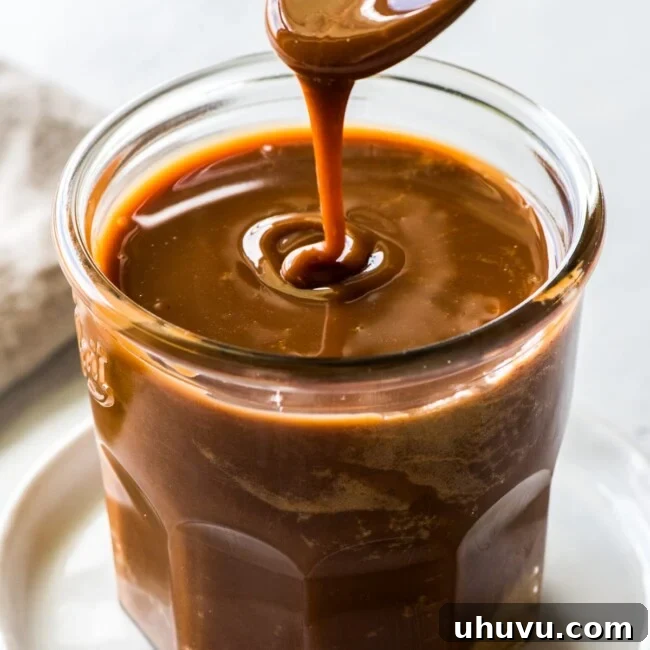
Homemade Cajeta (Mexican Caramel)
Ingredients
- 4 cups goat’s milk, divided
- 1/2 teaspoon baking soda
- 1 cup granulated sugar
- 1 cinnamon stick
- 1 teaspoon vanilla extract
Instructions
-
In a small bowl, mix together 1/4 cup of goat’s milk with the baking soda until dissolved. Set aside.
-
Place the remaining goat’s milk, sugar, and cinnamon stick in a large Dutch oven or heavy-bottomed pot over medium to medium-high heat. Bring the mixture to a simmer, stirring frequently to fully dissolve the sugar.
-
Remove the pot from the heat and add in the baking soda mixture. The milk will begin to bubble and froth up quickly. Continue stirring until the mixture stops bubbling. Once the bubbling is finished, return the pot to the heat and bring it back to a low simmer.
-
Cook the mixture uncovered until it has reduced and thickened, which usually takes about 45-60 minutes. Be sure to stir frequently, especially towards the end of the cooking time, scraping the bottom of the pot to prevent burning. The Cajeta is done when it achieves a rich, medium to dark brown color and coats the back of a spoon, leaving an empty trail when scraped across the bottom of the pot. It should be thick like honey or pourable caramel.*
-
Remove the pot from the heat and stir in the vanilla extract. The Cajeta will continue to thicken as it cools.
Notes
- For a thinner consistency, stop cooking the Cajeta when it’s thick enough to coat the back of a spoon and only momentarily leaves an empty trail whenever you scrape the bottom of the pot with a spatula.
- For a thicker consistency, stop cooking the Cajeta when you can scrape the bottom of the pot with a spatula and it easily leaves an empty trail for a few seconds. You’ll know when it reaches this point because the Cajeta will be undeniably thick!
- Cajeta will thicken significantly once it cools. To soften it, heat it up in the microwave for a few seconds at a time or place the jar in a bowl of hot water until it reaches your desired consistency.
Nutrition
Nutrition information is automatically calculated, so should only be used as an approximation.
This recipe was originally posted in July 2016. It has been thoroughly updated with new photos, more helpful tips, and a refined overall recipe to provide the best possible experience for our readers.