
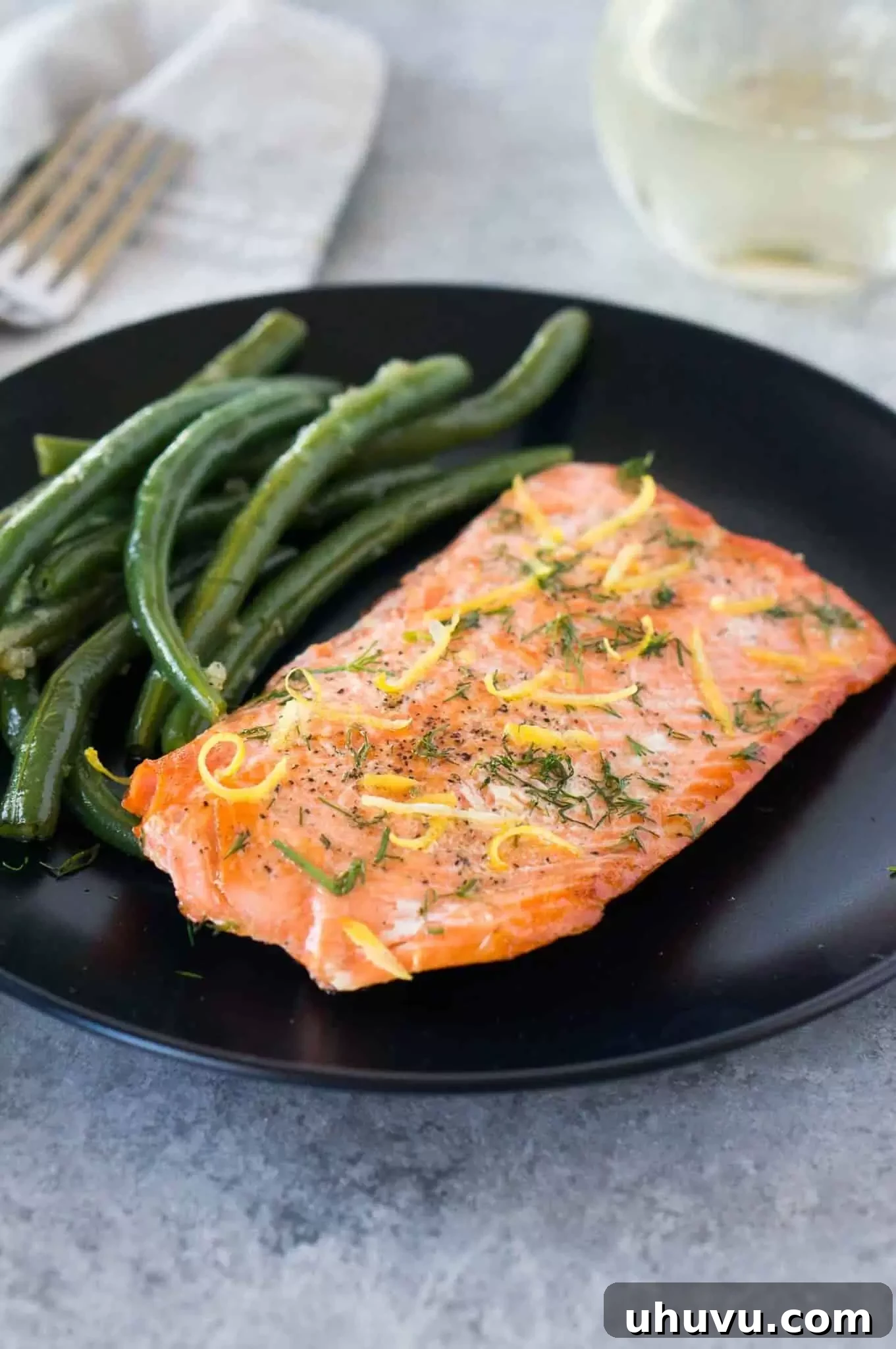
Mastering Sous Vide Salmon: Your Guide to Flawless, Flavorful Fillets
Unlock the secret to cooking the most incredibly delicious salmon fillets with minimal effort using this straightforward sous vide recipe. Slow-cooked to perfection in a precisely temperature-controlled water bath, your salmon will emerge incredibly flavorful, tender, and virtually impossible to overcook. Get ready to enjoy a foolproof fish dinner that rivals any restaurant creation.
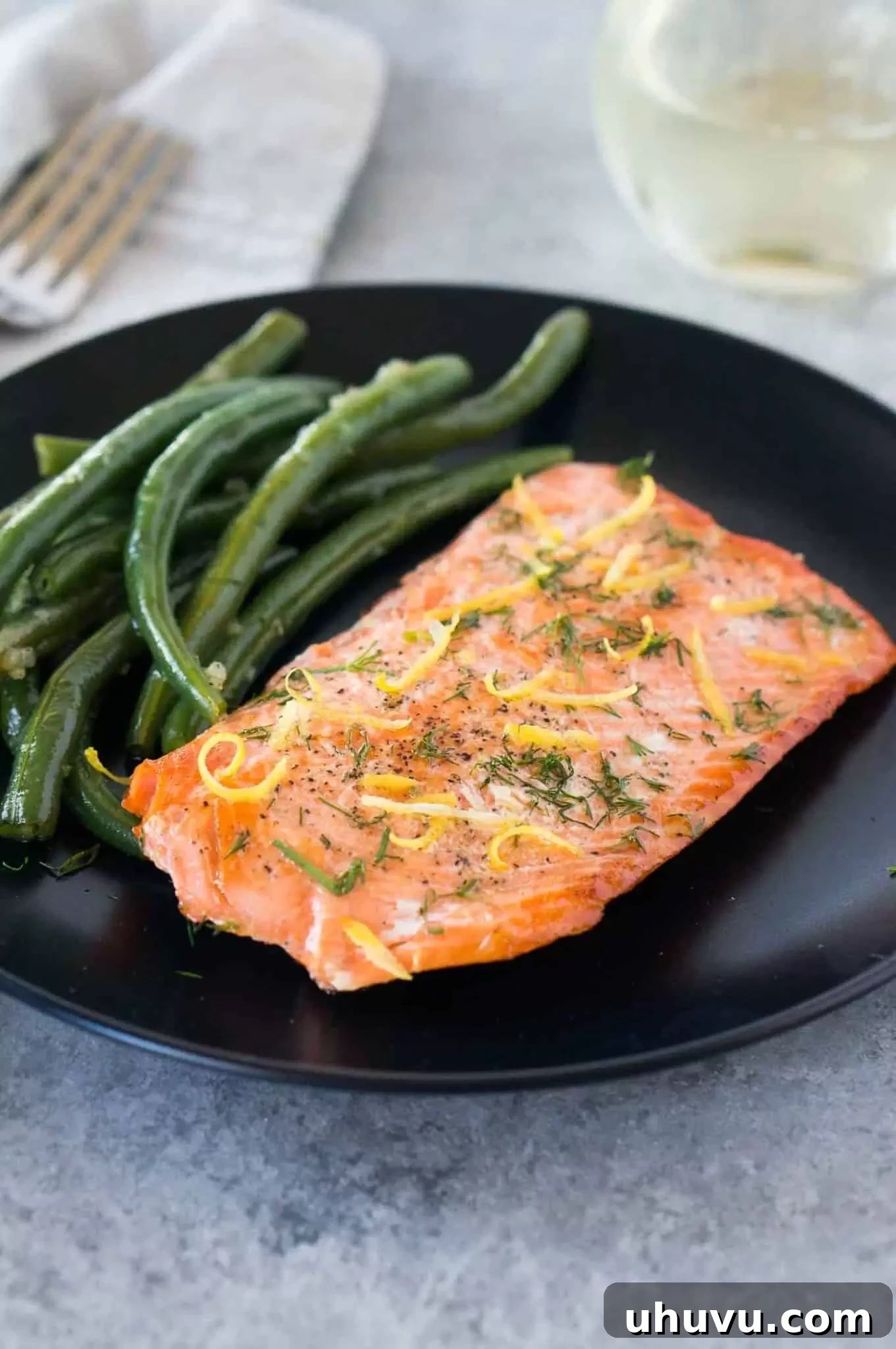
When the goal is to truly impress your family or guests with a culinary masterpiece, the sous vide method stands out as a reliable path to success. This technique takes salmon from ordinary to extraordinary, delivering a dish that is simply off the charts delicious!
By slowly cooking salmon in a temperature-controlled water bath, you ensure that every ounce of its natural flavor is locked in, and the texture achieves an unparalleled perfection. The beauty of sous vide is its precision, making it practically impossible to overcook your fish. While it might sound like a technique reserved for professional chefs, this method is surprisingly easy to master and will elevate your home cooking instantly.
Once you experience salmon cooked this way, with its melt-in-your-mouth tenderness and a beautifully crisp sear, you’ll find it hard to go back to any other preparation. Indulge in restaurant-quality dining right from the comfort of your home, and savor the exceptional goodness of this elevated dish. And if you love this method, be sure to try our Sous Vide Steak recipe too!
Why You’ll Fall in Love with This Sous Vide Salmon Recipe
Sous vide cooking is a game-changer for seafood, especially delicate fish like salmon. Here’s why this recipe will become your new favorite:
- Effortless Perfection: Preparing this dish is surprisingly simple. With minimal hands-on time, your immersion circulator does all the heavy lifting, ensuring consistent and perfect results every single time. Say goodbye to dry, overcooked salmon and hello to consistently tender, flaky fish.
- Nutritious and Wholesome: Salmon is a beloved fish, celebrated not only for its rich flavor but also for its delicate, flaky texture and impressive nutritional profile. Packed with Omega-3 fatty acids, protein, and essential vitamins, it’s a powerhouse of goodness. Because the sous vide method cooks the salmon in its own juices within a sealed bag, there’s no need for excessive added fats like extra virgin olive oil, making it an incredibly healthy choice.
- Simple, High-Quality Ingredients: You don’t need exotic components to make this dish exceptional. The magic happens with just a few good-quality salmon fillets and everyday seasonings. The purity of the ingredients truly shines through, allowing the natural taste of the salmon to take center stage.
- Unmatched Consistency: Unlike traditional cooking methods where timing can be critical, sous vide provides a buffer zone, preventing overcooking and ensuring a perfect internal temperature from edge to edge. This means you get the same incredible texture and doneness every single time you cook it.
- Flavor Infusion: Sealing the salmon with herbs and aromatics allows these flavors to deeply infuse into the fish as it cooks, resulting in a more profound and complex taste that is simply impossible to achieve with other methods.
Ingredients for Your Perfect Sous Vide Salmon
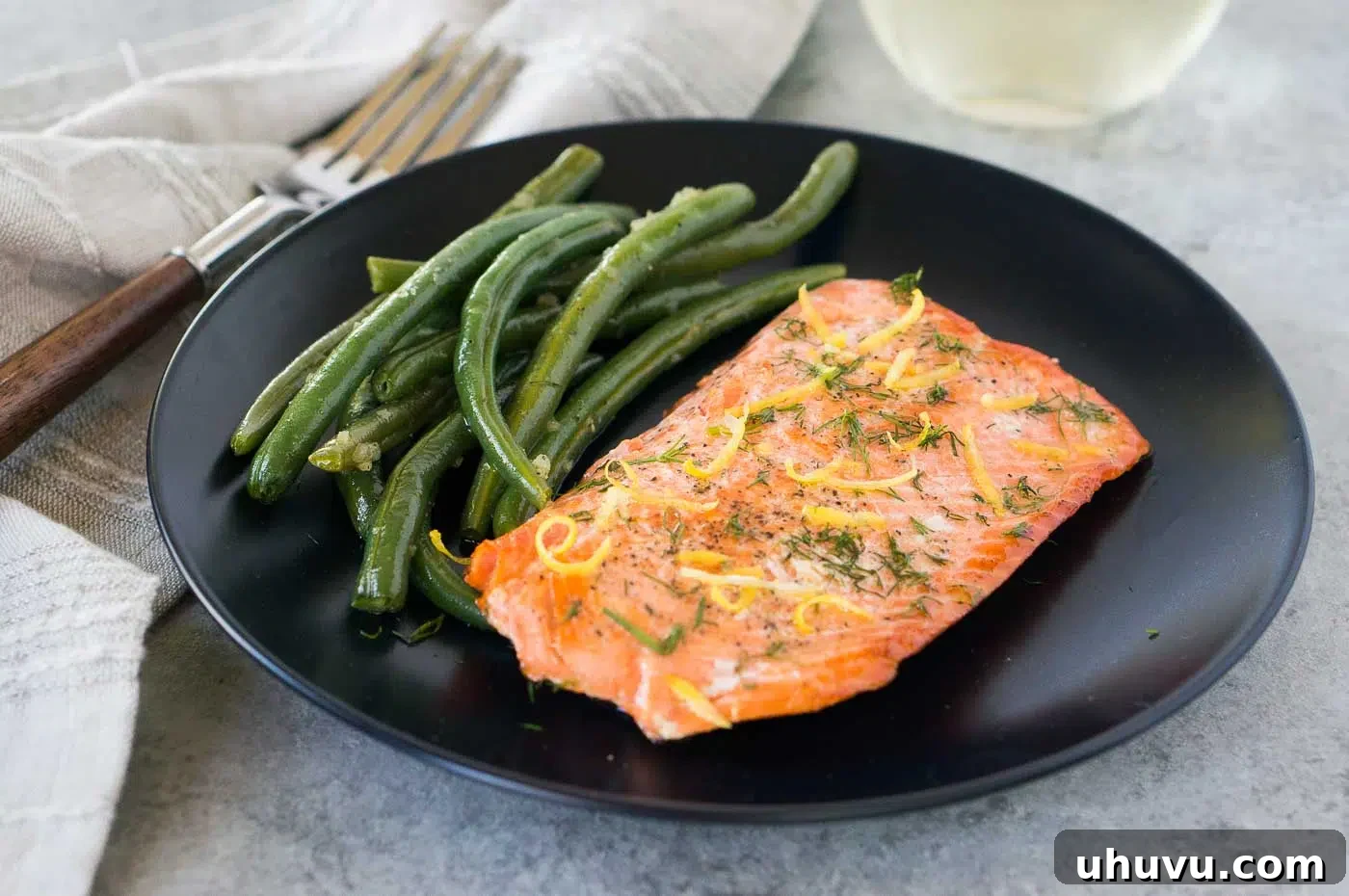
Crafting exquisite sous vide salmon begins with selecting the finest ingredients. Here’s what you’ll need:
- Salmon Fillets: The star of our dish! Aim for high-quality, approximately 6-ounce salmon fillets. We highly recommend using wild-caught Pacific salmon for its superior flavor and texture. Look for fillets that are vibrant in color, firm to the touch, and have a fresh, mild scent. Skin-on or skin-off is a personal preference, but skin-on can provide a beautifully crispy texture after searing.
- Seasonings:
- Lemon Slices: Fresh lemon provides a bright, zesty aroma that complements salmon beautifully.
- Fresh Dill: A classic pairing with salmon, fresh dill adds an herbaceous, slightly anisy note.
- Kosher Salt and Black Pepper: Essential for seasoning, enhancing the natural flavors of the fish.
- Optional Herbs: Feel free to experiment with other fresh herbs like fresh parsley or fresh thyme for different aromatic profiles. Rosemary can also add a delightful, earthy touch.
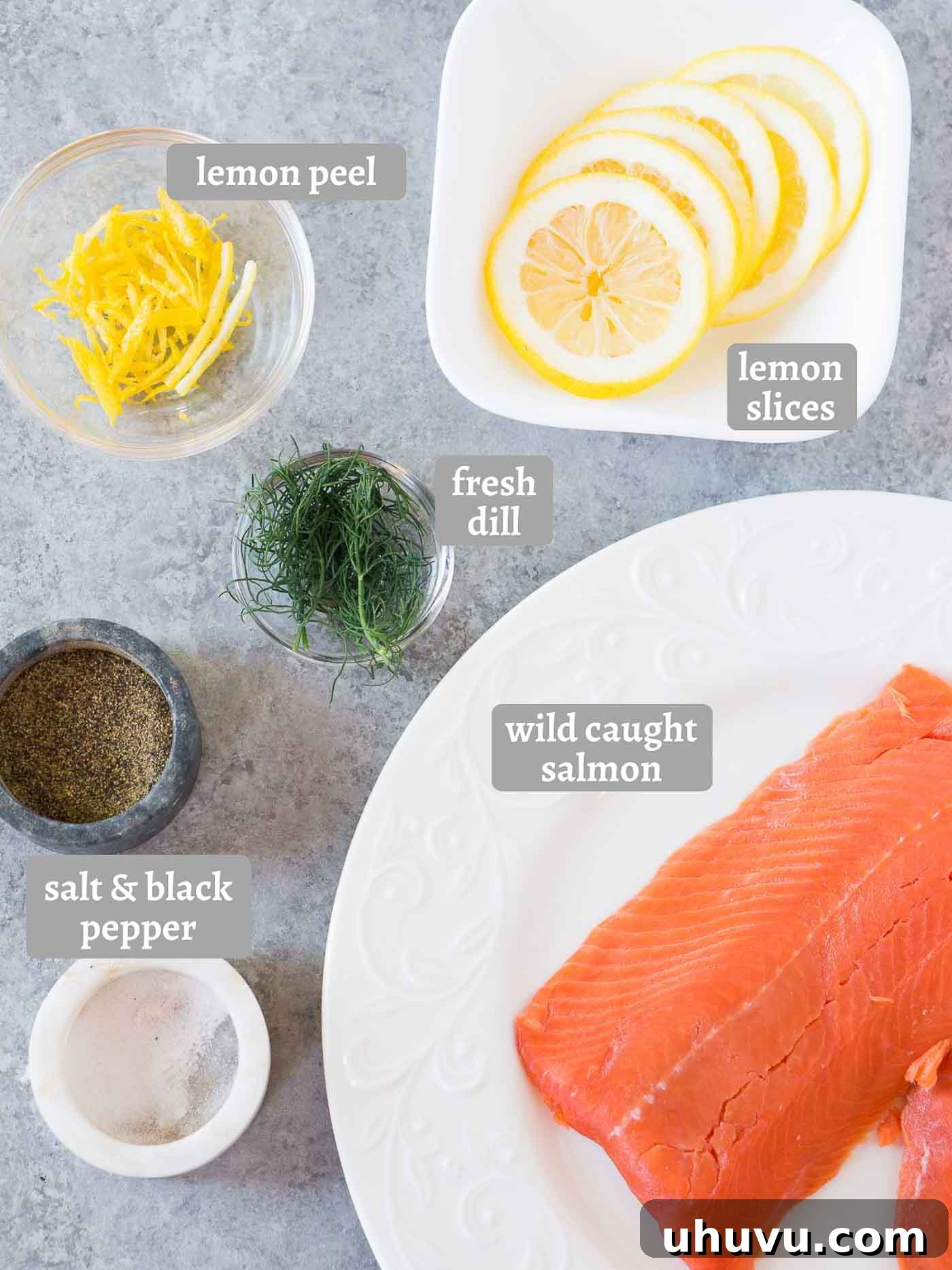
How to Sous Vide Salmon: A Step-by-Step Guide
Achieving perfectly cooked salmon with the sous vide method is easier than you think. Follow these detailed steps to master this technique:
- Preparation and Seasoning:
- Begin by patting your salmon fillets dry with paper towels. This helps seasonings adhere better and is crucial if you plan to sear the skin later.
- Generously season each salmon fillet with kosher salt and freshly ground black pepper. Don’t be shy; salmon can handle a good amount of seasoning.
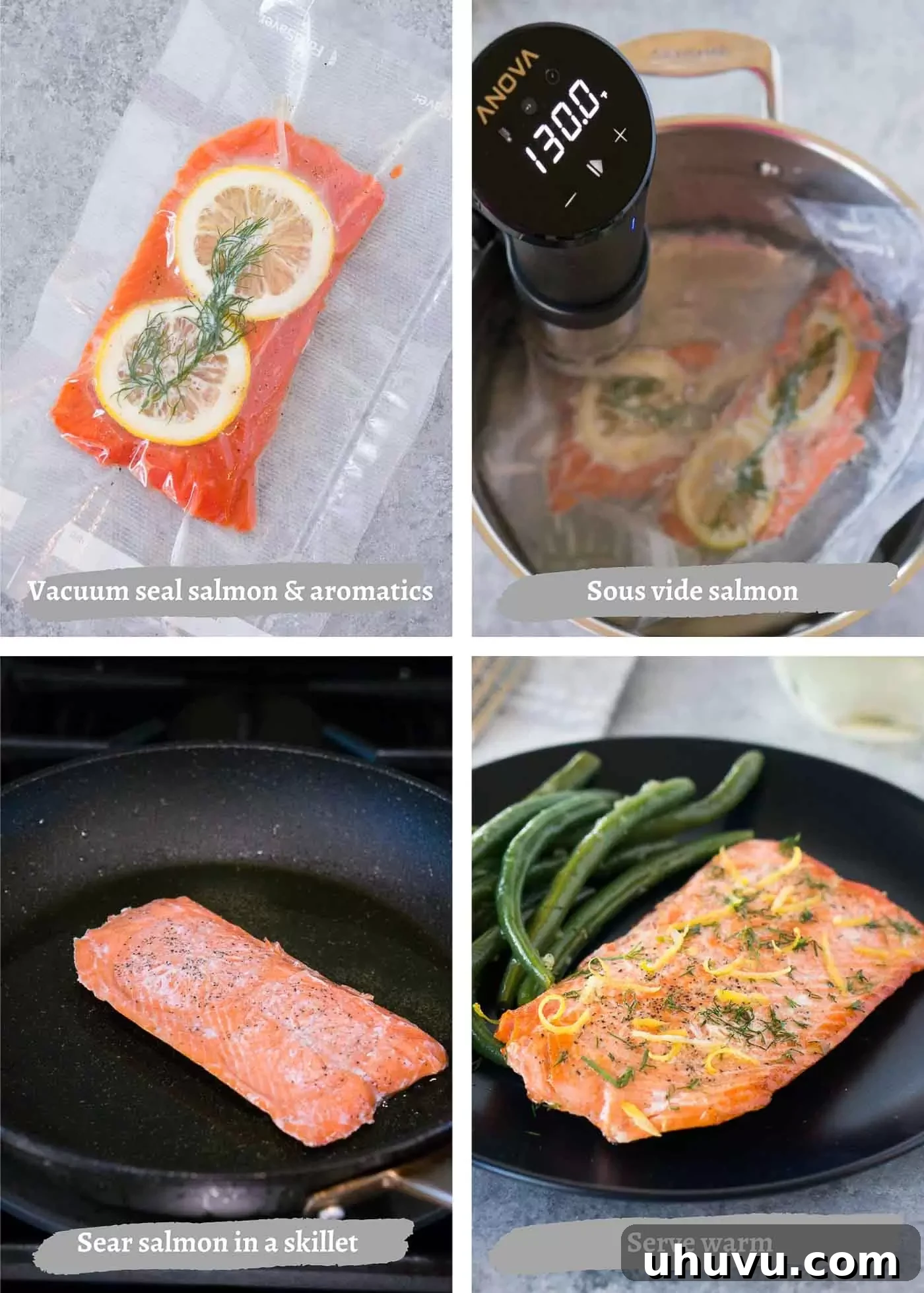
- Place two to three thin lemon slices and a few sprigs of fresh dill directly on top of each salmon fillet. These aromatics will infuse wonderful flavor into the fish during cooking.
- Carefully place each seasoned fillet, along with its aromatics, into individual vacuum-sealable bags. Using a reliable vacuum sealer, remove all the air and seal the bags securely. If you don’t have a vacuum sealer, you can use the water displacement method with Ziploc-style bags: slowly submerge the bag into a pot of water, allowing the water pressure to force the air out before sealing the bag just above the waterline.
- Sous Vide Setup and Temperature Control:
- Fill a large pot or a dedicated sous vide container with water. Ensure there’s enough water to fully submerge your salmon fillets without them touching the bottom or sides of the pot.
- Attach your sous vide immersion circulator to the side of the pot.
- Set the temperature of your immersion circulator to 130°F (54.4°C). This temperature yields a perfectly medium-rare salmon that is incredibly moist and flaky, with a beautiful opaque texture throughout. Allow the water bath to reach the desired temperature before adding the salmon.
- Precision Sous Vide Cooking:
- Once the water bath reaches 130°F, gently immerse the vacuum-sealed salmon bags into the heated water. Ensure the bags are fully submerged; you can use a weighted object or a rack to keep them down if they float.
- Cook the salmon for the appropriate duration:
- For 1-inch thick fillets, cook for 30-45 minutes.
- For thicker fillets (over 1 inch), cook for 45 minutes to 1 hour.
- The sous vide method ensures precise cooking, delivering consistently moist, tender, and flavorful results without the risk of overcooking. The fish will maintain its perfect internal temperature even if left in the bath for a little longer than the minimum time.
- Post-Cook Preparation:
- Carefully remove the salmon fillets from their bags.
- Discard the spent lemon slices and dill sprigs.
- This step is crucial for achieving a good sear: thoroughly pat the salmon fillets dry on all sides with paper towels. Any excess moisture will prevent a crisp crust from forming during searing.
- The Finishing Touch: Pan Searing:
- Heat a cast iron skillet or heavy-bottomed pan over medium-high heat. Add a thin layer of light olive oil, avocado oil, or a knob of butter. Ensure the pan is very hot before adding the fish.
- Once the oil is shimmering (or butter is melted and slightly browned), carefully place the salmon fillets, skin-side down (if applicable), into the hot skillet.
- Sear for just 1-2 minutes until the skin is wonderfully crispy and golden brown. If cooking skin-off, sear for about 30-60 seconds per side, just enough to develop a beautiful crust and add texture. Avoid over-searing, as the fish is already perfectly cooked internally.
- This quick pan sear enhances the texture, adds a delightful caramelized flavor, and gives your salmon that coveted restaurant-quality finish.
Neli’s Kitchen Tips for Perfect Sous Vide Salmon
To ensure your sous vide salmon is nothing short of spectacular, keep these expert tips in mind:
- Uniform Thickness is Key: For even cooking and consistent results, always select salmon fillets that are roughly the same thickness. This ensures they cook through simultaneously, preventing some pieces from being under or overcooked.
- Experiment with Herbs: While lemon and dill are a classic combination, don’t hesitate to personalize your salmon! Fresh thyme, rosemary, or even a sprinkle of tarragon can impart distinct and delicious flavors. Consider adding a pinch of garlic powder or onion powder for extra depth.
- Mind the Holding Time: The beauty of sous vide is its ability to hold food at temperature without overcooking. However, for salmon, avoid leaving the fillets in the water bath for more than 30 minutes after they are fully cooked. Prolonged exposure can lead to a slightly mushy or overly delicate texture.
- The Essential Pan Sear: The quick pan sear after the water bath is not just for aesthetics; it’s a critical step. It adds a delightful crispiness to the exterior, creating a textural contrast to the succulent, tender interior. This sear also develops rich, caramelized flavors that elevate the entire dish. Ensure your pan is very hot and your salmon is thoroughly patted dry for the best crust.
- Creative Leftover Ideas: If you’re lucky enough to have any leftover sous vide salmon, don’t let it go to waste! Its perfectly cooked texture makes it ideal for a variety of dishes. Flake it into salmon bowls with rice and veggies, toss it into a refreshing salmon salad, or layer it in gourmet sandwiches.
- Consider a Butter Baste: For an extra layer of richness during the searing phase, add a tablespoon of butter to the hot pan along with your olive oil. As the butter melts, spoon it over the salmon fillets for added flavor and a beautiful golden finish.
- Temperature Control is Crucial: While 130°F (54.4°C) is ideal for medium-rare, you can adjust the temperature slightly to achieve your desired doneness. For a rarer salmon, try 125°F (51.6°C). For a slightly more firm, but still moist, salmon, go up to 135°F (57.2°C). Never exceed 140°F (60°C) for salmon to prevent it from becoming dry.
Can You Use Frozen Salmon for Sous Vide?
Absolutely! This is one of the many reasons why the sous vide cooking method is so revolutionary, especially for busy home cooks. You can cook salmon directly from its frozen state, and the results are just as tender, moist, and delicious as using fresh fillets. There’s no need for advance thawing, which makes meal planning incredibly flexible.
Simply take your frozen salmon fillets, season them as you would fresh ones, and place them into vacuum-sealed bags. Pop them into the preheated water bath, and you’re good to go. The only adjustment needed is the cooking time. When cooking from frozen, allow for a longer duration – typically 70 to 80 minutes – to ensure the salmon cooks through completely and reaches its perfect internal temperature.
Can You Prepare Sous Vide Salmon Ahead of Time (Meal Prep)?
Yes, sous vide is an exceptional method for meal preparation! Cooked salmon retains its juicy and delicious qualities beautifully, even after being reheated. This makes it perfect for planning healthy meals throughout the week.
To prepare salmon ahead of time:
- Cook as Directed: Sous vide the salmon fillets according to the instructions above.
- Rapid Cooling (Ice Bath): Once the salmon is cooked, immediately transfer the sealed bags into an ice bath. This crucial step rapidly cools the salmon, stopping the cooking process and ensuring it remains safe for storage. Let the salmon cool in the ice bath for at least 30 minutes.
- Storage:
- Refrigeration: Once thoroughly chilled, the salmon, still in its vacuum-sealed bags, can be stored in the refrigerator for up to two days.
- Freezing: For longer storage, transfer the cooled, sealed salmon into freezer-safe bags and freeze for up to three months.
- Reheating and Serving:
- Thawing (if frozen): Thaw frozen cooked salmon in the refrigerator overnight before reheating.
- Reheating: To reheat, you can either gently warm the sealed bags in a warm water bath (around 120°F/49°C) for 15-20 minutes, or simply remove the salmon from the bag and reheat in a skillet over medium-low heat.
- Searing for Freshness: For the best texture and flavor, we recommend giving the reheated salmon a quick pan sear in a hot skillet with a touch of olive oil, just as you would with freshly cooked sous vide salmon. This brings back that delightful crispy crust.
What to Serve with Your Sous Vide Salmon
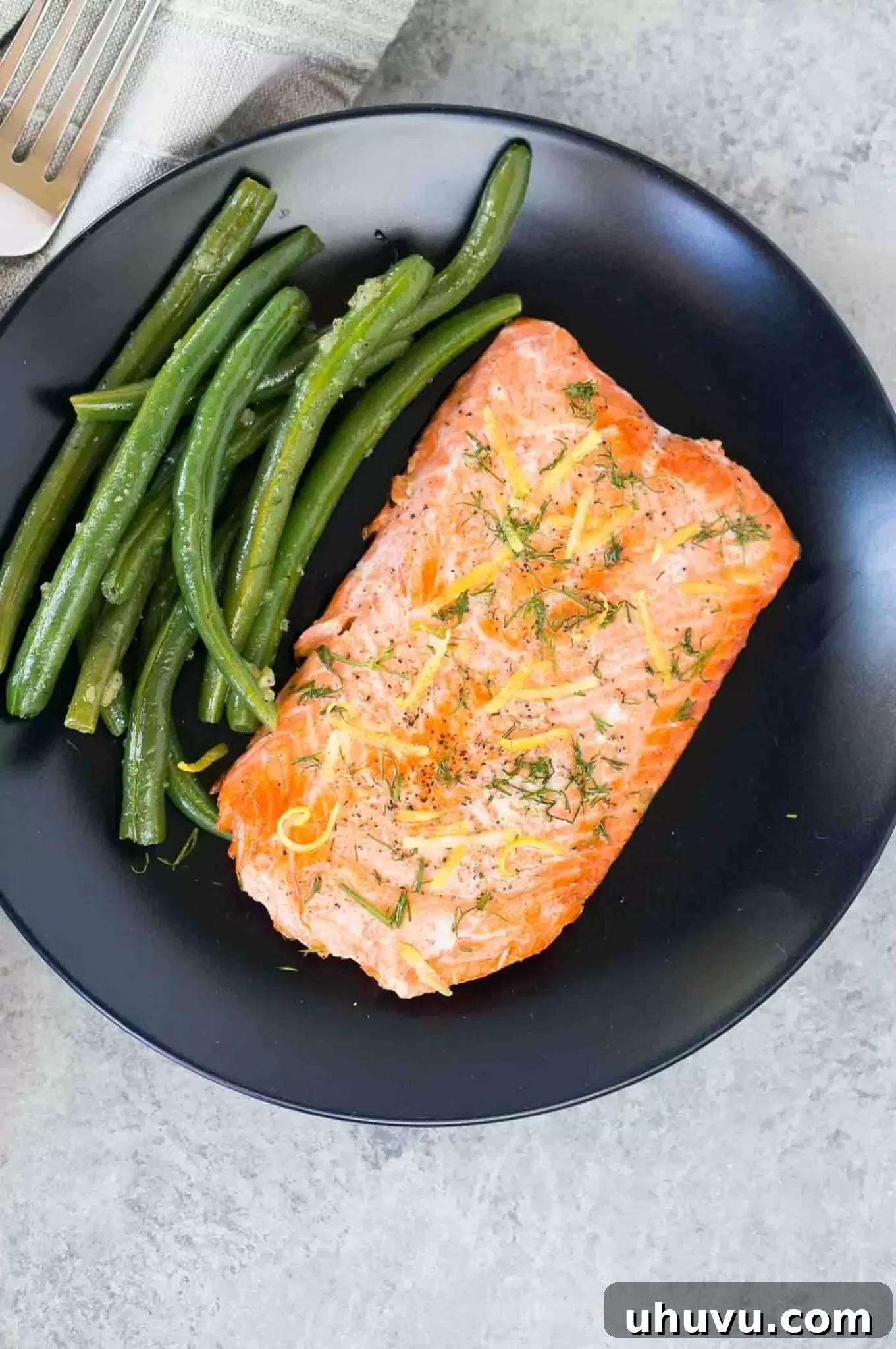
Sous vide salmon is a versatile main course that pairs beautifully with a wide array of sides, allowing you to create a healthy, well-balanced, and utterly delicious meal. Whether you prefer a light accompaniment or a hearty complement, here are some fantastic ideas:
- Grains: A bed of fluffy rice (white, brown, or wild), quinoa, or couscous provides a wonderful base for the salmon.
- Vegetables: Roasted asparagus, green beans, steamed broccoli, or a medley of roasted root vegetables complement the rich flavor of salmon. Try our Roasted Root Vegetables for an earthy side.
- Potato Dishes: Creamy mashed potatoes, roasted new potatoes, or a vibrant potato salad offer comforting options. Our Creamy Mashed Potatoes or classic Potato Salad are excellent choices.
- Fresh Salads: A crisp green salad with a light vinaigrette, or a more substantial grain-based salad like our Mediterranean Couscous Salad, adds freshness and texture.
- Sauces and Drizzles:
- Lemon Butter Sauce: A simple, elegant sauce made with melted butter, fresh lemon juice, and a touch of fresh dill or parsley.
- Dill Yogurt Sauce: A light and refreshing sauce made with Greek yogurt, fresh dill, lemon juice, and a hint of garlic.
- Chimichurri: For a vibrant, herbaceous kick, a fresh chimichurri sauce can be surprisingly delicious with salmon.
- A Simple Drizzle: Sometimes, all you need is a generous squeeze of fresh lemon juice and a drizzle of high-quality extra virgin olive oil to enhance the salmon’s natural flavor.
More Delicious Salmon Recipes to Explore
If you’re a fan of salmon and looking for more ways to incorporate this healthy and delicious fish into your diet, be sure to check out these other fantastic recipes from our collection:
- Zesty Salmon Tacos
- Sweet & Spicy Honey Sriracha Salmon
- Wholesome Quinoa Salad with Salmon
- Maple Walnut Crusted Salmon
We hope you enjoy this ultimate guide to Sous Vide Salmon and create countless memorable meals with it. If you tried and enjoyed this Sous Vide Salmon recipe or any other recipe on my blog, please leave a ⭐️ star rating and let us know how it went in the 📝 comments below. Your feedback means the world to us! Thanks for visiting!
Pin this now to find it later!
Pin It
Sous Vide Salmon Recipe
By: Neli Howard
Cook up the most delicious salmon fillets with the least effort with this simple sous vide recipe. Salmon fillets are slow cooked in a temperature controlled water bath for the most flavorful and foolproof fish dinner.
Prep Time: 5 minutes
Cook Time: 45 minutes
Total Time: 50 minutes
Servings: 2 servings
Ingredients
- Salmon fillets (good quality, 6 ounce each)
- Kosher Salt & Black Pepper, to taste
- Lemon Slices
- Fresh Dill (whole pieces & some chopped)
- Thin lemon peel sticks (optional, for garnish)
Instructions
- Season and Bag: Season your salmon fillets generously with salt and pepper. Place lemon slices and fresh dill on each fillet, then seal them individually in vacuum-sealed bags using a vacuum sealer (or the water displacement method).
- Set Up Sous Vide: Fill a large pot with water and set up your sous vide immersion circulator. Adjust the temperature to 130°F (54.4°C) and allow the water to reach this temperature.
- Cook Salmon: Immerse the vacuum-sealed salmon into the heated water bath. Cook for 30-45 minutes for 1-inch thick fillets or 45 minutes to 1 hour for thicker fillets.
- Remove and Dry: Carefully remove the salmon from the bags, discarding the lemon slices and dill. Pat the salmon thoroughly dry with paper towels.
- Pan Sear: Heat a skillet over medium-high heat with a touch of light olive oil. Place the salmon skin-side down (if applicable) and give it a quick pan sear for 1-2 minutes until crispy. If skinless, sear briefly on both sides for a nice crust.
Recipe Notes
- Use salmon fillets that are roughly the same thickness for even cooking.
- Feel free to use other fresh herbs for seasonings, such as fresh thyme or rosemary.
- Don’t leave the salmon in the water bath for more than 30 minutes after it is cooked, or it can start to get mushy.
- Pan searing the fillets after cooking adds a delightful crispiness to the exterior while keeping the interior succulent.
- You can use any leftover salmon fillets for salmon bowls, salmon salad, or in sandwiches.
Nutrition Information (Estimated)
Calories: 257kcal | Carbohydrates: 5g | Protein: 34g | Fat: 11g | Saturated Fat: 2g | Polyunsaturated Fat: 4g | Monounsaturated Fat: 4g | Cholesterol: 94mg | Sodium: 657mg | Potassium: 909mg | Fiber: 2g | Sugar: 1g | Vitamin A: 95IU | Vitamin C: 29mg | Calcium: 35mg | Iron: 2mg
Nutrition Disclaimer: Nutritional values are estimates and may vary with ingredients, brands, and portion sizes. For accuracy, use your preferred nutrition calculator.
Like this recipe? We’d love to hear from you!
Share your experience and thoughts in the comments below.