
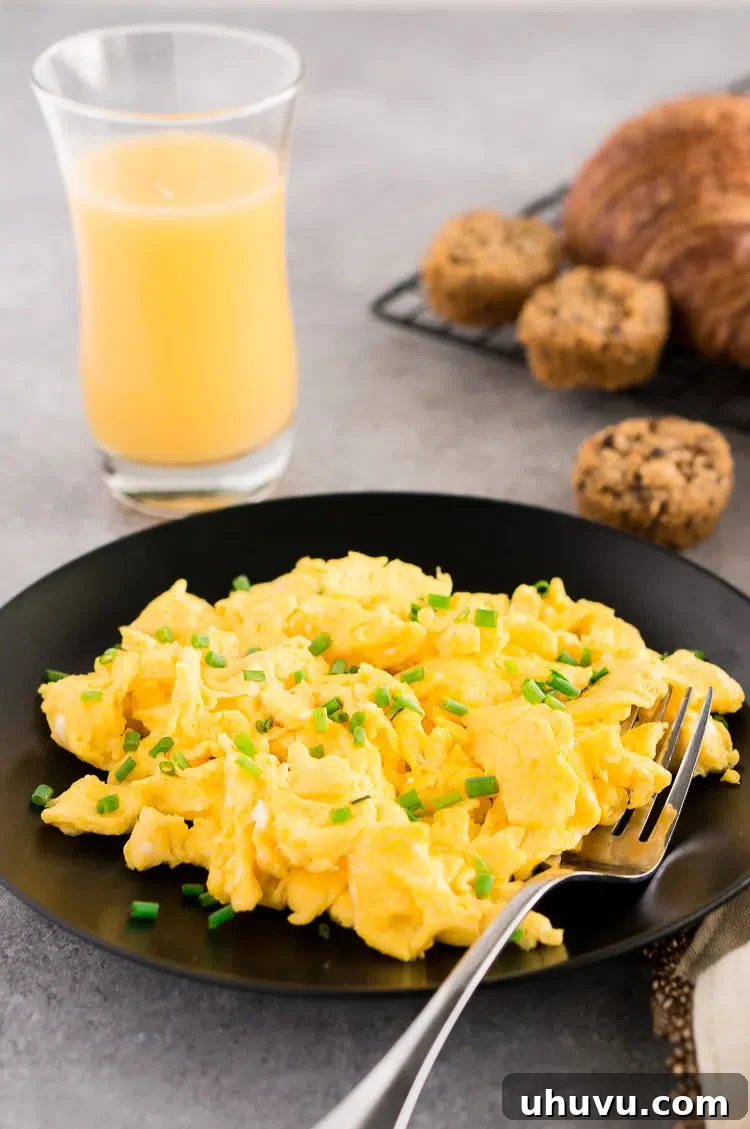
How to Make Perfect Fluffy Scrambled Eggs Every Time
Scrambled eggs are a beloved breakfast classic, cherished for their simplicity and versatility. Yet, achieving that ideal balance of light, fluffy texture and rich flavor can sometimes feel like a culinary challenge. This guide dives deep into the art of making truly exceptional scrambled eggs, offering expert tips and techniques to ensure your breakfast is nothing short of perfection.
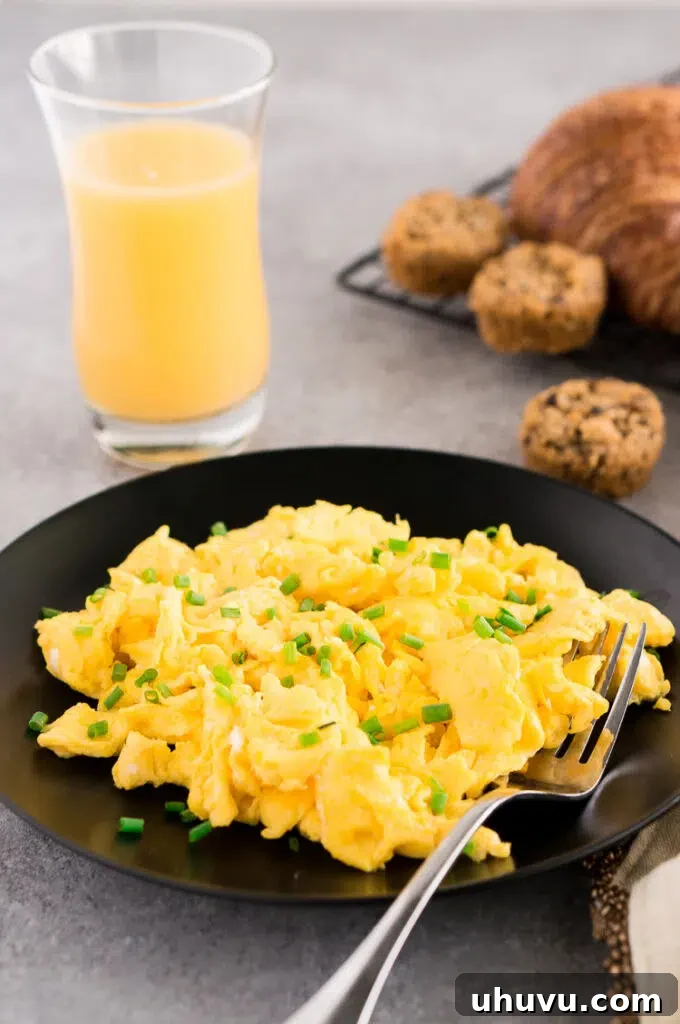
Why You’ll Love This Ultimate Scrambled Eggs Recipe!
This scrambled egg recipe isn’t just about cooking; it’s about mastering a fundamental skill that will transform your mornings. Here’s why this method will become your go-to:
- Incredibly Satisfying & Nutrient-Rich: Packed with high-quality protein, scrambled eggs provide sustained energy, keeping you full and focused throughout your morning. They are a fantastic way to kickstart your day, supporting muscle health and overall well-being.
- Effortless One-Pan Cooking: Forget complicated meal prep! This quick and easy recipe requires just one skillet, minimizing cleanup and making it ideal for busy weekdays or relaxed weekend brunches. It’s a true set-and-forget (almost!) kind of dish.
- Delightfully Family-Friendly & Adaptable: This recipe is a guaranteed crowd-pleaser for the entire family. Its inherent simplicity means it’s incredibly easy to adapt to suit everyone’s individual tastes, from picky eaters to gourmet palates. Add your favorite vegetables, cheeses, or spices to customize each serving.
- Consistent Fluffiness & Creaminess: Say goodbye to rubbery, overcooked eggs. Our detailed steps and expert tips are designed to help you achieve that sought-after light, airy, and moist texture every single time, ensuring a superior breakfast experience.
Essential Ingredients for the Best Scrambled Eggs
The journey to making perfect scrambled eggs begins with selecting the right ingredients. While the list is simple, quality truly makes a difference. Focus on these key components:
- Eggs: The star of the show! The type of egg (brown, white, organic, free-range) matters less than its freshness. Fresher eggs tend to have thicker whites and yolks, which contribute to a richer flavor and a better texture when scrambled. We’ll discuss how to check for freshness below.
- Butter: A crucial element for both flavor and texture. Butter adds a rich, savory depth that oil alone cannot provide, and it helps create those desirable soft curds. Using good quality butter will noticeably enhance your final dish.
- Olive Oil (or other cooking oil): A small amount of oil, paired with butter, helps prevent sticking and allows for higher heat initial cooking without burning the butter. It also contributes to a smoother cooking process.
- Salt and Pepper: Essential seasonings to enhance the natural taste of the eggs. We’ll cover the best time to add salt for optimal results.
- Optional Add-ins: Fresh chopped chives are a classic garnish, but consider other herbs, spices, or vegetables for personalized variations (more on this later!).
The Simple Water Test: How to Confirm Egg Freshness
Ensuring your eggs are fresh is a vital first step for superior scrambled eggs. Older eggs can sometimes have an off-flavor and a thinner consistency, making them less ideal for scrambling. Thankfully, there’s a simple, reliable method to check egg freshness right in your kitchen:
Fill a mixing bowl or a large saucepan about two-thirds full with cold water. Gently place one egg at a time into the water. Observe its behavior:
- If an egg is perfectly fresh, it will immediately fall to the bottom of the bowl and lie flat on its side. This indicates a small air cell inside, typical of a very fresh egg.
- If the egg is a few days or a week old, it will still sink, but its larger air cell might cause it to stand upright or tilt slightly at the bottom. These eggs are still perfectly good to eat.
- Eggs that are spoiled or unsafe to use will float to the top of the water. This is because a significant amount of air has entered the egg over time, causing it to become buoyant. Any egg that floats should be discarded immediately to avoid potential health risks.
Now that you’ve confirmed your eggs are fresh and ready, let’s move on to mastering the art of scrambling them.
Step-by-Step Guide: How to Make Fluffy Scrambled Eggs
Follow these precise steps to achieve the ideal light and airy texture for your scrambled eggs:
- Prepare Your Skillet: Begin by heating a non-stick skillet over medium-high heat. Add a tablespoon of olive oil and a tablespoon of butter. Allow the butter to melt and foam slightly, indicating the pan is hot enough. The oil helps prevent the butter from burning too quickly.
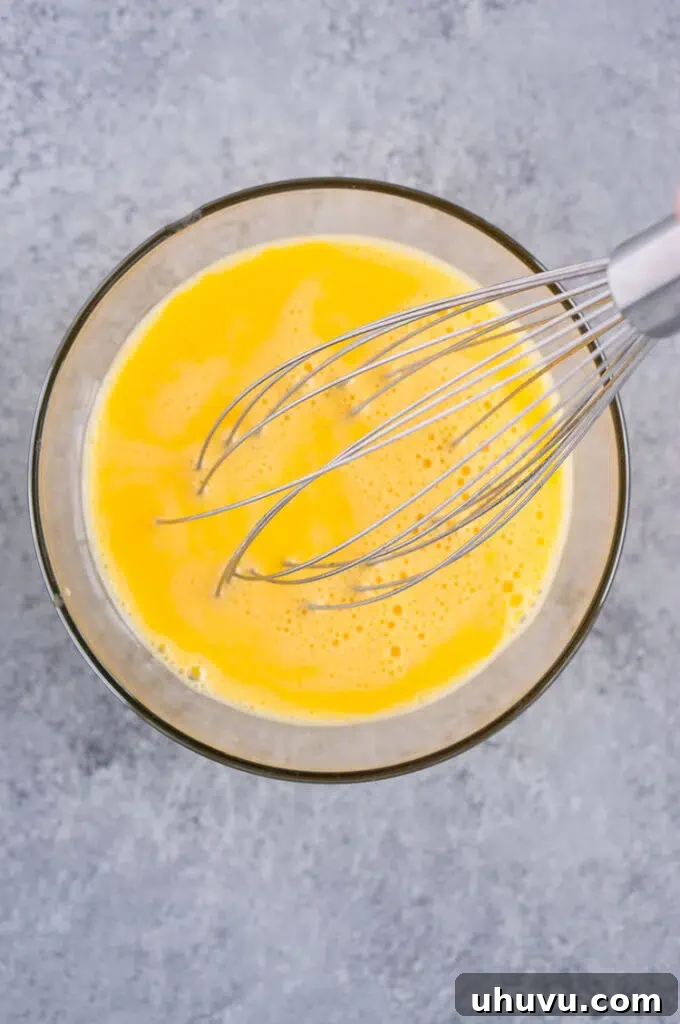
- Whisk the Eggs Separately: While the skillet heats, crack your eggs into a small mixing bowl. Using a whisk or a fork, vigorously beat the eggs until the whites and yolks are thoroughly blended and no streaks remain. This incorporates air, which is key to achieving a fluffy texture. For the best consistency, aim for a slightly frothy mixture.
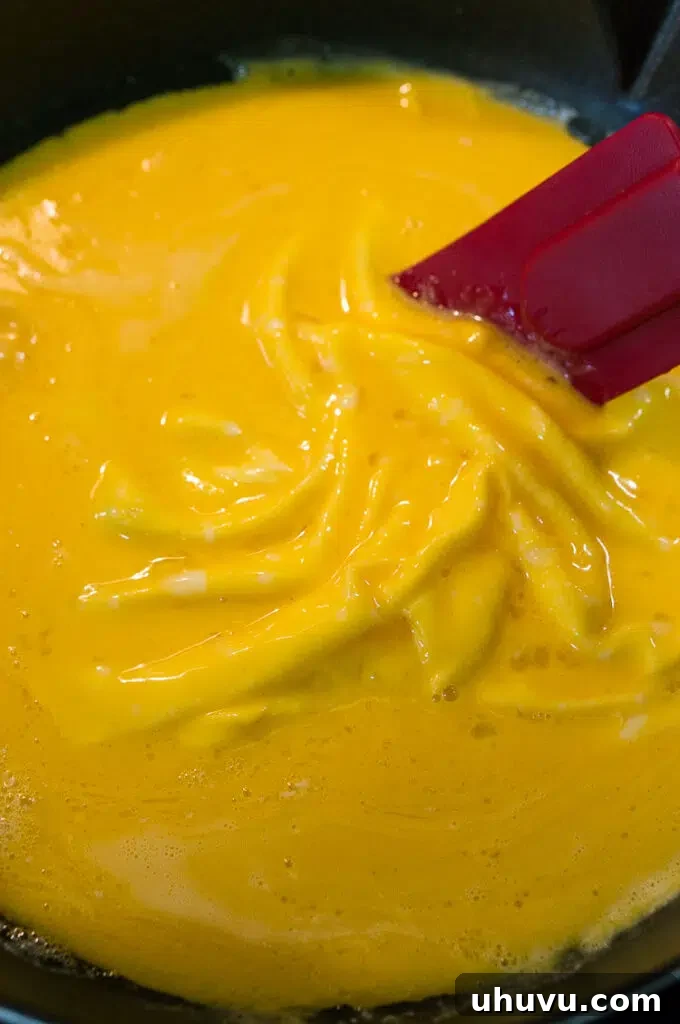
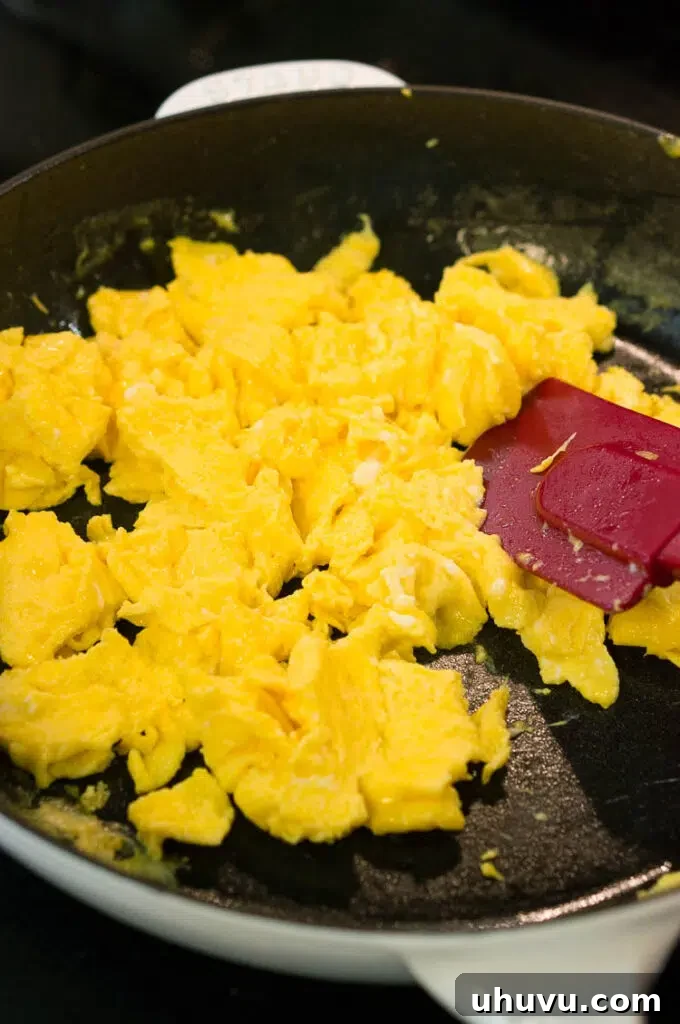
- Cook with Precision: Once the skillet is hot and the butter is melted, pour the whisked eggs into the pan. Allow them to set for a few seconds around the edges without stirring. Then, using a silicone or rubber spatula, gently fold and push the cooked eggs from the edges towards the center of the pan. Continue this gentle folding and pushing motion, allowing large, soft curds to form. The goal is to cook the eggs slowly and evenly, allowing them to transform into soft, pillowy masses.
- Know When to Stop: The most critical step! Continue pulling and folding the eggs until there is no visible liquid egg, but the curds are still moist and have a beautiful, glossy sheen. This usually takes only 2-3 minutes. Immediately remove the pan from the heat source at this point. Overcooking is the arch-nemesis of scrambled eggs, leading to a tough, rubbery texture. Remember, the residual heat in the pan will continue to cook the eggs for a few more moments (carryover cooking), so it’s better to undercook slightly.
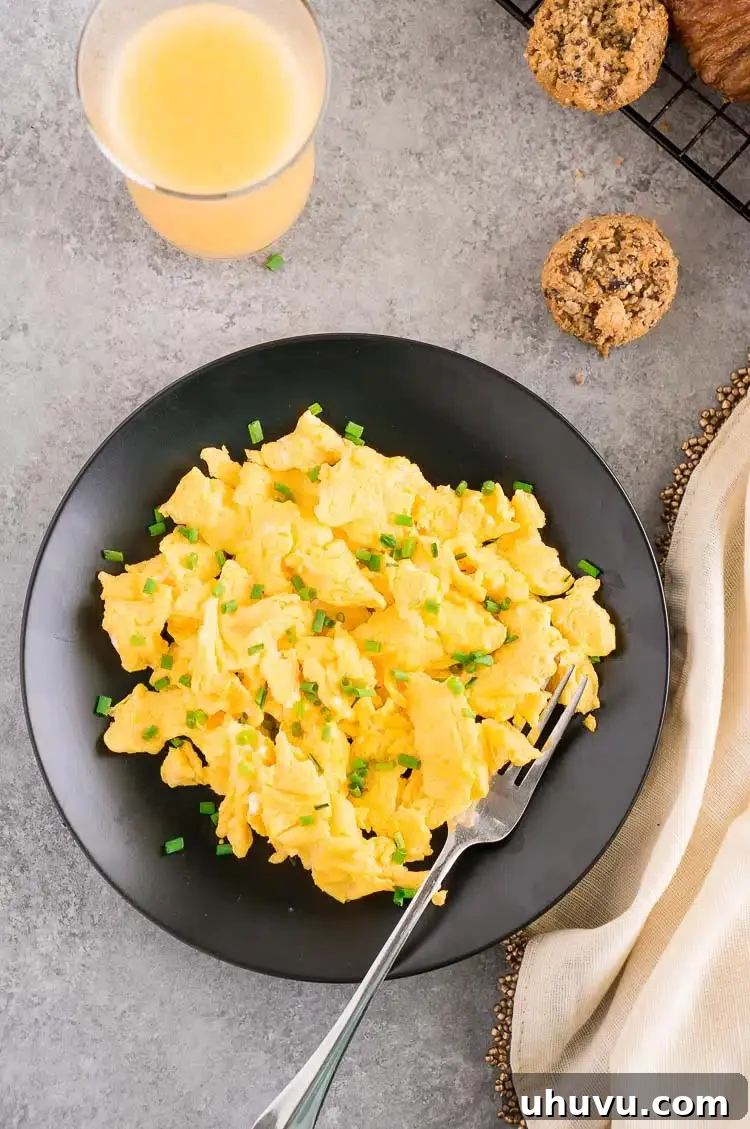
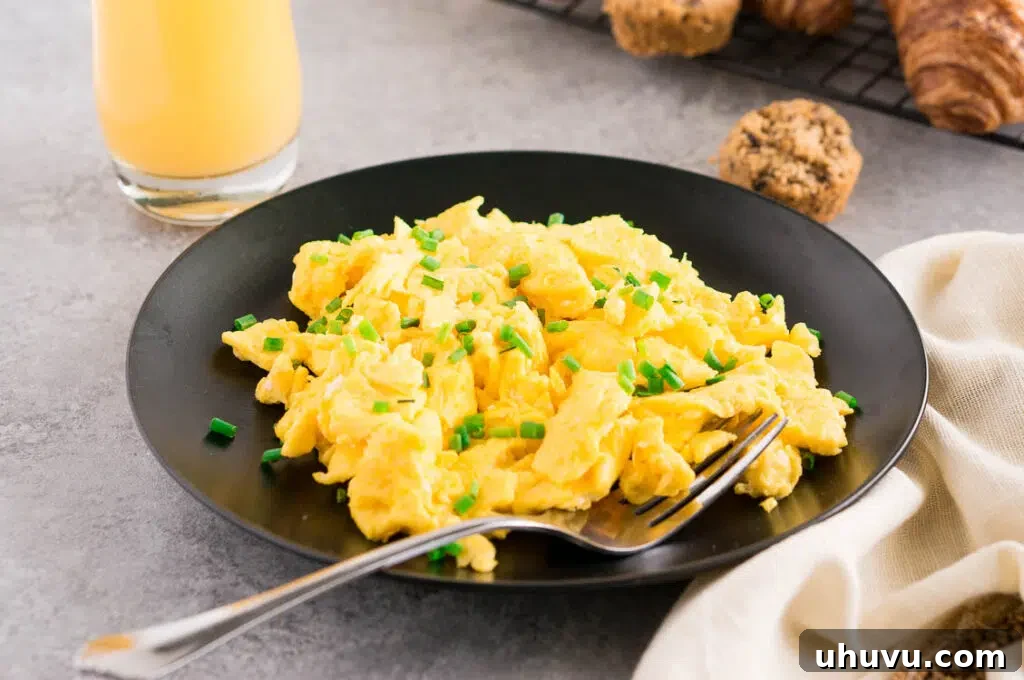
- Season and Serve Immediately: Transfer the perfectly scrambled eggs to warm plates. Season generously with salt and freshly ground black pepper to taste. You can also sprinkle with a pinch of cumin or paprika for added flavor, or fresh chopped chives for a touch of elegance. Serve them while they are still warm and wonderfully fluffy.
The Milk Debate: Should You Add Milk (or Water) to Scrambled Eggs?
This is a common question and a point of contention for many home cooks. The short answer is: No, you absolutely do not need to add milk, cream, or water to scrambled eggs for them to be fluffy and delicious. In fact, adding these liquids can often be detrimental to the final result.
Here’s why it’s best to skip the dairy (or water) in your scrambled eggs:
- Dilutes Flavor: Eggs have a beautiful, rich flavor on their own. Adding milk or water dilutes this natural taste, resulting in a blander dish. You’re essentially adding liquid that doesn’t contribute positively to the flavor profile.
- Impacts Texture Negatively: Instead of making eggs fluffier, milk can actually make them tough and rubbery. The water content in milk creates steam as it cooks, which can lead to larger, less delicate curds and a drier, more chewy texture. For truly fluffy eggs, incorporating air through whisking is far more effective.
- Affects Color: The addition of milk can also give your scrambled eggs a paler, less appetizing yellow color, making them look less vibrant and rich.
- Increases Cooking Time: With added liquid, the eggs take longer to cook down, increasing the risk of overcooking the solid egg proteins while you wait for the excess liquid to evaporate. This often results in dry, overdone eggs.
For creamy, rich scrambled eggs, butter is your best friend. It adds luxurious flavor and contributes to a smooth, tender texture without the downsides of added liquids.
Creative Scrambled Eggs Variations to Elevate Your Meal
While classic scrambled eggs are wonderful on their own, they also serve as a perfect canvas for culinary creativity. Don’t be afraid to experiment with different additions to customize your breakfast:
- Fresh Herbs: Finely chopped chives are a perennial favorite, adding a delicate oniony flavor and a pop of color. Consider other fresh herbs like parsley, dill, or even a touch of thyme or oregano for an aromatic twist. Add them towards the end of cooking or as a garnish.
- Vegetables: Boost nutrition and flavor with sautéed veggies. Think finely diced bell peppers, spinach (wilt it gently in the pan before adding eggs), mushrooms (sautéed until golden), or caramelized onions for a touch of sweetness. Ensure vegetables are cooked tender-crisp before the eggs are added, so they don’t release too much water.
- Cheeses: Incorporate a sprinkle of your favorite cheese for extra creaminess and flavor. Cheddar, Monterey Jack, Gruyere, feta, or goat cheese all work beautifully. Add cheese in the last minute of cooking, allowing it to melt into the warm eggs.
- Meats: For a heartier meal, mix in cooked and crumbled bacon, diced ham, cooked chorizo, or breakfast sausages. These savory additions pair exceptionally well with the eggs.
- Spices: Beyond salt and pepper, experiment with a pinch of garlic powder, onion powder, a dash of smoked paprika for warmth, or a tiny amount of cayenne pepper for a subtle kick. Cumin adds an earthy depth that’s popular in many cuisines.
Perfect Pairings: What to Serve with Fluffy Scrambled Eggs
These delightful fluffy scrambled eggs are a versatile dish that can be paired with a wide array of sides to create a complete and satisfying breakfast or brunch. Here are some fantastic serving suggestions:
- Fresh Fruits and Vegetables: Complement the richness of the eggs with fresh, vibrant produce. Think slices of creamy avocado, juicy berries (strawberries, blueberries), kiwi slices, or halved cherry tomatoes. A simple green salad can also be a refreshing addition.
- Savory Meats: For a classic hearty breakfast, serve alongside crispy oven-baked bacon, spicy chorizo, or savory breakfast sausages. These add a salty, umami contrast that’s deeply satisfying.
- Bread and Grains: A slice of perfectly toasted sourdough or whole-grain bread is a timeless pairing. For something more substantial, try serving the eggs with hash browns, crispy breakfast potatoes, or even a side of fluffy quinoa.
- Creative Meal Ideas: Transform your scrambled eggs into a portable and delicious meal. Fold them into breakfast burritos with beans and salsa, or tuck them into breakfast tacos with a dollop of sour cream and hot sauce. They also make an excellent filling for breakfast sandwiches or alongside a warm tortilla.
EXPERT TIPS FOR SCRAMBLED EGG PERFECTION
Recipe Notes and Tips for Making The Best Scrambled Eggs
Achieving truly great scrambled eggs isn’t difficult, but it does benefit from understanding a few key principles. Here are Neli’s kitchen secrets for consistently delicious results:
- Always Crack and Whisk in a Separate Bowl. This step is non-negotiable for a uniform scramble. Cracking eggs directly into the skillet can lead to uneven mixing, resulting in a “streaky” scramble with distinct whites and yolks. Whisk vigorously in a separate bowl until the whites and yolks are thoroughly blended and slightly frothy, incorporating air for maximum fluffiness.
- Avoid Adding Milk or Water. As discussed, adding any liquid dilutes the eggs’ natural flavor, generates steam, and can lead to a rubbery, dry texture. Stick to butter for richness and proper whisking for fluffiness.
- Invest in Quality Cookware. A good non-stick skillet is your best friend when making scrambled eggs. It ensures the eggs cook evenly and prevents them from sticking, allowing for easy folding and cleaning. Pair it with a flexible silicone or rubber spatula, which won’t scratch your pan and is perfect for gently manipulating the curds.
- Butter is Superior to Oil Alone. While a touch of oil can help prevent butter from burning, butter itself is essential. It adds an unparalleled richness and savory depth to the eggs, contributing to a wonderfully tender texture and glossy finish without diluting the egg flavor.
- Master Temperature Control – Don’t Cook Over High Heat. Cooking scrambled eggs too quickly over high heat is a common mistake that guarantees tough, rubbery results.
- For soft & creamy eggs, cook over medium-low heat. This slower cooking allows for smaller, more delicate curds.
- For the most perfectly fluffy scrambled eggs with a slightly firmer yet tender texture, opt for medium-high heat. The key here is quick but consistent movement to prevent overcooking.
- Add Salt to Eggs *After* They are Cooked. This is a crucial tip for texture. Salt draws out moisture from ingredients. If you add salt to raw eggs before cooking, it can prematurely break down the egg proteins, leading to drier, less tender eggs. Season your scrambled eggs generously just before serving for the best flavor and texture.
- Movement is Paramount. Once the eggs are poured into the preheated pan, allow them to set for a few seconds around the edges. Then, don’t leave them unattended! Use your non-stick spatula to gently and slowly push and turn the eggs over as they cook. This constant, gentle movement ensures even cooking, prevents browning, and helps form those desirable soft curds. If you don’t move the eggs around, they might brown on the bottom or overcook in certain spots.
- Embrace Carryover Cooking. The secret to perfectly moist and glossy scrambled eggs is removing them from the heat source while they are still slightly undercooked and visibly glossy. The hot pan will retain heat for a couple more minutes, continuing to gently cook the eggs off the burner. This “carryover cooking” prevents them from drying out and becoming rubbery, ensuring a flawless texture.
Beyond Scrambled: More Delicious Breakfast Recipe Ideas
If you’ve mastered the art of scrambled eggs and are looking for more exciting breakfast or brunch recipe ideas that feature eggs or are simply delicious ways to start your day, explore these other fantastic recipes:
- Perfect Hard Boiled Eggs – Learn the best tips & tricks for perfectly cooked eggs every time, including a handy time chart.
- Perfect Fried Egg – Simple yet sublime, master the art of the perfect runny yolk.
- Instant Pot Oatmeal – A quick and easy way to prepare creamy, healthy oatmeal.
- Avocado Toast – Elevate your breakfast with this trendy and nutritious classic.
- Sweet Potato Hash with Sausage and Eggs – A hearty and flavorful one-pan meal.
- Paleo Pancakes – A delicious and healthy gluten-free alternative for pancake lovers.
The Ultimate Fluffy and Moist Scrambled Eggs Recipe
Scrambled Eggs Recipe (Fluffy and Moist)
By: Neli Howard
Scrambled eggs can be a delicious and healthy breakfast item, but only when they are made correctly. Learn how to make light and fluffy scrambled eggs with this perfect tutorial and our best tips.
Prep Time: 3 minutes
Cook Time: 2 minutes
Total Time: 5 minutes
Servings: 4
Ingredients
- 8 large eggs
- 1 Tablespoon unsalted butter
- 1 Tablespoon olive oil
- Fresh chopped chives, optional (for garnish)
- Salt and freshly ground black pepper, to taste
Instructions
- Heat olive oil and butter in a non-stick skillet over medium-high heat until the butter is melted and slightly foaming.
- Crack eggs into a small mixing bowl. Whisk them vigorously with a whisk or fork until thoroughly blended and slightly frothy, ensuring no streaks remain.
- Pour the whisked eggs into the hot skillet. Allow the edges to set for a few seconds. Using a silicone spatula, gently fold and push the eggs from the edges to the center of the pan, allowing large, soft curds to form. Continue this gentle motion until no visible liquid egg remains, but the eggs are still moist and glossy.
- Remove the pan immediately from the heat. The residual heat will continue to cook the eggs to perfection.
- Serve the scrambled eggs while still warm. Season generously with salt and freshly ground black pepper. Garnish with fresh chopped chives if desired.
Nutrition (Estimated per serving)
Calories: 182 kcal
Carbohydrates: 1g
Protein: 11g
Fat: 15g
Saturated Fat: 5g
Cholesterol: 335mg
Sodium: 150mg
Potassium: 121mg
Sugar: 1g
Vitamin A: 564IU
Calcium: 49mg
Iron: 2mg
Nutrition Disclaimer: Nutritional values are estimates and may vary with ingredients, brands, and portion sizes. For accuracy, use your preferred nutrition calculator.
Enjoyed this recipe? Share your thoughts below!