
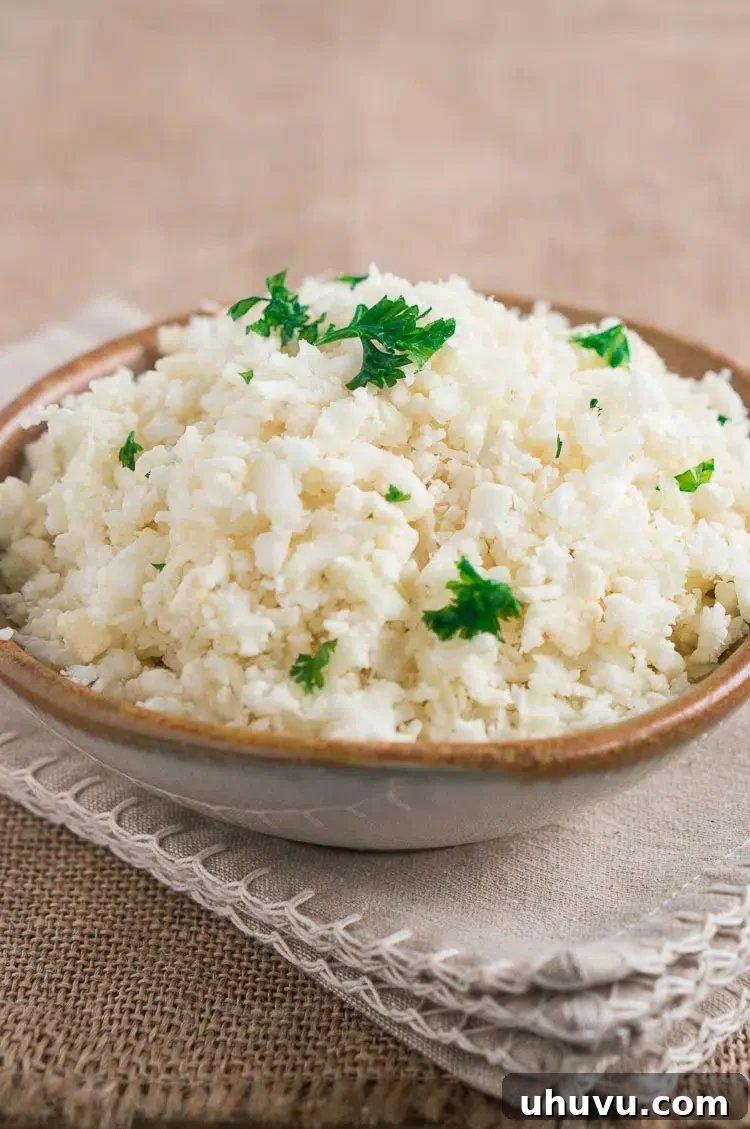
Cauliflower rice has emerged as a culinary sensation, captivating the interest of health enthusiasts, home cooks, and professional chefs alike. Its meteoric rise in popularity is no surprise, offering a remarkably versatile, naturally gluten-free, and low-carb alternative to traditional starchy sides such as mashed potatoes, white rice, and even pizza crust. Once you master the simple techniques of preparing and cooking cauliflower rice, a world of delicious, wholesome, and inventive recipes opens up, empowering you to create satisfying meals that align with your dietary goals.
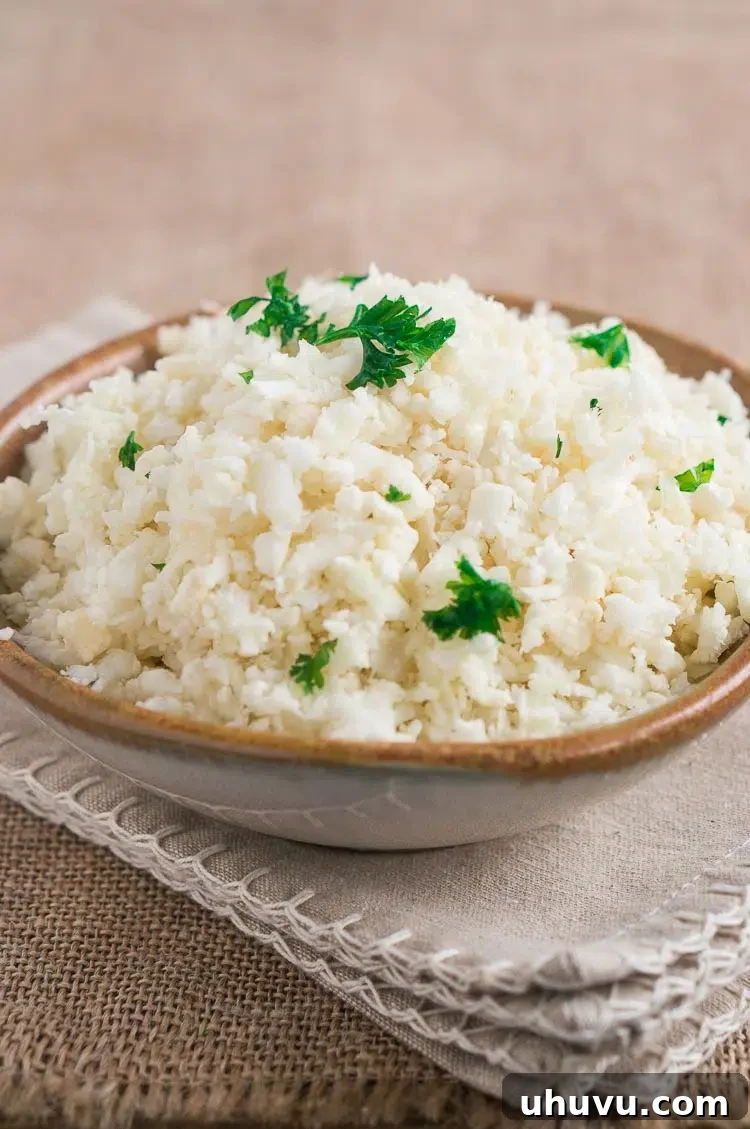
How To Make Cauliflower Rice from Scratch
Transforming a head of cauliflower into a rice-like texture is surprisingly simple, primarily involving finely processed raw cauliflower florets. There are several effective methods you can employ to “rice” cauliflower, catering to different kitchen tools and preferences:
- Chop by Hand: For those who prefer a hands-on approach or don’t own a specialized gadget, a large chef’s knife can be your best friend. Carefully chop the cauliflower florets into tiny pieces, aiming for a consistency similar to rice grains. This method requires patience but yields excellent results, allowing for precise control over the texture.
- Grate with a Grater: A standard box grater or handheld grater offers another straightforward way to create cauliflower rice. Using the larger holes of the grater, simply grate the cauliflower florets. Larger florets are generally easier to handle and grate efficiently. This method is quick and requires minimal cleanup.
- Process with a Food Processor or Blender: For speed and uniformity, a food processor is undoubtedly the most efficient tool. Place small batches of cauliflower florets into your food processor and pulse several times until they resemble small rice grains. Avoid over-processing, which can turn the cauliflower into a mushy paste. If you don’t have a food processor, a blender can also work, but you may need to add a splash of water and blend in very small batches, periodically scraping down the sides to ensure even processing.
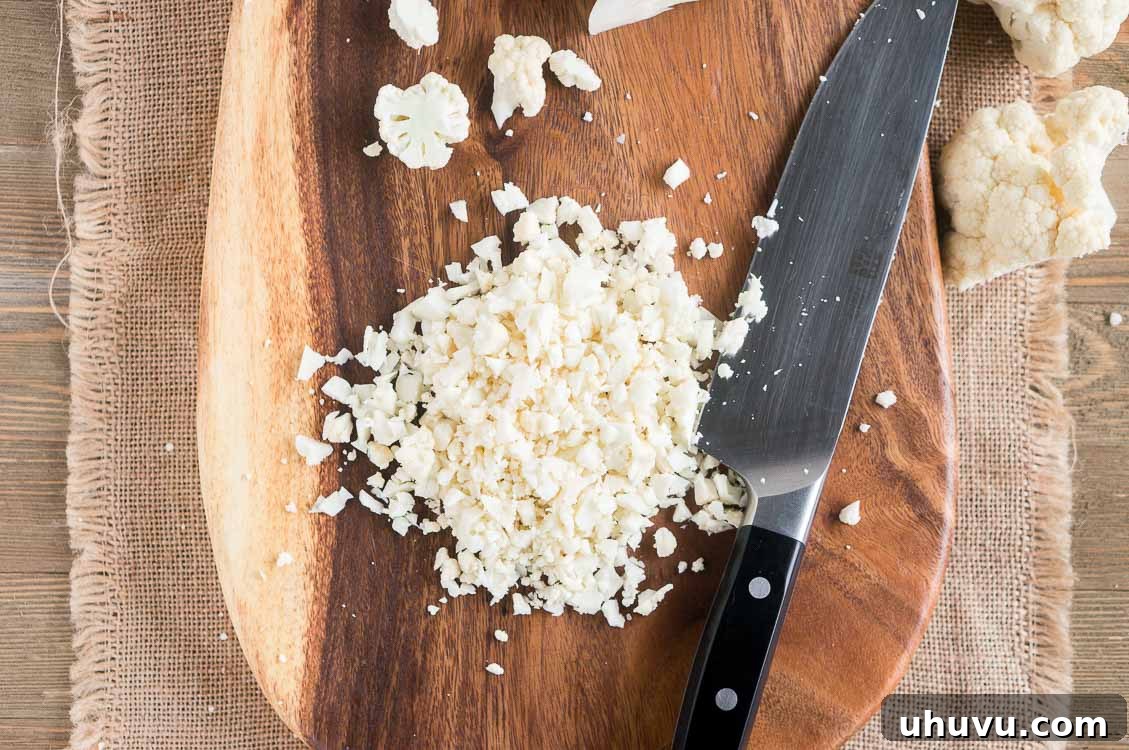
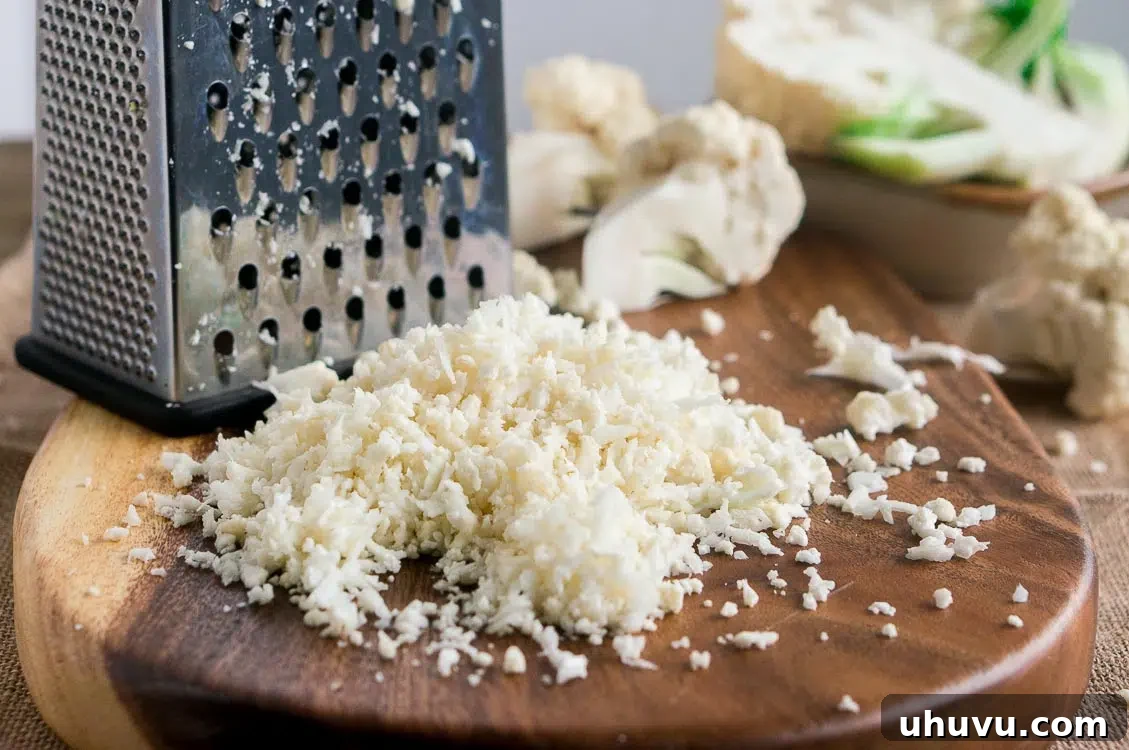
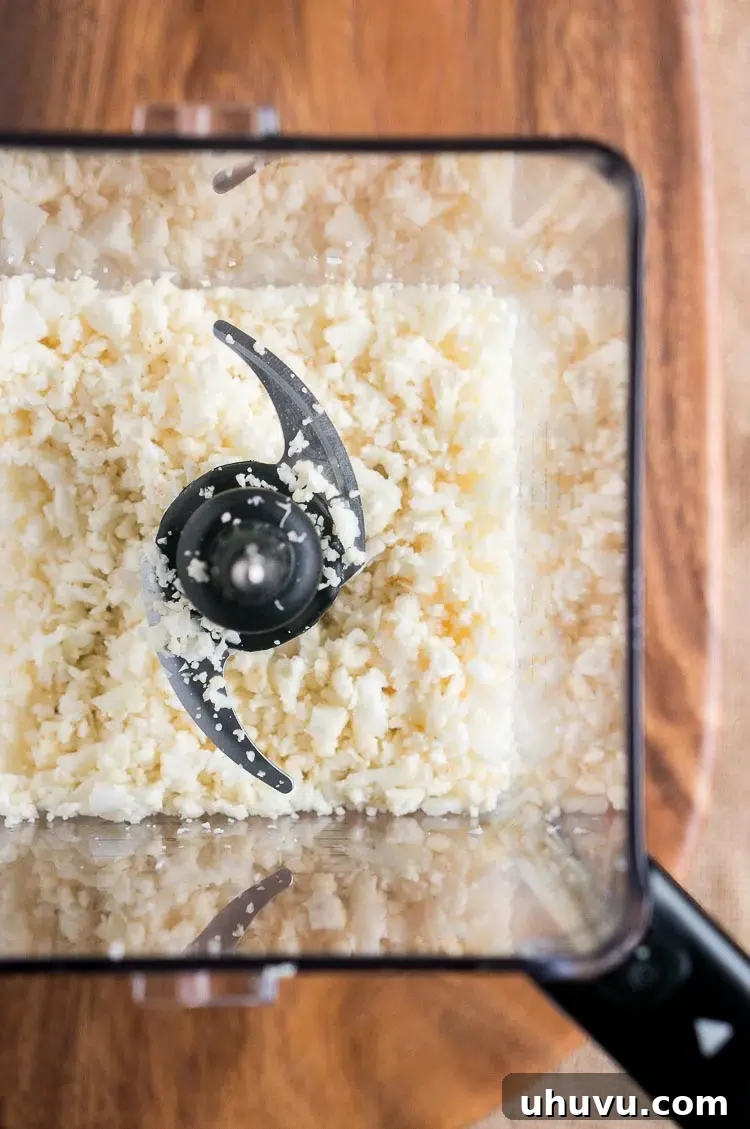
While a food processor offers the quickest and most consistent results, it’s absolutely possible to create delicious cauliflower rice without one. The key is to select the method that best suits your equipment and time constraints.
Easy Cauliflower Rice Recipe (Food Processor Method)
For a truly effortless approach to riced cauliflower, the food processor is your best bet. Follow these simple steps for perfect results every time:
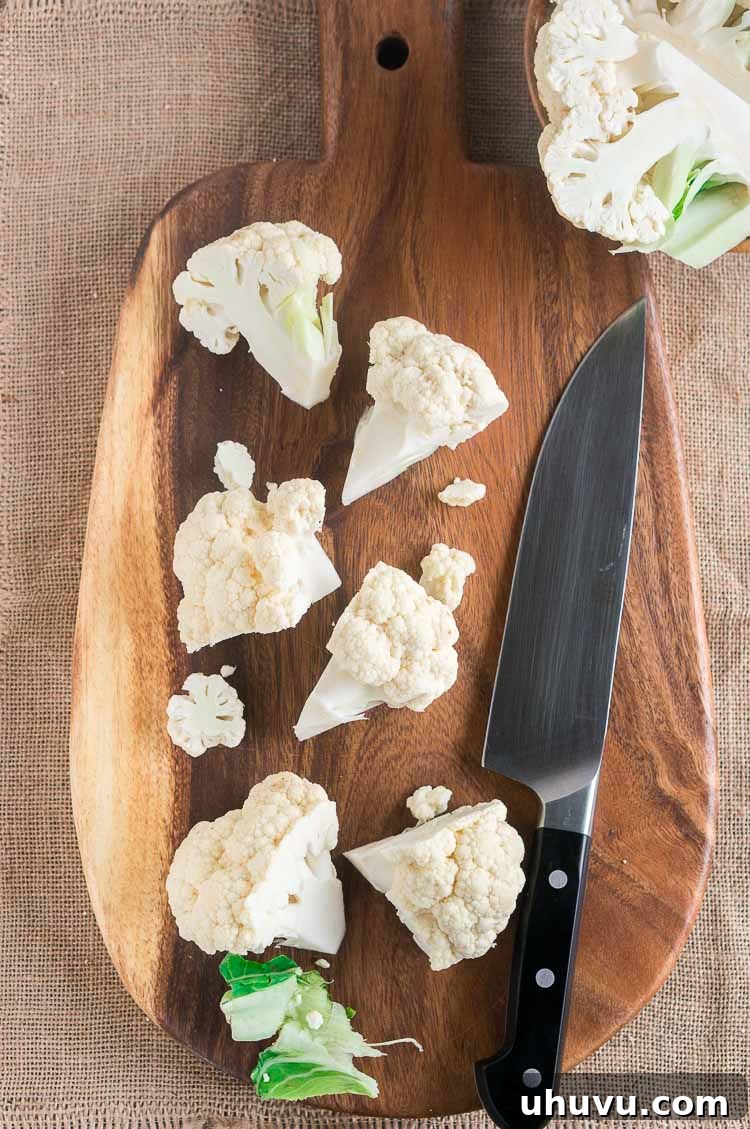
- Prepare the Cauliflower: Begin by washing a fresh head of cauliflower thoroughly. Use a sharp knife to remove the thick stem and any outer leaves. Then, cut the cauliflower into smaller, manageable florets. These pieces should be small enough to fit comfortably into the feeding tube of your food processor.
- Process in Batches: Attach the grating plate (or the S-blade for a finer chop) to your food processor. Add the cauliflower florets in batches, ensuring you don’t overfill the bowl (no more than ¾ full). Overfilling can lead to uneven processing.
- Pulse to Perfection: With the food processor running on full speed, pulse the cauliflower until it breaks down into small, rice-sized grains. This usually takes just a few seconds of pulsing. Be careful not to over-process, as it can quickly turn into a paste. If using the S-blade, you may need to stop and scrape down the sides of the bowl once or twice to ensure all pieces are uniformly processed. The resulting texture will wonderfully mimic traditional rice, giving this healthy alternative its name!
How To Make Cauliflower Rice Without a Food Processor
No food processor? No problem! You can still easily make fresh cauliflower rice with a few basic kitchen tools:
- Prep the Cauliflower: Follow step 1 from the food processor method: wash the raw cauliflower, remove the stem and leaves, and cut it into smaller florets.
- Grating: For the most consistent texture without a food processor, use a handheld vegetable grater. A sturdy box grater with its larger holes or a dedicated handheld grater will work perfectly. Simply grate the cauliflower florets directly into a bowl. This method produces beautifully textured “rice” that’s ready for cooking.
- Finely Chopping (Alternative): If you don’t have a grater either, you can meticulously chop the florets into very fine, rice-sized pieces using a sharp chef’s knife. This takes more time and precision but is entirely feasible.
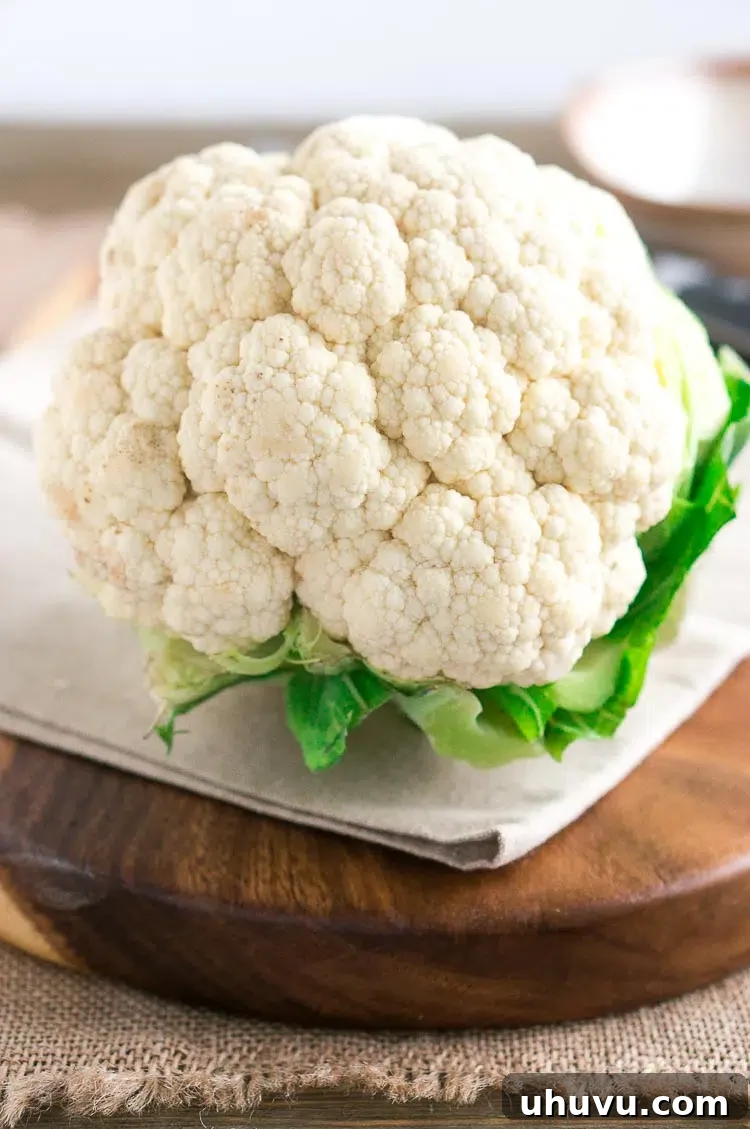
How to Cook Cauliflower Rice for Optimal Flavor and Texture
Cooking cauliflower rice is a remarkably quick and simple process, making it ideal for busy weeknights. The goal is to achieve a tender-crisp texture without allowing it to become soggy. Here’s the most popular and effective method, along with some tips for success:
Sautéing Method:
- Heat the Pan: In a large skillet or non-stick pan, heat 1 tablespoon of olive oil (or butter for a richer flavor) over medium heat.
- Add Cauliflower Rice: Once the oil is shimmering, add the raw cauliflower rice to the skillet.
- Season and Sauté: Season immediately with a pinch of salt and freshly ground black pepper. You can also add your favorite seasonings, such as garlic powder, onion powder, paprika, or a blend of Italian herbs, to enhance the flavor. Stir the cauliflower rice to coat it evenly with the oil and seasonings.
- Cover and Cook: Cover the skillet with a lid. This helps to steam the cauliflower rice, making it more tender without drying it out. Cook for approximately 5-7 minutes, stirring occasionally to ensure even cooking and prevent sticking.
- Check for Doneness: The cauliflower rice is ready when it is tender but still retains a slight bite – avoid overcooking to prevent a mushy texture.
- Serve: Serve warm as a delicious side dish or as a base for your favorite meals.
Tips for Perfect Cauliflower Rice:
- Avoid Overcrowding: Cook cauliflower rice in batches if necessary, especially if you’re making a large quantity. Overcrowding the pan can lead to steaming instead of sautéing, resulting in soggy rice.
- Control Moisture: Cauliflower contains a lot of water. After ricing, you can lightly pat it dry with a paper towel, especially if you notice excess moisture, to help achieve a firmer texture when cooked.
- Flavor Variations: Experiment with different flavor profiles. Sautéing with minced garlic, ginger, or a squeeze of lemon juice after cooking can add brightness and depth.
- Microwave Method: For an even faster option, you can microwave cauliflower rice. Place it in a microwave-safe bowl, cover with plastic wrap (leaving a small vent), and microwave on high for 2-3 minutes, stirring halfway, until tender-crisp.
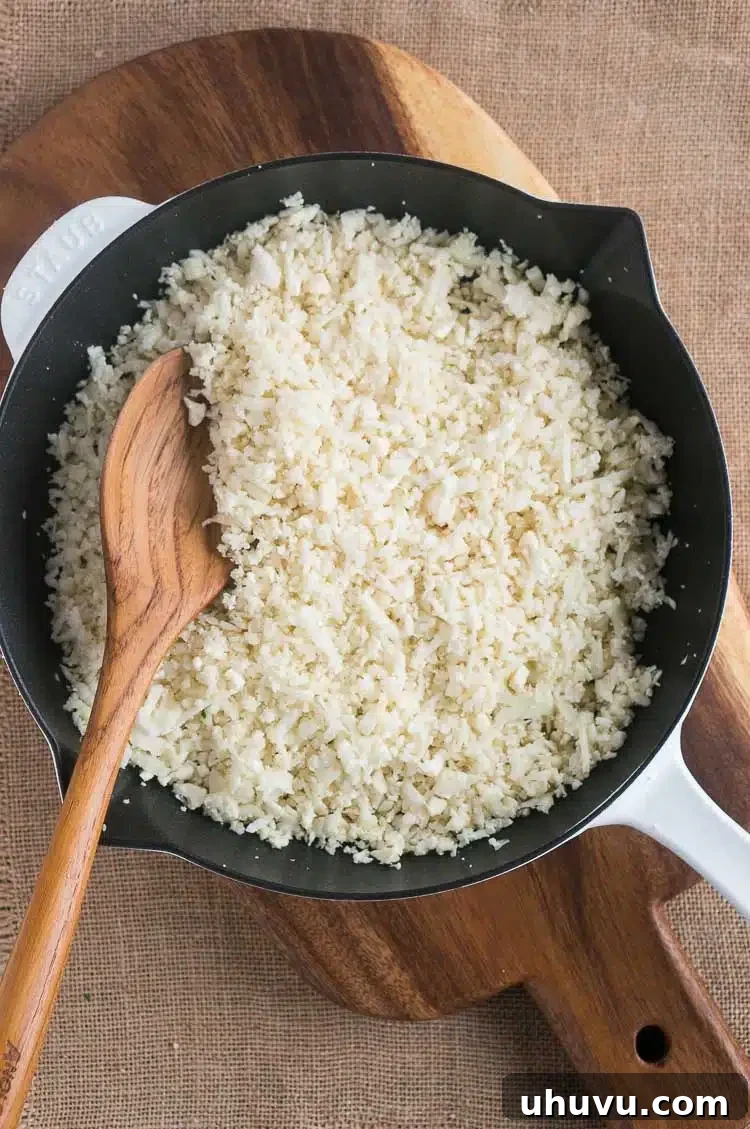
Creative Ways To Use Cauliflower Rice in Your Meals
Once you’ve mastered making and cooking cauliflower rice, its true potential as an incredibly versatile ingredient shines. Its mild flavor and texture make it a chameleon in the kitchen, ready to replace traditional grains in countless dishes. Here are some delicious and innovative ways to incorporate cauliflower rice into your daily meals:
- Burrito Bowls: Create vibrant and satisfying burrito bowls by using cauliflower rice as the base. Top it with seasoned chicken or beef, black beans, corn salsa, avocado, shredded lettuce, and a dollop of Greek yogurt or sour cream for a lightened-up, flavor-packed meal.
- Stir-Fries: Replace traditional rice with cauliflower rice in your favorite stir-fry recipes. Sauté it with colorful vegetables, your choice of protein (chicken, shrimp, tofu), and a savory stir-fry sauce for a quick, healthy, and low-carb dinner.
- Casseroles: Integrate cauliflower rice into hearty casseroles. It blends seamlessly into dishes like chicken and broccoli casserole, tuna noodle casserole, or cheesy baked dishes, adding bulk and nutrition without the extra carbs.
- Pizza Crust: One of the most popular uses is transforming it into a healthy, gluten-free pizza crust. This ingenious application allows you to enjoy pizza while adhering to low-carb or gluten-free diets.
- Shrimp and Cauliflower Rice Skillet: Combine cooked shrimp with seasoned cauliflower rice, bell peppers, onions, and your favorite spices for a quick and easy one-pan meal.
- Fried Rice: Mimic the classic comfort food by making cauliflower fried rice. Sauté it with soy sauce, eggs, peas, carrots, and sesame oil for a lighter, veggie-packed version.
- Stuffing/Dressing: Use it as a healthier alternative in holiday stuffing or savory dressings, absorbing all the delicious flavors of herbs and broth.
- Sushi Bowls: For a deconstructed sushi experience, use seasoned cauliflower rice as the base, topped with fresh fish (sashimi-grade), avocado, cucumber, nori, and a drizzle of soy sauce.
What To Serve Cauliflower Rice With: Perfect Pairings
Cauliflower rice isn’t just a healthy substitute; it’s a fantastic staple that pairs beautifully with a wide array of main courses, making it perfect for busy weeknights or elaborate feasts. Its mild flavor allows it to complement almost any dish without overpowering it. Consider serving it with some of these delicious and satisfying low-carb recipes:
- Grilled & Roasted Meats: Its light texture is an excellent counterpoint to rich, grilled proteins like juicy steaks, tender lamb chops, or perfectly roasted chicken.
- Flavorful Fish & Seafood: Pair it with dishes like Honey Sriracha Salmon, succulent baked cod, or garlic butter shrimp. The cauliflower rice absorbs the delicious sauces, creating a complete and balanced meal.
- Chicken Dinners: It’s a natural accompaniment to classic chicken dishes such as Chicken Piccata, Creamy Chicken Marsala, or simple roasted chicken breasts.
- Curries & Stews: For a hearty meal, serve cauliflower rice alongside rich curries, chili, or stews, where it soaks up the savory broth and spices beautifully.
- Vibrant Salsas: Enjoy it with vibrant toppings like Blackened Salmon with Mango Avocado Salsa for a refreshing and nutritious combination.
These pairings highlight how cauliflower rice effortlessly integrates into a variety of cuisines, offering a delicious, low-carb, and often gluten-free foundation for your meals, helping you stay on track with your dietary goals without sacrificing flavor.
How To Store Cauliflower Rice: Fresh and Frozen
Proper storage of cauliflower rice is key to maximizing its freshness and convenience. Whether you plan to use it within a few days or save it for future meals, these tips ensure your cauliflower rice remains delicious and ready to cook.
Refrigeration:
You can store freshly made (raw or cooked) cauliflower rice in an airtight container in the fridge for up to 4 days. This makes it perfect for meal prepping a few days in advance. Ensure it’s completely cooled before storing if it has been cooked, to prevent condensation and sogginess.
Freezing for Long-Term Storage:
For longer-term storage, freezing is an excellent option, allowing you to have prepped cauliflower rice on hand for months. You can portion it out into ziplock bags or freezer-safe containers and store it in the freezer for 4-6 months.
To cook frozen cauliflower rice: There’s no need to thaw it completely beforehand. Simply heat a tablespoon of oil in a large skillet, add the frozen “rice,” cover, and cook for about 5-7 minutes, stirring occasionally, until tender. Alternatively, you can allow it to thaw in the fridge overnight for quicker cooking.
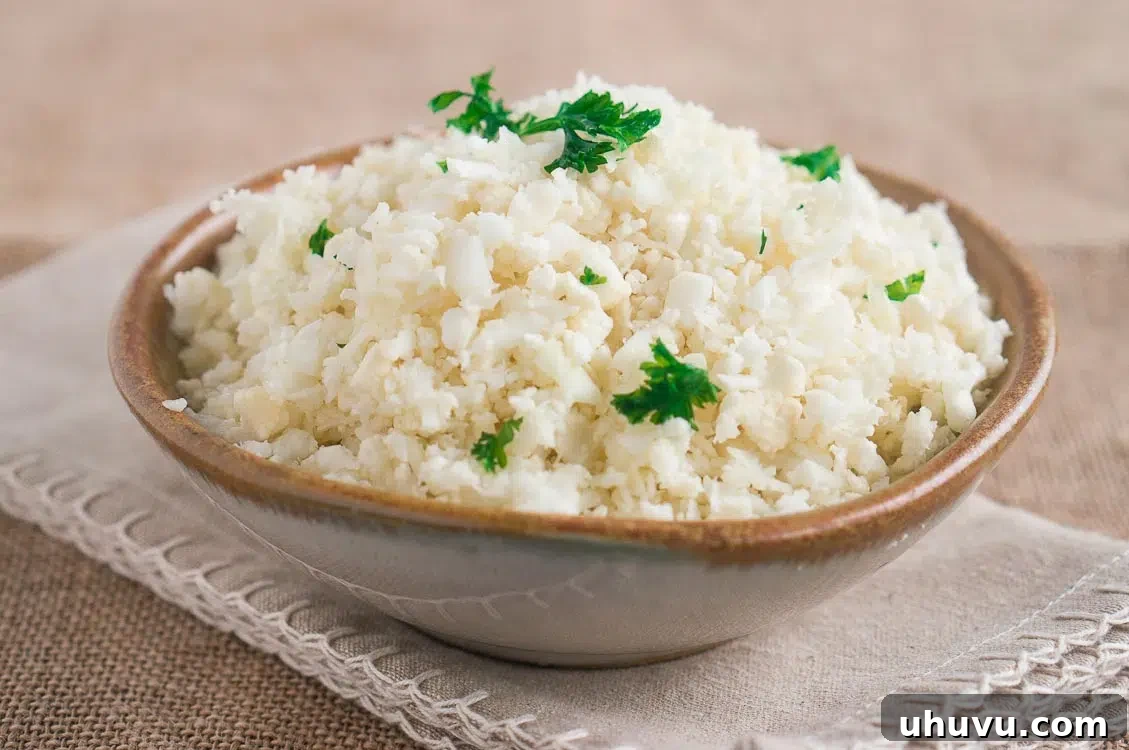
How To Freeze Cauliflower Rice for Future Convenience
Freezing raw cauliflower rice is an excellent strategy for meal prepping and ensures you always have a healthy option on hand. Properly frozen, it can last for several months without losing quality. Follow these steps for best results:
- Prepare and Dry: After you have riced the cauliflower using your preferred method, it’s crucial to pat it dry thoroughly with paper towels. Removing excess moisture is vital to prevent ice crystals from forming and making the rice soggy once thawed and cooked.
- Portioning: Divide the cauliflower rice into individual meal-sized portions. This makes it convenient to grab exactly what you need without thawing a whole batch.
- Bag and Seal: Scoop each portion into freezer-safe ziplock bags. Press out as much air as possible from the bags before sealing them. Less air helps prevent freezer burn. Alternatively, you can use plastic or glass freezer containers if you prefer.
- Labeling: Clearly label each bag or container with the date and the quantity (e.g., “Cauliflower Rice – 1 cup – 01/24”). This helps with inventory management. You can safely freeze cauliflower rice for up to 6 months.
- Optimize Storage: For easier and more efficient storage in your freezer, flatten the ziplock bags out before freezing. This allows you to stack them neatly on top of each other, minimizing the amount of space required.
When you’re ready to cook, you have a couple of options: you can remove it from the freezer the night before and allow it to thaw in the refrigerator, or if you’re in a hurry, simply allow the frozen cauliflower rice to thaw for about 10 minutes at room temperature before adding it to a hot pan. This slight thaw helps it cook more evenly.
Where To Buy Riced Cauliflower (Premade Options)
While making cauliflower rice from scratch is simple and cost-effective, its soaring popularity means you can now easily purchase premade versions in most grocery stores. This offers unparalleled convenience for those days when time is short or you simply prefer not to deal with the prepping process.
Major retailers and specialty stores widely stock riced cauliflower:
- Trader Joe’s: A pioneer in making riced cauliflower accessible, Trader Joe’s typically offers both refrigerated (fresh) and frozen cauliflower rice options. Their versions are known for being convenient and high-quality.
- Green Giant: Look for Green Giant’s Cauliflower Rice in the freezer aisle for a ready-to-cook option, or their Green Giant Fresh cauliflower rice in the refrigerated produce section.
- Other Grocery Stores: You’ll also find riced cauliflower at large supermarket chains like Costco, Publix, Walmart, Kroger, and most health-focused food stores. These typically carry their own brands or other national brands in both fresh and frozen formats.
Buying premade riced cauliflower is an excellent, healthy alternative when you don’t have the time or tools to make your own. Just be sure to check the ingredients list to ensure it’s plain cauliflower without added sauces or preservatives, especially if you’re managing specific dietary needs.
More Healthy Cauliflower Recipes to Explore
Cauliflower’s versatility extends far beyond just rice. Its mild flavor and adaptable texture make it a star ingredient in a multitude of healthy dishes. If you’re looking to explore more creative and nutritious ways to enjoy this incredible vegetable, consider trying these fantastic recipes:
- Easy Loaded Cauliflower Bake: A comforting and cheesy dish that transforms cauliflower into a hearty, satisfying casserole, perfect as a side or a light main.
- Roasted Garlic Cauliflower: Simple yet incredibly flavorful, roasting brings out the natural sweetness of cauliflower, especially when paired with aromatic garlic.
- Easy Cauliflower Soup: A creamy and wholesome soup that’s surprisingly rich and comforting, ideal for a light lunch or starter.
The Health Benefits of Cauliflower Rice
Beyond its culinary versatility, cauliflower rice stands out as a nutritional powerhouse, offering numerous health benefits that make it an excellent addition to almost any diet. Understanding these benefits can further motivate you to incorporate this fantastic vegetable into your meals:
- Low in Calories: Cauliflower rice is significantly lower in calories than traditional grains like white or brown rice, making it a great choice for weight management.
- Low-Carb and Keto-Friendly: For those following ketogenic, low-carb, or paleo diets, cauliflower rice is an ideal substitute, helping to reduce carbohydrate intake without sacrificing meal satisfaction.
- Rich in Fiber: Cauliflower is an excellent source of dietary fiber, which is crucial for digestive health, promoting regularity, and contributing to a feeling of fullness.
- Packed with Vitamins and Minerals: It’s loaded with essential nutrients, including Vitamin C (a powerful antioxidant), Vitamin K (important for blood clotting and bone health), and B vitamins (vital for energy metabolism). It also provides minerals like potassium and manganese.
- Antioxidants and Anti-inflammatory Properties: Cauliflower contains various antioxidants, including sulforaphane and glucosinolates, which may help protect your body from harmful free radicals and reduce inflammation.
- Supports Heart Health: The fiber and potassium content in cauliflower contribute to cardiovascular health by helping to regulate blood pressure and cholesterol levels.
By choosing cauliflower rice, you’re not just enjoying a tasty meal; you’re actively supporting your health with every delicious bite.
If you enjoyed this comprehensive guide to cauliflower rice or any other recipe on my blog, please consider leaving a ⭐ star rating and sharing your experience in the 📝 comments below. Your feedback is greatly appreciated! Thanks for visiting!
Pin this now to find it later
Pin It

Rated 5 out of 5 stars by 8 users
Cauliflower Rice
Neli Howard
10 minutes
5 minutes
15 minutes
6
Print Recipe
Save This Recipe
Enter your email and we’ll send the recipe directly to you!
By providing your email, you consent to receive emails from Delicious Meets Healthy.
Ingredients
- 1 head cauliflower, any size
- 1 Tablespoon olive oil (or butter)
- salt or seasonings (optional)
Instructions
-
Cut the cauliflower into quarters and trim out the inner core from each piece. Cut into smaller florets that can fit in a food processor.
-
Transfer the cauliflower florets to a food processor with the blade attachment and don’t overfill it, no more than 3/4 full.
-
Process the cauliflower in 1-second pulses until it’s broken down into rice-like grains.
-
Heat olive oil in a large skillet over medium heat. Add cauliflower rice to the skillet, season with salt, pepper, and favorite seasonings, stir and cover with a lid. Cook for about 5-7 minutes, stirring occasionally until the riced cauliflower is tender. Serve warm or refrigerate for up to 4 days.
Notes
How To Freeze Cauliflower Rice
- Once you have riced the cauliflower, make sure to pat it dry to remove excess moisture.
- Portion out the quantity of cauliflower rice needed for each meal and scoop it into freezer-safe bags or containers.
- Squeeze the air out of each bag and seal it tightly.
- Label each bag with the date and quantity. Cauliflower rice can be frozen for up to 6 months.
- For easier storage, flatten the bags and stack them in the freezer to minimize space.
How To Store Cauliflower Rice
You can store cauliflower rice in the fridge for up to 4 days, or portion it out in ziplock bags and store it in the freezer for 4-6 months.
Nutrition Information (per serving)
Calories: 25 kcal | Fat: 2g | Sodium: 5mg | Potassium: 53mg | Vitamin C: 8.6mg | Calcium: 4mg | Iron: 0.1mg
Nutrition Disclaimer: Nutritional values are estimates and may vary with ingredients, brands, and portion sizes. For accuracy, use your preferred nutrition calculator.