
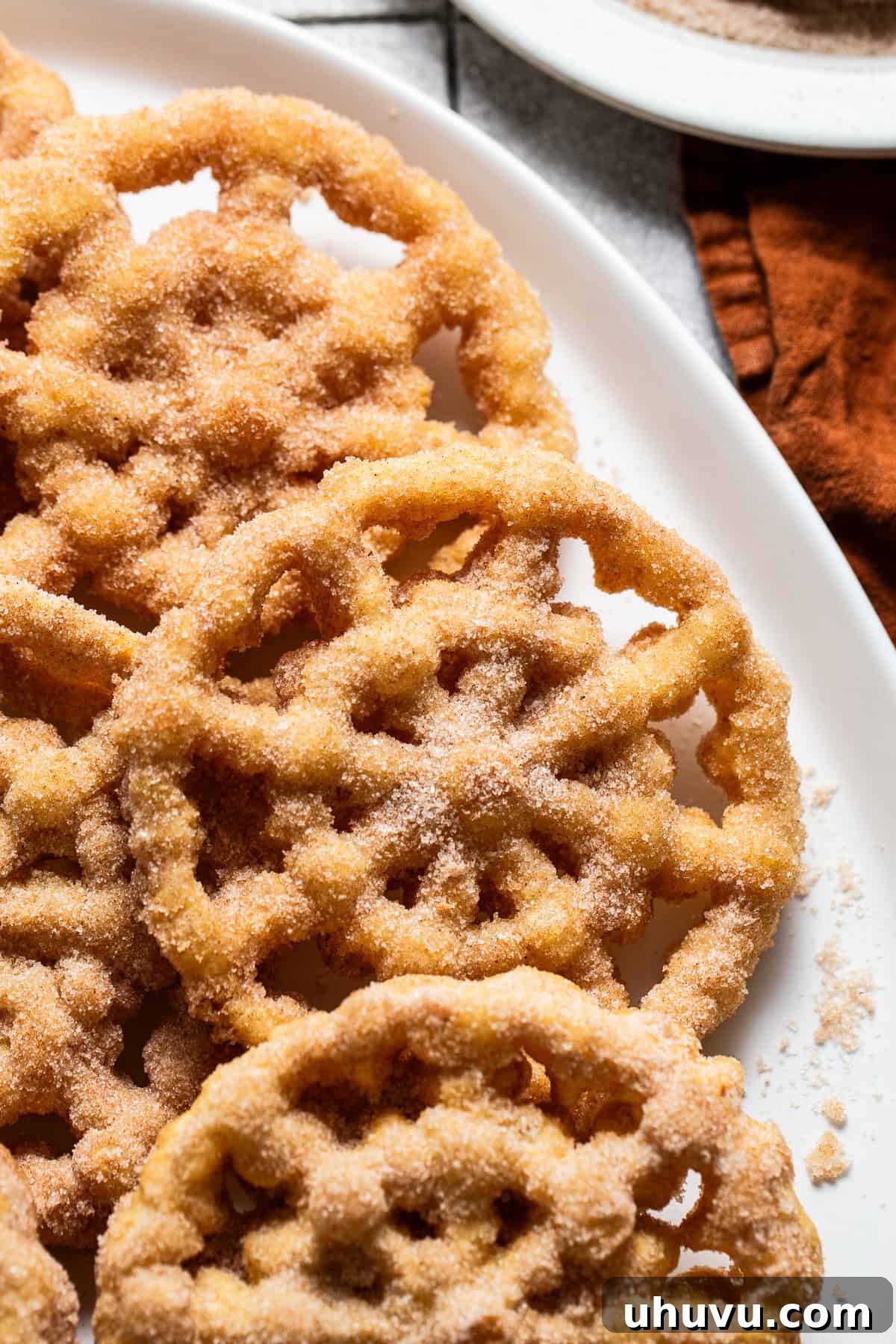
Delight in the exquisite crunch of Buñuelos de Viento, a beloved traditional Mexican fritter that captures the spirit of festive celebrations. These light, airy, and wonderfully crispy treats are expertly fried using a special rosette-shaped iron mold, then generously coated in a shimmering layer of cinnamon sugar. While they are a quintessential part of Christmas and New Year’s festivities, their simple, pantry-staple ingredients mean they can bring a touch of Mexican joy to your table any time of the year. Prepare to embark on a culinary journey that combines fascinating technique with irresistible flavor, making these buñuelos a memorable addition to any dessert repertoire.
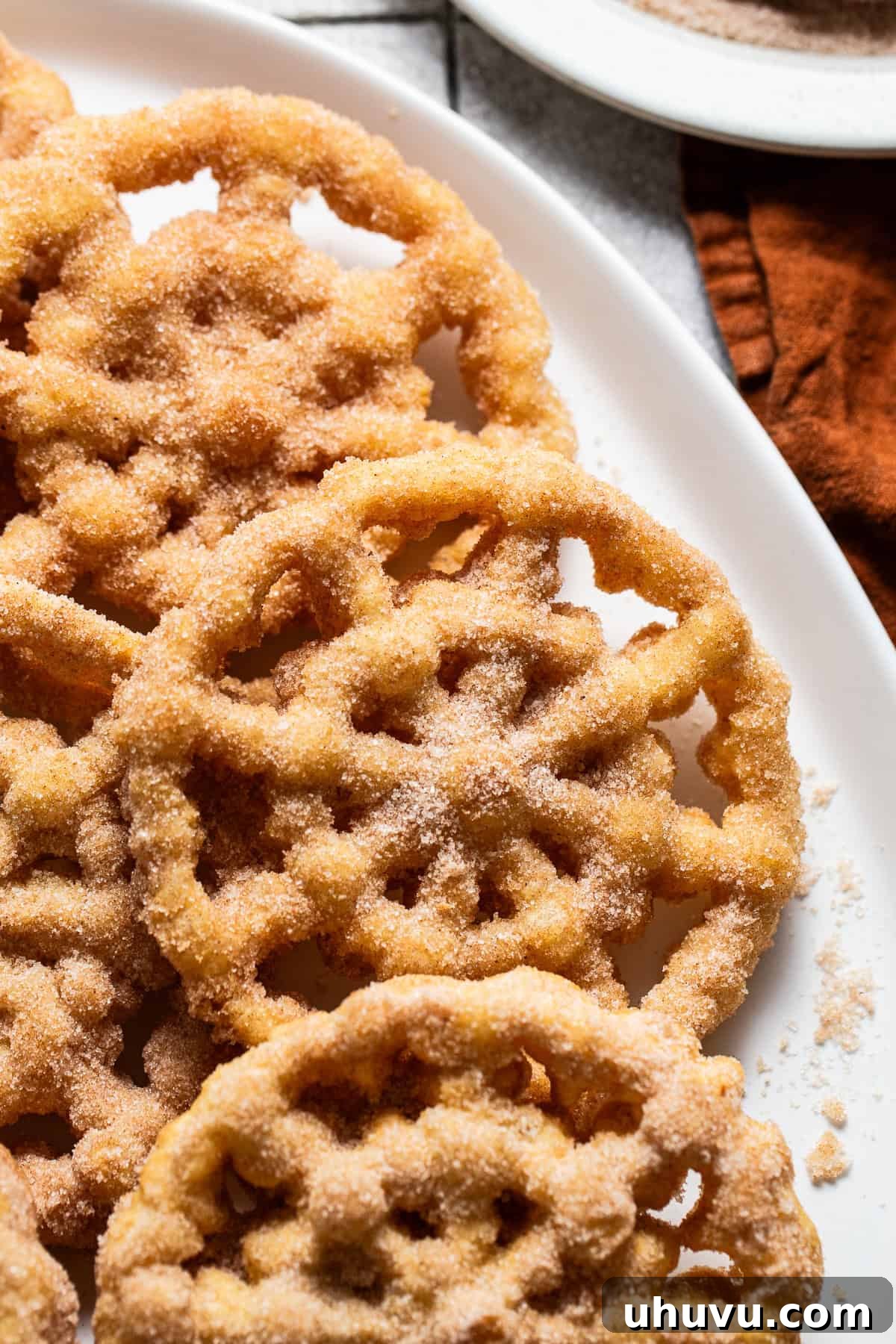
In many Mexican households, Christmas and New Year’s Eve are synonymous with a grand feast, a lavish spread of traditional Mexican delicacies that tell stories of generations. My own family often dedicates these special occasions to preparing a vibrant array of dishes, from savory tamales and hearty pozole to the comforting warmth of ponche. Some years, amidst all the cooking and celebration, we also dedicate time to creating towering stacks of buñuelos.
Growing up, my sisters, who spent their early years in Mexico, would often reminisce about the delicate Buñuelos de Viento they adored. These differed slightly from the buñuelos that became a staple of my childhood and that my family continues to prepare. The distinction lies primarily in their preparation and unique, delicate texture.
Buñuelos de Viento, meaning “wind fritters,” are truly special because they are crafted with a distinctive iron mold, typically shaped like an intricate rosette or a star. This unique tool is key to their signature ethereal texture. The resulting fritters are incredibly light, wonderfully crispy, and possess a melt-in-your-mouth quality that is utterly delightful. Once you try them, it’s easy to see why they are such a beloved treat!
Why This Buñuelos de Viento Recipe Shines
- Effortless Ingredients: You’ll be amazed at how such an impressive dessert can be created from humble pantry staples. The simple batter relies on everyday items such as all-purpose flour, granulated sugar, a pinch of salt, fresh milk, and a splash of fragrant vanilla extract. These readily available ingredients make whipping up a batch of buñuelos convenient and accessible.
- A Joyful Culinary Experience: While the technique of using the rosette iron might take a couple of attempts to master, the process itself is half the fun! There’s a certain magic in watching the delicate batter transform into beautiful, intricate shapes right before your eyes. Beyond the delicious outcome, the act of making Buñuelos de Viento becomes a cherished memory, especially when shared with family and friends. Plus, their elaborate appearance makes them a show-stopping dessert, sure to impress any guest.
- Perfect for Any Occasion: Although traditionally linked with holidays, the simple yet profound flavors of cinnamon and sugar, combined with their light texture, make Buñuelos de Viento a fantastic dessert or snack for any gathering, special occasion, or simply a cozy afternoon treat.
Understanding Buñuelos de Viento: A Glimpse into Mexican Tradition
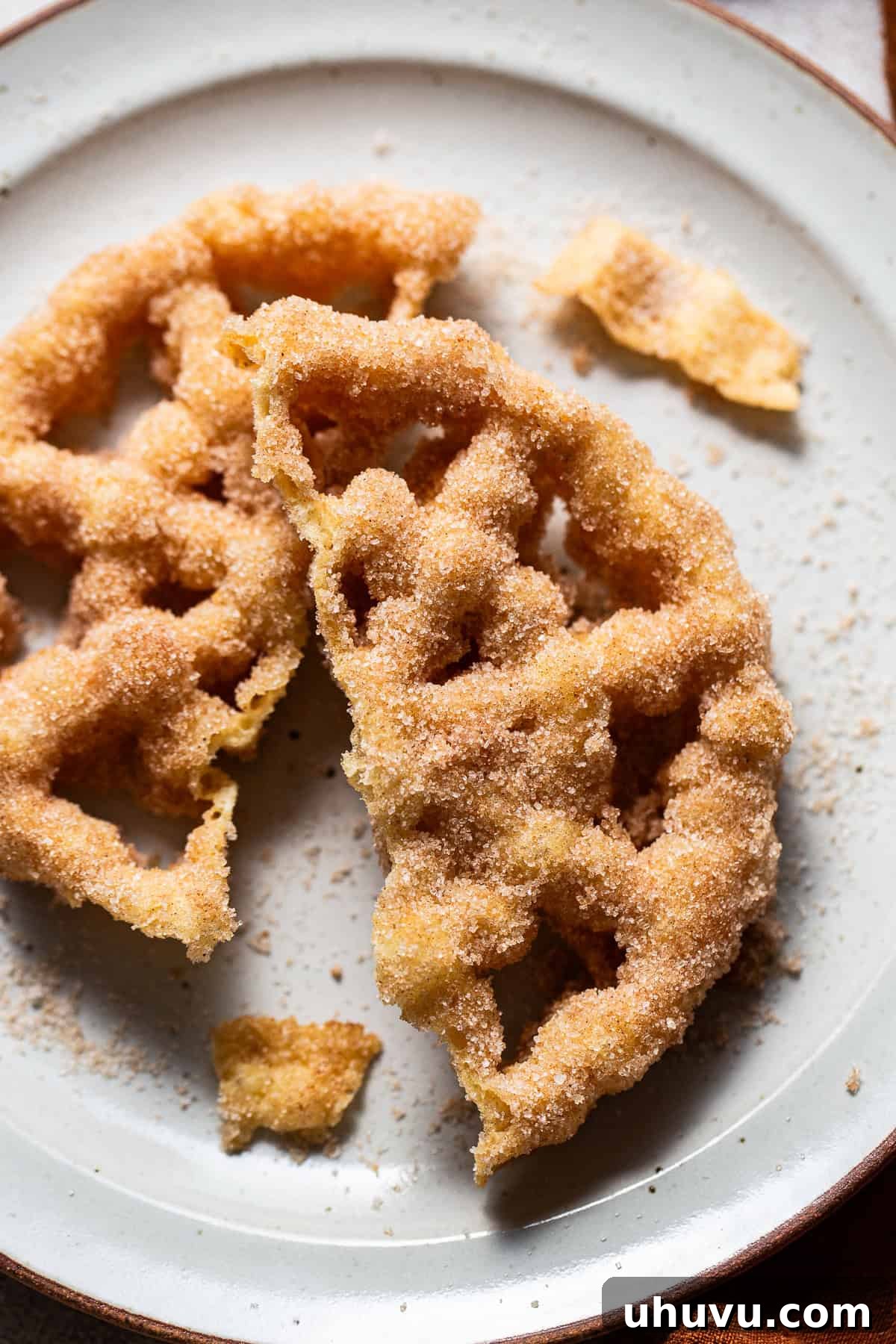
Buñuelos de Viento, literally translating to “wind fritters,” are an iconic Mexican dessert and snack, deeply rooted in festive traditions, particularly during the Christmas season. These distinctively light and incredibly crispy fritters are crafted by dipping a special iron mold into a thin batter, frying until perfectly golden brown, and then generously dusting them with a fragrant cinnamon sugar mixture.
What truly sets Buñuelos de Viento apart is not just their delightful flavor, but the fascinating technique and specialized tools employed in their creation. The cornerstone is the decorative rosette iron mold, a culinary artifact passed down through generations. This mold is first heated in hot frying oil, then quickly dipped into a delicate batter, and finally returned to the oil for a brief, gentle fry. The result is a remarkably thin, airy, and beautifully sculpted fritter, often resembling a snowflake or a flower. These intricate treats are customarily enjoyed alongside warming Mexican beverages such as rich champurrado, comforting atole, or aromatic café de olla, creating a symphony of flavors and textures that define Mexican holiday cheer.
It’s important to note that the term “buñuelo” can refer to a variety of fried dough pastries across different countries and regions, each with its unique characteristics. For instance, some buñuelo recipes might involve a choux pastry rolled into balls and fried, bearing a resemblance to churros or donut holes. However, in Mexico, when one speaks of “Buñuelos de Viento,” they are almost invariably referring to these delicate, thin, and exquisitely crispy rosette-shaped fritters, a testament to a specific and cherished culinary art form.
Essential Ingredients for Perfect Buñuelos de Viento
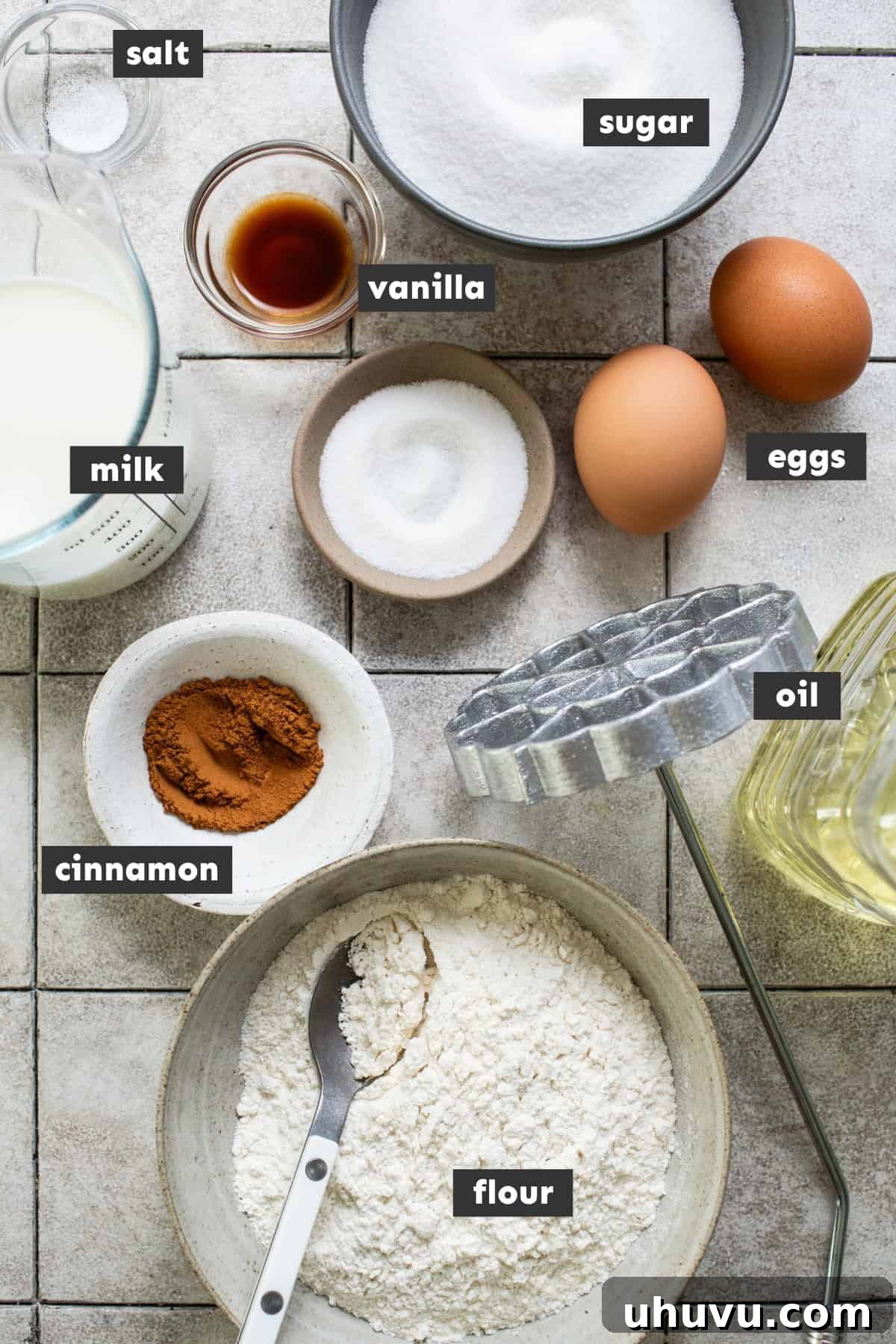
Crafting these delectable Buñuelos de Viento requires only a handful of common ingredients, but understanding their role is key to achieving that signature light and crispy texture.
- All-Purpose Flour: This foundational pantry staple forms the structure of our delicate fritters. Its balance of protein provides just the right amount of gluten development for a thin, yet resilient batter that clings perfectly to the mold and fries up exceptionally light and crispy. You’ll only need 1 ¼ cups to yield approximately 25 buñuelos, depending on the size of your mold.
- Granulated Sugar: A modest amount of granulated sugar sweetens the batter, providing a subtle sweetness that beautifully complements the cinnamon sugar coating. For a slightly different flavor profile or texture, you could experiment with turbinado sugar or your preferred sugar substitute.
- Fine Salt: A tiny dash of fine salt is crucial. In baking and desserts, fine salt dissolves more evenly throughout the batter, enhancing all the other flavors and preventing the buñuelos from tasting flat. It truly brings out the best in the vanilla and cinnamon.
- Eggs: Eggs play a vital role in enriching the batter, contributing to its creamy texture, and acting as a binder. They help create a cohesive batter that adheres well to the hot iron mold and holds its delicate shape during frying.
- Milk: I recommend using whole milk for the richest and creamiest batter, which translates to a more tender and flavorful buñuelo. However, 2% milk works wonderfully too, and for those with dietary preferences, a good quality milk substitute can also be used, though it might slightly alter the final texture.
- Vanilla Extract: A generous teaspoon of pure vanilla extract adds a foundational layer of warm, aromatic flavor, essential for any classic sweet treat. It pairs exquisitely with the cinnamon, elevating the overall taste of the buñuelos.
- Neutral Oil for Frying: The choice of oil is crucial for achieving that perfectly crispy texture without imparting unwanted flavors. Opt for a neutral-tasting oil with a high smoke point, such as canola, vegetable, or sunflower oil. This ensures that the delicate taste of your buñuelos remains the star.
- Cinnamon Sugar: This simple yet indispensable mixture is what gives Buñuelos de Viento their iconic finish. It’s a straightforward blend of granulated sugar and ground cinnamon. For an extra layer of warmth and a truly holiday-inspired flavor, consider adding a small dash of freshly grated nutmeg to the mixture.
Mastering the Art of Making Buñuelos de Viento
Creating Buñuelos de Viento is a delightful process that, once mastered, becomes incredibly satisfying. Follow these steps carefully to achieve perfectly crispy and beautiful fritters:
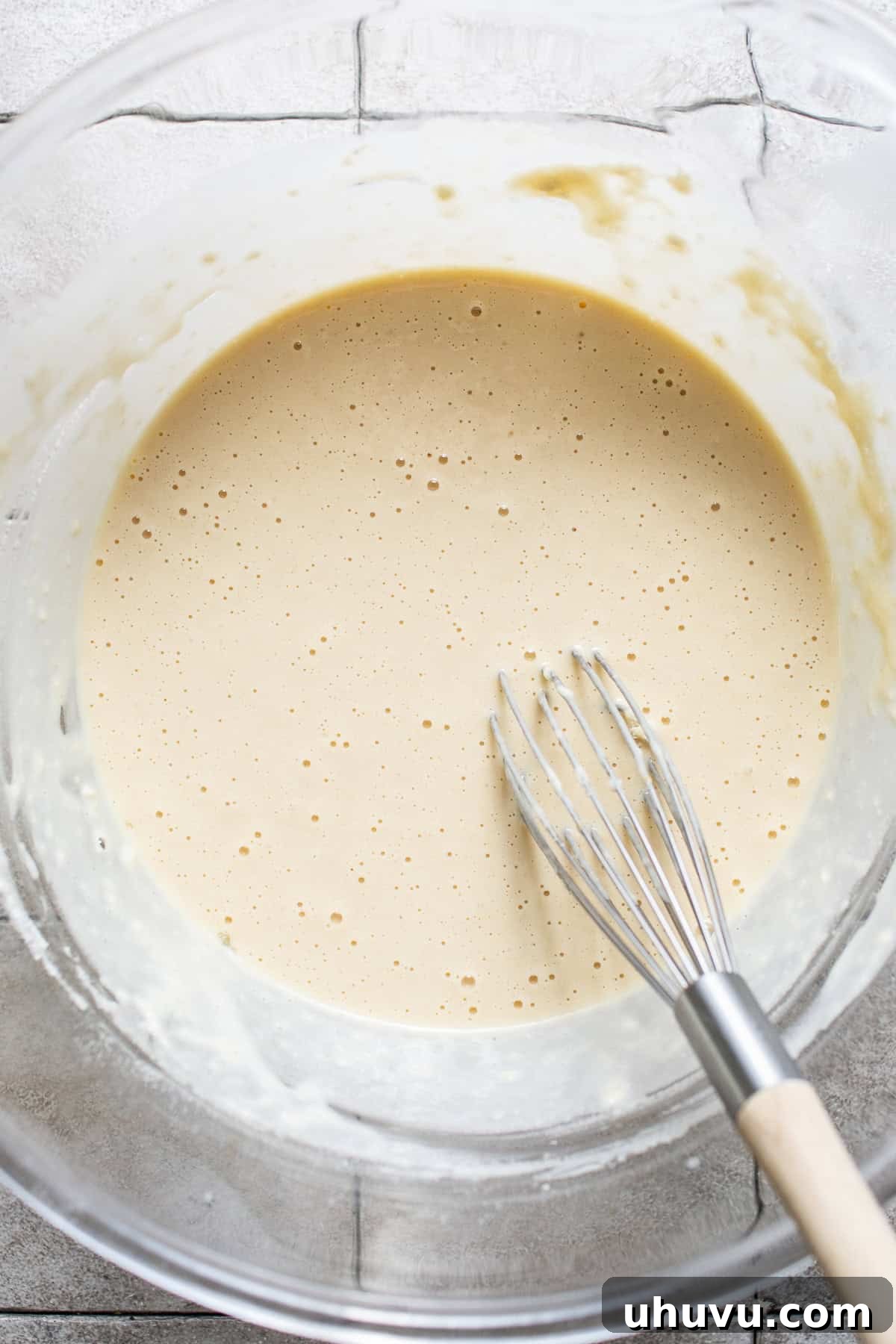
1. Prepare the Batter: In a medium-sized mixing bowl, combine your all-purpose flour, granulated sugar, and fine salt, whisking them together thoroughly until well incorporated. In a separate bowl, whisk the eggs, milk, and vanilla extract until the mixture is smooth and slightly frothy. Gradually add the wet ingredients to the dry ingredients, mixing just until a smooth batter forms, resembling a thin pancake batter. Avoid overmixing to keep the buñuelos tender.
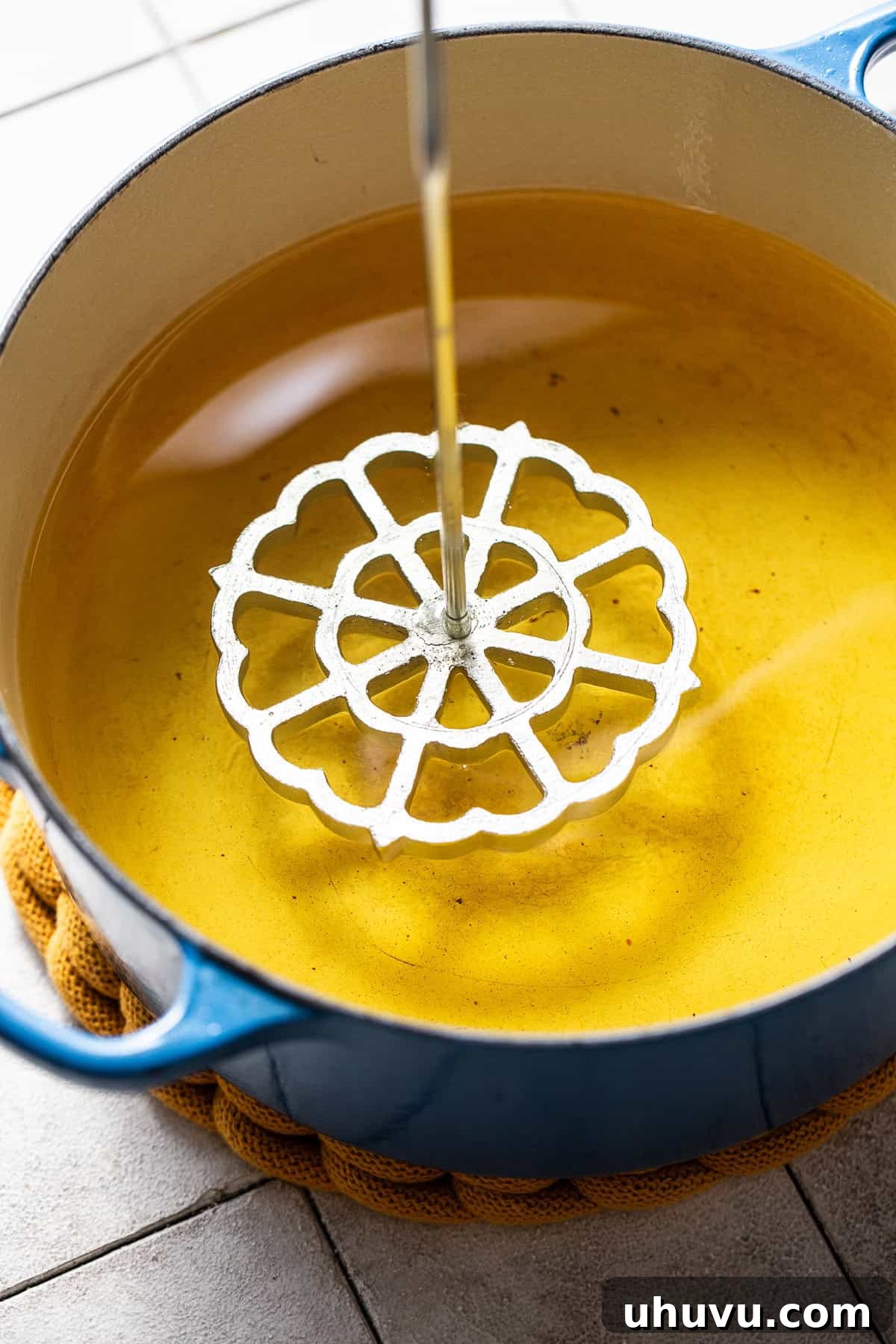
2. Heat the Rosette Mold: In a large, deep skillet or sauté pan, pour about 2 inches of your chosen neutral frying oil. Heat the oil over medium heat, monitoring it with an instant-read thermometer until it reaches a temperature between 365-400°F (185-200°C). Once the oil is hot, fully submerge your rosette iron mold into the hot oil. Let it heat for a full 10-15 seconds. Carefully lift the mold out, give it a gentle shake to remove any excess oil, and then lightly pat the bottom on a paper towel to catch any drips.
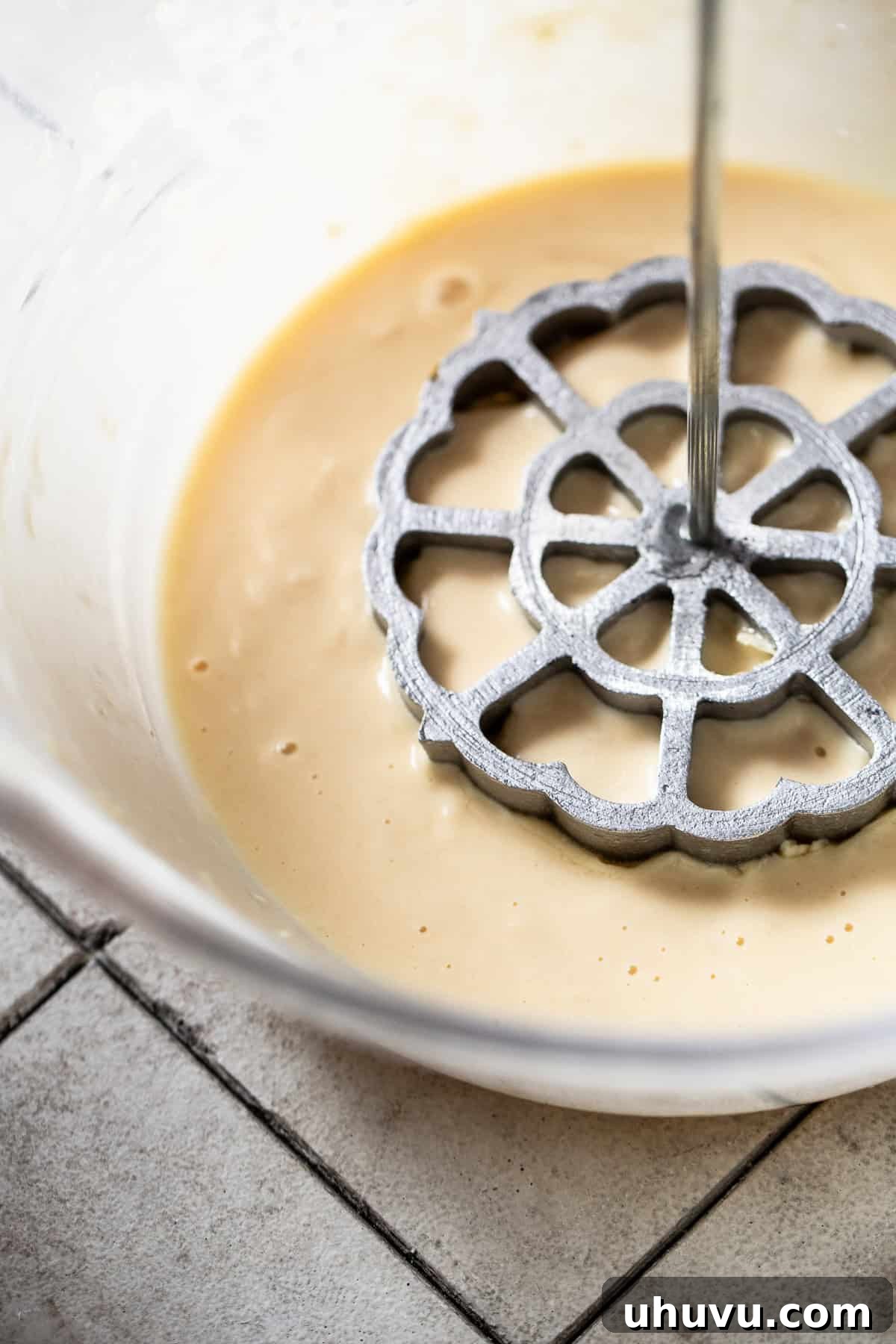
3. Dip the Hot Mold into Batter: Immediately after removing the mold from the hot oil and patting it dry, dip the hot iron mold into your prepared batter. It’s crucial to only dip about three-quarters (¾) of the mold into the batter. Do not submerge it completely, as this will cause the batter to fully encase the mold and prevent the buñuelo from releasing during frying. You should hear a gentle sizzling sound as the hot iron meets the batter.
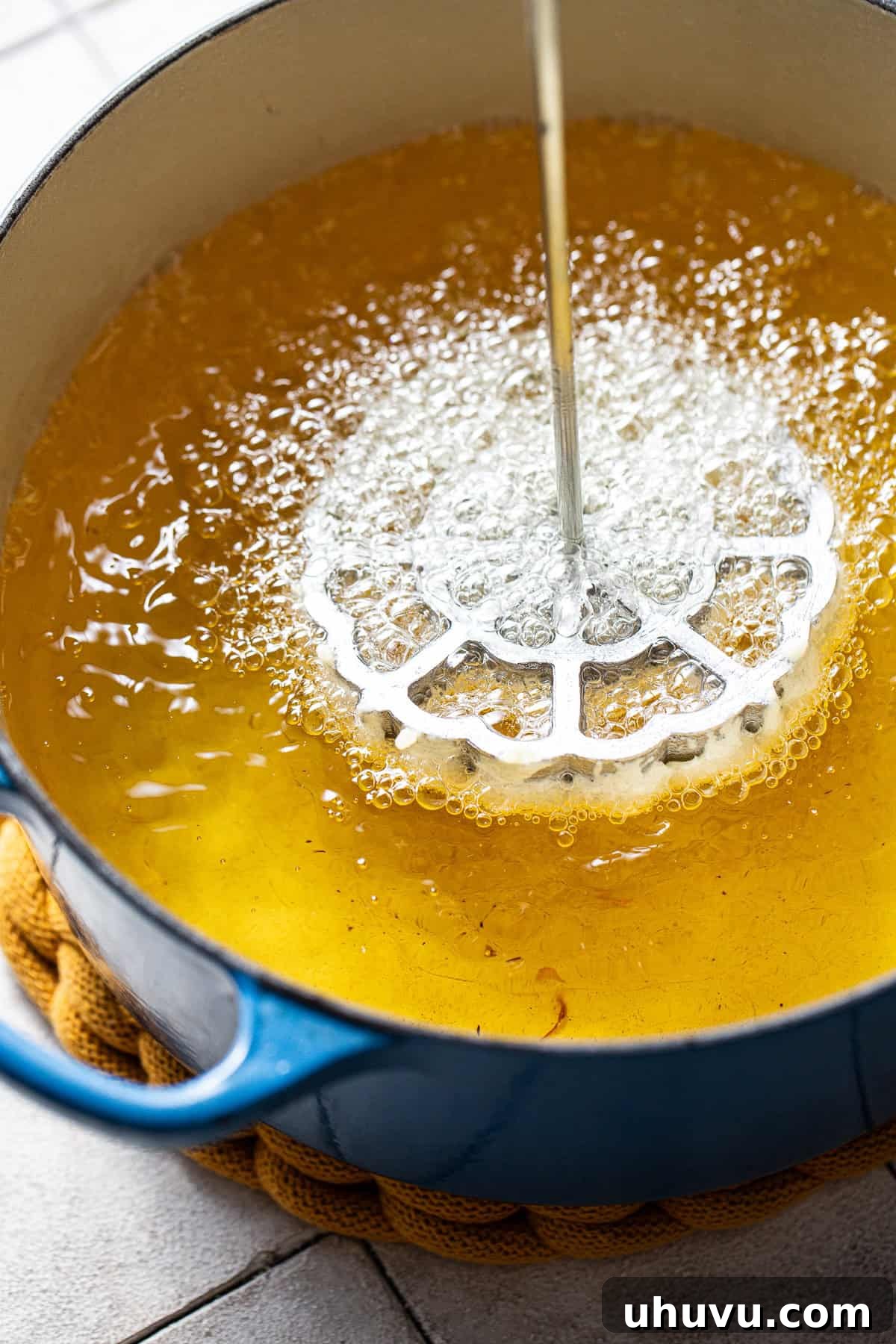
4. Fry the Buñuelo: Gently immerse the batter-coated iron mold back into the hot frying oil. Hold it steady for a few seconds. As the buñuelo begins to cook and firm up, give the mold a slight, gentle shake. The batter should gracefully lift off the mold and float freely in the oil. If it’s reluctant to release, you can use the tines of a fork or a thin, heat-safe utensil to help gently pry it off the mold.
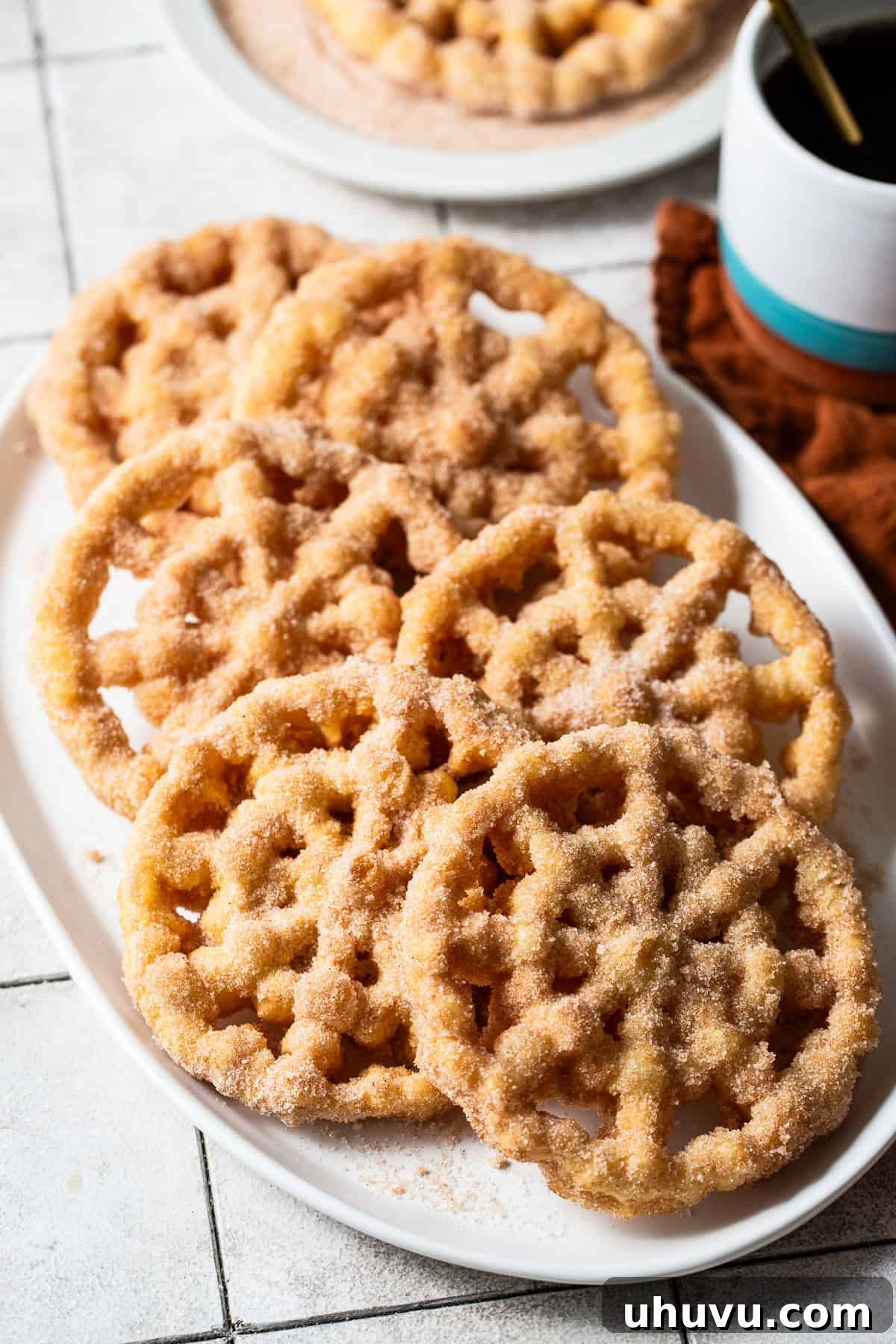
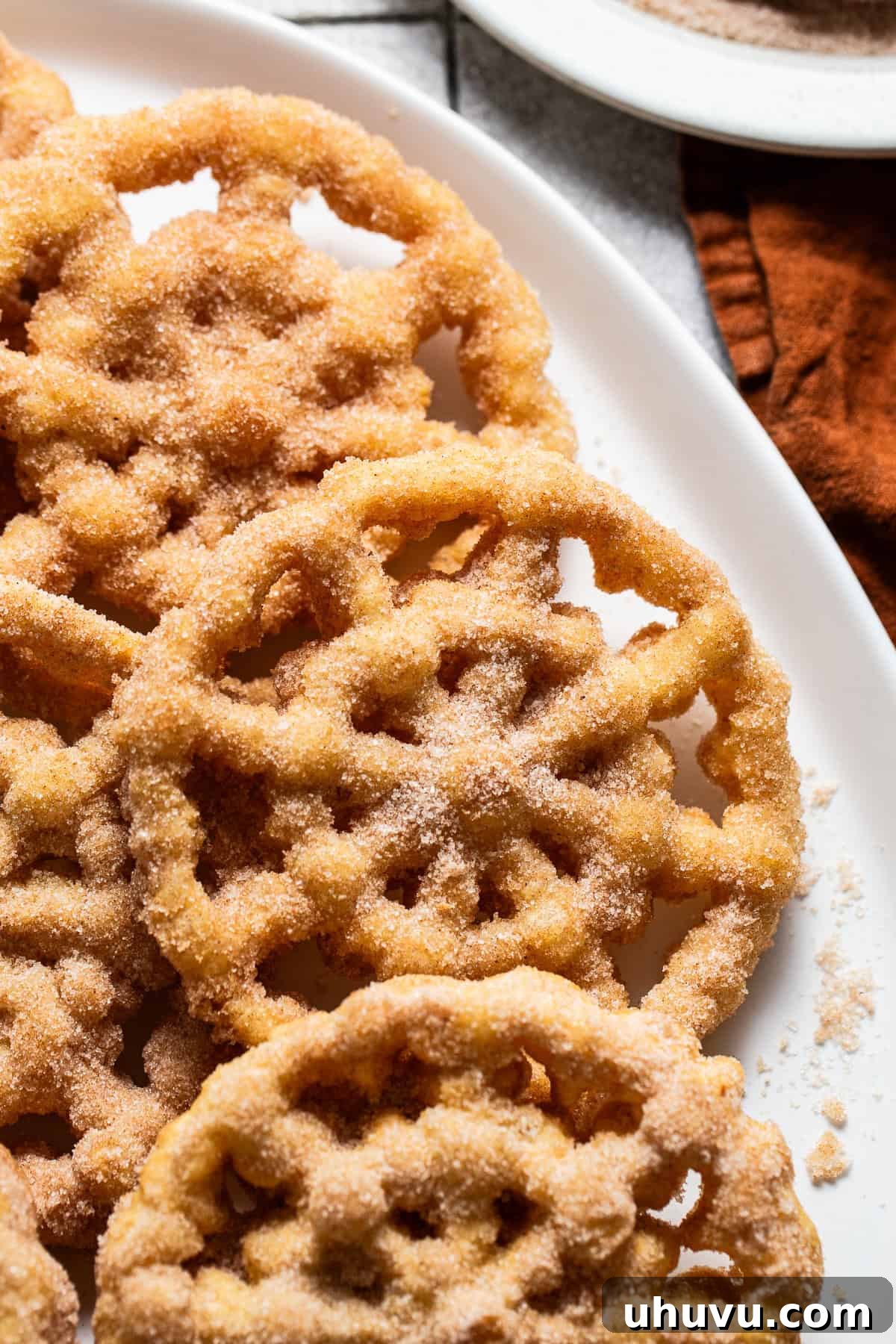
5. Finish Frying and Coat: Once the buñuelo has released from the mold, flip it immediately to ensure even cooking. Continue to fry for approximately 1-2 minutes, or until both sides achieve a beautiful golden brown color. Using tongs, carefully transfer the cooked buñuelo to a baking sheet lined with paper towels to drain any excess oil. While the buñuelos are still warm (this is key!), gently dip each one into the prepared cinnamon sugar mixture, ensuring both sides are fully coated. Repeat the process of heating the mold, dipping, frying, and coating until all the batter is used. For best results and to maintain optimal oil temperature, I recommend frying 1-2 buñuelos at a time, working efficiently but not rushing.
Expert Tips for Buñuelos de Viento Success
- Embrace the Technique: Making Buñuelos de Viento is more about mastering a precise technique than simply following a recipe. Don’t be disheartened if your first few attempts aren’t perfect. Practice makes perfect, and with each buñuelo, you’ll gain confidence and finesse. The reward of perfectly crispy fritters is well worth the learning curve!
- Precise Mold Dipping: This is arguably the most critical step. Remember to only dip the rosette iron mold three-quarters (¾) of the way into the batter. If the mold is fully submerged, the batter will completely encapsulate it, making it impossible for the buñuelo to release gracefully into the oil. A partial dip ensures a clean separation.
- Maintain Optimal Oil and Mold Temperature: Consistency in temperature is vital. The key to preventing the batter from sticking to the mold and ensuring a clean release is a sufficiently hot iron mold and oil at the correct temperature (365-400°F / 185-200°C). Always allow the iron mold to heat in the hot oil for at least 10-15 seconds before dipping it into the batter for each subsequent buñuelo. If the mold isn’t hot enough, the batter will stick.
- The Art of the Shake: To encourage the buñuelo to release from the mold, gently shake the mold while it’s submerged in the hot oil. This subtle motion helps the cooking batter loosen and detach. If you find a buñuelo stubbornly clinging, a fork or a small, heat-safe utensil can be used to carefully pry it off without damaging its delicate structure.
- Explore Diverse Shapes: While the rosette is the traditional and most common shape for Buñuelos de Viento, don’t hesitate to experiment with other beautiful iron mold designs like stars or flowers. Be mindful that larger or more intricately shaped molds might be slightly more challenging to release during frying. In such cases, having a fork or a thin utensil ready to assist with the release will be beneficial.
- Infuse Citrus Brightness: For a delightful twist on the classic flavor, consider adding 1-2 tablespoons of finely grated orange zest to your batter. The citrus notes will provide a bright, sweet, and slightly tangy counterpoint to the rich vanilla and cinnamon, adding an extra layer of complexity to your buñuelos.
- Prepare Batter in Advance: For easier entertaining or when time is tight, you can prepare the buñuelo batter up to 2 days ahead of time. Store it in an airtight container in the refrigerator. Before frying, give it a good whisk to ensure it’s smooth and ready to use.
Delectable Serving Suggestions
Buñuelos de Viento are a quintessential part of Mexican holiday traditions, and they are typically enjoyed alongside other festive beverages. Elevate your buñuelo experience by pairing them with rich Mexican hot chocolate, creamy rompope (Mexican eggnog), or the comforting warmth of atole de elote (corn atole) or atole de galletas María. For an extra layer of indulgence, these crispy fritters are also fantastic when drizzled with luscious cajeta (Mexican goat milk caramel) or smooth dulce de leche. The combination of the crispy buñuelo and the sweet, creamy caramel is simply irresistible.
Essential Tools for Buñuelos de Viento
To successfully make these beautiful fritters, a few key pieces of equipment will make all the difference:
- Rosette Iron Mold: This specialized mold is indispensable for creating the characteristic shape of Buñuelos de Viento. Many sets come with interchangeable shapes and comfortable handles, making the process both efficient and enjoyable. Consider a set with various shapes to add variety to your holiday spread.
- Instant-Read Thermometer: Achieving and maintaining the correct oil temperature is crucial for perfectly cooked buñuelos. An instant-read thermometer is an invaluable tool in the kitchen, ensuring your frying oil is always within the ideal range of 365-400°F (185-200°C), which is key to preventing sticking and ensuring crispiness.
Storing Buñuelos de Viento for Lasting Freshness
To maintain the delicate crispiness of your Buñuelos de Viento, proper storage is essential. Allow the fritters to cool completely to room temperature before storing them. Once cooled, place them in an airtight container or a resealable plastic bag. They will stay fresh and delightfully crispy at room temperature for up to 3 days. It’s crucial to ensure they are fully cooled before sealing, as any trapped moisture will lead to sogginess.
For optimal texture, I do not recommend storing Buñuelos de Viento in the refrigerator. The cool, humid environment of a fridge can quickly make them stale and compromise their wonderfully delicate and crisp structure, which is the hallmark of this traditional treat.
Explore More Authentic Mexican Recipes
If you’ve enjoyed making these delightful Buñuelos de Viento, you might also love exploring other traditional Mexican sweets:
- Sopapillas: Light, puffy fried pastries often drizzled with honey.
- Biscochitos: Traditional New Mexican shortbread cookies, spiced with cinnamon and anise.
If you tried this Buñuelos de Viento Recipe or any other recipe on our site, please don’t forget to leave a comment and a star rating below! We cherish hearing about your culinary experiences and love your feedback!
Print Recipe
Buñuelos de Viento
Buñuelos de Viento are a traditional Mexican fritter tossed in cinnamon sugar. These light and crispy treats are popular during Christmas and perfect for any celebration!
Ingredients
For the Buñuelos de Viento Batter
- Vegetable oil, for frying
- 1 ¼ cup all-purpose flour
- 2 ½ teaspoons granulated sugar
- ⅛ teaspoon fine salt
- 2 eggs
- 1 cup whole milk
- 1 teaspoon vanilla extract
For the Cinnamon Sugar Topping
- 1 cup granulated sugar
- 1 teaspoon ground cinnamon
Equipment
- Rosette iron mold (a smaller 4.7-inch size is recommended for easier handling)
- Instant-read thermometer
Instructions
- In a large sauté pan or deep skillet, pour about 2 inches of frying oil and heat over medium heat until it reaches 365-400°F (185-200°C).
- Prepare the cinnamon sugar mixture by mixing together the granulated sugar and ground cinnamon in a small bowl. Set aside.
- As the oil heats, make the buñuelo batter. In a medium bowl, whisk together the flour, sugar, and salt.
- In a separate medium bowl, whisk together the eggs, whole milk, and vanilla extract until fully combined and slightly bubbly.
- Gradually mix the dry ingredients into the egg mixture, adding about ½ cup at a time, until fully combined and smooth. The mixture should resemble a thin pancake batter. Set aside.
- Once the oil is hot, fully submerge the rosette iron mold into the hot oil for 10-15 seconds. Lift the iron mold out, gently shake off any excess oil, and then lightly pat the bottom of it on a paper towel to remove any drips.
- Dip the hot iron mold into the batter, coating only three-quarters (¾) of the mold. You will hear some sizzling.
- Dip the coated iron mold into the hot frying oil and hold it there for a few seconds. Give it a little shake, and the batter should lift off. If the batter is not lifting, use the tines of a fork or a thin, heat-safe utensil to help gently pry it off.
- Flip the buñuelo immediately once it has released and fry for an additional 1-2 minutes until golden brown on both sides. Transfer to a baking sheet lined with paper towels to absorb any excess oil.
- While the buñuelos are still warm, dip them in the cinnamon sugar mixture until both sides are evenly coated.
- Continue heating the iron mold, coating, and frying the buñuelos until all the batter is used. I recommend frying 1-2 at a time since you need to work quickly and maintain oil temperature.
- Serve immediately with traditional Mexican beverages like champurrado, atole, or cafe de olla.
Notes
- Master the Technique: Patience and practice are key. Don’t be discouraged if your first few buñuelos aren’t perfect.
- Partial Dip is Critical: Only submerge the iron mold ¾ of the way into the batter. Full submersion will prevent the buñuelo from releasing.
- Keep Oil and Mold Hot: Ensure the oil is at the correct temperature (365-400°F) and the mold is reheated for 10-15 seconds before each dip to prevent sticking.
- Gentle Shake to Release: Gently shake the mold in the oil. If needed, use a fork to help pry the buñuelo off.
- Experiment with Shapes: Try star or flower molds, but be aware that more intricate shapes might require a little more assistance with release.
- Advance Prep: The batter can be made up to 2 days ahead and stored in the refrigerator. Whisk well before use.
Nutrition Information
Serving: 1 buñuelo | Calories: 67 kcal | Carbohydrates: 14g | Protein: 1g | Fat: 1g | Saturated Fat: 0.3g | Polyunsaturated Fat: 0.1g | Monounsaturated Fat: 0.2g | Trans Fat: 0.001g | Cholesterol: 14mg | Sodium: 21mg | Potassium: 27mg | Fiber: 0.2g | Sugar: 9g | Vitamin A: 35IU | Vitamin C: 0.003mg | Calcium: 16mg | Iron: 0.4mg
Nutrition information is automatically calculated, so should only be used as an approximation.
Did you make this recipe?
Leave a comment and star rating below!
Photography by Ashley McLaughlin.