
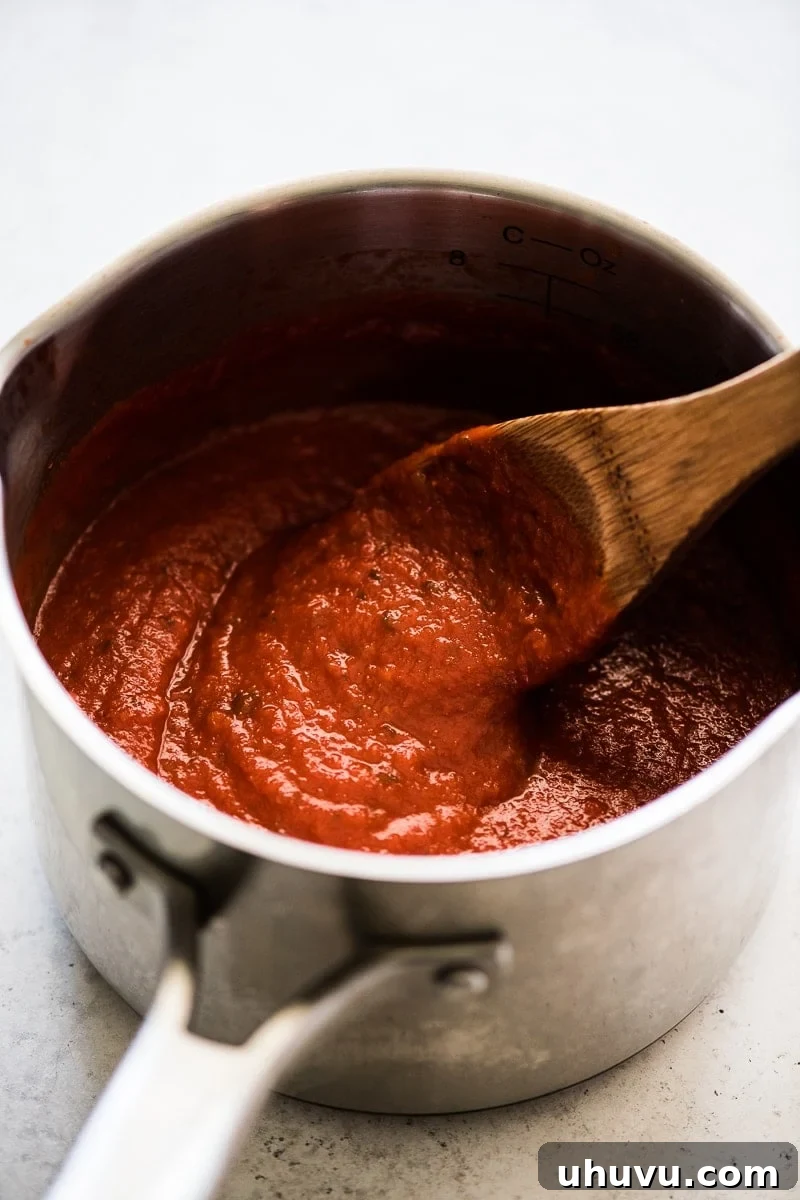
Embark on a culinary journey to the heart of Italy with this incredible Easy Arrabiata Sauce recipe. Crafted from simple pantry staples like robust diced tomatoes and fiery red pepper flakes, this sauce promises a vibrant kick that will awaken your taste buds. More than just a pasta topping, its versatility makes it a perfect companion for meatballs, homemade pizza, or simply as a dipping sauce for your favorite crusty bread. Get ready to transform everyday ingredients into an extraordinary dish that’s both approachable and bursting with authentic Italian flavor.
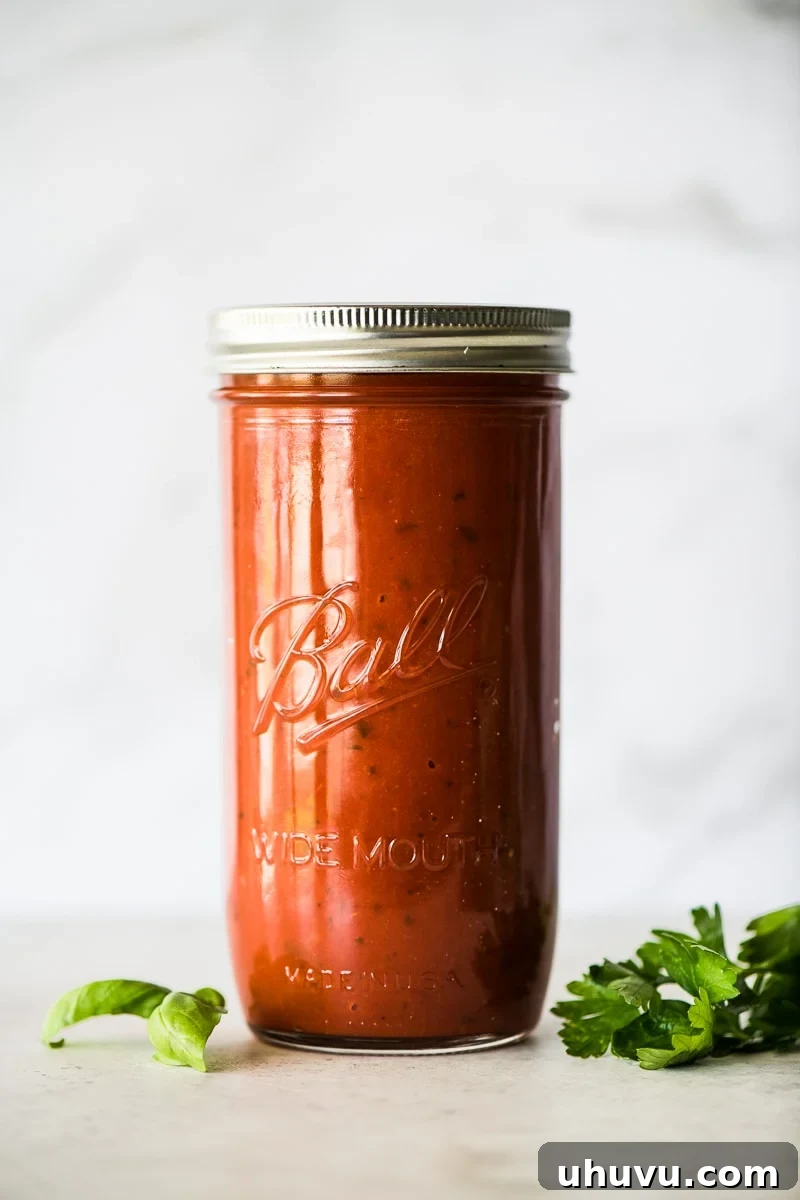
Today, we’re diving deep into the delightful world of homemade arrabiata sauce. At its core, arrabiata is a classic Italian tomato sauce elevated by the simple yet profound addition of garlic, quality olive oil, and, most importantly, a generous hand with red pepper flakes. While traditionally cherished as a pasta sauce, its robust and spicy profile lends itself beautifully to countless applications. I’ve personally enjoyed it on everything from hearty homemade pizzas to succulent meatballs, and even as a flavorful base in a comforting red chili stew. This recipe aims to bring that authentic taste and incredible adaptability right into your kitchen.
Why This Homemade Arrabiata Sauce Stands Out
There’s a special satisfaction that comes with creating a delicious sauce from scratch, and this arrabiata recipe truly delivers. Here’s what makes it an absolute winner:
- Wholesome, Real Ingredients: Forget fillers and artificial additives. This sauce relies on the inherent goodness of fresh, natural components. Every spoonful tastes like pure, unadulterated flavor, giving you peace of mind about what you’re serving.
- Effortless Meal Prep: Life gets busy, but delicious food shouldn’t be a compromise. This arrabiata sauce can be prepared a day in advance, allowing you to have a ready-to-use base waiting patiently in your refrigerator. It’s perfect for whipping up quick weeknight dinners or for entertaining guests without the last-minute rush.
- Perfectly Balanced Spice: Finding the sweet spot between flavorful heat and overwhelming fire can be tricky. Our recipe strikes that ideal balance, offering a spicy kick that excites the palate without incinerating it. Your tongue will be tingling with delight, not burning in agony. It’s truly “spicy enough for my taste but not overwhelmingly hot.”
- Depth of Flavor: While garlic, olive oil, and red pepper flakes form a magnificent trifecta, we elevate this sauce further with the addition of fresh garden herbs and delicately sautéed onions. These elements introduce layers of complexity, transforming simple canned tomatoes and tomato paste into a sauce with remarkable depth and character.
- Customizable to Your Liking: Whether you prefer a milder sauce or an extra fiery one, this recipe is easily adaptable. You have full control over the amount of red pepper flakes, allowing you to tailor the heat to your personal preference.
The Fiery Roots: A Glimpse into Arrabiata’s History
The name “Arrabiata” itself offers a hint at the sauce’s spirited character. In Italian, “arrabbiata” literally translates to “angry.” This evocative name is a direct reference to the fiery heat imparted by the chili peppers, suggesting a sauce that is passionately, perhaps even angrily, spicy. Originating from the Lazio region of Italy, and particularly associated with Roman cuisine, Penne all’Arrabbiata is a classic dish renowned for its straightforward yet impactful flavors. This humble sauce became popular due to its simplicity and the readily available ingredients used by ordinary Italian families. Historically, it was a peasant dish, born out of necessity and a love for bold flavors, and has since grown to become a beloved staple in Italian trattorias and home kitchens worldwide. Its enduring appeal lies in this unpretentious nature and its ability to deliver a memorable culinary experience with minimal fuss.
Understanding the Difference: Marinara vs. Arrabiata Sauce
While both marinara and arrabiata sauces share a foundation of ripe, delicious tomatoes, they possess distinct personalities. Understanding these differences can help you appreciate each sauce’s unique contribution to Italian cuisine:
- Marinara Sauce: The Gentle Classic: Marinara, meaning “mariner’s style,” is typically a simpler, lighter tomato sauce. It often features tomatoes, garlic, herbs (like basil and oregano), and olive oil. It is rarely spicy and sometimes contains a hint of onion. Marinara is prized for its fresh, bright tomato flavor and serves as a versatile base for many dishes, including pizza, pasta, and dipping sauces. It’s often considered a foundational sauce, providing a comforting and familiar taste.
- Arrabiata Sauce: The Spicy Sibling: Arrabiata sauce, as discussed, sets itself apart with its pronounced spicy kick. The inclusion of red chili peppers, usually in the form of red pepper flakes, is its defining characteristic. Beyond the heat, arrabiata often has a slightly richer, more robust flavor profile due to the sautéed onions and a more prominent garlic presence. It’s designed to be a sauce with character, making a bolder statement on the plate. While both are tomato-based, arrabiata leans into the “angry” or “spicy” interpretation, offering a more adventurous flavor experience for those who enjoy a bit of heat.
In essence, if marinara is the gentle hug of Italian flavors, arrabiata is the playful, spicy wink.
Essential Ingredients for a Flavorful Arrabiata
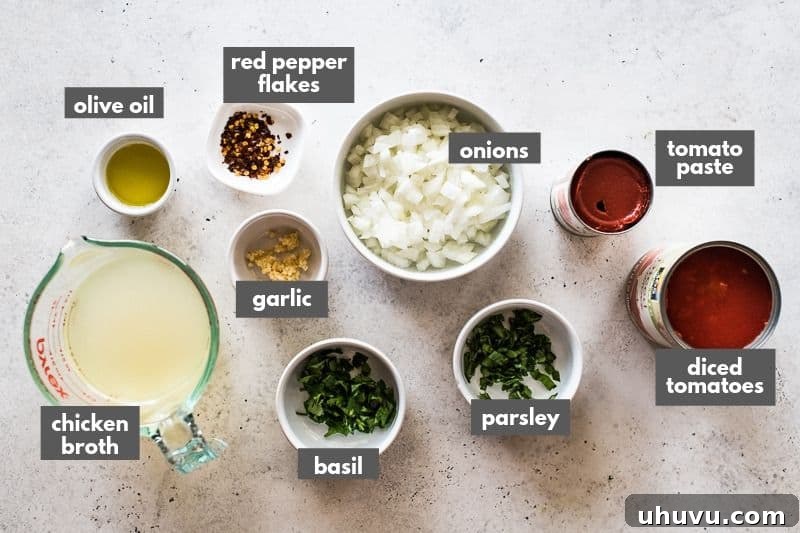
The beauty of arrabiata sauce lies in its reliance on a few high-quality ingredients. Each component plays a crucial role in building the overall flavor profile:
- High-Quality Tomatoes: Canned diced tomatoes form the heart of this sauce. Opt for good quality brands, as the flavor of the tomatoes will truly shine through. Diced tomatoes provide a pleasant texture that holds up well during simmering. Tomato paste is also essential here, as it adds concentrated tomato flavor and a beautiful depth of color.
- Fresh Aromatics: A small onion and minced garlic cloves create the foundational aromatic base, known as a soffritto in Italian cooking. These are gently sautéed in olive oil to release their sweet and pungent notes, building layers of flavor before the tomatoes even hit the pot.
- The Spicy Kick (Red Pepper Flakes): This is where the “arrabiata” truly comes to life! Crushed red pepper flakes are non-negotiable for that signature heat. The amount can be adjusted to your personal preference, from a subtle warmth to a vibrant fiery sensation.
- Fresh Herbs (Basil & Parsley): Freshly chopped basil and parsley infuse the sauce with bright, herbaceous notes that complement the rich tomatoes and spicy heat. They add a fresh finish that elevates the entire dish.
- Rich Stock (Chicken or Vegetable): Chicken stock provides an extra layer of savory depth to the sauce, helping to balance the acidity of the tomatoes and creating a more complex flavor. For a vegetarian or vegan version, a good quality vegetable stock works perfectly.
- Olive Oil & Kosher Salt: Extra virgin olive oil is crucial for sautéing the aromatics and contributing to the sauce’s luxurious mouthfeel. Kosher salt is used to season the sauce throughout the cooking process, bringing all the flavors into harmony. Always remember to taste and adjust the seasoning as you go.
Crafting Your Easy Arrabiata Sauce: A Step-by-Step Guide
Making this spicy Italian arrabiata sauce is a straightforward process that yields incredibly rewarding results. Follow these steps for a perfect batch every time:
- Sauté the Aromatics: Begin by heating the olive oil in a medium pot or a Dutch oven over medium-high heat. The oil should shimmer, indicating it’s ready for the aromatics. Add the chopped onion and sauté for about 3 minutes until it begins to soften and become translucent. Next, add the minced garlic and cook for a brief 30 seconds. It’s crucial to watch the garlic carefully, as it can burn quickly, turning bitter and undesirable.
- Simmer for Flavor Development: Reduce the heat to medium. Now, introduce the diced tomatoes, tomato paste, chicken stock, fresh herbs (basil and parsley), crushed red pepper flakes, and the initial 1/2 teaspoon of kosher salt to the pot. Stir all the ingredients together thoroughly. Allow the sauce to simmer gently, uncovered, for approximately 10 minutes, stirring occasionally. This simmering period is vital as it allows the flavors to meld, intensify, and for the sauce to reduce slightly, thickening to a desirable consistency.
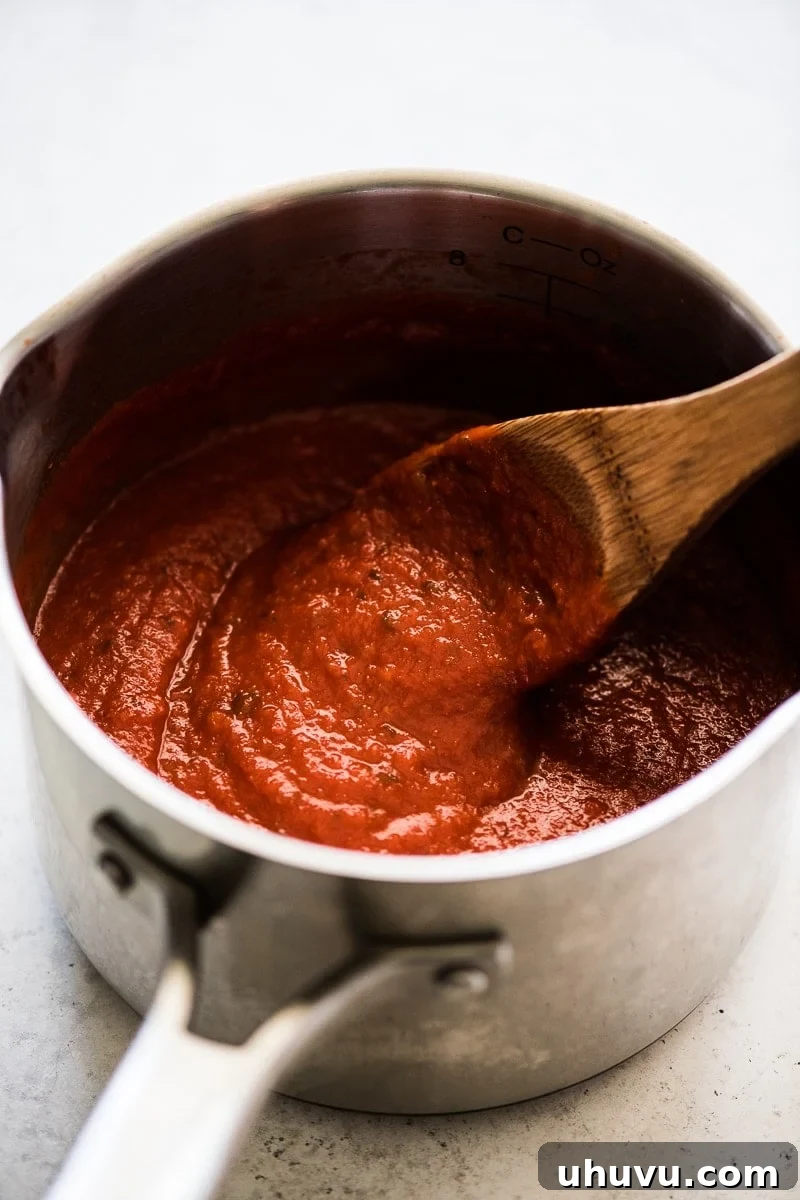
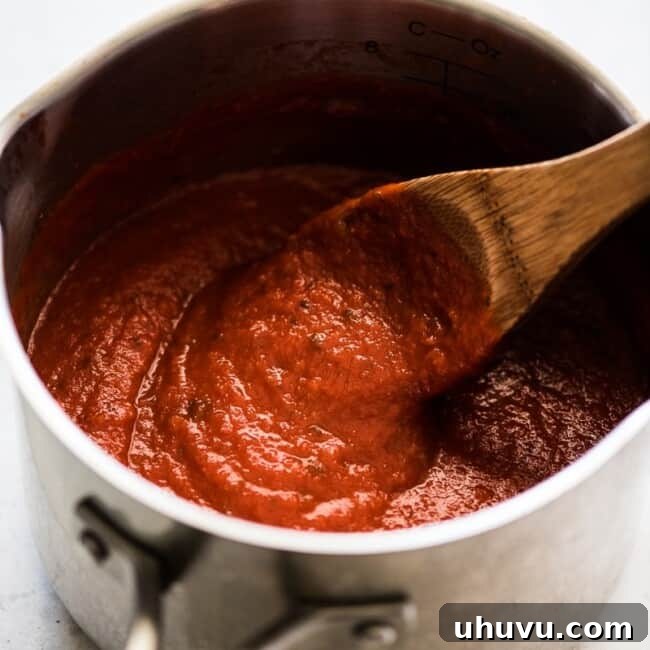
- Achieve Your Desired Consistency: Once the sauce has simmered and thickened, it’s time to decide on its texture. Use an immersion blender directly in the pot to break up the chunks of diced tomatoes. If you prefer a smoother sauce, blend it for longer. For those who enjoy a heartier, chunkier texture, blend only briefly to leave some tomato pieces intact. Alternatively, carefully transfer the sauce in batches to a regular blender and process until it reaches your desired smoothness, then return it to the pot.
- Season and Serve: Taste the arrabiata sauce and adjust the seasoning as needed, adding more salt if necessary to enhance the flavors. Serve the sauce immediately with your favorite pasta, or allow it to cool completely before transferring it to an airtight container. It can then be stored in the refrigerator for future use, making it an excellent make-ahead option.
Expert Tips and Tricks for Arrabiata Perfection
Achieving a truly exceptional arrabiata sauce involves a few simple techniques that can elevate your cooking. Here are some expert tips to ensure your sauce turns out perfectly every time:
- Mastering Oil Temperature: Knowing when your olive oil is perfectly hot is key to properly sautéing aromatics. If you’re unsure, simply pick up the pan and gently swirl the oil. If it moves quickly and smoothly across the bottom, it’s ready. If it’s sluggish or drips, give it a little more time to heat up. This prevents overcrowding the pan and ensures even cooking of your onions and garlic.
- Efficient Mincing: For uniform flavor distribution and quicker cooking, finely mince your onion and garlic. A food processor can be a fantastic tool for this, saving time and ensuring consistency. Just be careful not to over-process them into a paste.
- Herb Substitutions: While fresh basil and parsley offer the brightest flavor, dried herbs can be used in a pinch. Remember the golden rule for substituting: use 1/2 to 1/3 the amount of dried herbs compared to fresh. For this recipe, use 1 1/2 teaspoons of each dried basil and dried parsley to replace the 1 tablespoon of fresh.
- Storing Your Sauce: This arrabiata sauce is ideal for meal prepping. Once cooled, transfer it to an airtight container and store it in the refrigerator for up to 3-4 days. For longer storage, the sauce freezes beautifully for up to 3 months. Portion it into freezer-safe bags or containers for easy thawing.
- Adjusting the Heat: The beauty of homemade sauce is customization. If you prefer a milder arrabiata, start with 1/4 teaspoon of red pepper flakes and taste before adding more. For an extra fiery kick, feel free to increase the amount to 1 teaspoon or even more, depending on your tolerance. You can also add a pinch of cayenne pepper for an extra layer of heat.
- Tomato Choice Matters: While diced tomatoes work perfectly here, experiment with other canned tomato varieties like crushed tomatoes for a smoother sauce without blending, or whole peeled San Marzano tomatoes, which can be crushed by hand for a rustic texture and superior flavor.
Delicious Variations to Customize Your Sauce
One of the joys of making arrabiata sauce from scratch is the freedom to customize it. Here are some delightful variations to explore, allowing you to tailor the sauce to your dietary needs or simply to experiment with new flavors:
- Go Vegan: This sauce is effortlessly adaptable for a vegan diet. Simply swap the chicken stock for an equal amount of high-quality vegetable stock, and you have a rich, flavorful, and entirely plant-based arrabiata.
- Smoky Fire-Roasted Tomatoes: For an added layer of complexity and a subtle smoky undertone, try using fire-roasted canned tomatoes instead of regular diced tomatoes. This variation introduces a deeper, more robust flavor that beautifully complements the spice.
- Sweet Shallot Twist: If you’re all out of onions, or simply want to try a different flavor profile, shallots are an excellent substitute. Shallots are milder and less pungent than onions, lending a delicate sweetness to the sauce. Use 2 large or 3 small shallots to replace the small onion specified in the recipe.
- Add More Vegetables: Boost the nutritional content and texture of your sauce by incorporating additional vegetables. Sauté finely diced carrots, bell peppers, or zucchini along with the onions, or stir in fresh spinach at the end for a wilted, vibrant addition.
- Incorporate Protein: Turn your arrabiata into a heartier meal by adding protein. Brown Italian sausage, pancetta, or ground beef with the onions before adding the tomatoes. Alternatively, shred cooked chicken and stir it into the simmering sauce for a quick and satisfying protein boost.
- A Touch of Wine: For an extra layer of sophistication, deglaze the pot with a splash of dry red wine after sautéing the aromatics and before adding the tomatoes. Allow the wine to reduce by half to concentrate its flavors.
Creative Serving Suggestions Beyond Pasta
While arrabiata sauce is undeniably a match made in heaven with pasta, its bold and versatile flavor profile makes it suitable for a multitude of dishes. Don’t limit yourself to just pasta; explore these creative serving suggestions:
- Classic Pasta Pairings: The most obvious, yet always satisfying, choice! Toss this fiery sauce with classic Italian pasta shapes like penne (Penne all’Arrabbiata is the traditional pairing!), spaghetti, rigatoni, or bucatini. A sprinkle of fresh Parmesan or Pecorino Romano cheese takes it to the next level.
- Hearty Protein Companions: This sauce is fantastic with various proteins. Drizzle it over grilled chicken or fish, use it as a simmering sauce for meatballs, or incorporate it into a savory red chili stew. It pairs wonderfully with these Grilled Garlic Herb Shrimp Skewers or mixed with Easy Shredded Chicken and cooked pasta for a complete meal.
- Pizza and Bread Dipping: Spread it as a vibrant and spicy base for homemade pizzas, adding an exciting twist to your usual pie. It also makes an exceptional dipping sauce for warm, crusty bread, garlic knots, or these unique Mexican Arancini Rice Balls.
- Stews and Soups: Use arrabiata sauce as a flavor-packed base for various stews or soups. Its rich tomato and spice notes can transform a simple lentil soup or a vegetable stew into something truly extraordinary.
- Breakfast Boost: For a unique breakfast or brunch idea, use this sauce as the foundation for shakshuka. Poach eggs directly in the simmering sauce and serve with crusty bread for dipping. It’s a spicy and comforting start to the day.
- Any Recipe Calling for Tomato Sauce: Don’t hesitate to use this arrabiata sauce in any recipe that calls for a basic tomato sauce or marinara, especially if you’re looking to add a little extra zing and character to the dish.
Average Rating: 4.59 from 72 votes
Easy Arrabiata Sauce
Isabel Orozco-Moore
This Easy Arrabiata Sauce recipe is made with simple pantry ingredients like diced tomatoes and red pepper flakes. Great on pasta, meatballs and pizza!
5 minutes
15 minutes
20 minutes
7 servings (1/2 cup each)
Ingredients
- 2 teaspoons olive oil
- 1 small onion, chopped
- 1 teaspoon minced garlic (about 2 cloves)
- 1 14.5-ounce can diced tomatoes
- 1 6-ounce can tomato paste
- 1 1/2 cups chicken stock
- 1 tablespoon chopped fresh basil
- 1 tablespoon chopped fresh parsley
- 1/2 teaspoon crushed red pepper flakes
- 1/2 teaspoon kosher salt plus more to taste
Instructions
- Heat olive oil in a medium pot or Dutch oven over medium-high heat. Add the onions and saute for 3 minutes. Add the garlic and saute for 30 seconds.
- Reduce heat to medium and add the diced tomatoes, tomato paste, chicken stock, basil, parsley, red pepper flakes and salt. Simmer until reduced slightly, about 10 minutes, stirring occasionally.
- Use an immersion blender (or regular blender) to blend the sauce to your desired consistency. I like my sauce fairly blended, but I know some others like it chunky.
- Taste and season with more salt, if needed. Serve immediately or let it cool down completely before placing it in an airtight container to store in the refrigerator.
Notes
Makes a total of about 3 1/2 cups.
The arrabiata sauce can be made 1 day ahead. Cool, then cover and refrigerate. Rewarm over medium heat before using.
If you have trouble telling when your oil is hot, simply pick the pan up and try coating the bottom with the oil. If it moves quickly and smoothly, it’s hot. If it moves slowly and in drips, it’s not hot yet.
Chop your onion and garlic in a food processor to quickly mince them.
If you can’t find fresh basil or parsley you can use dried herbs instead. Use 1 1/2 teaspoons of each to replace the 1 tablespoon of fresh.
Nutrition
Serving: 1 serving | Calories: 57kcal | Carbohydrates: 9.3g | Protein: 2.6g | Fat: 1.4g | Saturated Fat: 0.2g | Polyunsaturated Fat: 0g | Monounsaturated Fat: 3g | Trans Fat: 0g | Cholesterol: 0mg | Sodium: 600mg | Potassium: 409.5mg | Fiber: 2.2g | Sugar: 5g | Vitamin A: 181IU | Vitamin C: 14.2mg | Calcium: 33mg | Iron: 0.8mg
Nutrition information is automatically calculated, so should only be used as an approximation.
Did you make this recipe? Leave a comment and star rating below!