
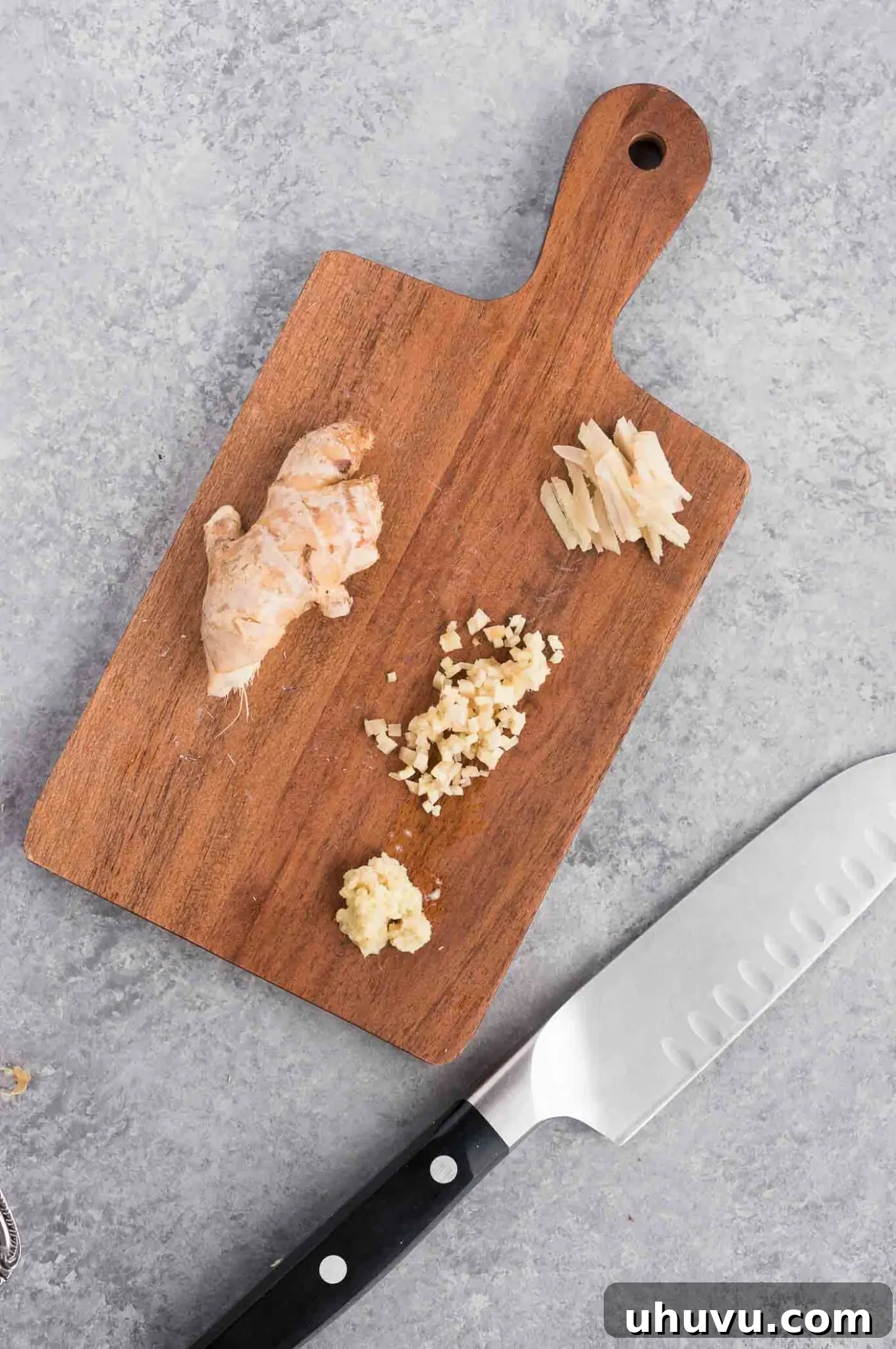
Unlock the full potential of your cooking by learning how to mince ginger with effortless precision. Fresh ginger is a culinary powerhouse, offering a vibrant, zesty, and subtly spicy kick that elevates dishes across various cuisines. Whether you’re a seasoned chef or a home cook looking to enhance your flavor profiles, mastering the art of mincing ginger is a fundamental skill that will transform your meals. This comprehensive guide will walk you through quick, safe, and easy methods to prepare fresh ginger root, ensuring you always have this aromatic ingredient ready for your most beloved recipes.
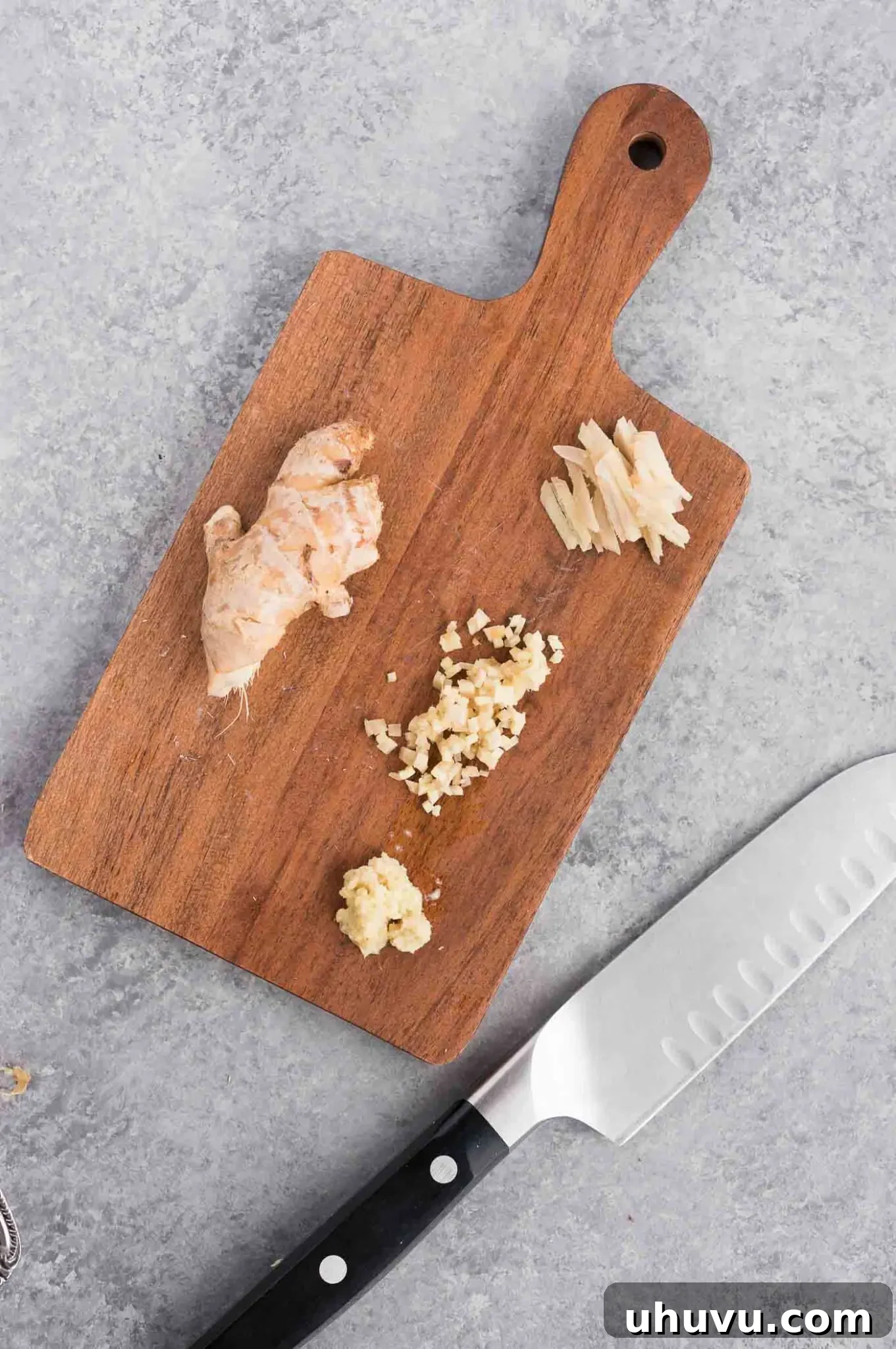
Many beloved recipes, especially those from Chinese, Japanese, Indian, and Thai cuisines, frequently call for freshly minced ginger. For some, tackling the fibrous, knotty root with a knife can seem a bit daunting, particularly if intricate knife skills aren’t your strong suit. But fear not! This guide introduces several accessible methods for preparing ginger, ensuring you can achieve perfectly minced ginger regardless of your experience level. You’ll discover that preparing fresh ginger doesn’t have to be a chore; in fact, it can be a quick and satisfying step in your culinary journey.
When the subtle nuance and potent aroma of fresh ginger are paramount, ground ginger simply won’t suffice. The essential oils and vibrant compounds found in fresh ginger are unmatched, delivering a depth of flavor that dried or pre-diced alternatives cannot replicate. By mastering these simple techniques for grating or finely chopping fresh ginger, you’ll infuse your dishes with an unparalleled zest and warmth. Incorporate your freshly minced ginger into delightful beverages like Ginger Tea or elevate savory meals such as Korean Beef Bowls for an explosion of taste.
Why Fresh Minced Ginger is a Culinary Game-Changer
- Effortless Preparation: Once you understand the proper techniques, mincing ginger becomes incredibly easy and fast. You’ll wonder why you ever hesitated, and soon you’ll find yourself adding it to an abundance of your favorite dishes! These methods demystify the process, making it approachable for everyone.
- Remarkably Flavorful: Fresh ginger delivers an intense, bright, and pungent flavor that is simply incomparable to its dried or pre-processed counterparts. The vibrant essential oils are locked within the root, releasing their aromatic magic only upon fresh preparation. This allows for a deeper, more nuanced taste experience in your cooking.
- Freezer-Friendly Convenience: Maximize efficiency by mincing a larger batch of ginger ahead of time and storing it in the freezer. This smart prep hack ensures you always have fresh ginger on hand, cutting down on last-minute chopping and making healthy cooking more accessible, even on busy weeknights.
- Versatile Ingredient: From savory stir-fries and marinades to refreshing teas and desserts, minced ginger is incredibly versatile. It acts as a powerful flavor enhancer and a key ingredient in countless global cuisines, offering a warm, spicy, and sometimes sweet note that balances and brightens other flavors.
- Health Benefits: Beyond its incredible taste, ginger is renowned for its numerous health benefits. It’s a natural anti-inflammatory, can aid digestion, soothe nausea, and contains antioxidants. Incorporating fresh ginger into your diet isn’t just about flavor; it’s also about boosting your well-being.
Essential Tools for Perfect Ginger Preparation
Having the right tools can make all the difference in preparing ginger efficiently and safely. Here’s a look at what you’ll need, along with insights into why each item is so useful:
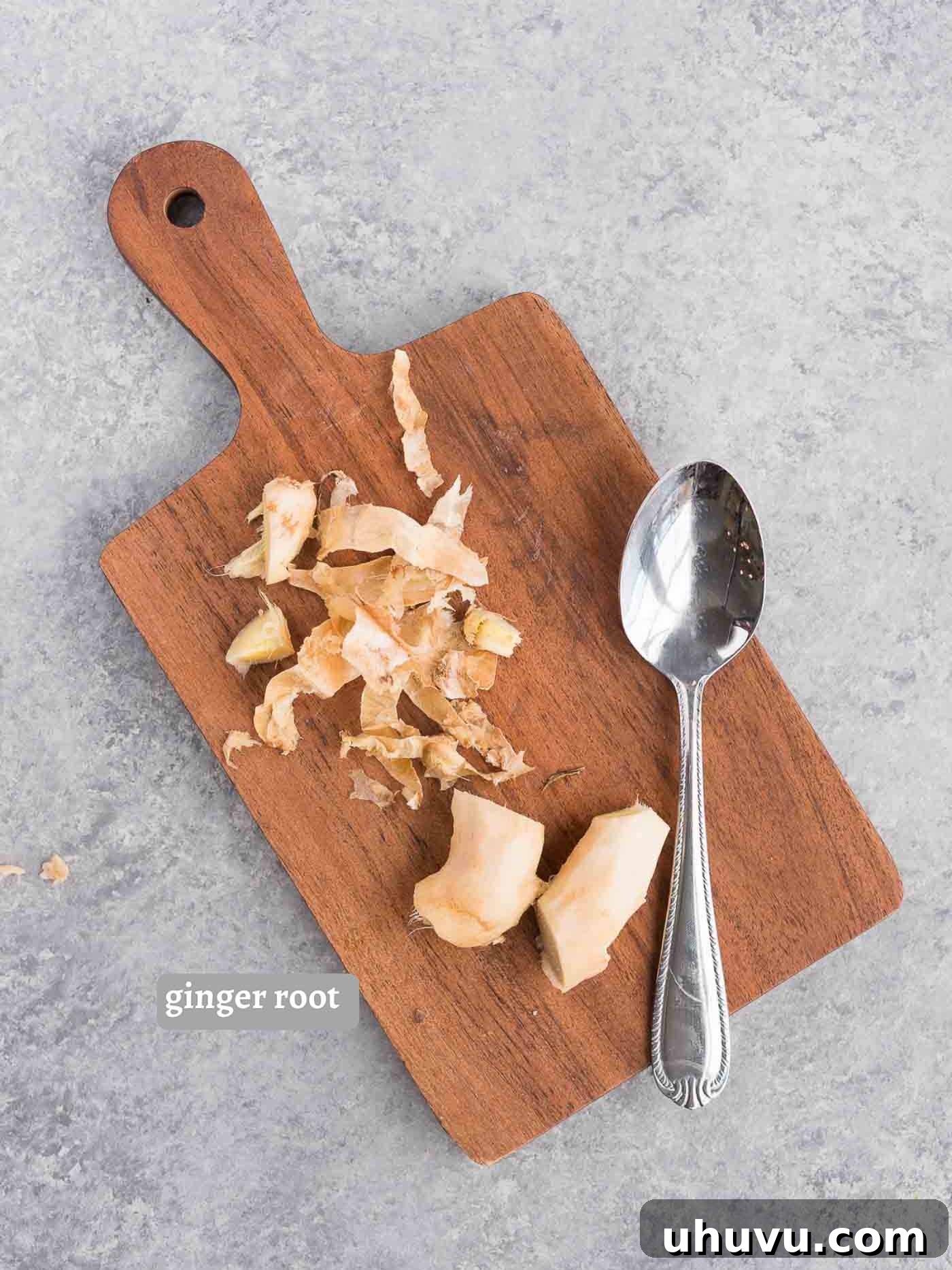
- Spoon, Vegetable Peeler, or Paring Knife: For peeling ginger, a simple spoon is often the most effective tool. Its curved edge easily navigates the ginger root’s irregular bumps and crevices, allowing you to remove only the thin skin while preserving as much of the flavorful flesh as possible. A vegetable peeler can work for straighter pieces, and a paring knife is useful for trimming off any tough spots or cutting larger pieces.
- Cutting Board: A sturdy and stable cutting board is crucial for safety and efficiency, providing a non-slip surface for all your chopping tasks.
- Chef’s Knife: A sharp chef’s knife is indispensable for mincing ginger using traditional knife skills. A keen edge ensures clean cuts, reduces the effort required, and minimizes the risk of slipping. Always ensure your knife is sharp before beginning to slice, chop, and mince.
- Microplane Grater: If you’re hesitant about using a knife, or if you desire a super-fine, almost paste-like consistency, a Microplane grater is your best friend. It quickly turns ginger into a fine pulp, perfect for dressings, marinades, or when you want the ginger flavor to meld seamlessly into a dish without noticeable pieces.
- Mortar and Pestle or Garlic Press (Alternatively): For a more rustic, slightly coarser texture or a quick way to release ginger’s potent juices, a mortar and pestle can be used to crush and smash ginger. Similarly, a garlic press offers a surprisingly effective alternative, yielding finely crushed ginger that’s perfect for quickly infusing flavor.
Selecting and Preparing Your Fresh Ginger
The only ingredient you need is fresh ginger root. When selecting ginger at the grocery store, look for firm, smooth-skinned pieces with no signs of shriveling or mold. Fresh ginger should have a pungent, spicy aroma. A good quality ginger root will keep well in the fridge for up to a month, provided it’s stored correctly.
How to Mince Ginger Root: Step-by-Step Techniques
Here’s how to achieve perfectly minced ginger, using various methods to suit your preference and desired texture:
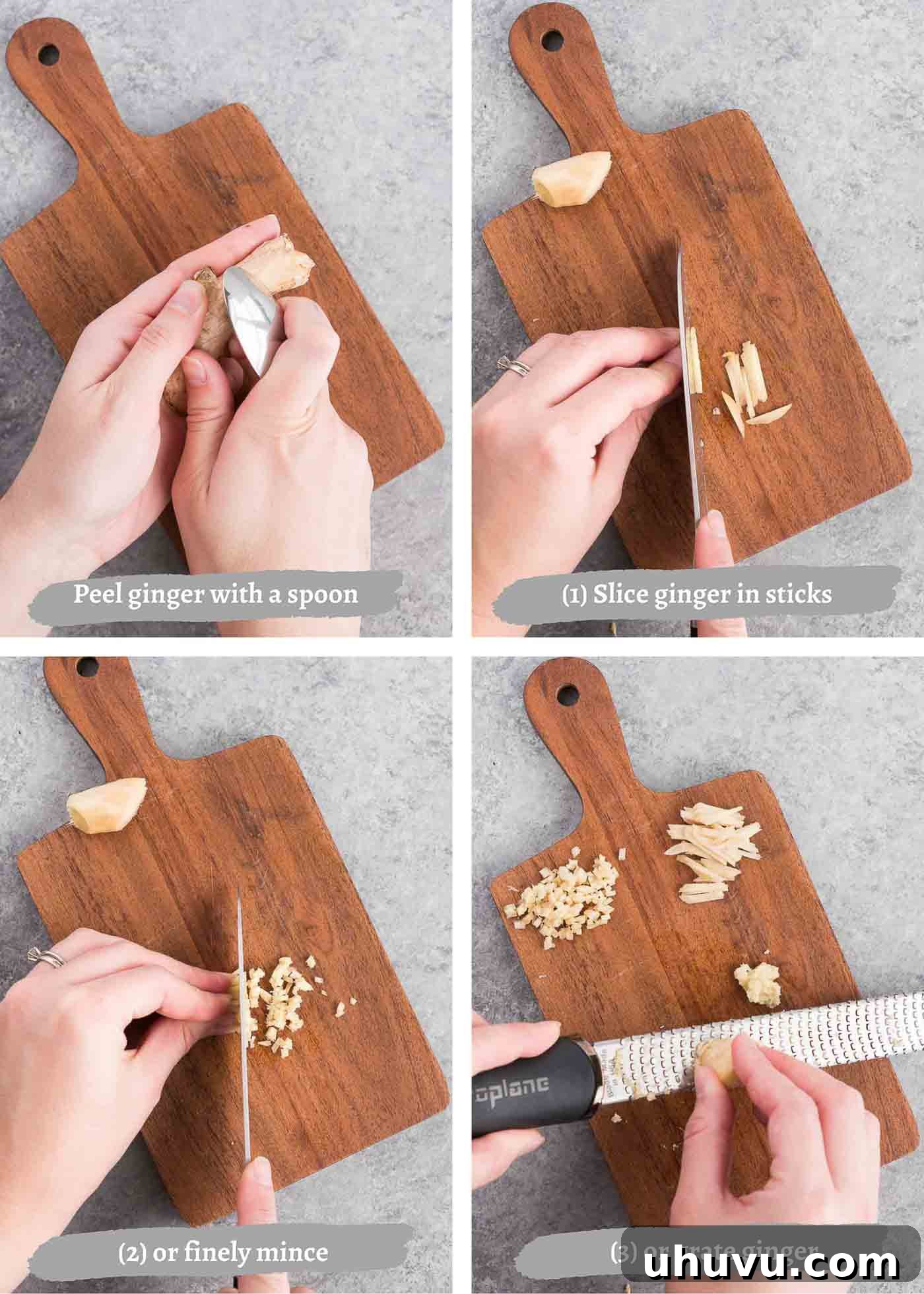
- Step 1: Peel the Ginger Root. The easiest and most efficient way to peel ginger is by using the edge of a spoon. Hold the ginger in one hand and scrape the skin off with the side of a spoon, following the contours of the root. The thin skin will come away cleanly, minimizing waste. For larger, flatter sections, a vegetable peeler can also be effective.
- Step 2a: Mincing with a Grater or Microplane (The Quick & Easy Method).
Once peeled, simply hold your grater or Microplane over a bowl or cutting board. Grate the ginger root using a firm, steady motion. This method quickly produces a very fine, almost paste-like mince that seamlessly integrates into sauces, marinades, and teas. It’s ideal when you want the ginger flavor distributed evenly without distinct pieces.
- Step 2b: Mincing with a Chef’s Knife (The Classic & Controlled Method).
If you prefer a more defined mince or enjoy practicing your knife skills, follow these steps:
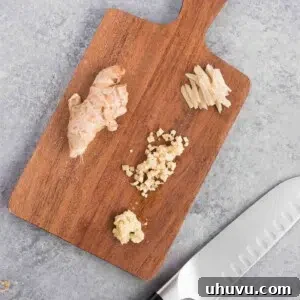
- Slice into Coins: Place the peeled ginger on a cutting board. Using a large, sharp chef’s knife, slice the ginger into thin, uniform coin-like rounds. Aim for slices that are about ⅛-inch thick.
- Cut into Matchsticks (Julienne): Stack a few ginger slices on top of each other. Carefully cut these stacks into thin strips, known as matchsticks or julienne, slicing in one direction.
- Finely Chop: Gather the ginger matchsticks together. Rotate them 90 degrees and chop them crosswise into tiny cubes. Continue chopping, rocking your knife over the ginger, until the pieces are as small as desired. For an extra fine mince, you may want to hold the top of your knife with your non-cutting hand (being careful to keep fingers clear of the blade) and continue working over the ginger with a rocking motion until the pieces are very small and uniform.
- Step 2c: Mincing with a Mortar and Pestle or Garlic Press (Alternative Textures).
For a crushed, slightly pulpy ginger, a mortar and pestle works wonderfully. Place small chunks of peeled ginger into the mortar and grind them down with the pestle until a desired consistency is achieved. A garlic press can also yield surprisingly finely “minced” or crushed ginger, perfect for when you need a quick burst of flavor.
EXPERT TIPS FOR OPTIMAL GINGER PREP
Recipe Notes and Tips for Mincing Ginger
- Maximize Freshness During Storage: When storing minced ginger in a resealable bag, press out as much air as possible before sealing. Air is the enemy of freshness, causing ginger to oxidize and lose its potency. For refrigerator storage, an airtight container also works well.
- Prioritize Knife Safety: If you’re using a knife, always cut slowly and deliberately. Keep your fingers tucked back and out of the blade’s path. There’s no rush; taking your time to achieve a fine mince not only ensures safety but also helps release the strongest, most vibrant flavor from the ginger. A dull knife is more dangerous than a sharp one, as it requires more force and is more likely to slip.
- The Finer the Mince, the Stronger the Flavor: The goal of mincing is to break down the ginger’s fibers as much as possible, which allows its essential oils and pungent compounds to be fully released. A very fine mince or grate will integrate more thoroughly into your dish and deliver a more intense flavor profile.
- Choosing the Right Root: When buying ginger, opt for firm, smooth roots that feel heavy for their size. Avoid pieces that are shriveled, soft, or have visible mold. Fresh ginger has a strong, peppery aroma.
- A Zesty Addition: Ginger’s unique profile adds a lively, zesty kick to a wide array of dishes and drinks. Don’t limit it to Asian cuisine; experiment by adding it to smoothies, dressings, baked goods, or even refreshing beverages like my favorite ABC Juice for an invigorating twist.
How to Store Fresh Ginger for Maximum Longevity
If you find yourself with a larger amount of ginger than you need for a single recipe, proper storage is key to preventing waste and ensuring it stays fresh. You have several excellent options for preserving ginger:
- Refrigeration (Whole & Unpeeled): The simplest way to store whole, unpeeled ginger root is in the crisper drawer of your refrigerator. For best results, place it in a paper bag or wrap it in a paper towel before putting it in a plastic bag. This helps absorb excess moisture, preventing mold. Stored this way, ginger can last for up to a month.
- Refrigeration (Peeled & Minced): If you’ve already peeled and minced your ginger, you can refrigerate it in an airtight container. While convenient, it will start to lose potency faster once exposed to air. It’s best used within 1-2 weeks when stored this way.
- Freezing (Whole & Unpeeled): My preferred method for long-term storage is to freeze the ginger root whole and unpeeled. Simply place it in a freezer-safe bag. It will last for many months, often up to a year, without going bad or losing much flavor. When you need some, you can grate it directly from frozen—no thawing required! This is incredibly convenient and a fantastic time-saver.
- Freezing (Peeled & Minced in Bulk): If you need to prepare a significant amount of ginger at once, consider peeling it and then processing it in a blender or food processor with a tiny bit of water or oil to form a paste. Alternatively, simply mince it finely. You can then portion this paste or mince into ice cube trays, freeze until solid, and then transfer the ginger cubes to a freezer-safe ziplock bag. This method provides pre-portioned ginger that you can easily drop into your cooking whenever needed.
Ginger Prep and Storage – Common Questions Answered
When it comes to peeling ginger, ditch the knife! Because ginger has such an uneven, knobby surface, using a knife often leads to cutting away a significant amount of the precious ginger flesh along with the skin. The most efficient and waste-reducing method is to use the edge of a sturdy teaspoon. Simply scrape the spoon against the skin; its curved shape allows it to glide effortlessly over the bumps and curves, cleanly removing only the thin outer layer. This technique makes the process surprisingly easy and fast.
Absolutely! Mincing ginger ahead of time is a fantastic meal prep strategy. Once you’ve minced your ginger, place it into a small, airtight container or a resealable plastic bag, ensuring you remove as much air as possible. Stored this way in the refrigerator, minced ginger will retain its peak freshness and flavor for up to 2 weeks. Beyond two weeks, while it may still be safe to use, you’ll notice it starting to dry out and lose some of its vibrant flavor and pungent aroma. For longer storage, freezing is your best bet!
Mincing represents the smallest type of cut, even finer than dicing. When ginger is minced, especially with a Microplane, its cellular structure is broken down significantly, releasing a maximum amount of its flavorful essential oils and compounds. This intense breakdown means that the fresh ginger flavor is much stronger and more evenly distributed throughout your dish compared to larger, diced pieces. It also ensures the ginger blends seamlessly with other ingredients and cooks through quickly, preventing an overpowering “bite” of raw ginger in the final product. It’s the ideal preparation for dishes where ginger needs to infuse widely.
Freezing minced ginger is an excellent way to preserve it for extended periods, making it a perfect option for anyone who loves to have ingredients prepped and ready to go. To freeze minced ginger effectively, you have a couple of options:
- Ginger Logs: Mince the ginger finely, then place it onto a piece of plastic wrap. Form it into a log shape, pressing out any air, and wrap it tightly. Place these logs into a freezer-safe bag or container to protect them from freezer burn. When you need some, you can simply break off a piece from the frozen log.
- Ginger Cubes: For pre-portioned convenience, mince the ginger (or blend it into a paste with a little water/oil) and spoon it into ice cube trays. Freeze until solid, then pop the ginger cubes out and transfer them to a freezer-safe bag. This allows you to grab just the right amount of ginger for any recipe, directly from frozen.
Frozen minced ginger can last for several months without significant loss of flavor.
While both come from the ginger root, fresh ginger and ground (dried) ginger offer distinctly different flavor profiles and cannot always be used interchangeably. Fresh ginger is pungent, spicy, and zesty with bright citrusy notes due to its volatile oils. Ground ginger, having been dried and powdered, has a more concentrated, earthy, and sometimes slightly musty flavor, lacking the vibrant freshness of the raw root. As a general rule, 1 tablespoon of freshly grated ginger is roughly equivalent to ¼ teaspoon of ground ginger, but the overall impact on flavor will still vary significantly.
Yes, if your ginger root has started to sprout tiny green shoots, it is still perfectly safe to use. Just like potatoes, ginger can sprout when it’s been stored for a while. The texture might be a little softer, and the flavor slightly milder in the areas around the sprout, but it remains perfectly edible. Simply cut off any sprouts if you prefer, then peel and mince as usual.
Creative Ways to Use Your Freshly Minced Ginger
Fresh ginger infuses dishes with an incredible depth of flavor. Its versatility extends far beyond just Asian cuisine, making it a beloved ingredient in kitchens worldwide. Here are some of my favorite ways to incorporate it:
- Asian Inspired Dishes: Naturally, ginger shines in stir-fries, noodle dishes, and curries. Try it in classic recipes like Chicken Fried Rice, Korean Beef Bowls, Hawaiian Meatballs, or Instant Pot Honey Sesame Chicken.
- Soups and Stews: A spoonful of minced ginger can add warmth and complexity to brothy soups, lentil stews, or even a simple chicken noodle soup, especially comforting during cold seasons.
- Marinades and Dressings: Ginger’s enzymes tenderize meat and its robust flavor forms a fantastic base for marinades for poultry, fish, or tofu. It also adds a bright, zesty kick to salad dressings and vinaigrettes.
- Smoothies and Juices: For a refreshing and healthy boost, add a small piece of minced ginger to your morning smoothie or fresh juice blend. It pairs wonderfully with fruits like apple, pineapple, and citrus.
- Baking and Desserts: Don’t forget ginger’s sweet side! It’s a key ingredient in gingerbread, ginger snaps, and can add a delightful spice to fruit crumbles, tarts, or even chocolate desserts.
- Teas and Beverages: Brew fresh ginger slices or minced ginger with hot water, lemon, and honey for a soothing and invigorating tea. It’s also great in infused waters or cocktails for an unexpected twist.
More Essential Kitchen Tips and Guides
If you found this tutorial on how to peel and mince ginger helpful, be sure to explore my other practical kitchen guides to further hone your culinary skills:
- How to Make Cauliflower Rice
- How To Cook Quinoa
- How to Peel and Mince Garlic
- How To Make Butter
Explore More Delicious and Healthy Recipes
- Oven Baked Bacon Recipe
- Egg Cups Recipe
- Oven Sweet Potato Fries
If you enjoyed this Tutorial on How to Mince Ginger or any other recipe on my blog, please consider leaving a ⭐ star rating and let me know how it went in the 📝 comments below. Your feedback is greatly appreciated!
Pin this guide now to find it later!
Pin It on Pinterest
Rating: 5 out of 5 stars based on 1 vote
How to Mince Ginger
Neli Howard
2
2
1
Ingredients
- Fresh Ginger Root
Instructions
-
Peel the ginger root using the edge of a spoon to easily remove the skin around its irregular shape.
-
For a super fine mince, use a grater or Microplane to grate the peeled ginger into a pulp.
-
If you don’t have a grater or Microplane, use a large, sharp chef’s knife. First, slice the ginger into thin coin-like rounds. Then, cut these rounds into matchsticks in one direction. Finally, chop the matchsticks crosswise into tiny pieces. Continue rocking your knife over the ginger until it is minced to your desired fineness.
Notes
- If storing minced ginger in a ziplock bag, remove as much air as possible to keep it fresh and prevent freezer burn.
- When mincing ginger with a knife, always prioritize safety. Cut slowly and keep your fingers well out of the way. Take your time to achieve the finest possible cut for the most potent flavor release.
Nutrition
|
Carbohydrates: 2g
|
Protein: 1g
|
Fat: 1g
|
Saturated Fat: 1g
|
Polyunsaturated Fat: 1g
|
Monounsaturated Fat: 1g
|
Sodium: 2mg
|
Potassium: 58mg
|
Fiber: 1g
|
Sugar: 1g
|
Vitamin C: 1mg
|
Calcium: 2mg
|
Iron: 1mg
Nutrition Disclaimer: Nutritional values are estimates and may vary with ingredients, brands, and portion sizes. For accuracy, use your preferred nutrition calculator.
Did you love this recipe? Please leave a rating and comment below!