
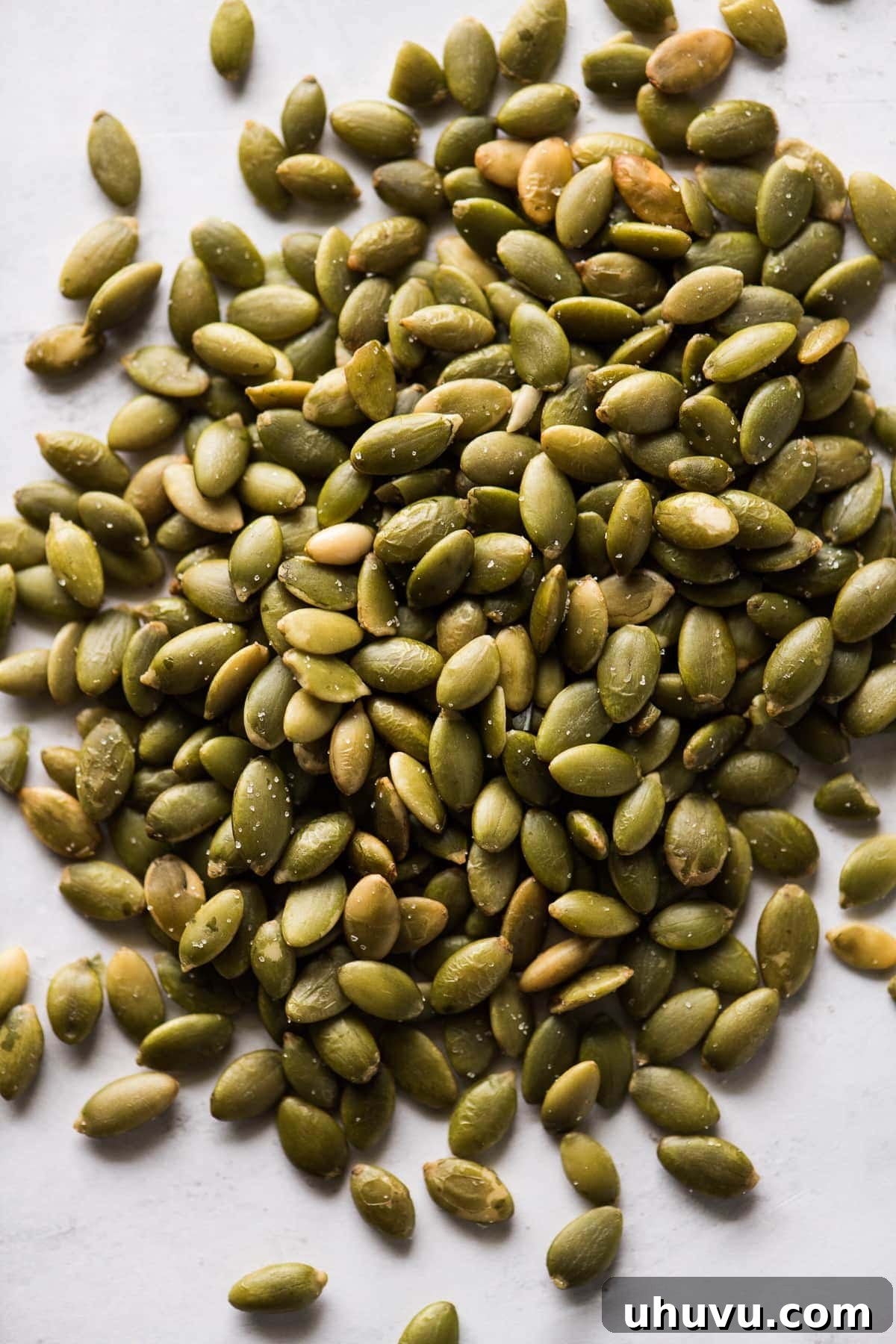
Have you ever wondered about the vibrant green, flat seeds known as pepitas? Are they simply another name for pumpkin seeds, or is there a fascinating distinction that sets them apart? The culinary world is rich with such nuances, and pepitas offer a perfect example. Far from being just any pumpkin seed, these little powerhouses boast a unique origin, distinct flavor, and a wealth of uses that make them a staple in various cuisines, especially Mexican fare. Join us as we delve into the world of pepitas, exploring their identity, culinary applications, nutritional benefits, and how to best incorporate them into your healthy lifestyle.
What Exactly Are Pepitas? Unveiling the Unique Pumpkin Seed
At first glance, the terms “pepitas” and “pumpkin seeds” might seem interchangeable, but a deeper look reveals a crucial difference. While all pepitas are technically pumpkin seeds, not all pumpkin seeds are pepitas. This distinction is key to understanding their unique culinary appeal and health benefits.
The name pepitas, derived from the Spanish phrase “pepita de calabaza,” literally translates to “little seeds of squash.” This name hints at their origin, but the true specificity lies in the type of pumpkin they come from. Pepitas are the edible seeds harvested from specific varieties of pumpkins that naturally produce hull-less, or shell-free, seeds. The most prominent of these varieties include Styrian pumpkins (also known as Oil Seed pumpkins) and other similar squash types bred specifically for their naked seeds.
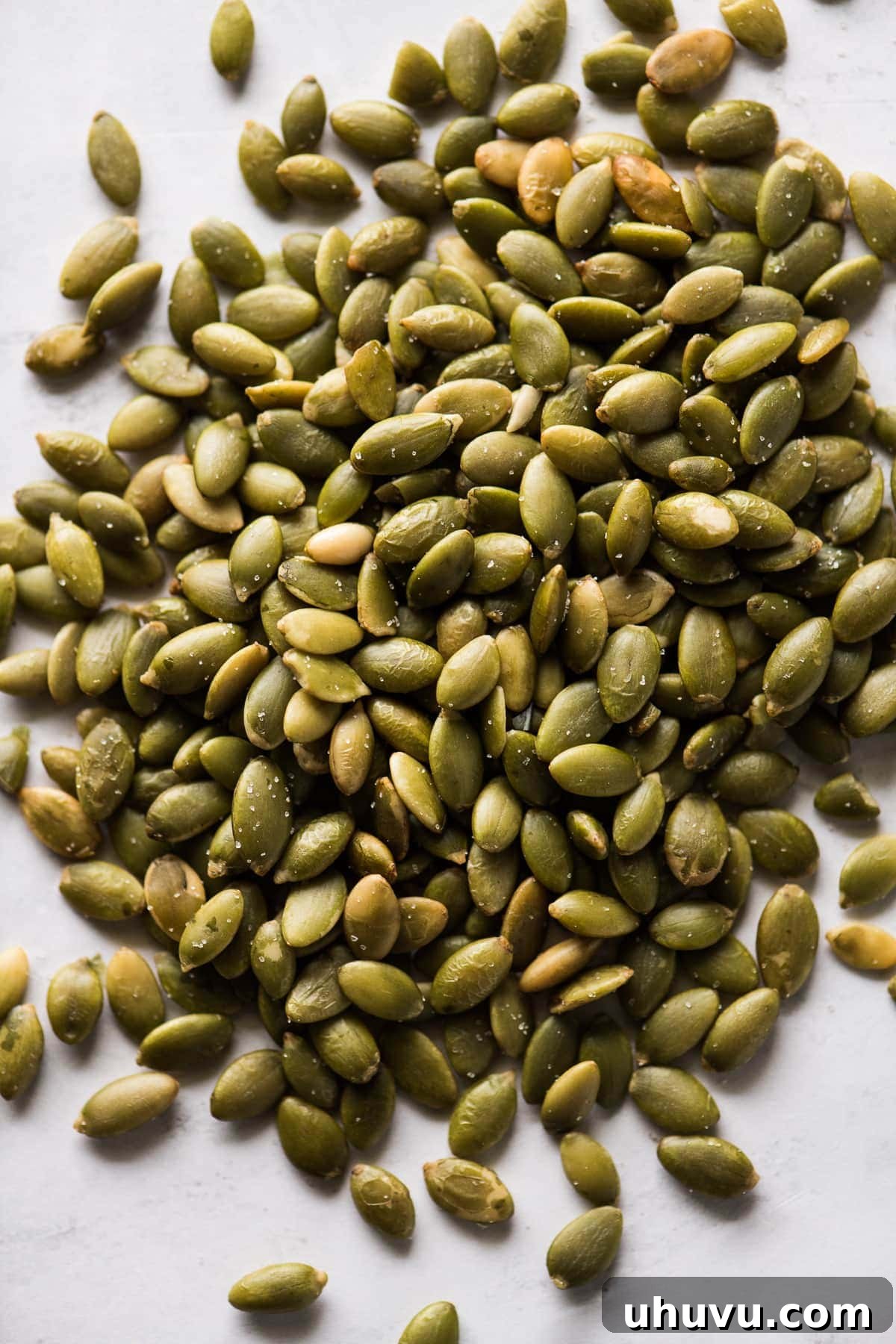
Unlike the large, white, encased seeds you typically scoop out of a Halloween carving pumpkin, pepitas are naturally thin-skinned, flat, and boast a distinctive dark green hue. This striking color is a hallmark of their rich chlorophyll content and unique nutrient profile. When you open a Styrian pumpkin, you won’t find the tough, fibrous outer shell that characterizes conventional pumpkin seeds. Instead, you’ll discover these vibrant green gems ready for consumption, often with just a light cleaning.
The culinary implications of this hull-less characteristic are profound. Standard pumpkin seeds, while edible, require significant effort to de-hull, often through a laborious cracking and shelling process to access the tender kernel within. Even then, the flavor and texture of these manually shelled seeds don’t quite match the delicate, buttery sweetness of true pepitas. The lack of a tough outer shell means pepitas offer a wonderfully tender crunch and a smooth, appealing texture that integrates seamlessly into a wide array of dishes.
Beyond their texture, pepitas are prized for their mild, subtly sweet, and nutty flavor profile. This makes them incredibly versatile, suitable for both savory and sweet applications. Their high oil content is another defining feature; it contributes to their rich flavor and is why they are sometimes pressed for culinary oils, particularly in parts of Europe. Growing these specific pumpkin varieties is similar to cultivating any other pumpkin, with the added benefit of yielding these highly sought-after seeds, while their flesh can still be used for purees and other pumpkin-based recipes, much like common varieties.
Culinary Versatility: Exploring the Many Uses for Pepita Seeds
Pepitas are much more than just a simple snack; their versatility in the kitchen is truly remarkable. From elevating everyday meals to starring in gourmet dishes, these humble seeds add a unique depth of flavor and satisfying texture. Their distinctive taste and nutritional profile make them an invaluable ingredient for diverse culinary explorations.
Often enjoyed on their own as a healthy, crunchy snack, pepitas also serve as an excellent, more economical substitute for pine nuts in recipes like homemade pesto, lending a similar creamy texture and nutty essence. Their robust yet mild flavor makes them incredibly adaptable, complementing a vast array of ingredients without overpowering them.
Once roasted and lightly seasoned, pepitas transform into an irresistible garnish. Sprinkled over fresh salads, creamy soups, or hearty stews, they provide a delightful textural contrast and a pop of nutty flavor. Imagine a vibrant green salad topped with toasted pepitas, or a velvety butternut squash soup made even more inviting with their addition. They also make a fantastic inclusion in homemade granola, muesli, or breakfast bowls, adding an extra layer of crunch and nutrients to kickstart your day.
For those adhering to specific dietary plans, pepitas are a true boon. They are naturally gluten-free, high in healthy fats, and a good source of plant-based protein, making them perfectly suited for paleo, keto, and vegan diets. Furthermore, they offer a fantastic solution for individuals with nut allergies, as they can be easily processed into a creamy, nutritious seed butter that serves as an excellent alternative to peanut or almond butter.
Savory Culinary Creations with Pepitas
- Crispy Coatings: Crushed and finely chopped pepitas create a wonderfully crunchy, low-carb breading for fish fillets, pork chops, or chicken breasts. This method not only adds fantastic texture but also a savory, nutty flavor profile.
- Soup and Bread Toppings: Elevate the simplest dishes with a generous sprinkle of toasted pepitas. They add an inviting crunch and a beautiful visual appeal to creamy soups, such as this flavorful roasted butternut squash soup, or baked goods like this comforting moist pumpkin bread.
- Rice and Grain Enhancements: Stir a handful of pepitas into side dishes like rice pilaf, quinoa, or couscous during the last few minutes of cooking for added texture, nutrients, and a subtle nutty flavor that transforms ordinary grains into something special.
- Salsa and Dips: Incorporate finely chopped or ground pepitas into your homemade salsas, guacamoles, or other dips to introduce a pleasant texture and a richer, more complex flavor profile. They are a traditional ingredient in many authentic Mexican mole sauces.
- Roasted Vegetable Boost: Toss pepitas with your favorite roasted vegetables, such as Brussels sprouts, broccoli, or sweet potatoes, for an extra layer of crunch and a nutritional punch.
- Stuffings and Dressings: Add them to savory bread stuffings for poultry or incorporate them into homemade salad dressings for a unique twist.
Sweet Treats and Breakfast Enhancements
- Granola and Cereal: A classic addition to homemade granola, trail mix, or as a topping for yogurt, oatmeal, and breakfast cereals.
- Baking: Fold pepitas into muffin batters, cookie doughs, or quick breads for an earthy flavor and delightful crunch. They pair exceptionally well with autumn spices like cinnamon and nutmeg.
- Energy Bars and Bites: Incorporate them into no-bake energy bars or protein balls for a healthy, satisfying boost.
Crafting Homemade Pepita Butter
For a truly versatile and healthy spread, making your own pepita butter is surprisingly simple. By blending roasted pepitas in a food processor until smooth, you can create a delicious, nutrient-dense butter. This homemade spread is perfect on toast, mixed into smoothies, or used as a dip for fruit and vegetables, providing a fantastic alternative for those avoiding nuts while still enjoying a creamy, satisfying texture and taste.
Sourcing and Storing Pepitas: A Buyer’s Guide
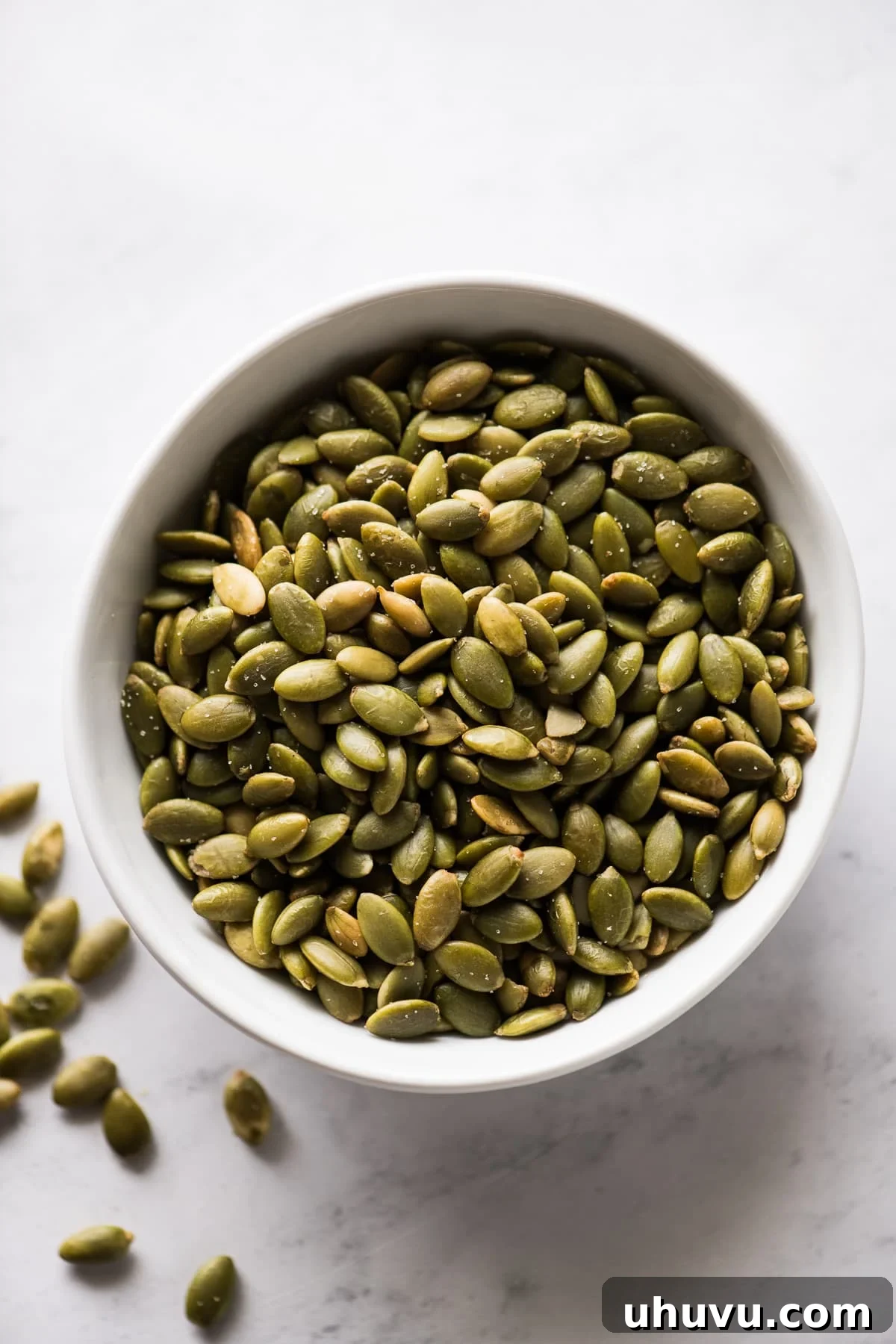
Integrating pepitas into your diet is made simple by their widespread availability and ease of storage. When you set out to purchase these versatile seeds, you’ll generally encounter them in two main forms: raw and roasted. Both options have their distinct advantages, allowing you to choose based on your culinary needs and preferences.
Raw pepitas are unseasoned and unroasted, offering maximum flexibility for your cooking. You can roast them yourself at home, allowing you to customize the seasoning and level of crispness. This is an excellent option for those who enjoy a DIY approach or require them for recipes that call for raw seeds. The roasting process is straightforward: simply spread them on a baking sheet, drizzle with a little oil, season with salt or your preferred spices, and bake at a moderate temperature until golden and fragrant.
Conversely, roasted pepitas are seasoned and ready-to-eat, making them the perfect grab-and-go snack or an instant garnish for salads, soups, and other dishes. These often come lightly salted or with various spice blends, saving you time and effort in the kitchen. Many brands offer both salted and unsalted roasted versions, catering to different dietary needs and taste preferences.
Finding pepitas is typically hassle-free. Most well-stocked grocery stores, particularly those with a health food or bulk section, will carry them. You can usually find them alongside other nuts and seeds, or in the baking aisle. For even greater convenience and a wider selection, you can readily buy them online from various retailers. Since they are shelf-stable, purchasing in larger quantities online can be a cost-effective way to ensure you always have them on hand.
Proper storage is crucial to maintain the freshness and flavor of your pepitas, particularly due to their high oil content. Once opened, pepitas should be stored in a cool, dark place away from direct heat and light, ideally in a sealed, airtight container. In a pantry, they will typically remain fresh for up to three months. However, to extend their shelf life significantly and prevent the oils from turning rancid, storing them in the refrigerator is highly recommended. Refrigerated pepitas can last for up to six months, maintaining their vibrant flavor and nutritional integrity. For even longer-term storage, they can also be frozen, which can keep them fresh for up to a year without compromising quality.
The Power-Packed Pepita: Nutrition and Health Benefits
Despite their small size, pepitas are nutritional powerhouses, packed with a remarkable array of vitamins, minerals, and beneficial compounds. They are surprisingly low in calories for their nutrient density, offering a robust profile that supports overall health and well-being. Incorporating a single serving of these delicious seeds into your daily diet can provide a significant boost of essential nutrients:
- Heart-Healthy Fats: Pepitas are rich in monounsaturated and polyunsaturated fats, including omega-6 fatty acids. These healthy fats play a crucial role in reducing bad cholesterol levels (LDL) and increasing good cholesterol (HDL), contributing to better cardiovascular health and reducing the risk of heart disease.
- Protein: An excellent source of plant-based protein, pepitas provide essential amino acids vital for muscle repair, growth, and overall bodily functions. This makes them a valuable addition for vegetarians, vegans, and anyone looking to increase their protein intake.
- Iron: Essential for oxygen transport in the blood and preventing iron-deficiency anemia, pepitas contribute to energy levels and cellular health.
- Zinc: This vital mineral supports a robust immune system, aids in wound healing, and plays a role in cell growth and division. Zinc is also important for taste and smell.
- Manganese: Crucial for bone health, metabolism, and antioxidant defense, manganese helps the body process fats and carbohydrates.
- Magnesium: Pepitas are one of the best dietary sources of magnesium. This mineral is involved in over 300 biochemical reactions in the body, including muscle and nerve function, blood sugar control, blood pressure regulation, and bone development. It’s also known for its calming properties, potentially aiding in better sleep.
- Antioxidants: Loaded with various antioxidants, including carotenoids and vitamin E, pepitas help protect your cells from damage caused by free radicals, reducing oxidative stress and lowering the risk of chronic diseases.
- Fiber: Although not listed in the original, pepitas are a good source of dietary fiber, which promotes healthy digestion, aids in maintaining satiety, and supports stable blood sugar levels.
- Tryptophan: Pepitas contain tryptophan, an amino acid that the body converts into serotonin and then melatonin, which are crucial neurotransmitters for promoting relaxation and regulating sleep cycles.
Beyond these key nutrients, the synergistic effects of pepitas’ components offer broader health advantages. The high magnesium content, for instance, not only supports bone density but also plays a significant role in managing blood pressure and improving insulin sensitivity, which is beneficial for individuals with or at risk of type 2 diabetes. The combination of healthy fats, fiber, and protein also contributes to satiety, making pepitas an excellent choice for weight management, helping you feel fuller for longer and curbing unhealthy snacking habits.
Furthermore, the anti-inflammatory properties of pepitas, attributed to their rich antioxidant profile, can help reduce inflammation throughout the body, potentially easing symptoms of inflammatory conditions and supporting overall cellular health. Their contribution to gut health, via dietary fiber, also positively impacts the immune system, as a healthy gut microbiome is directly linked to robust immunity. In essence, regularly incorporating pepitas into your diet is a simple yet effective way to nourish your body with a broad spectrum of essential nutrients, supporting everything from heart health and immune function to sleep quality and metabolic balance.