
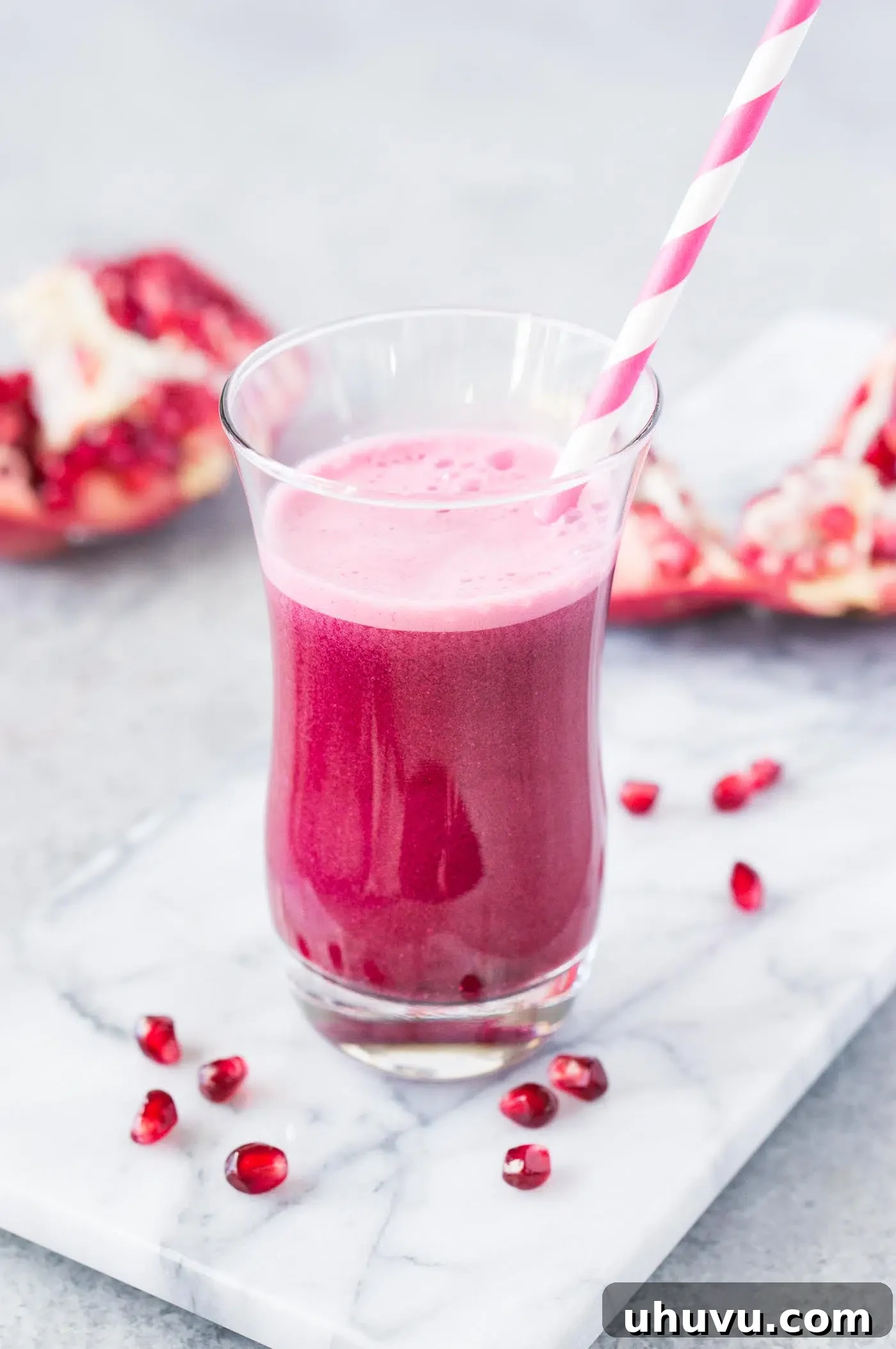
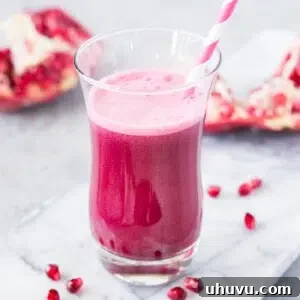
Learning how to make pomegranate juice at home is a true game-changer for anyone seeking a fresh, vibrant, and incredibly flavorful beverage. Forget the expensive, often sugar-laden store-bought versions; creating your own homemade pomegranate juice is surprisingly quick, refreshingly simple, and yields a taste that’s far superior. This comprehensive guide will walk you through my tried-and-tested, mess-free method to extract the maximum juice with minimal effort and absolutely no special juicing equipment required. Prepare to unlock the full potential of this magnificent superfood right in your own kitchen.
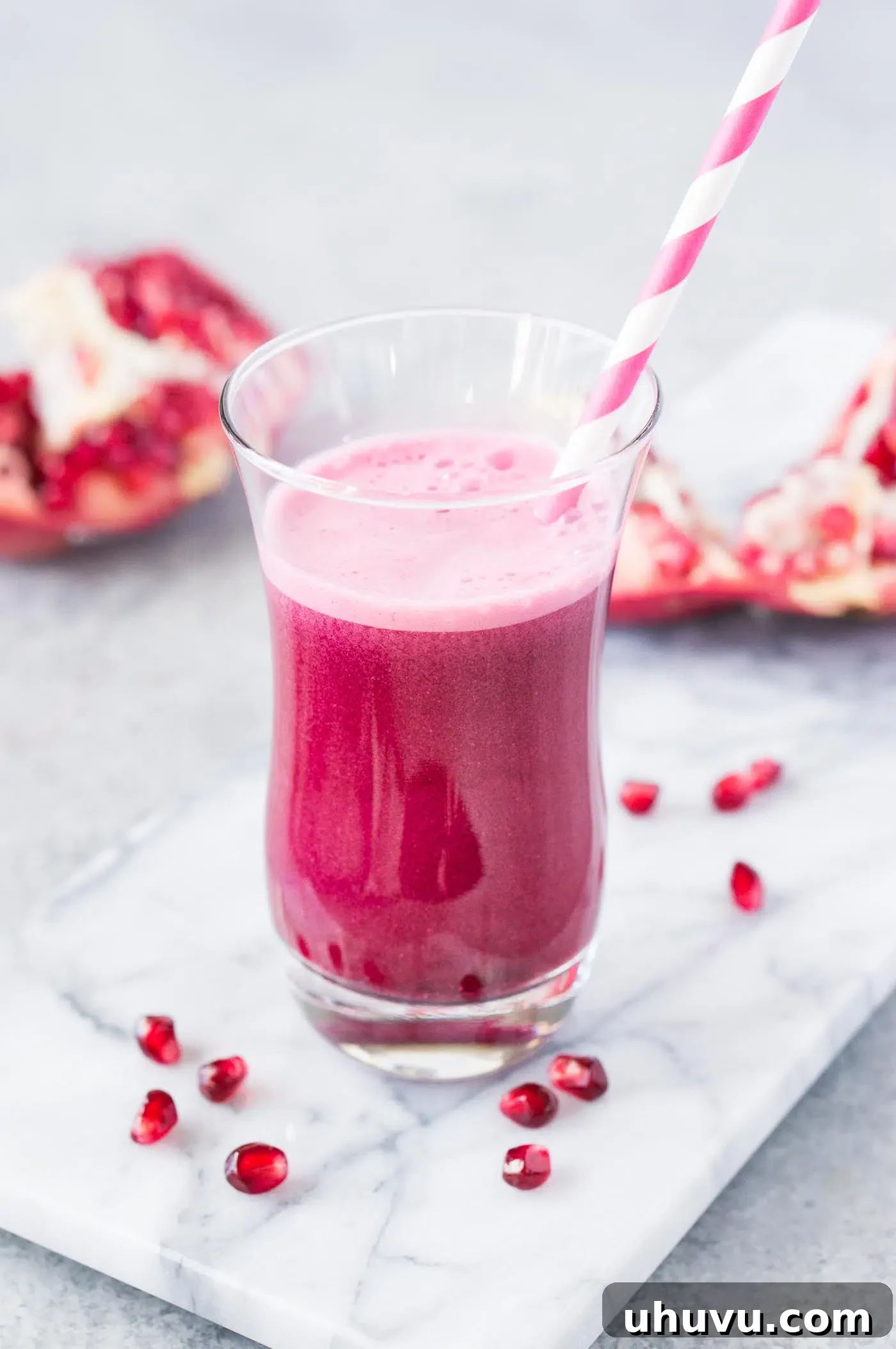
This pomegranate juice recipe has become a beloved tradition in my home every fall season. Its bright, tangy, and refreshing profile is incredibly invigorating, making it a perfect healthy drink for any time of year. The best part? It’s surprisingly simple to create from scratch, bringing a burst of natural goodness to your table in under 15 minutes.
All you need are a few ripe pomegranates, a standard blender, and a fine mesh strainer (or a nut milk bag). The process is straightforward: gently blend the vibrant pomegranate arils, strain the resulting liquid, and you’re left with a glass of pure, fresh juice – free from any added sugars, preservatives, or artificial ingredients. This method ensures you get all the natural health benefits and exquisite taste that pomegranates have to offer.
Over the years, I’ve experimented with various techniques to perfect a quick and mess-free approach. Pomegranate juice is known for its staining power, which can deter many from making it at home. However, I’ve refined a method that shows you exactly how to cut and deseed a pomegranate without the dreaded splatter, keeping your kitchen pristine. You won’t need a high-end, expensive juicer either; this easy technique utilizes basic kitchen tools you likely already own, proving that delicious and nutritious homemade juice is accessible to everyone.
Once you experience the superior flavor and freshness of this homemade version, I’m confident you’ll find it difficult to go back to store-bought pomegranate juice. It’s a culinary revelation that combines health, taste, and convenience into one delightful package.
Craving more fresh and nourishing beverages? Be sure to explore some of my other favorite recipes, like my energizing Green Juice, the vitamin-packed ABC Juice (Apple, Beet, Carrot), and this invigorating Green Smoothie. Each offers a unique way to boost your daily intake of fruits and vegetables.
Everything You Need To Make Pomegranate Juice at Home
Creating your own delicious pomegranate juice is a simple affair when you have the right components. Here’s a breakdown of the ingredients and basic kitchen tools necessary to juice pomegranates like a pro:
Ingredients for Fresh Pomegranate Juice
- 4–6 large, ripe pomegranates: The star of our show! Look for vibrant, heavy fruits. Alternatively, you can use pre-packaged pomegranate arils (seeds) for even quicker preparation.
- Optional add-ins for flavor balance:
- A splash of fresh lemon or lime juice: Enhances the natural tang and brightness of the pomegranate.
- Honey or maple syrup: If you prefer a sweeter juice, a small amount can be added to taste. Adjust based on the sweetness of your pomegranates.
Tools Needed for Juicing Pomegranates
- Blender or food processor: A standard kitchen blender is perfect for breaking down the arils and releasing their juice. A food processor can also work.
- Fine mesh strainer or nut milk bag: Essential for separating the juice from the pulp and ensuring a smooth, clear beverage. A nut milk bag offers an even finer strain.
- Large bowl: To collect the strained juice and for deseeding.
- Wooden spoon: Useful for pressing the pulp in the strainer to extract every last drop of juice, and for deseeding pomegranates without splashing.
- Sharp knife and cutting board: For safely preparing the pomegranates.
How To Choose The Best Pomegranates for Juicing
The quality of your juice begins with choosing the right fruit. When selecting pomegranates, look for ones that are deep red in color, free from soft spots or cracks, and feel surprisingly heavy for their size. A heavy pomegranate indicates a juicy interior. Additionally, those with slightly flattened sides often suggest they are perfectly ripe and bursting with juice. Avoid any fruit that feels light or looks shriveled, as these are signs of dryness and less juice.
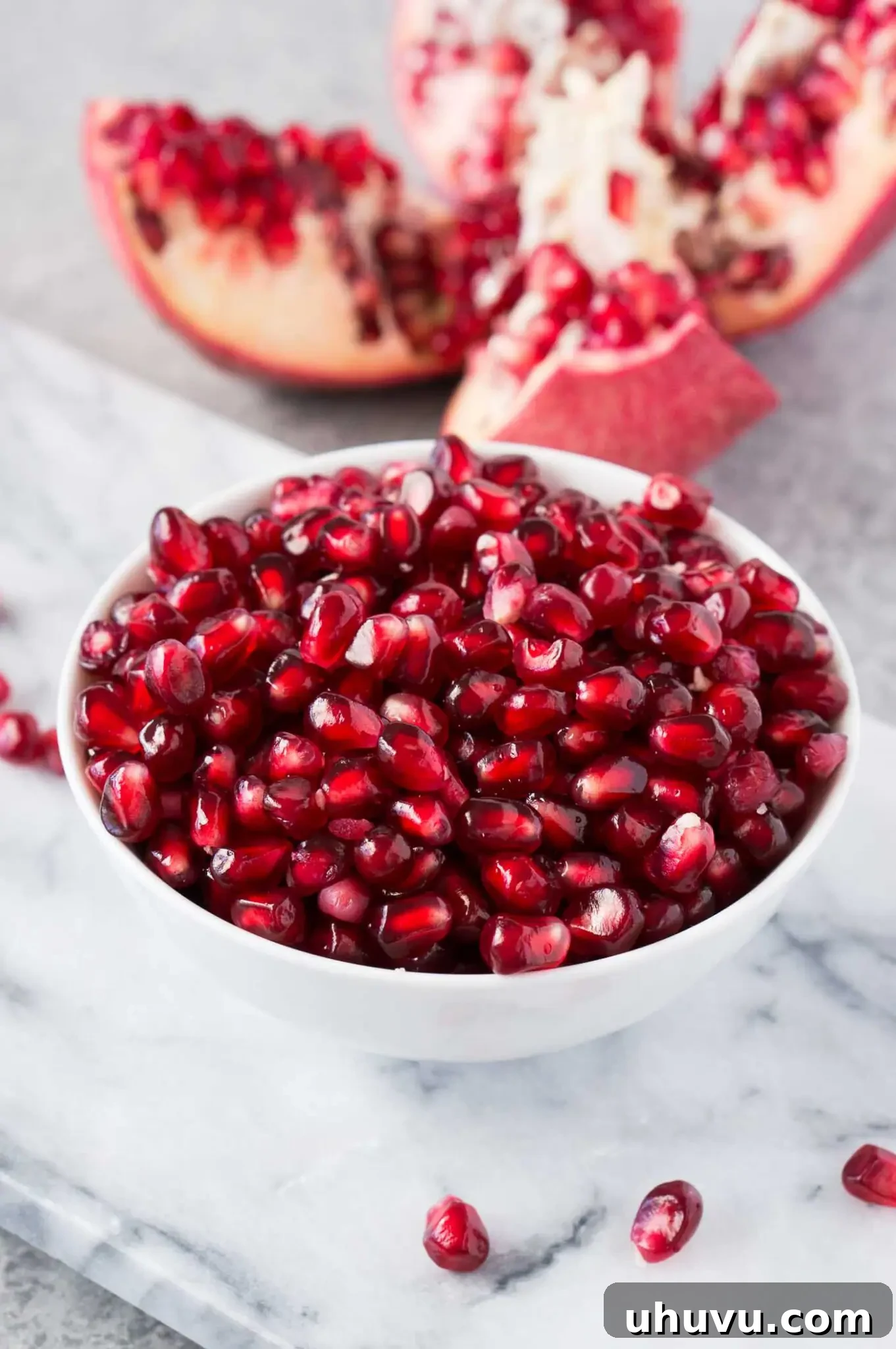
How To Make Pomegranate Juice: A Step-by-Step Guide
Follow these easy, detailed steps to create vibrant, fresh pomegranate juice right in your kitchen. This method is designed to be mess-free and efficient, ensuring you get the most out of your fruit.
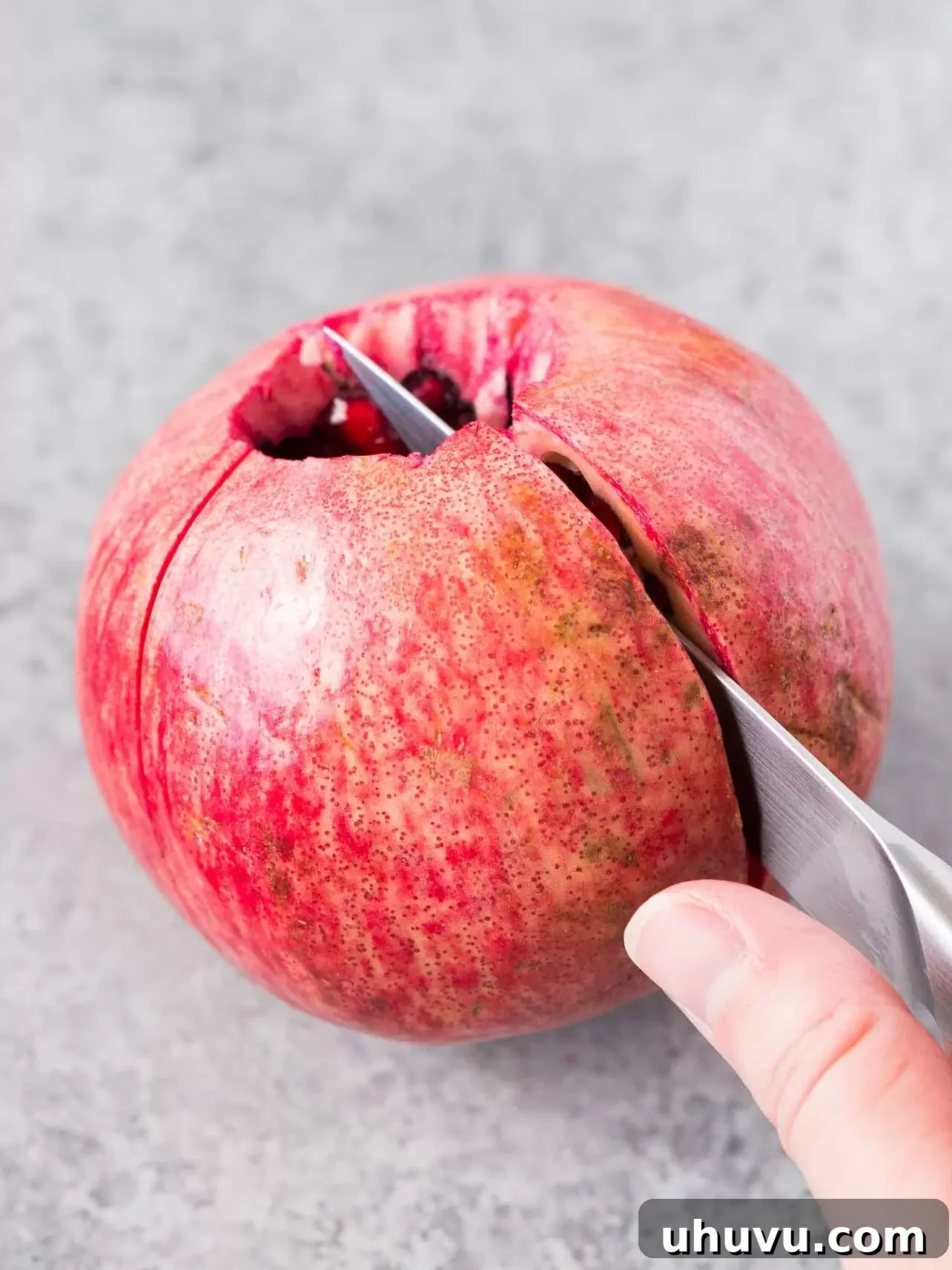
Step 1. Score and Open: Begin by using a sharp paring knife to carefully cut a circle around the crown (top) of the pomegranate. Once the crown is removed, you’ll notice natural ridges running down the fruit. Make 5–6 shallow vertical cuts along these ridges, extending from top to bottom, being careful not to cut too deeply into the arils. Gently pull the pomegranate halves apart along these score lines. This will naturally segment the fruit, making deseeding much easier and less messy.
Need a visual guide? See my detailed post on how to cut a pomegranate with step-by-step instructions and photos for a perfect, clean cut every time.
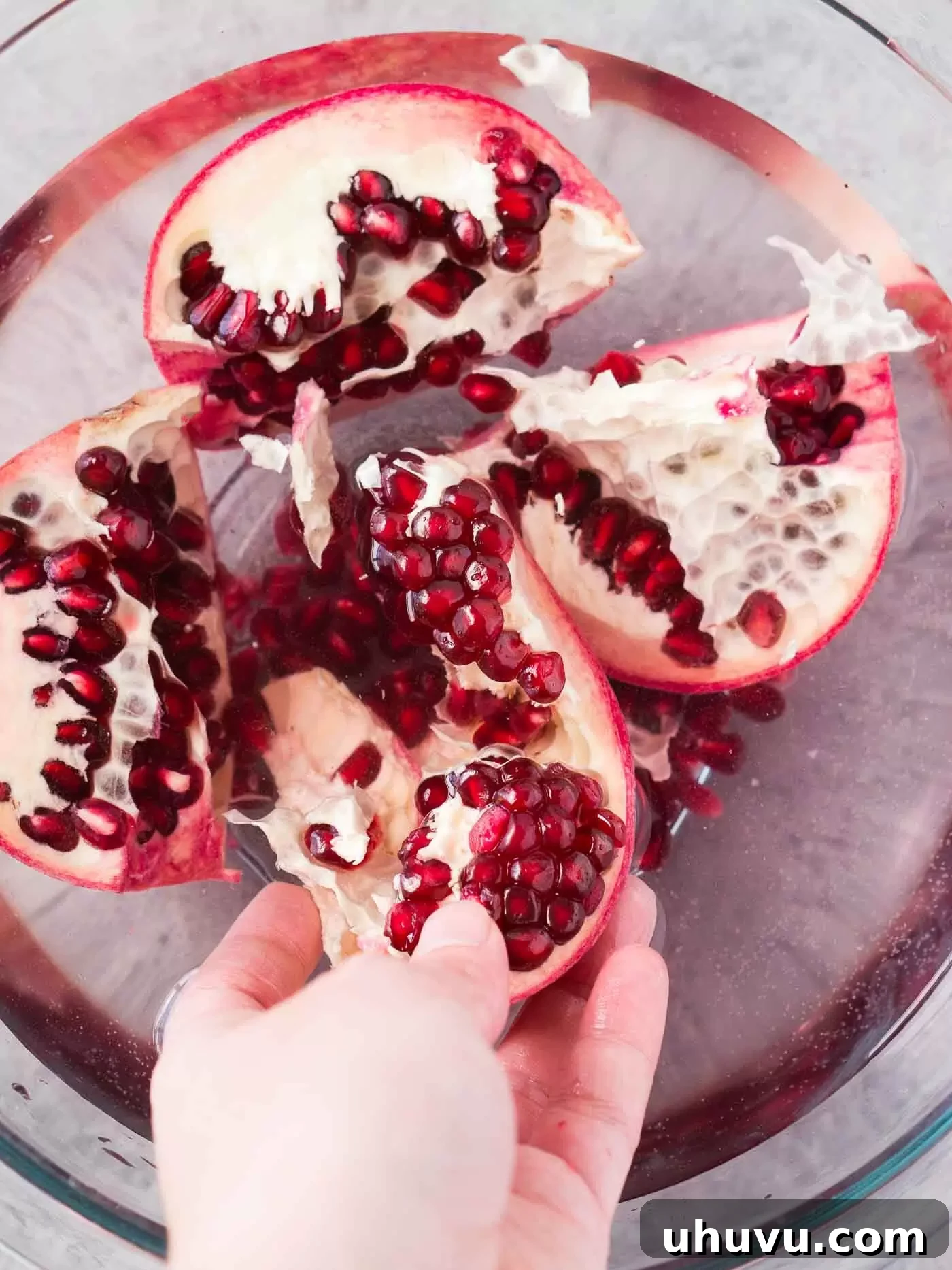
Step 2. Deseed Without Mess: This is where the magic happens for splatter-free preparation! You have two excellent options. First, hold each pomegranate half cut-side down over a large bowl and firmly tap the back of the fruit with a wooden spoon. The arils should fall out easily. Alternatively, for absolute mess prevention, deseed the pomegranate in a bowl filled with water. The arils will sink to the bottom while the white pith floats, allowing you to easily skim it off. This water method is especially effective for avoiding any red stains on your countertops or clothing.
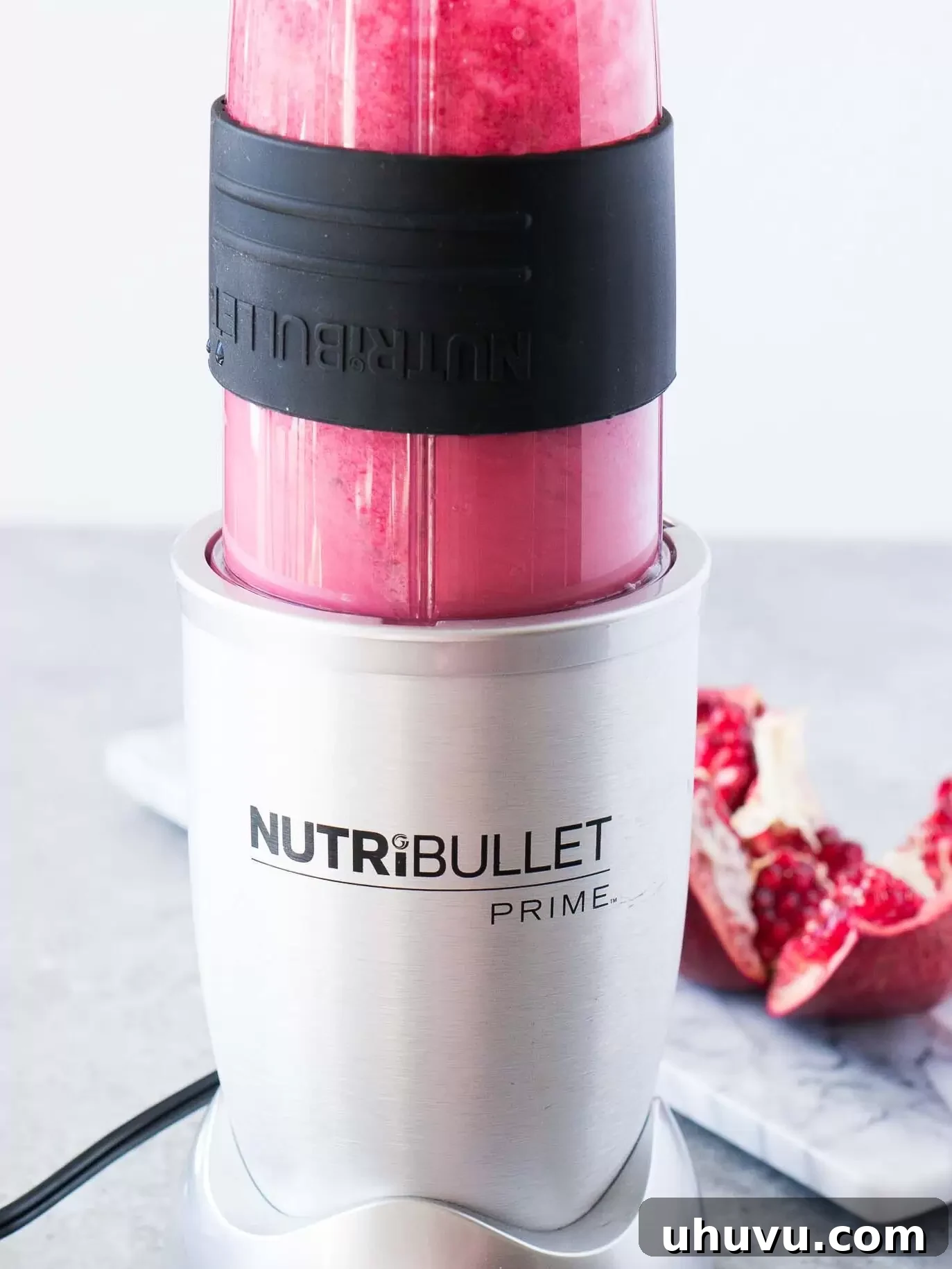
Step 3. Blend: Transfer all the deseeded pomegranate arils into your blender. Add a small amount of water (about 1/4 cup per 4 pomegranates, or less if your pomegranates are very juicy) to help the blades move. Pulse the blender a few times – just enough to break the juice sacs and release their vibrant liquid. It’s crucial not to over-blend, as this can crush the tiny white seeds within the arils, releasing bitter compounds and creating a gritty texture. Aim for quick bursts until the arils are mostly broken.
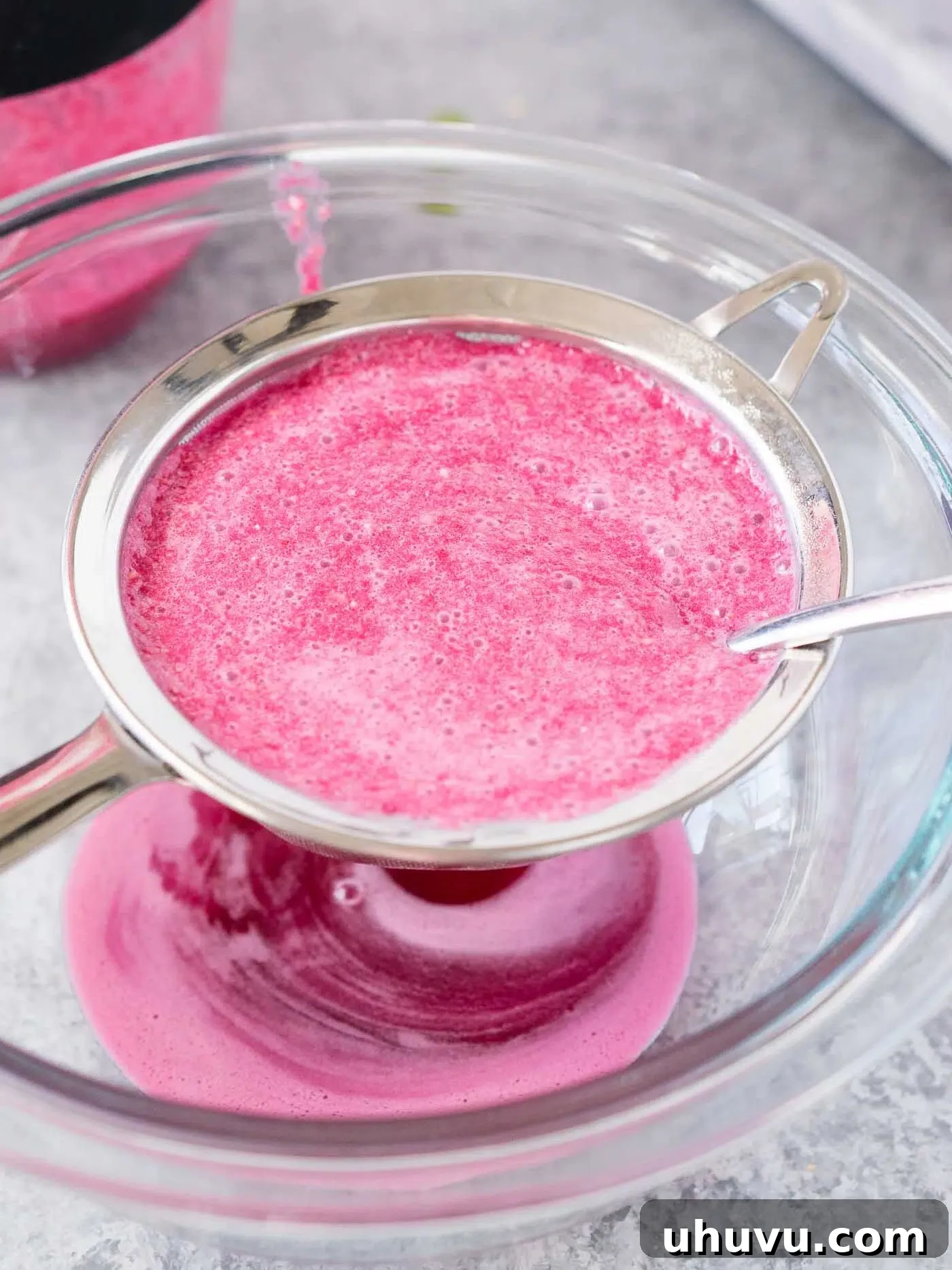
Step 4. Strain: Place your fine mesh strainer over a large, clean bowl. Carefully pour the blended pomegranate mixture into the strainer. Using the back of a wooden spoon or a spatula, press down firmly on the pulp against the mesh. This action will force the liquid through the strainer, leaving behind the solids. Continue pressing and stirring the pulp until you’ve extracted as much juice as possible. For an even smoother consistency, you can line your strainer with a cheesecloth or use a nut milk bag.
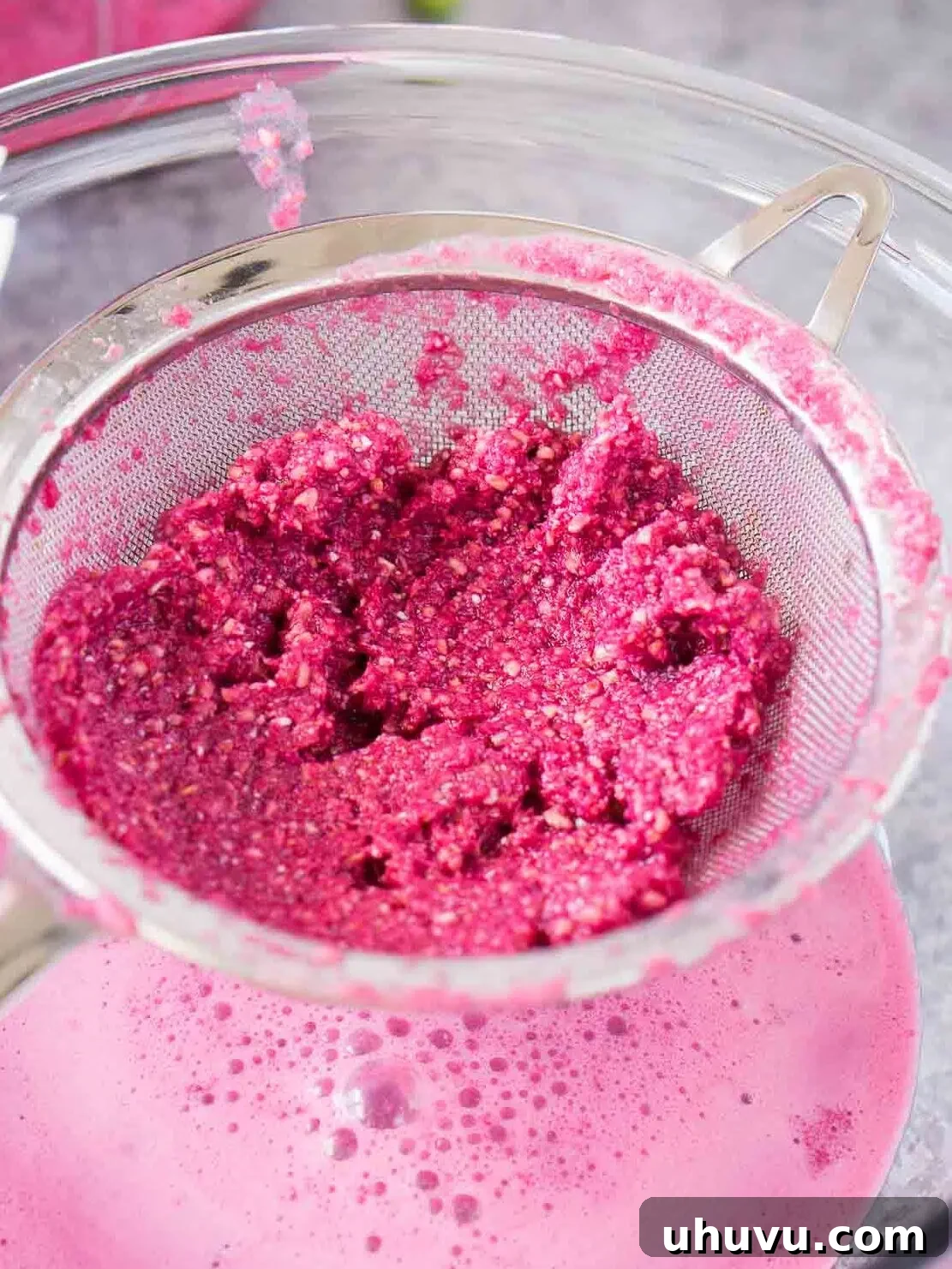
Step 5. Maximize Juice Extraction: Keep pressing and working the pulp in the strainer until it appears relatively dry and no more liquid drips through. You want to extract every last drop of that precious, vibrant juice. The drier the pulp, the more efficient your juicing process has been. Discard the remaining dry pulp, or consider repurposing it (see FAQ section for ideas!).
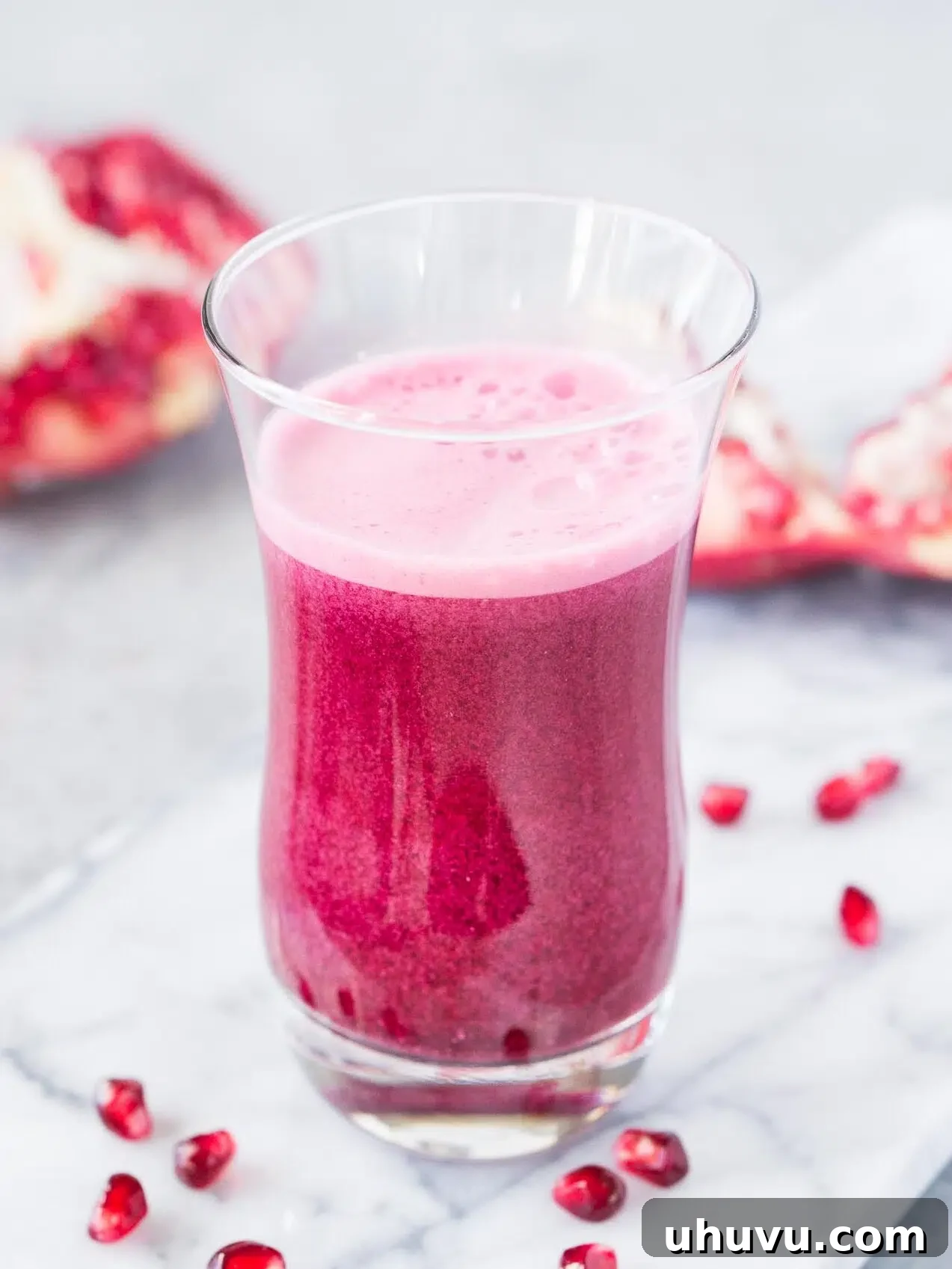
Step 6. Chill and Serve: Once all the juice is extracted, transfer it to a pitcher or serving glasses. For the best flavor and refreshment, chill the juice in the refrigerator for at least 30 minutes before serving. Taste your freshly made pomegranate juice. If you desire a slightly sweeter or more tart profile, this is the perfect time to stir in a squeeze of lemon or lime juice, or a touch of honey or maple syrup. Enjoy your pure, homemade goodness!
Why This Method Works So Well
This blender-and-strainer approach is exceptionally effective because it’s quick, minimizes mess, and delivers genuinely fresh, unadulterated juice with very minimal equipment. You don’t need expensive, specialized juicers or complicated setups – just basic kitchen tools for fantastic results!
EXPERT INSIGHTS FROM NELI’S KITCHEN
Pro Tips for Making the Best Pomegranate Juice
- Start with Ripe Pomegranates: As mentioned, always use fresh, ripe pomegranates for the most vibrant flavor and highest juice yield. A ripe fruit will be heavy, firm, and have a deep, consistent color. Unripe pomegranates can yield a more tart or bland juice.
- Avoid Over-Blending: This is perhaps the most critical tip. Blending the arils for too long or at too high a speed can pulverize the small white seeds within, releasing bitter tannins that will negatively impact your juice’s taste. Stick to quick pulses, just enough to break the juice sacs.
- Alternative Juicing Tools: While a high-speed blender is ideal, a medium-speed blender or even a food processor will do the job effectively. If you don’t have a blender, a sturdy citrus press or a handheld juicer can also be used, though it might require more manual effort.
- For a Super Smooth Juice: To reduce pulp to an absolute minimum and achieve a silky-smooth consistency, consider using a double-layered fine mesh strainer or lining your single strainer with a layer of cheesecloth or a clean muslin cloth. This extra step will catch even the finest particles.
- Prevent Stains Proactively: Pomegranate juice is notoriously staining. Always wear an apron or old clothes when handling the fruit. When cutting, work on a plastic cutting board rather than a wooden one, as wood can absorb the pigment. Wiping up spills immediately is also key.
- Adjust Sweetness to Taste: Pomegranates vary in sweetness. Always taste your freshly extracted juice before adding any sweeteners. If needed, start with a small amount of honey, maple syrup, or a touch of stevia, adding more gradually until it reaches your desired sweetness level.
- Add a Citrus Boost: A squeeze of fresh lemon or lime juice can brighten the flavor profile of pomegranate juice, adding a zesty counterpoint to its natural sweetness and tartness.
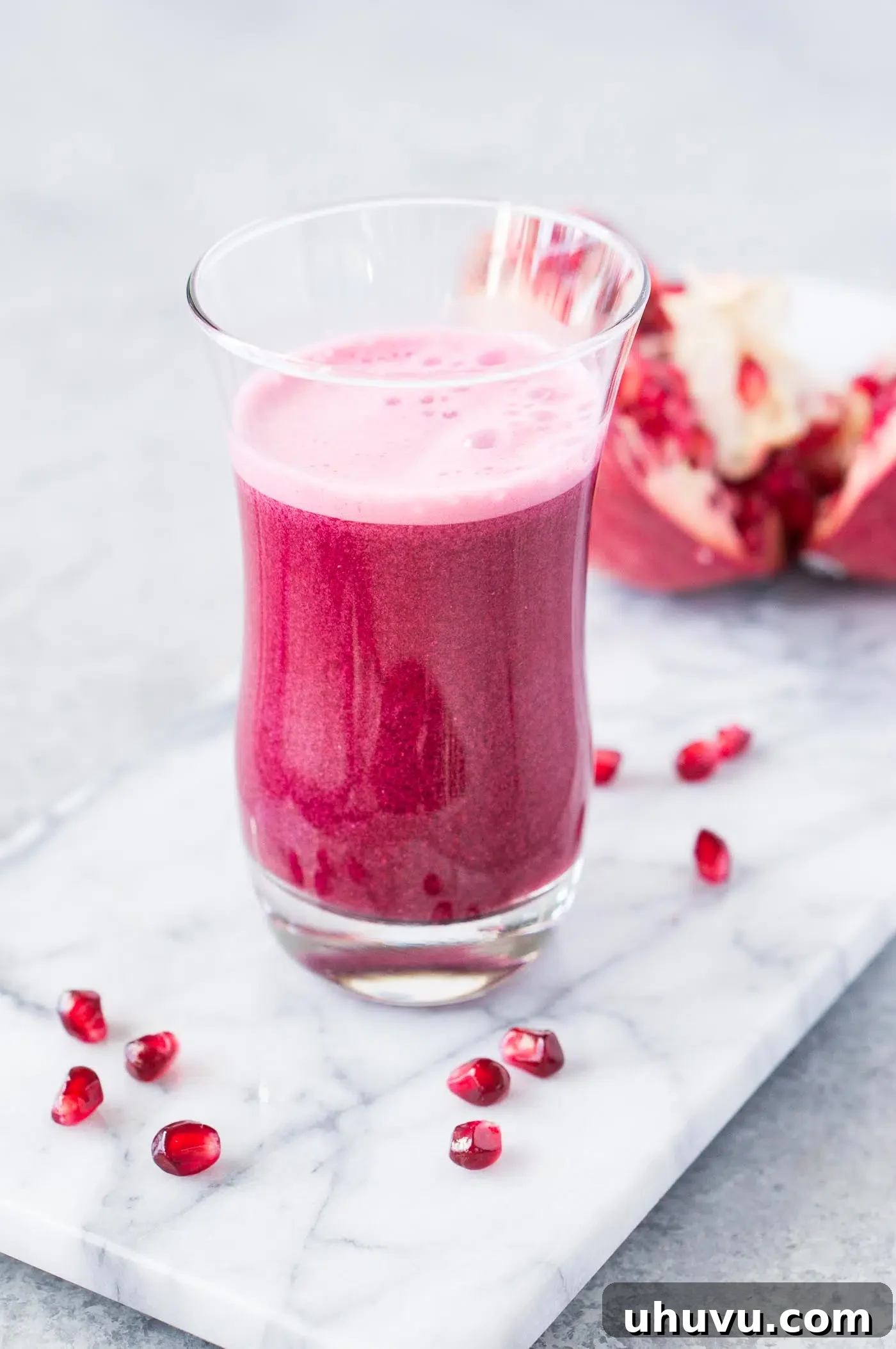
Storage & Freezing for Ultimate Freshness
Once you’ve made your batch of fresh pomegranate juice, proper storage is key to maintaining its vibrant flavor and nutritional integrity. Here’s how to keep it fresh:
- Refrigeration: Store fresh pomegranate juice in a tightly sealed glass jar or bottle in the refrigerator. It will stay fresh and delicious for up to 4 days. Always make sure the container is airtight to prevent oxidation and absorption of other fridge odors.
- Freezing: For longer storage, pomegranate juice freezes beautifully. Pour the juice into ice cube trays and freeze until solid. Once frozen, transfer the juice cubes to a freezer-safe bag or container. These cubes are perfect for adding to smoothies, sparkling water, or even cocktails. When freezing in larger containers, remember to leave some headspace at the top, as liquids expand when they freeze. Frozen pomegranate juice can last for up to 3-6 months.
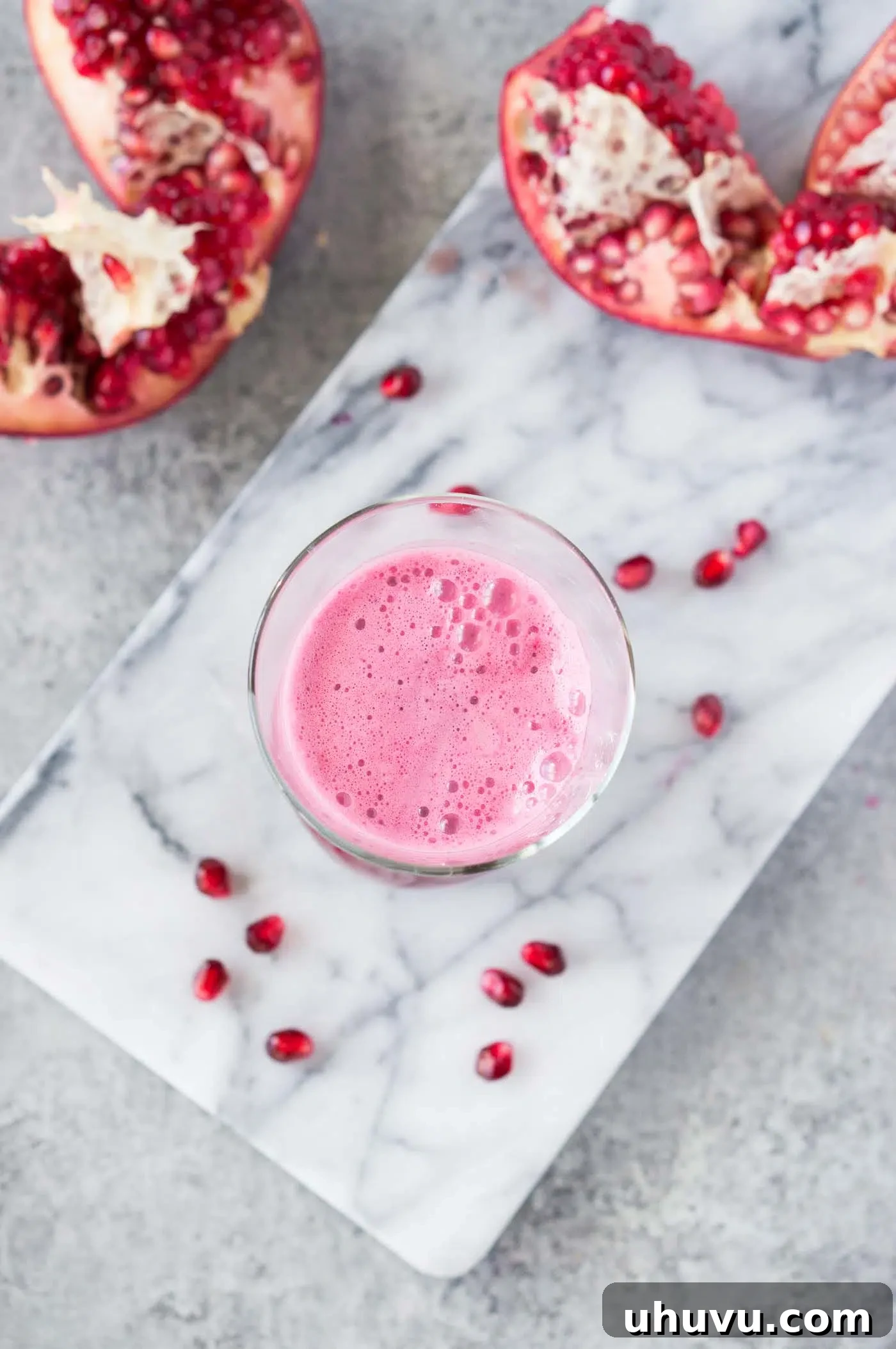
Creative Ways to Enjoy Homemade Pomegranate Juice
Beyond simply sipping it chilled, homemade pomegranate juice is incredibly versatile and can elevate a variety of dishes and drinks. Here are some inspiring serving ideas:
- Pure and Simple: Enjoy it on its own, perfectly chilled or poured over ice, for a refreshing and healthy boost.
- Sparkling Mocktail: Mix it with sparkling water, seltzer, or club soda for an effervescent, alcohol-free refresher. Garnish with a lemon wedge or fresh mint.
- Culinary Enhancements:
- Vinaigrettes & Dressings: Use it as a base for vibrant salad dressings, adding a sweet and tangy note.
- Marinades & Glazes: Incorporate into marinades for poultry or pork, or reduce it to create a beautiful, glossy glaze for roasted meats or vegetables.
- Pomegranate Molasses: Reduce the juice over low heat to create a homemade pomegranate molasses, a staple in Middle Eastern cuisine perfect for drizzling over hummus, salads, or roasted dishes.
- Blended Creations: Add a splash of pomegranate juice to your favorite smoothies for an extra layer of flavor and antioxidants. It pairs wonderfully with berries, bananas, and greens.
- Cocktail Concoctions: Elevate your adult beverages! Use it in winter sangria, margaritas, Moscow mules, or classic vodka cranberries for a sophisticated twist.
- Dessert Drizzle: Lightly sweeten and drizzle over yogurt, fruit salads, ice cream, or cheesecakes for an elegant finish.
Common Questions & Helpful Answers About Pomegranate Juice
On average, you’ll need approximately 2 large pomegranates to yield about 1 cup (240ml) of fresh juice. This can vary slightly depending on the size and juiciness of the fruit, as well as your extraction method.
Absolutely! Using frozen pomegranate arils is a fantastic shortcut. You can either thaw them slightly before blending or use them directly from the freezer, adding a little extra water if needed to aid blending. This is a convenient option when fresh pomegranates are out of season or to save on prep time. Many grocery stores offer pre-packaged fresh or frozen arils, making the juicing process even quicker than deseeding a whole pomegranate from scratch.
Don’t toss that pulp! While the majority of juice has been extracted, the leftover pulp still contains valuable fiber. You have a few eco-friendly options: you can easily compost it, adding nutrients back to your garden. For a more culinary approach, you can dehydrate the pulp (in a low oven or dehydrator) until completely dry, then blend it into a fine powder. This powder can be used in baking, added to smoothies for extra fiber, or even incorporated into homemade tea blends for a subtle fruity flavor.
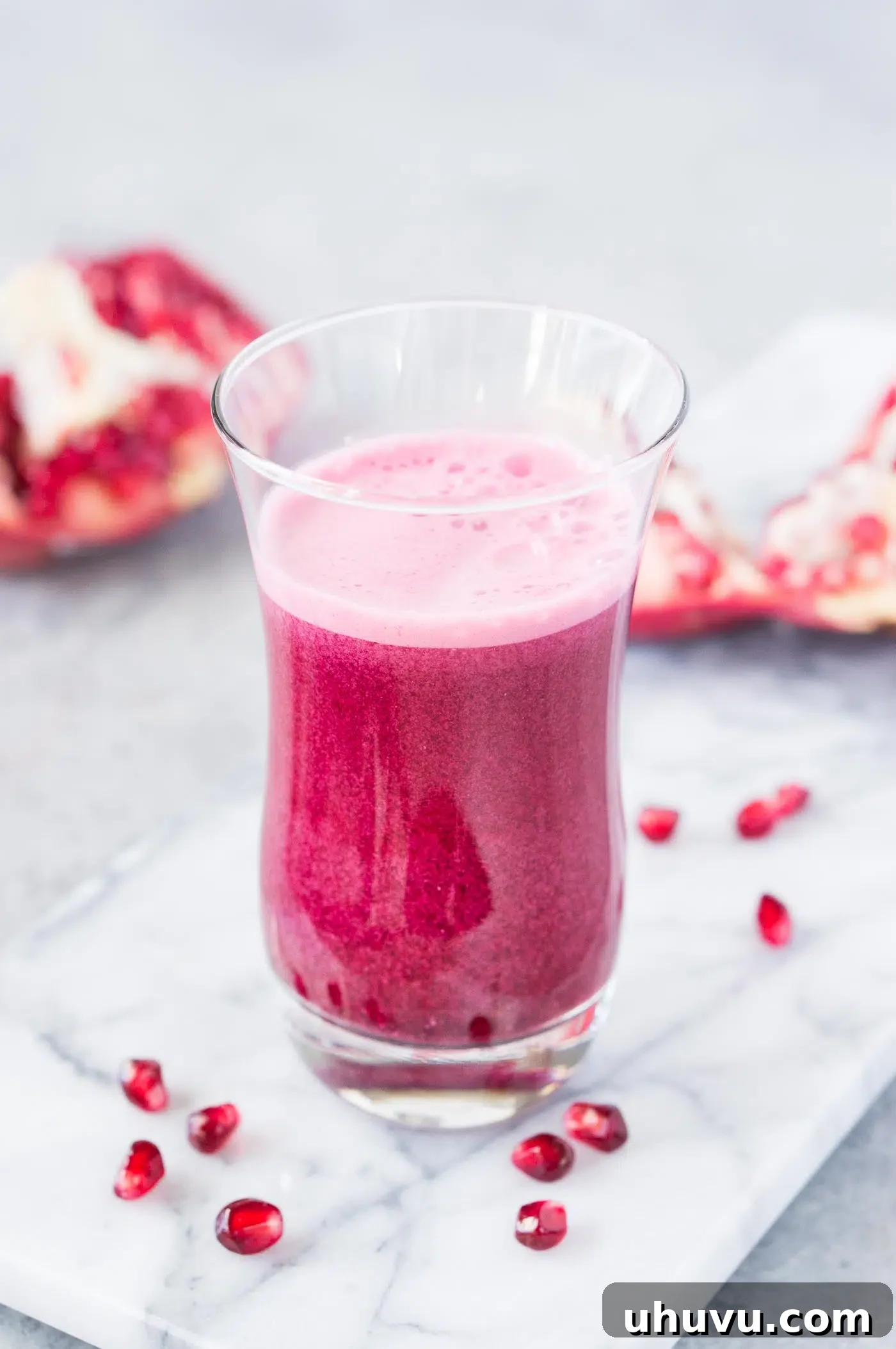
Why Make Your Own Pomegranate Juice? The Benefits Are Abundant
Choosing to make pomegranate juice at home offers a multitude of advantages that go far beyond just taste:
- Budget-Friendly: Commercial pomegranate juice, especially 100% pure varieties, can be quite expensive. Making it at home is significantly kinder to your wallet, especially when pomegranates are in season. You get more juice for less money, and the process is surprisingly simple and quick, making it a valuable habit.
- Pure, Natural Ingredients: When you make your own, you control exactly what goes into your glass. There’s nothing but the pure essence of pomegranate seeds – no added sugars, artificial sweeteners, preservatives, or questionable additives. This ensures you’re consuming a truly wholesome and natural beverage.
- Superior Flavor Profile: Freshly squeezed pomegranate juice boasts a rich, complex, and intensely fruity taste that’s often diluted or altered in commercial products. It offers a perfect balance of sweet and tart notes, reflecting the natural ripeness of the fruit. This vibrant flavor is unmatched and perfect for any occasion.
- Maximum Nutritional Value: Pomegranates are celebrated for their incredible health benefits. They are packed with antioxidants (even more than green tea and red wine!), vitamin C, vitamin K, folate, and potassium. By juicing them fresh, you ensure you’re getting these vital nutrients at their peak, supporting heart health, reducing inflammation, boosting immunity, and providing powerful anti-aging properties. Store-bought juices can lose some of these benefits through processing and pasteurization.
- Customizable Sweetness: Depending on your preference and the natural sweetness of your pomegranates, you can entirely control the sugar content. Keep it unsweetened for a pure, tart experience, or add a touch of natural sweetener like honey or maple syrup to suit your palate.
- Educational and Rewarding: There’s immense satisfaction in creating something delicious and healthy from scratch. It’s also a great way to learn more about the fruits you consume and appreciate their natural goodness.
Making your own pomegranate juice is a simple choice that pays dividends in taste, health, and budget.
More Helpful Kitchen How-To Guides
Expand your culinary skills with these additional guides:
- How To Cook Lentils Perfectly Every Time
- How To Make Homemade Butter
- How To Poach an Egg Perfectly
- How to Peel and Mince Garlic Effortlessly
If you tried this homemade pomegranate juice recipe, I’d absolutely love to hear what you think! Please leave a ⭐ star rating and drop a note in the 📝 comments section below – I truly enjoy hearing how these recipes work out for you and your family.
Pin this now to find it later
Pin It
How to Make Pomegranate Juice
Equipment
-
blender
-
fine mesh strainer
-
large bowl
-
wooden spoon
-
knife and cutting board
Ingredients
- 4-6 large ripe Pomegranates
- Optional: splash of lemon/lime juice, honey/maple syrup for sweetness
Instructions
-
Score and open: Using a sharp paring knife, cut a circle around the top of the pomegranate. Make 5–6 shallow cuts along the natural ridges and gently pull it apart.
-
Deseed without mess: Hold each half over a bowl and tap the back with a wooden spoon. Or deseed in a bowl of water to prevent staining.
-
Blend: Place the seeds in a blender and pulse a few times—just enough to break the juice sacs and release their juice.
-
Strain: Pour the mixture through a mesh strainer into a bowl, pressing with a spoon to extract as much juice as possible. The pulp should be relatively dry when you have extracted all the juice.
-
Serve: Chill and serve. Add a little lemon or sweetener, if desired.
Notes
- If using a fresh pomegranate, make sure that it is ripe for the best flavor. It should be heavy for its size and firm to the touch.
- Don’t over-blend – It can release bitter compounds from the seeds and make the juice gritty.
- No blender? I usually use a high-speed blender, but a medium-speed blender will do the job well. You could also use a citrus press, a handheld juicer, or an electric juicer.
- Use a double mesh strainer or a cheesecloth to decrease the amount of pulp in the pomegranate juice.
- Wear an apron and slice pomegranates on a plastic cutting board to avoid stains.
Nutrition
| Carbohydrates: 53g
| Protein: 5g
| Fat: 3g
| Saturated Fat: 0.3g
| Polyunsaturated Fat: 0.2g
| Monounsaturated Fat: 0.3g
| Sodium: 8mg
| Potassium: 666mg
| Fiber: 11g
| Sugar: 39g
| Vitamin C: 29mg
| Calcium: 28mg
| Iron: 1mg
Nutrition Disclaimer: Nutritional values are estimates and may vary with ingredients, brands, and portion sizes. For accuracy, use your preferred nutrition calculator.
Like this recipe? Rate and comment below!