
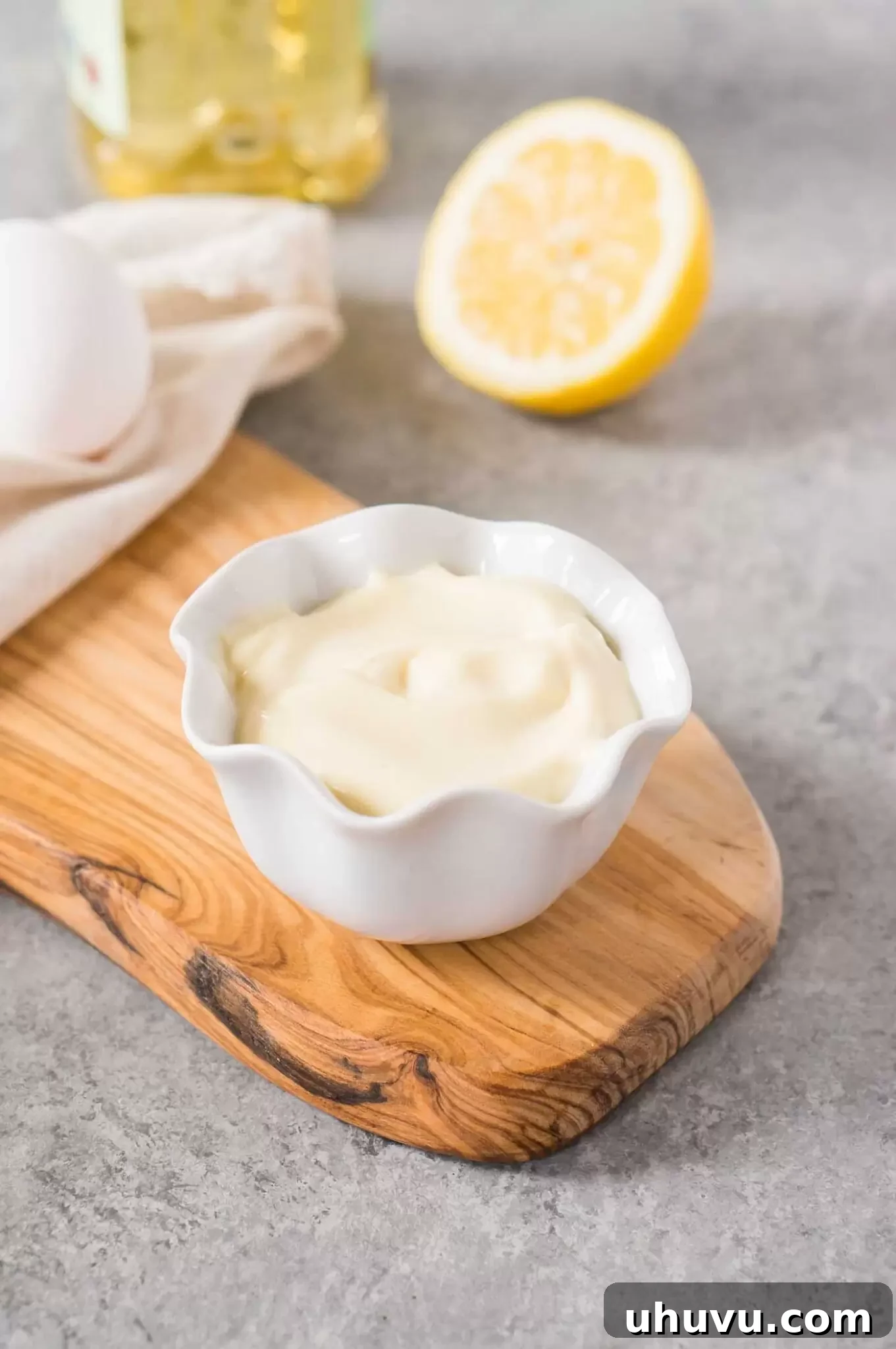
Tired of bland, preservative-filled store-bought options? It’s time to discover the unparalleled taste and freshness of homemade mayonnaise! Learn how to make mayonnaise from scratch in mere minutes using just a handful of simple, natural ingredients. This guide will transform your culinary experience, offering a creamy, rich condiment that elevates everything from sandwiches to elaborate salads. Get ready to ditch the jar and embrace the deliciously easy world of authentic homemade mayo – once you try it, you’ll never look back!
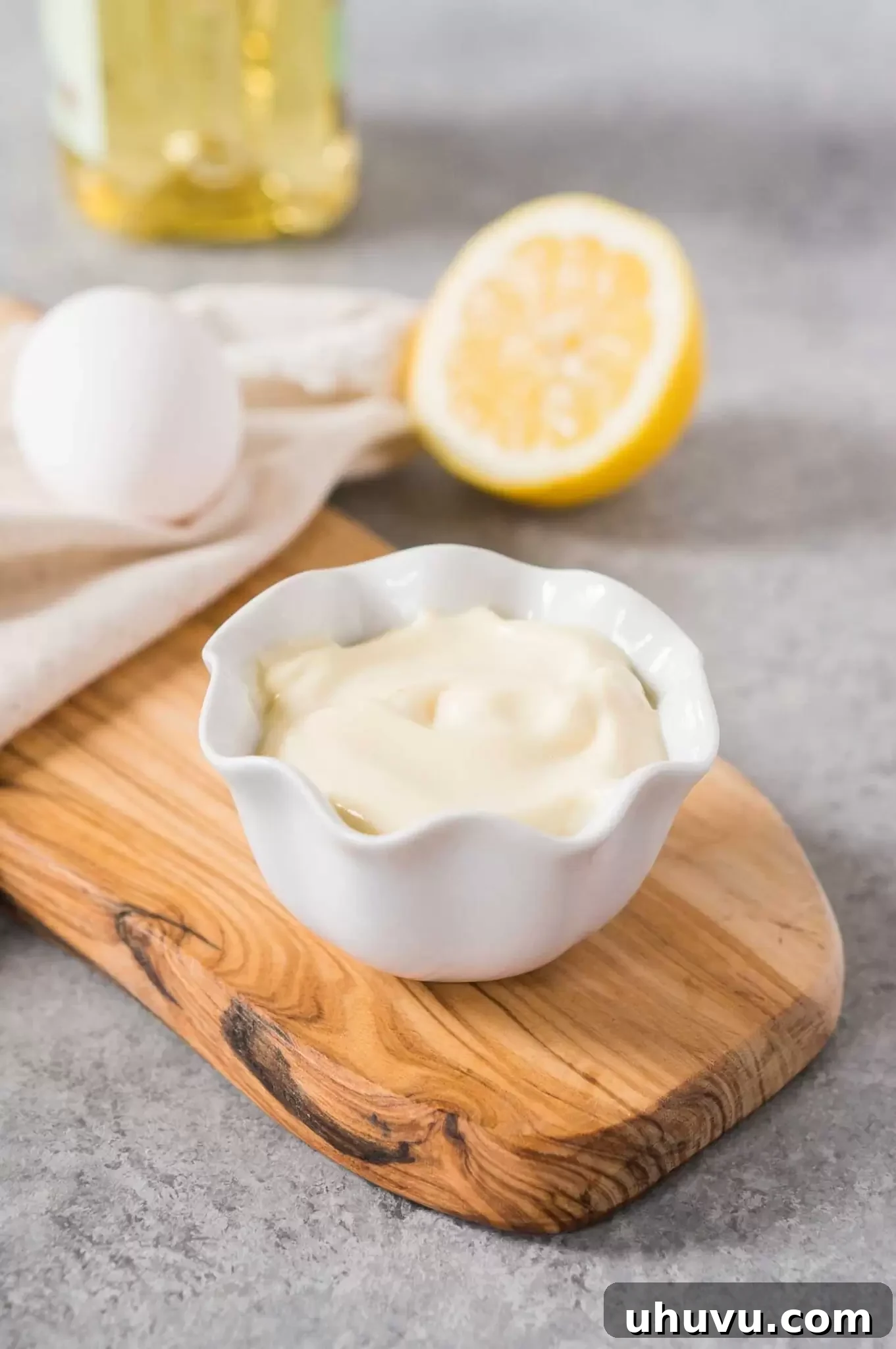
Mayonnaise is arguably one of the most beloved and versatile condiments in kitchens worldwide. From a simple dip for crispy fries to a foundational ingredient in classic salads and hearty sandwiches, its creamy texture and tangy flavor add a touch of indulgence to countless dishes. While convenient, commercial mayonnaise often contains added sugars, unhealthy oils, and artificial preservatives. Making your own mayonnaise at home not only gives you complete control over the ingredients but also delivers a noticeably superior flavor and fresher taste that can’t be matched by anything from a jar.
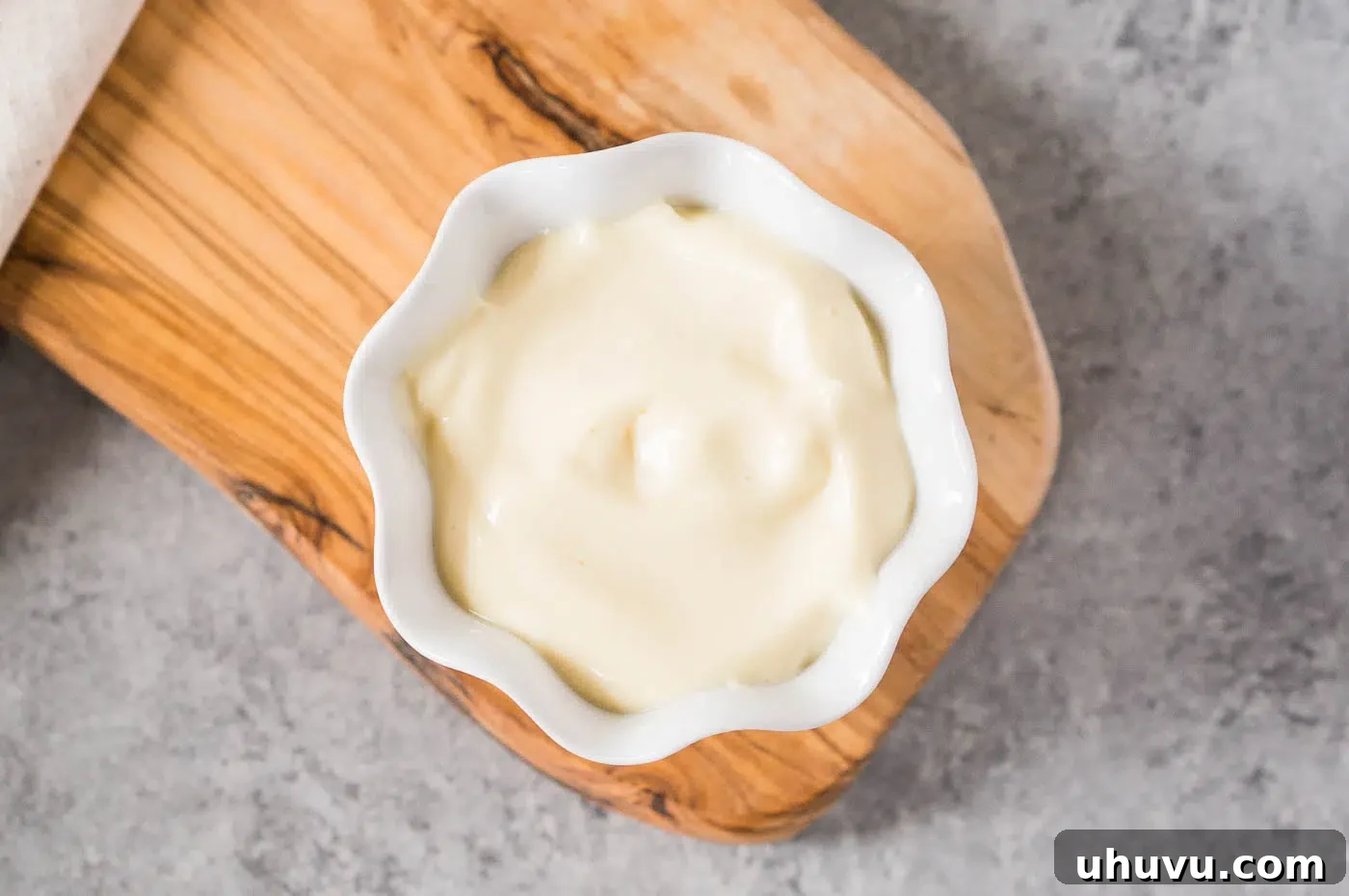
Imagine a mayonnaise so fresh and vibrant, it elevates every bite. This simple homemade mayonnaise recipe takes just about 5 minutes of active preparation, and the results are truly transformative. Once you experience the rich, velvety texture and bright, clean taste of mayo made from scratch, you’ll understand why so many home cooks are making the switch. It’s a culinary skill that’s easy to master and incredibly rewarding.
Why Opt for Homemade Mayonnaise?
- Unbeatable Freshness and Flavor: Store-bought mayo simply can’t compare to the vibrant taste of freshly made mayonnaise. You’ll notice a significant difference in richness and a cleaner flavor profile.
- Healthier Ingredients: By making your own, you control exactly what goes in. Say goodbye to unwanted preservatives, unhealthy trans fats, and hidden sugars often found in commercial brands. Choose high-quality oils and eggs for a truly wholesome condiment.
- Quick and Effortless: Don’t be intimidated by the idea of making mayo from scratch! With the right tools and technique, it comes together in under 5 minutes, making it a viable option even on busy weeknights.
- Budget-Friendly: Believe it or not, crafting your own mayonnaise is often more cost-effective than repeatedly purchasing premium store brands. Basic ingredients like eggs, oil, and lemon juice are kitchen staples.
- Customization Potential: Homemade mayonnaise is a blank canvas! Easily adapt the flavor with herbs, spices, or other seasonings to perfectly complement your meal.
Essential Mayonnaise Ingredients: The Foundation of Flavor
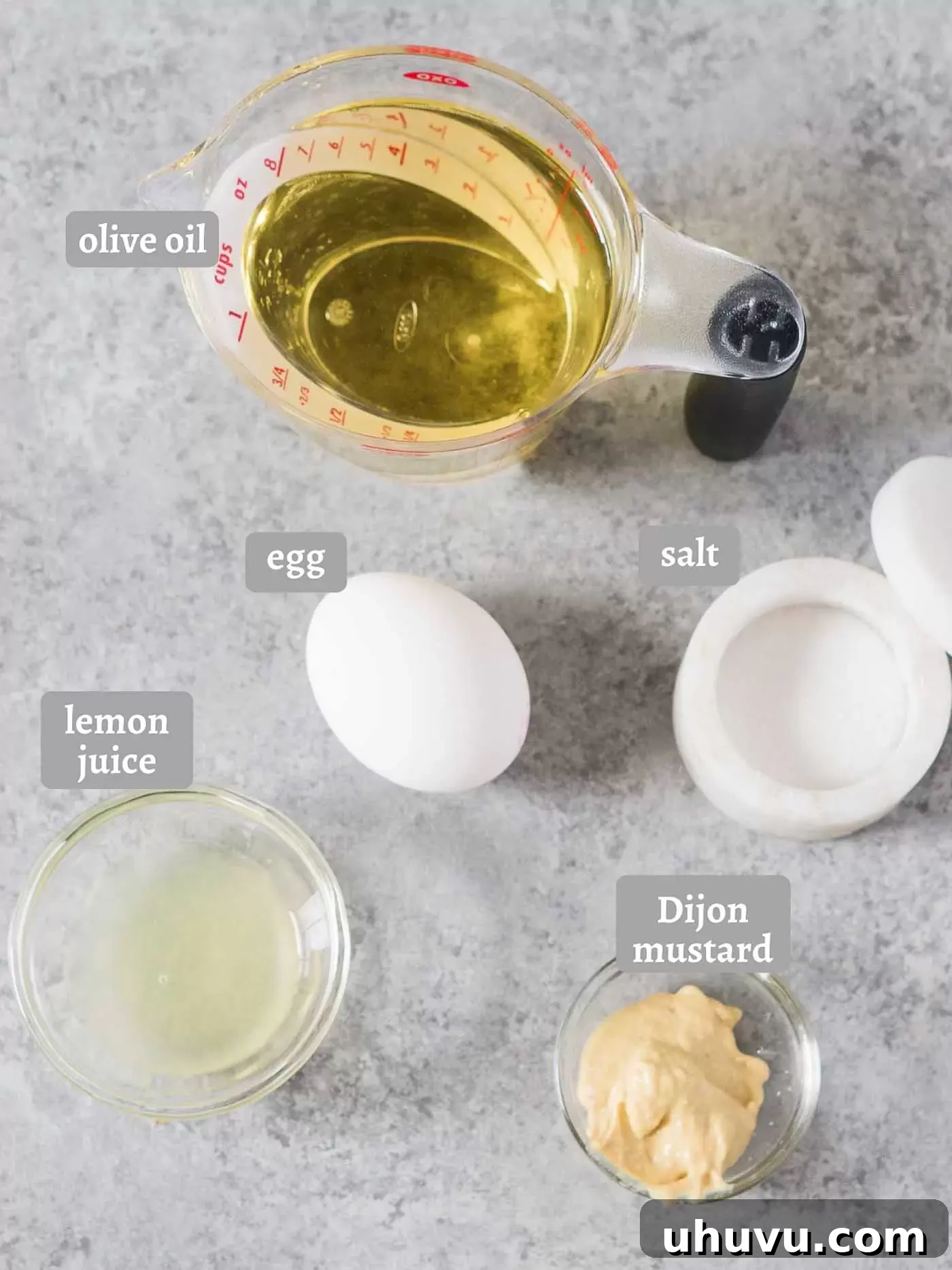
Crafting the perfect homemade mayonnaise begins with understanding the role of each key ingredient. You only need five basic items, but their quality and temperature are paramount to success.
- Fresh Raw Egg: The heart of any traditional mayonnaise, the egg yolk acts as the primary emulsifier. It contains lecithin, a natural emulsifier that binds the oil and water components together into a stable, creamy mixture. For best results, use the freshest, highest-quality eggs available – free-range or organic are excellent choices. If you have concerns about consuming raw eggs, consider using pasteurized eggs, which are heat-treated to eliminate potential bacteria while still performing effectively in the recipe.
- Light Olive Oil: The choice of oil significantly impacts the flavor of your mayonnaise. Light olive oil is highly recommended for its mild, neutral taste that won’t overpower the other ingredients. Regular or extra virgin olive oils tend to have a strong, sometimes bitter, flavor that can be unappealing in mayonnaise. Other neutral-flavored oils like avocado oil, grapeseed oil, or sunflower oil are also excellent alternatives.
- Dijon Mustard: Beyond adding a delightful tang and subtle spice, Dijon mustard plays a crucial scientific role. It contains compounds that act as secondary emulsifiers, further stabilizing the egg yolk and oil mixture and significantly reducing the risk of your mayonnaise separating or “breaking.” It helps to create a stronger, more consistent emulsion.
- Salt: A fundamental seasoning that balances and enhances all the flavors in the mayonnaise. Start with a pinch and adjust to your personal preference. High-quality sea salt or kosher salt are ideal.
- Fresh Lemon Juice: This ingredient is vital for both flavor and emulsification. The acidity in lemon juice brightens the mayonnaise, cutting through its richness and adding a zesty freshness. More importantly, the acid helps to stabilize the egg proteins, aiding in the emulsification process. Always opt for freshly squeezed lemon juice over bottled varieties for the best taste. If lemons aren’t available, white wine vinegar makes an excellent substitute, offering a similar acidic balance. Ensure your lemon juice is also at room temperature.
Step-by-Step Guide: Crafting Your Own Mayonnaise
Making mayonnaise in a food processor is remarkably simple and fast. Follow these steps for perfect, creamy results every time:
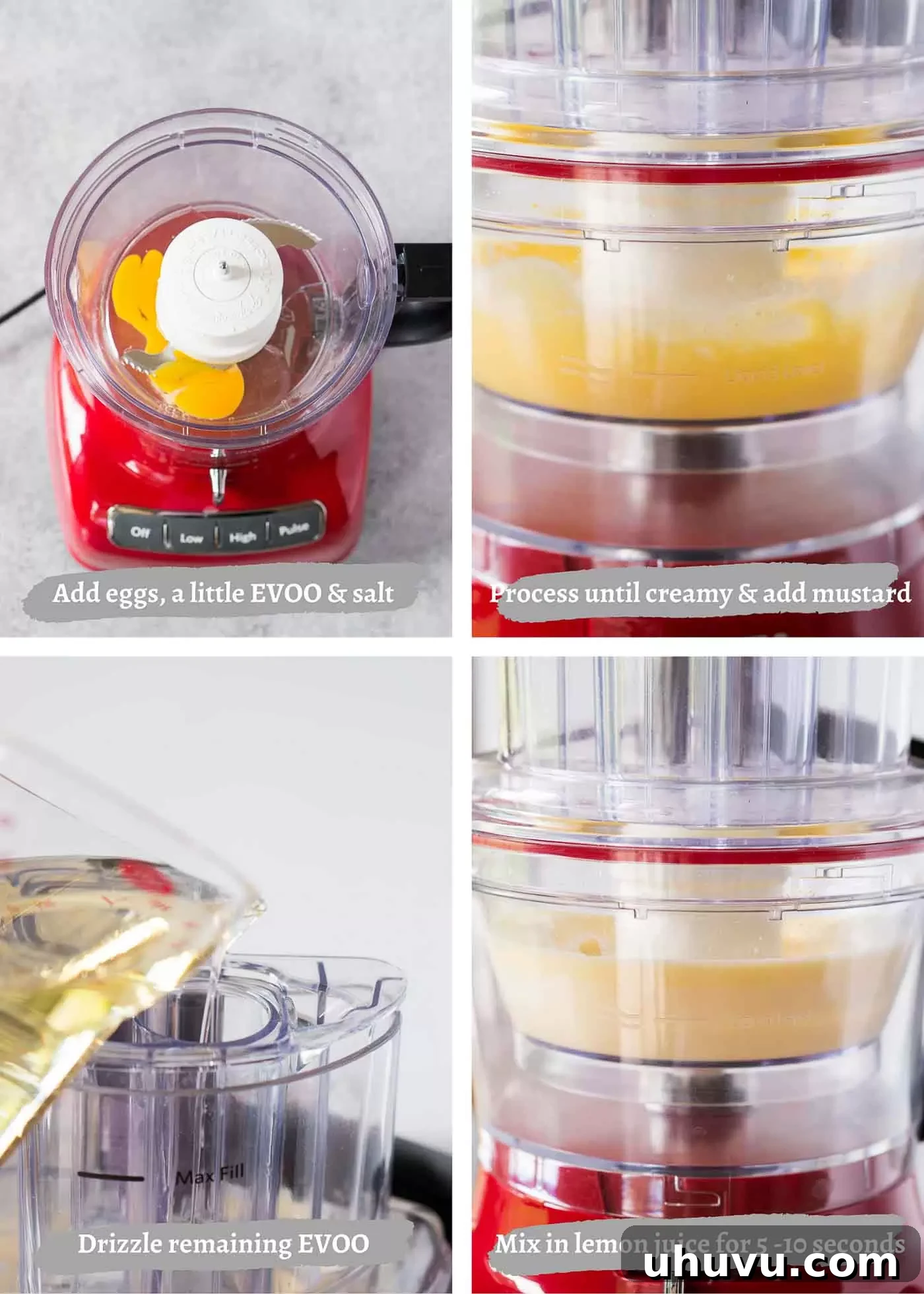
- Initial Blend: Begin by adding approximately ¼ cup of light olive oil to your food processor. Follow with the egg, Dijon mustard, and a pinch of salt. It’s crucial that all these ingredients are at room temperature to ensure they emulsify properly.
- First Emulsification: Process these initial ingredients thoroughly until they are well combined and have achieved a pale yellow color. This usually takes about 15-30 seconds. This step creates the foundation for your emulsion.
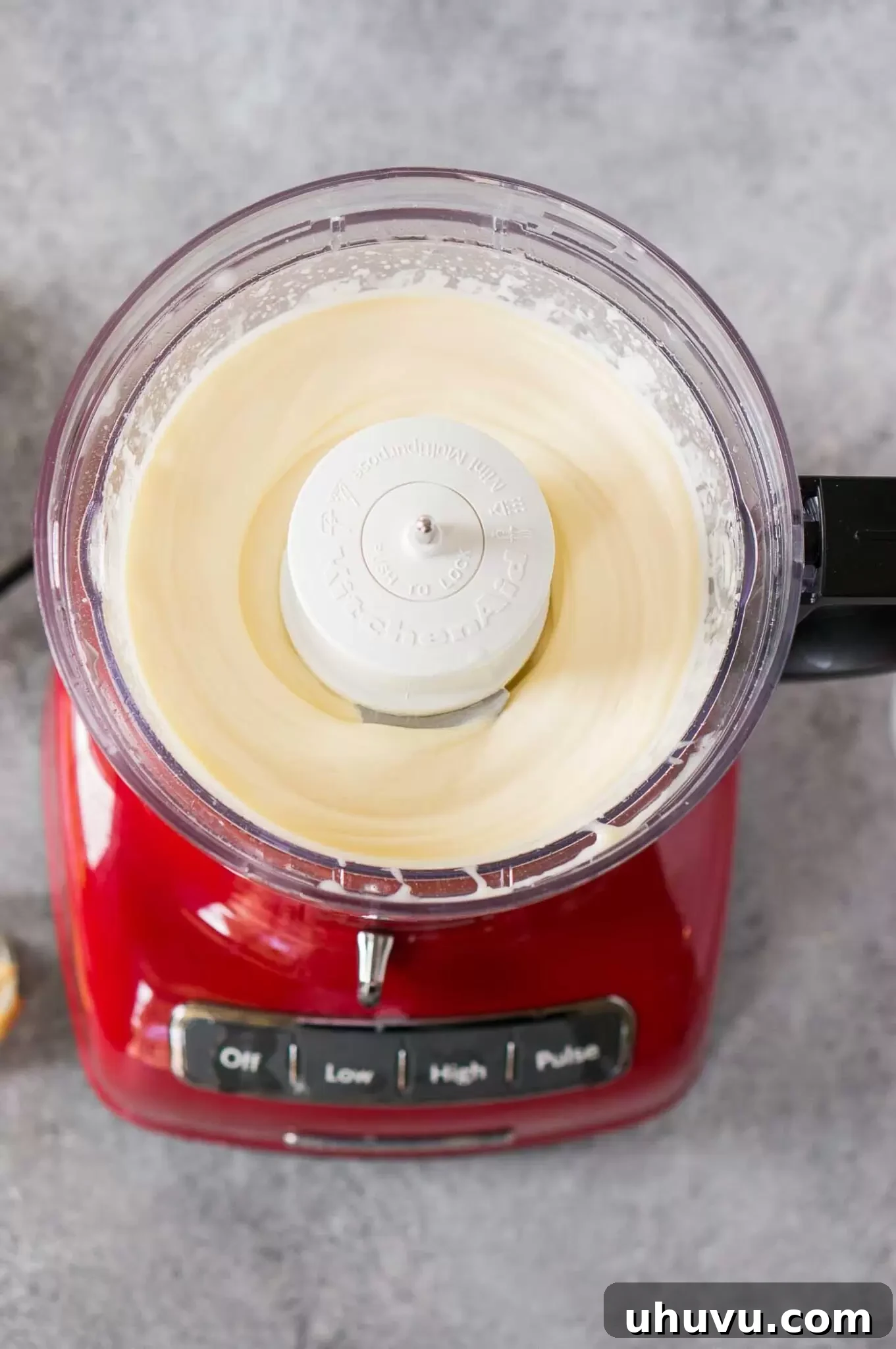
- Slow Oil Drizzle – The Key Step: With the food processor running continuously, very slowly and gradually drizzle in the remaining oil. This is the most critical step for successful mayonnaise. The oil needs to be incorporated drop by drop at first, then in a very thin, steady stream, allowing the egg yolk to fully emulsify it. The mixture will gradually thicken and become opaque. This slow addition should take about 60 to 90 seconds for the entire cup of oil. Patience here prevents your mayonnaise from “breaking.”
- Add the Acid: Once the mayonnaise is thick and fully emulsified, and the oil has been incorporated, add the fresh lemon juice (or white wine vinegar). Continue processing for only 5-10 seconds until it is just incorporated. Over-blending at this stage can sometimes cause the mayo to split.
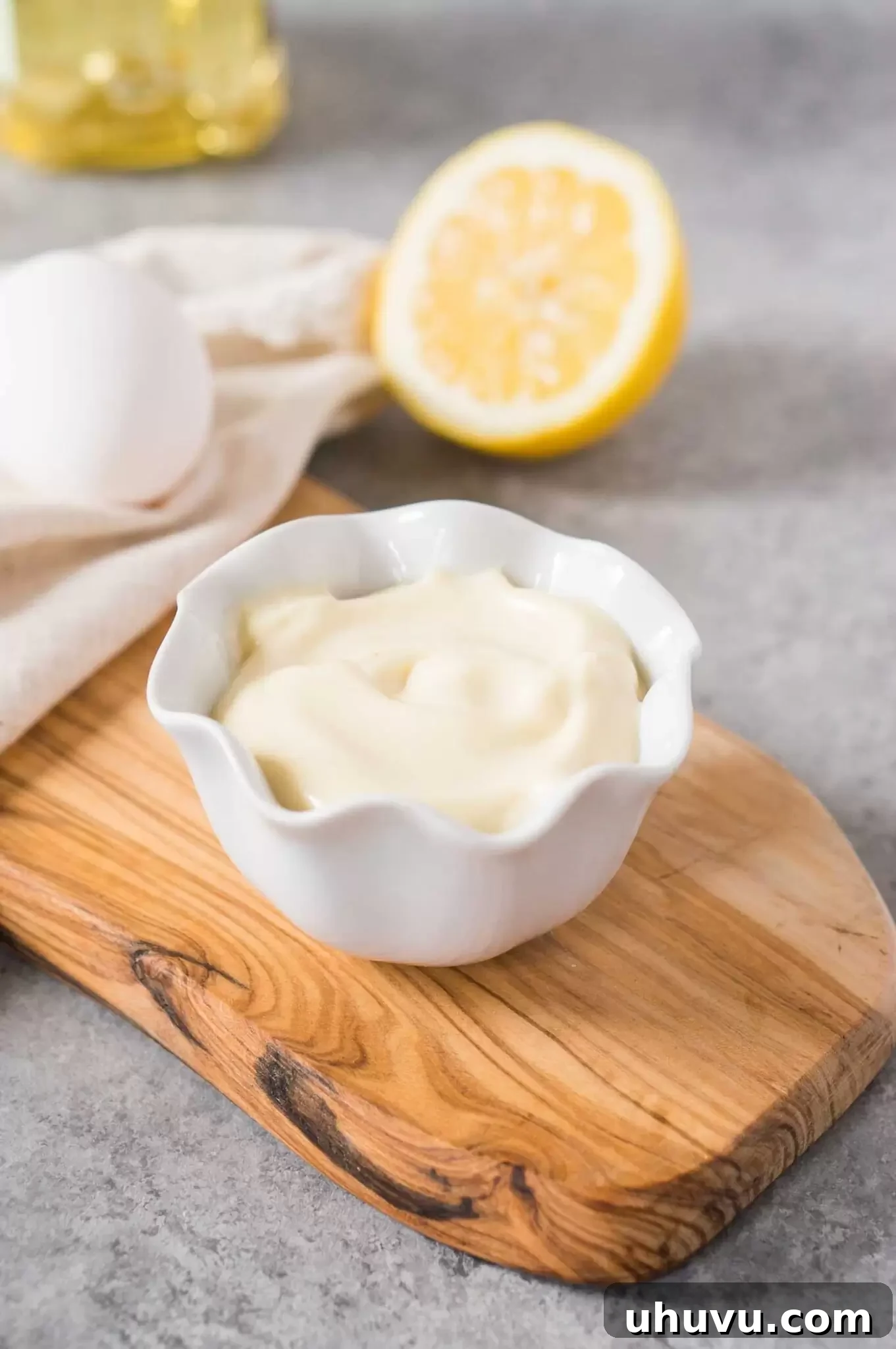
- Ready to Enjoy: Your fresh, homemade mayonnaise is now ready to use! Transfer it to an airtight container and store it in the refrigerator.
EXPERT TIPS FOR MAYONNAISE SUCCESS
Mastering Homemade Mayonnaise: Tips & Troubleshooting
- Room Temperature is Non-Negotiable: This is perhaps the most important tip. Ensure all your ingredients, especially the egg and lemon juice, are at room temperature. Cold ingredients are more resistant to emulsification and are a common cause of split or thin mayonnaise. Take them out of the fridge at least 30 minutes (preferably an hour) before you start blending.
- The Art of the Slow Oil Drizzle: Emulsification is a delicate process. Adding the oil too quickly is the number one reason mayonnaise breaks. The egg yolk needs time to bind with each tiny droplet of oil. Start by adding a few drops at a time, then proceed with a very slow, thin, steady stream. If you see the mixture getting too thin or looking curdled, stop adding oil and blend what’s in the processor until it re-emulsifies before continuing.
- Don’t Over-Blend: While you need to blend thoroughly, continuous over-processing can actually break the emulsion by generating too much heat or simply overworking the ingredients. Once the mayonnaise is thick and creamy, and the lemon juice is incorporated, stop.
- Alternative Equipment: No food processor? No problem! You can also achieve silky smooth mayonnaise using an immersion blender (often called a stick blender) in a tall, narrow jar or a standard upright blender. For the truly adventurous, you can even whisk it by hand, though this requires considerable arm strength and patience.
- Customization is Key: This basic mayonnaise recipe is an excellent base for endless flavor variations. Get creative by mixing in:
- Spicy Kicks: A pinch of cayenne pepper, smoked paprika, chipotle powder, or a dash of sriracha.
- Fresh Herbs: Finely chopped dill, chives, parsley, tarragon, or cilantro.
- Aromatic Boosts: Minced garlic, roasted garlic paste, or a touch of onion powder.
- Citrus Zest: Grated lemon or lime zest for an extra bright flavor.
- Saving a Broken Mayonnaise: If your mayonnaise turns out thin, curdled, or separated, don’t despair! It’s often salvageable:
- Method 1 (Extra Egg Yolk): In a clean bowl, whisk one fresh egg yolk (at room temperature) until pale. Slowly, drop by drop, whisk in the broken mayonnaise into the fresh yolk. The new yolk will act as a strong emulsifier to bring the mixture back together.
- Method 2 (Boiling Water): For a quicker fix, place a couple of teaspoons of boiling water in a clean bowl. Slowly whisk in the broken mayonnaise, bit by bit. The heat from the water helps to reset the emulsion and bond the ingredients back into a smooth, creamy consistency.
Homemade Mayonnaise Storage Guide
Proper storage is crucial for maintaining the freshness and safety of your homemade mayonnaise, especially because it contains raw egg.
- Refrigerator Storage: Once prepared, transfer your homemade mayonnaise to a clean, airtight jar or container. Store it promptly in the refrigerator. Due to the raw egg, it is best consumed within one week. Never leave homemade mayonnaise out at room temperature for more than two hours, as this significantly increases the risk of bacterial growth.
- Freezing is Not Recommended: Mayonnaise, particularly homemade versions, does not freeze well. Upon thawing, the emulsion will almost certainly break, causing the oil to separate from the other ingredients. While you might try to re-emulsify it with an immersion blender, the texture will rarely be the same, often becoming grainy or oily. For optimal taste and texture, always enjoy your homemade mayonnaise fresh.
Creative Ways to Elevate Meals with Homemade Mayonnaise
The beauty of homemade mayonnaise lies in its versatility. Its fresh, clean flavor makes it a superior choice for countless dishes. Here are just a few ideas to get you started:
- In Classic Salads: Homemade mayo is the secret ingredient for truly spectacular salads.
- Creamy Coleslaw: The foundation for a crisp, tangy, and refreshing side.
- Rich Egg Salad: A lunch staple transformed by fresh mayo.
- Hearty Potato Salad: Essential for that comforting, creamy texture.
- Savory Chicken Salad and Chicken Waldorf Salad: Bind ingredients and add a luscious mouthfeel.
- Flaky Salmon Salad or Tuna Salad: Perfect for sandwiches or wraps.
- Enhancing Seafood Dishes: A dollop of fresh mayo perfectly complements the delicate flavors of seafood.
- Golden Crab Cakes: Serve alongside or as a binder.
- Flavorful Salmon Patties: Adds moisture and richness.
- As a Base for Condiments & Sauces: Homemade mayonnaise is the starting point for a myriad of delightful sauces and dressings.
- Classic Tartar Sauce: A must-have with fried fish.
- Tangy Blue Cheese Dressing: For salads, wings, or dipping veggies.
- Creamy Caesar Dressing: The essential component of this iconic salad.
- Sweet and Zesty Thousand Island Dressing: A timeless diner favorite.
- Addictive Fry Sauce: The ultimate dip for french fries and more.
- My favorite Pimento Cheese: A creamy, cheesy spread that’s hard to resist.
Frequently Asked Questions About Homemade Mayonnaise
For homemade mayonnaise, light olive oil is generally the best choice. It provides a neutral, mild flavor that doesn’t compete with the other ingredients. Regular or extra virgin olive oils often have a robust, sometimes bitter, flavor that can be too strong for mayonnaise. Other excellent neutral vegetable oils include avocado oil, grapeseed oil, sunflower oil, or safflower oil. Always avoid oils with strong flavors or those that are highly processed.
Mayonnaise typically breaks for a few key reasons: cold ingredients, adding oil too quickly, or over-blending. Ensure all ingredients are at room temperature. The oil must be drizzled in very slowly, especially at the beginning, to allow the emulsion to properly form. Over-blending can also generate too much heat or simply destabilize the emulsion.
Yes, you can! While traditional mayonnaise uses raw eggs, vegan versions often use aquafaba (the liquid from a can of chickpeas) or plant-based milks combined with an emulsifier like mustard or soy lecithin. The texture and flavor will be slightly different from traditional egg-based mayonnaise, but they can be delicious alternatives.
Traditionally, mayonnaise is an emulsion of egg yolk, oil, and an acid (lemon juice or vinegar), often with mustard and salt. Aioli, on the other hand, is a Mediterranean sauce typically made from emulsified garlic, olive oil, and sometimes egg yolk. While modern “aioli” recipes often start with a mayonnaise base and add garlic, true aioli is a distinct emulsion focused on intense garlic flavor. So, while related, they are not quite the same thing.
Discover More Homemade Condiments
If you enjoyed crafting this classic homemade mayonnaise, you’ll love exploring other simple and fresh condiment recipes:
- Garlic Aioli: A robust, garlicky spread perfect for sandwiches and dipping.
- Instant Pot Applesauce: A quick and healthy alternative to store-bought applesauce.
- Caesar Dressing: Elevate your salads with a homemade, authentic Caesar dressing.
- Balsamic Glaze: A rich, tangy syrup perfect for drizzling over salads, meats, and cheeses.
If you enjoyed this Homemade Mayonnaise recipe or any other recipe on my blog, please leave a ⭐ star rating and let me know how it went in the 📝 comments below. Your feedback helps others discover delicious recipes! Thanks for visiting!
Pin this now to find it later
Pin It
☝ Tap stars to rate
Homemade Mayonnaise
Pin
Rate
Save This Recipe
Enter your email and we’ll send the recipe directly to you!
By submitting this form, you consent to receive emails from Delicious Meets Healthy.
Ingredients
- 1 egg, at room temperature
- 1 – 1.25 cups light olive oil, not extra virgin, divided
- 1 Tablespoon Dijon mustard
- ¼ teaspoon salt
- 1 Tablespoon lemon juice, at room temperature
Instructions
-
Place ¼ cup light olive oil in the food processor, add the egg, Dijon mustard and salt.
-
Process thoroughly until combined and pale yellow in color.
-
With the food processor running, very slowly drizzle in the remaining oil until the mixture is emulsified and thick. It should take you about 60 – 90 seconds to pour the whole cup.
-
With the food processor still running, add the lemon juice and mix until incorporated, only for 5 – 10 seconds.
-
The mayonnaise is ready to be used. Store in the refrigerator for up to a week.
Notes
- Make sure that all of your ingredients are at room temperature, otherwise, they may not combine well. I like to get everything at room temperature for at least 30 minutes before making a batch.
- Add the oil slowly and in increments so that it blends well. Adding the oil slowly is really important. If you add it too quickly it can separate. When too much oil is added too fast, it doesn’t emulsify with the egg yolks and it looks curdled and broken.
- Don’t over-blend the ingredients as this can cause the mayo to split.
- You could also use an immersion blender or a standard blender to make mayonnaise.
- This homemade mayonnaise recipe is easy to customize. Add in some cayenne, chipotle, or sriracha for a spicy condiment, or try mixing in some fresh herbs or a little minced garlic.
- If the mayo is too thin, curdled, or separated, you can add another egg yolk OR a couple of teaspoons of boiling water to a bowl and slowly bit by bit add in and whisk the mayonnaise into it until it emulsifies, and until the mayo is smooth and creamy again.
Nutrition
Nutrition Disclaimer: Nutritional values are estimates and may vary with ingredients, brands, and portion sizes. For accuracy, use your preferred nutrition calculator.
Like this recipe? Rate and comment below!