

Chicken Francese is a truly classic dish that elevates any meal from ordinary to gourmet in about 30 minutes. This makes it a perfect solution for those busy weeknight dinners when you crave something special but are short on time, or for efficient meal prep that delivers delightful flavors throughout the week. Its elegant presentation and rich, savory-tart lemon butter sauce make it a restaurant-quality meal you can easily create in your own kitchen.

This classic chicken dish is destined to become a staple in your weekly meal plan, offering both convenience and irresistible taste. Preparing it requires just one pan and a handful of basic ingredients, allowing you to cook the chicken and its luscious lemon butter sauce in approximately 15 minutes. It truly is the ultimate chicken dinner that is both budget-friendly and exceptionally easy to prepare for weeknight meals, proving that you don’t need extensive culinary skills or time to enjoy a fantastic home-cooked meal.
Chicken Francese vs. Chicken Piccata: Understanding the Differences
Many people often confuse Chicken Francese with Chicken Piccata, and it’s easy to see why, as both recipes are indeed very similar in their overall appearance and some ingredients. However, there are distinct differences that give each dish its unique character. Chicken Francese, sometimes referred to as Chicken Francaise, is an American-Italian dish whose name translates to “chicken cooked in the French manner.” The primary distinction lies in the dredging process of the chicken cutlets. For Francese, the chicken is traditionally dipped first in flour, providing a thin, crisp coating, and then in a seasoned beaten egg mixture before being pan-fried to a beautiful golden brown.
In contrast, Chicken Piccata reverses this order: the chicken cutlets are dipped first in egg and then in flour. While both dishes are famously sautéed in a bright, tangy lemon-butter and white wine sauce, the Piccata recipe distinctively includes capers, which add a briny, salty punch that is absent in the traditional Francese sauce. This subtle difference in ingredients and preparation method results in slightly different textures and flavor profiles, making both dishes wonderful in their own right but certainly not identical. Understanding these nuances can help you appreciate the unique qualities of each and choose which one best suits your craving.
Why You’ll Love This Easy Chicken Francese Recipe
Just like other beloved chicken recipes such as Honey Chipotle Chicken and Chicken Marsala, Chicken Francese stands out for being incredibly easy, quick, and undeniably delicious. The preparation is straightforward, making it accessible for home cooks of all skill levels. What truly sets this dish apart, however, is its signature lemon butter sauce. This sauce is not only excellent but also wonderfully creamy, coating each tender piece of chicken with a harmonious blend of rich butter, zesty lemon, and savory depth. It’s a culinary masterpiece that feels luxurious yet comes together with minimal effort, making it a perfect addition to your culinary repertoire.

How To Make Perfect Chicken Francese at Home
Creating this restaurant-favorite dish at home is surprisingly simple and can be accomplished in less than an hour, transforming simple ingredients into an extraordinary meal. Follow these steps for a perfect Chicken Francese every time:
- **Prepare the Chicken:** Begin by seasoning your chicken cutlets generously with salt, pepper, and garlic powder. Then, prepare your dredging stations: one shallow plate for flour and another bowl for the beaten egg. Dip each seasoned chicken piece first into the flour, ensuring it’s evenly coated, shaking off any excess. Next, immerse it in the beaten egg, allowing the egg to adhere nicely to the flour coating.
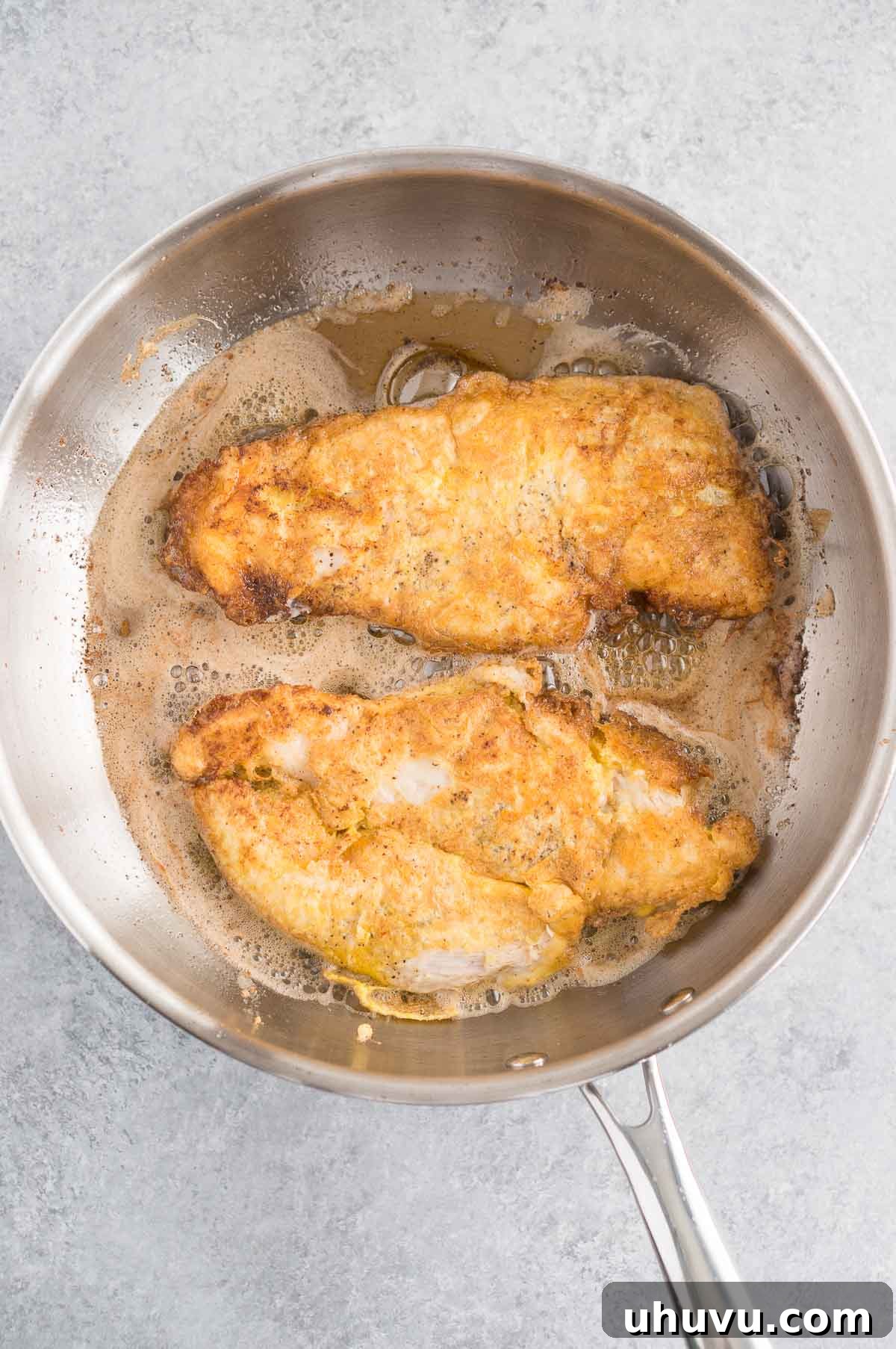
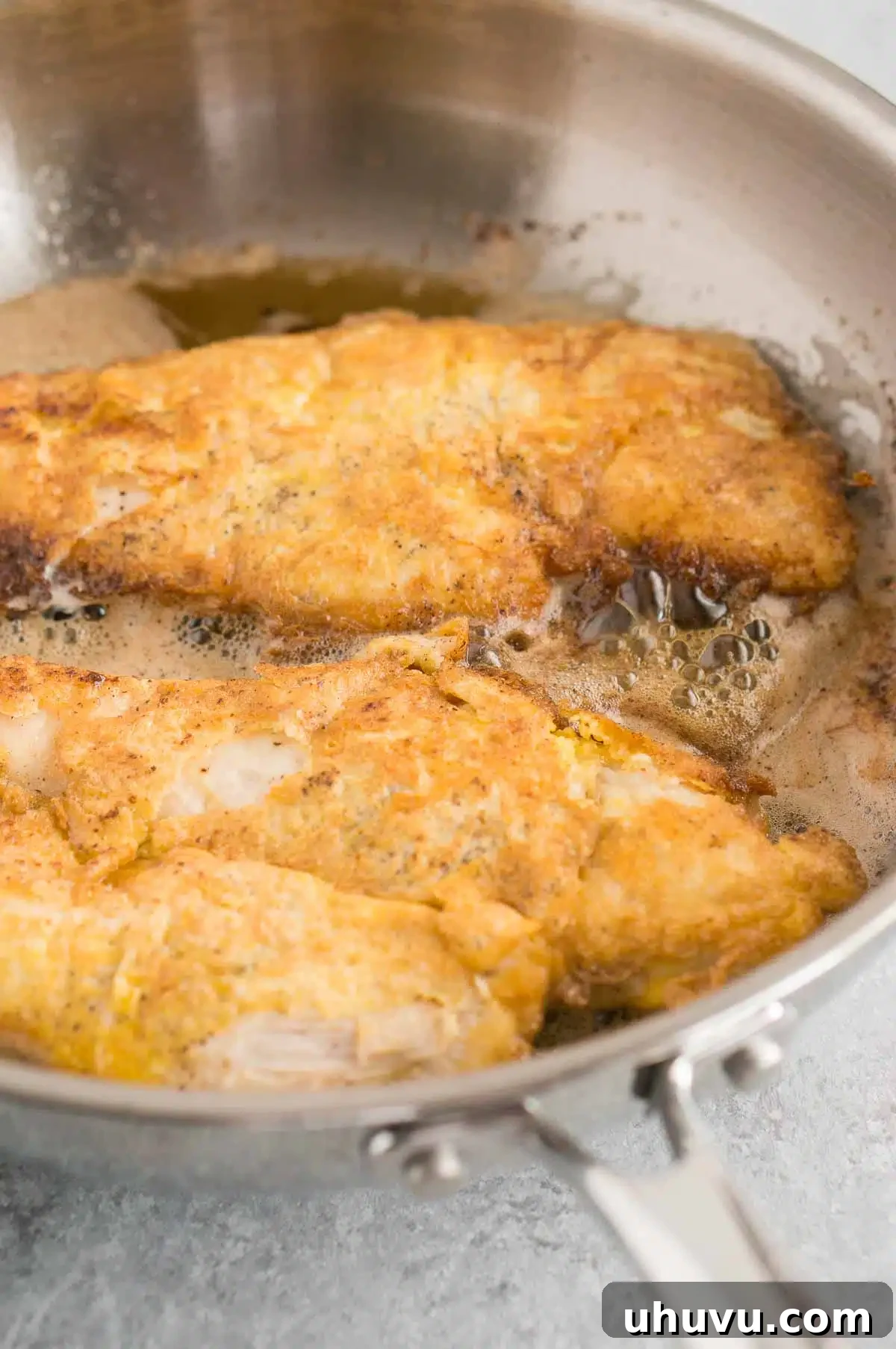
- **Cook the Chicken:** Heat a generous amount of olive oil in a large skillet over medium-high heat. Once hot, carefully place the dredged chicken cutlets into the pan, ensuring not to overcrowd it. Cook the chicken for about 3-4 minutes per side, or until it achieves a beautiful golden-brown crust and an internal temperature of 165°F (74°C). This searing locks in the juices and creates a delightful texture. Once cooked, transfer the chicken to a clean plate and loosely tent it with aluminum foil to keep it warm while you prepare the sauce.
- **Craft the Savory Sauce:** Using the same skillet, which now holds all the flavorful fond from cooking the chicken, reduce the heat slightly. Add butter and minced garlic to the pan, stirring until the butter melts and the garlic becomes fragrant. Whisk in a tablespoon of flour to create a roux, which will help thicken the sauce. Gradually pour in the chicken stock and white wine (or additional chicken stock for an alcohol-free version), stirring continuously to prevent lumps. Bring the mixture to a gentle boil, then reduce the heat and let the sauce simmer for a couple of minutes until it slightly thickens. Finally, stir in the fresh lemon juice, which provides the characteristic savory-tart tang of Francese.
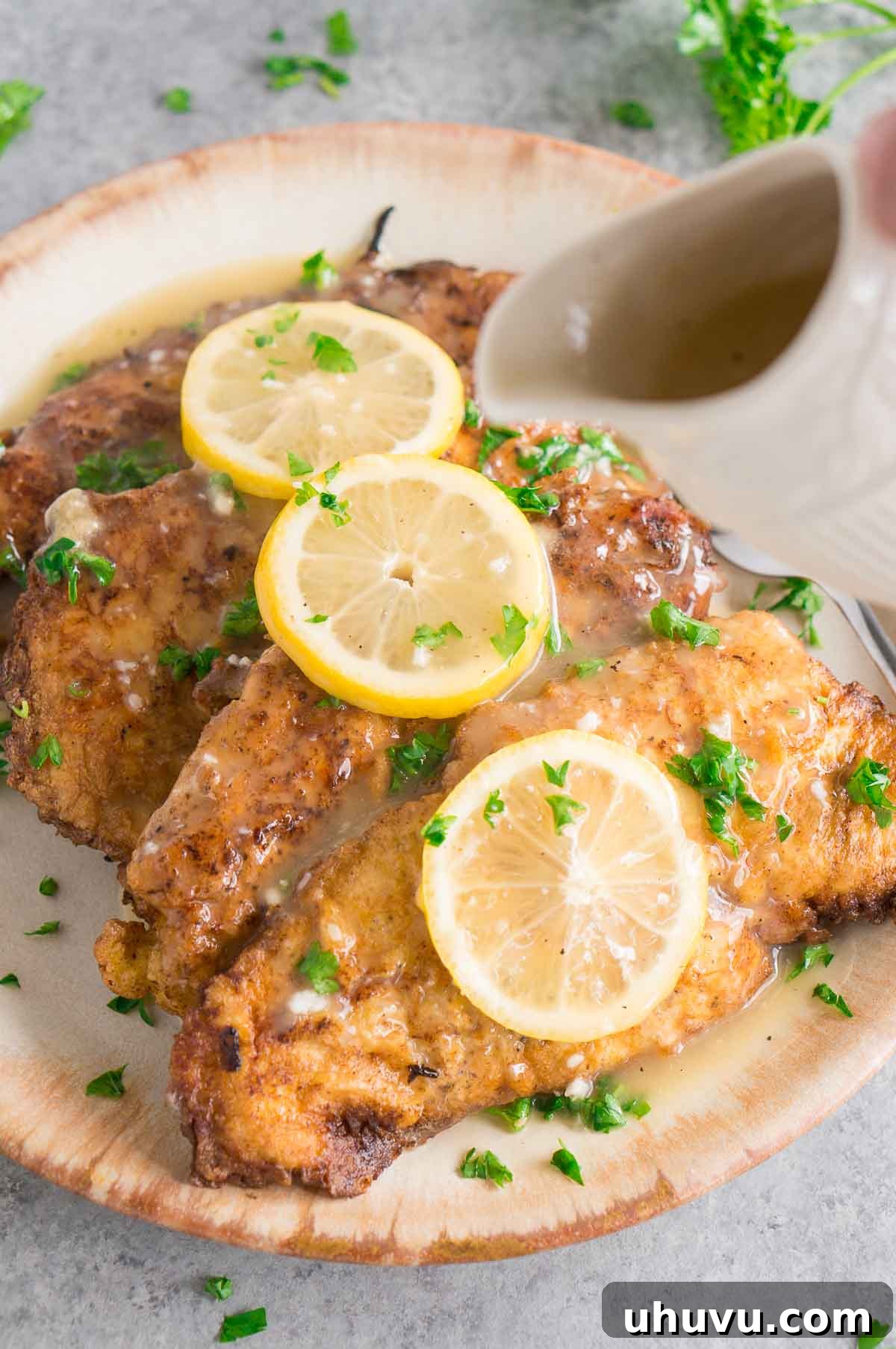
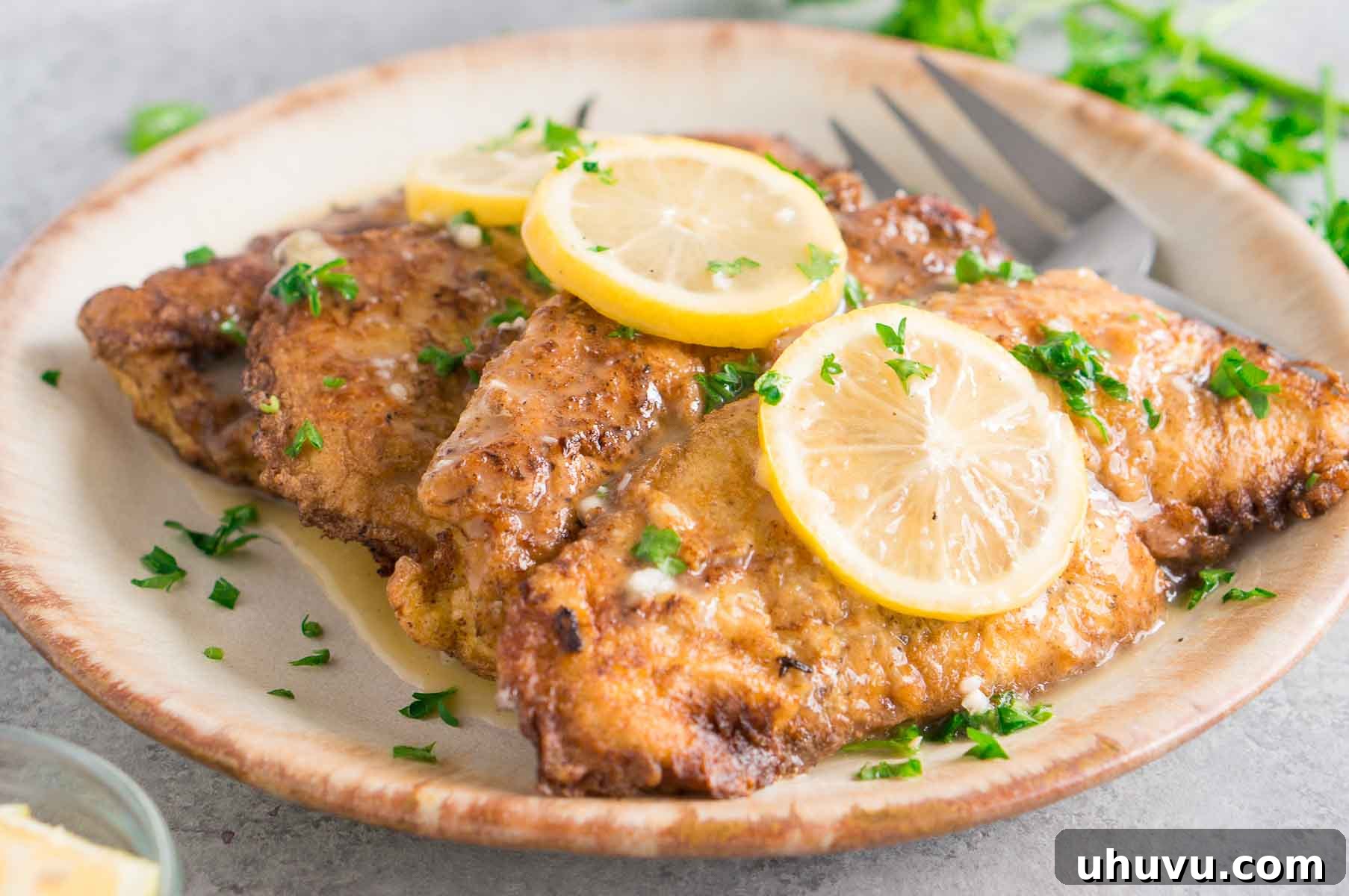
- **Serve and Garnish:** Return the cooked chicken cutlets to the skillet, or arrange them on a serving platter. Pour the freshly made lemon butter sauce generously over the chicken. For an extra burst of freshness and color, place thin lemon slices on top of each cutlet and sprinkle with finely chopped fresh parsley. Serve immediately and enjoy this incredibly easy and delicious chicken Francese!
This easy chicken Francese recipe not only tastes amazing but also offers a sophisticated flavor profile that is sure to impress. It’s a guaranteed family favorite that delivers gourmet quality with minimal effort, proving that incredible meals don’t have to be complicated.
Healthy & Dietary Adaptations for Chicken Francese
Making Chicken Francese a healthy option is entirely possible, and with a few simple substitutions, you can easily adapt it to various dietary needs without sacrificing flavor. To create a gluten-free Chicken Francese, the most crucial step is to swap regular all-purpose flour for a high-quality gluten-free flour blend. Many excellent gluten-free flours are available today that will yield a wonderfully crisp coating similar to the traditional version.
Furthermore, by using gluten-free flour and being mindful of other ingredients, this chicken meal can also be adapted to be Paleo, Whole30, and Low-carb friendly. For Paleo and Whole30 diets, ensure that your chicken stock is compliant (no added sugars or artificial ingredients) and consider using arrowroot powder or tapioca starch instead of flour for thickening, if necessary, though the egg coating itself provides some structure. For a low-carb version, ensure your chosen gluten-free flour has a low carbohydrate count, such as almond flour or coconut flour, and be mindful of portion sizes. These adaptations ensure that more people can enjoy the delightful taste of Chicken Francese, making it a versatile and inclusive dish for various dietary lifestyles.
Essential Tips For The Best Chicken Francese Recipe
Achieving restaurant-quality Chicken Francese at home is easier than you think, especially with these crucial tips:
- Pat Dry the Chicken Cutlets: Before seasoning or dredging, always make sure to thoroughly pat dry the chicken cutlets with paper towels. This seemingly small step is vital because excess moisture can prevent the flour and egg coating from properly adhering, which can lead to the breading falling off during cooking.
- Pound the Chicken Cutlets Thin: For even cooking and tenderness, pound the chicken cutlets with a meat tenderizer until they are uniformly about 1/4 inch thin. This ensures that the chicken cooks quickly and evenly, preventing some parts from being undercooked while others are dry. If you don’t have pre-made chicken cutlets, you can easily butterfly chicken breasts yourself. For easier butterflying, place the chicken breasts in the freezer for about 15 minutes before slicing.
- Cook on Medium-High Temperature: The optimal temperature for pan-frying your chicken is medium-high heat. Cooking at a lower temperature might not achieve that desirable golden-brown crust, while a higher temperature risks burning the delicate breading before the chicken is fully cooked through. This balance is key for flavor and texture.
- Use a Quality, Even-Cooking Pan: A good quality skillet that distributes heat evenly is essential. Stainless steel or cast iron pans work wonderfully, ensuring that the breading doesn’t stick to the skillet and that each cutlet cooks consistently across its surface.
- Monitor Internal Temperature: To guarantee food safety and prevent overcooking, always use an instant-read meat thermometer. The chicken is fully cooked when its internal temperature reaches 165°F (74°C). This precision ensures tender, juicy chicken every time.
- Transfer Chicken When Making Sauce: After cooking, it’s crucial to transfer the chicken cutlets to a separate plate and tent them with foil while you prepare the lemon butter sauce in the same pan. If the chicken remains in the skillet with the liquid for too long, the delicious breading will absorb too much moisture, becoming mushy and potentially falling apart.
- Deglaze the Pan: As you start making the sauce, use a wooden spoon to gently scrape up any browned bits (fond) from the bottom of the skillet. These caramelized bits are packed with flavor and will significantly enhance the depth of your lemon butter sauce.
- Fresh Ingredients Make a Difference: Whenever possible, use fresh lemon juice and fresh parsley. The vibrant, zesty notes of fresh lemon are incomparable to bottled juice, and fresh parsley adds a burst of color and a clean, herbaceous finish that truly brightens the dish.

What to Serve With Chicken Francaise
Chicken Francese is incredibly versatile and pairs beautifully with a wide array of side dishes, making it easy to create a complete and satisfying meal. The bright, tangy lemon butter sauce complements both rich and light accompaniments. Here are some fantastic serving suggestions:
- Starchy Sides: To soak up every drop of that irresistible sauce, classic choices include creamy mashed potatoes or perfectly cooked rice. For a heartier option, consider serving it over gluten-free pasta, such as linguine or fettuccine, allowing the noodles to capture the delicate flavors of the sauce.
- Green Vegetables: Fresh, vibrant greens offer a wonderful contrast to the richness of the chicken. Garlicky sautéed green beans are a perfect match, providing a tender crunch and aromatic flavor. Other excellent choices include roasted asparagus, which adds an earthy sweetness, or savory roasted Brussels sprouts, especially when cooked with a hint of bacon for added depth. Lightly steamed or roasted broccoli and cauliflower are also simple, healthy pairings.
- Root Vegetables: For a more robust and comforting meal, roasted root vegetables like carrots, parsnips, and potatoes can be a fantastic addition. Their natural sweetness and tender texture stand up well to the lemon-butter sauce.
- Salads: A crisp and refreshing light side salad is an excellent choice to cut through the richness of the dish. Think simple greens with a vinaigrette, or a Mediterranean-inspired salad with tomatoes, cucumbers, and avocado for added freshness.
The beauty of Chicken Francese is that it truly goes well with all kinds of sides, making it a fantastic option for using up any leftover ingredients you might have in your fridge. You can often prepare many of these side dishes while the chicken is cooking, ensuring you have a delicious and quick dinner on the table in no time.
Meal Prep and Storage for Chicken Francese
Chicken Francese is an excellent recipe for meal prepping, allowing you to enjoy this flavorful dish even on your busiest days. Proper storage ensures both safety and quality:
- Refrigerator: Cooked Chicken Francese can be safely stored in an airtight container in the refrigerator for about three to four days. This makes it ideal for workday lunches or quick dinners throughout the week. For best results, allow the chicken to cool completely before transferring it to the container. If you prefer to prep ahead, you can also prepare the chicken cutlets (pounded, seasoned, and even dredged in flour and egg) a day in advance and store them uncooked in the refrigerator, ready to be pan-fried fresh when you’re ready to cook.
- Freezer: Chicken Francese is a surprisingly freezer-friendly recipe, which is a huge advantage for those stressful and busy days. To freeze, ensure the cooked chicken and sauce have cooled completely. Transfer them to a freezer-safe, airtight container or heavy-duty freezer bags. Properly stored, it can maintain its quality for up to three months. When you’re ready to enjoy it, simply transfer the frozen dish to the refrigerator the day before to allow it to thaw gradually. Reheat thawed Chicken Francese gently in the oven at a low temperature (around 300-325°F or 150-160°C) until warmed through, or in a skillet over medium-low heat, adding a splash of chicken stock if the sauce appears too thick. This method helps preserve the tenderness of the chicken and the consistency of the sauce.
Frequently Asked Questions About Chicken Francese
- Can I use chicken thighs instead of breasts?
Yes, you absolutely can! Chicken thighs will yield a slightly richer flavor and can be more forgiving if you’re worried about overcooking. Just be sure to pound them to an even thickness for consistent cooking, and adjust cooking times slightly as thighs can sometimes take a little longer than breasts. - What kind of white wine should I use?
A dry white wine is best for Chicken Francese. Pinot Grigio, Sauvignon Blanc, or an unoaked Chardonnay are excellent choices. Avoid sweet wines, as they will alter the delicate balance of the lemon butter sauce. - Can I make this recipe without wine?
Yes, if you prefer to omit the wine, you can substitute it with an equal amount of chicken stock. The sauce will still be delicious and flavorful, though it might lack a subtle layer of complexity that the wine provides. - How can I thicken the sauce if it’s too thin?
If your sauce isn’t as thick as you’d like, you can create a quick slurry. Mix a teaspoon of cornstarch with an equal amount of cold water until smooth, then slowly whisk it into the simmering sauce. Allow it to cook for another minute or two until it reaches your desired consistency. - Can I prepare the chicken ahead of time?
You can prep the chicken up to the point of dredging a day in advance. Pound and season the chicken, then store it covered in the refrigerator. Dredge it in flour and egg just before cooking to ensure the coating remains fresh and crisp.

Chicken Francese
Ingredients
- 1.5 lbs chicken breasts, butterflied (or chicken cutlets)
- salt and black pepper
- garlic powder
- 1 cup gluten-free flour
- 2 eggs
- olive oil
- 4 Tablespoon butter, divided
- 4 cloves garlic, minced
- 1 cup chicken stock
- ¼ cup white wine (Pinot Grigio), (see Note 1)
- 2 Tablespoon lemon juice
- fresh parsley, chopped
Instructions
-
Gently pound chicken cutlets to about 1/4″ thin to ensure even cooking. Season both sides generously with salt, black pepper, and garlic powder.
-
Prepare your dredging stations: place the gluten-free flour in a shallow plate and beat the eggs in a medium bowl. Dredge each seasoned chicken cutlet first in the flour, shaking off any excess, then thoroughly coat it in the beaten egg mixture.
-
Heat olive oil in a large skillet over medium-high heat until shimmering. Carefully place the dredged chicken cutlets into the hot pan, being careful not to overcrowd the skillet. Cook for about 3-4 minutes per side until the chicken is beautifully golden-brown and cooked through. Use a meat thermometer to confirm the internal temperature has reached 165°F (74°C). Once cooked, transfer the chicken to a clean plate and cover loosely with aluminum foil to keep warm.
-
To the same skillet (do not clean it, as the fond adds flavor!), add the divided butter and minced garlic. Sauté for about 1 minute until fragrant. Whisk in 2 tablespoons of the gluten-free flour to create a light roux. Gradually pour in the chicken stock, white wine (if using), and fresh lemon juice. Bring the sauce to a gentle boil, then reduce the heat and let it simmer for a minute or two, stirring constantly, until it slightly thickens.
-
Carefully transfer the cooked chicken back to the skillet with the sauce, or arrange the chicken on a serving platter and generously pour the lemon butter sauce over it. Garnish with fresh lemon slices and sprinkle with freshly chopped parsley for a burst of color and aroma. Serve warm immediately.
Notes
Nutrition
Nutrition Disclaimer: Nutritional values are estimates and may vary with ingredients, brands, and portion sizes. For accuracy, use your preferred nutrition calculator.
Chicken Francese is more than just a meal; it’s an experience of elegance and flavor made accessible for any home cook. Its quick preparation, budget-friendly nature, and adaptable qualities make it an ideal choice for a delightful weeknight dinner or a special occasion. By following these expanded tips and guidelines, you can confidently create a succulent, lemon-infused chicken dish that will impress your family and friends and secure its place as a cherished favorite in your recipe collection.